


Mike LeSage
-
Posts
243 -
Joined
-
Last visited
-
Days Won
1
Content Type
Profiles
Toronto Blue Jays Videos
2026 Toronto Blue Jays Top Prospects Ranking
Toronto Blue Jays Free Agent & Trade Rumors, Notes, & Tidbits
Guides & Resources
2025 Toronto Blue Jays Draft Pick Tracker
News
2026 Toronto Blue Jays Draft Tracker: Picks & Bonuses
Forums
Blogs
Events
Store
Downloads
Gallery
Everything posted by Mike LeSage
-
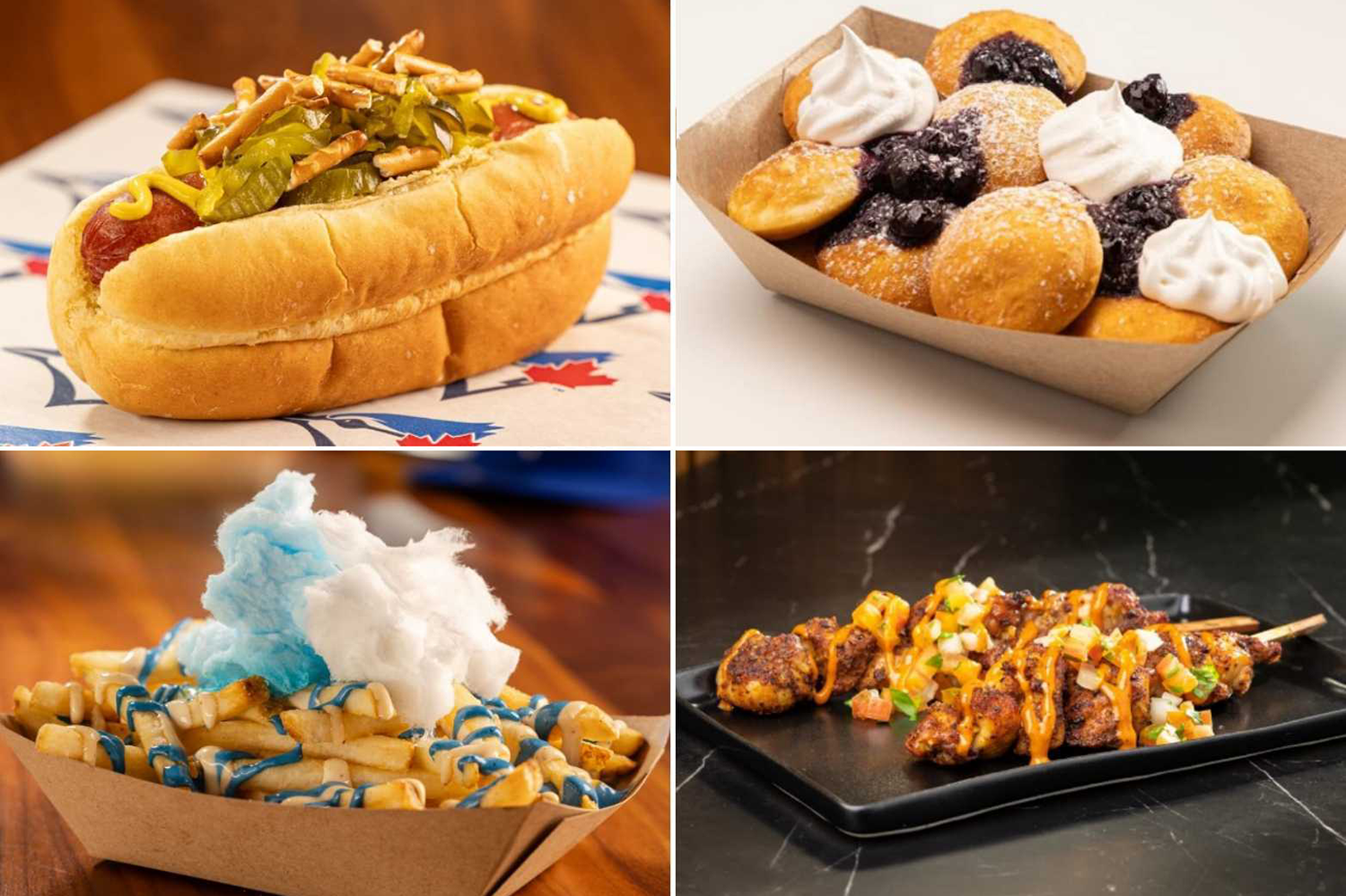 The Toronto Blue Jays have announced a number of new menu items that will be available at the Rogers Centre this season. Using a proprietary set of metrics, we’ve crunched some numbers to determine what kind of value fans can expect from the rookie foods at the park this season. First let's familiarize ourselves with the metrics and methodology we’ll be using in this evaluation. Meals Above Replacement (MAR): In the early years of baseball, a ballpark meal was nothing more than some peanuts and cracker-jack. Real replacement-level stuff. With each advancement in food technology, the envelope has been pushed. Mary Brown’s Original Big Mary with Taters has been averaging 4.2 MAR since its rookie season in 2022. The Hot Maple & Bacon Footlong Hotdog won last season’s MVF (Most Valuable Food) with a 7.8 MAR. On-Mind Percentage (OMP): This is how many of your thoughts are occupied pre-game by a given food item. A basic hot dog clocks in around 3% on a regular game day. Loonie Dog Tuesdays can see this number get as high as 25%. Novelty Factor (NF+): This measures how likely you are to repurchase an item. As you can tell by the plus, this is weighted to the league-average. Anything above 100 is better than average. Last season, the rookie Stuffed Jamaican Patties and Snow Fries ended up on opposite ends of the spectrum. The patties seeing a lot of repeat purchases and a 122 NF+, while the fries underperformed and logged a 87. Clockwise from top left: Crunchy Pickle Dog, Blueberry Pancakes, Plakata Chicken Skewers, Cotton Candy Fries. Courtesy of the Blue Jays. First up, we’ve got the two new dogs, the Mojo Hot Dog and the Crunchy Pickle Hot Dog. Following in the maple and bacon footsteps of last year’s MVF isn’t going to be easy. The standard versions are projected for 3.5 MAR, but the footlong jumps to a 6.0 MAR. These are sturdy-looking dogs. The novelty factor is where the projections differ however. The Mojo Pork is expected to keep people coming back, and that’s reflected in its 118 NF+. Pre-season concerns about how the pretzels are going to interact with the shoestring pickles have the Crunchy Pickle Dog slightly below league average at 98 NF+. This is a race we’ll want to follow all season. Next up is the OMP star of the preseason: The Cotton Candy Fries. We haven’t seen an on-mind percentage this high since the McDonald’s hot dogs that marked the SkyDome’s debut, making it one of the only locations in the world that sold McHotDogs at the time. A high OMP doesn’t always correlate to a high NF+, and the projections have these cotton candy-topped fries going in opposite directions. The 40% OMP is justified, and it jumps to 50% amongst children aged 10 and under, but the 85 NF+ suggests a one-and-done experience. The Plakata Skewers are projected to be a solid contributor to the rotation this season. These chicken skewers covered in sazon, ancho chipotle aioli, and pico de gallo take their name from the home run cry Vladimir Guerrero Jr. has made famous in Toronto. Could these skewers get renamed next season if Guerrero is skewering line drives elsewhere? With a projected 4.0 MAR, 110 NF+, and a solid 15% OMP this offering could be around for many seasons to come without any need for extension negotiations. The Blueberry Mini Pancakes (also available in Oreo flavour) haven’t been getting a tonne of press this preseason, but could be a dark horse breakout candidate. If they can carve out a spot as the go-to offering during the seventh-inning stretch, they could see themselves outperforming their projected 105 NF+. My pick for RFotY (Rookie Food of the Year) is the Korean Fried Chicken Wings. Coming in two flavours, sweet and spicy and with soy garlic, the flavour profile projects to be top-tier and is reflected in the 3.8 MAR and 22% OMP. The Novelty Factor is what we’ll want to keep an eye on. If the wings can avoid the messy-fingers pitfall of some predecessors (pulled pork sliders, I’m looking at you), they could put up historic numbers. Korean Fried Chicken Wings The utility-option season is looking to lock down a position in The Stop (located on the 100 level behind the Batter’s Eye). The Stop is offering both bao and rice bowls with four new flavours: Crispy Pork Belly, Lemongrass Chicken, Soy Marinated Beef, and Smoked Tempeh. If things go right, the mix-and-match potential of the four flavours and two bases could see this utility option move from playing the matchups into an everyday player.
 -
Spring training home runs are nice, but the first one of the regular season is always something special. With his fourth-inning home run on Opening Day, the newly acquired Andrés Giménez became the 38th different Blue Jay to hit the first homer of the season. Let's enjoy it one more time, shall we? Looking all the way back to the beginning, it didn’t take the Jays long to get their first home run in their first season. On a snowy day in Toronto in 1977, Doug Ault was the third Blue Jay to the plate… Just under two-thirds of the time, the Jays have hit their first homer in their first game of the season. In 2000, Shannon Stewart, hitting leadoff, took Jeff Suppan deep in the first at-bat of the season. The following year Stewart would be the first Jay to homer again, this time waiting all the way until his second at-bat (the 10th for the Jays). Only two other Jays have been the first to homer in back-to-back seasons. John Mayberry did it in 1980 and 1981 (the ‘81 homer didn’t come until the third game and 83rd AB of the season). Teoscar Hernández did it in 2021 and 2022 (both opening day HRs and both in the 22nd Jays AB of the game). Five other players have hit the Jays’ first homer of the season more than once. Ernie Whitt had opening day homers in 1982 and 1984, George Bell did it in 1985, 1988, and 1990, Ed Sprague broke the ice in 1993 and 1995 (neither on Opening Day), Carlos Delgado took 1997, 1999, and 2003, and Vernon Wells did it in 2008 and 2010. I should also note that in addition to the back-to-back entries in ‘80 and ‘81, Mayberry had the Jays first HR in 1978, making him a member of the three-timers club with Bell and Delgado. In 31 out of the team’s 49 seasons, the Jays have seen their first home run in their first game of the year. Twelve of those times it was on the first time through the order, but only once has it been the team’s first as well. The longest the Jays have had to wait for that home run was in 2023 when Bo Bichette went deep in the 145th AB of the Jays’ season during Toronto’s fourth game. After a three-game set to start the year in St. Louis (the only time the Jays haven’t homered in their first series), it took until the ninth inning in Kansas City for Bo to go yard and mark the first of that season. George Bell’s homer in 1985 marks the only time the first homer came in extra innings, as Bell led off the 10th inning in the team’s third game of the season. Erik Kratz’s opening day homer in 2014 is the only time the first home run came from a pinch hitter. It represented 33% of all the home runs Kratz would hit for the Jays. Whether they were a Trooper song, like Erik Kratz or one of the Jays career home run leaders (all seven of the franchise’s all-time home run hitters have done it), when the season starts we celebrate them all. Year Name Game At-Bat Year Name Game At-Bat Year Name Game At-Bat 1977 Doug Ault 1 3 1994 Roberto Alomar 1 30 2010 Vernon Wells 1 4 1978 John Mayberry 2 46 1995 Ed Sprague 2 52 2011 J.P. Arencibia 1 18 1979 Rick Cerone 2 61 1996 Domingo Cedeño 1 2 2012 José Bautista 1 12 1980 John Mayberry 1 3 1997 Carlos Delgado 1 6 2013 Maicer Izturis 2 37 1981 John Mayberry 3 83 1998 José Cruz 1 8 2014 Erik Kratz 1 27 1982 Ernie Whitt 1 16 1999 Carlos Delgado 1 5 2015 Edwin Encarnación 1 13 1983 Rance Mulliniks 1 8 2000 Shannon Stewart 1 1 2016 Troy Tulowitzki 1 32 1984 Ernie Whitt 1 8 2001 Shannon Stewart 1 10 2017 Kendrys Morales 3 88 1985 George Bell 3 107 2002 Raúl Mondesi 2 77 2018 Kevin Pillar 1 26 1986 Cecil Fielder 3 86 2003 Carlos Delgado 3 73 2019 Justin Smoak 3 76 1987 Lloyd Moseby 1 3 2004 Reed Johnson 2 54 2020 Cavan Biggio 1 20 1988 George Bell 1 4 2005 Orlando Hudson 1 11 2021 Teoscar Hernández 1 22 1989 Jesse Barfield 2 50 2006 Bengie Molina 1 16 2022 Teoscar Hernández 1 22 1990 George Bell 3 70 2007 Aaron Hill 2 61 2023 Bo Bichette 4 145 1991 Joe Carter 1 31 2008 Vernon Wells 2 45 2024 George Springer 1 10 1992 Pat Borders 1 17 2009 Travis Snider 1 18 2025 Andrés Giménez 1 13 1993 Ed Sprague 3 70 View full article
-
 With his fourth-inning home run on Opening Day, the newly acquired Andrés Giménez became the 38th different Blue Jay to hit the first homer of the season. Let's enjoy it one more time, shall we? Looking all the way back to the beginning, it didn’t take the Jays long to get their first home run in their first season. On a snowy day in Toronto in 1977, Doug Ault was the third Blue Jay to the plate… Just under two-thirds of the time, the Jays have hit their first homer in their first game of the season. In 2000, Shannon Stewart, hitting leadoff, took Jeff Suppan deep in the first at-bat of the season. The following year Stewart would be the first Jay to homer again, this time waiting all the way until his second at-bat (the 10th for the Jays). Only two other Jays have been the first to homer in back-to-back seasons. John Mayberry did it in 1980 and 1981 (the ‘81 homer didn’t come until the third game and 83rd AB of the season). Teoscar Hernández did it in 2021 and 2022 (both opening day HRs and both in the 22nd Jays AB of the game). Five other players have hit the Jays’ first homer of the season more than once. Ernie Whitt had opening day homers in 1982 and 1984, George Bell did it in 1985, 1988, and 1990, Ed Sprague broke the ice in 1993 and 1995 (neither on Opening Day), Carlos Delgado took 1997, 1999, and 2003, and Vernon Wells did it in 2008 and 2010. I should also note that in addition to the back-to-back entries in ‘80 and ‘81, Mayberry had the Jays first HR in 1978, making him a member of the three-timers club with Bell and Delgado. In 31 out of the team’s 49 seasons, the Jays have seen their first home run in their first game of the year. Twelve of those times it was on the first time through the order, but only once has it been the team’s first as well. The longest the Jays have had to wait for that home run was in 2023 when Bo Bichette went deep in the 145th AB of the Jays’ season during Toronto’s fourth game. After a three-game set to start the year in St. Louis (the only time the Jays haven’t homered in their first series), it took until the ninth inning in Kansas City for Bo to go yard and mark the first of that season. George Bell’s homer in 1985 marks the only time the first homer came in extra innings, as Bell led off the 10th inning in the team’s third game of the season. Erik Kratz’s opening day homer in 2014 is the only time the first home run came from a pinch hitter. It represented 33% of all the home runs Kratz would hit for the Jays. Whether they were a Trooper song, like Erik Kratz or one of the Jays career home run leaders (all seven of the franchise’s all-time home run hitters have done it), when the season starts we celebrate them all. Year Name Game At-Bat Year Name Game At-Bat Year Name Game At-Bat 1977 Doug Ault 1 3 1994 Roberto Alomar 1 30 2010 Vernon Wells 1 4 1978 John Mayberry 2 46 1995 Ed Sprague 2 52 2011 J.P. Arencibia 1 18 1979 Rick Cerone 2 61 1996 Domingo Cedeño 1 2 2012 José Bautista 1 12 1980 John Mayberry 1 3 1997 Carlos Delgado 1 6 2013 Maicer Izturis 2 37 1981 John Mayberry 3 83 1998 José Cruz 1 8 2014 Erik Kratz 1 27 1982 Ernie Whitt 1 16 1999 Carlos Delgado 1 5 2015 Edwin Encarnación 1 13 1983 Rance Mulliniks 1 8 2000 Shannon Stewart 1 1 2016 Troy Tulowitzki 1 32 1984 Ernie Whitt 1 8 2001 Shannon Stewart 1 10 2017 Kendrys Morales 3 88 1985 George Bell 3 107 2002 Raúl Mondesi 2 77 2018 Kevin Pillar 1 26 1986 Cecil Fielder 3 86 2003 Carlos Delgado 3 73 2019 Justin Smoak 3 76 1987 Lloyd Moseby 1 3 2004 Reed Johnson 2 54 2020 Cavan Biggio 1 20 1988 George Bell 1 4 2005 Orlando Hudson 1 11 2021 Teoscar Hernández 1 22 1989 Jesse Barfield 2 50 2006 Bengie Molina 1 16 2022 Teoscar Hernández 1 22 1990 George Bell 3 70 2007 Aaron Hill 2 61 2023 Bo Bichette 4 145 1991 Joe Carter 1 31 2008 Vernon Wells 2 45 2024 George Springer 1 10 1992 Pat Borders 1 17 2009 Travis Snider 1 18 2025 Andrés Giménez 1 13 1993 Ed Sprague 3 70
 -
This isn't the first time the Blue Jays have tried to lock down their best, most-loved, homegrown player. The first time might be instructional. A number of people, myself very much included, have been making the case that the Toronto Blue Jays should have signed Vladimir Guerrero Jr. at any cost. We’ve argued that he can hit the ball like very few players of his generation and we’ve handwaved concerns about his defense and baserunning. The foundation for a lot of these arguments is different for Guerrero than it is for a similar player the Jays might have pursued in free agency; think Pete Alonso or Alex Bregman as recent examples. Guerrero is a homegrown player. He was born in Montreal while his father played with the Expos and was signed by the Blue Jays as an international free agent when he was 16. He moved up through the ranks playing in Dunedin, New Hampshire, and Buffalo before making his Toronto debut on Opening Day in 2019. Over the past four seasons, he’s been to four straight All-Star Games, won a Gold Glove and two Silver Sluggers, led the AL in home runs, led the Blue Jays in bWAR in 2024, and thrown in Home Run Derby win just for fun. This coming season will be his 10th in the organization. He has expressed a desire to remain in Toronto, and if a 14-year deal doesn’t carry him to retirement, I don’t know what will. The Blue Jays don’t have a big name career player (apologies to Luis Leal and Ricky Romero) and Guerrero represents a chance to cement that portion of the franchise’s history. (I’m also open to Bo Bichette extending and becoming that guy.) So yes, as many have noted, this signing would mean more to Toronto than any other franchise. I’ve been thinking about Vernon Wells a lot lately, and not just because he’s one of my most-used players in Immaculate Grid. The Blue Jays selected Wells fifth in the 1997 draft. He worked his way through the minors and had some call-ups to the big club starting in 1999. He laid claim to center in 2002 and averaged more than 143 games per season there for the next nine years. Wells wasn’t as prolific as Guerrero, but in his time here he was a three-time All-Star, three-time Gold Glover, and Silver Slugger winner who led the team in bWAR in 2006. He was a fan favourite (for a time) and one of the faces of the franchise. And he had a chance to be a career Jay. Ahead of the 2003 season, Wells signed a five-year, $14.7-million contract. He immediately repaid that with his first All-Star appearance. He led the league in hits, doubles, and total bases, won the Silver Slugger, and finished eighth in MVP voting. In the next three seasons, Wells would win consecutive Gold Gloves, earn another All-Star selection, and finish with his best season, a 6.2-bWAR 2006 campaign. That off-season, Toronto put forward an offer to buy out the final year of Wells’ five-year contract with a seven-year, $126-million extension (an AAV jump from $2.94 million to $18 million). Naturally, Wells was agreeable to the deal and signed what was at the time the largest contract in Blue Jays history. For comparison to the 2025 Jays, and adjusted for inflation, that AAV (approximately $27 million in today’s dollars) would put him behind only Guerrero and would be close to George Springer’s six-year $150-million deal. For a decade following the Wells signing, the Jays instituted a five-year cap on both free agent signings and extensions. In 2007, Wells battled through shoulder issues that led to off-season surgery. In 2008, he suffered a broken wrist and Toronto never saw him return to the levels that had been forecast on the day that contract was issued. That’s not to say that Wells was a bad player. In fact he’s eighth all-time in career bWAR as a Jay. But the weight and expectations that came along with that contract absolutely changed how he was perceived in this city. Time heals all wounds, and thanks to some more recent deals you won’t find Wells’ name on “Worst Contracts in Baseball” lists anymore, but for a time he topped the charts. As you can imagine, the worst contract in the league was also considered untradable (in part because of a full no-trade clause). Yet somehow, the desperation of the Los Angeles Angels broke through and Wells was sent to the West Coast in exchange for Mike Napoli and Juan Rivera before the 2011 season. Napoli and Rivera didn’t have careers worth noting in Toronto, but less than a month after Wells was traded, Jose Bautista signed a five-year, $65-million extension that likely wouldn’t have been possible with Wells still on the payroll. The other part of the contract that I’ve neglected to mention is that it was heavily backloaded. Almost 70% of the $126 million was due in the final three years, making the fact that Alex Anthopoulos was able to move it an accomplishment of mythical proportions. To bring it back to Guerrero, I’ve pulled this quote from J.P. Ricciardi ahead of the 2008 season “He’s our best player. And, you know, he’s the guy that’s been here the longest in a lot of ways from an everyday standpoint. You’ve watched Vernon kind of grow up in front of you.” That’s as applicable to Guerrero today as it was to Wells then. I want Guerrero here forever. I want him to have his name on the Level of Excellence, but my memory isn’t so short that I don’t see the possibility of history repeating itself. View full article
-
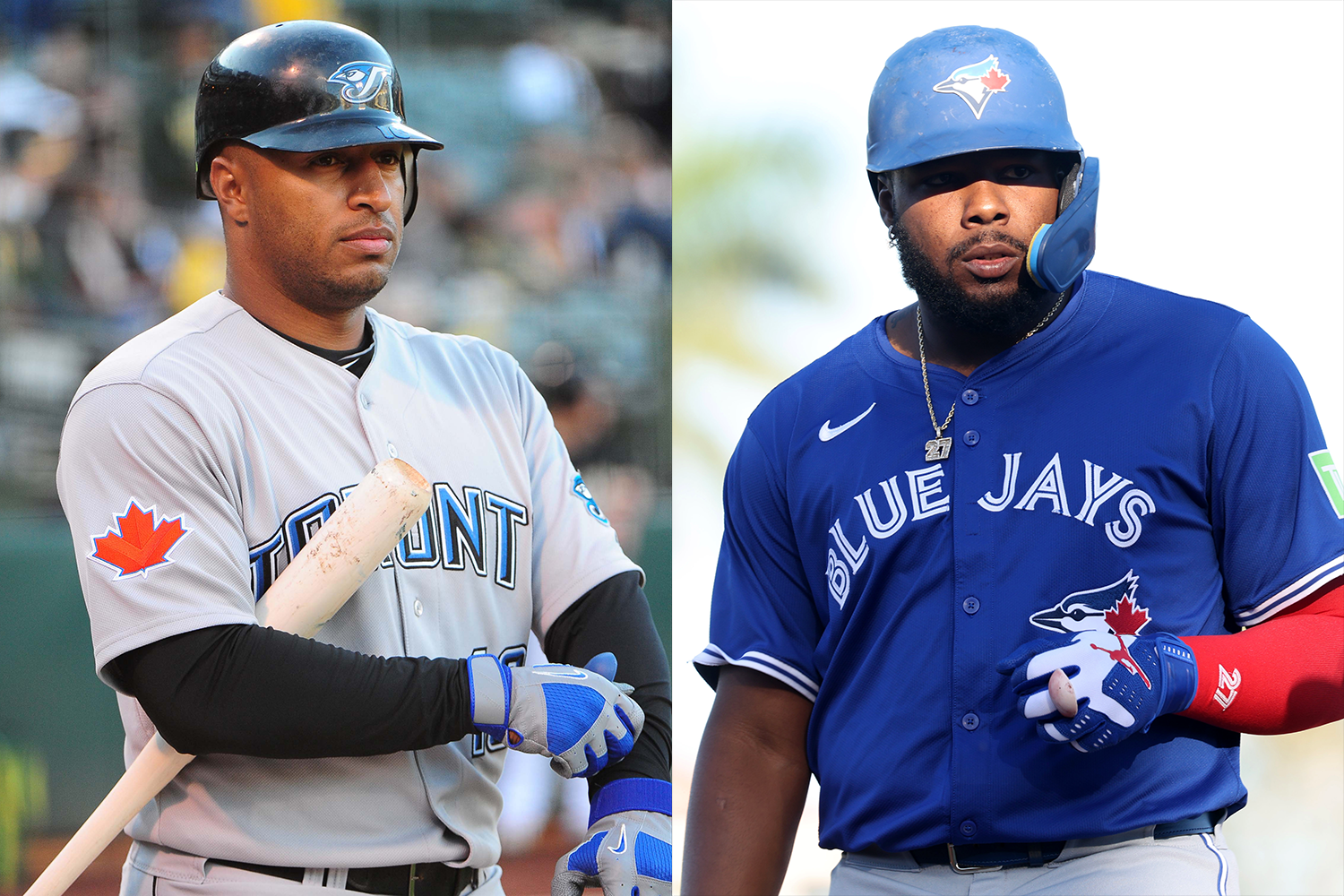 A number of people, myself very much included, have been making the case that the Toronto Blue Jays should have signed Vladimir Guerrero Jr. at any cost. We’ve argued that he can hit the ball like very few players of his generation and we’ve handwaved concerns about his defense and baserunning. The foundation for a lot of these arguments is different for Guerrero than it is for a similar player the Jays might have pursued in free agency; think Pete Alonso or Alex Bregman as recent examples. Guerrero is a homegrown player. He was born in Montreal while his father played with the Expos and was signed by the Blue Jays as an international free agent when he was 16. He moved up through the ranks playing in Dunedin, New Hampshire, and Buffalo before making his Toronto debut on Opening Day in 2019. Over the past four seasons, he’s been to four straight All-Star Games, won a Gold Glove and two Silver Sluggers, led the AL in home runs, led the Blue Jays in bWAR in 2024, and thrown in Home Run Derby win just for fun. This coming season will be his 10th in the organization. He has expressed a desire to remain in Toronto, and if a 14-year deal doesn’t carry him to retirement, I don’t know what will. The Blue Jays don’t have a big name career player (apologies to Luis Leal and Ricky Romero) and Guerrero represents a chance to cement that portion of the franchise’s history. (I’m also open to Bo Bichette extending and becoming that guy.) So yes, as many have noted, this signing would mean more to Toronto than any other franchise. I’ve been thinking about Vernon Wells a lot lately, and not just because he’s one of my most-used players in Immaculate Grid. The Blue Jays selected Wells fifth in the 1997 draft. He worked his way through the minors and had some call-ups to the big club starting in 1999. He laid claim to center in 2002 and averaged more than 143 games per season there for the next nine years. Wells wasn’t as prolific as Guerrero, but in his time here he was a three-time All-Star, three-time Gold Glover, and Silver Slugger winner who led the team in bWAR in 2006. He was a fan favourite (for a time) and one of the faces of the franchise. And he had a chance to be a career Jay. Ahead of the 2003 season, Wells signed a five-year, $14.7-million contract. He immediately repaid that with his first All-Star appearance. He led the league in hits, doubles, and total bases, won the Silver Slugger, and finished eighth in MVP voting. In the next three seasons, Wells would win consecutive Gold Gloves, earn another All-Star selection, and finish with his best season, a 6.2-bWAR 2006 campaign. That off-season, Toronto put forward an offer to buy out the final year of Wells’ five-year contract with a seven-year, $126-million extension (an AAV jump from $2.94 million to $18 million). Naturally, Wells was agreeable to the deal and signed what was at the time the largest contract in Blue Jays history. For comparison to the 2025 Jays, and adjusted for inflation, that AAV (approximately $27 million in today’s dollars) would put him behind only Guerrero and would be close to George Springer’s six-year $150-million deal. For a decade following the Wells signing, the Jays instituted a five-year cap on both free agent signings and extensions. In 2007, Wells battled through shoulder issues that led to off-season surgery. In 2008, he suffered a broken wrist and Toronto never saw him return to the levels that had been forecast on the day that contract was issued. That’s not to say that Wells was a bad player. In fact he’s eighth all-time in career bWAR as a Jay. But the weight and expectations that came along with that contract absolutely changed how he was perceived in this city. Time heals all wounds, and thanks to some more recent deals you won’t find Wells’ name on “Worst Contracts in Baseball” lists anymore, but for a time he topped the charts. As you can imagine, the worst contract in the league was also considered untradable (in part because of a full no-trade clause). Yet somehow, the desperation of the Los Angeles Angels broke through and Wells was sent to the West Coast in exchange for Mike Napoli and Juan Rivera before the 2011 season. Napoli and Rivera didn’t have careers worth noting in Toronto, but less than a month after Wells was traded, Jose Bautista signed a five-year, $65-million extension that likely wouldn’t have been possible with Wells still on the payroll. The other part of the contract that I’ve neglected to mention is that it was heavily backloaded. Almost 70% of the $126 million was due in the final three years, making the fact that Alex Anthopoulos was able to move it an accomplishment of mythical proportions. To bring it back to Guerrero, I’ve pulled this quote from J.P. Ricciardi ahead of the 2008 season “He’s our best player. And, you know, he’s the guy that’s been here the longest in a lot of ways from an everyday standpoint. You’ve watched Vernon kind of grow up in front of you.” That’s as applicable to Guerrero today as it was to Wells then. I want Guerrero here forever. I want him to have his name on the Level of Excellence, but my memory isn’t so short that I don’t see the possibility of history repeating itself.
 -
"Forty-year-olds around the world can relate." That hit me right in the lower back.
-
As new details about negotiations between the Blue Jays and Vladimir Guerrero Jr. keep emerging, we take another look at both sides of the table. On Thursday, Ken Rosenthal of The Athletic reported that sources told him Vladimir Guerrero Jr. was asking for $500 million in present value during extension negotiations. The Jays, said those sources, were offering close to $500 million, but with deferrals, making the present value “somewhere between” $400 to 450 million. Guerrero softened his stance on deferrals late in the negotiations, but as we know, a deal was never struck. Guerrero was looking for a 15-year deal, buying out his last year of arbitration and adding 14 years to his stay in Toronto. To this point, all reports that have come out say the stumbling block was the dollar value, so for now we will have to assume the Jays were okay with a 14-year term, just at a lower valuation. Toronto’s well-documented pursuit of Soto this past offseason at a reported AAV of $51 million and Shohei Ohtani the year before ($46.1 AAV after deferrals) certainly would have pushed the market upwards for both Guerrero and upcoming big-name free agents. I’m not going to argue that Guerrero is at the level or value of either of those two, but if we believe he was asking for $500 million over 14 years, that’s a $35.71 million AAV. Let’s have a look at the kind of company that would put him in. Rank Player Total Present Years Age AAV (Present) 1 Juan Soto 765 765 15 26 51 2 Shohei Ohtani 700 460.8 10 29 46.08 3 Zack Wheeler 126 126 3 35 42 4 Aaron Judge 360 360 9 31 40 5 Jacob deGrom 185 185 5 35 37 6 Gerrit Cole 324 324 9 29 36 7 Vladimir Guerrero Jr. 500 500 14 25 35.7 8 Mike Trout 426.5 426.5 12 27 35.5 9 Anthony Rendon 245 245 7 30 35 10 Corbin Burnes 210 210 6 30 35 11 Francisco Lindor 341 338 10 28 33.8 12 Carlos Correa 200 200 6 28 33.3 13 Nolan Arenado 260 260 8 28 32.5 14 Corey Seager 325 325 10 28 32.5 15 Jays High-End Offer 450 450 14 25 32.1 16 Manny Machado 350 350 11 30 31.8 17 Alex Bregman 120 95.1 3 31 31.7 18 Blake Snell 182 150.3 5 32 30.06 19 Rafael Devers 313.4 291.5 10 26 29.15 20 Jays Low-End Offer 400 400 14 25 28.6 21 Trea Turner 300 300 11 30 27.3 22 Mookie Betts 365 306.7 12 28 25.6 It’s elite company no matter which way you cut it. It’s also worth noting that Guerrero is making $28.5 million this year, which lines up with the potential low-end offer displayed. You can cherry-pick any name on the list and argue whether Guerrero deserves to be above or below them. I’m firmly on the side of signing Guerrero at (almost) any cost, so I like to pick on Anthony Rendon, arguing that the homegrown four-time All-Star face of the franchise with a shelf full of awards is worth AT LEAST as much as Rendon got from the Angels. I’m not unreasonable though; I can look at the other names on the list, and at my colleague Davy Andrews’ arguments and recognize that Guerrero is asking to be valued (for a long time!) at a rate above what he has shown he deserves. (And in the interest of fairness, it’s worth noting that going into their last seasons of arbitration, Rendon had put up 23.2 fWAR while Guerrero has put up just 17.0) What I keep coming back to, though, is how close they really were/are. If we’re to trust Rosenthal’s sources, the Jays and Guerrero were between $3.5 million and $7.1 million apart per season. Let’s split the difference and call it $5.3 million. Depending on your preferred methodology, teams are spending between $6 million and $9 million per win in free agency, so they’re less than one win apart in perceived value. In the grand scheme of things, how much is $5.3 million a year? To cherry-pick another name - it’s the same amount Gregory Soto is being paid to pitch out of the Baltimore bullpen this season. Once again we’re talking about Soto money. Again, I’ll listen to all the reasons that the Jays should walk away from this negotiation. It’s a tonne of money — money that could be spread around and used to help fill multiple lineup holes for years to come. The contract lengths we’re talking about have almost no hope of ending well – even in the best case scenario, teams expect to be overpaying on the front end while the player is young, then end overpaying as they age – but there is a question of legacy to be considered. If the two sides had truly gotten over all those hurdles and they were down to arguing over Gregory Soto money instead of Juan Soto money, I just don’t understand how a compromise couldn’t be met. View full article
-
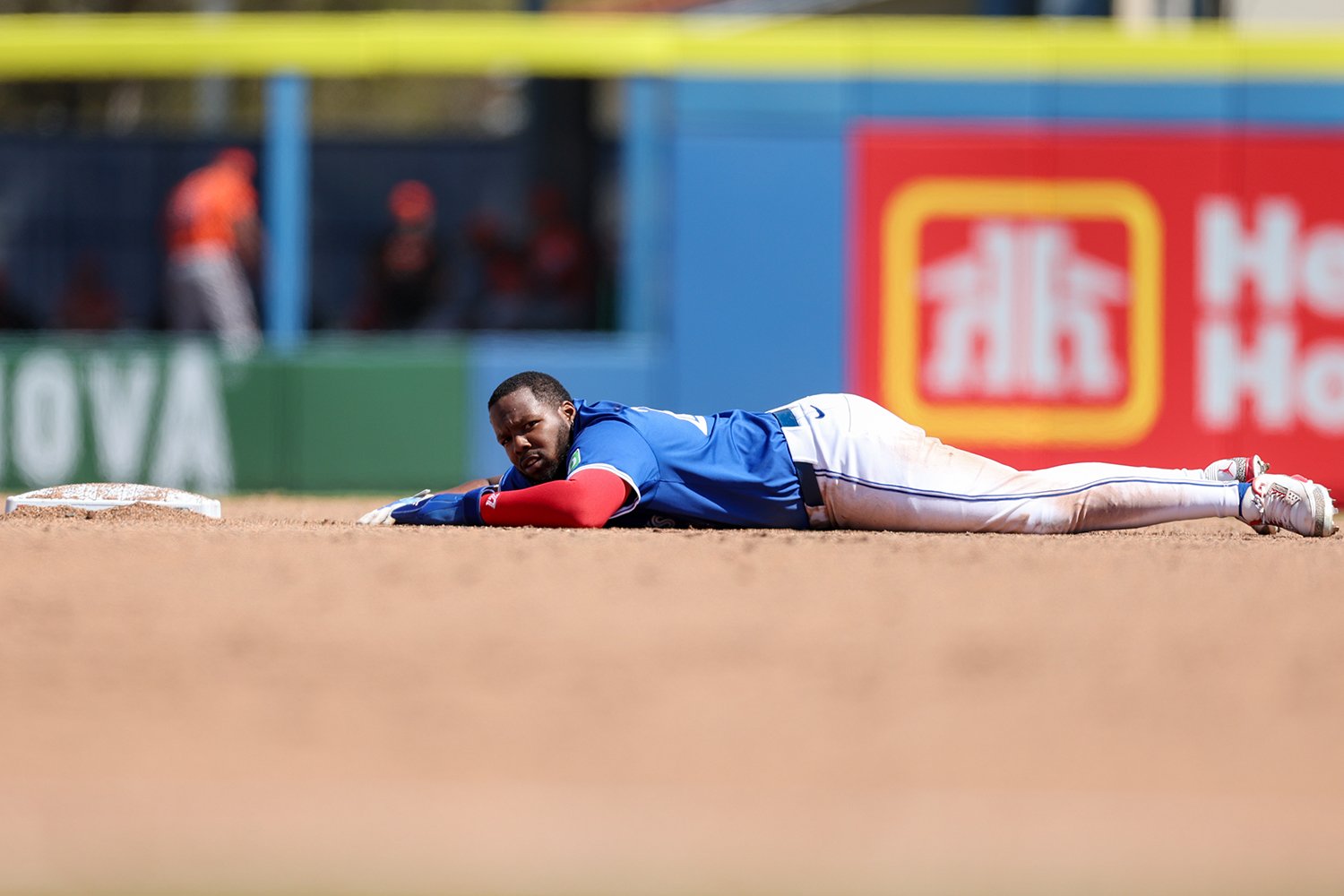 On Thursday, Ken Rosenthal of The Athletic reported that sources told him Vladimir Guerrero Jr. was asking for $500 million in present value during extension negotiations. The Jays, said those sources, were offering close to $500 million, but with deferrals, making the present value “somewhere between” $400 to 450 million. Guerrero softened his stance on deferrals late in the negotiations, but as we know, a deal was never struck. Guerrero was looking for a 15-year deal, buying out his last year of arbitration and adding 14 years to his stay in Toronto. To this point, all reports that have come out say the stumbling block was the dollar value, so for now we will have to assume the Jays were okay with a 14-year term, just at a lower valuation. Toronto’s well-documented pursuit of Soto this past offseason at a reported AAV of $51 million and Shohei Ohtani the year before ($46.1 AAV after deferrals) certainly would have pushed the market upwards for both Guerrero and upcoming big-name free agents. I’m not going to argue that Guerrero is at the level or value of either of those two, but if we believe he was asking for $500 million over 14 years, that’s a $35.71 million AAV. Let’s have a look at the kind of company that would put him in. Rank Player Total Present Years Age AAV (Present) 1 Juan Soto 765 765 15 26 51 2 Shohei Ohtani 700 460.8 10 29 46.08 3 Zack Wheeler 126 126 3 35 42 4 Aaron Judge 360 360 9 31 40 5 Jacob deGrom 185 185 5 35 37 6 Gerrit Cole 324 324 9 29 36 7 Vladimir Guerrero Jr. 500 500 14 25 35.7 8 Mike Trout 426.5 426.5 12 27 35.5 9 Anthony Rendon 245 245 7 30 35 10 Corbin Burnes 210 210 6 30 35 11 Francisco Lindor 341 338 10 28 33.8 12 Carlos Correa 200 200 6 28 33.3 13 Nolan Arenado 260 260 8 28 32.5 14 Corey Seager 325 325 10 28 32.5 15 Jays High-End Offer 450 450 14 25 32.1 16 Manny Machado 350 350 11 30 31.8 17 Alex Bregman 120 95.1 3 31 31.7 18 Blake Snell 182 150.3 5 32 30.06 19 Rafael Devers 313.4 291.5 10 26 29.15 20 Jays Low-End Offer 400 400 14 25 28.6 21 Trea Turner 300 300 11 30 27.3 22 Mookie Betts 365 306.7 12 28 25.6 It’s elite company no matter which way you cut it. It’s also worth noting that Guerrero is making $28.5 million this year, which lines up with the potential low-end offer displayed. You can cherry-pick any name on the list and argue whether Guerrero deserves to be above or below them. I’m firmly on the side of signing Guerrero at (almost) any cost, so I like to pick on Anthony Rendon, arguing that the homegrown four-time All-Star face of the franchise with a shelf full of awards is worth AT LEAST as much as Rendon got from the Angels. I’m not unreasonable though; I can look at the other names on the list, and at my colleague Davy Andrews’ arguments and recognize that Guerrero is asking to be valued (for a long time!) at a rate above what he has shown he deserves. (And in the interest of fairness, it’s worth noting that going into their last seasons of arbitration, Rendon had put up 23.2 fWAR while Guerrero has put up just 17.0) What I keep coming back to, though, is how close they really were/are. If we’re to trust Rosenthal’s sources, the Jays and Guerrero were between $3.5 million and $7.1 million apart per season. Let’s split the difference and call it $5.3 million. Depending on your preferred methodology, teams are spending between $6 million and $9 million per win in free agency, so they’re less than one win apart in perceived value. In the grand scheme of things, how much is $5.3 million a year? To cherry-pick another name - it’s the same amount Gregory Soto is being paid to pitch out of the Baltimore bullpen this season. Once again we’re talking about Soto money. Again, I’ll listen to all the reasons that the Jays should walk away from this negotiation. It’s a tonne of money — money that could be spread around and used to help fill multiple lineup holes for years to come. The contract lengths we’re talking about have almost no hope of ending well – even in the best case scenario, teams expect to be overpaying on the front end while the player is young, then end overpaying as they age – but there is a question of legacy to be considered. If the two sides had truly gotten over all those hurdles and they were down to arguing over Gregory Soto money instead of Juan Soto money, I just don’t understand how a compromise couldn’t be met.
 -
Article: Joe Panik Set Fire In The Rain
Mike LeSage replied to Mac's topic in Jays Centre Front Page News
Absolutely love these articles!- 3 replies
-
- 3
-

-

-
- remembering blue jays
- joe panik
- (and 1 more)
-
After a few weeks of spring training action, several Opening Day roster spots are far from certain. Almost a month ago we looked at how the opening day lineup might shake out. Now that we’ve got some spring training games in the rearview, let's have a look at what’s changed and how much clearer the picture has become. Lineup and Batting Order 1. Bo Bichette - SS (R) 2. Vladimir Guerrero Jr. - 1B (R) 3. Anthony Santander - RF (S) 4. George Springer - LF (R) Same top four as the previous projection, but with a couple of tweaks. Springer moves from first to fourth and everyone else shifts up one. Manager John Schneider has implied that Guerrero and Santander are fairly locked into the second and third spots, with Bichette bouncing between leadoff and cleanup, “depending on who we’re facing.” He didn’t explicitly state that Springer would switch places with Bichette based on matchups, but in the games that all four of these guys have started, this has been the order. I’ve also flipped Springer and Santander’s outfield corner assignments because Springer has been seeing more time in left so far. That may be a sign of how the season will go, or it may just be getting him comfortable with the position now so that he can rotate in-season. 5. Andrés Giménez - 2B (L) 6. Alejandro Kirk - C (R) Kirk stays in the six-spot, but Giménez leapfrogs him. This is the way we’ve seen this pair in the lineup most of the spring. Although Kirk is the superior hitter, Giménez’s speed and ability to swipe a bag should help keep the double plays at a minimum. The Jays have also placed Giménez at leadoff for a handful of spring games, so there’s some precedent for him to move all the way to the top, moving Bichette and Springer down to four and five. 7. Addison Barger - DH (L) 8. Ernie Clement - 3B (R) 9. Daulton Varsho - CF (L) Barger and Varsho are the two big additions here from the last projection. Barger moves up from the bench based on the hot spring he’s demonstrated so far (1.149 OPS in 21 ABs) and Varsho comes in from the trainers room in the hopes that his recovery from shoulder surgery is indeed ahead of schedule and there are no setbacks. Varsho is still increasing his throwing distance and has only been DH’ing to this point in the spring, so maybe an Opening Day start in center is optimistic, but if nothing else, mid-March is a time for optimism. The Bench Tyler Heineman - C (S) Will Wagner - 1B/3B/DH (L) Steward Berroa - OF (S) Davis Schneider - 2B/LF (R) Ultimately, not much change here, though plenty of other names have a strong case. Varsho’s status is the big question mark. If he’s not ready, I think Joey Loperfido has the inside track to cover CF. My colleague Jesse Burrill also laid out a great case for Alan Roden. Myles Straw has also had a terrific spring so far. The Jays outfield is a crowded place right now, but I think Berroa presents the best bench option, mainly based on the way he was used last season, but also on the 40-man moves that would be required for some of the other names. Orelvis Martínez and Leo Jiménez have their supporters too. Like Roden’s, their omissions have to do with playing time. I suspect if one of the starters has a long absence, we’ll see these guys up before we see Schneider take over a starting role, but Babe gets the bench spot as a sub. Starting Rotation 1. José Berríos (RHP) 2. Kevin Gausman (RHP) 3. Max Scherzer (RHP) 4. Chris Bassitt (RHP) 5. Bowden Francis (RHP) No change here, other than officially assigning Yariel Rodríguez to the ‘pen. The starters have looked good-to-great so far and I don’t want to say much else that might jinx that. Berríos is still my guess for Opening Day starter, but I’m betting that Gausman is back (hat tip to Owen Hill) and will be the recognized, capital-A Ace by the end of the season. Bullpen Jeff Hoffman (RHP) Chad Green (RHP) Yimi García (RHP) Nick Sandlin (RHP) Brendon Little (LHP) Ryan Yarbrough (LHP) Zach Pop (RHP) Yariel Rodríguez (RHP) In a mid-game interview during the third inning of the Jays-Twins game on Tuesday, John Schneider said he’s got “three or four guys battling for the last bullpen spot.” Hopefully, Erik Swanson’s elbow issue will turn out to be a minor thing, but he’s expected to start the season on the IL at a minimum, so the potential for someone else to grab some impact innings (or a late spring acquisition) is in play. Little and Yarbrough provide the lefty presence, and Pop has been with the organization long enough to have the inside track, but I could be easily swayed to leave any of them off in favour of your preferred bullpen depth piece, like Tommy Nance. The recently signed, and returning, Dillon Tate certainly has a shot to get in. His almost 4 innings with the Jays last season weren't much of an audition, but (pending a physical) he's got a major-league deal with the club. View full article
-
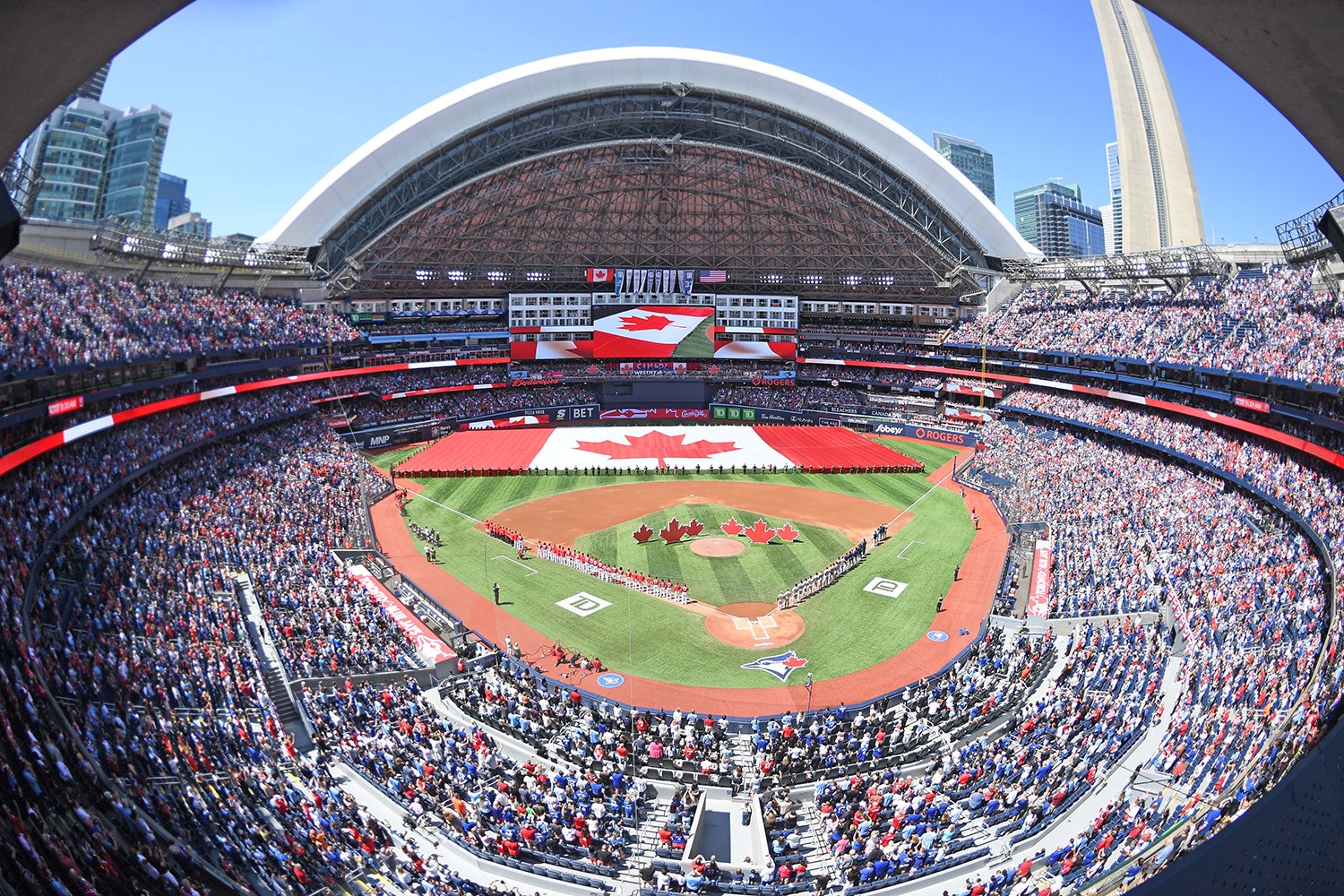 Almost a month ago we looked at how the opening day lineup might shake out. Now that we’ve got some spring training games in the rearview, let's have a look at what’s changed and how much clearer the picture has become. Lineup and Batting Order 1. Bo Bichette - SS (R) 2. Vladimir Guerrero Jr. - 1B (R) 3. Anthony Santander - RF (S) 4. George Springer - LF (R) Same top four as the previous projection, but with a couple of tweaks. Springer moves from first to fourth and everyone else shifts up one. Manager John Schneider has implied that Guerrero and Santander are fairly locked into the second and third spots, with Bichette bouncing between leadoff and cleanup, “depending on who we’re facing.” He didn’t explicitly state that Springer would switch places with Bichette based on matchups, but in the games that all four of these guys have started, this has been the order. I’ve also flipped Springer and Santander’s outfield corner assignments because Springer has been seeing more time in left so far. That may be a sign of how the season will go, or it may just be getting him comfortable with the position now so that he can rotate in-season. 5. Andrés Giménez - 2B (L) 6. Alejandro Kirk - C (R) Kirk stays in the six-spot, but Giménez leapfrogs him. This is the way we’ve seen this pair in the lineup most of the spring. Although Kirk is the superior hitter, Giménez’s speed and ability to swipe a bag should help keep the double plays at a minimum. The Jays have also placed Giménez at leadoff for a handful of spring games, so there’s some precedent for him to move all the way to the top, moving Bichette and Springer down to four and five. 7. Addison Barger - DH (L) 8. Ernie Clement - 3B (R) 9. Daulton Varsho - CF (L) Barger and Varsho are the two big additions here from the last projection. Barger moves up from the bench based on the hot spring he’s demonstrated so far (1.149 OPS in 21 ABs) and Varsho comes in from the trainers room in the hopes that his recovery from shoulder surgery is indeed ahead of schedule and there are no setbacks. Varsho is still increasing his throwing distance and has only been DH’ing to this point in the spring, so maybe an Opening Day start in center is optimistic, but if nothing else, mid-March is a time for optimism. The Bench Tyler Heineman - C (S) Will Wagner - 1B/3B/DH (L) Steward Berroa - OF (S) Davis Schneider - 2B/LF (R) Ultimately, not much change here, though plenty of other names have a strong case. Varsho’s status is the big question mark. If he’s not ready, I think Joey Loperfido has the inside track to cover CF. My colleague Jesse Burrill also laid out a great case for Alan Roden. Myles Straw has also had a terrific spring so far. The Jays outfield is a crowded place right now, but I think Berroa presents the best bench option, mainly based on the way he was used last season, but also on the 40-man moves that would be required for some of the other names. Orelvis Martínez and Leo Jiménez have their supporters too. Like Roden’s, their omissions have to do with playing time. I suspect if one of the starters has a long absence, we’ll see these guys up before we see Schneider take over a starting role, but Babe gets the bench spot as a sub. Starting Rotation 1. José Berríos (RHP) 2. Kevin Gausman (RHP) 3. Max Scherzer (RHP) 4. Chris Bassitt (RHP) 5. Bowden Francis (RHP) No change here, other than officially assigning Yariel Rodríguez to the ‘pen. The starters have looked good-to-great so far and I don’t want to say much else that might jinx that. Berríos is still my guess for Opening Day starter, but I’m betting that Gausman is back (hat tip to Owen Hill) and will be the recognized, capital-A Ace by the end of the season. Bullpen Jeff Hoffman (RHP) Chad Green (RHP) Yimi García (RHP) Nick Sandlin (RHP) Brendon Little (LHP) Ryan Yarbrough (LHP) Zach Pop (RHP) Yariel Rodríguez (RHP) In a mid-game interview during the third inning of the Jays-Twins game on Tuesday, John Schneider said he’s got “three or four guys battling for the last bullpen spot.” Hopefully, Erik Swanson’s elbow issue will turn out to be a minor thing, but he’s expected to start the season on the IL at a minimum, so the potential for someone else to grab some impact innings (or a late spring acquisition) is in play. Little and Yarbrough provide the lefty presence, and Pop has been with the organization long enough to have the inside track, but I could be easily swayed to leave any of them off in favour of your preferred bullpen depth piece, like Tommy Nance. The recently signed, and returning, Dillon Tate certainly has a shot to get in. His almost 4 innings with the Jays last season weren't much of an audition, but (pending a physical) he's got a major-league deal with the club.
 -
Homegrown All-Star Bo Bichette had a season we’d all like to forget and now finds himself in a real make-or-break situation entering 2025. Bo Bichette was never supposed to find himself in a feature like this one. He was never make-or-break, he just kept on making it. Bichette came into the 2024 season with three straight 20-homer seasons and a career batting average of .299. But after cratering in an injury-plagued 2024 campaign, it's hard to overstate how big regaining his previous form would be to the Blue Jays. What Went Wrong in 2024? The short answer is injuries. Before we dive into 2024, let's look at the end of 2023. August 2023 saw Bo Bichette hit the injured list twice. First was a right knee injury. When he came back from that injury (sooner than necessary?) he did not perform well at the plate and saw another IL stint with a right quad strain. Coming back from the quad strain, he put up some less than stellar performances, but over the final two weeks of the season, Bichette was leading the charge as the best bat on the team. On to 2024, there were no signs in spring training that Bichette was in for anything other than another productive year. The first week of the season, he missed a couple of games with neck spasms. He put up a 96 wRC+ over the 28 games he did play in March/April. May saw some positive results and a 107 wRC+ (well below the 126 career mark Bichette brought into the season, but trending in the right direction) before absolutely cratering in June to the tune of a 53 wRC+. That downturn coincided with a 10-day IL stint due to a strained right calf. In July, Bichette only saw action in nine games and ran a minuscule wRC+ of 2, missing time with a forearm contusion from a hit-by-pitch and twice with recurring calf issues. The first July calf issue didn’t force Bichette to the IL. Instead he went day-to-day and used the pending All-Star break to buy some time off. Evidently that didn’t provide the fix and in his first game after the break, Bichette had to be pulled after aggravating the calf coming out of the batter’s box. After missing 53 games ,Bichette returned to the Jays in September and went 2-for-5 in his return. Taking groundballs before the next game, Bichette suffered a finger injury that required surgery and just like that, his season was done. So the short answer was injuries, but we also would have taken: everything. What Can Go Right in 2025? With the most rose-coloured glasses on and a healthy dose of “if healthy,” let’s remember that we’re talking about a two-time All-Star who received MVP votes in each of his first three ful seasons. He has led the American League in hits twice, and has put up the single best bWAR season this franchise has ever seen at shortstop (5.8 in 2021). Every projection has Bichette bouncing back this year, and while there is some built-in hedging with consideration for last season, the projection systems OOPSY and The Bat see Bichette as the second-most productive player on the team. Steamer and ATC have him third and ZiPS, the lowest, has him fifth. Baseball Reference profiles Corey Seager as being Bichette’s most comparable batter through age 26, and if Bichette can replicate even half of Seager’s World Series MVP awards (and do it in Toronto) he'll go down as a Toronto legend. Sure, this clip is just batting practice in spring training, and Bichette isn’t called on to be the power guy, but watch this LOUD homer a few times and tell me you don’t feel something. How Will This Impact the Blue Jays? For a single player, a swing of four or five wins from one year to the next would be huge in any situation, but Bichette might just be well-positioned for it. As his season progresses, regardless of his production level, there will be continual talk about his contract status. Vladimir Guerrero Jr.’s pending free agency has taken the majority of the spotlight, but Bichette’s can’t be ignored (even if that’s the approach the front office has taken). He’ll have to block out or roll with a lot of rumours and speculation (something he struggled with last year) as either a potential trade chip or a free agent signing. The Contract Year Phenomenon will hopefully boost production and value. In the event Bichette is the subject of a mid-season trade (or lengthy absence for other reasons), a combination of Leo Jiménez and Ernie Clement are the likely candidates to fill in. Fangraphs has Arjun Nimmala as their 82nd ranked prospect (second in the franchise) but project his ETA as 2028. Could the Jays find ground on a four-year extension for Bichette? There might not be a player on this Jays team whose at-bats will be more heavily scrutinized than Bichette's this year. Let’s hope he’s up for the challenge. View full article
-
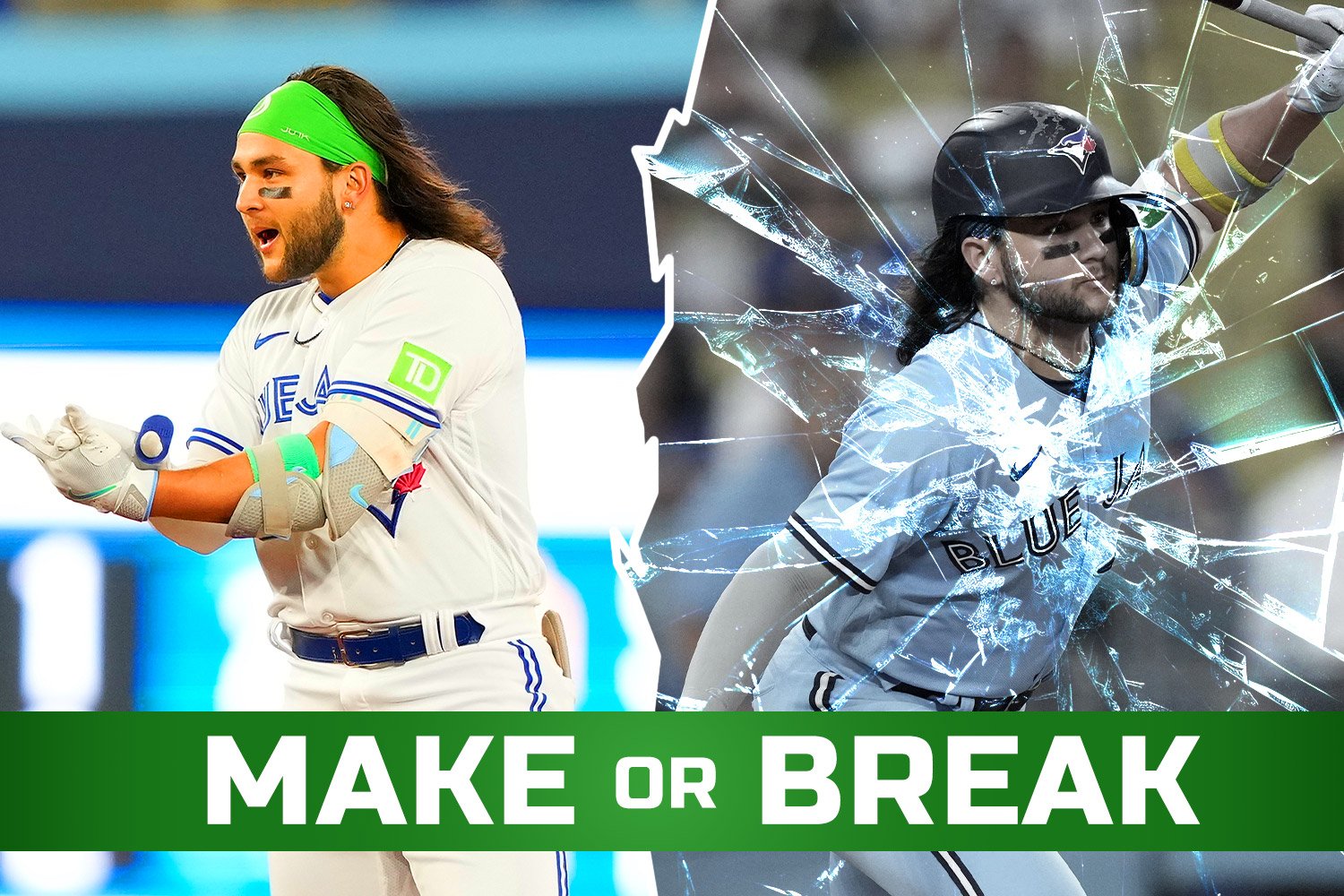 Bo Bichette was never supposed to find himself in a feature like this one. He was never make-or-break, he just kept on making it. Bichette came into the 2024 season with three straight 20-homer seasons and a career batting average of .299. But after cratering in an injury-plagued 2024 campaign, it's hard to overstate how big regaining his previous form would be to the Blue Jays. What Went Wrong in 2024? The short answer is injuries. Before we dive into 2024, let's look at the end of 2023. August 2023 saw Bo Bichette hit the injured list twice. First was a right knee injury. When he came back from that injury (sooner than necessary?) he did not perform well at the plate and saw another IL stint with a right quad strain. Coming back from the quad strain, he put up some less than stellar performances, but over the final two weeks of the season, Bichette was leading the charge as the best bat on the team. On to 2024, there were no signs in spring training that Bichette was in for anything other than another productive year. The first week of the season, he missed a couple of games with neck spasms. He put up a 96 wRC+ over the 28 games he did play in March/April. May saw some positive results and a 107 wRC+ (well below the 126 career mark Bichette brought into the season, but trending in the right direction) before absolutely cratering in June to the tune of a 53 wRC+. That downturn coincided with a 10-day IL stint due to a strained right calf. In July, Bichette only saw action in nine games and ran a minuscule wRC+ of 2, missing time with a forearm contusion from a hit-by-pitch and twice with recurring calf issues. The first July calf issue didn’t force Bichette to the IL. Instead he went day-to-day and used the pending All-Star break to buy some time off. Evidently that didn’t provide the fix and in his first game after the break, Bichette had to be pulled after aggravating the calf coming out of the batter’s box. After missing 53 games ,Bichette returned to the Jays in September and went 2-for-5 in his return. Taking groundballs before the next game, Bichette suffered a finger injury that required surgery and just like that, his season was done. So the short answer was injuries, but we also would have taken: everything. What Can Go Right in 2025? With the most rose-coloured glasses on and a healthy dose of “if healthy,” let’s remember that we’re talking about a two-time All-Star who received MVP votes in each of his first three ful seasons. He has led the American League in hits twice, and has put up the single best bWAR season this franchise has ever seen at shortstop (5.8 in 2021). Every projection has Bichette bouncing back this year, and while there is some built-in hedging with consideration for last season, the projection systems OOPSY and The Bat see Bichette as the second-most productive player on the team. Steamer and ATC have him third and ZiPS, the lowest, has him fifth. Baseball Reference profiles Corey Seager as being Bichette’s most comparable batter through age 26, and if Bichette can replicate even half of Seager’s World Series MVP awards (and do it in Toronto) he'll go down as a Toronto legend. Sure, this clip is just batting practice in spring training, and Bichette isn’t called on to be the power guy, but watch this LOUD homer a few times and tell me you don’t feel something. How Will This Impact the Blue Jays? For a single player, a swing of four or five wins from one year to the next would be huge in any situation, but Bichette might just be well-positioned for it. As his season progresses, regardless of his production level, there will be continual talk about his contract status. Vladimir Guerrero Jr.’s pending free agency has taken the majority of the spotlight, but Bichette’s can’t be ignored (even if that’s the approach the front office has taken). He’ll have to block out or roll with a lot of rumours and speculation (something he struggled with last year) as either a potential trade chip or a free agent signing. The Contract Year Phenomenon will hopefully boost production and value. In the event Bichette is the subject of a mid-season trade (or lengthy absence for other reasons), a combination of Leo Jiménez and Ernie Clement are the likely candidates to fill in. Fangraphs has Arjun Nimmala as their 82nd ranked prospect (second in the franchise) but project his ETA as 2028. Could the Jays find ground on a four-year extension for Bichette? There might not be a player on this Jays team whose at-bats will be more heavily scrutinized than Bichette's this year. Let’s hope he’s up for the challenge.
 -
First AB homer today! He's so back!
-
Considering the case for replacing Mark Shapiro and Ross Atkins, and the horrifying realization that maybe they’re safe. The Athletic recently published the results of an insiders poll – 32 executives, former executives, coaches and scouts – ranking the pressure index of each team’s front office. It should come as no surprise to Blue Jays fans that the cliche-spewing, disingenuous-seeming tandem of president and CEO Mark Shapiro and GM Ross Atkins didn’t just lead the voting, but very nearly lapped the field. They earned 22 votes, while no other team had more than 12. Let’s look at the front office situation from a few viewpoints: a fan’s perspective (specifically mine), the front office itself, team ownership. Fan Perspective Excuse me while I scream into the void for a moment. Shapiro and Atkins were hired following the 2015 season. That year, the Jays won the division with 93 wins behind AL MVP Josh Donaldson, Cy Young runner-up David Price and Level of Excellence member Jose Bautista. They haven’t won a division in the nine seasons since. They’ve been to the playoffs 4 times, but haven’t won a game since 2016. They’ve finished on average more than 16 games behind the division leader. They completely mishandled the Vladimir Guerrero Jr. extension, and looking around, if winning is his goal, how could we expect him to stay? Front Office Perspective Meanwhile, the front office has to think it’s doing a good job – or at least as good a job as is possible under some difficult circumstances. They’ve brought in some big names and spent some big money for sure, but that hasn’t translated into success. They’ve also talked a lot about their player valuation process and have (seemingly) stuck to their word when trying to sign or extend players. I’m sure they’ve spent lots of time the last two years planning their pitches and forecasting their budgets for Shohei Ohtani and Juan Soto. Those efforts turned out to be futile, but I would love to know the operational cost of planning for a reported offer of $700 million to Othani and slightly less than that to Soto. Is that partly why negotiations with Vladimir Guerrero Jr. never really seemed to take much urgency? Or why talks with Bo Bichette haven’t even started?! The farm system features some interesting names, but FanGraphs ranks the organization 23rd overall, so it’s not as if we’re well positioned for the future. Back to the Guerrero negotiations for a moment, without anyone leaking numbers (yet) we’re all just guessing how far apart “not close” is. Scenario Vlad Wanted A Reasonable Deal Vlad Wanted Too Much Jays Made a Reasonable Offer A fantasy land where we get to be happy. Jays have to get creative, but a deal probably gets done. Jays Lowballed Vlad A deal probably gets done We are here? Maybe this is giving the front office too much credit — and “too much” is just as nebulous as “not close” — but unless their internal valuation and projections for Vladdy are more Sano and less Soto, they must think they’re making the right call. Ownership Perspective The reality of the Jays front office situation is that Shapiro and Atkins only have to be worried about their jobs if Edward Rogers and the board of directors are unhappy. Rogers is spending a reported $300 million on their multi-year renovation project. They’ve raised single and season ticket prices annually. How much of a dip in attendance would have to be projected for Shapiro and Atkins to really sweat? Last year saw a drop of 4,000 tickets per game from 2023. Can the fan base and ticket sales handle an honest, teardown rebuild? Or would ownership be content if the Blue Jays remained just competitive enough to be in the Wild Card hunt? As the offers to Ohtani and Soto indicated, Rogers was okay with spending $700 million under the right circumstances, but they’re certainly not handing the Jays a handful of blank cheques to go on a spree with. I’ve asked a lot of questions through this piece with very few answers, but from all perspectives, the biggest one might be: Who is best to lead this franchise forward? View full article
-
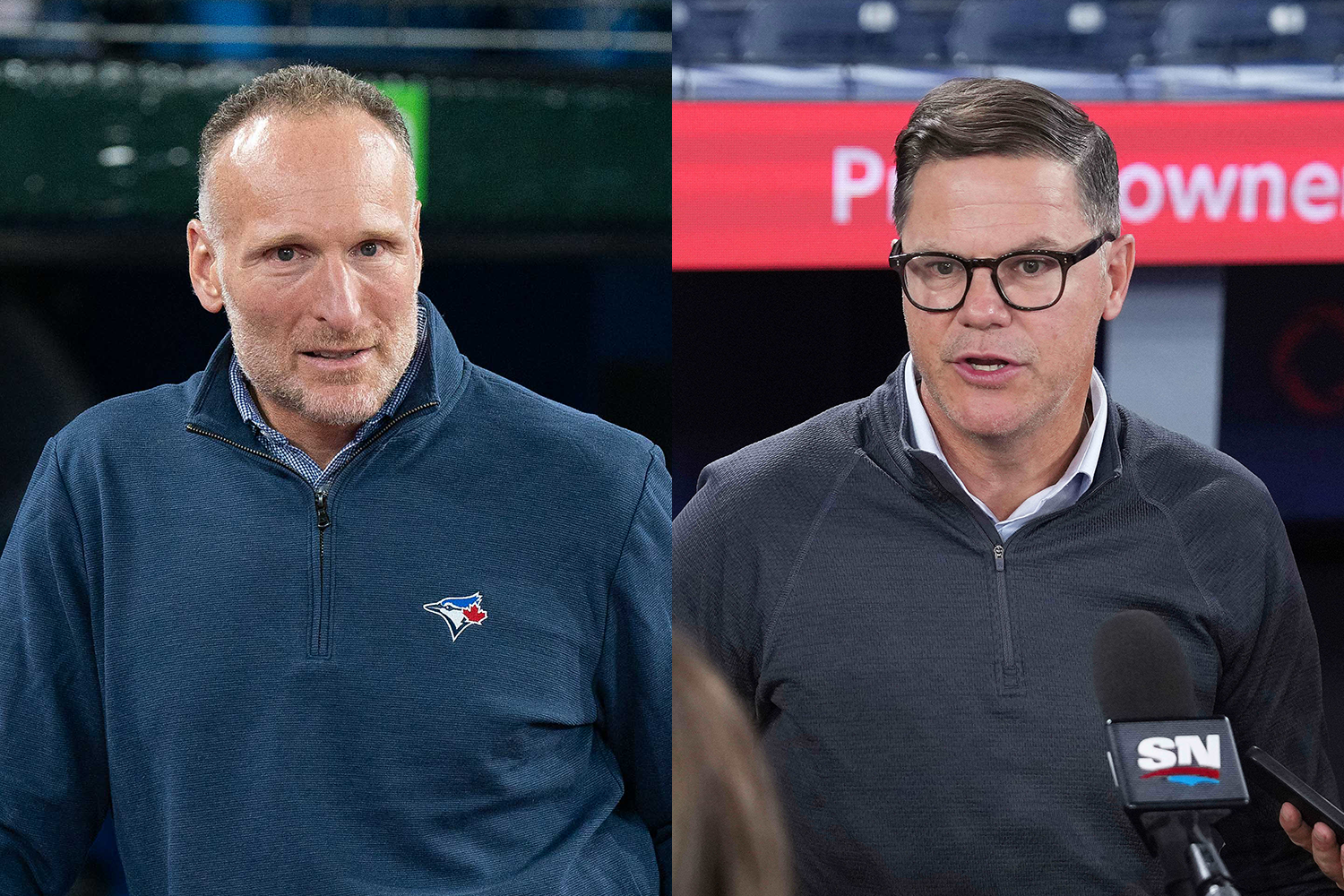 The Athletic recently published the results of an insiders poll – 32 executives, former executives, coaches and scouts – ranking the pressure index of each team’s front office. It should come as no surprise to Blue Jays fans that the cliche-spewing, disingenuous-seeming tandem of president and CEO Mark Shapiro and GM Ross Atkins didn’t just lead the voting, but very nearly lapped the field. They earned 22 votes, while no other team had more than 12. Let’s look at the front office situation from a few viewpoints: a fan’s perspective (specifically mine), the front office itself, team ownership. Fan Perspective Excuse me while I scream into the void for a moment. Shapiro and Atkins were hired following the 2015 season. That year, the Jays won the division with 93 wins behind AL MVP Josh Donaldson, Cy Young runner-up David Price and Level of Excellence member Jose Bautista. They haven’t won a division in the nine seasons since. They’ve been to the playoffs 4 times, but haven’t won a game since 2016. They’ve finished on average more than 16 games behind the division leader. They completely mishandled the Vladimir Guerrero Jr. extension, and looking around, if winning is his goal, how could we expect him to stay? Front Office Perspective Meanwhile, the front office has to think it’s doing a good job – or at least as good a job as is possible under some difficult circumstances. They’ve brought in some big names and spent some big money for sure, but that hasn’t translated into success. They’ve also talked a lot about their player valuation process and have (seemingly) stuck to their word when trying to sign or extend players. I’m sure they’ve spent lots of time the last two years planning their pitches and forecasting their budgets for Shohei Ohtani and Juan Soto. Those efforts turned out to be futile, but I would love to know the operational cost of planning for a reported offer of $700 million to Othani and slightly less than that to Soto. Is that partly why negotiations with Vladimir Guerrero Jr. never really seemed to take much urgency? Or why talks with Bo Bichette haven’t even started?! The farm system features some interesting names, but FanGraphs ranks the organization 23rd overall, so it’s not as if we’re well positioned for the future. Back to the Guerrero negotiations for a moment, without anyone leaking numbers (yet) we’re all just guessing how far apart “not close” is. Scenario Vlad Wanted A Reasonable Deal Vlad Wanted Too Much Jays Made a Reasonable Offer A fantasy land where we get to be happy. Jays have to get creative, but a deal probably gets done. Jays Lowballed Vlad A deal probably gets done We are here? Maybe this is giving the front office too much credit — and “too much” is just as nebulous as “not close” — but unless their internal valuation and projections for Vladdy are more Sano and less Soto, they must think they’re making the right call. Ownership Perspective The reality of the Jays front office situation is that Shapiro and Atkins only have to be worried about their jobs if Edward Rogers and the board of directors are unhappy. Rogers is spending a reported $300 million on their multi-year renovation project. They’ve raised single and season ticket prices annually. How much of a dip in attendance would have to be projected for Shapiro and Atkins to really sweat? Last year saw a drop of 4,000 tickets per game from 2023. Can the fan base and ticket sales handle an honest, teardown rebuild? Or would ownership be content if the Blue Jays remained just competitive enough to be in the Wild Card hunt? As the offers to Ohtani and Soto indicated, Rogers was okay with spending $700 million under the right circumstances, but they’re certainly not handing the Jays a handful of blank cheques to go on a spree with. I’ve asked a lot of questions through this piece with very few answers, but from all perspectives, the biggest one might be: Who is best to lead this franchise forward?
 -
The Blue Jays can lay claim to the secret to the Philadelphia Eagles' success. Championships await. The Philadelphia Eagles are Super Bowl champions. Even if you don’t follow football, you’ve likely heard their rallying cry: “Go Birds!” On the surface, it seems innocuous. An eagle is a bird. It doesn’t take much of a leap to see how they got there. One small problem: the NFL is also home to the Falcons, Seahawks, Ravens, and Cardinals. Sure, the Eagles are champions in part because of their superior roster and coaching, but let’s not underestimate the psychological advantage they gained by claiming the mantel of the one true bird team. Every time the Falcons, Seahawks, Ravens, and Cardinals hear someone shout, “Go Birds,” their ears perk up, and then, crestfallen, they realize that although they’re birds, they’re not the birds. The Blue Jays are well-situated to replicate that enormous competitive advantage and in so doing lay the groundwork for future championships. So let’s look at how they get there. For starters, we need to acknowledge the first hurdle: the phrase “Go Birds” is copyrighted by the Eagles. Although the rallying cry has been in use since 1984, they’ve only had the copyright since 2022. That means we can’t make official Jays merch with the phrase, but it doesn’t mean the fan base can’t take it and run with it. You think those guys selling “One BJ is better than 9 Yanks” shirts out in front of the Dome are officially licensed? Or that there won’t be Etsy shops suddenly filled with associated gear? So we won’t ask for permission. We’ll win a couple World Series and then ask for forgiveness. The Eagles have four other bird teams to contend with, while the Jays get off light, only needing to assert their dominance over the Cardinals and Orioles. The Blue Jays were founded in 1977 and have been around for 48 seasons. That makes them the new kid on the block. The Orioles have been around since 1901 (124 seasons) and the Cardinals even longer (1882, 143 seasons). Those other two teams had a combined 219 years to claim the phrase before the Jays were ever founded and they did nothing! We can call dibs. Is there a championship criterion to consider? The Cardinals have won 11 championships, far outpacing the Orioles’ three and Jays’ two. St. Louis also leads in playoff appearances with 32 compared to Baltimore’s 16 and Toronto’s 10. Of course, if we cut out the head start and only look at 1977 onward, the race gets a lot tighter (STL: 3, TOR: 2, BAL: 1). Returning to the NFL, the Eagles have as many championships as the Ravens and one more than the Seahawks, but they also have the lowest Super Bowl winning percentage of the three, so for this criterion, it’s enough that the Jays are close. Let’s look at the birds themselves. Cardinals have the smallest range of the three birds while Blue Jays and Orioles cover a similar sized area. I’m giving the tiebreak to the Jays here for spending their winters up north while the Orioles migrate south. Where did they get their names? The Blue Jay’s scientific name, Cyanocitta cristata, simply means blue and jay (which is to say, having a prominent crest). Easy, direct, and to the point. Cardinals are named due to their resemblance to the red-clad Cardinals of the Roman Catholic Church. Saving critiques of the Church for another time, I’ll limit myself to saying the having your name tied to a single religious denomination isn’t very inclusive. Moreover, the Arizona Cardinals have already had their chance to be the “Go Birds!” birds, and they lost it. Baltimore Orioles get their name because they resembled the coat of arms belonging to the family of Lord Baltimore and a different species of bird from Eurasia. That coat of arms sports two leopards, a shield, and the golden colour that sparked the recognition. Very convoluted, very classist. Another point to the Jays. Now let’s look at longevity. The oldest recorded Oriole was 12 years old. The oldest Cardinal, 15 years and 9 months. The oldest Blue Jay? 26 years and 11 months!! That’s as old as Bo Bichette! Blue Jays are built to last. It’s clear that in the animal kingdom, the Blue Jay is the dominant bird. We need to leverage that dominance (especially over our Division rival) and bring it to the ballpark. Let your “Go Birds!” calls be heard, and a championship team will emerge. View full article
-
- 1
-

-
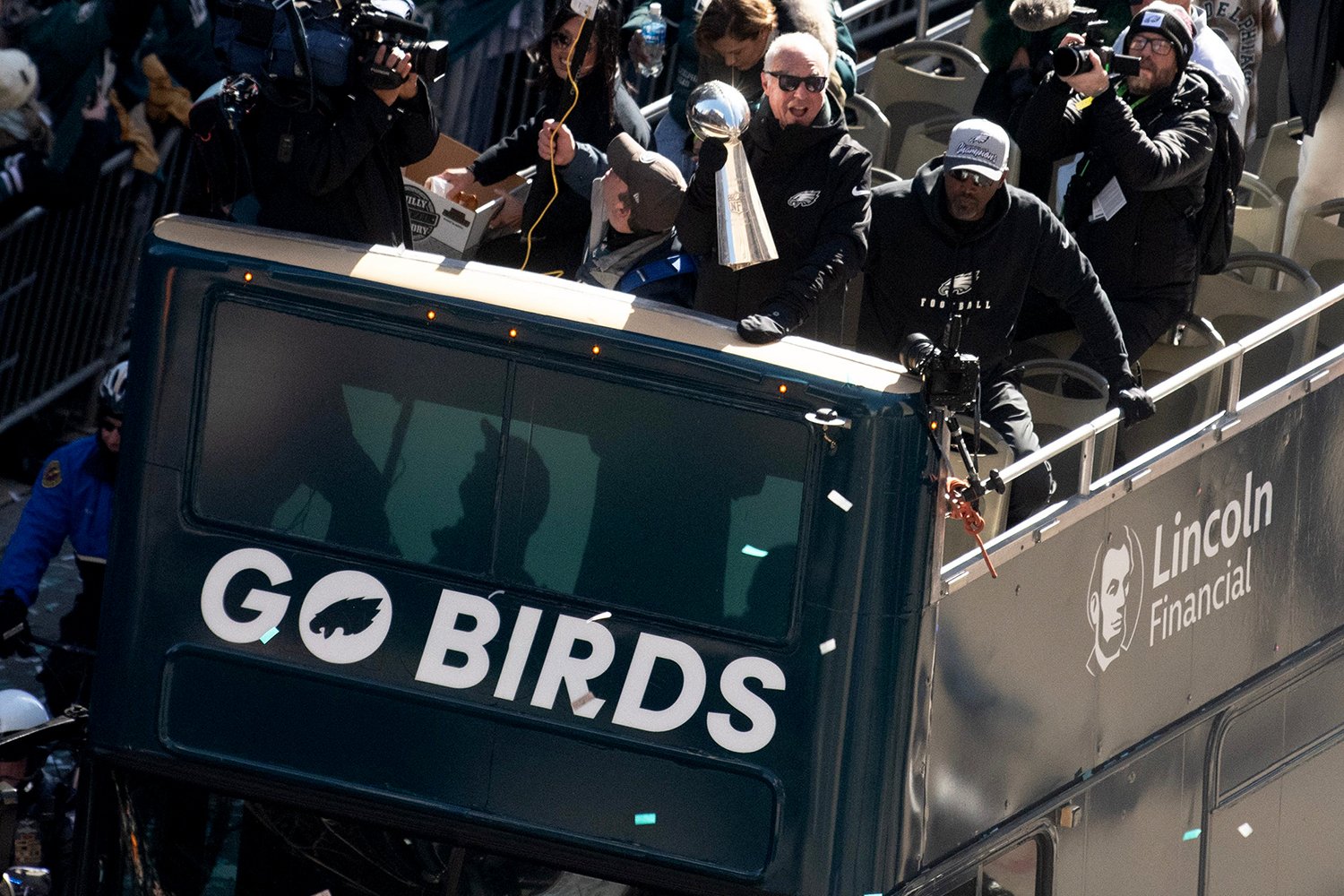 The Philadelphia Eagles are Super Bowl champions. Even if you don’t follow football, you’ve likely heard their rallying cry: “Go Birds!” On the surface, it seems innocuous. An eagle is a bird. It doesn’t take much of a leap to see how they got there. One small problem: the NFL is also home to the Falcons, Seahawks, Ravens, and Cardinals. Sure, the Eagles are champions in part because of their superior roster and coaching, but let’s not underestimate the psychological advantage they gained by claiming the mantel of the one true bird team. Every time the Falcons, Seahawks, Ravens, and Cardinals hear someone shout, “Go Birds,” their ears perk up, and then, crestfallen, they realize that although they’re birds, they’re not the birds. The Blue Jays are well-situated to replicate that enormous competitive advantage and in so doing lay the groundwork for future championships. So let’s look at how they get there. For starters, we need to acknowledge the first hurdle: the phrase “Go Birds” is copyrighted by the Eagles. Although the rallying cry has been in use since 1984, they’ve only had the copyright since 2022. That means we can’t make official Jays merch with the phrase, but it doesn’t mean the fan base can’t take it and run with it. You think those guys selling “One BJ is better than 9 Yanks” shirts out in front of the Dome are officially licensed? Or that there won’t be Etsy shops suddenly filled with associated gear? So we won’t ask for permission. We’ll win a couple World Series and then ask for forgiveness. The Eagles have four other bird teams to contend with, while the Jays get off light, only needing to assert their dominance over the Cardinals and Orioles. The Blue Jays were founded in 1977 and have been around for 48 seasons. That makes them the new kid on the block. The Orioles have been around since 1901 (124 seasons) and the Cardinals even longer (1882, 143 seasons). Those other two teams had a combined 219 years to claim the phrase before the Jays were ever founded and they did nothing! We can call dibs. Is there a championship criterion to consider? The Cardinals have won 11 championships, far outpacing the Orioles’ three and Jays’ two. St. Louis also leads in playoff appearances with 32 compared to Baltimore’s 16 and Toronto’s 10. Of course, if we cut out the head start and only look at 1977 onward, the race gets a lot tighter (STL: 3, TOR: 2, BAL: 1). Returning to the NFL, the Eagles have as many championships as the Ravens and one more than the Seahawks, but they also have the lowest Super Bowl winning percentage of the three, so for this criterion, it’s enough that the Jays are close. Let’s look at the birds themselves. Cardinals have the smallest range of the three birds while Blue Jays and Orioles cover a similar sized area. I’m giving the tiebreak to the Jays here for spending their winters up north while the Orioles migrate south. Where did they get their names? The Blue Jay’s scientific name, Cyanocitta cristata, simply means blue and jay (which is to say, having a prominent crest). Easy, direct, and to the point. Cardinals are named due to their resemblance to the red-clad Cardinals of the Roman Catholic Church. Saving critiques of the Church for another time, I’ll limit myself to saying the having your name tied to a single religious denomination isn’t very inclusive. Moreover, the Arizona Cardinals have already had their chance to be the “Go Birds!” birds, and they lost it. Baltimore Orioles get their name because they resembled the coat of arms belonging to the family of Lord Baltimore and a different species of bird from Eurasia. That coat of arms sports two leopards, a shield, and the golden colour that sparked the recognition. Very convoluted, very classist. Another point to the Jays. Now let’s look at longevity. The oldest recorded Oriole was 12 years old. The oldest Cardinal, 15 years and 9 months. The oldest Blue Jay? 26 years and 11 months!! That’s as old as Bo Bichette! Blue Jays are built to last. It’s clear that in the animal kingdom, the Blue Jay is the dominant bird. We need to leverage that dominance (especially over our Division rival) and bring it to the ballpark. Let your “Go Birds!” calls be heard, and a championship team will emerge.
 -
Blue Jays 2025 Spring Training Newbies: How Did They Get Here?
Mike LeSage posted an article in Blue Jays
 Spring training is here. Pitchers and catchers reported on February 13 and have already begun working out. The rest of the players will be arriving for full-squad workouts on February 18 (also known as Hope-Vladdy-is-Signed-by-Today Day). This is a light primer to give you some background on some of the new names you'll be hearing over the next six weeks. The Big Names OF Anthony Santander: Signed as a free agent after eight years and 155 home runs in Baltimore. Santander signed a five-year, $92.5-million deal with some deferments and opt-outs/ins. He’ll cover the corner outfield spots and rotate through the DH position as needed. INF Andrés Giménez: Acquired via trade from Cleveland. Giménez is one of the game's great defenders and immediately becomes the everyday second baseman. RHP Jeff Hoffman: Signed as a free agent. Three years and $33 million guaranteed, with a little failed physical drama mixed in. Hoffman is a true lights-out reliever who should be given the first shot at the closer role. RHP Max Scherzer: Signed as a free agent. One year and $15 million. The future Hall of Famer will start as long as he’s able. I also feel compelled to mention that Baseball Reference still projects one save for Scherzer, so keep an eye out for that. RHP Yimi García: Signed as a free agent. Two years and $15 million. If you tuned out at the end of last season, this one might surprise you, but after a deadline trade to Seattle, the Jays have brought Yimi back to the ‘pen. (The prospect he was traded for appears later on.) The Non-Roster Invitees The Pitchers Simon Li has a pretty great breakdown of five of the non-roster invitee pitchers. RHP Braydon Fisher (acquired in the Cavan Biggio trade), RHP Lazaro Estrada (signed to the minors), LHP Mason Fluharty (fifth round pick in 2022), RHP Hayden Juenger (6th round pick in 2021) and RHP Ryan Jennings (fourth round pick in 2022). Of the five, Jennings might have the best shot, but Fluharty’s lefty status can’t be ignored. RHP Andrew Bash: 30th round draft pick by the Angels in 2019, signed as a free agent with the Jays in 2021. Bash pitched 78 innings of AAA ball last year with a 2.97 ERA, 4.00 FIP and a 21.8% K-rate. RHP Adam Kloffenstein: Drafted by the Jays in the third round of the 2018 draft. He was traded to St. Louis for Jordan Hicks in 2023 and is back with the Jays after signing as a free agent. He threw one scoreless inning with the Cardinals in 2024, but spent the final two months of last season out with a shoulder injury. He should be expected to start the year in the minors, but could see a midseason call-up. The Catchers None of these guys projects to see major league time in 2025, but Sosa and Sharp might be names to remember in a few years' time. Phil Clarke: Ninth-round draft pick out of Vanderbilt in 2019. Clarke ran a 137 wRC+ over 29 double-A games in 2024, but struggled in a larger sample size at Triple A. Andres Sosa: Signed as a free agent in 2021, Sosa has struggled to hit over the past few seasons. Jacob Sharp: Acquired from Seattle in the Yimi García trade, Sharp was a 17th-round draft pick out of UNLV in the 2023 draft. He's so far put up passable offensive lines by avoiding strikeouts. Robert Brooks: Signed as a minor league free agent in 2024, Brooks time previously in Tampa Bay’s minor league system. He hit well in 2024, despite some scary strikeout rates. Matt Whatley: Drafted in the third round in 2017 by the Texas Rangers. The 30-year-old spent seven years in the Rangers minor leagues. The Infielders Riley Tirotta: 12th round Blue Jays draft pick in 2021 and made it as high as triple-A Buffalo last season. One to watch. Josh Kasevich: Second-round Jays pick in 2022. Scouting reports typically tout his defense, so eyes will be on his plate appearances to see what he can do there. Charles McAdoo: Acquired from Pittsburgh in the Isiah Kiner-Falefa trade and the our 10th-ranked prospect. Eddinson Paulino: Acquired from Boston in the Danny Jansen trade and the our 19th-ranked prospect. The Outfielders Alan Roden: Third-round draft pick of the Jays in 2022. Expected to start the season in Buffalo, but could see a late season call up when rosters are expanded. He can hit. RJ Schreck: acquired from Seattle in the Justin Turner trade. Played as high as Double A last year and is expected to spend a couple more seasons developing. Myles Straw: Probably the biggest name (for better or worse) of all the invitees. Acquired from Cleveland in a trade for international bonus pool money that didn’t go to Roki Sasaki. Straw has speed and a Gold Glove, but no bat to speak of. Ssome project him to be on the Jays Opening Day roster… but not me.
 -
A quick look at some of the new and lesser-known faces joining the Jays in spring training. Spring training is here. Pitchers and catchers reported on February 13 and have already begun working out. The rest of the players will be arriving for full-squad workouts on February 18 (also known as Hope-Vladdy-is-Signed-by-Today Day). This is a light primer to give you some background on some of the new names you'll be hearing over the next six weeks. The Big Names OF Anthony Santander: Signed as a free agent after eight years and 155 home runs in Baltimore. Santander signed a five-year, $92.5-million deal with some deferments and opt-outs/ins. He’ll cover the corner outfield spots and rotate through the DH position as needed. INF Andrés Giménez: Acquired via trade from Cleveland. Giménez is one of the game's great defenders and immediately becomes the everyday second baseman. RHP Jeff Hoffman: Signed as a free agent. Three years and $33 million guaranteed, with a little failed physical drama mixed in. Hoffman is a true lights-out reliever who should be given the first shot at the closer role. RHP Max Scherzer: Signed as a free agent. One year and $15 million. The future Hall of Famer will start as long as he’s able. I also feel compelled to mention that Baseball Reference still projects one save for Scherzer, so keep an eye out for that. RHP Yimi García: Signed as a free agent. Two years and $15 million. If you tuned out at the end of last season, this one might surprise you, but after a deadline trade to Seattle, the Jays have brought Yimi back to the ‘pen. (The prospect he was traded for appears later on.) The Non-Roster Invitees The Pitchers Simon Li has a pretty great breakdown of five of the non-roster invitee pitchers. RHP Braydon Fisher (acquired in the Cavan Biggio trade), RHP Lazaro Estrada (signed to the minors), LHP Mason Fluharty (fifth round pick in 2022), RHP Hayden Juenger (6th round pick in 2021) and RHP Ryan Jennings (fourth round pick in 2022). Of the five, Jennings might have the best shot, but Fluharty’s lefty status can’t be ignored. RHP Andrew Bash: 30th round draft pick by the Angels in 2019, signed as a free agent with the Jays in 2021. Bash pitched 78 innings of AAA ball last year with a 2.97 ERA, 4.00 FIP and a 21.8% K-rate. RHP Adam Kloffenstein: Drafted by the Jays in the third round of the 2018 draft. He was traded to St. Louis for Jordan Hicks in 2023 and is back with the Jays after signing as a free agent. He threw one scoreless inning with the Cardinals in 2024, but spent the final two months of last season out with a shoulder injury. He should be expected to start the year in the minors, but could see a midseason call-up. The Catchers None of these guys projects to see major league time in 2025, but Sosa and Sharp might be names to remember in a few years' time. Phil Clarke: Ninth-round draft pick out of Vanderbilt in 2019. Clarke ran a 137 wRC+ over 29 double-A games in 2024, but struggled in a larger sample size at Triple A. Andres Sosa: Signed as a free agent in 2021, Sosa has struggled to hit over the past few seasons. Jacob Sharp: Acquired from Seattle in the Yimi García trade, Sharp was a 17th-round draft pick out of UNLV in the 2023 draft. He's so far put up passable offensive lines by avoiding strikeouts. Robert Brooks: Signed as a minor league free agent in 2024, Brooks time previously in Tampa Bay’s minor league system. He hit well in 2024, despite some scary strikeout rates. Matt Whatley: Drafted in the third round in 2017 by the Texas Rangers. The 30-year-old spent seven years in the Rangers minor leagues. The Infielders Riley Tirotta: 12th round Blue Jays draft pick in 2021 and made it as high as triple-A Buffalo last season. One to watch. Josh Kasevich: Second-round Jays pick in 2022. Scouting reports typically tout his defense, so eyes will be on his plate appearances to see what he can do there. Charles McAdoo: Acquired from Pittsburgh in the Isiah Kiner-Falefa trade and the our 10th-ranked prospect. Eddinson Paulino: Acquired from Boston in the Danny Jansen trade and the our 19th-ranked prospect. The Outfielders Alan Roden: Third-round draft pick of the Jays in 2022. Expected to start the season in Buffalo, but could see a late season call up when rosters are expanded. He can hit. RJ Schreck: acquired from Seattle in the Justin Turner trade. Played as high as Double A last year and is expected to spend a couple more seasons developing. Myles Straw: Probably the biggest name (for better or worse) of all the invitees. Acquired from Cleveland in a trade for international bonus pool money that didn’t go to Roki Sasaki. Straw has speed and a Gold Glove, but no bat to speak of. Ssome project him to be on the Jays Opening Day roster… but not me. View full article
-
- 4
-
-
Great points! I'm really curious to see how the OF is handled this season. The note around the options is valid. Jimenez is the first call if Bo or Gimenez are going to miss time, but I think they're going to block him from playing time while healthy. He could easily occupy Schneider's bench spot though.
-
Certainly an option! There was a lot of writing/erasing/rewriting as I thought about that spot. Straw not yet being on the 40-man was ultimately why I left him off here. We'll see what projections 2.0 brings...
-
The Blue Jays are welcoming some new faces to Toronto this season. What do we think their lineup will look like for game one of 162? Before we get rolling, I’m assuming good health and an unsurprising spring training for the purposes of this exercise. Taking the assumption train one stop further, the Jays open the season against the Baltimore Orioles, and based on their depth charts they’ll have a righty on the mound (probably Zach Eflin), so we’ll be looking at the Jays facing RHP. Lineup and Batting Order 1. George Springer - RF (R): Springer lost his leadoff spot for a 44-game stretch from May to July last season, but he spent the majority of his time as #1 on the call sheet. He may have a shorter leash this year, but he’ll be there to start and he’ll keep it as long as he produces. 2. Bo Bichette - SS (R): 2024 saw Bichette bounce around the order more than we were used to seeing. When healthy in previous seasons, Bichette has had more of a lock on the two-spot in the order. With the cleanup spot more solidified, expect to see Bo regularly hitting second. 3. Vladimir Guerrero Jr. - 1B (R): Similarly, Guerrero Jr. has been a mainstay at #3. He's moved around some, but has batted third more than anywhere else in the order the last few seasons. 4. Anthony Santander - LF (S): The Blue Jays’ biggest off-season signing has come to Toronto to do two things: crush baseballs and chew gum, and he's all out of gum. I expect Santander to hit cleanup each day that he's in the lineup. He'll get some starts in RF for sure, and rotate through the DH spot, but on day one, he'll be in left. 5. Will Wagner - DH (L): Wagner can hit. There are questions around his power profile and what position he might settle into with the current Jays lineup – how many starts will Vladdy see at third base? – but he makes contact and puts the ball in play. Expect to see him get most opportunities against righties. 6. Alejandro Kirk - C (R): The days of a three-headed catching platoon are well in the rearview now. The spot is Kirk's for as many games as he can handle it. How does 120 sound? If the pop from 2022 can find a way back, he might move up a spot, but he’ll most likely be shuffling deck chairs with the bottom of the order. 7. Andrés Giménez - 2B (L): Another player we'd love to see regain his 2022 form is Giménez. He's here for the glove, but if even a little of that bat can come back around, he'll be great value. 8. Ernie Clement - 3B (R): Maybe I'm getting a little too cute with the lefty/righty balance at the bottom of the order. Clement had games at all nine spots in the order last season with the bulk at six, seven, and eight. If he can get the K/BB ratio to swing towards a little more selectively at the plate he could move up a spot or two. He can also cover shortstop in a pinch if Bo needs a maintenance day. 9. Joey Loperfido - CF (L): Dalton Varsho is expected to miss the start of the season after ending last year with shoulder surgery (stay tuned for timeline updates). Loperfido will get an opportunity to hold on to the spot until Varsho’s return. The Bench Tyler Heineman - C (S): Kirk will need the occasional day off and there isn't another catcher on the current 40-man roster. Heineman has been serviceable, if unremarkable, and has caught most of the Jays current rotation in his time(s) with Toronto. Addison Barger - 3B/LF/RF (L): In addition to the three positions he played last season with the Jays, he also spent some time at shortstop in Buffalo. Expect Barger and Clement to share the bulk of starts at third base and race to see who gets the hot hand first. Steward Berroa - OF (S): Used primarily as a pinch runner last year, Berroa can fill that role again while providing backup coverage in center until Varsho returns. Davis Schneider - 2B/LF (R): To say that Babe struggled last season would be a huge understatement. He put up a ‘perfect’ 0.0 bWAR over almost 400 ABs. His splits don’t suggest a platoon would help and the positions he covers have other applicants ready to take the spot. He’s undeniably entering the spring on shaky ground and could easily spend the year in Buffalo, but the 1.8 bWAR he put up in just 35 games in 2023 is recent enough memory that he might get more time to find that form. Starting Rotation 1. José Berríos (RHP): He’s been the Opening Day starter two of the last three seasons and I expect he’ll get that honor again this year. Berríos has also thrown over 170 innings each of the last 3 seasons and he’ll be counted on to continue that workhorse status. 2. Kevin Gausman (RHP): Even after a down 2024, Gausman is projected to have the highest positive impact from the rotation. He challenged for the Cy Young award in 2023 and if he can return to that form, he’ll be the ace the team craves. 3. Chris Bassitt (RHP): Bassitt will be 36 years old on Opening Day and is in the last year of his contract. With the improved bullpen he shouldn’t be needed to pitch deep into games too often. 4. Max Scherzer (RHP): The newly acquired Scherzer will look to close out his Hall of Fame career with an impactful season in Toronto. Hopefully his playoff experience will be something the Jays need this year. 5. Bowden Francis (RHP): After his historic August Francis will get every opportunity to lock up a regular rotation spot. 6. Yariel Rodríguez (RHP): Bowden Francis is the only Jays starter under 30 and last season was the first time he pitched more than 40 innings in the majors. Even if everyone has a healthy year (don’t laugh, it could happen!) Rodríguez is likely to get some starts as the other pitchers require a maintenance day or even a couple weeks of a six-man rotation when the schedule gets particularly cramped. Until then, he’ll be in the long relief role from the ‘pen. Bullpen Jeff Hoffman (RHP): GM Ross Atkins has said that Hoffman “will get the opportunity to close games”, but there isn’t a full indication yet that he will own the ninth inning. Expect him to get the most chances though. Chad Green (RHP): Chad Green put up 17 saves for Toronto last season and will be counted on again to be a reliable arm out of the pen. Hoffman’s addition likely moves Green to the 8th. Yimi García (RHP): Back with the Jays after a 10-game stint in Seattle following last season’s trade. Working off the theory that Hoffman is pushing everyone’s previous roles back an inning García is slated for the 7th and setup role Erik Swanson (RHP): Swanson struggled last season (a common refrain for the bullpen) and spent some time in Buffalo. Expect a positive turnaround and improved results. View full article
-
 Before we get rolling, I’m assuming good health and an unsurprising spring training for the purposes of this exercise. Taking the assumption train one stop further, the Jays open the season against the Baltimore Orioles, and based on their depth charts they’ll have a righty on the mound (probably Zach Eflin), so we’ll be looking at the Jays facing RHP. Lineup and Batting Order 1. George Springer - RF (R): Springer lost his leadoff spot for a 44-game stretch from May to July last season, but he spent the majority of his time as #1 on the call sheet. He may have a shorter leash this year, but he’ll be there to start and he’ll keep it as long as he produces. 2. Bo Bichette - SS (R): 2024 saw Bichette bounce around the order more than we were used to seeing. When healthy in previous seasons, Bichette has had more of a lock on the two-spot in the order. With the cleanup spot more solidified, expect to see Bo regularly hitting second. 3. Vladimir Guerrero Jr. - 1B (R): Similarly, Guerrero Jr. has been a mainstay at #3. He's moved around some, but has batted third more than anywhere else in the order the last few seasons. 4. Anthony Santander - LF (S): The Blue Jays’ biggest off-season signing has come to Toronto to do two things: crush baseballs and chew gum, and he's all out of gum. I expect Santander to hit cleanup each day that he's in the lineup. He'll get some starts in RF for sure, and rotate through the DH spot, but on day one, he'll be in left. 5. Will Wagner - DH (L): Wagner can hit. There are questions around his power profile and what position he might settle into with the current Jays lineup – how many starts will Vladdy see at third base? – but he makes contact and puts the ball in play. Expect to see him get most opportunities against righties. 6. Alejandro Kirk - C (R): The days of a three-headed catching platoon are well in the rearview now. The spot is Kirk's for as many games as he can handle it. How does 120 sound? If the pop from 2022 can find a way back, he might move up a spot, but he’ll most likely be shuffling deck chairs with the bottom of the order. 7. Andrés Giménez - 2B (L): Another player we'd love to see regain his 2022 form is Giménez. He's here for the glove, but if even a little of that bat can come back around, he'll be great value. 8. Ernie Clement - 3B (R): Maybe I'm getting a little too cute with the lefty/righty balance at the bottom of the order. Clement had games at all nine spots in the order last season with the bulk at six, seven, and eight. If he can get the K/BB ratio to swing towards a little more selectively at the plate he could move up a spot or two. He can also cover shortstop in a pinch if Bo needs a maintenance day. 9. Joey Loperfido - CF (L): Dalton Varsho is expected to miss the start of the season after ending last year with shoulder surgery (stay tuned for timeline updates). Loperfido will get an opportunity to hold on to the spot until Varsho’s return. The Bench Tyler Heineman - C (S): Kirk will need the occasional day off and there isn't another catcher on the current 40-man roster. Heineman has been serviceable, if unremarkable, and has caught most of the Jays current rotation in his time(s) with Toronto. Addison Barger - 3B/LF/RF (L): In addition to the three positions he played last season with the Jays, he also spent some time at shortstop in Buffalo. Expect Barger and Clement to share the bulk of starts at third base and race to see who gets the hot hand first. Steward Berroa - OF (S): Used primarily as a pinch runner last year, Berroa can fill that role again while providing backup coverage in center until Varsho returns. Davis Schneider - 2B/LF (R): To say that Babe struggled last season would be a huge understatement. He put up a ‘perfect’ 0.0 bWAR over almost 400 ABs. His splits don’t suggest a platoon would help and the positions he covers have other applicants ready to take the spot. He’s undeniably entering the spring on shaky ground and could easily spend the year in Buffalo, but the 1.8 bWAR he put up in just 35 games in 2023 is recent enough memory that he might get more time to find that form. Starting Rotation 1. José Berríos (RHP): He’s been the Opening Day starter two of the last three seasons and I expect he’ll get that honor again this year. Berríos has also thrown over 170 innings each of the last 3 seasons and he’ll be counted on to continue that workhorse status. 2. Kevin Gausman (RHP): Even after a down 2024, Gausman is projected to have the highest positive impact from the rotation. He challenged for the Cy Young award in 2023 and if he can return to that form, he’ll be the ace the team craves. 3. Chris Bassitt (RHP): Bassitt will be 36 years old on Opening Day and is in the last year of his contract. With the improved bullpen he shouldn’t be needed to pitch deep into games too often. 4. Max Scherzer (RHP): The newly acquired Scherzer will look to close out his Hall of Fame career with an impactful season in Toronto. Hopefully his playoff experience will be something the Jays need this year. 5. Bowden Francis (RHP): After his historic August Francis will get every opportunity to lock up a regular rotation spot. 6. Yariel Rodríguez (RHP): Bowden Francis is the only Jays starter under 30 and last season was the first time he pitched more than 40 innings in the majors. Even if everyone has a healthy year (don’t laugh, it could happen!) Rodríguez is likely to get some starts as the other pitchers require a maintenance day or even a couple weeks of a six-man rotation when the schedule gets particularly cramped. Until then, he’ll be in the long relief role from the ‘pen. Bullpen Jeff Hoffman (RHP): GM Ross Atkins has said that Hoffman “will get the opportunity to close games”, but there isn’t a full indication yet that he will own the ninth inning. Expect him to get the most chances though. Chad Green (RHP): Chad Green put up 17 saves for Toronto last season and will be counted on again to be a reliable arm out of the pen. Hoffman’s addition likely moves Green to the 8th. Yimi García (RHP): Back with the Jays after a 10-game stint in Seattle following last season’s trade. Working off the theory that Hoffman is pushing everyone’s previous roles back an inning García is slated for the 7th and setup role Erik Swanson (RHP): Swanson struggled last season (a common refrain for the bullpen) and spent some time in Buffalo. Expect a positive turnaround and improved results.
 -
Love an Old Hoss Radbourn shoutout!

