


Mac
-
Posts
104 -
Joined
-
Last visited
Mac's Achievements





-
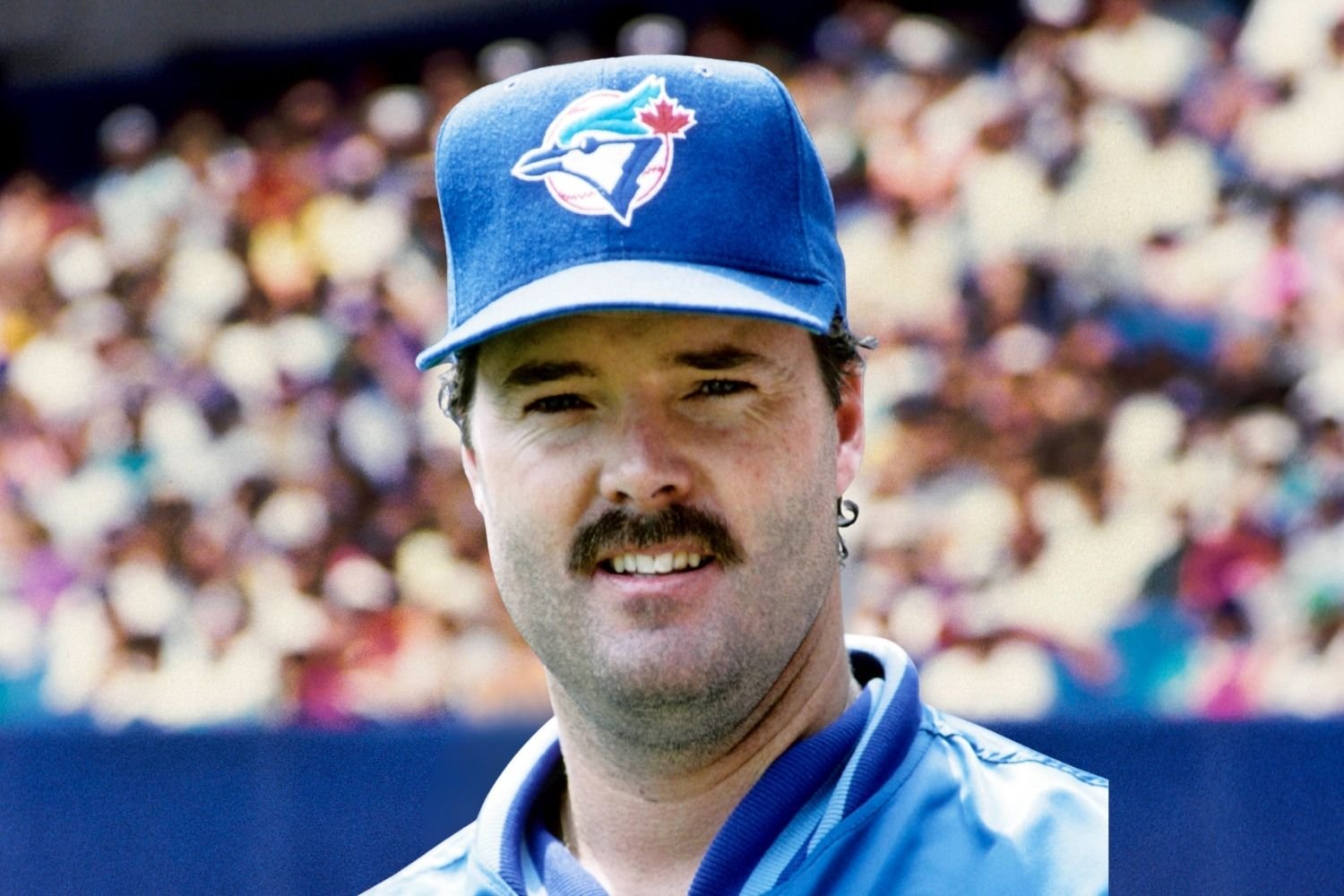 While this season's stretch run isn't shaping up to be as exciting as we all hoped, let's ride the 50th season nostalgia and re-live the stretch run from the Blue Jays' first World Championship year, 1992. Monday, July 27 – off-day The workload of the regular season was catching up to Juan Guzmán. After a dazzling debut in ‘91, Guzmán was following up with a masterful season. He was chosen to the American League All-Star team and went into the break having pitched at least seven innings in eight of his last 10 starts. He entered the All-Star Game in the third inning and quickly struck out Ryne Sandberg and Benito Santiago before loading the bases. After falling behind the count, Guzmán got Barry Bonds to pop up on the third base side for the final out of the inning. Guzmán’s next start with the Blue Jays came four days later in Seattle, where he moved to 12-2 with seven scoreless innings of work. After winning three of four from the Mariners, Toronto would drop two of three against the Angels before sending Guzmán to the mound to open up a series in Oakland. It was a chilly night in the Bay Area, and Guzmán never felt quite right. He left the game in the third inning due to shoulder stiffness and then admitted to having felt “twinges” in the area during his previous two starts. The diagnosis was two separate strains around his shoulder, bumping him from his scheduled start on Wednesday against Kansas City, for which the Blue Jays potentially needed him in the stopper role again. Despite Guzmán’s early departure, Toronto beat the A’s before losing the final three games of the series. Going 5-6 on the road trip, Toronto maintained a four-game lead over Baltimore and Milwaukee but was then facing some concerns around the All-Star pitcher. Down in action in the minor leagues, Carlos Delgado set a Class-A Dunedin record with his 25th home run of the season. His .326 average would have him in the Triple Crown discussion if not for his teammate Rob Butler, who led the Florida State League with a .359 mark. Tuesday, July 28 – 6-4 win vs. Kansas City Kelly Gruber was nervous before the start of Toronto’s week-long homestand. For Gruber, it was his first game back at SkyDome in a month. Having not hit a home run since May, Gruber’s play had gotten him booed before he landed on the injured list. Now? After rumours of him water skiing in Muskoka while he was hurt? Jeff Kent had filled in just fine at the hot corner. “Gruber for rent, keep Kent” read an overhanging sign in the outfield. However, the crowd was still slightly abuzz as Gruber made his way into the batter’s box for the first time. Candy Maldonado had just homered to give Toronto a 2-1 lead, and on the second pitch of his at-bat, Gruber hit a hanging change-up off recent Triple-A call-up Dennis Moeller over the sign calling for his replacement in left field. Gruber called it an “ice-breaker” with the fans. With that home run, along with a couple of stellar defensive plays, he helped Toronto to victory. “Even if Kelly doesn’t hit, he’ll do a lot for this team,” said manager Cito Gaston. The injury diagnosis for Pat Tabler would be a painful one. Over the weekend, Tabler slipped on the grass near the dugout in Oakland. He underwent imaging tests upon returning to Toronto, and they revealed torn cartilage and arthritis in his left knee. It was something Tabler would play through in the final months of his major league career. Wednesday, July 29 – 5-2 loss vs. Kansas City Guzmán had replaced an injured Dave Stieb in the rotation last season, and it would be Stieb taking the ball to replace the now-injured Guzmán. Toronto’s ace of the previous decade was winding down in a number of ways. After back-to-back abbreviated outings had ballooned his ERA to 5.79 in 12 starts through June, Gaston removed Stieb from the Toronto rotation. Pitching out of the bullpen, talk swirled that Stieb may get released. He was far away from his ‘80s dominance, but with an opening, Gaston opted to give Stieb the start instead of bumping up the rest of his rotation to cover Guzmán’s absence. Stieb held down the fort with six solid innings, but Kansas City would bat around on an erratic Mike Timlin in the eighth inning. The Royals scored the go-ahead run on a wild pitch (that was scored a passed ball), and Timlin would later walk Brent Mayne with the bases loaded. The four-run inning left the Blue Jays down 5-1. Toronto loaded the bases in the ninth with one out, but Manuel Lee grounded into a run-scoring fielders’ choice before Devon Whyte ended the game by popping out. The blown lead wasted the final quality start of Dave Stieb’s Blue Jays’ career, and Pat Gillick was going to do something about it. Thursday, July 30 – 3-0 win vs. Kansas City All month, the Blue Jays general manager had been talking to other teams about adding pitching ahead of the trade deadline. It was 50-50 the team made a deal before then, Gillick said, but the availability of a familiar face flipped the coin deal-side up. Late ‘80s sensation Mark Eichhorn had rediscovered his stuff in the Angels’ bullpen, and he was headed back to Toronto for Greg Myers and Rob Ducey. Eichhorn was to pitch ahead of Duane Ward and Tom Henke, relief innings the Blue Jays were wanting to shore up with some better pitching. As excited as Eichhorn was to rejoin the team, it was crushing for the homegrown Ducey. “Right now I can’t really believe I won’t be wearing a Blue Jays uniform,” he said. “Nobody wants to leave a team that has a chance to be in the World Series.” With an extra day of rest, David Wells was as sharp as a starter could be in the shutout of Kansas City. Boomer threw 70 of his 94 pitches for strikes in seven shutout innings that were nailed down by Ward and Henke in the series-clinching victory. At the plate, Maldonado stayed red hot with three more hits. Since the All-Star break, last summer’s stretch-run acquisition was slashing .392/.492/.647. Friday, July 31 – 13-2 win vs. New York Breaking from spring training, the Blue Jays looked to the waiver wire to cover a spot in the bullpen. Toronto claimed 27-year-old Shawn Hillegas from Cleveland, where he had pitched 83 innings the year prior. Hillegas never showed. Toronto suspected the pitcher had a secret deal done with another club, and as soon as Hillegas waited out the five-day deadline to report to the Blue Jays, he signed a minor league deal with the New York Yankees. The cost of not wanting to be a Blue Jay was $60,000 in withheld severance pay. Now, here was a chance to show it was worth it. Or, maybe not. Toronto knocked Hillegas out of the game after three innings, having scored six runs. It was the same number they would put up on the second New York pitcher. Joe Carter snapped a 0-for-20 slump with a long home run, and Pat Borders knocked in five, including a round-tripper off Hillegas. The 13-run outburst rendered a seven-inning gem from Todd Stottlemyre just nice to have, and Gaston used the blowout to get to the end of his bench, including the first appearance of Ed Sprague on the season. Saturday, August 1 – 3-1 win vs. New York It’s a good thing the inning didn’t play out the way Joe Carter had first planned. With the score 1-1 in the eighth, the Blue Jays had runners on the corners with two away and Carter up. On the first pitch, Carter attempted a surprise bunt, but he fouled it off. On the very next offering, Carter drilled a ball to left field. He thought it was out off the bat, but the ball bounced between Mel Hall and the fence for a two-run double. The base hit put Jack Morris in line for the win after he pitched eight solid innings, and the third straight victory was locked down by Henke in the ninth. Sunday, August 2 – 7-6 win vs. New York It had turned into an adventurous weekend defensively for Hall. In the seventh, Hall hit a pinch-hit two-run single to give the Yankees a 5-3 lead. With two on and two out in the bottom half of the frame, it was Roberto Alomar’s turn for the Blue Jays at the plate. Much like he did on Carter’s game-deciding double the day before, Hall had Alomar shaded towards the line in left field. When Alomar hit a ball into the gap, Hall barely caught up to it but had the ball bounce off his glove and onto the turf for a game-tying double. There was nowhere to be positioned for the next hitter. Unlike yesterday, this one was gone for Carter, who became a hero yet again, hitting the ball well over Hall’s head and the left field fence to give the Blue Jays a 7-5 lead. Making his first Blue Jay appearance since 1988, Eichhorn inherited runners and gave up the go-ahead hit to Hall before watching the offence rally to put him in line for the win. “Definitely not the prettiest win, but coming back to score runs like this team can, I might be able to vulture a few,” Ike said. “The last two, three years (with the Angels), this is something I haven’t been used to.” Despite the sweep, Toronto's lead was kept to 4.5 games by Baltimore, who kept pace with their own sweep in Boston, where the Blue Jays would head next.
 -
While this season's stretch run isn't shaping up to be excitement we all hoped, let's ride the nostalgia from the Blue Jays' 50th season and re-live the stretch run from the first World Championship year, 1992. Monday, July 27 – off-day The workload of the regular season was catching up to Juan Guzmán. After a dazzling debut in ‘91, Guzmán was following up with a masterful season. Guzmán was chosen to the American League All Star team and went into the break having pitched at least seven innings in eight of his last ten starts. He entered the All Star Game in the third inning and quickly struck out Ryne Sandberg and Benito Santiago before loading the bases. After failing behind the count, Guzmán got Barry Bonds to pop-up on the third base side for the final out of the inning. Guzmán’s next start with the Blue Jays came four days later in Seattle, where he moved to 12-2 with seven scoreless innings of work. After winning three of four from the Mariners, Toronto would drop two of three against the Angels before sending Guzmán to the mound to open up a series in Oakland. It was a chilly night in the Bay Area and Guzmán never felt quite right. He left the game in the third inning due to shoulder stiffness and then admitted to having felt “twinges” in it during his previous two starts. The diagnosis was two separate strains around his shoulder, bumping him from his scheduled start on Wednesday against Kansas City, where the Blue Jays potentially needed him in the stopper role again. Despite Guzmán’s early departure, Toronto beat the A’s before losing the final three games of the series. 5-6 on the road trip, Toronto maintained a four game lead over Baltimore and Milwaukee but were now facing some concerns around their all-star pitcher. Down in action in the minor leagues, Carlos Delgado set a Class-A Dunedin record with his 25th home run of the season. His .326 average would have him in the Triple Crown discussion if not for his teammate Rob Butler, who leads the Florida State League with a .359 mark. Tuesday, July 28 – 6-4 win vs. Kansas City Kelly Gruber was nervous before the start of Toronto’s week-long homestand. For Gruber, it was his first game back at SkyDome in a month. Having not hit a home run since May, Gruber’s play had gotten him booed before he landed on the injured list. Now? After rumours of him water skiing in Muskoka while he was hurt? Jeff Kent had filled in just fine at the hot corner. “Gruber for rent, keep Kent” read an overhanging sign in the outfield. However, the crowd was still slightly abuzz as Gruber made his way into the batter’s box for the first time. Candy Maldonado had just homered to give Toronto a 2-1 lead and on the second pitch of his at-bat, Gruber hit a hanging change-up off recent Triple-A call-up Dennis Moeller over the sign calling for his replacement in left field. Gruber called it an “ice-breaker” with the fans and along with a couple stellar defensive plays, he helped Toronto to victory. “Even if Kelly doesn’t hit, he’ll do a lot for this team,” said manager Cito Gaston. The injury diagnosis for Pat Tabler would be a painful one. Over the weekend, Tabler slipped on the grass near the dugout in Oakland. He underwent imaging tests upon returning to Toronto and they revealed torn cartilage and arthritis in his left knee. It was something Tabler would play through in the final months of his major league career. Wednesday, July 29 – 5-2 loss vs. Kansas City Guzmán had replaced an injured Dave Stieb in the rotation last season and it would be Stieb taking the ball to replace the now-injured Guzmán. Toronto’s ace of the previous decade was winding down in a number of ways. After back to back abbreviated outings had ballooned his ERA to 5.79 in 12 starts through June, Gaston removed Stieb from the Toronto rotation. Pitching out of the bullpen, talk swirled that Stieb may get released. He was far away from his ‘80s dominance but with an opening, Gaston opted to give Stieb the start instead of bumping up the rest of his rotation to cover Guzmán’s absence. Stieb held down the fort with six solid innings but Kansas City would bat around on an erratic Mike Timlin in the eighth inning. The Royals scored the go-ahead run on a wild-pitch-scored-a-passed-ball and Timlin would later walk Brent Mayne with the bases loaded, a four run inning that left the Blue Jays down 5-1. Toronto loaded the bases in the ninth with one out but Manuel Lee grounded into a run-scoring fielders’ choice before Devon Whyte ended the game by popping out. The blown lead wasted the final quality start of Dave Stieb’s Blue Jays’ career and Pat Gillick was going to do something about it. Thursday, July 30 – 3-0 win vs. Kansas City All month, the Blue Jays general manager had been talking to other teams about adding pitching ahead of the trade deadline. It was 50-50 the team made a deal before then, Gillick said, but the availability of a familiar face flipped the coin deal-side up. Late ‘80s sensation Mark Eichhorn had rediscovered his stuff in the Angels’ bullpen and he was headed back to Toronto for Greg Myers and Rob Ducey. Eichhorn was to pitch ahead of Duane Ward and Tom Henke, relief innings the Blue Jays were wanting to shore up with some better pitching. As excited as Eichhorn was to rejoin the team, it was crushing for the homegrown Ducey. “Right now I can’t really believe I won’t be wearing a Blue Jays uniform,” he said. “Nobody wants to leave a team that has a chance to be in the World Series.” With an extra day of rest, David Wells was as sharp as a starter could be in the shutout of Kansas City. Boomer threw 70 of his 94 pitches for strikes in seven shutout innings that were nailed down by Ward and Henke in the series-clinching victory. At the plate, Maldonado stayed red hot with three more hits. Since the All-Star break, last summer’s stretch run acquisition is slashing .392/.492/.647. Friday, July 31 – 13-2 win vs. New York Breaking from spring training, the Blue Jays looked to the waiver wire to cover a spot in the bullpen. Toronto claimed 27-year-old Shawn Hillegas from Cleveland, where he had pitched in 83 innings the year prior. Hillegas never showed. Toronto suspected the pitcher had a secret deal done with another club and as soon as Hillegas waited out the five day deadline to report to the Blue Jays, he signed a minor league deal with the New York Yankees. The cost of not wanting to be a Blue Jay was $60,000 in withheld severance pay. Now, here was a chance to show it was worth it. Or, maybe not. Toronto knocked Hillegas out of the game after three innings, having scored six runs. It was the same number they would put up on the second New York pitcher. Joe Carter snapped a 0-for-20 slump with a long home run and Pat Borders knocked in five, including a round tripper off Hillegas. The thirteen run outburst rendered a seven inning gem from Todd Stottlemyre just nice to have and Gaston used the blowout to get to the end of his bench, including the first appearance of Ed Sprague on the season. Saturday, August 1 – 3-1 win vs. New York It’s a good thing the inning didn’t play out the way Joe Carter first proceeded with his at-bat. With the score 1-1 in the eighth, the Blue Jays had runners on the corners with two away with Carter up. On the first pitch, Carter attempted a surprise bunt but the pitch was fouled off. On the very next offering, Carter drilled a ball to left field. He thought it was out off the bat but the ball bounced between Mel Hall and the fence for a two run double. The base hit put Jack Morris in line for the win after he pitched eight solid innings and the third straight victory was locked down by Henke in the ninth. Sunday, August 2 – 7-6 win vs. New York It had turned into an adventurous weekend defensively for Hall. In the seventh, Hall hit a pinch hit two run single to give the Yankees a 5-3 lead. With two on and two out in the bottom half of the frame, it was Roberto Alomar’s turn for the Blue Jays at the plate. Much like he did on Carter’s game deciding double yesterday, Hall had Alomar shaded towards the line in left field. When Alomar hit a ball into the gap, Hall barely caught up to it but had the ball bounce off his glove and onto the turf for a game-tying double. There was nowhere to be positioned for the next hitter. Unlike yesterday, this one was gone for Carter, who became a hero yet again, hitting the ball well over Hall’s head and the left field fence to give the Blue Jays a 7-5 lead. Making his first Blue Jay appearance since 1988, Eichhorn inherited runners and gave up the go-ahead hit to Hall before watching the offence rally to put him in line for the win. “Definitely not the prettiest win but coming back to score runs like this team can, I might be able to vulture a few,” Ike said. “The last two, three years (with the Angels), this is something I haven’t been used to.” Despite the sweep, Toronto's lead was kept to 4.5 games by Baltimore, who kept pace with their own sweep in Boston, where the Blue Jays would head next. View full article
-
Victoria Day baseball was once a thing in Toronto. Before it was just another day on the major league calendar, one the team now fills with a road game here, an off day there, and the occasional home game, the Blue Jays hosted some holiday afternoon baseball in their early years. They welcomed Oakland for a night game on the holiday in 1977 before holding a stretch of nine straight day games on Victoria Day at Exhibition Stadium. It was in the sixth of these games, in 1983, that the Blue Jays achieved a franchise high mark. Toronto started the long weekend with success against the division-leading Baltimore Orioles. The Blue Jays dropped the opener of the four-game series on Thursday, 2-1, wasting a terrific starting pitching performance from Mike Morgan. He pitched into the eighth but didn’t see an ounce of run support, with Cliff Johnson’s solo blast in the ninth the only run Toronto could muster. It was the first run the Orioles surrendered in 32 innings, and the victory kept them four games up on the Blue Jays in the American League East. The win dropped Baltimore’s team ERA to a sparkling 3.31 to date, and Toronto’s staff would take note of what was needed to be top dog in the AL East. Blister problems had plagued Jim Gott so far this season. The accompanying control problems had seen the sophomore starter walk 24 batters in 30 innings and suffer a brief demotion from the rotation. Having lost his previous three starts, Toronto played it safe and removed Gott after five solid innings of one-run baseball on Friday. This time, Toronto’s bats hoisted their starter with three runs in the third inning and two in the fourth, allowing them to hang onto a 7-5 win after a shaky bullpen performance. More importantly for a guy who said he felt “scared to death” about this start, he walked none. In his next start, Gott was blister-free but walked five after being rushed into his start following a rain delay. Gott didn’t get a chance to fully warm up but also struck out a then-career high nine as he pitched into the seventh inning of a 6-2 loss to Detroit. (photo credit: Toronto Star archives/The Athletic) The two runs Baltimore scored in the ninth inning would be the last the O's scored all series, as Toronto pitching started its own scoreless streak, powered by the team's two top arms. Dave Stieb threw a complete-game, four-hit shutout on Saturday to drop his ERA to 1.04 on the season, and Jim Clancy followed that up with a three-hit complete game on Sunday in a 5-0 win. The pair of victories moved Toronto to just a game back of Baltimore for first. “We’re a better team this year than we were last year,” said manager Bobby Cox, who celebrated his 42nd birthday on Saturday. Over 35,000 would show up to Exhibition Stadium for the holiday matinee against the Detroit Tigers. Sparky Anderson’s club would win 92 games in ‘83, but at that point, the Tigers sat last in the AL East at 17-20. Anderson would send Milt Wilcox to the mound to start against Toronto, to the chagrin of Ernie Whitt. The Blue Jays catcher had trouble against Wilcox in his career, 2-for-11 lifetime coming into the season. “He changes speeds, and he throws that forkball,” said Whitt. “He's always tough." If Stieb and Clancy started the scoreless streak, Luis Leal was the best person to attempt to keep it going. After a slow start to his season, Leal pitched back-to-back complete-game victories to start May. He was less sharp in his last start, a no-decision against Milwaukee, which he threw on three days’ rest. Leal and Wilcox got through the first three innings unscathed, and a double play started by Leal in the fourth ended the frame and brought the Blue Jays’ streak of not surrendering a run to 22 innings. Toronto would provide Leal some breathing room in a historic fourth inning. Willie Upshaw led off and hit his seventh home run of the season to deep right field to put the Blue Jays on the board. Two batters later, Whitt finally got a hold of Wilcox, taking a spinning slider over the wall in right to give Toronto a 2-0 lead. On the very next pitch, Wilcox made another mistake, this time leaving the ball well over the plate to Lloyd Moseby. The Toronto center fielder took advantage and drilled it out of the park. The three home runs in the fourth set a franchise high for most in an inning and would be all the support the Blue Jays needed to give their starter. Leal walked a batter in the fifth and sixth innings, but the baserunners wouldn’t advance past first base. With one away in the bottom of the sixth, Whitt would hit his second home run of the game off Wilcox, his first-ever multi-homer game in the major leagues. As Moseby stepped up next, he knew Wilcox would not make a second straight mistake. Expecting to be brushed off, Moseby watched the pitch come inside, just missing his knee. In response, he took a few steps towards Wilcox, holding his bat. Briefly, the dugouts emptied. There was nothing to be riled up about. Moseby would return to the box, and curious players on both sides returned to their benches. Moseby worked a walk, but Wilcox got the last laugh, catching the speedster leaning towards second base and picking him off for the second out of the inning. Hosken Powell would ground out to end the sixth, but powered by solo home runs, Toronto now had a 4-0 lead. "Right now, our confidence is sky high," said Moseby after the game, "We're getting great pitching, our offence is going good, and so is our defence." (photo credit: Toronto Star archives) It was a lead that was safe with Leal. He surrendered an inconsequential single in the seventh and ended the eighth inning with back-to-back strikeouts. With three outs to go, Leal started the ninth with back-to-back walks, leading to Cox walking to the mound to remove his starter. Randy Moffitt emerged from a sleepy Toronto bullpen and put an end to the Tigers on five pitches: He got a double play ball off the bat of Lance Parrish before striking out Glenn Wilson to end the game. The win eeked the Blue Jays ahead of Baltimore on percentage points and moved them into a share of first place in the division with Boston. It was the latest in the season that Toronto had ever had a share of the division lead. On the same afternoon, the Jays set a franchise high mark for home runs in an inning and for consecutive scoreless innings. "Three straight shutouts in a bandbox like this," lamented Anderson afterwards. "That's really something.” "A shutout is great any time," said Cox. "Three in a row, with the conditions like they have been the last three games, wet turf and the wind blowing out, it makes it that much more difficult." The scoreless streak wouldn't last much longer. Morgan gave up four runs to the Tigers the following evening, but the Blue Jays would rally with a pair of big innings in a 7-6 win. The division lead was now Toronto’s. The Jays would continue to stay in the division picture until late July, when a split doubleheader knocked them out of first place for good. They would finish nine back of the division, but the 89-win season was a turning point, and the team would eventually win its first division title two years later. View full article
-
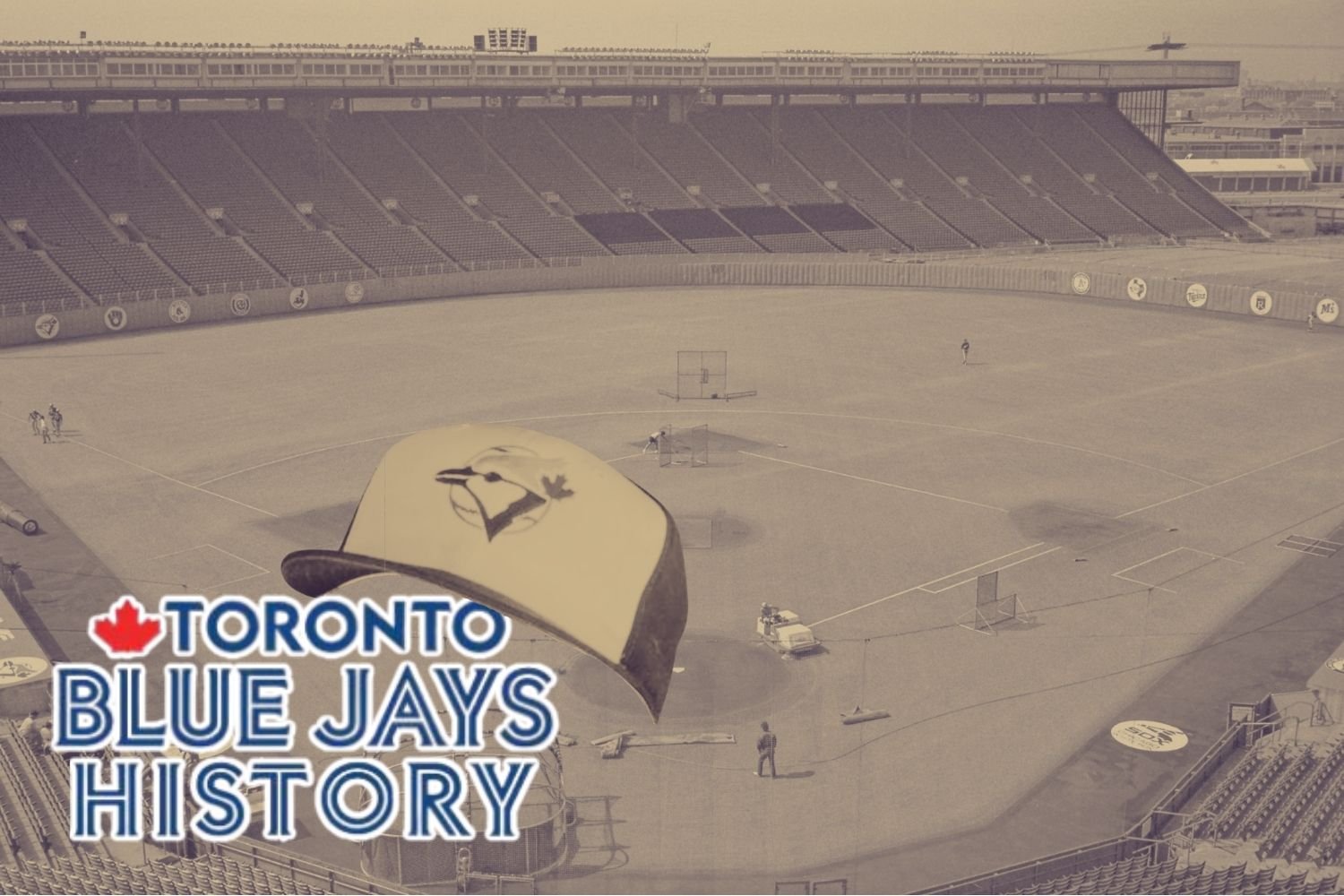 Victoria Day baseball was once a thing in Toronto. Before it was just another day on the major league calendar, one the team now fills with a road game here, an off day there, and the occasional home game, the Blue Jays hosted some holiday afternoon baseball in their early years. They welcomed Oakland for a night game on the holiday in 1977 before holding a stretch of nine straight day games on Victoria Day at Exhibition Stadium. It was in the sixth of these games, in 1983, that the Blue Jays achieved a franchise high mark. Toronto started the long weekend with success against the division-leading Baltimore Orioles. The Blue Jays dropped the opener of the four-game series on Thursday, 2-1, wasting a terrific starting pitching performance from Mike Morgan. He pitched into the eighth but didn’t see an ounce of run support, with Cliff Johnson’s solo blast in the ninth the only run Toronto could muster. It was the first run the Orioles surrendered in 32 innings, and the victory kept them four games up on the Blue Jays in the American League East. The win dropped Baltimore’s team ERA to a sparkling 3.31 to date, and Toronto’s staff would take note of what was needed to be top dog in the AL East. Blister problems had plagued Jim Gott so far this season. The accompanying control problems had seen the sophomore starter walk 24 batters in 30 innings and suffer a brief demotion from the rotation. Having lost his previous three starts, Toronto played it safe and removed Gott after five solid innings of one-run baseball on Friday. This time, Toronto’s bats hoisted their starter with three runs in the third inning and two in the fourth, allowing them to hang onto a 7-5 win after a shaky bullpen performance. More importantly for a guy who said he felt “scared to death” about this start, he walked none. In his next start, Gott was blister-free but walked five after being rushed into his start following a rain delay. Gott didn’t get a chance to fully warm up but also struck out a then-career high nine as he pitched into the seventh inning of a 6-2 loss to Detroit. (photo credit: Toronto Star archives/The Athletic) The two runs Baltimore scored in the ninth inning would be the last the O's scored all series, as Toronto pitching started its own scoreless streak, powered by the team's two top arms. Dave Stieb threw a complete-game, four-hit shutout on Saturday to drop his ERA to 1.04 on the season, and Jim Clancy followed that up with a three-hit complete game on Sunday in a 5-0 win. The pair of victories moved Toronto to just a game back of Baltimore for first. “We’re a better team this year than we were last year,” said manager Bobby Cox, who celebrated his 42nd birthday on Saturday. Over 35,000 would show up to Exhibition Stadium for the holiday matinee against the Detroit Tigers. Sparky Anderson’s club would win 92 games in ‘83, but at that point, the Tigers sat last in the AL East at 17-20. Anderson would send Milt Wilcox to the mound to start against Toronto, to the chagrin of Ernie Whitt. The Blue Jays catcher had trouble against Wilcox in his career, 2-for-11 lifetime coming into the season. “He changes speeds, and he throws that forkball,” said Whitt. “He's always tough." If Stieb and Clancy started the scoreless streak, Luis Leal was the best person to attempt to keep it going. After a slow start to his season, Leal pitched back-to-back complete-game victories to start May. He was less sharp in his last start, a no-decision against Milwaukee, which he threw on three days’ rest. Leal and Wilcox got through the first three innings unscathed, and a double play started by Leal in the fourth ended the frame and brought the Blue Jays’ streak of not surrendering a run to 22 innings. Toronto would provide Leal some breathing room in a historic fourth inning. Willie Upshaw led off and hit his seventh home run of the season to deep right field to put the Blue Jays on the board. Two batters later, Whitt finally got a hold of Wilcox, taking a spinning slider over the wall in right to give Toronto a 2-0 lead. On the very next pitch, Wilcox made another mistake, this time leaving the ball well over the plate to Lloyd Moseby. The Toronto center fielder took advantage and drilled it out of the park. The three home runs in the fourth set a franchise high for most in an inning and would be all the support the Blue Jays needed to give their starter. Leal walked a batter in the fifth and sixth innings, but the baserunners wouldn’t advance past first base. With one away in the bottom of the sixth, Whitt would hit his second home run of the game off Wilcox, his first-ever multi-homer game in the major leagues. As Moseby stepped up next, he knew Wilcox would not make a second straight mistake. Expecting to be brushed off, Moseby watched the pitch come inside, just missing his knee. In response, he took a few steps towards Wilcox, holding his bat. Briefly, the dugouts emptied. There was nothing to be riled up about. Moseby would return to the box, and curious players on both sides returned to their benches. Moseby worked a walk, but Wilcox got the last laugh, catching the speedster leaning towards second base and picking him off for the second out of the inning. Hosken Powell would ground out to end the sixth, but powered by solo home runs, Toronto now had a 4-0 lead. "Right now, our confidence is sky high," said Moseby after the game, "We're getting great pitching, our offence is going good, and so is our defence." (photo credit: Toronto Star archives) It was a lead that was safe with Leal. He surrendered an inconsequential single in the seventh and ended the eighth inning with back-to-back strikeouts. With three outs to go, Leal started the ninth with back-to-back walks, leading to Cox walking to the mound to remove his starter. Randy Moffitt emerged from a sleepy Toronto bullpen and put an end to the Tigers on five pitches: He got a double play ball off the bat of Lance Parrish before striking out Glenn Wilson to end the game. The win eeked the Blue Jays ahead of Baltimore on percentage points and moved them into a share of first place in the division with Boston. It was the latest in the season that Toronto had ever had a share of the division lead. On the same afternoon, the Jays set a franchise high mark for home runs in an inning and for consecutive scoreless innings. "Three straight shutouts in a bandbox like this," lamented Anderson afterwards. "That's really something.” "A shutout is great any time," said Cox. "Three in a row, with the conditions like they have been the last three games, wet turf and the wind blowing out, it makes it that much more difficult." The scoreless streak wouldn't last much longer. Morgan gave up four runs to the Tigers the following evening, but the Blue Jays would rally with a pair of big innings in a 7-6 win. The division lead was now Toronto’s. The Jays would continue to stay in the division picture until late July, when a split doubleheader knocked them out of first place for good. They would finish nine back of the division, but the 89-win season was a turning point, and the team would eventually win its first division title two years later.
 -
 Mac reacted to a post in a topic:
The Angriest Blue Jay
Mac reacted to a post in a topic:
The Angriest Blue Jay
-
The Boss said no. Had the answer been different, Bobby Cox may never have been the manager of the Toronto Blue Jays. Shortly after the 1981 season, Toronto manager Bobby Mattick stepped down from his post. Mattick had been an unusual choice for the job in the first place, with virtually no previous managerial experience. Mattick was one of the first employees of the Blue Jays, having been named scouting supervisor in 1976. When Roy Hartsfield wore out his welcome as skipper after three straight losing and miserable seasons, general manager Pat Gillick offered the job to Mattick, who called his boss “crazy,” but after being persistently asked, Mattick accepted. “If you guys have the guts to offer me the job, I've got the guts to take it,” he said. Morale improved under Mattick, and so did the results, slightly. Toronto’s 67-95 record in 1980 was the first non-100-loss season the franchise had, but despite going 21-27 after the mid-season players’ strike in ‘81, the Blue Jays still finished dead last in the American League East for a fifth straight season. Rumours circulated that team president Peter Bavasi wanted to go a different direction, but both Bavasi and Mattick denied any truth to them when the manager stepped aside on October 7 to accept a newly-created position in Toronto’s front office. Bavasi said Mattick had the choice to continue. “If he wanted to subject himself to the pressures being a major league manager entails, he could have carried on,” said Bavasi. “I told him, ‘Make your choice.’ I think he made the right one.” Needing a new manager, Gillick looked into his past for a pivotal hire in Toronto’s infancy. Before he was hired as Bavasi’s second-in-command, Gillick spent time in the Yankees organization, coinciding with the last season of Gene Michael’s playing career in pinstripes. Michael had since become a member of the George Steinbrenner regime, hired as general manager in 1980 before moving down to the dugout in ‘81, where he lasted until September, fired for criticizing Steinbrenner’s constant criticisms. A month later, with the Yankees playing their way into the World Series, Gillick asked Steinbrenner for permission to talk with the doing-nothing Michael. No can do, said the Boss; a minor setback for Gillick, who was also hoping to speak with another former Yankee. Bobby Cox had been traded from Atlanta to New York in ‘67, and while he only played two seasons in pinstripes, it was his work afterwards that had him at the top of Gillick’s list. Cox began his managerial career in New York’s farm system, culminating in an International League championship in ‘76, also Gillick’s first summer in New York. Cox became Atlanta’s manager in ‘78, and the Braves showed slow but steady improvement over his tenure. It was seemingly coming to an abrupt halt. Atlanta bottomed out in ‘81 with an 11-16 record in September, and the question lingering into the offseason was whether Cox would remain the Braves’ manager. He would not. Cox met with owner Ted Turner and then sat alongside him the next day at a press conference announcing his dismissal. It was peak Ted Turner. He called Cox a terrific manager and person, saying if he hadn’t just been fired, he’d be one of the first calls to become Atlanta’s new manager. Cox remained one of his closest friends, Turner said, but "a new broom sweeps clean". It was cause to celebrate for Gillick, but one he couldn’t consummate just yet. Toronto had no idea if Cox would become available. Their previous interest in Michael was genuine, but as soon as Turner gaffed his way through his former manager’s dismissal, Gillick wanted no one else but Cox. He wasn’t the only one. The first call to Braves general manager John Mullen asking for permission to speak with Cox wasn’t Gillick, but Mets GM Frank Cashen, who had just fired Joe Torre. Cox was willing to entertain offers, and returning to New York had some appeal, enough for him to answer Cashen’s call. So the Blue Jays did their diligence with other candidates. Toronto spoke to ousted Expos manager Dick (in a few ways) Williams, who indicated he had interest. Tony Kubek’s name was mentioned, as was former Blue Jay Doug Rader, currently managing in Triple-A for San Diego. They were all fallback options. The job was Cox’s if he wanted it. “There hasn’t been a signing, all we’ve done is talk,” said Cox, who was on his way to Toronto the next day. There is no big story in the hiring of Bobby Cox. Gillick simply got his guy. Cox arrived in Toronto and sat in for a different type of press conference. He was introduced by Mattick, who joked he had been made the team’s new master of ceremonies. It was then Cox’s turn to wow those in attendance. “Smiling easily and speaking with crisp confidence,” said George Gamester in the Toronto Star, “the handsome, brown-eyed Oklahoma native vowed to field an aggressive, competitive team. Describing himself as ‘somewhere between Ralph Houk and Billy Martin’ in style, Cox summed up his goals with the Blue Jays as: I wanna win.” For Gillick, the hiring of Cox was a final piece in his growing puzzle to get Toronto out of the basement. Gillick opened up as he discussed the hiring, saying he studied previous expansion teams to find out how long managers lasted, and he said he detected a pattern in how things unfolded with each team. “Your first manager is in a totally impossible situation,” he said. “He has no talent to work with, so it’s just a matter of time until he and his players get discouraged and a change becomes necessary.” “Then you need a guy to carry you over the next period,” he said as he transitioned into speaking about Mattick. “You’re improving, but he’s still got a tough row to hoe.” Cox won 78 games in his first season before winning 89 in his next two with Toronto. His final season ended in crushing defeat in the ‘85 ALCS, but the team's 99 wins that season remain a franchise record. Even after he left to rejoin the Braves as their general manager (and owner’s bestie), Cox’s legacy endured. The franchise he built up defeated him in the ‘92 World Series, and Toronto’s manager was one Cox had brought into the organization. With Bobby Doerr exiting as part-time hitting coach alongside Mattick, Cox hired Cito Gaston, who had played one season for Cox in Atlanta in 1978. If Gillick needed to make his third hire an absolutely correct one, there is no doubt he delivered. View full article
-
.jpg.4edb8c3d79d5a930d7d7551bdf053f2f.jpg) The Boss said no. Had the answer been different, Bobby Cox may never have been the manager of the Toronto Blue Jays. Shortly after the 1981 season, Toronto manager Bobby Mattick stepped down from his post. Mattick had been an unusual choice for the job in the first place, with virtually no previous managerial experience. Mattick was one of the first employees of the Blue Jays, having been named scouting supervisor in 1976. When Roy Hartsfield wore out his welcome as skipper after three straight losing and miserable seasons, general manager Pat Gillick offered the job to Mattick, who called his boss “crazy,” but after being persistently asked, Mattick accepted. “If you guys have the guts to offer me the job, I've got the guts to take it,” he said. Morale improved under Mattick, and so did the results, slightly. Toronto’s 67-95 record in 1980 was the first non-100-loss season the franchise had, but despite going 21-27 after the mid-season players’ strike in ‘81, the Blue Jays still finished dead last in the American League East for a fifth straight season. Rumours circulated that team president Peter Bavasi wanted to go a different direction, but both Bavasi and Mattick denied any truth to them when the manager stepped aside on October 7 to accept a newly-created position in Toronto’s front office. Bavasi said Mattick had the choice to continue. “If he wanted to subject himself to the pressures being a major league manager entails, he could have carried on,” said Bavasi. “I told him, ‘Make your choice.’ I think he made the right one.” Needing a new manager, Gillick looked into his past for a pivotal hire in Toronto’s infancy. Before he was hired as Bavasi’s second-in-command, Gillick spent time in the Yankees organization, coinciding with the last season of Gene Michael’s playing career in pinstripes. Michael had since become a member of the George Steinbrenner regime, hired as general manager in 1980 before moving down to the dugout in ‘81, where he lasted until September, fired for criticizing Steinbrenner’s constant criticisms. A month later, with the Yankees playing their way into the World Series, Gillick asked Steinbrenner for permission to talk with the doing-nothing Michael. No can do, said the Boss; a minor setback for Gillick, who was also hoping to speak with another former Yankee. Bobby Cox had been traded from Atlanta to New York in ‘67, and while he only played two seasons in pinstripes, it was his work afterwards that had him at the top of Gillick’s list. Cox began his managerial career in New York’s farm system, culminating in an International League championship in ‘76, also Gillick’s first summer in New York. Cox became Atlanta’s manager in ‘78, and the Braves showed slow but steady improvement over his tenure. It was seemingly coming to an abrupt halt. Atlanta bottomed out in ‘81 with an 11-16 record in September, and the question lingering into the offseason was whether Cox would remain the Braves’ manager. He would not. Cox met with owner Ted Turner and then sat alongside him the next day at a press conference announcing his dismissal. It was peak Ted Turner. He called Cox a terrific manager and person, saying if he hadn’t just been fired, he’d be one of the first calls to become Atlanta’s new manager. Cox remained one of his closest friends, Turner said, but "a new broom sweeps clean". It was cause to celebrate for Gillick, but one he couldn’t consummate just yet. Toronto had no idea if Cox would become available. Their previous interest in Michael was genuine, but as soon as Turner gaffed his way through his former manager’s dismissal, Gillick wanted no one else but Cox. He wasn’t the only one. The first call to Braves general manager John Mullen asking for permission to speak with Cox wasn’t Gillick, but Mets GM Frank Cashen, who had just fired Joe Torre. Cox was willing to entertain offers, and returning to New York had some appeal, enough for him to answer Cashen’s call. So the Blue Jays did their diligence with other candidates. Toronto spoke to ousted Expos manager Dick (in a few ways) Williams, who indicated he had interest. Tony Kubek’s name was mentioned, as was former Blue Jay Doug Rader, currently managing in Triple-A for San Diego. They were all fallback options. The job was Cox’s if he wanted it. “There hasn’t been a signing, all we’ve done is talk,” said Cox, who was on his way to Toronto the next day. There is no big story in the hiring of Bobby Cox. Gillick simply got his guy. Cox arrived in Toronto and sat in for a different type of press conference. He was introduced by Mattick, who joked he had been made the team’s new master of ceremonies. It was then Cox’s turn to wow those in attendance. “Smiling easily and speaking with crisp confidence,” said George Gamester in the Toronto Star, “the handsome, brown-eyed Oklahoma native vowed to field an aggressive, competitive team. Describing himself as ‘somewhere between Ralph Houk and Billy Martin’ in style, Cox summed up his goals with the Blue Jays as: I wanna win.” For Gillick, the hiring of Cox was a final piece in his growing puzzle to get Toronto out of the basement. Gillick opened up as he discussed the hiring, saying he studied previous expansion teams to find out how long managers lasted, and he said he detected a pattern in how things unfolded with each team. “Your first manager is in a totally impossible situation,” he said. “He has no talent to work with, so it’s just a matter of time until he and his players get discouraged and a change becomes necessary.” “Then you need a guy to carry you over the next period,” he said as he transitioned into speaking about Mattick. “You’re improving, but he’s still got a tough row to hoe.” Cox won 78 games in his first season before winning 89 in his next two with Toronto. His final season ended in crushing defeat in the ‘85 ALCS, but the team's 99 wins that season remain a franchise record. Even after he left to rejoin the Braves as their general manager (and owner’s bestie), Cox’s legacy endured. The franchise he built up defeated him in the ‘92 World Series, and Toronto’s manager was one Cox had brought into the organization. With Bobby Doerr exiting as part-time hitting coach alongside Mattick, Cox hired Cito Gaston, who had played one season for Cox in Atlanta in 1978. If Gillick needed to make his third hire an absolutely correct one, there is no doubt he delivered.
The Boss said no. Had the answer been different, Bobby Cox may never have been the manager of the Toronto Blue Jays. Shortly after the 1981 season, Toronto manager Bobby Mattick stepped down from his post. Mattick had been an unusual choice for the job in the first place, with virtually no previous managerial experience. Mattick was one of the first employees of the Blue Jays, having been named scouting supervisor in 1976. When Roy Hartsfield wore out his welcome as skipper after three straight losing and miserable seasons, general manager Pat Gillick offered the job to Mattick, who called his boss “crazy,” but after being persistently asked, Mattick accepted. “If you guys have the guts to offer me the job, I've got the guts to take it,” he said. Morale improved under Mattick, and so did the results, slightly. Toronto’s 67-95 record in 1980 was the first non-100-loss season the franchise had, but despite going 21-27 after the mid-season players’ strike in ‘81, the Blue Jays still finished dead last in the American League East for a fifth straight season. Rumours circulated that team president Peter Bavasi wanted to go a different direction, but both Bavasi and Mattick denied any truth to them when the manager stepped aside on October 7 to accept a newly-created position in Toronto’s front office. Bavasi said Mattick had the choice to continue. “If he wanted to subject himself to the pressures being a major league manager entails, he could have carried on,” said Bavasi. “I told him, ‘Make your choice.’ I think he made the right one.” Needing a new manager, Gillick looked into his past for a pivotal hire in Toronto’s infancy. Before he was hired as Bavasi’s second-in-command, Gillick spent time in the Yankees organization, coinciding with the last season of Gene Michael’s playing career in pinstripes. Michael had since become a member of the George Steinbrenner regime, hired as general manager in 1980 before moving down to the dugout in ‘81, where he lasted until September, fired for criticizing Steinbrenner’s constant criticisms. A month later, with the Yankees playing their way into the World Series, Gillick asked Steinbrenner for permission to talk with the doing-nothing Michael. No can do, said the Boss; a minor setback for Gillick, who was also hoping to speak with another former Yankee. Bobby Cox had been traded from Atlanta to New York in ‘67, and while he only played two seasons in pinstripes, it was his work afterwards that had him at the top of Gillick’s list. Cox began his managerial career in New York’s farm system, culminating in an International League championship in ‘76, also Gillick’s first summer in New York. Cox became Atlanta’s manager in ‘78, and the Braves showed slow but steady improvement over his tenure. It was seemingly coming to an abrupt halt. Atlanta bottomed out in ‘81 with an 11-16 record in September, and the question lingering into the offseason was whether Cox would remain the Braves’ manager. He would not. Cox met with owner Ted Turner and then sat alongside him the next day at a press conference announcing his dismissal. It was peak Ted Turner. He called Cox a terrific manager and person, saying if he hadn’t just been fired, he’d be one of the first calls to become Atlanta’s new manager. Cox remained one of his closest friends, Turner said, but "a new broom sweeps clean". It was cause to celebrate for Gillick, but one he couldn’t consummate just yet. Toronto had no idea if Cox would become available. Their previous interest in Michael was genuine, but as soon as Turner gaffed his way through his former manager’s dismissal, Gillick wanted no one else but Cox. He wasn’t the only one. The first call to Braves general manager John Mullen asking for permission to speak with Cox wasn’t Gillick, but Mets GM Frank Cashen, who had just fired Joe Torre. Cox was willing to entertain offers, and returning to New York had some appeal, enough for him to answer Cashen’s call. So the Blue Jays did their diligence with other candidates. Toronto spoke to ousted Expos manager Dick (in a few ways) Williams, who indicated he had interest. Tony Kubek’s name was mentioned, as was former Blue Jay Doug Rader, currently managing in Triple-A for San Diego. They were all fallback options. The job was Cox’s if he wanted it. “There hasn’t been a signing, all we’ve done is talk,” said Cox, who was on his way to Toronto the next day. There is no big story in the hiring of Bobby Cox. Gillick simply got his guy. Cox arrived in Toronto and sat in for a different type of press conference. He was introduced by Mattick, who joked he had been made the team’s new master of ceremonies. It was then Cox’s turn to wow those in attendance. “Smiling easily and speaking with crisp confidence,” said George Gamester in the Toronto Star, “the handsome, brown-eyed Oklahoma native vowed to field an aggressive, competitive team. Describing himself as ‘somewhere between Ralph Houk and Billy Martin’ in style, Cox summed up his goals with the Blue Jays as: I wanna win.” For Gillick, the hiring of Cox was a final piece in his growing puzzle to get Toronto out of the basement. Gillick opened up as he discussed the hiring, saying he studied previous expansion teams to find out how long managers lasted, and he said he detected a pattern in how things unfolded with each team. “Your first manager is in a totally impossible situation,” he said. “He has no talent to work with, so it’s just a matter of time until he and his players get discouraged and a change becomes necessary.” “Then you need a guy to carry you over the next period,” he said as he transitioned into speaking about Mattick. “You’re improving, but he’s still got a tough row to hoe.” Cox won 78 games in his first season before winning 89 in his next two with Toronto. His final season ended in crushing defeat in the ‘85 ALCS, but the team's 99 wins that season remain a franchise record. Even after he left to rejoin the Braves as their general manager (and owner’s bestie), Cox’s legacy endured. The franchise he built up defeated him in the ‘92 World Series, and Toronto’s manager was one Cox had brought into the organization. With Bobby Doerr exiting as part-time hitting coach alongside Mattick, Cox hired Cito Gaston, who had played one season for Cox in Atlanta in 1978. If Gillick needed to make his third hire an absolutely correct one, there is no doubt he delivered. -
Spanky__99 reacted to a post in a topic:
The Angriest Blue Jay
-
Orgfiller reacted to a post in a topic:
The Angriest Blue Jay
-
I can't say I knew the name Mark Lemongello up until a few weeks ago neither. The legend just kept growing the further I dug into it. The one thing I left out was how everyone thought of Lemongello as a quiet guy off the field. A lot of Blue Jays pushed back on the notion he was an eccentric and he came across fairly unassuming in the story by Earl McRae. He just hated losing. I appreciate the comments, thanks for reading!
-
Governator reacted to an article:
The Angriest Blue Jay
-
 Mike LeSage reacted to an article:
The Angriest Blue Jay
Mike LeSage reacted to an article:
The Angriest Blue Jay
-
Spanky__99 reacted to an article:
The Angriest Blue Jay
-
Fresh out of jail, Mark Lemongello went looking for work. After a year out of baseball, Lemongello called Toronto Blue Jays general manager Pat Gillick and asked for another shot with the organization. He had last pitched in the majors with the Blue Jays in 1979, and it was a disaster. The general manager told Lemongello they would talk once his legal issues were resolved, but Gillick must’ve known that the Pinellas County District Attorney’s case was pretty strong. There was no way Lemongello was going to pitch for the Toronto Blue Jays again. Lemongello couldn’t handle losing. He didn’t hate to lose like the average ballplayer; no, defeat turned Lemongello into a different being. He tore up clubhouses and destroyed their vending machines. He once took scissors to his uniform, shredding it to pieces. Following a particularly painful loss, he threw french fries at a waitress when he received them instead of a baked potato with his post-game steak. “If a little thing happens on the mound, he’ll go crazy,” said his former minor league teammate Frank MacCormack. “I’ve had to hold him down on the bed in hotel rooms so he wouldn’t tear sinks off the wall, smash the TVs, and rip the lamps apart. Even then, he managed to smash a few.” The stories grew, and they were mostly true. One scouting report took the myth of Lemongello to another level, but it contained one of the few allegations he denied. After a bad outing on the mound, he was said to have dove headfirst into the food table and, quote, “JUST LAY THERE in hot dogs, burritos, mustard, ketchup.” After another, he was said to have bit into his shoulder so hard it bled. Not so, said Lemongello, and he had a scarless torso to prove it. “I’m a colourful personality, and I’ve done some things that I wish I hadn’t done, but I’m not nuts, and I’m not crazy,” he said. If there was anything that rivaled how much Lemongello hated losing, it was finding out he had been traded to the Toronto Blue Jays. It had been over a month since the Blue Jays brought in Lemongello in an offseason trade with Houston, and the team had yet to speak with him. One of the three players acquired for catcher Alan Ashby, Toronto hoped Lemongello would slot third in their rotation behind Tom Underwood and Jim Clancy for the upcoming ‘79 season. Now, they were hoping that he would just show up to camp. “All we can do is send a registered letter to his home,” said personnel man Elliot Wahle. It stood little chance of being answered. Lemongello was in the wind, not thrilled with the idea of being a Blue Jay and having to live in Canada. Describing a move north as “10 steps backwards for me,” the Arizona-born Lemongello told the Ottawa Journal that he was not reporting to the organization and vanished. He took a long trip to the Grand Canyon, then took an even longer drive cross-country to New Jersey, unreachable the entire time. Scrambling, the Blue Jays tried reaching out to Lemongello’s mother, who said she had no idea where her son was, but he did have a question, one that was relayed to the team and no doubt gave them their next sign of the trouble ahead. “What’s a Toronto?” Undeterred, team president Peter Bavasi dug deep. He heard that Lemongello worked at Coca-Cola bottling plants in the offseason and tried to get word to the pitcher that, hey, lifting crates in a cool climate might be better than the sweltering heat in Phoenix. As the end of January closed in, Bavasi was able to make contact with Lemongello’s agent, Gary Walker, who had also received a call from his client. Earning his dues, Walker brought the sides together. There was only one problem: Lemongello didn’t work at the soda plants. Either way, the pitcher was touched by Bavasi’s efforts to comfort him, and any fears of playing in Toronto had been run off, for now. Lemongello signed a two-year deal as spring training closed in. Saying he heard nothing but good things about the city, Lemongello explained he had been reeling and in shock after the trade. After all, no one wants to find out they are unwanted by their previous team. And everything about Canada? Simple geographic confusion. “It would have been different if I was traded to Montreal because I would still be in the same league as I had been (in Houston),” he said. “I didn’t even know where Toronto was.” Pitcher that hates losing, meet the team that loses most of all. Toronto lost over 100 games in each of its first two seasons, and the ‘79 season would turn out no different. The Blue Jays started the season 0-3 when Lemongello failed to make it out of the fifth inning in his first turn through the rotation, an 8-3 loss to Kansas City. By the end of April, the Blue Jays were 7-15, with three of those losses on the winless Lemongello. The anger inside the pitcher was building. “Any time he had a bad outing, he’d blame it on Canada,” said teammate Bob Bailor. The potential flashed, then the rage. Lemongello earned his first win of the year on May 13, a complete game effort in a 3-1 win over Texas on 108 pitches. The success was short-lived. In his next start, Lemongello fell victim to the long ball and then himself. Having already been taken deep by Andre Thornton and Dave Rosello, Lemongello was taken out in the sixth inning after another home run, this by Toby Harrah. What he did next in the dugout, in the wonderfully descriptive words of Alison Gordon in the Toronto Star, was "alarmingly self-destructive in nature." Now 10-27 on the season, the Blue Jays and the self-battered Lemongello got a shot at Cleveland the next week at Exhibition Stadium. With one away in the third inning of Lemongello’s start, manager Roy Hartsfield ordered an intentional walk to load the bases for Thornton. A high fastball to the Cleveland slugger ended in the same fate as the last week’s pitch, the first ever grand slam surrendered by Lemongello in the majors. When Cleveland went ahead 7-5 on a sacrifice fly in the sixth, Hartsfield had seen enough. So had Lemongello. As the manager approached the mound to remove him from the game, Lemongello showed Hartsfield ultimate disrespect, flipping the ball past his outstretched hand on his way to the dugout. No one talked about the incident afterwards, but the crime committed was clear in the eyes of Hartsfield. The punishment was severe. When it came time for Lemongello to start again, he didn’t. Lemongello wasn’t pitching anywhere good enough (1-6, 6.46 ERA) to warrant more starts, but his outburst was the final straw. He was now the final man on the depth chart, pitching mop-up innings from the ‘pen or taking reluctantly-given spot starts around doubleheaders. He was supposed to start the first game of a double dip against Baltimore on June 29, but instead, Toronto called up Dave Stieb from Triple-A to make his first career start. Stieb would start 407 more games in his career for the Blue Jays; Lemongello would only pitch in another three. Lemongello pitched in relief later in the series, and six Orioles’ hitters got him for two runs on three hits. He wouldn’t pitch again until his birthday, 20 days later. He recorded eight outs against the Twins, and the outing was his final good major league appearance. The frustration over his non-existent role was reaching an apex. “I know I can pitch,” he said. “I was a regular starter on one of the best pitching staffs in baseball, and here I am not pitching on one of the worst.” Two nights later, on July 23, Lemongello would exit the majors in a way befitting him. With under 8,000 in attendance at Metropolitan Stadium, Lemongello entered a tied ballgame in the eighth inning and retired 9-1-2 in the Twins’ lineup. The Jays were held scoreless in the top half of the ninth, and Hartsfield left his pitcher in the game. After he got the first out, Bombo Rivera tripled off Lemongello to deep center. The winning run was 90 feet away, and Lemongello and Hartsfield would have their final disagreement on how to deal with it. Hartsfield intended to walk the next two hitters to set up a force at every base and signaled his pitcher to do so. When he saw the sign, Lemongello started shaking his head in disagreement towards the skipper in the dugout. He was already mad at Hartsfield for having him warm up on multiple occasions during the game, but when the phone rang in the bullpen, it was for Tom Buskey to enter and then for Tom Underwood. Each call down from the skipper for someone other than him felt like a slap in the face. Despite being tasked with a high-leverage situation, Lemongello entered the game pissed. With catcher Rick Cerone standing up for the first intentional pass, Lemongello sailed the first pitch well over his catcher’s head. Rivera couldn’t score from third, so the game continued, and Hartsfield had to be restrained from running onto the field after his pitcher. The next seven balls were uneventful, and the bases were now loaded. On the third pitch of the at-bat to Minnesota pinch-hitter Mike Cubbage, Lemongello uncorked a wild pitch, this time allowing Rivera to score, giving the Twins the walk-off victory. A few days later, the job of telling Lemongello he was being demoted fell on Gillick. As Bavasi sat outside of the meeting, Lemongello stormed out, shouting he would take vengeance. When Bavasi went into the room, he saw a shaken general manager. On his way out, Lemongello hurled one last one high and wide – an ashtray that would firmly implant itself into an interior wall at Exhibition Stadium. Verbal threats accompanied his tirade, and Bavasi reported the altercation to major league officials, who had a word with Lemongello before he reported to Triple-A Syracuse. Lemongello turned his season around in the minors. He won three of his four starts, threw a three-hit shutout in the first game of the playoffs, and started a crucial game five in the International League championship. Steve Grilli would get the win in relief, and Syracuse moved a game away from the title before losing the next two to Columbus, including a walk-off in 12 innings in game seven. Sadly, there is no record of how Lemongello took that loss, but his performance in the minors would keep him in the Blue Jays’ plans for 1980. Not in Toronto’s plans was Hartsfield, who was fired, and where most of the blame for the Lemongello situation was laid in the offseason. Sure, the guy punches himself in the face, but the manager was his downfall. Hartsfield was no peach, but that line of thought was cope for a front office hoping new manager Bobby Mattick would turn a new leaf with Lemongello, who entered spring training in competition for a roster spot. It didn’t go well. He was middling in some appearances at best and hit hard in others. Mattick rarely mentioned his name while talking about the Opening Day roster. In a last-chance game against the Twins, Lemongello was smacked around again, and his ERA for the spring ballooned over 10. In the press box, Twins public relations man Tom Mee joked that Lemongello’s line for the day was “one inning pitched, two hits, two runs, both earned, two hit batters, and a one-way ticket to Syracuse." A week later, Lemongello was gone, his contract unceremoniously sold to the Chicago Cubs organization. Gillick’s headache was a thing of the past. Lemongello reported to Double-A Wichita and sucked in his final professional season. He surrendered 11.1 hits per nine innings, pitching for the Aeros, where he met another wayward pitcher on the staff. Manny Seoane had pitched briefly in the majors a few years prior, and with neither him nor Lemongello headed back to the bigs, the duo looked for their next payday. Sources are linked throughout as usual, but I wanted to shout out two pieces in particular: Malcolm Allen and his Lemongello biography from the invaluable SABR, as well as the late Earl McRae and his feature on the pitcher in the May 12, 1979 edition of the Toronto Star and their invaluable archives. (photo credit: Toronto Star) One has to wonder what Joe Sambito was thinking. One of the best lefty relievers in the National League in the late 70s, Sambito was once roommates with Lemongello while the two were on the Astros. Despite intimate knowledge of his former teammate's erraticness, when it came to building a new home, Sambito entrusted Lemongello. After all we have read about Lemongello, why would you invest with him? But Sambito did. And now Sambito found himself on the wrong end of a gun being pointed by none other than Lemongello himself. The shadiness of the situation wasn’t entirely on Lemongello. It was, in fact, a family business. Lemongello’s cousins – Peter, a professional crooner, and Mike, a professional bowler – were building houses under Heron Development Corp. in Florida, and the ex-Wichita teammates joined the scheme. Lemongello had connected Sambito with his cousins, and now, neither party was happy. Cost overruns and shoddy worksmanship plagued Sambito’s property. On this day, he was meeting with the cousins at the construction site to discuss a few things. Sambito’s future home was also where Lemongello and Seoane were headed. They were feeling slighted as well, having not received a cent in commission for the referral of Sambito. Deciding to take it for themselves, they took the cousins at gunpoint. When Sambito tried to intervene, Lemongello aimed his revolver at him. Sambito wasn’t playing hero, and off the cousins went, forced into a bank to hand over $50,000 from a security box to Lemongello and Seoane, before they were dropped off in a wooded area. Lemongello would turn himself in, and before he made the call to Gillick, he blabbed to authorities. Based on what Lemongello said, Peter was arrested for arson and insurance fraud and ended up with 10 years’ probation. For the robbery, Lemongello received seven years’ probation, and by the time his sentence was over, the Blue Jays were on their way to their ‘90s successes. They were a long way from the organization that once employed Lemongello. View full article
-
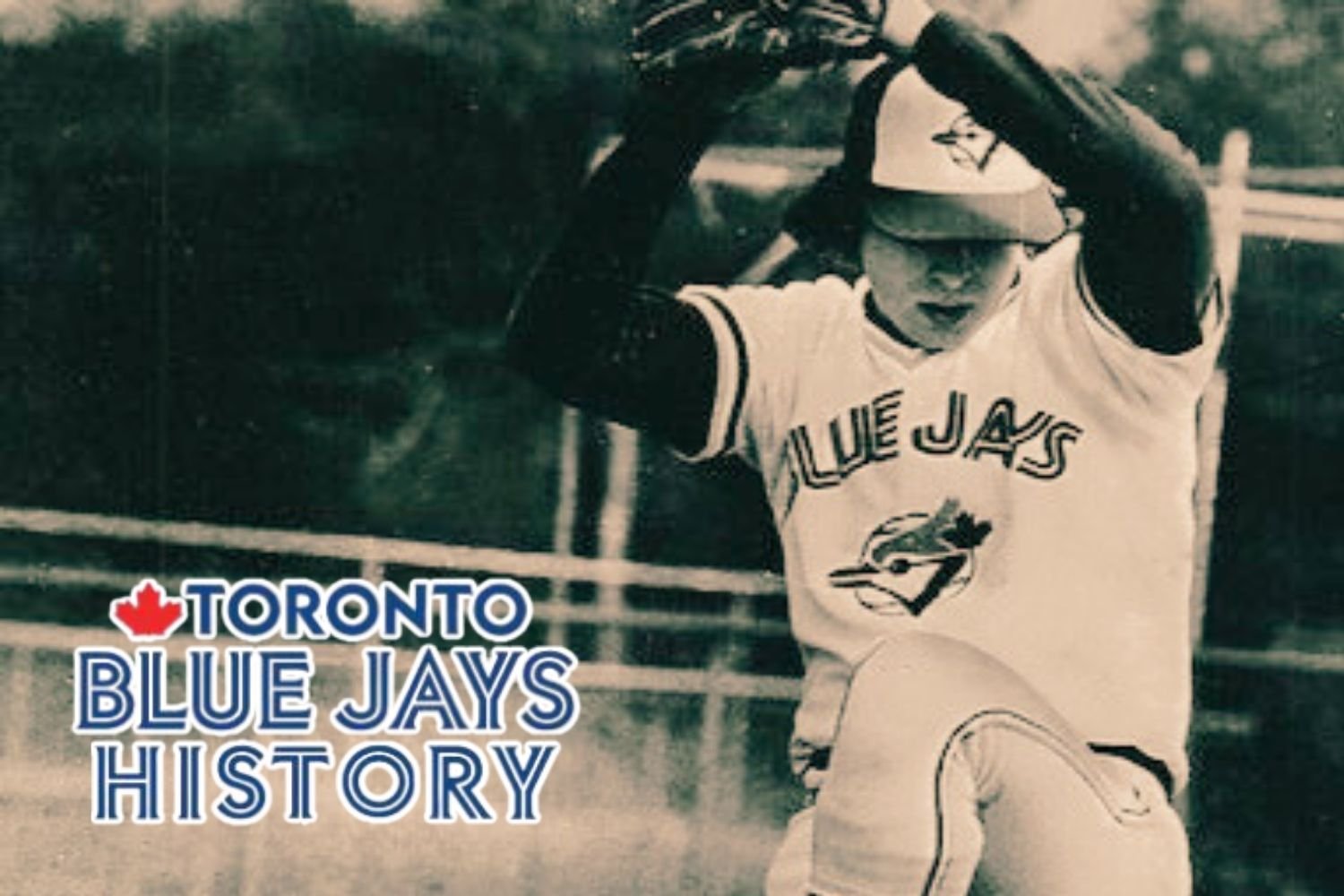 Fresh out of jail, Mark Lemongello went looking for work. After a year out of baseball, Lemongello called Toronto Blue Jays general manager Pat Gillick and asked for another shot with the organization. He had last pitched in the majors with the Blue Jays in 1979, and it was a disaster. The general manager told Lemongello they would talk once his legal issues were resolved, but Gillick must’ve known that the Pinellas County District Attorney’s case was pretty strong. There was no way Lemongello was going to pitch for the Toronto Blue Jays again. Lemongello couldn’t handle losing. He didn’t hate to lose like the average ballplayer; no, defeat turned Lemongello into a different being. He tore up clubhouses and destroyed their vending machines. He once took scissors to his uniform, shredding it to pieces. Following a particularly painful loss, he threw french fries at a waitress when he received them instead of a baked potato with his post-game steak. “If a little thing happens on the mound, he’ll go crazy,” said his former minor league teammate Frank MacCormack. “I’ve had to hold him down on the bed in hotel rooms so he wouldn’t tear sinks off the wall, smash the TVs, and rip the lamps apart. Even then, he managed to smash a few.” The stories grew, and they were mostly true. One scouting report took the myth of Lemongello to another level, but it contained one of the few allegations he denied. After a bad outing on the mound, he was said to have dove headfirst into the food table and, quote, “JUST LAY THERE in hot dogs, burritos, mustard, ketchup.” After another, he was said to have bit into his shoulder so hard it bled. Not so, said Lemongello, and he had a scarless torso to prove it. “I’m a colourful personality, and I’ve done some things that I wish I hadn’t done, but I’m not nuts, and I’m not crazy,” he said. If there was anything that rivaled how much Lemongello hated losing, it was finding out he had been traded to the Toronto Blue Jays. It had been over a month since the Blue Jays brought in Lemongello in an offseason trade with Houston, and the team had yet to speak with him. One of the three players acquired for catcher Alan Ashby, Toronto hoped Lemongello would slot third in their rotation behind Tom Underwood and Jim Clancy for the upcoming ‘79 season. Now, they were hoping that he would just show up to camp. “All we can do is send a registered letter to his home,” said personnel man Elliot Wahle. It stood little chance of being answered. Lemongello was in the wind, not thrilled with the idea of being a Blue Jay and having to live in Canada. Describing a move north as “10 steps backwards for me,” the Arizona-born Lemongello told the Ottawa Journal that he was not reporting to the organization and vanished. He took a long trip to the Grand Canyon, then took an even longer drive cross-country to New Jersey, unreachable the entire time. Scrambling, the Blue Jays tried reaching out to Lemongello’s mother, who said she had no idea where her son was, but he did have a question, one that was relayed to the team and no doubt gave them their next sign of the trouble ahead. “What’s a Toronto?” Undeterred, team president Peter Bavasi dug deep. He heard that Lemongello worked at Coca-Cola bottling plants in the offseason and tried to get word to the pitcher that, hey, lifting crates in a cool climate might be better than the sweltering heat in Phoenix. As the end of January closed in, Bavasi was able to make contact with Lemongello’s agent, Gary Walker, who had also received a call from his client. Earning his dues, Walker brought the sides together. There was only one problem: Lemongello didn’t work at the soda plants. Either way, the pitcher was touched by Bavasi’s efforts to comfort him, and any fears of playing in Toronto had been run off, for now. Lemongello signed a two-year deal as spring training closed in. Saying he heard nothing but good things about the city, Lemongello explained he had been reeling and in shock after the trade. After all, no one wants to find out they are unwanted by their previous team. And everything about Canada? Simple geographic confusion. “It would have been different if I was traded to Montreal because I would still be in the same league as I had been (in Houston),” he said. “I didn’t even know where Toronto was.” Pitcher that hates losing, meet the team that loses most of all. Toronto lost over 100 games in each of its first two seasons, and the ‘79 season would turn out no different. The Blue Jays started the season 0-3 when Lemongello failed to make it out of the fifth inning in his first turn through the rotation, an 8-3 loss to Kansas City. By the end of April, the Blue Jays were 7-15, with three of those losses on the winless Lemongello. The anger inside the pitcher was building. “Any time he had a bad outing, he’d blame it on Canada,” said teammate Bob Bailor. The potential flashed, then the rage. Lemongello earned his first win of the year on May 13, a complete game effort in a 3-1 win over Texas on 108 pitches. The success was short-lived. In his next start, Lemongello fell victim to the long ball and then himself. Having already been taken deep by Andre Thornton and Dave Rosello, Lemongello was taken out in the sixth inning after another home run, this by Toby Harrah. What he did next in the dugout, in the wonderfully descriptive words of Alison Gordon in the Toronto Star, was "alarmingly self-destructive in nature." Now 10-27 on the season, the Blue Jays and the self-battered Lemongello got a shot at Cleveland the next week at Exhibition Stadium. With one away in the third inning of Lemongello’s start, manager Roy Hartsfield ordered an intentional walk to load the bases for Thornton. A high fastball to the Cleveland slugger ended in the same fate as the last week’s pitch, the first ever grand slam surrendered by Lemongello in the majors. When Cleveland went ahead 7-5 on a sacrifice fly in the sixth, Hartsfield had seen enough. So had Lemongello. As the manager approached the mound to remove him from the game, Lemongello showed Hartsfield ultimate disrespect, flipping the ball past his outstretched hand on his way to the dugout. No one talked about the incident afterwards, but the crime committed was clear in the eyes of Hartsfield. The punishment was severe. When it came time for Lemongello to start again, he didn’t. Lemongello wasn’t pitching anywhere good enough (1-6, 6.46 ERA) to warrant more starts, but his outburst was the final straw. He was now the final man on the depth chart, pitching mop-up innings from the ‘pen or taking reluctantly-given spot starts around doubleheaders. He was supposed to start the first game of a double dip against Baltimore on June 29, but instead, Toronto called up Dave Stieb from Triple-A to make his first career start. Stieb would start 407 more games in his career for the Blue Jays; Lemongello would only pitch in another three. Lemongello pitched in relief later in the series, and six Orioles’ hitters got him for two runs on three hits. He wouldn’t pitch again until his birthday, 20 days later. He recorded eight outs against the Twins, and the outing was his final good major league appearance. The frustration over his non-existent role was reaching an apex. “I know I can pitch,” he said. “I was a regular starter on one of the best pitching staffs in baseball, and here I am not pitching on one of the worst.” Two nights later, on July 23, Lemongello would exit the majors in a way befitting him. With under 8,000 in attendance at Metropolitan Stadium, Lemongello entered a tied ballgame in the eighth inning and retired 9-1-2 in the Twins’ lineup. The Jays were held scoreless in the top half of the ninth, and Hartsfield left his pitcher in the game. After he got the first out, Bombo Rivera tripled off Lemongello to deep center. The winning run was 90 feet away, and Lemongello and Hartsfield would have their final disagreement on how to deal with it. Hartsfield intended to walk the next two hitters to set up a force at every base and signaled his pitcher to do so. When he saw the sign, Lemongello started shaking his head in disagreement towards the skipper in the dugout. He was already mad at Hartsfield for having him warm up on multiple occasions during the game, but when the phone rang in the bullpen, it was for Tom Buskey to enter and then for Tom Underwood. Each call down from the skipper for someone other than him felt like a slap in the face. Despite being tasked with a high-leverage situation, Lemongello entered the game pissed. With catcher Rick Cerone standing up for the first intentional pass, Lemongello sailed the first pitch well over his catcher’s head. Rivera couldn’t score from third, so the game continued, and Hartsfield had to be restrained from running onto the field after his pitcher. The next seven balls were uneventful, and the bases were now loaded. On the third pitch of the at-bat to Minnesota pinch-hitter Mike Cubbage, Lemongello uncorked a wild pitch, this time allowing Rivera to score, giving the Twins the walk-off victory. A few days later, the job of telling Lemongello he was being demoted fell on Gillick. As Bavasi sat outside of the meeting, Lemongello stormed out, shouting he would take vengeance. When Bavasi went into the room, he saw a shaken general manager. On his way out, Lemongello hurled one last one high and wide – an ashtray that would firmly implant itself into an interior wall at Exhibition Stadium. Verbal threats accompanied his tirade, and Bavasi reported the altercation to major league officials, who had a word with Lemongello before he reported to Triple-A Syracuse. Lemongello turned his season around in the minors. He won three of his four starts, threw a three-hit shutout in the first game of the playoffs, and started a crucial game five in the International League championship. Steve Grilli would get the win in relief, and Syracuse moved a game away from the title before losing the next two to Columbus, including a walk-off in 12 innings in game seven. Sadly, there is no record of how Lemongello took that loss, but his performance in the minors would keep him in the Blue Jays’ plans for 1980. Not in Toronto’s plans was Hartsfield, who was fired, and where most of the blame for the Lemongello situation was laid in the offseason. Sure, the guy punches himself in the face, but the manager was his downfall. Hartsfield was no peach, but that line of thought was cope for a front office hoping new manager Bobby Mattick would turn a new leaf with Lemongello, who entered spring training in competition for a roster spot. It didn’t go well. He was middling in some appearances at best and hit hard in others. Mattick rarely mentioned his name while talking about the Opening Day roster. In a last-chance game against the Twins, Lemongello was smacked around again, and his ERA for the spring ballooned over 10. In the press box, Twins public relations man Tom Mee joked that Lemongello’s line for the day was “one inning pitched, two hits, two runs, both earned, two hit batters, and a one-way ticket to Syracuse." A week later, Lemongello was gone, his contract unceremoniously sold to the Chicago Cubs organization. Gillick’s headache was a thing of the past. Lemongello reported to Double-A Wichita and sucked in his final professional season. He surrendered 11.1 hits per nine innings, pitching for the Aeros, where he met another wayward pitcher on the staff. Manny Seoane had pitched briefly in the majors a few years prior, and with neither him nor Lemongello headed back to the bigs, the duo looked for their next payday. Sources are linked throughout as usual, but I wanted to shout out two pieces in particular: Malcolm Allen and his Lemongello biography from the invaluable SABR, as well as the late Earl McRae and his feature on the pitcher in the May 12, 1979 edition of the Toronto Star and their invaluable archives. (photo credit: Toronto Star) One has to wonder what Joe Sambito was thinking. One of the best lefty relievers in the National League in the late 70s, Sambito was once roommates with Lemongello while the two were on the Astros. Despite intimate knowledge of his former teammate's erraticness, when it came to building a new home, Sambito entrusted Lemongello. After all we have read about Lemongello, why would you invest with him? But Sambito did. And now Sambito found himself on the wrong end of a gun being pointed by none other than Lemongello himself. The shadiness of the situation wasn’t entirely on Lemongello. It was, in fact, a family business. Lemongello’s cousins – Peter, a professional crooner, and Mike, a professional bowler – were building houses under Heron Development Corp. in Florida, and the ex-Wichita teammates joined the scheme. Lemongello had connected Sambito with his cousins, and now, neither party was happy. Cost overruns and shoddy worksmanship plagued Sambito’s property. On this day, he was meeting with the cousins at the construction site to discuss a few things. Sambito’s future home was also where Lemongello and Seoane were headed. They were feeling slighted as well, having not received a cent in commission for the referral of Sambito. Deciding to take it for themselves, they took the cousins at gunpoint. When Sambito tried to intervene, Lemongello aimed his revolver at him. Sambito wasn’t playing hero, and off the cousins went, forced into a bank to hand over $50,000 from a security box to Lemongello and Seoane, before they were dropped off in a wooded area. Lemongello would turn himself in, and before he made the call to Gillick, he blabbed to authorities. Based on what Lemongello said, Peter was arrested for arson and insurance fraud and ended up with 10 years’ probation. For the robbery, Lemongello received seven years’ probation, and by the time his sentence was over, the Blue Jays were on their way to their ‘90s successes. They were a long way from the organization that once employed Lemongello.
 -
Trey YesavageJoJo ParkerArjun NimmalaJohnny KingJuan SanchezRicky TiedemannGage StaniferYohendrick PinangoVictor AriasJake BlossJake CookSilvano HechavarriaRJ SchreckSean KeysBlaine BullardJosh KasevichFernando PerezCharles McAdooEdward DuranTim Piasentin
-
Mac reacted to an article:
A Manager's Decision
-
In all of his years in baseball, Sam Suplizio couldn’t remember anyone being as big of a jerk as Toronto Blue Jays manager Jim Fregosi had just been. In western Colorado, Suplizio was simply ‘Mr. Baseball.’ Suplizio had been on the path to the majors before a wrist injury in 1956 prevented that from happening. With the dream over, he headed west and began a successful career in the banking industry. His love for the game would be backed by his growing wealth, and in the Rocky Mountains, his moniker was earned. Mr. Baseball brought the Junior College World Series to a permanent home in Grand Junction, and he was a formidable voice for the Colorado Baseball Commission, a group that helped bring Coors Field and the Colorado Rockies into existence. As successful as he was in a suit and tie, a pair of stirrups and cleats were always preferable to Suplizio. He managed Grand Junction’s summer collegiate team for nearly two decades and served as a coach and scout for a few major league organizations. In 1981, Brewers general manager Harry Dalton brought his friend in for his greatest assignment: teaching Paul Molitor to play center field. Suplizio packed his how-to manuals and spent three weeks with Molitor, who lasted roughly a month in center. Nonetheless, Suplizio had a great reputation around baseball for his work with outfielders, and by 1999, he was employed by the Angels as a volunteer coach. Suplizio had the cash to get any seat in the house, but it was his credentials that got him his preferred seat, one that money couldn’t buy. Now retired from his day job, he spent a chunk of his summers following around the Angels. He worked out with the outfielders before games, and once play commenced, Suplizio would stick around and watch from the dugout. He wasn’t supposed to. In a rule that would surely trouble the Shapiro-era Blue Jays, teams were limited to a handful of coaches on the bench for games. Yet, the rule was consistently broken, and coaches such as Suplizio watched on from the dugout while opposing teams looked away. On June 15, 1999, Suplizio planned to do what he had done dozens of times that season. He had flown to Toronto to meet the Angels before the start of a two-game series, did some pre-game work on the turf and then he intended, as always, to watch from the bench. He was also there being Mr. Baseball. Before the game, Suplizio sought out Fregosi to say hi to Toronto’s first-year manager. He had well wishes to pass along from former Expos manager Buck Rodgers, and Fregosi’s son had played college ball at New Mexico, like Suplizio had. This was not their first interaction. As Suplizio approached Fregosi, he surely noticed the shiner Toronto’s manager had received just a few days earlier. His attention would quickly be diverted to the words coming from Fregosi’s mouth. The Angels were at their limit for coaches in uniform, and the Blue Jays were enforcing the rule. Suplizio wouldn’t be sitting in the first base dugout tonight. Nor would he ever again. Perhaps Fregosi was crusty from the day-old newspaper report that Skinny Joe had tattooed his left eye; perhaps the Blue Jays were just done looking the other way on this, as teams weren’t doing it for them. In ‘98, former 100-base stealer Maury Wills served in a Suplizio-type capacity for new Blue Jays manager Tim Johnson. No one in the American League scored fewer runs than the Blue Jays had in ‘97, and Johnson arrived to change that and talk about ‘Nam (accomplishing both). Wills was with Toronto for the entire spring and was a hit in camp. “I wish we could keep him all year,” said Ed Sprague. When the Blue Jays returned from a 3-6 road trip in early April, Wills greeted them back in Toronto. In the dugout for the first time all season, Wills proved to be a good luck charm, as the Jays swept the White Sox, and the Yankees were headed north next. After losing the series opener to New York in 11 innings, the Blue Jays found themselves in another tight one the following evening. Yankees manager Joe Torre knew of Wills’ presence in the other dugout, and with the game tied in the ninth, Torre didn’t feel the need to tolerate the rule-breaking any longer. Prompted by what he thought was Wills shouting from the dugout, Torre said he went to home plate umpire Rocky Roe and had Wills removed from the game. The Blue Jays were incensed. Sprague called Torre’s move “weak.” Johnson wouldn’t speak to Torre. For his part, Wills said it wasn’t him shouting, but he did admit to being involved in the giving of signals. He joked he must’ve not done a good enough job on the weekend if the White Sox hadn’t noticed him, but either way, he was hurt. “It felt like I was thrown out of my own home, my own life,” he said. “But, hey, they’re trying to win a ballgame. I might have done the same thing.” Toronto correctly assumed that George Steinbrenner noticed Wills on television and asked to have him removed. For his part, Torre was unapologetic and took the heat for The Boss. “[Wills] is a competitive guy who competed when he played, and he’s good at what he does. If they wanted him to be that active, they should have made him one of their six coaches.” Can’t fight that logic. (photo credit: Cooperstowners in Canada) Wills spent the rest of the series in the tunnel between the clubhouse and the dugout, with the team officially put on notice by the American League about his presence on the bench. Johnson asked for an exception, but none would be made. On May 6, Toronto was told that Wills would not be permitted on the bench during games again. The Suplizios of the baseball world could slyly watch on from the dugout without a care, but Wills was a bona fide legend of the game, and as Johnson’s successor was about to find out, even franchise legends didn’t go unnoticed. Having been named manager of the Canadian national team, Blue Jays catching coach Ernie Whitt thought he would get some preparation in. The Pan American Games were around the corner, and Whitt would join Fregosi on the bench for a game early in the ‘99 season. Toronto would be called out on coach quantity again, forcing Whitt to leave the contest. The team would ensure it wouldn’t happen a third time. As an organization, the Blue Jays enacted a policy that it would no longer allow any excess coaches on the bench, and Fregosi was about to impose that limit on the Anaheim Angels. Fregosi had little time for Suplizio’s pleading. “[Suplizio] was on the bench when we were in California, and I didn’t say one word. I went to him before the game as a common courtesy, so I wouldn’t have to do it during the game. If he wants to make a big deal about it, I will.” Suplizio slinked off and sat behind the dugout for the second game of the series, saying he didn’t want to make a fuss over things other than wishing to call Fregosi “small.” An AL official called the Angels a few days later and officially put an end to Suplizio’s days on the bench. Each team got a similar phone call. Toronto’s team policy and subsequent callout of Suplizio would push the American League into enforcing its own rule for limiting coaches on the bench. Somewhere along the line, that rule changed, noticeable in Toronto’s dugout with Edwin Encarnacion cameos and unheard-of titles being bestowed on DeMarlo Hale and Don Mattingly. Why did Fregosi choose to make an example of Suplizio, who considered the Blue Jays manager a friend? Maybe Fregosi thought the familiarity would smooth his action over as Toronto made a point following the incidents with Wills and Whitt. It certainly did not. As Wills did, Suplizio felt humiliated, and the incident sparked, for the time, the American League having to enforce a rule it previously hadn’t. View full article
-
 In all of his years in baseball, Sam Suplizio couldn’t remember anyone being as big of a jerk as Toronto Blue Jays manager Jim Fregosi had just been. In western Colorado, Suplizio was simply ‘Mr. Baseball.’ Suplizio had been on the path to the majors before a wrist injury in 1956 prevented that from happening. With the dream over, he headed west and began a successful career in the banking industry. His love for the game would be backed by his growing wealth, and in the Rocky Mountains, his moniker was earned. Mr. Baseball brought the Junior College World Series to a permanent home in Grand Junction, and he was a formidable voice for the Colorado Baseball Commission, a group that helped bring Coors Field and the Colorado Rockies into existence. As successful as he was in a suit and tie, a pair of stirrups and cleats were always preferable to Suplizio. He managed Grand Junction’s summer collegiate team for nearly two decades and served as a coach and scout for a few major league organizations. In 1981, Brewers general manager Harry Dalton brought his friend in for his greatest assignment: teaching Paul Molitor to play center field. Suplizio packed his how-to manuals and spent three weeks with Molitor, who lasted roughly a month in center. Nonetheless, Suplizio had a great reputation around baseball for his work with outfielders, and by 1999, he was employed by the Angels as a volunteer coach. Suplizio had the cash to get any seat in the house, but it was his credentials that got him his preferred seat, one that money couldn’t buy. Now retired from his day job, he spent a chunk of his summers following around the Angels. He worked out with the outfielders before games, and once play commenced, Suplizio would stick around and watch from the dugout. He wasn’t supposed to. In a rule that would surely trouble the Shapiro-era Blue Jays, teams were limited to a handful of coaches on the bench for games. Yet, the rule was consistently broken, and coaches such as Suplizio watched on from the dugout while opposing teams looked away. On June 15, 1999, Suplizio planned to do what he had done dozens of times that season. He had flown to Toronto to meet the Angels before the start of a two-game series, did some pre-game work on the turf and then he intended, as always, to watch from the bench. He was also there being Mr. Baseball. Before the game, Suplizio sought out Fregosi to say hi to Toronto’s first-year manager. He had well wishes to pass along from former Expos manager Buck Rodgers, and Fregosi’s son had played college ball at New Mexico, like Suplizio had. This was not their first interaction. As Suplizio approached Fregosi, he surely noticed the shiner Toronto’s manager had received just a few days earlier. His attention would quickly be diverted to the words coming from Fregosi’s mouth. The Angels were at their limit for coaches in uniform, and the Blue Jays were enforcing the rule. Suplizio wouldn’t be sitting in the first base dugout tonight. Nor would he ever again. Perhaps Fregosi was crusty from the day-old newspaper report that Skinny Joe had tattooed his left eye; perhaps the Blue Jays were just done looking the other way on this, as teams weren’t doing it for them. In ‘98, former 100-base stealer Maury Wills served in a Suplizio-type capacity for new Blue Jays manager Tim Johnson. No one in the American League scored fewer runs than the Blue Jays had in ‘97, and Johnson arrived to change that and talk about ‘Nam (accomplishing both). Wills was with Toronto for the entire spring and was a hit in camp. “I wish we could keep him all year,” said Ed Sprague. When the Blue Jays returned from a 3-6 road trip in early April, Wills greeted them back in Toronto. In the dugout for the first time all season, Wills proved to be a good luck charm, as the Jays swept the White Sox, and the Yankees were headed north next. After losing the series opener to New York in 11 innings, the Blue Jays found themselves in another tight one the following evening. Yankees manager Joe Torre knew of Wills’ presence in the other dugout, and with the game tied in the ninth, Torre didn’t feel the need to tolerate the rule-breaking any longer. Prompted by what he thought was Wills shouting from the dugout, Torre said he went to home plate umpire Rocky Roe and had Wills removed from the game. The Blue Jays were incensed. Sprague called Torre’s move “weak.” Johnson wouldn’t speak to Torre. For his part, Wills said it wasn’t him shouting, but he did admit to being involved in the giving of signals. He joked he must’ve not done a good enough job on the weekend if the White Sox hadn’t noticed him, but either way, he was hurt. “It felt like I was thrown out of my own home, my own life,” he said. “But, hey, they’re trying to win a ballgame. I might have done the same thing.” Toronto correctly assumed that George Steinbrenner noticed Wills on television and asked to have him removed. For his part, Torre was unapologetic and took the heat for The Boss. “[Wills] is a competitive guy who competed when he played, and he’s good at what he does. If they wanted him to be that active, they should have made him one of their six coaches.” Can’t fight that logic. (photo credit: Cooperstowners in Canada) Wills spent the rest of the series in the tunnel between the clubhouse and the dugout, with the team officially put on notice by the American League about his presence on the bench. Johnson asked for an exception, but none would be made. On May 6, Toronto was told that Wills would not be permitted on the bench during games again. The Suplizios of the baseball world could slyly watch on from the dugout without a care, but Wills was a bona fide legend of the game, and as Johnson’s successor was about to find out, even franchise legends didn’t go unnoticed. Having been named manager of the Canadian national team, Blue Jays catching coach Ernie Whitt thought he would get some preparation in. The Pan American Games were around the corner, and Whitt would join Fregosi on the bench for a game early in the ‘99 season. Toronto would be called out on coach quantity again, forcing Whitt to leave the contest. The team would ensure it wouldn’t happen a third time. As an organization, the Blue Jays enacted a policy that it would no longer allow any excess coaches on the bench, and Fregosi was about to impose that limit on the Anaheim Angels. Fregosi had little time for Suplizio’s pleading. “[Suplizio] was on the bench when we were in California, and I didn’t say one word. I went to him before the game as a common courtesy, so I wouldn’t have to do it during the game. If he wants to make a big deal about it, I will.” Suplizio slinked off and sat behind the dugout for the second game of the series, saying he didn’t want to make a fuss over things other than wishing to call Fregosi “small.” An AL official called the Angels a few days later and officially put an end to Suplizio’s days on the bench. Each team got a similar phone call. Toronto’s team policy and subsequent callout of Suplizio would push the American League into enforcing its own rule for limiting coaches on the bench. Somewhere along the line, that rule changed, noticeable in Toronto’s dugout with Edwin Encarnacion cameos and unheard-of titles being bestowed on DeMarlo Hale and Don Mattingly. Why did Fregosi choose to make an example of Suplizio, who considered the Blue Jays manager a friend? Maybe Fregosi thought the familiarity would smooth his action over as Toronto made a point following the incidents with Wills and Whitt. It certainly did not. As Wills did, Suplizio felt humiliated, and the incident sparked, for the time, the American League having to enforce a rule it previously hadn’t.
 -
Major League Baseball had planned, but, as always, Mother Nature got the last laugh. Bad weather caused delays to start the ‘96 season, so MLB adjusted and scheduled teams from colder climates to open the ‘97 season on road trips in warmer cities. Alas, you cannot plan for the skies. It was a cloudy afternoon in San Diego for the New York Mets on Opening Day, while back home, an empty Shea Stadium basked in a beautiful spring day. On the eastern half of the continent, April started with ideal weather, but when those teams returned to open their stadiums up a week later, winter made its return. The schedule was getting messed up again. Rain washed out games on the East Coast while snow and the accompanying cold temperatures made it tough to play in the Midwest. Still, at Milwaukee’s aging and open-air County Stadium, the Brewers played their home opener against Texas on the second Monday of the season, but the teams wouldn’t play another until Thursday. Another two-day break was on deck, as snow cancelled the first two games of a weekend series with the Blue Jays. Sitting under a leaking roof in his office, Brewers manager Phil Garner cracked, “Yeah, we don’t need a new stadium.” Toronto squandered a seven-inning gem from Pat Hentgen in a 3-2 loss on Sunday, when temperatures warmed (4° C) enough to play. Toronto was returning to Milwaukee for a two-game series on July 28-29, and it was expected the teams would play a doubleheader one day and make up the other lost game on a scheduled off day following the series. Toronto and Milwaukee ended up keeping their off days. Why they ended up playing a pair of doubleheaders instead of playing a game on the 30th has eluded me. After the off day, Toronto played 14 in a row, so the teams possibly wanted to keep that day away from the diamond in the heart of summer. At least, it kept the upcoming misery in Milwaukee condensed. There were three doubleheaders on April 13 to make up for rained-out games, including two in New York as both the Mets and Yankees played twice for the first time in 15 years. (photo credit: SABR) Despite the impending twi-night doubleheaders, the Blue Jays had reason to look forward to their trip to Milwaukee. Their fortunes had changed at the right time against the Brewers a week ago. Nine games out of the playoffs when they returned home from a 5-6 road trip, Toronto swept Milwaukee before taking two of three from Kansas City. With some good pitching performances and some timely hits, the Blue Jays found themselves six games back, and the Brewers represented a beatable opponent. The opportunity to make up ground and potentially salvage their season had arrived. And the Blue Jays couldn’t have asked for a better pitching matchup in the first game of four. Roger Clemens shut out the Brewers in the middle game of the previous series, throwing eight innings in an 8-0 win. Clemens had a major league-leading 1.54 ERA heading into this start and had given up only four earned runs in his last seven times out. He was 16-3, and with his opposition today, Toronto could count on the Rocket to continue to deliver. He did. The rest of the team did not. July was a tough month for the Brewers staff. Ace Ben McDonald was placed on the injured list in July, never to return, and fellow starter Jeff D’Amico battled shoulder issues and skipped a few starts following the All-Star break. When D’Amico was taken off the active roster before the series, Steve Woodard was called up to make his major league debut against Toronto. Garner was going with a hot hand. Woodard had won 15 starts that season in the minors and did so while striking out less than a hitter an inning. The right-hander topped out at around 90 but had impressive enough movement on his off-speed pitches to warrant the call. Coming off a two-hit performance against Kansas City, Toronto’s bats came out swinging against Woodard, and they came up empty. Otis Nixon hit Woodard’s third pitch of the day for a double, but after that, Toronto was no-hit. Woodard escaped the first inning jam by striking out Joe Carter and Carlos Delgado, the beginning of a 12-strikeout debut in eight dazzling innings. Eleven of those strikeouts were swinging, with most coming courtesy of his changeup. It was a dreadful performance by the Blue Jays that aided Woodard’s spectacular debut in a 1-0 Milwaukee victory. “Swinging at **** in the dirt. No patience,” muttered catcher Charlie O’Brien after the game. Their efforts at the plate wasted a terrific performance by Clemens, who threw a complete game, going eight innings in the loss. The only scuff came in the fourth when Jeff Cirillo doubled and scored on a base hit by Jeromy Burnitz, who was picked off after the game’s lone RBI. Milwaukee wouldn’t get another baserunner until the eighth inning, but it was no matter. In getting his first major league win, Woodard had defeated a pitcher he considered a hero growing up. Clemens tipped his hat after. “(Woodard) had everyone off balance,” he said. While Woodard had entered the majors that afternoon, Huck Flener exited them that evening. It would be the end to a terrible year for Flener. He set out to crack the Toronto rotation in ‘97 after an effective month or so as a starter the previous year. He didn’t get a chance to leave his seat. While awaiting to deplane his flight to Florida, a fellow passenger dropped luggage from the overhead compartment onto Flener, chipping his collarbone. A week later, a minor knee procedure turned into arthroscopic surgery, one that would keep him off the mound most of the spring and optioned to Triple-A Syracuse at the end of it. “We had a golf tournament this spring, and he rode in the cart with two Hooters girls,” said manager Cito Gaston, trying to offer some consolation. When he rejoined the major league team in late April, Flener joked he was extra careful getting off the plane this time. He pitched in six games before being sent down to make room for Gord Ash’s 14-game experiment with Rubén Sierra. He was called back up in July after an injury to Juan Guzmán, and his first appearance back came out of the bullpen. He was now being pressed into the starter’s job he wanted in spring under less than ideal circumstances. Unlike it was for Clemens, run support was a non-issue in the nightcap. Flener only recorded six outs before Gaston lifted him in the third inning of the 9-3 loss. He would be charged for four runs on seven hits in his final appearance as a big leaguer. The entire day was highlighted by Alex Gonzalez lining into a triple play in the fourth inning with the Blue Jays down just two. The loss dropped Toronto to 3-19 all-time in doubleheaders against Milwaukee, and the Blue Jays ended the day 9.5 games out of a playoff spot. They would only get further away. Flener was designated for assignment a day later to make room on the 40-man roster for the recently acquired Mariano Duncan, who had found himself in The Boss’ doghouse in New York. “You know George Steinbrenner,” he said. “For some reason, the team wasn’t going good in May, so he picked on me.” (photo credit: David Barrett / National Baseball Hall of Fame Library) “Get the toe tags ready for this Blue Jay season,” opened Allan Ryan in the Toronto Star after Tuesday’s same-results doubleheader. Woodard and rookie Joel Adamson had kept the Blue Jays’ bats quiet the day before; today, that job would be completed by José Mercedes and Scott Karl. Toronto was blanked again, 2-0 by Mercedes, before losing 4-2 to Karl in the evening. The Blue Jays tallied 10 hits across the final two games of the series and went 0-for-14 with runners in scoring position on the day. Woody Williams was the hard-luck starter in the first game for Toronto, pitching into the eighth while striking out seven. “You know they’re frustrated,” Williams said of his offence. “They’re not hitting, and they know it, everybody knows it...but it’s not something I can go talk to them about. Just like they’re not going to come up to me and say, ‘Why’d you throw that pitch?’” Starting for Toronto in the final game was 21-year-old Chris Carpenter. Impressing in spring alongside fellow top prospect Roy Halladay, Carpenter started the year in Triple A before getting roughhoused in his first two major league starts in May. He was sent back to Syracuse, but not before being the only Blue Jays’ pitcher to hit a home run during batting practice at Shea Stadium. Carpenter was called back up to pitch in the Milwaukee doubleheaders and fared a little better in the series' final game, giving up two runs on 10 singles while pitching into the sixth. It was enough for Carpenter to earn another start and largely keep him in Toronto’s rotation for the next several years. After the season, the Brewers would move to the National League as a part of major league realignment with the incoming expansion Tampa Bay Devil Rays and Arizona Diamondbacks. The doubleheaders became the last time the Blue Jays and Brewers met until June 17, 2005, when they were finally scheduled to face each other in interleague play. Eric Hinske hit a three-run home run in the first inning of that game, part of a six-run frame that Toronto rode to a 9-5 win in much uglier duds for both teams. No matter how the latest Blue Jays-Brewers series is won this afternoon, at least we both look better two decades later. View full article
-
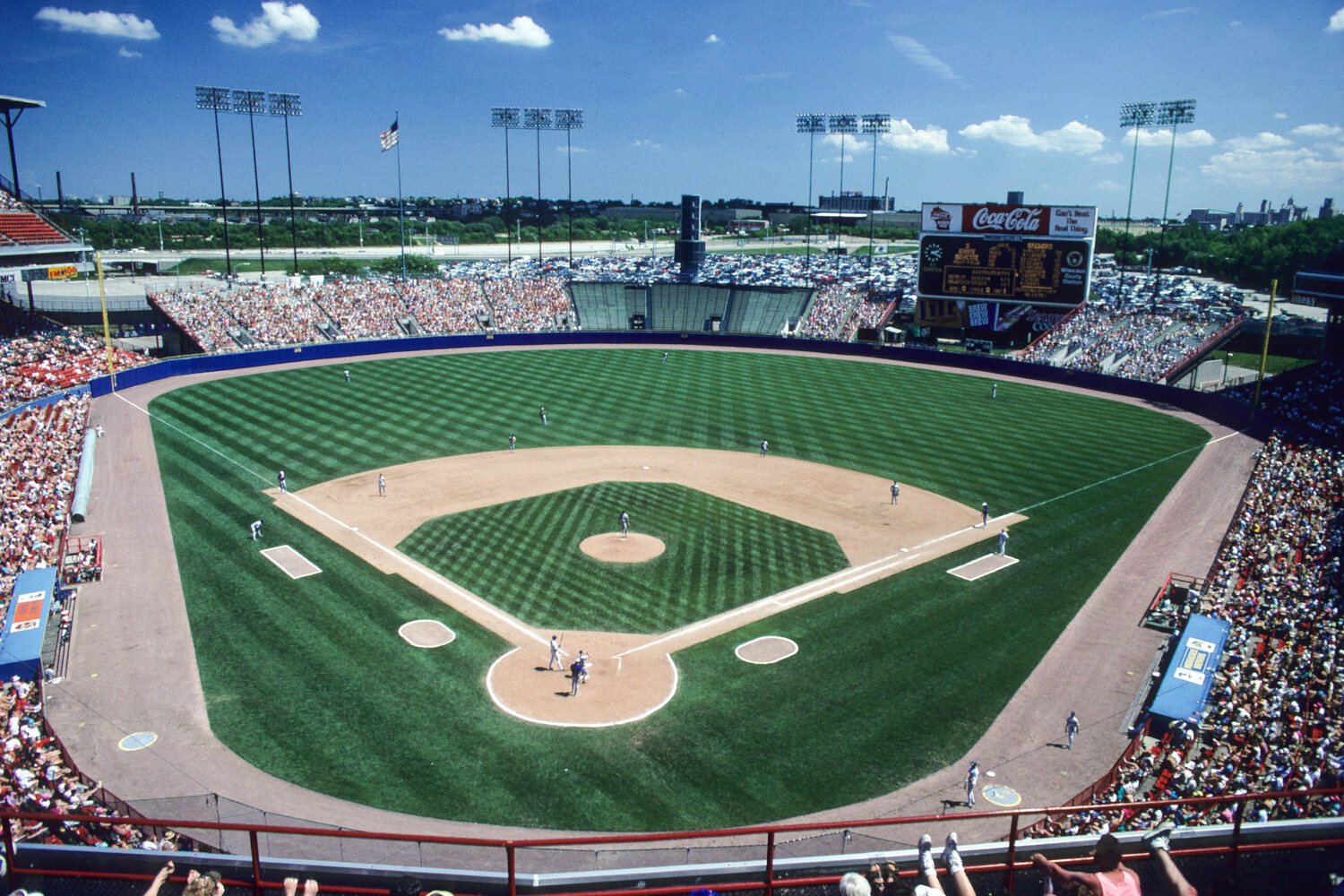 Major League Baseball had planned, but, as always, Mother Nature got the last laugh. Bad weather caused delays to start the ‘96 season, so MLB adjusted and scheduled teams from colder climates to open the ‘97 season on road trips in warmer cities. Alas, you cannot plan for the skies. It was a cloudy afternoon in San Diego for the New York Mets on Opening Day, while back home, an empty Shea Stadium basked in a beautiful spring day. On the eastern half of the continent, April started with ideal weather, but when those teams returned to open their stadiums up a week later, winter made its return. The schedule was getting messed up again. Rain washed out games on the East Coast while snow and the accompanying cold temperatures made it tough to play in the Midwest. Still, at Milwaukee’s aging and open-air County Stadium, the Brewers played their home opener against Texas on the second Monday of the season, but the teams wouldn’t play another until Thursday. Another two-day break was on deck, as snow cancelled the first two games of a weekend series with the Blue Jays. Sitting under a leaking roof in his office, Brewers manager Phil Garner cracked, “Yeah, we don’t need a new stadium.” Toronto squandered a seven-inning gem from Pat Hentgen in a 3-2 loss on Sunday, when temperatures warmed (4° C) enough to play. Toronto was returning to Milwaukee for a two-game series on July 28-29, and it was expected the teams would play a doubleheader one day and make up the other lost game on a scheduled off day following the series. Toronto and Milwaukee ended up keeping their off days. Why they ended up playing a pair of doubleheaders instead of playing a game on the 30th has eluded me. After the off day, Toronto played 14 in a row, so the teams possibly wanted to keep that day away from the diamond in the heart of summer. At least, it kept the upcoming misery in Milwaukee condensed. There were three doubleheaders on April 13 to make up for rained-out games, including two in New York as both the Mets and Yankees played twice for the first time in 15 years. (photo credit: SABR) Despite the impending twi-night doubleheaders, the Blue Jays had reason to look forward to their trip to Milwaukee. Their fortunes had changed at the right time against the Brewers a week ago. Nine games out of the playoffs when they returned home from a 5-6 road trip, Toronto swept Milwaukee before taking two of three from Kansas City. With some good pitching performances and some timely hits, the Blue Jays found themselves six games back, and the Brewers represented a beatable opponent. The opportunity to make up ground and potentially salvage their season had arrived. And the Blue Jays couldn’t have asked for a better pitching matchup in the first game of four. Roger Clemens shut out the Brewers in the middle game of the previous series, throwing eight innings in an 8-0 win. Clemens had a major league-leading 1.54 ERA heading into this start and had given up only four earned runs in his last seven times out. He was 16-3, and with his opposition today, Toronto could count on the Rocket to continue to deliver. He did. The rest of the team did not. July was a tough month for the Brewers staff. Ace Ben McDonald was placed on the injured list in July, never to return, and fellow starter Jeff D’Amico battled shoulder issues and skipped a few starts following the All-Star break. When D’Amico was taken off the active roster before the series, Steve Woodard was called up to make his major league debut against Toronto. Garner was going with a hot hand. Woodard had won 15 starts that season in the minors and did so while striking out less than a hitter an inning. The right-hander topped out at around 90 but had impressive enough movement on his off-speed pitches to warrant the call. Coming off a two-hit performance against Kansas City, Toronto’s bats came out swinging against Woodard, and they came up empty. Otis Nixon hit Woodard’s third pitch of the day for a double, but after that, Toronto was no-hit. Woodard escaped the first inning jam by striking out Joe Carter and Carlos Delgado, the beginning of a 12-strikeout debut in eight dazzling innings. Eleven of those strikeouts were swinging, with most coming courtesy of his changeup. It was a dreadful performance by the Blue Jays that aided Woodard’s spectacular debut in a 1-0 Milwaukee victory. “Swinging at **** in the dirt. No patience,” muttered catcher Charlie O’Brien after the game. Their efforts at the plate wasted a terrific performance by Clemens, who threw a complete game, going eight innings in the loss. The only scuff came in the fourth when Jeff Cirillo doubled and scored on a base hit by Jeromy Burnitz, who was picked off after the game’s lone RBI. Milwaukee wouldn’t get another baserunner until the eighth inning, but it was no matter. In getting his first major league win, Woodard had defeated a pitcher he considered a hero growing up. Clemens tipped his hat after. “(Woodard) had everyone off balance,” he said. While Woodard had entered the majors that afternoon, Huck Flener exited them that evening. It would be the end to a terrible year for Flener. He set out to crack the Toronto rotation in ‘97 after an effective month or so as a starter the previous year. He didn’t get a chance to leave his seat. While awaiting to deplane his flight to Florida, a fellow passenger dropped luggage from the overhead compartment onto Flener, chipping his collarbone. A week later, a minor knee procedure turned into arthroscopic surgery, one that would keep him off the mound most of the spring and optioned to Triple-A Syracuse at the end of it. “We had a golf tournament this spring, and he rode in the cart with two Hooters girls,” said manager Cito Gaston, trying to offer some consolation. When he rejoined the major league team in late April, Flener joked he was extra careful getting off the plane this time. He pitched in six games before being sent down to make room for Gord Ash’s 14-game experiment with Rubén Sierra. He was called back up in July after an injury to Juan Guzmán, and his first appearance back came out of the bullpen. He was now being pressed into the starter’s job he wanted in spring under less than ideal circumstances. Unlike it was for Clemens, run support was a non-issue in the nightcap. Flener only recorded six outs before Gaston lifted him in the third inning of the 9-3 loss. He would be charged for four runs on seven hits in his final appearance as a big leaguer. The entire day was highlighted by Alex Gonzalez lining into a triple play in the fourth inning with the Blue Jays down just two. The loss dropped Toronto to 3-19 all-time in doubleheaders against Milwaukee, and the Blue Jays ended the day 9.5 games out of a playoff spot. They would only get further away. Flener was designated for assignment a day later to make room on the 40-man roster for the recently acquired Mariano Duncan, who had found himself in The Boss’ doghouse in New York. “You know George Steinbrenner,” he said. “For some reason, the team wasn’t going good in May, so he picked on me.” (photo credit: David Barrett / National Baseball Hall of Fame Library) “Get the toe tags ready for this Blue Jay season,” opened Allan Ryan in the Toronto Star after Tuesday’s same-results doubleheader. Woodard and rookie Joel Adamson had kept the Blue Jays’ bats quiet the day before; today, that job would be completed by José Mercedes and Scott Karl. Toronto was blanked again, 2-0 by Mercedes, before losing 4-2 to Karl in the evening. The Blue Jays tallied 10 hits across the final two games of the series and went 0-for-14 with runners in scoring position on the day. Woody Williams was the hard-luck starter in the first game for Toronto, pitching into the eighth while striking out seven. “You know they’re frustrated,” Williams said of his offence. “They’re not hitting, and they know it, everybody knows it...but it’s not something I can go talk to them about. Just like they’re not going to come up to me and say, ‘Why’d you throw that pitch?’” Starting for Toronto in the final game was 21-year-old Chris Carpenter. Impressing in spring alongside fellow top prospect Roy Halladay, Carpenter started the year in Triple A before getting roughhoused in his first two major league starts in May. He was sent back to Syracuse, but not before being the only Blue Jays’ pitcher to hit a home run during batting practice at Shea Stadium. Carpenter was called back up to pitch in the Milwaukee doubleheaders and fared a little better in the series' final game, giving up two runs on 10 singles while pitching into the sixth. It was enough for Carpenter to earn another start and largely keep him in Toronto’s rotation for the next several years. After the season, the Brewers would move to the National League as a part of major league realignment with the incoming expansion Tampa Bay Devil Rays and Arizona Diamondbacks. The doubleheaders became the last time the Blue Jays and Brewers met until June 17, 2005, when they were finally scheduled to face each other in interleague play. Eric Hinske hit a three-run home run in the first inning of that game, part of a six-run frame that Toronto rode to a 9-5 win in much uglier duds for both teams. No matter how the latest Blue Jays-Brewers series is won this afternoon, at least we both look better two decades later.
 -
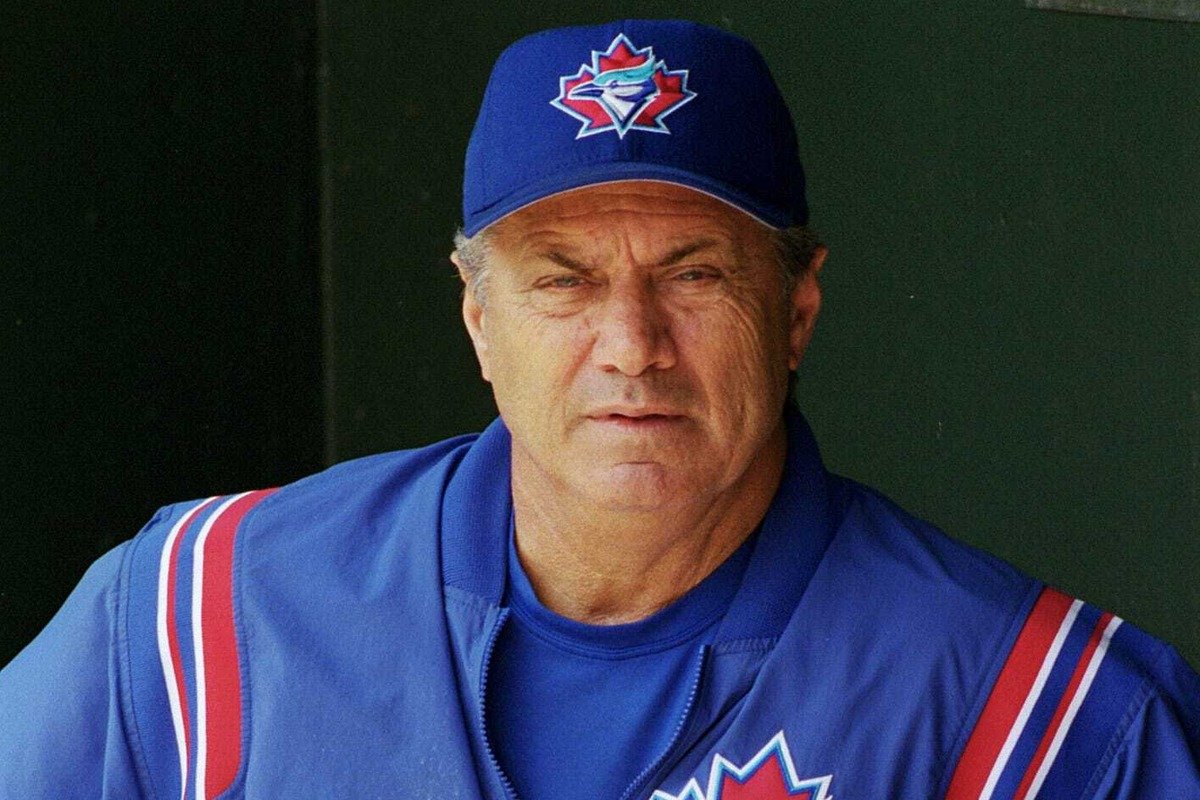 The manager had been tuned up. Jim Fregosi had cuts around his left eye. His pitching coach, Mel Queen, looked no better. Fregosi insisted it was no big deal, and it wasn’t a stretch of the imagination to think Fregosi would wear a punch in Philadelphia. He was far from a popular figure in the city, having managed the Phillies from ‘91-’96. Despite making the World Series in ‘93, Fregosi helmed some underwhelming Philadelphia squads and was frequently criticized in the press. Having replaced noted liar Tim Johnson before the ‘99 season, Fregosi was in his first year back as a major league manager with the Blue Jays, and his return to the City of Brotherly Love ended in an 8-4 defeat in the opener of a three-game series between the two teams on June 11. “The king rat, and I don’t really mean that affectionately, was Jim Fregosi,” said Philadelphia sports radio figure Mike Missanelli decades later, if you are wondering what Fregosi had dealt with. (photo credit: MLB) After the loss, Fregosi, Queen, Dave Hollins and others headed to the nearby Holiday Inn. Fregosi knew where to take the group. In the ‘90s, the Holiday Inn in South Philadelphia served as an intersection between the sports world and all other walks of life. Built close to the Vet and the Spectrum, the hotel complex opened in 1974 as a Hilton Inn and hosted acts such as Elvis as they played at the nearby venues. Like the facilities it resided next to, the 240-room hotel was quickly outdated, and despite its prime location, it was mismanaged and plunged into bankruptcy twice. In 1993, former Eagles quarterback Ron Jaworski purchased the property, and it was relaunched as a Holiday Inn. Jaworski's post-retirement investment was carried by the hotels’ two other properties: a finer dining restaurant named after the movie Jaws and a sports bar named Legends. Among those who frequented the sports bar was Joey Merlino, the boss of a Philadelphia crime family who allegedly used the hotel to make guys and had made headlines when he sat in Eric Lindros’ seats at the Flyers game in the mid-90s. To this day, Merlino insists it was a coincidence, but newspapers in Philadelphia ran with the story at the time, accusing Merlino and Lindros of having dealings past the few times they previously acknowledged meeting (dealings Merlino still vigorously denies). Dave Hollins' luck was about to turn. Hollins had hit for pitcher Joey Hamilton that night and, with the bases loaded, popped out for the final out of the sixth with the Blue Jays down 3-0. Done commiserating, Hollins decided to leave Legends around 1:00 a.m., just missing the ensuing melee that wounded his coaches. The 57-year-old Fregosi said he was introduced to someone in a group of six, and when he put his arm around the person to greet them, another “guy came up, punched me in the face,” and a scuffle ensued for a few minutes as security intervened and local police were called. When Fregosi declined to file a complaint with police, the patron was released. Toronto would split the next two games before Fregosi and the Blue Jays headed home. “It was an enjoyable return,” joked Fregosi, “I got one black eye here, and my wife will probably give me another one when I get home.” Fregosi’s humour likely diminished when he woke up on Monday to not another black eye, but to see the story growing legs. A newspaper in New Jersey reported that Fregosi’s assailant was none other than Joey Merlino. Published rumours said that the punch was retaliatory for remarks Fregosi made years ago towards the people of South Philly, where the Italian Mafia was headquartered. Fregosi hadn’t been the only person reluctant to pursue the assault further that night. Other patrons also claimed silence to whatever took place inside Legends. “I was there all night. Nothing happened,” said one man who refused to provide his name. Reached for comment on the reports, Merlino denied any involvement in the fight through his lawyer. Merlino had never met Fregosi and certainly had no beef with him. The police hadn’t talked to him about the fight. It was all newspaper BS. Again. “They put that kid’s name out there anytime something comes up,” said his attorney Joseph Santaguida, “He wasn’t even there that night. He was out at a party with his family.” Police had reopened their investigation after the newspaper story, but nothing came of it. MLB opened its own investigation and came to a similar conclusion. “I haven’t heard anything that would indicate (a mob link),” said Kevin Hallinan, executive director in charge of security. There was at least one person in Philadelphia who felt for Fregosi through the ordeal. “I feel really sorry for Jimmy because of everything he’s had to go through,” said the hotel manager in the aftermath of the incident. “It’s something he couldn’t control. He’s a great individual and the employees...really look up to him.” Was Jim Fregosi hit by the mob? To quote another famous Philadelphian, it’s inconclusive. A story that sounds better than the likelihood of it happening. The story vanished and was replaced by news of Merlino being arrested on more serious charges a few weeks later, ending up spending over a decade behind bars on racketeering charges. He is no longer in the mob; now a restaurateur and podcaster, who we may hope will comment on this story one day as he did the Lindros’ affair. As for Legends? It was demolished in 2018, but not before being linked to another story that gave professional sports a black eye. While playing for the Flyers in the ‘90s, Rick Tocchet became acquainted with Legends bartender James Harney when he frequented the establishment after games. The two eventually pled guilty to charges from their involvement in a gambling ring linked to the crime family run by Merlino, a scandal that hit the NHL in the mid-2000s and has been forgotten enough that Tocchet is currently the head coach of the Flyers. Live! Hotel and Casino might offer more amenities, but it doesn’t offer the stories of the former hotel that sat where it stands.
.jpg.4edb8c3d79d5a930d7d7551bdf053f2f.jpg)
