


Sam Charles
-
Posts
182 -
Joined
-
Last visited
Content Type
Profiles
Toronto Blue Jays Videos
2026 Toronto Blue Jays Top Prospects Ranking
Toronto Blue Jays Free Agent & Trade Rumors, Notes, & Tidbits
Guides & Resources
2025 Toronto Blue Jays Draft Pick Tracker
News
2026 Toronto Blue Jays Draft Tracker: Picks & Bonuses
Forums
Blogs
Events
Store
Downloads
Gallery
Everything posted by Sam Charles
-
For most of the franchise's existence, the Toronto Blue Jays have either comfortably qualified for the playoffs or fallen out of contention before the final week. But every so often, their season has come down to the final days, final innings and sometimes even a final out. Some of those endings remain among the most thrilling moments in franchise history. Others still sting. From the epic collapse of 1987 to the playoff races of recent years, these are the regular season finishes that generated the most excitement and heartbreak before October ever began. 1. 1987: The Collapse That Defined a Generation With just seven games remaining, Toronto owned a 3.5-game lead over the Detroit Tigers and had already accumulated 96 victories. The division title seemed all but secured. Instead, the unthinkable happened. The Blue Jays lost seven consecutive games. The season's final game on Oct. 4 remains burned into the memory of many Canadian baseball fans. Jimmy Key was brilliant, allowing only three hits. Unfortunately, one of them was a Larry Herndon solo home run in the second inning. Detroit won 1-0, captured the division and sent Toronto home. The Blue Jays finished 96-66. No wild cards back then. No playoffs. 2. 2015: The Week That Ended a 22-Year Drought Technically, the Blue Jays had already clinched before the final day of the season. Yet, no discussion of dramatic regular season finishes is complete without mentioning one of the most exciting stretch runs in franchise history. Toronto entered August looking like a playoff hopeful. The additions of David Price, Troy Tulowitzki, Ben Revere and LaTroy Hawkins transformed the roster. Combined with an explosive offence featuring Josh Donaldson, José Bautista and Edwin Encarnación, the club surged past the Yankees in one of the most memorable pennant chases in team history. When the Jays finally clinched the AL East on Sept. 30, it ended a 22-year postseason drought. 3. 1989: Winning the East on the Final Weekend The 1989 Blue Jays authored one of the most exciting September drives in franchise history. Toronto spent much of the season chasing Baltimore before surging late. The division race remained tight into the final weekend, creating palpable tension throughout the city. The Jays ultimately overtook the Orioles and secured the American League East crown. The finishing stretch seemed to prove to both the roster and its fans that lessons had been learned from the heartbreak of 1987. Two years after collapsing down the stretch, Toronto delivered. 4. 2016: Clinching in Boston and Setting Up October Magic If 1987 was the franchise's greatest regular-season heartbreak, 2016 stands among its most satisfying finishes. One year after José Bautista's unforgettable bat flip season, the Blue Jays again found themselves locked in a tight postseason race entering the final week. The pressure mounted as Toronto stumbled, losing four of five games at a critical moment. They entered the final day of the season in Boston knowing they needed one more win to lock down home-field advantage for the American League Wild Card Game. Aaron Sanchez took the mound and delivered one of the best starts of his career. Troy Tulowitzki broke up a scoreless tie with a go-ahead RBI single in the eighth inning. Roberto Osuna earned the save, securing a 2-1 victory. The importance of the win wasn't fully appreciated until two days later. Because Toronto earned home-field advantage, the Wild Card showdown against Baltimore was played at Rogers Centre rather than Camden Yards. That game produced Edwin Encarnación's legendary extra-inning walk-off home run, one of the defining moments in franchise history. 5. 2021: Ninety-One Wins and Nothing To Show for It Playing much of the season away from Toronto because of pandemic-related restrictions, the Blue Jays still finished with a 91-71 record. Vladimir Guerrero Jr. nearly won the Triple Crown. Robbie Ray captured the Cy Young Award. Marcus Semien set a record for home runs by a second baseman. Entering the final weekend, four AL East teams remained in the playoff race. The Blue Jays needed virtually everything to go right. The Jays did their part, but the Yankees and Red Sox kept winning. Toronto missed the postseason by a single game despite recording 91 victories, the highest win total by a Blue Jays team that failed to qualify for the playoffs in the Wild Card era. With a strong September, the Jays repeatedly put themselves back into contention. Yet the hole dug earlier in the season proved too deep. 6. 1990: So Close, Yet Not Quite The 1990 season shared more than a few similarities with 1987. The Blue Jays entered the season's final day still alive in the American League East race. The path was difficult but possible. Toronto needed help and needed to win. While the Blue Jays battled the Baltimore Orioles, the Boston Red Sox defeated the Chicago White Sox to secure the division title. Minutes later, Toronto's own game slipped away when closer Tom Henke surrendered a ninth-inning home run. The loss punctuated a frustrating finish in which Toronto dropped six of its final eight games. A crucial late-season series against Boston had already shifted momentum, giving the Red Sox an opening. 7. 1985: The Original Breakthrough After unsuccessfully chasing the Tigers in 1984, the Blue Jays spent 1985 battling for first place from Opening Day onward. They nearly relinquished the division title down the stretch to a surging Yankees squad. On Oct. 6, 1985, Toronto defeated the Yankees at Exhibition Stadium to secure the franchise's first division title, completing a remarkable journey from expansion club to legitimate contender. 8. 2023: Sneaking Into October The 2023 season ended with relief more than celebration. Toronto entered its final series against the Tampa Bay Rays needing one final push to lock down an American League Wild Card berth. The opportunity was there to clinch on the field, but the Blue Jays stumbled at the finish line. A 7-5 loss to the Rays on Sept. 29 left their postseason status unresolved and forced players, coaches and fans to turn their attention to the out-of-town scoreboard. The next day, Toronto officially secured a playoff spot thanks to help from the Arizona Diamondbacks, who defeated the Houston Astros. The Blue Jays reached October for the third time in four years, but the accomplishment felt more like survival than triumph. 9. 1998: The End of an Era Not every memorable ending involves a playoff berth or a dramatic collapse. The 1998 season marked the final chapter of the Blue Jays' championship era. Just five years removed from winning back-to-back World Series titles, the Jays remained mathematically alive late into September but could never truly gain ground. When the season ended with an 88-74 record, Toronto finished third behind New York and Boston. In most divisions, that record would have made for a compelling race. In the AL East, it left the Jays watching from home. Over 50 years, the Blue Jays have experienced nearly every kind of regular season ending imaginable. They have celebrated division titles, ended historic droughts and punched tickets to October in dramatic fashion. They have also endured crushing collapses, near misses and seasons that unravelled. By the end of this month, the franchise will have another season to reflect upon. One that started with such promise, felt like it was slipping away and culminated with… Well, we’ll have to see whether or not 2026 makes this list next year. View full article
-
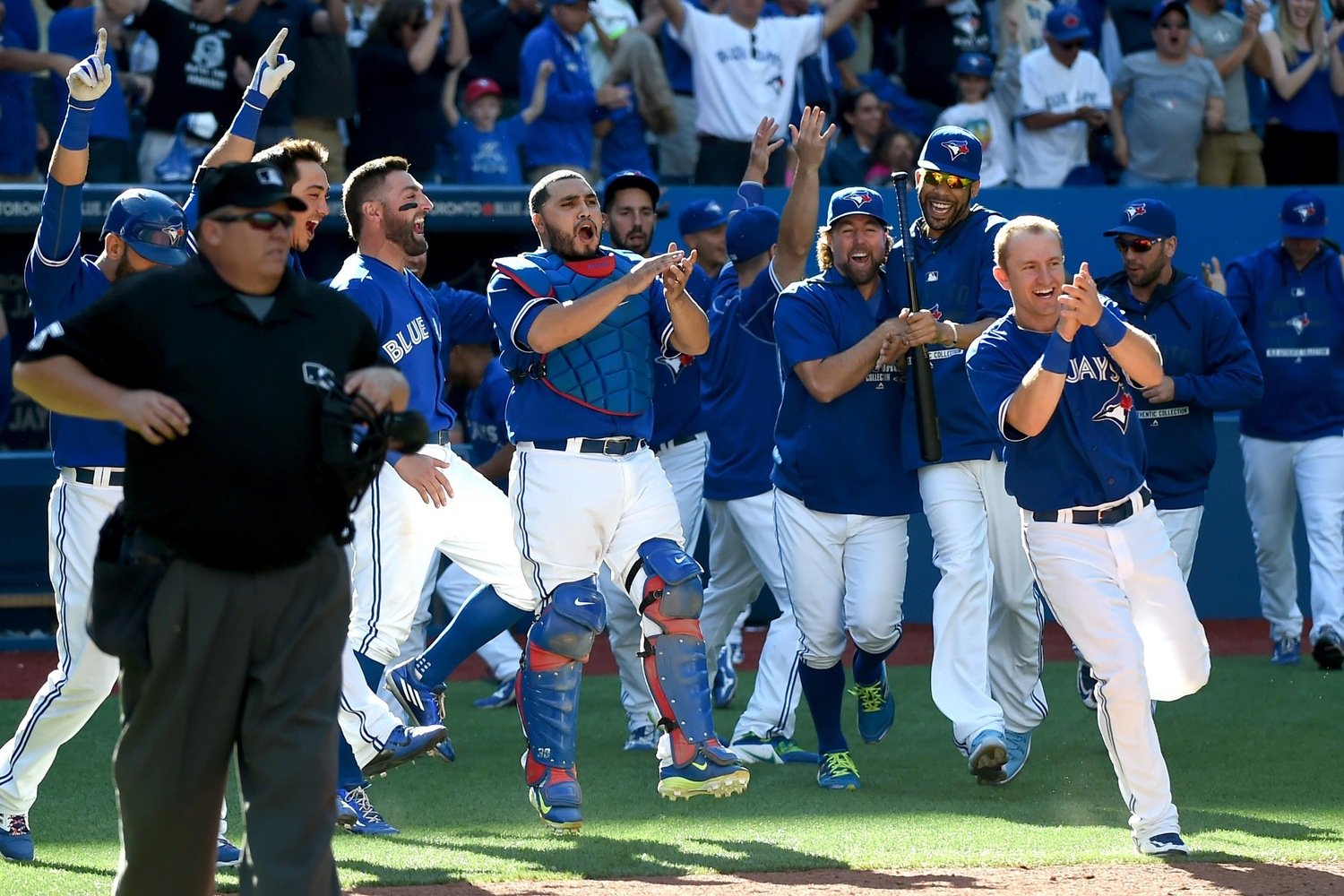 For most of the franchise's existence, the Toronto Blue Jays have either comfortably qualified for the playoffs or fallen out of contention before the final week. But every so often, their season has come down to the final days, final innings and sometimes even a final out. Some of those endings remain among the most thrilling moments in franchise history. Others still sting. From the epic collapse of 1987 to the playoff races of recent years, these are the regular season finishes that generated the most excitement and heartbreak before October ever began. 1. 1987: The Collapse That Defined a Generation With just seven games remaining, Toronto owned a 3.5-game lead over the Detroit Tigers and had already accumulated 96 victories. The division title seemed all but secured. Instead, the unthinkable happened. The Blue Jays lost seven consecutive games. The season's final game on Oct. 4 remains burned into the memory of many Canadian baseball fans. Jimmy Key was brilliant, allowing only three hits. Unfortunately, one of them was a Larry Herndon solo home run in the second inning. Detroit won 1-0, captured the division and sent Toronto home. The Blue Jays finished 96-66. No wild cards back then. No playoffs. 2. 2015: The Week That Ended a 22-Year Drought Technically, the Blue Jays had already clinched before the final day of the season. Yet, no discussion of dramatic regular season finishes is complete without mentioning one of the most exciting stretch runs in franchise history. Toronto entered August looking like a playoff hopeful. The additions of David Price, Troy Tulowitzki, Ben Revere and LaTroy Hawkins transformed the roster. Combined with an explosive offence featuring Josh Donaldson, José Bautista and Edwin Encarnación, the club surged past the Yankees in one of the most memorable pennant chases in team history. When the Jays finally clinched the AL East on Sept. 30, it ended a 22-year postseason drought. 3. 1989: Winning the East on the Final Weekend The 1989 Blue Jays authored one of the most exciting September drives in franchise history. Toronto spent much of the season chasing Baltimore before surging late. The division race remained tight into the final weekend, creating palpable tension throughout the city. The Jays ultimately overtook the Orioles and secured the American League East crown. The finishing stretch seemed to prove to both the roster and its fans that lessons had been learned from the heartbreak of 1987. Two years after collapsing down the stretch, Toronto delivered. 4. 2016: Clinching in Boston and Setting Up October Magic If 1987 was the franchise's greatest regular-season heartbreak, 2016 stands among its most satisfying finishes. One year after José Bautista's unforgettable bat flip season, the Blue Jays again found themselves locked in a tight postseason race entering the final week. The pressure mounted as Toronto stumbled, losing four of five games at a critical moment. They entered the final day of the season in Boston knowing they needed one more win to lock down home-field advantage for the American League Wild Card Game. Aaron Sanchez took the mound and delivered one of the best starts of his career. Troy Tulowitzki broke up a scoreless tie with a go-ahead RBI single in the eighth inning. Roberto Osuna earned the save, securing a 2-1 victory. The importance of the win wasn't fully appreciated until two days later. Because Toronto earned home-field advantage, the Wild Card showdown against Baltimore was played at Rogers Centre rather than Camden Yards. That game produced Edwin Encarnación's legendary extra-inning walk-off home run, one of the defining moments in franchise history. 5. 2021: Ninety-One Wins and Nothing To Show for It Playing much of the season away from Toronto because of pandemic-related restrictions, the Blue Jays still finished with a 91-71 record. Vladimir Guerrero Jr. nearly won the Triple Crown. Robbie Ray captured the Cy Young Award. Marcus Semien set a record for home runs by a second baseman. Entering the final weekend, four AL East teams remained in the playoff race. The Blue Jays needed virtually everything to go right. The Jays did their part, but the Yankees and Red Sox kept winning. Toronto missed the postseason by a single game despite recording 91 victories, the highest win total by a Blue Jays team that failed to qualify for the playoffs in the Wild Card era. With a strong September, the Jays repeatedly put themselves back into contention. Yet the hole dug earlier in the season proved too deep. 6. 1990: So Close, Yet Not Quite The 1990 season shared more than a few similarities with 1987. The Blue Jays entered the season's final day still alive in the American League East race. The path was difficult but possible. Toronto needed help and needed to win. While the Blue Jays battled the Baltimore Orioles, the Boston Red Sox defeated the Chicago White Sox to secure the division title. Minutes later, Toronto's own game slipped away when closer Tom Henke surrendered a ninth-inning home run. The loss punctuated a frustrating finish in which Toronto dropped six of its final eight games. A crucial late-season series against Boston had already shifted momentum, giving the Red Sox an opening. 7. 1985: The Original Breakthrough After unsuccessfully chasing the Tigers in 1984, the Blue Jays spent 1985 battling for first place from Opening Day onward. They nearly relinquished the division title down the stretch to a surging Yankees squad. On Oct. 6, 1985, Toronto defeated the Yankees at Exhibition Stadium to secure the franchise's first division title, completing a remarkable journey from expansion club to legitimate contender. 8. 2023: Sneaking Into October The 2023 season ended with relief more than celebration. Toronto entered its final series against the Tampa Bay Rays needing one final push to lock down an American League Wild Card berth. The opportunity was there to clinch on the field, but the Blue Jays stumbled at the finish line. A 7-5 loss to the Rays on Sept. 29 left their postseason status unresolved and forced players, coaches and fans to turn their attention to the out-of-town scoreboard. The next day, Toronto officially secured a playoff spot thanks to help from the Arizona Diamondbacks, who defeated the Houston Astros. The Blue Jays reached October for the third time in four years, but the accomplishment felt more like survival than triumph. 9. 1998: The End of an Era Not every memorable ending involves a playoff berth or a dramatic collapse. The 1998 season marked the final chapter of the Blue Jays' championship era. Just five years removed from winning back-to-back World Series titles, the Jays remained mathematically alive late into September but could never truly gain ground. When the season ended with an 88-74 record, Toronto finished third behind New York and Boston. In most divisions, that record would have made for a compelling race. In the AL East, it left the Jays watching from home. Over 50 years, the Blue Jays have experienced nearly every kind of regular season ending imaginable. They have celebrated division titles, ended historic droughts and punched tickets to October in dramatic fashion. They have also endured crushing collapses, near misses and seasons that unravelled. By the end of this month, the franchise will have another season to reflect upon. One that started with such promise, felt like it was slipping away and culminated with… Well, we’ll have to see whether or not 2026 makes this list next year.
 -
The Toronto Blue Jays have posted a 9-7 record in games classified as bullpen days, a surprisingly strong mark for a club that has been forced to improvise. The approach has helped keep the Jays in the playoff race, but whether it remains a viable path to the postseason is another question entirely. Even with one of the better relieving corps in baseball, the Jays just don’t have the offensive firepower to hold off teams like the Guardians. Spencer Miles and Ricky Tiedemann were strong on Tuesday, but as the offense failed to add on runs, the Jays were forced to keep Spencer Arrighetti and Joe Mantiply in the game for a handful of extra batters. Bullpen games for the Jays can feel like throw-away games, and that isn’t ideal during this final stretch. They can almost feel like the Jays aren’t putting forth their best effort because they are more focused on resting leverage arms for winnable games. The fact that the team is above .500 in bullpen days has helped them remain competitive in the fight for the final Wild Card spot. Whether the team can maintain that success if the timelines for Shane Bieber and Trey Yesavage remain uncertain is another story. It was bad timing for the Jays, as they scheduled their bullpen day this week against Gavin Williams, who threw a gem. The challenge for Toronto is that bullpen days require a deep bullpen, an offense capable of creating runs, and careful workload management. Jays starters have been particularly strong the past few weeks, but to expect six or seven innings every time out, especially against teams also vying for the postseason, is a lot to ask. Without extended outings from starters like Dylan Cease and José Soriano (not to mention Max Scherzer), the likes of Tyler Rogers, Braydon Fisher, Mason Fluharty and Louis Varland will need to continue to work close to their capacity. Patrick Corbin was signed by the Jays to be an insurance policy for the starting rotation. His 3-4 record over 19 appearances, including 15 starts, was adequate but not outstanding. With an ERA of 5.51 over that span, he helped the team tread water. Comparing his record with the bullpen day record, you can see why the team hasn’t looked to replace him altogether and instead went to starting by committee. The strongest argument against keeping bullpen days is the strain on the relievers. Toronto's bullpen has been among the busiest groups in baseball, logging more than 550 innings. As innings pile up, even for non-leverage arms, fatigue is a real concern. The key concern for Toronto is whether the bullpen can maintain its effectiveness under such a heavy workload through the season's final month. The Jays bullpen must be getting close to a breaking point where precision, not to mention velocity, may start to dive. At the same time, the importance of every series is starting to grow, so taking a chance on a bullpen day instead of a bona fide starter is a risk. When the season began, it seemed like the Jays would have an abundance of starters, but injuries have taken their toll. Instead, manager John Schneider has had to be creative. With fewer than 30 games left, management has yet another tough decision to make. Can they afford to drop the bullpen days and go with a three- or four-man rotation? The team has three days off in the next three weeks. Are Arrighetti and Jameson Taillon the short-term solution until Bieber and Yesavage come back? The Jays are clearly a bit hesitant to have Arrighetti go two times through an order, perhaps based on reduced velocity and pitch execution. Taillon is expected to return from the injured list and start on Friday. If the Jays can grab a spot in the postseason, they also need to ensure they haven’t depleted their starting rotation or bullpen. While many teams might fear the Jays in a short series, Toronto still needs to rest their arms whenever they can. In order to make the postseason, the Jays don’t need to be perfect, but they do need to outperform their direct competitors. There will be no tapering for this team as every game and every series matters. Taking Cease out of a blowout an inning or two early seems like the right move, but when Fisher throws nearly 30 pitches, that logic falters. Fisher probably isn’t available for a day or two after. John Schneider has been using his bullpen all season as if it was October. He has developed a mini-roster of leverage arms he trusts and has stuck to that strategy since Opening Day. Take, for instance, that in the last 32 games, Jays starting pitching has an ERA of 2.77, while their top six relievers, namely Varland, Rogers, Miles, Fisher, Fluharty and Sewald, have a collective ERA of 1.23. Unsurprisingly, the team has a record of 20-12 during that stretch. In that stretch of games, there have been a handful of bullpen days. Those games have helped the club stay afloat, but they work best as a complement to a stable rotation rather than a long-term solution. Good starting pitching preserves bullpen health, provides predictability, and reduces roster strain. The Jays would undoubtedly welcome additional rotation stability if it became available. The reality, however, is that contenders must often function with imperfect personnel. Adaptability becomes a competitive skill. The Jays have needed to exemplify adaptability throughout the season. The club has cycled through pitchers, adjusted roles repeatedly, along with running a continuous caravan between Buffalo and Toronto. With 36 different pitchers appearing for the team in 2026, there is a sense there might be more to come. The resiliency of the pitching and the coaching staff has so far paid dividends. Wear and tear is the variable that is most concerning this late in the season. The margin for error shrinks as the season progresses. With the return of Yesavage and Bieber on the horizon, the Jays just need those reinforcements to arrive before the strain on the bullpen becomes too great. The occasional bullpen day can be effective, but Toronto's path to October is far safer with starting pitching taking the lead. Stats taken before today's series finale with the Guardians. View full article
-
Can the Blue Jays Reach the Playoffs While Relying on Bullpen Days?
Sam Charles posted an article in Blue Jays
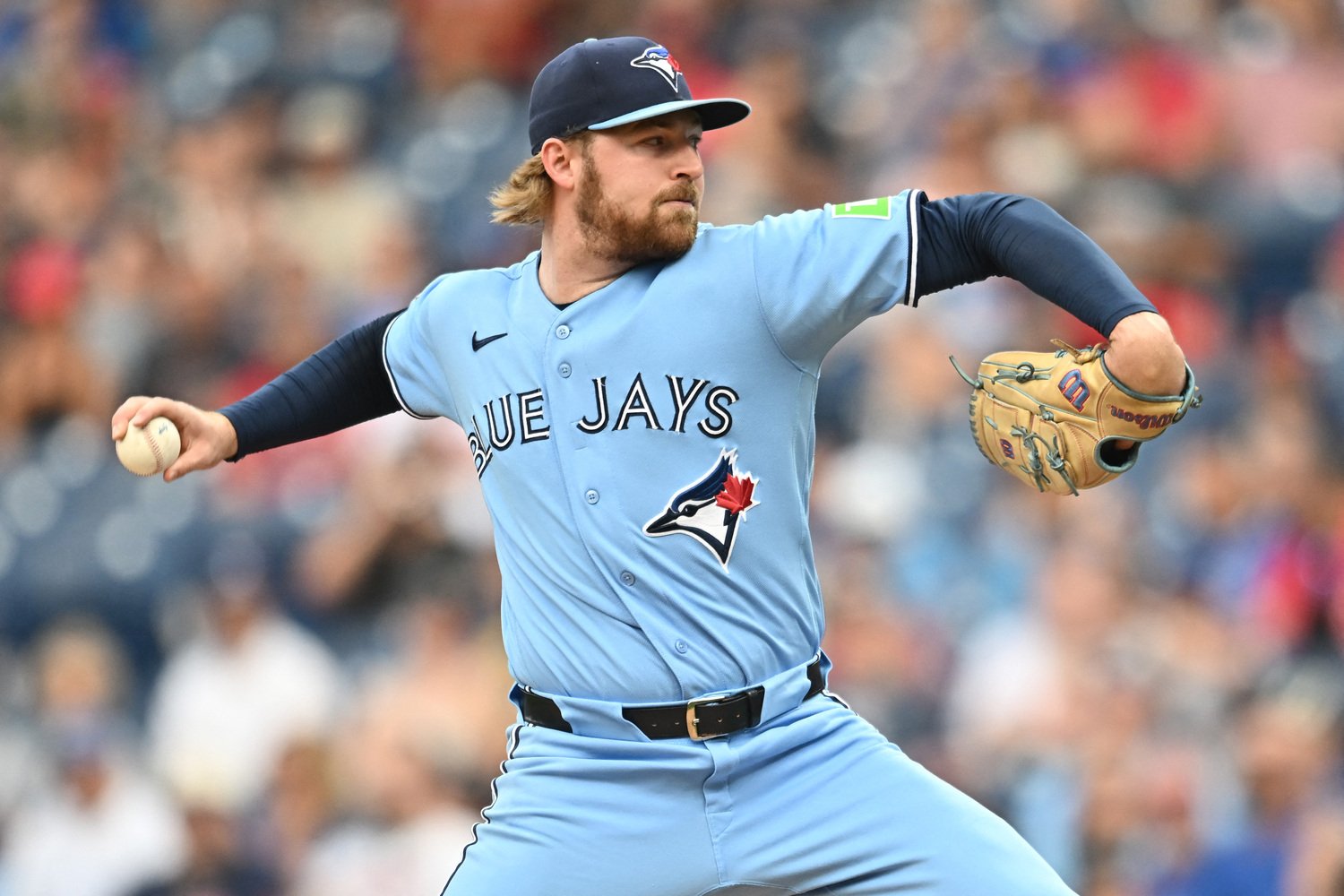 The Toronto Blue Jays have posted a 9-7 record in games classified as bullpen days, a surprisingly strong mark for a club that has been forced to improvise. The approach has helped keep the Jays in the playoff race, but whether it remains a viable path to the postseason is another question entirely. Even with one of the better relieving corps in baseball, the Jays just don’t have the offensive firepower to hold off teams like the Guardians. Spencer Miles and Ricky Tiedemann were strong on Tuesday, but as the offense failed to add on runs, the Jays were forced to keep Spencer Arrighetti and Joe Mantiply in the game for a handful of extra batters. Bullpen games for the Jays can feel like throw-away games, and that isn’t ideal during this final stretch. They can almost feel like the Jays aren’t putting forth their best effort because they are more focused on resting leverage arms for winnable games. The fact that the team is above .500 in bullpen days has helped them remain competitive in the fight for the final Wild Card spot. Whether the team can maintain that success if the timelines for Shane Bieber and Trey Yesavage remain uncertain is another story. It was bad timing for the Jays, as they scheduled their bullpen day this week against Gavin Williams, who threw a gem. The challenge for Toronto is that bullpen days require a deep bullpen, an offense capable of creating runs, and careful workload management. Jays starters have been particularly strong the past few weeks, but to expect six or seven innings every time out, especially against teams also vying for the postseason, is a lot to ask. Without extended outings from starters like Dylan Cease and José Soriano (not to mention Max Scherzer), the likes of Tyler Rogers, Braydon Fisher, Mason Fluharty and Louis Varland will need to continue to work close to their capacity. Patrick Corbin was signed by the Jays to be an insurance policy for the starting rotation. His 3-4 record over 19 appearances, including 15 starts, was adequate but not outstanding. With an ERA of 5.51 over that span, he helped the team tread water. Comparing his record with the bullpen day record, you can see why the team hasn’t looked to replace him altogether and instead went to starting by committee. The strongest argument against keeping bullpen days is the strain on the relievers. Toronto's bullpen has been among the busiest groups in baseball, logging more than 550 innings. As innings pile up, even for non-leverage arms, fatigue is a real concern. The key concern for Toronto is whether the bullpen can maintain its effectiveness under such a heavy workload through the season's final month. The Jays bullpen must be getting close to a breaking point where precision, not to mention velocity, may start to dive. At the same time, the importance of every series is starting to grow, so taking a chance on a bullpen day instead of a bona fide starter is a risk. When the season began, it seemed like the Jays would have an abundance of starters, but injuries have taken their toll. Instead, manager John Schneider has had to be creative. With fewer than 30 games left, management has yet another tough decision to make. Can they afford to drop the bullpen days and go with a three- or four-man rotation? The team has three days off in the next three weeks. Are Arrighetti and Jameson Taillon the short-term solution until Bieber and Yesavage come back? The Jays are clearly a bit hesitant to have Arrighetti go two times through an order, perhaps based on reduced velocity and pitch execution. Taillon is expected to return from the injured list and start on Friday. If the Jays can grab a spot in the postseason, they also need to ensure they haven’t depleted their starting rotation or bullpen. While many teams might fear the Jays in a short series, Toronto still needs to rest their arms whenever they can. In order to make the postseason, the Jays don’t need to be perfect, but they do need to outperform their direct competitors. There will be no tapering for this team as every game and every series matters. Taking Cease out of a blowout an inning or two early seems like the right move, but when Fisher throws nearly 30 pitches, that logic falters. Fisher probably isn’t available for a day or two after. John Schneider has been using his bullpen all season as if it was October. He has developed a mini-roster of leverage arms he trusts and has stuck to that strategy since Opening Day. Take, for instance, that in the last 32 games, Jays starting pitching has an ERA of 2.77, while their top six relievers, namely Varland, Rogers, Miles, Fisher, Fluharty and Sewald, have a collective ERA of 1.23. Unsurprisingly, the team has a record of 20-12 during that stretch. In that stretch of games, there have been a handful of bullpen days. Those games have helped the club stay afloat, but they work best as a complement to a stable rotation rather than a long-term solution. Good starting pitching preserves bullpen health, provides predictability, and reduces roster strain. The Jays would undoubtedly welcome additional rotation stability if it became available. The reality, however, is that contenders must often function with imperfect personnel. Adaptability becomes a competitive skill. The Jays have needed to exemplify adaptability throughout the season. The club has cycled through pitchers, adjusted roles repeatedly, along with running a continuous caravan between Buffalo and Toronto. With 36 different pitchers appearing for the team in 2026, there is a sense there might be more to come. The resiliency of the pitching and the coaching staff has so far paid dividends. Wear and tear is the variable that is most concerning this late in the season. The margin for error shrinks as the season progresses. With the return of Yesavage and Bieber on the horizon, the Jays just need those reinforcements to arrive before the strain on the bullpen becomes too great. The occasional bullpen day can be effective, but Toronto's path to October is far safer with starting pitching taking the lead. Stats taken before today's series finale with the Guardians.
 -
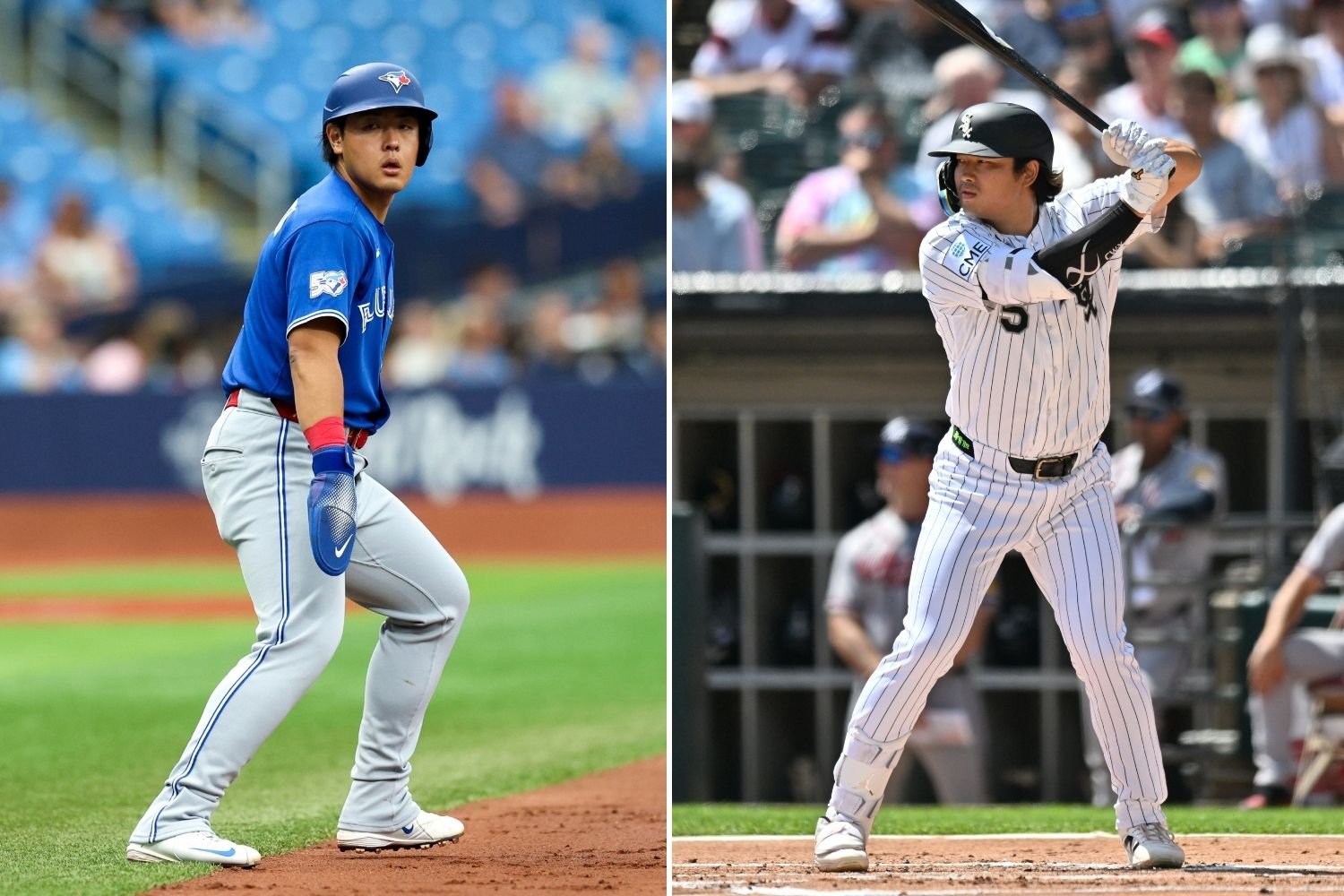 When Kazuma Okamoto and Munetaka Murakami arrived from Nippon Professional Baseball (NPB) ahead of the 2026 season, they represented two very different bets. Both have met expectations, but their overall value to their respective ballclubs after the first year of their contracts is an interesting debate. Okamoto was viewed as the safer acquisition. The long-time Yomiuri Giants star had built a reputation as one of Japan's most consistent middle-of-the-order hitters. He offered power, defensive versatility, and a track record of durability. Toronto signed him to a four-year, $60 million contract. Murakami, the former Triple Crown winner and owner of NPB's single-season home run record (for Japanese-born players), carried more upside but with risk. Scouts loved the power but questioned whether his swing-and-miss tendencies would become a major issue against elite MLB velocity. Chicago signed him to a two-year, $34 million contract with the expectation that he could become the centerpiece of its rebuild. As the 2026 season has unfolded, the comparison has become an interesting storyline. Neither was ever expected to eclipse Shohei Ohtani, but they were expected to transition well. Both players are MLB rookies despite years of professional experience in Japan. Both have shown legitimate power. Both entered the year among the American League Rookie of the Year contenders. Yet the gap between their performances has become increasingly clear. Looking strictly at value, production, and future outlook, Murakami has emerged as the superior deal based on his impact combined with his role in Chicago’s turnaround. Murakami's offensive production has bettered Okamoto's. Through late August, he owns an .859 OPS with 29 home runs and a 2.2 WAR according to Baseball Reference. His batting average of .219 does not look especially impressive on its own, but his contributions are all about production. Murakami's combination of power and on-base ability has produced elite run creation numbers. FanGraphs showed him carrying a 158 wRC+ through his first 57 games before injury interruptions, meaning he created runs 58 percent better than the league average hitter. That number has dropped since his return, but it remains an impressive 138. Okamoto's numbers have been far more modest. He enters the final stretch of the season batting .228 with 26 home runs and 74 RBI. His OPS sits at .736, and his WAR is approximately 1.6 according to Baseball Reference. FanGraphs places him at a 106 wRC+, only slightly above league average. A 106 wRC+ hitter is considered a useful major leaguer. A 138 wRC+ hitter is approaching, if not a legitimate superstar. Okamoto debuted at age 29 and turned 30 in June. In sports, athletes don’t tend to age all that well. A player producing top-level offense at age 26, like Murakami, is entering what should be his peak seasons. A player producing league average offense at age 30 is much more likely at his ceiling and may already be approaching the back side of his prime. Before signing these players, both organizations undoubtedly asked themselves: How much future value can this player provide relative to salary? Murakami might be capable of outperforming his contract if he maintains even most of his current offensive level. Chicago is paying him an average annual salary of $17 million. Okamoto's annual value is $15 million. The Jays signed a player who had a solid track record in Japan. During his NPB career, Okamoto ranked among Japan's most productive sluggers, finishing near the top of the league in home runs, RBI, doubles, and overall offensive value over multiple seasons. Scouts expected solid defense and 25 to 30 home run power. And Okamoto has delivered that. Already, he has set a Blue Jays franchise record for most home runs in a season. Eric Hinske set the previous mark of 24 in 2002. Okamoto has also bettered Ohtani’s rookie record for Japanese-born players of 22. Statcast metrics show strong raw power from Okamoto, highlighted by a 90.4 mph average exit velocity, a 12.6 percent barrel rate, and a maximum exit velocity of 112.6 mph. Murakami’s average exit velocity is 94 mph with a barrel rate of 19.7 percent and a hard-hit percentage of 58.2. Okamoto's strikeout rate has exceeded 30 percent, while his expected batting average has remained well below league average. Statcast data shows a whiff rate among the lowest percentiles in the sport. Murakami has strikeout issues as well. His strikeout rate is 33.8%. In fact, swing and miss was the single biggest question surrounding him before he left Japan. Several evaluators wondered if elite MLB fastballs would expose weaknesses in his approach. But the key difference between the two players is that Murakami's power has been able to overcome those strikeouts. His offensive ceiling has always been much higher. In 2022, Murakami hit 56 home runs, won the NPB Triple Crown, and established himself as one of the biggest offensive talents Japan has produced in decades. Despite missing time due to injury, Murakami has been among the most productive rookie hitters in baseball. He was selected as an All-Star and invited to the Home Run Derby. From that standpoint, Chicago appears to have extracted greater value. Murakami has definitely played a role in the White Sox's 2026 success. The Jays signed Okamoto to fill a power-hitting role in the lineup. He needed to produce at a reasonable level to force opponents to pitch to Vladimir Guerrero Jr. and others. He has produced but not consistently enough to scare opposition pitching. Murakami has simply generated more value. FanGraphs projected Okamoto for approximately 2.5 WAR over a full season entering 2026. His actual performance has landed closer to the solid regular range than the star range. Murakami was projected to be around a 120 wRC+ hitter before the season. Instead, when healthy, he has dramatically exceeded that pace. According to some preseason analysis, Okamoto was actually projected to outperform Murakami. That just hasn’t happened. By May, MLB.com's first Rookie of the Year poll placed Murakami among the clear leaders in the American League race. He later earned Rookie of the Month honours and established himself as one of the faces of the rookie class. Recent odds still place Murakami behind Detroit's Kevin McGonigle, but the two are close. Okamoto remains in the discussion, but unless he single-handedly propels the Jays into the postseason, his first season in the majors will go down as a success but not a groundbreaking one. For years, MLB organizations have tried to project which Japanese players would thrive in the bigs. Some players arrive and produce immediately. Others struggle for a variety of reasons, from culture shock or the demanding travel schedule to going up against the best of the best. Heading into the season, Okamoto was considered the safer bet because of his consistency. Murakami was considered the riskier player because of his strikeout tendencies. The risk has paid off for the White Sox. The safer path hasn’t hurt the Jays, but it hasn’t been a difference-maker either. Both signings can be considered successes because neither player has flopped. Each has delivered meaningful production as a rookie and demonstrated yet again that elite Japanese hitters can transition successfully to MLB. In a league where winning is really all that matters, the White Sox took a gamble that has turned them into a contender in one season. The Jays, on the other hand, aren’t a sinking ship, but their safe bet has only been able to keep them afloat.
 -
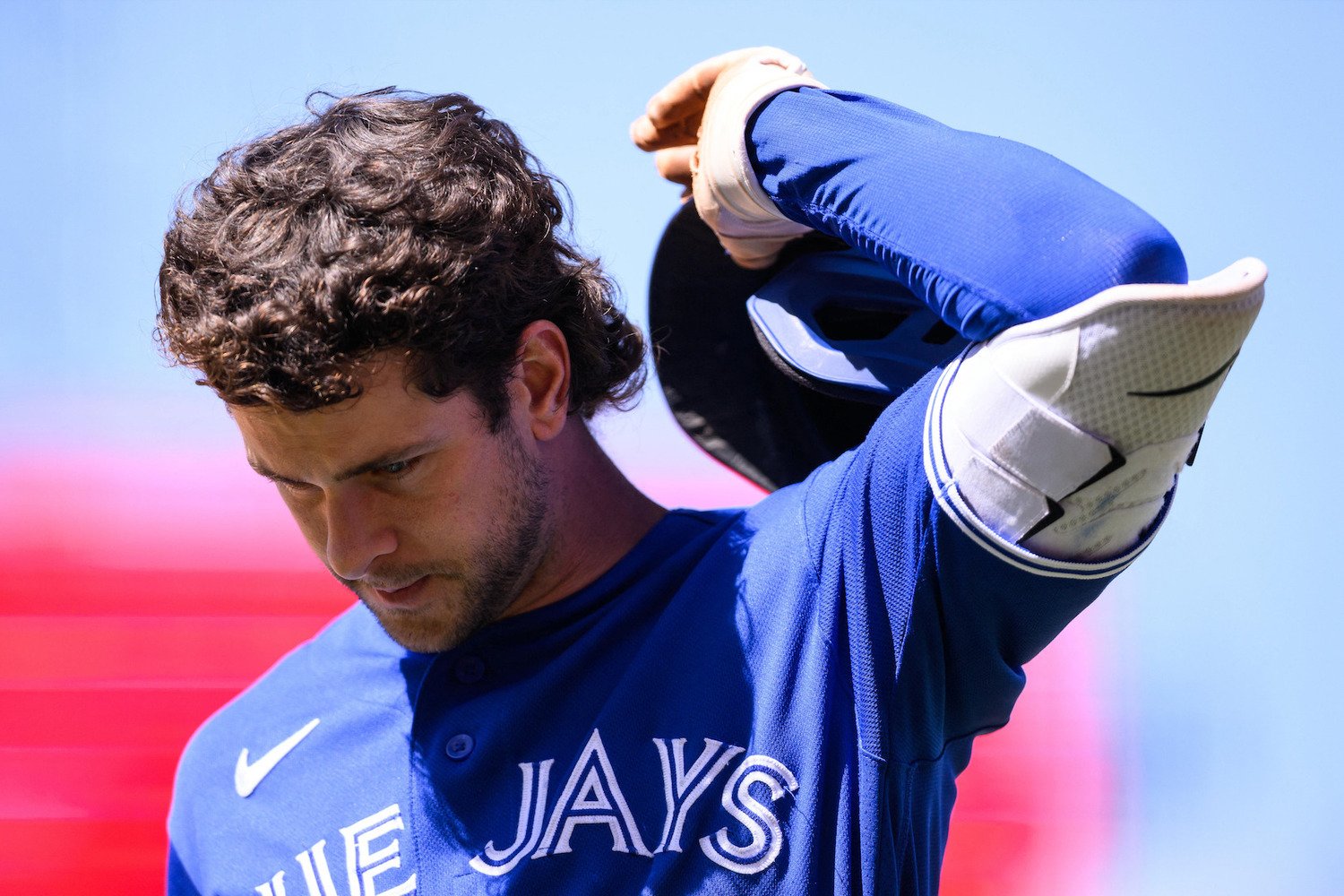 With fewer than 30 games remaining against mostly sub-.500 opponents and a postseason berth still within reach, the Toronto Blue Jays have arrived at the defining stretch of their 2026 season. The good news is that their fate still remains in their own hands. The bad news is that they have left far too many wins on the table over the course of a frustrating and inconsistent season. Much of the conversation this season has centered on the lack of production from Toronto's highest-paid stars. Vladimir Guerrero Jr., George Springer, and several other key offensive contributors have all endured stretches where expected production simply failed to materialize. While that criticism is fair, those struggles have led to the team’s inability to grab opportunities when they’ve been there. Inconsistency has meant the team has often failed to execute in the biggest moments. Those big moments have led to tight losses that ultimately have them sitting on the outside looking in. Whether or not the 2026 Blue Jays have enough resiliency and fight left in them is debatable. Last year’s version of the team refused to back down. They were 27-20 in one-run games. Overall, they outscored opponents 798-721 on their way to a 94-win season. They finished August with a record of 15-12 and September with a record of 15-10. This year, the Jays are 14-10 so far in August. Their only months with winning records have been March (4-1), May (15-14) and August. They have been outscored by opponents 581-527. The Blue Jays have lost 21 one-run games this season, including five extra-inning losses. Any one of those games could have started a streak, ended one or changed the trajectory of their season. April 1 vs. Colorado — 2–1 (10 innings) April 3 at Chicago White Sox — 5–4 (10 innings) April 15 at Milwaukee — 2–1 April 16 at Milwaukee — 2–1 May 3 at Minnesota — 4–3 May 5 at Tampa Bay — 4–3 May 12 vs. Tampa Bay — 7–6 May 15 at Detroit — 3–2 May 18 at New York Yankees — 7–6 May 19 at New York Yankees — 5–4 May 30 at Baltimore — 6–5 June 2 at Atlanta — 4–3 June 25 vs. Texas — 6–5 June 26 vs. Texas — 5–4 June 28 vs. Texas — 3–2 July 11 at San Diego — 8–7 July 12 at San Diego — 5–4 August 6 at Chicago Cubs — 3–2 (11 innings) August 9 at Philadelphia — 7–6 (12 innings) August 16 vs. New York Yankees — 4–3 (10 innings) August 19 at Tampa Bay — 7–6 Fans often point to what happens at the end of a game or end of a season when they consider outcomes. Even last year’s World Series is full of “what ifs,” but most point to Jeff Hoffman hanging that slider or Isiah Kiner-Falefa’s secondary lead. The reality is that the Jays had opportunities to take Game 6, let alone moments in Game 7, to pad a lead or hold off the Dodgers. Zoom out to the 2026 season, and there have been so many missed opportunities. Stretches of poor pitching, errors, poor baserunning and an inability to consistently score runs that have left the Jays on the wrong side of the ledger. If the team had come back in even a handful of their 21 one-run losses, they’d be in a comfortable playoff position, maybe even battling for the division. According to Champs or Chumps, the Blue Jays have also blown 25 leads this season, a figure that places them near the middle of the league. Of those games, three were blown in the ninth inning. Meanwhile, Washington has blown 41 leads, including six in the ninth inning, while San Francisco has suffered through 35 blown leads, 11 of which came in the final frame. By comparison, postseason contenders Boston and Tampa Bay have been significantly better at protecting advantages. The Red Sox have blown just 20 leads all year and only one in the ninth inning. Tampa Bay has blown 23 leads and none in the ninth. Good teams can’t always avoid close games, but they find ways to win them. Who is to blame for the Jays' mishaps and inability to win close games? Most of the blame lies with an offense that just hasn’t scored enough runs all season. A bit of the blame can be directed to the bullpen, but they have been overworked. As the season winds down, it doesn’t appear that John Schneider will be changing his approach when it comes to bullpen usage. The leverage arms have been phenomenal, but can they keep putting up zeros? And even if they can, will the bats be able to cobble together enough runs to win games? All season, the Jays have underperformed offensively. Pitching has kept them in games… even ones they didn’t deserve to be in. The losses in Milwaukee on April 15 and 16 were nearly identical one-run defeats. The back-to-back setbacks against the Yankees in May were opportunities to make a statement within the division. The June series against Texas featured three separate one-run losses. That series alone would have represented a decisive swing in playoff positioning. The Jays have done just enough to make August and maybe September mean something, but now they need to win. Win blowouts and win the close ones. Otherwise, the season will be lost. If the Jays ultimately reach the postseason, this season will be remembered as a testament to resilience. A team that started at the top, fell to the bottom, then fought its way back. Often this season, the Jays have been close. Sometimes agonizingly so. Good teams don’t make excuses. They respond to adversity with their actions. They battle. They keep pushing. The baseball season is long and gruelling. August and September baseball gets a little more exciting and nail-biting, but often a season comes down to what a team did early to put them in a position to make the games meaningful at the end.
 -
When Kazuma Okamoto and Munetaka Murakami arrived from Nippon Professional Baseball (NPB) ahead of the 2026 season, they represented two very different bets. Both have met expectations, but their overall value to their respective ballclubs after the first year of their contracts is an interesting debate. Okamoto was viewed as the safer acquisition. The long-time Yomiuri Giants star had built a reputation as one of Japan's most consistent middle-of-the-order hitters. He offered power, defensive versatility, and a track record of durability. Toronto signed him to a four-year, $60 million contract. Murakami, the former Triple Crown winner and owner of Japan's single-season home run record, carried more upside but with risk. Scouts loved the power but questioned whether his swing-and-miss tendencies would become a major issue against elite MLB velocity. Chicago signed him to a two-year, $34 million contract with the expectation that he could become the centerpiece of its rebuild. As the 2026 season has unfolded, the comparison has become an interesting storyline. Neither was ever expected to eclipse Shohei Ohtani, but they were expected to transition well. Both players are MLB rookies despite years of professional experience in Japan. Both have shown legitimate power. Both entered the year among the American League Rookie of the Year contenders. Yet the gap between their performances has become increasingly clear. Looking strictly at value, production, and future outlook, Murakami has emerged as the superior deal based on his impact combined with his role in Chicago’s turnaround. Murakami's offensive production has bettered Okamoto's. Through late August, he owns a .863 OPS with 29 home runs and a 2.2 WAR according to Baseball Reference. His batting average of .221 does not look especially impressive on its own, but his contributions are all about production. Murakami's combination of power and on-base ability has produced elite run creation numbers. FanGraphs showed him carrying a 153 wRC+ through his first 53 games before injury interruptions, meaning he created runs 53 percent better than the league average hitter. Okamoto's numbers have been far more modest. He entered the final stretch of the season batting .229 (.738 OPS) with 26 home runs and 74 RBI. His OPS sat at .738, and his WAR was approximately 1.6 according to Baseball Reference. FanGraphs placed him near a 103 wRC+, only slightly above league average. A 103 wRC+ hitter is considered a useful major leaguer. A 153 wRC+ hitter is approaching, if not a legitimate superstar. Okamoto debuted at age 29 and turned 30 in June. In sports, athletes don’t tend to age all that well. A player producing top-level offense at age 26 is entering what should be his peak seasons. A player producing league average offense at age 30 is much more likely at his ceiling and may already be approaching the back side of his prime. Before signing these players, both organizations undoubtedly asked themselves: how much future value can this player provide relative to salary? Murakami might be capable of outperforming his contract if he maintains even most of his current offensive level. Chicago is paying an average annual value of roughly $17 million. Okamoto's annual value is about $15 million. The Jays signed a player who had a solid track record in Japan. During his NPB career, Okamoto ranked among Japan's most productive sluggers, finishing near the top of the league in home runs, RBI, doubles, and overall offensive value over multiple seasons. Scouts expected solid defense and 25 to 30 home run power. And Okamoto has delivered that. Already, he has set a Blue Jays franchise record for most home runs in a season. Eric Hinske set the previous mark of 24 in 2002. Okamoto even bettered Ohtani’s rookie record for Japanese-born players of 22. Statcast metrics show strong raw power from Okamoto, highlighted by a 90.5 mph average exit velocity, a 12.7 percent barrel rate, and a maximum exit velocity of 112.6 mph. Murakami’s average exit velocity is 94 mph with a barrel rate of 19.8 percent and a hard-hit percentage of 58.5. Okamoto's strikeout rate has exceeded 30 percent while his expected batting average has remained well below league average. Statcast data shows a whiff rate among the lowest percentiles in the sport. Murakami has strikeout issues as well. His strikeout rate is 33.6%. In fact, swing and miss was the single biggest question surrounding him before he left Japan. Several evaluators wondered if elite MLB fastballs would expose weaknesses in his approach. But the key difference between the two players is that Murakami's power has been able to overcome those strikeouts. His offensive ceiling has always been much higher. In 2022, Murakami hit 56 home runs, won the NPB Triple Crown, and established himself as one of the biggest offensive talents Japan has produced in decades. Despite missing time due to injury, Murakami has been among the most productive rookie hitters in baseball. He was selected as an All-Star and invited to the Home Run Derby. From that standpoint, Chicago appears to have extracted greater value. Murakami has definitely played a role in the White Sox's 2026 success. The Jays signed Okamoto to fill a power-hitting role in the lineup. He needed to produce at a reasonable level to force opponents to pitch to Vladimir Guerrero Jr. and others. He has produced but not consistently enough to scare opposition pitching. Murakami has simply generated more value. FanGraphs projected Okamoto for approximately 2.5 WAR over a full season entering 2026. His actual performance has landed closer to the solid regular range than the star range. Murakami was projected for around a 120 wRC+ hitter before the season. Instead, when healthy, he has dramatically exceeded that pace, posting a 153 wRC+. According to some preseason analysis, Okamoto was actually projected to outperform Murakami. That just hasn’t happened. By May, MLB.com's first Rookie of the Year poll placed Murakami among the clear leaders in the American League race. He later earned Rookie of the Month honours and established himself as one of the faces of the rookie class. Recent odds still place Murakami behind Detroit's Kevin McGonigle but closing. Okamoto remains in the discussion, but unless he single-handedly propels the Jays into the post-season, his first season in the Majors will go down as a success but not a groundbreaking one. For years, MLB organizations have tried to project which Japanese players would thrive in the Bigs. Some players arrive and produce immediately. Others struggle for a variety of reasons: from culture shock or the demanding travel schedule to going up against the best of the best. Heading into the season, Okamoto was considered the safer bet because of his consistency. Murakami was considered the riskier player because of his strikeout tendencies. The risk has paid off for the White Sox. And the safer path hasn’t hurt the Jays, but it hasn’t been a difference-maker either. Both signings can be considered successes because neither player has flopped. Each has delivered meaningful production as a rookie and demonstrated yet again that elite Japanese hitters can transition successfully to MLB. In a league where winning is really all that matters, the White Sox took a gamble that has turned them into a contender in one season. The Jays, on the other hand, aren’t a sinking ship, but their safe bet has only been able to keep them afloat. Stats updated prior to games on August 26. View full article
-
With fewer than 30 games remaining against sub-.500 opponents and a postseason berth still within reach, the Toronto Blue Jays have arrived at the defining stretch of their 2026 season. The good news is that their fate still remains in their own hands. The bad news is that they have left far too many wins on the table over the course of a frustrating and inconsistent season. Much of the conversation this season has centered on the lack of production from Toronto's highest-paid stars. Vladimir Guerrero Jr., George Springer, and several key offensive contributors have all endured stretches where expected production simply failed to materialize. While that criticism is fair, those struggles have led to the team’s inability to grab opportunities when they’ve been there. Inconsistency has meant the team has often failed to execute in the biggest moments. Those big moments have led to tight losses that ultimately have them sitting on the outside looking in. Whether or not the 2026 Blue Jays have enough resiliency and fight left in them is debatable. Last year’s version of the team refused to back down. They were 27-20 in 1-run games. Overall, they outscored opponents 798-721 on their way to a 94-win season. They finished August with a record of 15-12 and September with a record of 15-10. This year, the Jays are 13-10 so far in August. Their only months with winning records have been March (4-1), May (15-14) and August (13-10). They have been outscored by opponents 581-524. The Blue Jays have lost 21 one-run games this season, including five extra-inning losses. Any one of those games could have started a streak, ended one or changed the trajectory of their season. April 1 vs. Colorado — 2–1 (10 innings) April 3 at Chicago White Sox — 5–4 (10 innings) April 15 at Milwaukee — 2–1 April 16 at Milwaukee — 2–1 May 3 at Minnesota — 4–3 May 5 at Tampa Bay — 4–3 May 12 vs. Tampa Bay — 7–6 May 15 at Detroit — 3–2 May 18 at New York Yankees — 7–6 May 19 at New York Yankees — 5–4 May 30 at Baltimore — 6–5 June 2 at Atlanta — 4–3 June 25 vs. Texas — 6–5 June 26 vs. Texas — 5–4 June 28 vs. Texas — 3–2 July 11 at San Diego — 8–7 July 12 at San Diego — 5–4 August 6 at Chicago Cubs — 3–2 (11 innings) August 9 at Philadelphia — 7–6 (12 innings) August 16 vs. New York Yankees — 4–3 (10 innings) August 19 at Tampa Bay — 7–6 Fans often point to what happens at the end of a game or end of a season when they consider outcomes. Even last year’s World Series is full of “what ifs,” but most point to Jeff Hoffman hanging slider or Isiah Kiner-Falefa’s secondary lead. The reality is that the Jays had opportunities to take Game 6, let alone moments in Game 7, to pad a lead or hold the Dodgers. Zoom out to the 2026 season, there are so many missed opportunities. Stretches of poor pitching, errors, poor baserunning and an inability to consistently score runs that have left the Jays on the wrong side of the ledger. If the team had pulled out a handful of their twenty-one 1-run losses, they’d be in a comfortable playoff position, maybe even battling for the division. According to Champions or Chumps, the Blue Jays have also blown 25 leads this season, a figure that places them near the middle of the league. Of those games, 3 were blown in the ninth inning. Meanwhile, Washington has blown 40 leads, including six in the ninth inning, while San Francisco has suffered through 34 blown leads, 10 of which came in the final frame. By comparison, postseason contenders Boston and Tampa Bay have been significantly better at protecting advantages. The Red Sox have blown just 20 leads all year and only one in the ninth inning. Tampa Bay has blown 22 leads and none in the ninth. Good teams can’t always avoid close games, but they find ways to win them. Who is to blame for the Jays' mishaps and inability to win close games? Most of the blame lies with an offense that just hasn’t scored enough runs all season. A bit of the blame can be directed to the bullpen, but they have been overworked. As the season winds down, it doesn’t appear that John Schneider will be changing his approach when it comes to bullpen usage. The leverage arms have been phenomenal, but can they keep putting up zeros? And even if they can, are the bats able to cobble together enough runs to win games? All season, the Jays have underperformed offensively. Pitching has kept them in games… even ones they didn’t deserve to be in. The losses in Milwaukee on April 15 and 16 were nearly identical one-run defeats. The back-to-back setbacks against the Yankees in May were opportunities to make a statement within the division. The June series against Texas featured three separate one-run losses. That series alone would have represented a decisive swing in playoff positioning. The Jays have done just enough to make August and maybe September mean something, but now they need to win. Win blowouts and win the close ones. Otherwise, the season will be lost. If the Jays ultimately reach the postseason, this season will be remembered as a testament to resilience. A team that started at the top, fell to the bottom, then fought its way back. Often this season, the Jays have been close. Sometimes agonizingly so. Good teams don’t make excuses. They respond to adversity with their actions. They battle. They keep pushing. The baseball season is long and gruelling. August and September baseball gets a little more exciting and nail-biting, but often a season comes down to what a team did early to put them in a position to make the games meaningful at the end. View full article
-
When Shane Bieber was asked recently about the Blue Jays' mentality, the veteran right-hander pointed to "the fight that this team has." As he put it, "That's why I love to be a Blue Jay." The fact that the Jays have found their footing after a lacklustre start is thanks in large part to a cast of unexpected contributors. Toronto's resurgence has been fuelled by a revolving door of newcomers, prospects, injury replacements and depth acquisitions who have collectively helped keep the season alive. They have become the backbone of the never-say-die mentality Bieber describes. The Blue Jays have used 59 players this season, and many of them have appeared in 30 games or fewer. The number is a bit convoluted this week, as Brendan Cellucci was promoted then quickly replaced by Spencer Arrighetti. The contributions from these players have played a significant role in keeping Toronto firmly in the playoff race while weathering injuries, roster turnover and underperformance from its core. According to MLB Pipeline, Toronto's farm system has steadily improved over the last two seasons. After ranking near the bottom of baseball not long ago, the organization has begun producing far more useful depth. In a season in which injuries and roster turnover have tested everyone, that organizational depth has become one of the biggest reasons the Blue Jays are still standing. Keep in mind that several players on this list would almost certainly have exceeded 30 games had injuries not interrupted their seasons. Here is a ranking of all the position players, relievers and depth contributors with 30 games or fewer who have contributed (both big and small) to the season thus far. Since most starting pitchers have not yet reached the 30-game threshold, starters have been excluded from this ranking. 1. Brett Bateman (13 G, .321 AVG, .367 OBP, 4 RBI, 1 SB) Bateman's spark was immediate. His speed, confidence at the plate, energy and athleticism have injected life into the lineup and given the Blue Jays another dimension offensively. 2. Charles McAdoo (19 G, .262 AVG, 2 HR, 10 RBI) McAdoo's second stint in Toronto has looked completely different from his first. He has shown poise, versatility and an ability to deliver in key situations. 3. Luis Urías (26 G, .250 AVG, 3 HR, 8 RBI) Urías brought veteran presence and positional versatility while also providing timely offense. His .803 OPS has made him one of the most productive call-up bats on the roster. 4. Adam Macko (22 G, 2-0, 4.91 ERA, 23 K) Macko delivered valuable innings during a difficult stretch. His performance ultimately helped create enough value to be included in a trade with Texas. Trade return: Utility infielder Josh Smith and minor-league right-hander Josh Stephan. 5. Lenyn Sosa (28 G, .188 AVG, 1 HR, 6 RBI) The numbers are modest, but Sosa provided flexibility, depth and capable defense before being sidelined. 6. Daz Cameron (4 G, .308 AVG, 1 HR, 2 RBI) Three games is hardly enough to evaluate a player, but Cameron's early impact has been impressive. 7. Chase Lee (7 G, 7.88 ERA, 1 SV) The numbers will not wow anyone, but Lee's ability to shuttle between levels and provide fresh innings has been valuable. 8. Brendon Little (19 G, 8.50 ERA, 26 K) Little has reinvented himself after a tough start to the season and a stint in Buffalo. 9. Patrick Corbin (19 G, 15 GS, 3-4, 5.51 ERA) Corbin was not acquired to be an ace, he was acquired to provide innings and stability. He did exactly that before getting injured. 10. Joe Mantiply (17 G, 2.04 ERA, 16 K) His time with the Jays before he landed on the IL was brief, but the veteran left-hander provided quality innings at a time when the team needed it. 11. Simeon Woods Richardson (6 G, 2-0, 0.55 ERA) When called upon, he has delivered. 12. Yariel Rodríguez (10 G, 7.71 ERA) Injuries and control limited his opportunities. His stuff, when on, is still impressive. 13. Lázaro Estrada (8 G, 5.54 ERA, 1 Save) Has shown potential and is an intriguing bullpen option. 14. Jonatan Clase (9 G, .273 AVG, 2 HR, 6 RBI) Clase brought speed, energy and far more offense than many expected. 15. Paul Sewald (3 G, 3 IP, 3 K, 0.00 ERA) A veteran reliever who might have found his groove again. 16. Eric Lauer (8 G, 6 GS, 1-5, 6.69 ERA) The numbers were not as strong as last year, but Lauer covered 36 innings when the Jays needed them early in the season. His value came less from results and more from preventing the team from overextending other arms at the time. Trade return (Dodgers): Player to be named later or cash considerations. 17. Eloy Jiménez (12 G, .290 AVG, 3 RBI) Wasn't able to translate a strong spring into a permanent fixture on the roster. 18. Sean Keys (12 G, .167 AVG, 1 HR, 5 RBI) His cup of coffee included some glimmers of promise, but he clearly needs more time to adjust to the big leagues. 19. Josh Smith (14 G, .250 AVG, 2 HR, 3 RBI) Smith is a left-handed utility player and looks capable of helping beyond this year. 20. Addison Barger (9 G, .045 AVG, 2 RBI) Frustrating injury-filled season, but his inclusion in a group of players who have played less than 30 games is a reminder of the injuries that the team has weathered. 21. Ricky Tiedemann (1 G, 1.2 IP, 5.40 ERA) Tiny sample, but he demonstrated that despite injuries, he still holds great potential. 22. Jameson Taillon (2 G, 8.0 IP, 3.38 ERA) Limited action so far, but useful innings. Could be an important piece if the Blue Jays need additional rotational depth. 23. Chad Dallas (3 G, 8.22 ERA) One rough outing against Houston inflated the numbers considerably. Still valuable developmental experience. 24. CJ Van Eyk (3 G, 4.76 ERA) A positive comeback story given his battles with injuries. 25. Connor Seabold (5 G, 8.10 ERA) Didn't quite pan out the way the Jays and Seabold had hoped. 26. Austin Voth (2 G, 9.00 ERA) Filled a role during a difficult period of roster turnover. 27. Tanner Andrews (2 G, 3.0 IP, 0.00 ERA) Another example of organizational depth answering the call. 28. Matt Waldron (4 G, 10.38 ERA) The results were mixed, and he has since been designated for assignment (claimed by the Nationals). 29. Hayden Juenger (2 G, 2.0 IP, 13.50 ERA) Continued his progression through the organization despite unimpressive results so far. 30. Josh Fleming (1 G, 3.0 IP, 12.00 ERA) Only one appearance. Honourable Mention: Tyler Heineman (33 G, .154 AVG, 1 HR, 6 RBI) A respected clubhouse veteran who couldn't quite recapture the magic of 2025. The 2026 Jays have survived because contributions have come from everywhere. Who knew the Jays had (or could find) this much depth? More importantly, who knew that depth would help steady the ship? A never-say-die mentality only works when someone keeps stepping forward every time adversity strikes. This season has delivered plenty of adversity. And yet, a collection of players with limited opportunities has contributed in ways both small and significant. Some players on this list barely made an impact, but they filled a void when it was needed. That is why the Jays look a bit different this season, and why they may look different again next week. In a season in which star power and familiar faces were supposed to drive success, it has been organizational depth that has carried Toronto through some of its most difficult moments. The Blue Jays' turnaround has not been built solely by their biggest names. It has been sustained by the players who answered the call when the organization needed them most, whether for a game, 30 games or somewhere in between. View full article
-
Ranking the Depth Pieces That Have Kept the Blue Jays Afloat
Sam Charles posted an article in Blue Jays
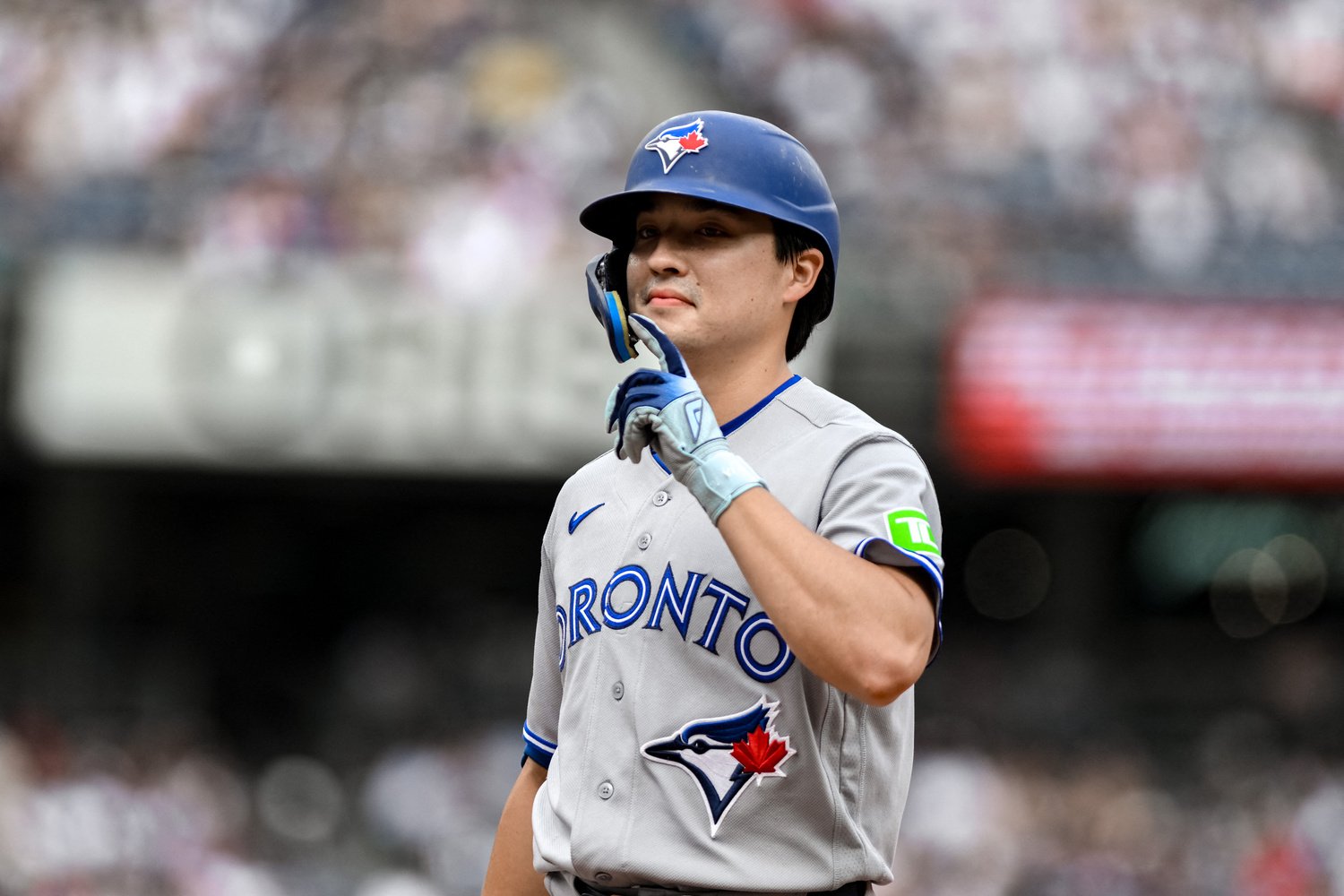 When Shane Bieber was asked recently about the Blue Jays' mentality, the veteran right-hander pointed to "the fight that this team has." As he put it, "That's why I love to be a Blue Jay." The fact that the Jays have found their footing after a lacklustre start is thanks in large part to a cast of unexpected contributors. Toronto's resurgence has been fuelled by a revolving door of newcomers, prospects, injury replacements and depth acquisitions who have collectively helped keep the season alive. They have become the backbone of the never-say-die mentality Bieber describes. The Blue Jays have used 59 players this season, and many of them have appeared in 30 games or fewer. The number is a bit convoluted this week, as Brendan Cellucci was promoted then quickly replaced by Spencer Arrighetti. The contributions from these players have played a significant role in keeping Toronto firmly in the playoff race while weathering injuries, roster turnover and underperformance from its core. According to MLB Pipeline, Toronto's farm system has steadily improved over the last two seasons. After ranking near the bottom of baseball not long ago, the organization has begun producing far more useful depth. In a season in which injuries and roster turnover have tested everyone, that organizational depth has become one of the biggest reasons the Blue Jays are still standing. Keep in mind that several players on this list would almost certainly have exceeded 30 games had injuries not interrupted their seasons. Here is a ranking of all the position players, relievers and depth contributors with 30 games or fewer who have contributed (both big and small) to the season thus far. Since most starting pitchers have not yet reached the 30-game threshold, starters have been excluded from this ranking. 1. Brett Bateman (13 G, .321 AVG, .367 OBP, 4 RBI, 1 SB) Bateman's spark was immediate. His speed, confidence at the plate, energy and athleticism have injected life into the lineup and given the Blue Jays another dimension offensively. 2. Charles McAdoo (19 G, .262 AVG, 2 HR, 10 RBI) McAdoo's second stint in Toronto has looked completely different from his first. He has shown poise, versatility and an ability to deliver in key situations. 3. Luis Urías (26 G, .250 AVG, 3 HR, 8 RBI) Urías brought veteran presence and positional versatility while also providing timely offense. His .803 OPS has made him one of the most productive call-up bats on the roster. 4. Adam Macko (22 G, 2-0, 4.91 ERA, 23 K) Macko delivered valuable innings during a difficult stretch. His performance ultimately helped create enough value to be included in a trade with Texas. Trade return: Utility infielder Josh Smith and minor-league right-hander Josh Stephan. 5. Lenyn Sosa (28 G, .188 AVG, 1 HR, 6 RBI) The numbers are modest, but Sosa provided flexibility, depth and capable defense before being sidelined. 6. Daz Cameron (4 G, .308 AVG, 1 HR, 2 RBI) Three games is hardly enough to evaluate a player, but Cameron's early impact has been impressive. 7. Chase Lee (7 G, 7.88 ERA, 1 SV) The numbers will not wow anyone, but Lee's ability to shuttle between levels and provide fresh innings has been valuable. 8. Brendon Little (19 G, 8.50 ERA, 26 K) Little has reinvented himself after a tough start to the season and a stint in Buffalo. 9. Patrick Corbin (19 G, 15 GS, 3-4, 5.51 ERA) Corbin was not acquired to be an ace, he was acquired to provide innings and stability. He did exactly that before getting injured. 10. Joe Mantiply (17 G, 2.04 ERA, 16 K) His time with the Jays before he landed on the IL was brief, but the veteran left-hander provided quality innings at a time when the team needed it. 11. Simeon Woods Richardson (6 G, 2-0, 0.55 ERA) When called upon, he has delivered. 12. Yariel Rodríguez (10 G, 7.71 ERA) Injuries and control limited his opportunities. His stuff, when on, is still impressive. 13. Lázaro Estrada (8 G, 5.54 ERA, 1 Save) Has shown potential and is an intriguing bullpen option. 14. Jonatan Clase (9 G, .273 AVG, 2 HR, 6 RBI) Clase brought speed, energy and far more offense than many expected. 15. Paul Sewald (3 G, 3 IP, 3 K, 0.00 ERA) A veteran reliever who might have found his groove again. 16. Eric Lauer (8 G, 6 GS, 1-5, 6.69 ERA) The numbers were not as strong as last year, but Lauer covered 36 innings when the Jays needed them early in the season. His value came less from results and more from preventing the team from overextending other arms at the time. Trade return (Dodgers): Player to be named later or cash considerations. 17. Eloy Jiménez (12 G, .290 AVG, 3 RBI) Wasn't able to translate a strong spring into a permanent fixture on the roster. 18. Sean Keys (12 G, .167 AVG, 1 HR, 5 RBI) His cup of coffee included some glimmers of promise, but he clearly needs more time to adjust to the big leagues. 19. Josh Smith (14 G, .250 AVG, 2 HR, 3 RBI) Smith is a left-handed utility player and looks capable of helping beyond this year. 20. Addison Barger (9 G, .045 AVG, 2 RBI) Frustrating injury-filled season, but his inclusion in a group of players who have played less than 30 games is a reminder of the injuries that the team has weathered. 21. Ricky Tiedemann (1 G, 1.2 IP, 5.40 ERA) Tiny sample, but he demonstrated that despite injuries, he still holds great potential. 22. Jameson Taillon (2 G, 8.0 IP, 3.38 ERA) Limited action so far, but useful innings. Could be an important piece if the Blue Jays need additional rotational depth. 23. Chad Dallas (3 G, 8.22 ERA) One rough outing against Houston inflated the numbers considerably. Still valuable developmental experience. 24. CJ Van Eyk (3 G, 4.76 ERA) A positive comeback story given his battles with injuries. 25. Connor Seabold (5 G, 8.10 ERA) Didn't quite pan out the way the Jays and Seabold had hoped. 26. Austin Voth (2 G, 9.00 ERA) Filled a role during a difficult period of roster turnover. 27. Tanner Andrews (2 G, 3.0 IP, 0.00 ERA) Another example of organizational depth answering the call. 28. Matt Waldron (4 G, 10.38 ERA) The results were mixed, and he has since been designated for assignment (claimed by the Nationals). 29. Hayden Juenger (2 G, 2.0 IP, 13.50 ERA) Continued his progression through the organization despite unimpressive results so far. 30. Josh Fleming (1 G, 3.0 IP, 12.00 ERA) Only one appearance. Honourable Mention: Tyler Heineman (33 G, .154 AVG, 1 HR, 6 RBI) A respected clubhouse veteran who couldn't quite recapture the magic of 2025. The 2026 Jays have survived because contributions have come from everywhere. Who knew the Jays had (or could find) this much depth? More importantly, who knew that depth would help steady the ship? A never-say-die mentality only works when someone keeps stepping forward every time adversity strikes. This season has delivered plenty of adversity. And yet, a collection of players with limited opportunities has contributed in ways both small and significant. Some players on this list barely made an impact, but they filled a void when it was needed. That is why the Jays look a bit different this season, and why they may look different again next week. In a season in which star power and familiar faces were supposed to drive success, it has been organizational depth that has carried Toronto through some of its most difficult moments. The Blue Jays' turnaround has not been built solely by their biggest names. It has been sustained by the players who answered the call when the organization needed them most, whether for a game, 30 games or somewhere in between.
 -
Fans used to yell at the TV when an umpire’s call didn’t agree with the strike zone overlay graphic. Now they yell at the hometown batter or catcher when there is a borderline call. “Challenge it!” The Automated Ball-Strike challenge system has worked out pretty well so far this season. Calls are confirmed or overturned quickly. The system seems to work even more efficiently than the replay system. Whether ABS can actually give teams a competitive advantage at this point is questionable. As of mid-August, 16 teams have won 50% or more of their challenges when at bat. Only two teams have below 50% overturns as fielding teams. Those two clubs, the White Sox and Pirates, both sit just a couple of percentage points below the 50% line. The White Sox have also challenged the most when on defence; they have been successful 102 times out of 211. The top challenging teams are not necessarily the top teams in the standings. On offense, the Diamondbacks, Reds, Astros, and Royals lead the way with 56% challenge success. For the Astros, who have challenged the most of that group (147 times), their batters have been right 82 times. Mets batters have challenged the most calls so far this season with 156, but only half of those have been successful. Meanwhile, catchers for the Reds have been the most successful so far this season with a 70% success rate when challenging defensively. The White Sox are the worst defensive, having been successful only 48% of the time. Yet, the White Sox's poor challenges haven’t dampened their results. Every game, both teams get two challenges. If a challenge is won, a team retains it. If lost, the team loses one of its two challenge opportunities. An additional challenge is awarded to teams (if out of challenges) at the start of extra innings. Most MLB batters and catchers are pretty good at knowing the strike zone, but even so, you do see the occasional two-inch discrepancy. And yes, pitchers can challenge too. Collectively, they are 54 for 140 (39%). That’s out of more than 8,000 total league-wide challenges this season. Catchers have had the most success, having overturned 2,499 of 4,263 challenges (59%). Batters collectively have overturned 49% (1,823 of 3,754). Regardless, every ball player is human. (As far as we know?!) At the outset of the season, the Jays were planning on leaning on Alejandro Kirk and Davis Schneider more than anyone else on the roster when it came to challenging ball and strike calls. Manager John Schneider openly identified both players as having elite knowledge of the strike zone and expected them to lead the team's decision-making in this new environment. Davis Schneider also had the benefit of having played in the minors as ABS was being tested, so he was familiar with the system heading into the season. Yet, with his time effectively being split between Buffalo and Toronto this year, most of the challenges have fallen to Kirk. Schneider sits fourth in the MLB (min. 10 challenges) with a batter success rate of 81.3% (13 of 16). Kirk sits in the top 10 (min. 50 challenges) with a catcher success rate of 63.8% (44 of 69). So far, the Jays have pretty well stuck to their ABS challenge plan. Overall, it has worked. Infrequently, they have used their challenges early in games in non-leverage or important situations. As one of baseball's top defensive catchers and pitch framers, Kirk entered the season with a reputation for understanding the strike zone. The challenge system has largely confirmed that assessment. While Schneider's contributions have been limited this season, his ABS performance has stood out. Why he hasn’t been able to capitalize on that part of his game, seeing more pitches, is hard to say. When at bat, an ABS challenge can overturn a strikeout, but that doesn’t automatically result in a positive outcome for that at-bat. Based on the way the Jays offense has performed this season, it would almost make more sense to only use the challenges to support their pitchers. Success rates across the league are higher for catcher challenges over batter challenges. League-wide data places the Blue Jays near the middle of the pack in total challenge success rate. They have not embarrassed themselves. They have also not separated themselves as one of baseball's ABS powerhouses. In 128 games, the Jays have challenged 262 times. That averages out to just over two challenges per game. Those challenges have resulted in 140 calls being overturned (53%). Their batters have challenged 119 with a 52% success rate. Their catchers have a slightly higher 55% success rate on 143 challenges. As a fun fact, the Jays are one of three teams (the Reds and Twins are the others) that have not had a pitcher make a challenge so far this season. As teams like the Jays gain more experience with ABS, front offices will likely begin evaluating challenge value through leverage indexes, run expectancy and game-state analysis. They can track success rates, monitor challenge quality, compare actual performance to expected performance and identify patterns over time, including what areas of the zone an umpire might favour. That data will eventually become part of advance scouting reports if it isn’t already. Teams already dedicate significant resources to studying pitcher tendencies, defensive positioning and opposing hitters. ABS trends will certainly become another area of focus. MLB teams spend enormous resources searching for marginal advantages. ABS challenge optimization is exactly the type of inefficiency smart organizations will start adding a little more focus. The addition of ABS has meant early retirements of weaker umpires, less arguing, less uncertainty and significantly more transparency. Fans may not always like the outcome, but at least there is a definitive process in place to determine whether a call was correct. In a season where not that much has gone right, limiting who can challenge and at what point in the game has worked for the Jays. The challenge system may never become a defining factor in determining division winners or playoff spots. However, over the course of a 162-game season, a handful of overturned strike calls can influence at-bats, innings and ultimately victories. In baseball, where organizations relentlessly pursue even the smallest edge, that is enough reason to take ABS seriously. In a game of inches, and one where you only have two challenges, challenges (and games themselves) can be won on the fringes. As the games become more important, the Jays need to maintain their ABS strategy. Trust the captain and avoid emotional challenges with an emphasis on leverage and context. This is only year one of ABS in the majors, so there is time to learn and adapt. In the meantime, fans can still yell at the TV or the players and ump because it looks so easy on the field. View full article
-
.jpg.35eaa545a99aad5c3876363f1d28cbc2.jpg) Fans used to yell at the TV when an umpire’s call didn’t agree with the strike zone overlay graphic. Now they yell at the hometown batter or catcher when there is a borderline call. “Challenge it!” The Automated Ball-Strike challenge system has worked out pretty well so far this season. Calls are confirmed or overturned quickly. The system seems to work even more efficiently than the replay system. Whether ABS can actually give teams a competitive advantage at this point is questionable. As of mid-August, 16 teams have won 50% or more of their challenges when at bat. Only two teams have below 50% overturns as fielding teams. Those two clubs, the White Sox and Pirates, both sit just a couple of percentage points below the 50% line. The White Sox have also challenged the most when on defence; they have been successful 102 times out of 211. The top challenging teams are not necessarily the top teams in the standings. On offense, the Diamondbacks, Reds, Astros, and Royals lead the way with 56% challenge success. For the Astros, who have challenged the most of that group (147 times), their batters have been right 82 times. Mets batters have challenged the most calls so far this season with 156, but only half of those have been successful. Meanwhile, catchers for the Reds have been the most successful so far this season with a 70% success rate when challenging defensively. The White Sox are the worst defensive, having been successful only 48% of the time. Yet, the White Sox's poor challenges haven’t dampened their results. Every game, both teams get two challenges. If a challenge is won, a team retains it. If lost, the team loses one of its two challenge opportunities. An additional challenge is awarded to teams (if out of challenges) at the start of extra innings. Most MLB batters and catchers are pretty good at knowing the strike zone, but even so, you do see the occasional two-inch discrepancy. And yes, pitchers can challenge too. Collectively, they are 54 for 140 (39%). That’s out of more than 8,000 total league-wide challenges this season. Catchers have had the most success, having overturned 2,499 of 4,263 challenges (59%). Batters collectively have overturned 49% (1,823 of 3,754). Regardless, every ball player is human. (As far as we know?!) At the outset of the season, the Jays were planning on leaning on Alejandro Kirk and Davis Schneider more than anyone else on the roster when it came to challenging ball and strike calls. Manager John Schneider openly identified both players as having elite knowledge of the strike zone and expected them to lead the team's decision-making in this new environment. Davis Schneider also had the benefit of having played in the minors as ABS was being tested, so he was familiar with the system heading into the season. Yet, with his time effectively being split between Buffalo and Toronto this year, most of the challenges have fallen to Kirk. Schneider sits fourth in the MLB (min. 10 challenges) with a batter success rate of 81.3% (13 of 16). Kirk sits in the top 10 (min. 50 challenges) with a catcher success rate of 63.8% (44 of 69). So far, the Jays have pretty well stuck to their ABS challenge plan. Overall, it has worked. Infrequently, they have used their challenges early in games in non-leverage or important situations. As one of baseball's top defensive catchers and pitch framers, Kirk entered the season with a reputation for understanding the strike zone. The challenge system has largely confirmed that assessment. While Schneider's contributions have been limited this season, his ABS performance has stood out. Why he hasn’t been able to capitalize on that part of his game, seeing more pitches, is hard to say. When at bat, an ABS challenge can overturn a strikeout, but that doesn’t automatically result in a positive outcome for that at-bat. Based on the way the Jays offense has performed this season, it would almost make more sense to only use the challenges to support their pitchers. Success rates across the league are higher for catcher challenges over batter challenges. League-wide data places the Blue Jays near the middle of the pack in total challenge success rate. They have not embarrassed themselves. They have also not separated themselves as one of baseball's ABS powerhouses. In 128 games, the Jays have challenged 262 times. That averages out to just over two challenges per game. Those challenges have resulted in 140 calls being overturned (53%). Their batters have challenged 119 with a 52% success rate. Their catchers have a slightly higher 55% success rate on 143 challenges. As a fun fact, the Jays are one of three teams (the Reds and Twins are the others) that have not had a pitcher make a challenge so far this season. As teams like the Jays gain more experience with ABS, front offices will likely begin evaluating challenge value through leverage indexes, run expectancy and game-state analysis. They can track success rates, monitor challenge quality, compare actual performance to expected performance and identify patterns over time, including what areas of the zone an umpire might favour. That data will eventually become part of advance scouting reports if it isn’t already. Teams already dedicate significant resources to studying pitcher tendencies, defensive positioning and opposing hitters. ABS trends will certainly become another area of focus. MLB teams spend enormous resources searching for marginal advantages. ABS challenge optimization is exactly the type of inefficiency smart organizations will start adding a little more focus. The addition of ABS has meant early retirements of weaker umpires, less arguing, less uncertainty and significantly more transparency. Fans may not always like the outcome, but at least there is a definitive process in place to determine whether a call was correct. In a season where not that much has gone right, limiting who can challenge and at what point in the game has worked for the Jays. The challenge system may never become a defining factor in determining division winners or playoff spots. However, over the course of a 162-game season, a handful of overturned strike calls can influence at-bats, innings and ultimately victories. In baseball, where organizations relentlessly pursue even the smallest edge, that is enough reason to take ABS seriously. In a game of inches, and one where you only have two challenges, challenges (and games themselves) can be won on the fringes. As the games become more important, the Jays need to maintain their ABS strategy. Trust the captain and avoid emotional challenges with an emphasis on leverage and context. This is only year one of ABS in the majors, so there is time to learn and adapt. In the meantime, fans can still yell at the TV or the players and ump because it looks so easy on the field.
Fans used to yell at the TV when an umpire’s call didn’t agree with the strike zone overlay graphic. Now they yell at the hometown batter or catcher when there is a borderline call. “Challenge it!” The Automated Ball-Strike challenge system has worked out pretty well so far this season. Calls are confirmed or overturned quickly. The system seems to work even more efficiently than the replay system. Whether ABS can actually give teams a competitive advantage at this point is questionable. As of mid-August, 16 teams have won 50% or more of their challenges when at bat. Only two teams have below 50% overturns as fielding teams. Those two clubs, the White Sox and Pirates, both sit just a couple of percentage points below the 50% line. The White Sox have also challenged the most when on defence; they have been successful 102 times out of 211. The top challenging teams are not necessarily the top teams in the standings. On offense, the Diamondbacks, Reds, Astros, and Royals lead the way with 56% challenge success. For the Astros, who have challenged the most of that group (147 times), their batters have been right 82 times. Mets batters have challenged the most calls so far this season with 156, but only half of those have been successful. Meanwhile, catchers for the Reds have been the most successful so far this season with a 70% success rate when challenging defensively. The White Sox are the worst defensive, having been successful only 48% of the time. Yet, the White Sox's poor challenges haven’t dampened their results. Every game, both teams get two challenges. If a challenge is won, a team retains it. If lost, the team loses one of its two challenge opportunities. An additional challenge is awarded to teams (if out of challenges) at the start of extra innings. Most MLB batters and catchers are pretty good at knowing the strike zone, but even so, you do see the occasional two-inch discrepancy. And yes, pitchers can challenge too. Collectively, they are 54 for 140 (39%). That’s out of more than 8,000 total league-wide challenges this season. Catchers have had the most success, having overturned 2,499 of 4,263 challenges (59%). Batters collectively have overturned 49% (1,823 of 3,754). Regardless, every ball player is human. (As far as we know?!) At the outset of the season, the Jays were planning on leaning on Alejandro Kirk and Davis Schneider more than anyone else on the roster when it came to challenging ball and strike calls. Manager John Schneider openly identified both players as having elite knowledge of the strike zone and expected them to lead the team's decision-making in this new environment. Davis Schneider also had the benefit of having played in the minors as ABS was being tested, so he was familiar with the system heading into the season. Yet, with his time effectively being split between Buffalo and Toronto this year, most of the challenges have fallen to Kirk. Schneider sits fourth in the MLB (min. 10 challenges) with a batter success rate of 81.3% (13 of 16). Kirk sits in the top 10 (min. 50 challenges) with a catcher success rate of 63.8% (44 of 69). So far, the Jays have pretty well stuck to their ABS challenge plan. Overall, it has worked. Infrequently, they have used their challenges early in games in non-leverage or important situations. As one of baseball's top defensive catchers and pitch framers, Kirk entered the season with a reputation for understanding the strike zone. The challenge system has largely confirmed that assessment. While Schneider's contributions have been limited this season, his ABS performance has stood out. Why he hasn’t been able to capitalize on that part of his game, seeing more pitches, is hard to say. When at bat, an ABS challenge can overturn a strikeout, but that doesn’t automatically result in a positive outcome for that at-bat. Based on the way the Jays offense has performed this season, it would almost make more sense to only use the challenges to support their pitchers. Success rates across the league are higher for catcher challenges over batter challenges. League-wide data places the Blue Jays near the middle of the pack in total challenge success rate. They have not embarrassed themselves. They have also not separated themselves as one of baseball's ABS powerhouses. In 128 games, the Jays have challenged 262 times. That averages out to just over two challenges per game. Those challenges have resulted in 140 calls being overturned (53%). Their batters have challenged 119 with a 52% success rate. Their catchers have a slightly higher 55% success rate on 143 challenges. As a fun fact, the Jays are one of three teams (the Reds and Twins are the others) that have not had a pitcher make a challenge so far this season. As teams like the Jays gain more experience with ABS, front offices will likely begin evaluating challenge value through leverage indexes, run expectancy and game-state analysis. They can track success rates, monitor challenge quality, compare actual performance to expected performance and identify patterns over time, including what areas of the zone an umpire might favour. That data will eventually become part of advance scouting reports if it isn’t already. Teams already dedicate significant resources to studying pitcher tendencies, defensive positioning and opposing hitters. ABS trends will certainly become another area of focus. MLB teams spend enormous resources searching for marginal advantages. ABS challenge optimization is exactly the type of inefficiency smart organizations will start adding a little more focus. The addition of ABS has meant early retirements of weaker umpires, less arguing, less uncertainty and significantly more transparency. Fans may not always like the outcome, but at least there is a definitive process in place to determine whether a call was correct. In a season where not that much has gone right, limiting who can challenge and at what point in the game has worked for the Jays. The challenge system may never become a defining factor in determining division winners or playoff spots. However, over the course of a 162-game season, a handful of overturned strike calls can influence at-bats, innings and ultimately victories. In baseball, where organizations relentlessly pursue even the smallest edge, that is enough reason to take ABS seriously. In a game of inches, and one where you only have two challenges, challenges (and games themselves) can be won on the fringes. As the games become more important, the Jays need to maintain their ABS strategy. Trust the captain and avoid emotional challenges with an emphasis on leverage and context. This is only year one of ABS in the majors, so there is time to learn and adapt. In the meantime, fans can still yell at the TV or the players and ump because it looks so easy on the field. -
For what feels like the fifth or sixth time this season, the Toronto Blue Jays have arrived at another supposedly season-defining week. Every winning streak has been framed as a last stand. Each streak gains momentum then dissipates with a handful of losses. Yet here we are again. The Jays entered Tuesday with a 61-65 record, still four games below .500, but only a half-game back of the final American League Wild Card position. They are part of a peloton cluster of teams that appear unable to separate themselves from the pack. As of Tuesday, Toronto sits behind Baltimore, Texas, Detroit and Minnesota while battling with Cleveland and Seattle in one of the most congested playoff races in baseball. It isn't because each team is playing great baseball. It's because they are playing just well enough. Each team is showing signs of life but is being helped out in large part because the American League is not at its best. This week's games are important, but they are not the most important stretch of the season. The next seven days are less about determining whether Toronto is a contender and more about ensuring the club remains attached to the group of Wild Card hopefuls. A month ago, the Jays' season was on the brink. Their chances of making the playoffs were below 10%. Now, they have doubled. They appear to be back. They certainly aren’t frightening anyone, but they are keeping things close. Nearly every game in the past week or so has felt like a playoff game. From a team that looked to already be making off-season plans, the Jays might be relevant again. Winning six consecutive series and going 13-6 over a 19-game stretch justifies the big crowds at the Rogers Centre. A 7-3 record over their last 10 games has allowed them to leapfrog several teams. A 162-game season is long. Teams can have plenty of peaks and valleys. For the Jays, there have been far more valleys than peaks. Among the teams in the hunt, they are all flawed. The Rangers and Orioles remain inconsistent. Detroit has stumbled. Minnesota has struggled to gain traction. Cleveland and Seattle have spent much of the season hovering around the same level of mediocrity. As a result, the Jays have not imploded and are in the discussion. One of the defining characteristics of this year's Wild Card race is that nobody seems particularly eager to claim it. The Yankees and Red Sox have established themselves above the scramble. Behind them sits a remarkable collection of clubs with records clustered around the .500 mark. Ahead of games on Tuesday, Baltimore is 61-64, Texas is 61-64, Toronto is 61-65, Detroit is 61-64, Minnesota is 61-65, and Cleveland is 60-65. Seattle trails only slightly farther back at 59-66. In most years, a team sitting four games under .500 in mid-August would require a dramatic run to even be contemplating the playoffs. The Jays control much of their own fate because of where they currently sit. And let’s be honest, it is way too soon to be realistically talking about the playoffs. If the season ended next week, we’d already be calculating the possible do-or-die tie-breaker games to even grab the final Wild Card spot. There is no question the Blue Jays have been playing with greater confidence than they were earlier in the year. The pitching seems to be what is propping up this team. While the team’s fortunes have improved, one problem has remained stubbornly unchanged. The Blue Jays still aren't scoring many runs. The Jays have fought their way back into the race despite owning one of the largest offensive declines ever recorded by a defending division champion. They own a minus-57 run differential and have scored just 492 runs while allowing 549. Among division winners since 1961, very few defending champions have experienced a larger year-over-year collapse in runs scored per game than the current Blue Jays. According to historical data tracking division winners from 1961 to the present, the largest declines in runs scored per game after winning a division are: 2014 Boston Red Sox: -1.36 1972 Baltimore Orioles: -1.33 2024 Texas Rangers: -1.22 1981 Kansas City Royals: -1.14 2020 Houston Astros: -1.03 2026 Toronto Blue Jays: -1.01 As a result, the team’s margin for error remains extremely thin. Toronto's season is unlikely to be decided over the next seven days. Games on the road against the Rays and Yankees are never easy, and later in the season even tougher. If the Blue Jays go 4-3 or 3-4, they'll probably remain in the thick of the race. If they go 5-2, they could find themselves occupying a Wild Card position. A disappointing week may not completely eliminate them because every other team in the conversation is facing the same uphill climb. A 1-6 stretch would hurt because it might allow one or some of this group to break away. The Jays have a “softer” schedule after this week than most of the other teams in the hunt. They tend to play well against weaker opponents, but they have also played down to some opponents as well this season. The Jays will spend much of their final six weeks facing clubs with losing records. That does not guarantee anything, but it improves their chances. They still have more road games remaining than several of the teams they are chasing and will play a significant number of games against fellow Wild Card contenders. Which Blue Jays team will show up this week or, for that matter, the rest of the season remains in the air. They haven’t miraculously become a different team, although some weeks with the number of players coming and going from Buffalo it feels like it. They have been doing just enough to win series since the trade deadline, and that success means they are in this leading pack of teams. The regular season is scheduled to end on September 28. So, the Jays don’t need this to be their most important week. They are hoping that the last two or three weeks of September are even more important. This article was written prior to the Blue Jays' 10-5 victory over the Rays on Tuesday, August 18. View full article
-
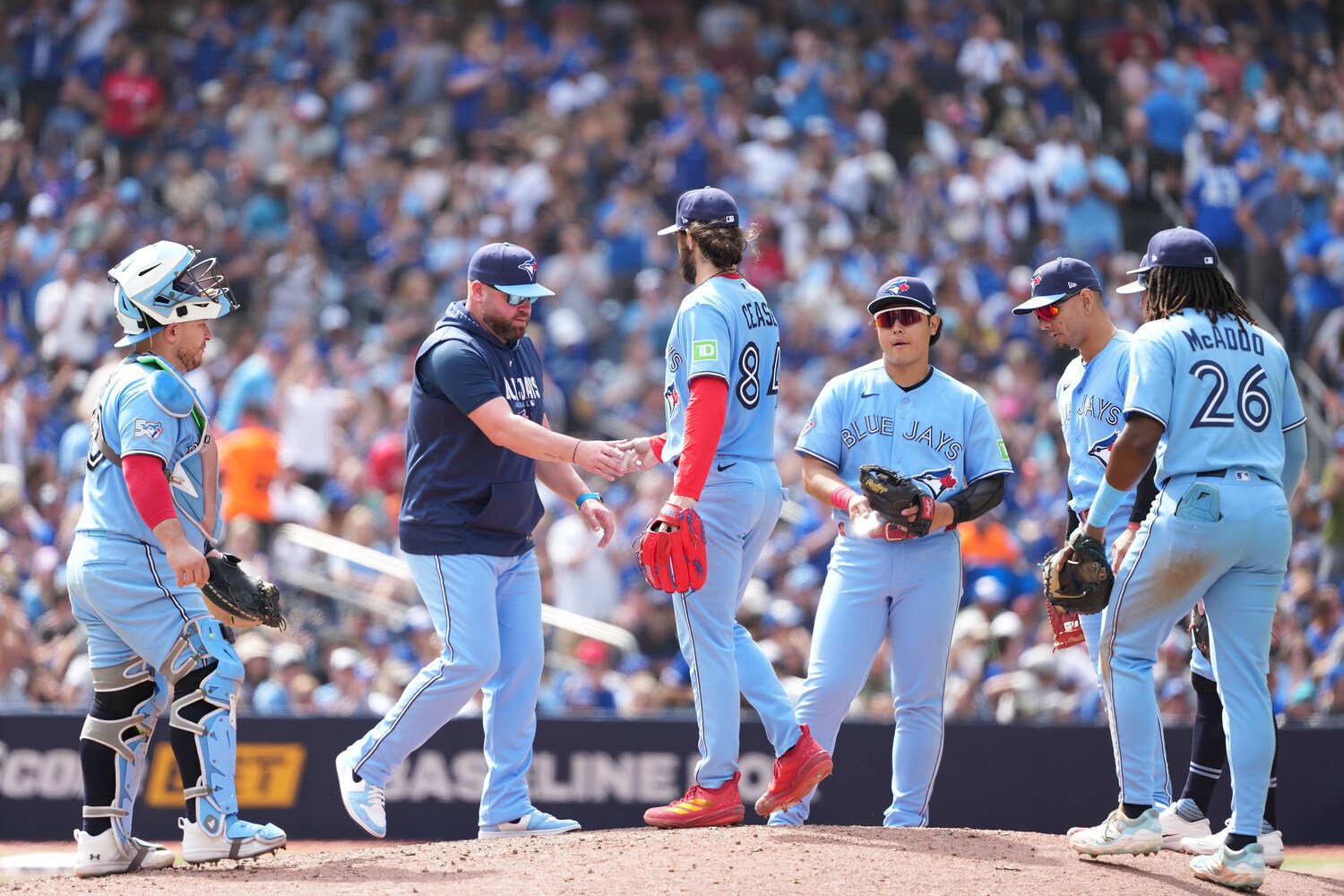 For what feels like the fifth or sixth time this season, the Toronto Blue Jays have arrived at another supposedly season-defining week. Every winning streak has been framed as a last stand. Each streak gains momentum then dissipates with a handful of losses. Yet here we are again. The Jays entered Tuesday with a 61-65 record, still four games below .500, but only a half-game back of the final American League Wild Card position. They are part of a peloton cluster of teams that appear unable to separate themselves from the pack. As of Tuesday, Toronto sits behind Baltimore, Texas, Detroit and Minnesota while battling with Cleveland and Seattle in one of the most congested playoff races in baseball. It isn't because each team is playing great baseball. It's because they are playing just well enough. Each team is showing signs of life but is being helped out in large part because the American League is not at its best. This week's games are important, but they are not the most important stretch of the season. The next seven days are less about determining whether Toronto is a contender and more about ensuring the club remains attached to the group of Wild Card hopefuls. A month ago, the Jays' season was on the brink. Their chances of making the playoffs were below 10%. Now, they have doubled. They appear to be back. They certainly aren’t frightening anyone, but they are keeping things close. Nearly every game in the past week or so has felt like a playoff game. From a team that looked to already be making off-season plans, the Jays might be relevant again. Winning six consecutive series and going 13-6 over a 19-game stretch justifies the big crowds at the Rogers Centre. A 7-3 record over their last 10 games has allowed them to leapfrog several teams. A 162-game season is long. Teams can have plenty of peaks and valleys. For the Jays, there have been far more valleys than peaks. Among the teams in the hunt, they are all flawed. The Rangers and Orioles remain inconsistent. Detroit has stumbled. Minnesota has struggled to gain traction. Cleveland and Seattle have spent much of the season hovering around the same level of mediocrity. As a result, the Jays have not imploded and are in the discussion. One of the defining characteristics of this year's Wild Card race is that nobody seems particularly eager to claim it. The Yankees and Red Sox have established themselves above the scramble. Behind them sits a remarkable collection of clubs with records clustered around the .500 mark. Ahead of games on Tuesday, Baltimore is 61-64, Texas is 61-64, Toronto is 61-65, Detroit is 61-64, Minnesota is 61-65, and Cleveland is 60-65. Seattle trails only slightly farther back at 59-66. In most years, a team sitting four games under .500 in mid-August would require a dramatic run to even be contemplating the playoffs. The Jays control much of their own fate because of where they currently sit. And let’s be honest, it is way too soon to be realistically talking about the playoffs. If the season ended next week, we’d already be calculating the possible do-or-die tie-breaker games to even grab the final Wild Card spot. There is no question the Blue Jays have been playing with greater confidence than they were earlier in the year. The pitching seems to be what is propping up this team. While the team’s fortunes have improved, one problem has remained stubbornly unchanged. The Blue Jays still aren't scoring many runs. The Jays have fought their way back into the race despite owning one of the largest offensive declines ever recorded by a defending division champion. They own a minus-57 run differential and have scored just 492 runs while allowing 549. Among division winners since 1961, very few defending champions have experienced a larger year-over-year collapse in runs scored per game than the current Blue Jays. According to historical data tracking division winners from 1961 to the present, the largest declines in runs scored per game after winning a division are: 2014 Boston Red Sox: -1.36 1972 Baltimore Orioles: -1.33 2024 Texas Rangers: -1.22 1981 Kansas City Royals: -1.14 2020 Houston Astros: -1.03 2026 Toronto Blue Jays: -1.01 As a result, the team’s margin for error remains extremely thin. Toronto's season is unlikely to be decided over the next seven days. Games on the road against the Rays and Yankees are never easy, and later in the season even tougher. If the Blue Jays go 4-3 or 3-4, they'll probably remain in the thick of the race. If they go 5-2, they could find themselves occupying a Wild Card position. A disappointing week may not completely eliminate them because every other team in the conversation is facing the same uphill climb. A 1-6 stretch would hurt because it might allow one or some of this group to break away. The Jays have a “softer” schedule after this week than most of the other teams in the hunt. They tend to play well against weaker opponents, but they have also played down to some opponents as well this season. The Jays will spend much of their final six weeks facing clubs with losing records. That does not guarantee anything, but it improves their chances. They still have more road games remaining than several of the teams they are chasing and will play a significant number of games against fellow Wild Card contenders. Which Blue Jays team will show up this week or, for that matter, the rest of the season remains in the air. They haven’t miraculously become a different team, although some weeks with the number of players coming and going from Buffalo it feels like it. They have been doing just enough to win series since the trade deadline, and that success means they are in this leading pack of teams. The regular season is scheduled to end on September 28. So, the Jays don’t need this to be their most important week. They are hoping that the last two or three weeks of September are even more important. This article was written prior to the Blue Jays' 10-5 victory over the Rays on Tuesday, August 18.
 -
What's Sparking the Blue Jays' Turnaround?
Sam Charles posted a topic in Jays Centre Front Page News
There must have been a spark after the trade deadline that has pushed the Jays to all of a sudden start playing like they did for large stretches last season. They are doing the little things that had been missing for much of the year. Some players left, and some new ones arrived, and somewhere in those transactions, the offense found its footing. The Jays have started to leapfrog teams. Winning does that. They are now half a game ahead of the Orioles in the East and 2.5 games ahead of the Mariners as they chase the Wild Card. The Jays have made the Red Sox look like the team they were prior to Boston’s crazy winning streak. Toronto has had multiple innings with runners on base. They are getting on, moving runners around and demonstrating some confidence at the plate. Sure, they have also squandered plenty of opportunities as well. Just to be clear, this team is not going to run the table and miraculously end up winning the division. They might very well make the playoffs, but it still isn’t going to be easy. The Jays still aren’t hitting home runs, so instead they need to cobble together runs. For a week and a bit, that is working, but can it be sustained? Through 122 games, the team owns a very modest .243 batting average, .304 on-base percentage, .377 slugging percentage and .681 OPS. There’s a reason they are where they are, but a week and a half of tightly-fought games might be moving the needle. What has been encouraging is that the recent run has not been driven by one statistical outlier or one player carrying the offense. The Jays have been winning with better at-bats, better situational hitting and a greater willingness to take what opposing pitchers are giving them. For much of the season, that has not been the case, and frustratingly so. The starting pitching, despite some hiccups with injuries, looks strong and resilient. That might help the bullpen catch its breath, but those bullpen arms have been overworked for much of the season. That reality cannot be ignored. Toronto's starting rotation has spent most of the season carrying a heavy workload while frequently receiving very little offensive support. There have been countless nights where three or four runs felt like an impossible mountain to climb. Even so, the rotation has continued to keep the club competitive and has prevented the season from completely slipping away. This next stretch of games with the Yankees and Rays will be the tipping point. Have they really turned the corner? Can the Jays' starters continue to work deep into games? Will the bats not drift back into hibernation? The season has been a constant give-and-take between other teams adjusting and the Jays not keeping pace. Every time the team appears poised to build momentum, another prolonged offensive drought follows. Series victories are slowly piling up now, and that is a change. This week, Joey Votto mentioned on social that he may have identified the issue that has plagued Vladimir Guerrero Jr. all season. According to Votto, Guerrero's movement pattern may be delaying his barrel and preventing him from consistently reaching pitches he recognizes as hittable. Vladdy seems to be a bit more relaxed since a handful of off days. He is still late on his swing more often than not, but his bat has some life. The Jays and every other MLB team are now in the period of the season where everyone is grinding. Plenty of players are playing through injuries. Some more so than others, but no team is completely healthy at this point. Toronto’s front office is working in the background to fill gaps. They have been more active than a lot of other clubs on waivers as they try to proactively address a depleted bullpen. Former Diamondbacks reliever Paul Sewald is the latest addition. He joins Matt Waldron, who has been picking up some innings lately in non-leverage situations. They don’t have the flexibility of Chase Lee, Lazaro Estrada, and Chad Dallas, who have options and can be shuffled between Buffalo and Toronto to replenish the bullpen. The Jays' recent ability to get length from their starters has quietly become one of the most important developments of the last couple of weeks. Yet, more important than the pitching is the hitting right now. The Jays' starting pitching has kept them in games all season. The bullpen has done the same. More extra base hits would certainly help the cause. Contributions from unexpected places like the bottom of the order (and new arrivals) have been the difference. That’s where success came from last season even when the big bats were firing. Now that they are still quiet-ish, those contributions are essential. There were six teams between Toronto and the final Wild Card (currently held by the Rangers) prior to the Jays going 7-3 in their last 10. Now, only four teams and 1.5 games stand in the way of realistically talking about the playoffs. The real question is what has been the spark that has made this team look so strong against the Phillies and the Red Sox. Is it the young energy from Brett Bateman or Andrés Giménez putting the ball in play? Or is it stronger at-bats and fielding from Myles Straw, Nathan Lukes and Jesús Sánchez? Even Josh Smith, despite a slow start, has contributed when called upon of late. The departure of Daulton Varsho has meant that Straw, Lukes and Sánchez have gotten more playing time. They have made the most of it. Maybe they are the spark. At the very least, they have brought energy. There has been a noticeable difference in how the lineup functions when players are consistently putting the ball in play and forcing defenses to make plays. Whatever it is, the Jays need to ride it to the finish line. They aren’t going to win them all, but they need to keep playing like they do. Every series matters now. Every game against a divisional opponent means more. Maybe Blue Jays baseball will start being as fun to watch as it was during the stretch run and into the playoffs last season. Or maybe it won’t. Here’s hoping we’re still talking about this season, instead of next year, in a couple of weeks. The next two weeks will tell us whether this is a genuine turnaround or just another brief surge in a season full of ups and downs. View full article -
.jpg.b88d4ca23dbc9d6c82e8c27682fd699a.jpg) There must have been a spark after the trade deadline that has pushed the Jays to all of a sudden start playing like they did for large stretches last season. They are doing the little things that had been missing for much of the year. Some players left, and some new ones arrived, and somewhere in those transactions, the offense found its footing. The Jays have started to leapfrog teams. Winning does that. They are now half a game ahead of the Orioles in the East and 2.5 games ahead of the Mariners as they chase the Wild Card. The Jays have made the Red Sox look like the team they were prior to Boston’s crazy winning streak. Toronto has had multiple innings with runners on base. They are getting on, moving runners around and demonstrating some confidence at the plate. Sure, they have also squandered plenty of opportunities as well. Just to be clear, this team is not going to run the table and miraculously end up winning the division. They might very well make the playoffs, but it still isn’t going to be easy. The Jays still aren’t hitting home runs, so instead they need to cobble together runs. For a week and a bit, that is working, but can it be sustained? Through 122 games, the team owns a very modest .243 batting average, .304 on-base percentage, .377 slugging percentage and .681 OPS. There’s a reason they are where they are, but a week and a half of tightly-fought games might be moving the needle. What has been encouraging is that the recent run has not been driven by one statistical outlier or one player carrying the offense. The Jays have been winning with better at-bats, better situational hitting and a greater willingness to take what opposing pitchers are giving them. For much of the season, that has not been the case, and frustratingly so. The starting pitching, despite some hiccups with injuries, looks strong and resilient. That might help the bullpen catch its breath, but those bullpen arms have been overworked for much of the season. That reality cannot be ignored. Toronto's starting rotation has spent most of the season carrying a heavy workload while frequently receiving very little offensive support. There have been countless nights where three or four runs felt like an impossible mountain to climb. Even so, the rotation has continued to keep the club competitive and has prevented the season from completely slipping away. This next stretch of games with the Yankees and Rays will be the tipping point. Have they really turned the corner? Can the Jays' starters continue to work deep into games? Will the bats not drift back into hibernation? The season has been a constant give-and-take between other teams adjusting and the Jays not keeping pace. Every time the team appears poised to build momentum, another prolonged offensive drought follows. Series victories are slowly piling up now, and that is a change. This week, Joey Votto mentioned on social that he may have identified the issue that has plagued Vladimir Guerrero Jr. all season. According to Votto, Guerrero's movement pattern may be delaying his barrel and preventing him from consistently reaching pitches he recognizes as hittable. Vladdy seems to be a bit more relaxed since a handful of off days. He is still late on his swing more often than not, but his bat has some life. The Jays and every other MLB team are now in the period of the season where everyone is grinding. Plenty of players are playing through injuries. Some more so than others, but no team is completely healthy at this point. Toronto’s front office is working in the background to fill gaps. They have been more active than a lot of other clubs on waivers as they try to proactively address a depleted bullpen. Former Diamondbacks reliever Paul Sewald is the latest addition. He joins Matt Waldron, who has been picking up some innings lately in non-leverage situations. They don’t have the flexibility of Chase Lee, Lazaro Estrada, and Chad Dallas, who have options and can be shuffled between Buffalo and Toronto to replenish the bullpen. The Jays' recent ability to get length from their starters has quietly become one of the most important developments of the last couple of weeks. Yet, more important than the pitching is the hitting right now. The Jays' starting pitching has kept them in games all season. The bullpen has done the same. More extra base hits would certainly help the cause. Contributions from unexpected places like the bottom of the order (and new arrivals) have been the difference. That’s where success came from last season even when the big bats were firing. Now that they are still quiet-ish, those contributions are essential. There were six teams between Toronto and the final Wild Card (currently held by the Rangers) prior to the Jays going 7-3 in their last 10. Now, only four teams and 1.5 games stand in the way of realistically talking about the playoffs. The real question is what has been the spark that has made this team look so strong against the Phillies and the Red Sox. Is it the young energy from Brett Bateman or Andrés Giménez putting the ball in play? Or is it stronger at-bats and fielding from Myles Straw, Nathan Lukes and Jesús Sánchez? Even Josh Smith, despite a slow start, has contributed when called upon of late. The departure of Daulton Varsho has meant that Straw, Lukes and Sánchez have gotten more playing time. They have made the most of it. Maybe they are the spark. At the very least, they have brought energy. There has been a noticeable difference in how the lineup functions when players are consistently putting the ball in play and forcing defenses to make plays. Whatever it is, the Jays need to ride it to the finish line. They aren’t going to win them all, but they need to keep playing like they do. Every series matters now. Every game against a divisional opponent means more. Maybe Blue Jays baseball will start being as fun to watch as it was during the stretch run and into the playoffs last season. Or maybe it won’t. Here’s hoping we’re still talking about this season, instead of next year, in a couple of weeks. The next two weeks will tell us whether this is a genuine turnaround or just another brief surge in a season full of ups and downs.
There must have been a spark after the trade deadline that has pushed the Jays to all of a sudden start playing like they did for large stretches last season. They are doing the little things that had been missing for much of the year. Some players left, and some new ones arrived, and somewhere in those transactions, the offense found its footing. The Jays have started to leapfrog teams. Winning does that. They are now half a game ahead of the Orioles in the East and 2.5 games ahead of the Mariners as they chase the Wild Card. The Jays have made the Red Sox look like the team they were prior to Boston’s crazy winning streak. Toronto has had multiple innings with runners on base. They are getting on, moving runners around and demonstrating some confidence at the plate. Sure, they have also squandered plenty of opportunities as well. Just to be clear, this team is not going to run the table and miraculously end up winning the division. They might very well make the playoffs, but it still isn’t going to be easy. The Jays still aren’t hitting home runs, so instead they need to cobble together runs. For a week and a bit, that is working, but can it be sustained? Through 122 games, the team owns a very modest .243 batting average, .304 on-base percentage, .377 slugging percentage and .681 OPS. There’s a reason they are where they are, but a week and a half of tightly-fought games might be moving the needle. What has been encouraging is that the recent run has not been driven by one statistical outlier or one player carrying the offense. The Jays have been winning with better at-bats, better situational hitting and a greater willingness to take what opposing pitchers are giving them. For much of the season, that has not been the case, and frustratingly so. The starting pitching, despite some hiccups with injuries, looks strong and resilient. That might help the bullpen catch its breath, but those bullpen arms have been overworked for much of the season. That reality cannot be ignored. Toronto's starting rotation has spent most of the season carrying a heavy workload while frequently receiving very little offensive support. There have been countless nights where three or four runs felt like an impossible mountain to climb. Even so, the rotation has continued to keep the club competitive and has prevented the season from completely slipping away. This next stretch of games with the Yankees and Rays will be the tipping point. Have they really turned the corner? Can the Jays' starters continue to work deep into games? Will the bats not drift back into hibernation? The season has been a constant give-and-take between other teams adjusting and the Jays not keeping pace. Every time the team appears poised to build momentum, another prolonged offensive drought follows. Series victories are slowly piling up now, and that is a change. This week, Joey Votto mentioned on social that he may have identified the issue that has plagued Vladimir Guerrero Jr. all season. According to Votto, Guerrero's movement pattern may be delaying his barrel and preventing him from consistently reaching pitches he recognizes as hittable. Vladdy seems to be a bit more relaxed since a handful of off days. He is still late on his swing more often than not, but his bat has some life. The Jays and every other MLB team are now in the period of the season where everyone is grinding. Plenty of players are playing through injuries. Some more so than others, but no team is completely healthy at this point. Toronto’s front office is working in the background to fill gaps. They have been more active than a lot of other clubs on waivers as they try to proactively address a depleted bullpen. Former Diamondbacks reliever Paul Sewald is the latest addition. He joins Matt Waldron, who has been picking up some innings lately in non-leverage situations. They don’t have the flexibility of Chase Lee, Lazaro Estrada, and Chad Dallas, who have options and can be shuffled between Buffalo and Toronto to replenish the bullpen. The Jays' recent ability to get length from their starters has quietly become one of the most important developments of the last couple of weeks. Yet, more important than the pitching is the hitting right now. The Jays' starting pitching has kept them in games all season. The bullpen has done the same. More extra base hits would certainly help the cause. Contributions from unexpected places like the bottom of the order (and new arrivals) have been the difference. That’s where success came from last season even when the big bats were firing. Now that they are still quiet-ish, those contributions are essential. There were six teams between Toronto and the final Wild Card (currently held by the Rangers) prior to the Jays going 7-3 in their last 10. Now, only four teams and 1.5 games stand in the way of realistically talking about the playoffs. The real question is what has been the spark that has made this team look so strong against the Phillies and the Red Sox. Is it the young energy from Brett Bateman or Andrés Giménez putting the ball in play? Or is it stronger at-bats and fielding from Myles Straw, Nathan Lukes and Jesús Sánchez? Even Josh Smith, despite a slow start, has contributed when called upon of late. The departure of Daulton Varsho has meant that Straw, Lukes and Sánchez have gotten more playing time. They have made the most of it. Maybe they are the spark. At the very least, they have brought energy. There has been a noticeable difference in how the lineup functions when players are consistently putting the ball in play and forcing defenses to make plays. Whatever it is, the Jays need to ride it to the finish line. They aren’t going to win them all, but they need to keep playing like they do. Every series matters now. Every game against a divisional opponent means more. Maybe Blue Jays baseball will start being as fun to watch as it was during the stretch run and into the playoffs last season. Or maybe it won’t. Here’s hoping we’re still talking about this season, instead of next year, in a couple of weeks. The next two weeks will tell us whether this is a genuine turnaround or just another brief surge in a season full of ups and downs. -
The Blue Jays were among the busier teams as the trade deadline came and went on Monday, but whether they are actually a better baseball team today remains an open question that will be answered over the coming weeks and months. On one hand, the Jays made several moves that will likely improve the organization's long-term outlook. General manager Ross Atkins acquired controllable starting pitching, added depth throughout the system, and avoided a complete roster teardown that often accompanies a disappointing season like this one. On the other hand, the front office never truly addressed the issue that has defined and undermined their season so far... This team simply does not score enough runs. Yet, the moves they made before the deadline suggest the front office does not view the offense as something requiring outside intervention. Rather than getting a middle-of-the-order bat, adding proven power, or making any significant offensive upgrade, Atkins and company invested in pitching, roster flexibility, and future value. It would appear they believe the players already in the clubhouse are capable of producing significantly more offense than they have shown in 2026. Vladimir Guerrero Jr. can’t go an entire season without hitting a home run at home, can he? The trades saw several familiar faces moved out of town, creating the potential for an emotional letdown. Instead, the team responded with one of its better performances in recent weeks. They ended Houston's six-game winning streak on Monday night and looked far more competitive doing so. Miles Straw turned in a highlight-reel defensive play in the outfield while also contributing offensively. The team was just a couple of Guerrero hits from blowing it open. Instead, as has often been the case this season, the pitching staff carried much of the load. The Jays silenced Houston's lineup and received just enough offense to secure the victory. Bet some GMs across the league are kicking themselves for not pulling the trigger on acquiring Shane Bieber. The Jays finished deadline day with a disappointing 53-60 record and one of the least productive offenses among teams still in the American League playoff conversation. The club has scored just 442 runs through 113 games (as of August 3) while allowing 498, resulting in a run differential of -56. The Blue Jays are hitting .243 with a .304 on-base percentage and a .378 slugging percentage while producing only 108 home runs. Guerrero is in the midst of the most disappointing season of his career. Through 107 games, he has managed only six home runs and owns a .690 OPS, numbers that are nearly impossible to reconcile with his talent level and track record. Andrés Giménez has posted a .622 OPS. George Springer sits at .622 OPS as well. Outside of Kazuma Okamoto, who has provided a much-needed source of power with 24 home runs, the lineup has struggled to produce consistent slugging. Too many everyday players are delivering below expectations. The result is a lineup that lacks a heartbeat and consistency. Despite months of evidence pointing toward offensive shortcomings, the Jays did not make a significant move to improve run production. If anything, the decision to hold on to Springer and Jesús Sánchez suggests either a continued belief in their ability to rebound or an inability to identify better alternatives on the market. The centerpiece of the team’s acquisitions was right-hander José Soriano from the Los Angeles Angels. The Blue Jays also acquired Spencer Arrighetti from Houston and infielder Josh Smith from Texas, while making several additional moves involving prospects and cash considerations. None of those players change Toronto's offensive outlook. Sure, Soriano possesses premium velocity and frontline stuff. His control remains a work in progress, but if the Blue Jays can help him improve his command, he has the potential to become a top-of-the-rotation arm. His arrival should help offset some of the loss of Kevin Gausman while strengthening a pitching staff that has frequently kept the team in games despite limited offensive support. Toronto did part with highly-touted prospect Arjun Nimmala in the Soriano deal. Yet with fellow prospect and recent first-round pick JoJo Parker continuing to impress, the front office evidently felt comfortable moving Nimmala as part of a larger plan. Arrighetti has shown flashes of potential and could eventually develop into a solid mid-rotation contributor. More realistically, he may settle into a back-end starting role or become a bullpen arm. Either way, he is another pitching investment. Not an offensive solution. Smith is the most immediate position player addition, but expecting him to turn into Ernie Clement is probably unrealistic. He is not the type of acquisition that changes a team's run-scoring profile. All these moves suggest the front office believes improvement will come from redistributing playing time rather than importing major offensive help from outside the organization. Adding pitching does not magically create home runs or runs, for that matter. As the Blue Jays have learned repeatedly throughout this season, even elite pitching performances often go unrewarded when the offense cannot provide consistent support. Time and again, Toronto's pitchers have held opponents to three runs or fewer but not earned a win. There is no trade out there capable of replacing the version of Guerrero that the team expected to have this season. The front office appears convinced that potential still exists within the current core. That is also the same belief that helped bring the organization to its current position in the standings. Jays fans continue glancing at the playoff odds and Wild Card race, repeating the familiar line from Dumb and Dumber: "So you're telling me there's a chance?" Technically, there is. The trades completed before the deadline show that the team is focused on remaining competitive while building a stronger foundation for future seasons. A team can never have enough pitching, and the Blue Jays have certainly learned that lesson over the past several years. Arguably, though, a team can never have enough offense either. Toronto has been learning that lesson all season. Maybe the offseason will spell a change in focus for the front office? Several intriguing offensive players could potentially become available through expiring contracts or option decisions, including Randy Arozarena, Brandon Lowe, Ian Happ, and Bo Bichette. Any and all of those players would require a significant financial commitment, but the Jays may eventually need to explore that route if their internal options continue to disappoint. A future rotation built around Dylan Cease, Trey Yesavage, and Soriano could give Toronto an impressive foundation. Strong pitching can make up for many weaknesses and reduce the pressure on the offense to score six or seven runs every night. But even the best rotations need support. The Blue Jays do not need to become the highest-scoring team in baseball. They simply need to be substantially better than the version that has taken the field so far this season. If these offensive struggles continue through the remainder of this season and carry into next year, fans will inevitably revisit this trade deadline and ask the question that already hangs over the organization: Isn’t there one bat out there that could have made a difference? For now, the Blue Jays are betting that the answer already exists inside their clubhouse. Whether that confidence is justified, we will wait and see. View full article
-
The Blue Jays Still Need To Solve Their Run Production Problem
Sam Charles posted an article in Blue Jays
.jpg.604aa04021eb980e99afbb968b12cf46.jpg) The Blue Jays were among the busier teams as the trade deadline came and went on Monday, but whether they are actually a better baseball team today remains an open question that will be answered over the coming weeks and months. On one hand, the Jays made several moves that will likely improve the organization's long-term outlook. General manager Ross Atkins acquired controllable starting pitching, added depth throughout the system, and avoided a complete roster teardown that often accompanies a disappointing season like this one. On the other hand, the front office never truly addressed the issue that has defined and undermined their season so far... This team simply does not score enough runs. Yet, the moves they made before the deadline suggest the front office does not view the offense as something requiring outside intervention. Rather than getting a middle-of-the-order bat, adding proven power, or making any significant offensive upgrade, Atkins and company invested in pitching, roster flexibility, and future value. It would appear they believe the players already in the clubhouse are capable of producing significantly more offense than they have shown in 2026. Vladimir Guerrero Jr. can’t go an entire season without hitting a home run at home, can he? The trades saw several familiar faces moved out of town, creating the potential for an emotional letdown. Instead, the team responded with one of its better performances in recent weeks. They ended Houston's six-game winning streak on Monday night and looked far more competitive doing so. Miles Straw turned in a highlight-reel defensive play in the outfield while also contributing offensively. The team was just a couple of Guerrero hits from blowing it open. Instead, as has often been the case this season, the pitching staff carried much of the load. The Jays silenced Houston's lineup and received just enough offense to secure the victory. Bet some GMs across the league are kicking themselves for not pulling the trigger on acquiring Shane Bieber. The Jays finished deadline day with a disappointing 53-60 record and one of the least productive offenses among teams still in the American League playoff conversation. The club has scored just 442 runs through 113 games (as of August 3) while allowing 498, resulting in a run differential of -56. The Blue Jays are hitting .243 with a .304 on-base percentage and a .378 slugging percentage while producing only 108 home runs. Guerrero is in the midst of the most disappointing season of his career. Through 107 games, he has managed only six home runs and owns a .690 OPS, numbers that are nearly impossible to reconcile with his talent level and track record. Andrés Giménez has posted a .622 OPS. George Springer sits at .622 OPS as well. Outside of Kazuma Okamoto, who has provided a much-needed source of power with 24 home runs, the lineup has struggled to produce consistent slugging. Too many everyday players are delivering below expectations. The result is a lineup that lacks a heartbeat and consistency. Despite months of evidence pointing toward offensive shortcomings, the Jays did not make a significant move to improve run production. If anything, the decision to hold on to Springer and Jesús Sánchez suggests either a continued belief in their ability to rebound or an inability to identify better alternatives on the market. The centerpiece of the team’s acquisitions was right-hander José Soriano from the Los Angeles Angels. The Blue Jays also acquired Spencer Arrighetti from Houston and infielder Josh Smith from Texas, while making several additional moves involving prospects and cash considerations. None of those players change Toronto's offensive outlook. Sure, Soriano possesses premium velocity and frontline stuff. His control remains a work in progress, but if the Blue Jays can help him improve his command, he has the potential to become a top-of-the-rotation arm. His arrival should help offset some of the loss of Kevin Gausman while strengthening a pitching staff that has frequently kept the team in games despite limited offensive support. Toronto did part with highly-touted prospect Arjun Nimmala in the Soriano deal. Yet with fellow prospect and recent first-round pick JoJo Parker continuing to impress, the front office evidently felt comfortable moving Nimmala as part of a larger plan. Arrighetti has shown flashes of potential and could eventually develop into a solid mid-rotation contributor. More realistically, he may settle into a back-end starting role or become a bullpen arm. Either way, he is another pitching investment. Not an offensive solution. Smith is the most immediate position player addition, but expecting him to turn into Ernie Clement is probably unrealistic. He is not the type of acquisition that changes a team's run-scoring profile. All these moves suggest the front office believes improvement will come from redistributing playing time rather than importing major offensive help from outside the organization. Adding pitching does not magically create home runs or runs, for that matter. As the Blue Jays have learned repeatedly throughout this season, even elite pitching performances often go unrewarded when the offense cannot provide consistent support. Time and again, Toronto's pitchers have held opponents to three runs or fewer but not earned a win. There is no trade out there capable of replacing the version of Guerrero that the team expected to have this season. The front office appears convinced that potential still exists within the current core. That is also the same belief that helped bring the organization to its current position in the standings. Jays fans continue glancing at the playoff odds and Wild Card race, repeating the familiar line from Dumb and Dumber: "So you're telling me there's a chance?" Technically, there is. The trades completed before the deadline show that the team is focused on remaining competitive while building a stronger foundation for future seasons. A team can never have enough pitching, and the Blue Jays have certainly learned that lesson over the past several years. Arguably, though, a team can never have enough offense either. Toronto has been learning that lesson all season. Maybe the offseason will spell a change in focus for the front office? Several intriguing offensive players could potentially become available through expiring contracts or option decisions, including Randy Arozarena, Brandon Lowe, Ian Happ, and Bo Bichette. Any and all of those players would require a significant financial commitment, but the Jays may eventually need to explore that route if their internal options continue to disappoint. A future rotation built around Dylan Cease, Trey Yesavage, and Soriano could give Toronto an impressive foundation. Strong pitching can make up for many weaknesses and reduce the pressure on the offense to score six or seven runs every night. But even the best rotations need support. The Blue Jays do not need to become the highest-scoring team in baseball. They simply need to be substantially better than the version that has taken the field so far this season. If these offensive struggles continue through the remainder of this season and carry into next year, fans will inevitably revisit this trade deadline and ask the question that already hangs over the organization: Isn’t there one bat out there that could have made a difference? For now, the Blue Jays are betting that the answer already exists inside their clubhouse. Whether that confidence is justified, we will wait and see.
The Blue Jays were among the busier teams as the trade deadline came and went on Monday, but whether they are actually a better baseball team today remains an open question that will be answered over the coming weeks and months. On one hand, the Jays made several moves that will likely improve the organization's long-term outlook. General manager Ross Atkins acquired controllable starting pitching, added depth throughout the system, and avoided a complete roster teardown that often accompanies a disappointing season like this one. On the other hand, the front office never truly addressed the issue that has defined and undermined their season so far... This team simply does not score enough runs. Yet, the moves they made before the deadline suggest the front office does not view the offense as something requiring outside intervention. Rather than getting a middle-of-the-order bat, adding proven power, or making any significant offensive upgrade, Atkins and company invested in pitching, roster flexibility, and future value. It would appear they believe the players already in the clubhouse are capable of producing significantly more offense than they have shown in 2026. Vladimir Guerrero Jr. can’t go an entire season without hitting a home run at home, can he? The trades saw several familiar faces moved out of town, creating the potential for an emotional letdown. Instead, the team responded with one of its better performances in recent weeks. They ended Houston's six-game winning streak on Monday night and looked far more competitive doing so. Miles Straw turned in a highlight-reel defensive play in the outfield while also contributing offensively. The team was just a couple of Guerrero hits from blowing it open. Instead, as has often been the case this season, the pitching staff carried much of the load. The Jays silenced Houston's lineup and received just enough offense to secure the victory. Bet some GMs across the league are kicking themselves for not pulling the trigger on acquiring Shane Bieber. The Jays finished deadline day with a disappointing 53-60 record and one of the least productive offenses among teams still in the American League playoff conversation. The club has scored just 442 runs through 113 games (as of August 3) while allowing 498, resulting in a run differential of -56. The Blue Jays are hitting .243 with a .304 on-base percentage and a .378 slugging percentage while producing only 108 home runs. Guerrero is in the midst of the most disappointing season of his career. Through 107 games, he has managed only six home runs and owns a .690 OPS, numbers that are nearly impossible to reconcile with his talent level and track record. Andrés Giménez has posted a .622 OPS. George Springer sits at .622 OPS as well. Outside of Kazuma Okamoto, who has provided a much-needed source of power with 24 home runs, the lineup has struggled to produce consistent slugging. Too many everyday players are delivering below expectations. The result is a lineup that lacks a heartbeat and consistency. Despite months of evidence pointing toward offensive shortcomings, the Jays did not make a significant move to improve run production. If anything, the decision to hold on to Springer and Jesús Sánchez suggests either a continued belief in their ability to rebound or an inability to identify better alternatives on the market. The centerpiece of the team’s acquisitions was right-hander José Soriano from the Los Angeles Angels. The Blue Jays also acquired Spencer Arrighetti from Houston and infielder Josh Smith from Texas, while making several additional moves involving prospects and cash considerations. None of those players change Toronto's offensive outlook. Sure, Soriano possesses premium velocity and frontline stuff. His control remains a work in progress, but if the Blue Jays can help him improve his command, he has the potential to become a top-of-the-rotation arm. His arrival should help offset some of the loss of Kevin Gausman while strengthening a pitching staff that has frequently kept the team in games despite limited offensive support. Toronto did part with highly-touted prospect Arjun Nimmala in the Soriano deal. Yet with fellow prospect and recent first-round pick JoJo Parker continuing to impress, the front office evidently felt comfortable moving Nimmala as part of a larger plan. Arrighetti has shown flashes of potential and could eventually develop into a solid mid-rotation contributor. More realistically, he may settle into a back-end starting role or become a bullpen arm. Either way, he is another pitching investment. Not an offensive solution. Smith is the most immediate position player addition, but expecting him to turn into Ernie Clement is probably unrealistic. He is not the type of acquisition that changes a team's run-scoring profile. All these moves suggest the front office believes improvement will come from redistributing playing time rather than importing major offensive help from outside the organization. Adding pitching does not magically create home runs or runs, for that matter. As the Blue Jays have learned repeatedly throughout this season, even elite pitching performances often go unrewarded when the offense cannot provide consistent support. Time and again, Toronto's pitchers have held opponents to three runs or fewer but not earned a win. There is no trade out there capable of replacing the version of Guerrero that the team expected to have this season. The front office appears convinced that potential still exists within the current core. That is also the same belief that helped bring the organization to its current position in the standings. Jays fans continue glancing at the playoff odds and Wild Card race, repeating the familiar line from Dumb and Dumber: "So you're telling me there's a chance?" Technically, there is. The trades completed before the deadline show that the team is focused on remaining competitive while building a stronger foundation for future seasons. A team can never have enough pitching, and the Blue Jays have certainly learned that lesson over the past several years. Arguably, though, a team can never have enough offense either. Toronto has been learning that lesson all season. Maybe the offseason will spell a change in focus for the front office? Several intriguing offensive players could potentially become available through expiring contracts or option decisions, including Randy Arozarena, Brandon Lowe, Ian Happ, and Bo Bichette. Any and all of those players would require a significant financial commitment, but the Jays may eventually need to explore that route if their internal options continue to disappoint. A future rotation built around Dylan Cease, Trey Yesavage, and Soriano could give Toronto an impressive foundation. Strong pitching can make up for many weaknesses and reduce the pressure on the offense to score six or seven runs every night. But even the best rotations need support. The Blue Jays do not need to become the highest-scoring team in baseball. They simply need to be substantially better than the version that has taken the field so far this season. If these offensive struggles continue through the remainder of this season and carry into next year, fans will inevitably revisit this trade deadline and ask the question that already hangs over the organization: Isn’t there one bat out there that could have made a difference? For now, the Blue Jays are betting that the answer already exists inside their clubhouse. Whether that confidence is justified, we will wait and see. -
The clock continues to tick towards the trade deadline, and the market seems to be anxiously waiting for the season’s first big trade to start a cascading response across the MLB. Perhaps either Tarik Skubal or Mason Miller will be that first big trade. The Jays would be wise to secure some depth and controllable pieces for expiring contracts as they explore their options. For Ross Atkins and the front office, there are definitely some untouchables, but for the most part every player on the roster can be had for the right price. Here's a look at where every notable Blue Jay stands before the deadline. Untouchable 1. Vladimir Guerrero Jr. A disappointing season thus far and a long-term, big contract mean Vladdy isn’t going anywhere. As the saying goes, “sell high, buy low.” Vladdy’s return these days, even if you could find a buyer, wouldn’t be worth it. Trade likelihood: 0% 2. Kazuma Okamoto Toronto signed Okamoto to be more than a short-term solution, and he has come as advertised. Some whiff, but big power. Decent defender as well. His contract and production profile make him far more valuable to the Jays than he would be as a trade chip. Trade likelihood: 0% 3. Dylan Cease He might have even exceeded expectations thus far. Front-line starting pitching is among the hardest assets in baseball to acquire, and Cease remains a bona fide No. 1 starter. He is locked in for the next six seasons. Unless the Jays receive a crazy offer, moving him would create a hole impossible to fill. Trade likelihood: 0% 4. Trey Yesavage The Blue Jays view him as a potential rotation anchor for years to come. Some inconsistency this season can be corrected. Trading a high-upside rookie pitcher while the big league club is in transition doesn’t make sense. Trade likelihood: 0% 5. Brandon Valenzuela Good young catchers are exceptionally difficult to find. Valenzuela offers a switch-hitting bat, offensive upside, defensive growth, and years of affordable control. Trade likelihood: Under 5% Unlikely To Be Traded These players aren't untouchable, but the Jays would need a compelling reason to move them. 6. Alejandro Kirk Even a disappointing season so far doesn't justify moving Kirk. Trade likelihood: 10% 7. Spencer Miles Young controllable bullpen arms are exactly the type of players rebuilding or retooling teams retain. Miles could become part of Toronto's next late-inning core alongside Fisher and Fluharty. Trade likelihood: 10% 8. Mason Fluharty Left-handed relievers with years of control are extremely valuable. He has been a workhorse this season. Trade likelihood: 10% 9. Braydon Fisher Like Fluharty, Fisher is one of John Schneider’s go-to options in the pen. Reliable and durable. Trade likelihood: 10% 10. Myles Straw Like Giménez, Straw's contract significantly limits trade possibilities. However, his improved contributions have made him more valuable to Toronto than to many potential buyers. Trade likelihood: 10% 11. Adam Macko Macko has been decent when given the chance. Trade likelihood: 10% 12. Andrés Giménez His contract makes a trade difficult, but the defense makes him valuable. Enough for someone to bite… probably not. Trade likelihood: 15% 13. Lenyn Sosa The Jays have invested time into the currently injured Sosa. His age and club control fit the next competitive timeline better than many veterans. Trade likelihood: 15% 14. Davis Schneider Schneider still retains intrigue because of his offensive upside and positional flexibility. His Buffalo numbers have been good, but he hasn’t done much at the major league level when given the chance this season. There is a market for right-handed bats, so we will see. Trade likelihood: 20% 15. Luis Urías Urías does all the little things contenders appreciate. The reason he remains unlikely to move is simple: He's useful and affordable. Trade likelihood: 20% 16. Louis Varland Contenders want durable pitchers like Varland. That’s why the Jays picked him up in the first place. It is highly unlikely the front office moves a cost-controlled bullpen weapon unless they are blown away by an offer. Trade likelihood: 20% 17. Ernie Clement His value has never been higher. He's versatile, inexpensive, productive, and beloved in the clubhouse. From a value perspective, it makes more sense to keep him, but if the price is right... Trade likelihood: 25% 18. Tyler Rogers Rogers might be one of the most valuable relievers available, but he is under contract for two more seasons, so the deal would need to be sweet. Trade likelihood: 30% Legitimate Trade Candidates These are players opposing teams are calling about. 19. George Springer Does his upside (leadership and offensive output) supersede the remaining value of his expiring contract? Trade likelihood: 40% 20. Max Scherzer His no-trade protection gives him enormous control over any discussions, but he is no doubt hungry for another playoff run. Trade likelihood: 50% 21. Daulton Varsho If a contender believes his bat can rebound, the market could be strong. Trade likelihood: 55% 22. Jesús Sánchez Jays have a surplus of outfielders. As a power-hitting corner outfielder, there is a market. Trade likelihood: 60% 23. Brendon Little A controllable reliever can often bring back more value than fans expect. Trade likelihood: 65% 24. Jeff Hoffman Jays fans fixate on his blown saves and control issues, but Hoffman could generate a good return on the roster because contenders usually overpay for late-inning relief help. Trade likelihood: 70% 25. Nathan Lukes Every year, playoff teams search for reliable outfield depth. His value probably exceeds his long-term importance to Toronto. Trade likelihood: 70% 26. Kevin Gausman Veteran starters with playoff experience always carry deadline value. An expiring contract means the Jays can always try to re-sign him after the season. Trade likelihood: 70% 27. Shane Bieber Not a great game yesterday, but he had some good starts before that. He's experienced, accomplished, and capable of helping a postseason rotation. Trade likelihood: 75% Who's Missing? Addison Barger If healthy, Barger would be in the “unlikely to be traded” category. His age, power potential, and years of control (along with being injured) take him off the table. José Berríos His injury status takes him off the table as well. Jonatan Clase A packed outfield might put him in the mix. His speed, athleticism, and years of control make him the type of player teams generally keep through a transition period. If the organization throws in the towel for this season, the most aggressive shopping list should include Bieber, Hoffman, Lukes, Little, Gausman, and Sánchez, with Scherzer, Varsho and Springer available depending on market conditions and player approval. Everyone else is available only if another club makes an offer too good to refuse. View full article
-
Ranking Every Blue Jays Trade Candidate From Untouchable to Out the Door
Sam Charles posted an article in Blue Jays
.jpg.50d7c534d194b1f21e29f4d6df3f7fa2.jpg) The clock continues to tick towards the trade deadline, and the market seems to be anxiously waiting for the season’s first big trade to start a cascading response across the MLB. Perhaps either Tarik Skubal or Mason Miller will be that first big trade. The Jays would be wise to secure some depth and controllable pieces for expiring contracts as they explore their options. For Ross Atkins and the front office, there are definitely some untouchables, but for the most part every player on the roster can be had for the right price. Here's a look at where every notable Blue Jay stands before the deadline. Untouchable 1. Vladimir Guerrero Jr. A disappointing season thus far and a long-term, big contract mean Vladdy isn’t going anywhere. As the saying goes, “sell high, buy low.” Vladdy’s return these days, even if you could find a buyer, wouldn’t be worth it. Trade likelihood: 0% 2. Kazuma Okamoto Toronto signed Okamoto to be more than a short-term solution, and he has come as advertised. Some whiff, but big power. Decent defender as well. His contract and production profile make him far more valuable to the Jays than he would be as a trade chip. Trade likelihood: 0% 3. Dylan Cease He might have even exceeded expectations thus far. Front-line starting pitching is among the hardest assets in baseball to acquire, and Cease remains a bona fide No. 1 starter. He is locked in for the next six seasons. Unless the Jays receive a crazy offer, moving him would create a hole impossible to fill. Trade likelihood: 0% 4. Trey Yesavage The Blue Jays view him as a potential rotation anchor for years to come. Some inconsistency this season can be corrected. Trading a high-upside rookie pitcher while the big league club is in transition doesn’t make sense. Trade likelihood: 0% 5. Brandon Valenzuela Good young catchers are exceptionally difficult to find. Valenzuela offers a switch-hitting bat, offensive upside, defensive growth, and years of affordable control. Trade likelihood: Under 5% Unlikely To Be Traded These players aren't untouchable, but the Jays would need a compelling reason to move them. 6. Alejandro Kirk Even a disappointing season so far doesn't justify moving Kirk. Trade likelihood: 10% 7. Spencer Miles Young controllable bullpen arms are exactly the type of players rebuilding or retooling teams retain. Miles could become part of Toronto's next late-inning core alongside Fisher and Fluharty. Trade likelihood: 10% 8. Mason Fluharty Left-handed relievers with years of control are extremely valuable. He has been a workhorse this season. Trade likelihood: 10% 9. Braydon Fisher Like Fluharty, Fisher is one of John Schneider’s go-to options in the pen. Reliable and durable. Trade likelihood: 10% 10. Myles Straw Like Giménez, Straw's contract significantly limits trade possibilities. However, his improved contributions have made him more valuable to Toronto than to many potential buyers. Trade likelihood: 10% 11. Adam Macko Macko has been decent when given the chance. Trade likelihood: 10% 12. Andrés Giménez His contract makes a trade difficult, but the defense makes him valuable. Enough for someone to bite… probably not. Trade likelihood: 15% 13. Lenyn Sosa The Jays have invested time into the currently injured Sosa. His age and club control fit the next competitive timeline better than many veterans. Trade likelihood: 15% 14. Davis Schneider Schneider still retains intrigue because of his offensive upside and positional flexibility. His Buffalo numbers have been good, but he hasn’t done much at the major league level when given the chance this season. There is a market for right-handed bats, so we will see. Trade likelihood: 20% 15. Luis Urías Urías does all the little things contenders appreciate. The reason he remains unlikely to move is simple: He's useful and affordable. Trade likelihood: 20% 16. Louis Varland Contenders want durable pitchers like Varland. That’s why the Jays picked him up in the first place. It is highly unlikely the front office moves a cost-controlled bullpen weapon unless they are blown away by an offer. Trade likelihood: 20% 17. Ernie Clement His value has never been higher. He's versatile, inexpensive, productive, and beloved in the clubhouse. From a value perspective, it makes more sense to keep him, but if the price is right... Trade likelihood: 25% 18. Tyler Rogers Rogers might be one of the most valuable relievers available, but he is under contract for two more seasons, so the deal would need to be sweet. Trade likelihood: 30% Legitimate Trade Candidates These are players opposing teams are calling about. 19. George Springer Does his upside (leadership and offensive output) supersede the remaining value of his expiring contract? Trade likelihood: 40% 20. Max Scherzer His no-trade protection gives him enormous control over any discussions, but he is no doubt hungry for another playoff run. Trade likelihood: 50% 21. Daulton Varsho If a contender believes his bat can rebound, the market could be strong. Trade likelihood: 55% 22. Jesús Sánchez Jays have a surplus of outfielders. As a power-hitting corner outfielder, there is a market. Trade likelihood: 60% 23. Brendon Little A controllable reliever can often bring back more value than fans expect. Trade likelihood: 65% 24. Jeff Hoffman Jays fans fixate on his blown saves and control issues, but Hoffman could generate a good return on the roster because contenders usually overpay for late-inning relief help. Trade likelihood: 70% 25. Nathan Lukes Every year, playoff teams search for reliable outfield depth. His value probably exceeds his long-term importance to Toronto. Trade likelihood: 70% 26. Kevin Gausman Veteran starters with playoff experience always carry deadline value. An expiring contract means the Jays can always try to re-sign him after the season. Trade likelihood: 70% 27. Shane Bieber Not a great game yesterday, but he had some good starts before that. He's experienced, accomplished, and capable of helping a postseason rotation. Trade likelihood: 75% Who's Missing? Addison Barger If healthy, Barger would be in the “unlikely to be traded” category. His age, power potential, and years of control (along with being injured) take him off the table. José Berríos His injury status takes him off the table as well. Jonatan Clase A packed outfield might put him in the mix. His speed, athleticism, and years of control make him the type of player teams generally keep through a transition period. If the organization throws in the towel for this season, the most aggressive shopping list should include Bieber, Hoffman, Lukes, Little, Gausman, and Sánchez, with Scherzer, Varsho and Springer available depending on market conditions and player approval. Everyone else is available only if another club makes an offer too good to refuse.
The clock continues to tick towards the trade deadline, and the market seems to be anxiously waiting for the season’s first big trade to start a cascading response across the MLB. Perhaps either Tarik Skubal or Mason Miller will be that first big trade. The Jays would be wise to secure some depth and controllable pieces for expiring contracts as they explore their options. For Ross Atkins and the front office, there are definitely some untouchables, but for the most part every player on the roster can be had for the right price. Here's a look at where every notable Blue Jay stands before the deadline. Untouchable 1. Vladimir Guerrero Jr. A disappointing season thus far and a long-term, big contract mean Vladdy isn’t going anywhere. As the saying goes, “sell high, buy low.” Vladdy’s return these days, even if you could find a buyer, wouldn’t be worth it. Trade likelihood: 0% 2. Kazuma Okamoto Toronto signed Okamoto to be more than a short-term solution, and he has come as advertised. Some whiff, but big power. Decent defender as well. His contract and production profile make him far more valuable to the Jays than he would be as a trade chip. Trade likelihood: 0% 3. Dylan Cease He might have even exceeded expectations thus far. Front-line starting pitching is among the hardest assets in baseball to acquire, and Cease remains a bona fide No. 1 starter. He is locked in for the next six seasons. Unless the Jays receive a crazy offer, moving him would create a hole impossible to fill. Trade likelihood: 0% 4. Trey Yesavage The Blue Jays view him as a potential rotation anchor for years to come. Some inconsistency this season can be corrected. Trading a high-upside rookie pitcher while the big league club is in transition doesn’t make sense. Trade likelihood: 0% 5. Brandon Valenzuela Good young catchers are exceptionally difficult to find. Valenzuela offers a switch-hitting bat, offensive upside, defensive growth, and years of affordable control. Trade likelihood: Under 5% Unlikely To Be Traded These players aren't untouchable, but the Jays would need a compelling reason to move them. 6. Alejandro Kirk Even a disappointing season so far doesn't justify moving Kirk. Trade likelihood: 10% 7. Spencer Miles Young controllable bullpen arms are exactly the type of players rebuilding or retooling teams retain. Miles could become part of Toronto's next late-inning core alongside Fisher and Fluharty. Trade likelihood: 10% 8. Mason Fluharty Left-handed relievers with years of control are extremely valuable. He has been a workhorse this season. Trade likelihood: 10% 9. Braydon Fisher Like Fluharty, Fisher is one of John Schneider’s go-to options in the pen. Reliable and durable. Trade likelihood: 10% 10. Myles Straw Like Giménez, Straw's contract significantly limits trade possibilities. However, his improved contributions have made him more valuable to Toronto than to many potential buyers. Trade likelihood: 10% 11. Adam Macko Macko has been decent when given the chance. Trade likelihood: 10% 12. Andrés Giménez His contract makes a trade difficult, but the defense makes him valuable. Enough for someone to bite… probably not. Trade likelihood: 15% 13. Lenyn Sosa The Jays have invested time into the currently injured Sosa. His age and club control fit the next competitive timeline better than many veterans. Trade likelihood: 15% 14. Davis Schneider Schneider still retains intrigue because of his offensive upside and positional flexibility. His Buffalo numbers have been good, but he hasn’t done much at the major league level when given the chance this season. There is a market for right-handed bats, so we will see. Trade likelihood: 20% 15. Luis Urías Urías does all the little things contenders appreciate. The reason he remains unlikely to move is simple: He's useful and affordable. Trade likelihood: 20% 16. Louis Varland Contenders want durable pitchers like Varland. That’s why the Jays picked him up in the first place. It is highly unlikely the front office moves a cost-controlled bullpen weapon unless they are blown away by an offer. Trade likelihood: 20% 17. Ernie Clement His value has never been higher. He's versatile, inexpensive, productive, and beloved in the clubhouse. From a value perspective, it makes more sense to keep him, but if the price is right... Trade likelihood: 25% 18. Tyler Rogers Rogers might be one of the most valuable relievers available, but he is under contract for two more seasons, so the deal would need to be sweet. Trade likelihood: 30% Legitimate Trade Candidates These are players opposing teams are calling about. 19. George Springer Does his upside (leadership and offensive output) supersede the remaining value of his expiring contract? Trade likelihood: 40% 20. Max Scherzer His no-trade protection gives him enormous control over any discussions, but he is no doubt hungry for another playoff run. Trade likelihood: 50% 21. Daulton Varsho If a contender believes his bat can rebound, the market could be strong. Trade likelihood: 55% 22. Jesús Sánchez Jays have a surplus of outfielders. As a power-hitting corner outfielder, there is a market. Trade likelihood: 60% 23. Brendon Little A controllable reliever can often bring back more value than fans expect. Trade likelihood: 65% 24. Jeff Hoffman Jays fans fixate on his blown saves and control issues, but Hoffman could generate a good return on the roster because contenders usually overpay for late-inning relief help. Trade likelihood: 70% 25. Nathan Lukes Every year, playoff teams search for reliable outfield depth. His value probably exceeds his long-term importance to Toronto. Trade likelihood: 70% 26. Kevin Gausman Veteran starters with playoff experience always carry deadline value. An expiring contract means the Jays can always try to re-sign him after the season. Trade likelihood: 70% 27. Shane Bieber Not a great game yesterday, but he had some good starts before that. He's experienced, accomplished, and capable of helping a postseason rotation. Trade likelihood: 75% Who's Missing? Addison Barger If healthy, Barger would be in the “unlikely to be traded” category. His age, power potential, and years of control (along with being injured) take him off the table. José Berríos His injury status takes him off the table as well. Jonatan Clase A packed outfield might put him in the mix. His speed, athleticism, and years of control make him the type of player teams generally keep through a transition period. If the organization throws in the towel for this season, the most aggressive shopping list should include Bieber, Hoffman, Lukes, Little, Gausman, and Sánchez, with Scherzer, Varsho and Springer available depending on market conditions and player approval. Everyone else is available only if another club makes an offer too good to refuse. -
When Duane Ward passed away last weekend, baseball lost one of the most dominant relievers of his generation and Canadian baseball lost one of its most dedicated ambassadors. Duane Ward was a good closer, but he was a phenomenal setup man. There aren’t many modern bullpen rosters that mirror the dominance or structure of the Jays in the late eighties and early nineties. The general manager of the Jays at the time, Pat Gillick, acquired Tom Henke from the Rangers as a free agent compensation pick in 1985, and the following year traded pitcher Doyle Alexander to the Braves to acquire Ward. Both pitchers had been starters who had toiled within their respective organizations, seeing some time with the major league squads, but never for a sustained period. Neither made the major league roster right away, but whatever adjustments the Jays had them work on in the minors resulted in both establishing themselves at the MLB level in short order. Ward was selected ninth overall in the 1982 MLB June Amateur Draft by the Braves. With the Jays, between 1988 and 1992, he was the only pitcher in MLB to pitch more than 100 innings in relief in each of those five seasons. When Ward first arrived in the organization, teammates had already heard about the arm talent that accompanied him from Atlanta. Former Blue Jays infielder Rance Mulliniks recalled that players were eager to see for themselves whether the reports of Ward's "magnificent arm" were true. They were. His first postseason win came in the epic, 11th-inning Game 4 victory over the Athletics in the 1992 ALCS. The highlights always focus on Roberto Alomar’s home run off A’s closer Dennis Eckersley, but it was Ward who allowed only one hit across the ninth and 10th innings to keep the game tied. In an interview that sportscaster Mark Hebscher shared on social media, he asked Ward whether, during his years as a setup man, he ever wished he could be the closer. In typical "Ward-o" style, he said, “Never.” He took pride in getting the ball to Henke and providing him with a clean slate to pick up a save. That might mean Ward would pitch one inning, but often more. That answer would not have surprised Mulliniks. He described Ward as a player who fully embraced whatever role helped the team most. Even after becoming one of baseball's elite relievers, Ward remained committed to learning every aspect of the game. Mulliniks recalled that Ward frequently sought out hitters to better understand how they thought at the plate, believing that knowledge would make him a better pitcher. He wasn't content to rely solely on his remarkable arm. He wanted to understand how to pitch. He went on to mention some of the setup men who took over for him when he became the closer upon Henke’s departure. Those setup men included Mike Timlin, Mark Eichhorn, Bob MacDonald, and John Cerutti. All of them were effective in the role, but none were as good as Ward. Ward had the temperament of a Dave Stieb. He was intense, and his “stuff” matched that intensity. If anything, he was the polar opposite of Henke, who was zen-like in his approach. That perfect complement created a one-two punch that was nearly unstoppable. Mulliniks saw that intensity up close from his position at third base. He remembered Ward as one of the fiercest competitors on the team, but also noted that his intensity was controlled and purposeful. Ward wasn't simply trying to throw every pitch as hard as possible. His competitiveness was channelled in the right direction, which helped transform extraordinary raw talent into sustained excellence. On the rare occasions Ward ran into trouble, Mulliniks was sometimes sent to the mound by managers Jimmy Williams or Cito Gaston to buy time while another reliever warmed up. It was a task he never particularly enjoyed. Mulliniks remembered slowly making his way to the mound and joking, “First of all, Ward-o, this isn’t my idea.” Ward usually responded by saying nothing at all. Instead, he would pace impatiently, eager to get back to work. There was one rule, however, that Mulliniks learned quickly: Never step on the dirt of the mound. “That was his mound,” Mulliniks recalled. If a teammate stepped onto it, Ward would let them know in no uncertain terms that they weren't welcome there. Beneath the humour was a revealing trait. Ward believed that if he had created a mess, he should be the one to get himself out of it. The confidence, pride and accountability that defined those moments were the same qualities that made him one of baseball's most trusted relievers. Henke shared his memories with reporters this past week, talking a lot about Ward’s pre-game superstitions. These included playing catch with Henke after batting practice, using the exact same urinal at the same time every game day, and always being the first to arrive in the bullpen. Mulliniks also remembered Ward making sure he was the first player off the field after batting practice, often positioning himself toward the dugout to gain an advantage. What teammates seemed to admire most, however, was Ward's dependability. Even when his arm could have used a day off after several consecutive appearances, Mulliniks said Ward would still take the ball if a manager needed an inning or a crucial out. It was a quality that helped make him one of the game's most durable relievers during his peak seasons. Everyone remembers Joe Carter’s “Touch ’em all, Joe!” home run to win the 1993 World Series, but it was Ward who was the winning pitcher of record in Game 6 after pitching a scoreless ninth inning. It might have been his most important outing as a Jay, and it best illustrated the type of player and contributor he was: He set up his teammates to succeed, and you can’t ask for more. When Henke departed following the 1992 season, there was little doubt inside the organization that Ward could take over the ninth inning. Mulliniks, who retired after that season, admitted he was shocked that Toronto allowed Henke to leave, but he was equally confident Ward could handle the pressure of closing games. The Blue Jays knew it too. Whenever Henke needed a day off, Ward had already shown he could thrive in the role. In 1993, he responded with 45 saves, still a franchise single-season record. Ward finished his career with 121 saves and 452 games pitched, both second in Blue Jays history. His impact on Canadian baseball extended well beyond his playing days. Mulliniks credited Ward as the driving force behind many of the Blue Jays alumni clinics that travel across Canada teaching young athletes. Ward approached former team president Paul Beeston with the idea and became one of its strongest advocates. He poured the same energy into developing youth baseball that he once devoted to mastering his craft on the mound. Helping grow the game in Canada became one of his greatest passions. He was inducted into the Canadian Baseball Hall of Fame in 2020. Ward passed away in Toronto on July 18, 2026, at the age of 62. View full article
-
.jpg.72c7ceff44a90c6649b1f9d1b1e9e3ac.jpg) When Duane Ward passed away last weekend, baseball lost one of the most dominant relievers of his generation and Canadian baseball lost one of its most dedicated ambassadors. Duane Ward was a good closer, but he was a phenomenal setup man. There aren’t many modern bullpen rosters that mirror the dominance or structure of the Jays in the late eighties and early nineties. The general manager of the Jays at the time, Pat Gillick, acquired Tom Henke from the Rangers as a free agent compensation pick in 1985, and the following year traded pitcher Doyle Alexander to the Braves to acquire Ward. Both pitchers had been starters who had toiled within their respective organizations, seeing some time with the major league squads, but never for a sustained period. Neither made the major league roster right away, but whatever adjustments the Jays had them work on in the minors resulted in both establishing themselves at the MLB level in short order. Ward was selected ninth overall in the 1982 MLB June Amateur Draft by the Braves. With the Jays, between 1988 and 1992, he was the only pitcher in MLB to pitch more than 100 innings in relief in each of those five seasons. When Ward first arrived in the organization, teammates had already heard about the arm talent that accompanied him from Atlanta. Former Blue Jays infielder Rance Mulliniks recalled that players were eager to see for themselves whether the reports of Ward's "magnificent arm" were true. They were. His first postseason win came in the epic, 11th-inning Game 4 victory over the Athletics in the 1992 ALCS. The highlights always focus on Roberto Alomar’s home run off A’s closer Dennis Eckersley, but it was Ward who allowed only one hit across the ninth and 10th innings to keep the game tied. In an interview that sportscaster Mark Hebscher shared on social media, he asked Ward whether, during his years as a setup man, he ever wished he could be the closer. In typical "Ward-o" style, he said, “Never.” He took pride in getting the ball to Henke and providing him with a clean slate to pick up a save. That might mean Ward would pitch one inning, but often more. That answer would not have surprised Mulliniks. He described Ward as a player who fully embraced whatever role helped the team most. Even after becoming one of baseball's elite relievers, Ward remained committed to learning every aspect of the game. Mulliniks recalled that Ward frequently sought out hitters to better understand how they thought at the plate, believing that knowledge would make him a better pitcher. He wasn't content to rely solely on his remarkable arm. He wanted to understand how to pitch. He went on to mention some of the setup men who took over for him when he became the closer upon Henke’s departure. Those setup men included Mike Timlin, Mark Eichhorn, Bob MacDonald, and John Cerutti. All of them were effective in the role, but none were as good as Ward. Ward had the temperament of a Dave Stieb. He was intense, and his “stuff” matched that intensity. If anything, he was the polar opposite of Henke, who was zen-like in his approach. That perfect complement created a one-two punch that was nearly unstoppable. Mulliniks saw that intensity up close from his position at third base. He remembered Ward as one of the fiercest competitors on the team, but also noted that his intensity was controlled and purposeful. Ward wasn't simply trying to throw every pitch as hard as possible. His competitiveness was channelled in the right direction, which helped transform extraordinary raw talent into sustained excellence. On the rare occasions Ward ran into trouble, Mulliniks was sometimes sent to the mound by managers Jimmy Williams or Cito Gaston to buy time while another reliever warmed up. It was a task he never particularly enjoyed. Mulliniks remembered slowly making his way to the mound and joking, “First of all, Ward-o, this isn’t my idea.” Ward usually responded by saying nothing at all. Instead, he would pace impatiently, eager to get back to work. There was one rule, however, that Mulliniks learned quickly: Never step on the dirt of the mound. “That was his mound,” Mulliniks recalled. If a teammate stepped onto it, Ward would let them know in no uncertain terms that they weren't welcome there. Beneath the humour was a revealing trait. Ward believed that if he had created a mess, he should be the one to get himself out of it. The confidence, pride and accountability that defined those moments were the same qualities that made him one of baseball's most trusted relievers. Henke shared his memories with reporters this past week, talking a lot about Ward’s pre-game superstitions. These included playing catch with Henke after batting practice, using the exact same urinal at the same time every game day, and always being the first to arrive in the bullpen. Mulliniks also remembered Ward making sure he was the first player off the field after batting practice, often positioning himself toward the dugout to gain an advantage. What teammates seemed to admire most, however, was Ward's dependability. Even when his arm could have used a day off after several consecutive appearances, Mulliniks said Ward would still take the ball if a manager needed an inning or a crucial out. It was a quality that helped make him one of the game's most durable relievers during his peak seasons. Everyone remembers Joe Carter’s “Touch ’em all, Joe!” home run to win the 1993 World Series, but it was Ward who was the winning pitcher of record in Game 6 after pitching a scoreless ninth inning. It might have been his most important outing as a Jay, and it best illustrated the type of player and contributor he was: He set up his teammates to succeed, and you can’t ask for more. When Henke departed following the 1992 season, there was little doubt inside the organization that Ward could take over the ninth inning. Mulliniks, who retired after that season, admitted he was shocked that Toronto allowed Henke to leave, but he was equally confident Ward could handle the pressure of closing games. The Blue Jays knew it too. Whenever Henke needed a day off, Ward had already shown he could thrive in the role. In 1993, he responded with 45 saves, still a franchise single-season record. Ward finished his career with 121 saves and 452 games pitched, both second in Blue Jays history. His impact on Canadian baseball extended well beyond his playing days. Mulliniks credited Ward as the driving force behind many of the Blue Jays alumni clinics that travel across Canada teaching young athletes. Ward approached former team president Paul Beeston with the idea and became one of its strongest advocates. He poured the same energy into developing youth baseball that he once devoted to mastering his craft on the mound. Helping grow the game in Canada became one of his greatest passions. He was inducted into the Canadian Baseball Hall of Fame in 2020. Ward passed away in Toronto on July 18, 2026, at the age of 62.
When Duane Ward passed away last weekend, baseball lost one of the most dominant relievers of his generation and Canadian baseball lost one of its most dedicated ambassadors. Duane Ward was a good closer, but he was a phenomenal setup man. There aren’t many modern bullpen rosters that mirror the dominance or structure of the Jays in the late eighties and early nineties. The general manager of the Jays at the time, Pat Gillick, acquired Tom Henke from the Rangers as a free agent compensation pick in 1985, and the following year traded pitcher Doyle Alexander to the Braves to acquire Ward. Both pitchers had been starters who had toiled within their respective organizations, seeing some time with the major league squads, but never for a sustained period. Neither made the major league roster right away, but whatever adjustments the Jays had them work on in the minors resulted in both establishing themselves at the MLB level in short order. Ward was selected ninth overall in the 1982 MLB June Amateur Draft by the Braves. With the Jays, between 1988 and 1992, he was the only pitcher in MLB to pitch more than 100 innings in relief in each of those five seasons. When Ward first arrived in the organization, teammates had already heard about the arm talent that accompanied him from Atlanta. Former Blue Jays infielder Rance Mulliniks recalled that players were eager to see for themselves whether the reports of Ward's "magnificent arm" were true. They were. His first postseason win came in the epic, 11th-inning Game 4 victory over the Athletics in the 1992 ALCS. The highlights always focus on Roberto Alomar’s home run off A’s closer Dennis Eckersley, but it was Ward who allowed only one hit across the ninth and 10th innings to keep the game tied. In an interview that sportscaster Mark Hebscher shared on social media, he asked Ward whether, during his years as a setup man, he ever wished he could be the closer. In typical "Ward-o" style, he said, “Never.” He took pride in getting the ball to Henke and providing him with a clean slate to pick up a save. That might mean Ward would pitch one inning, but often more. That answer would not have surprised Mulliniks. He described Ward as a player who fully embraced whatever role helped the team most. Even after becoming one of baseball's elite relievers, Ward remained committed to learning every aspect of the game. Mulliniks recalled that Ward frequently sought out hitters to better understand how they thought at the plate, believing that knowledge would make him a better pitcher. He wasn't content to rely solely on his remarkable arm. He wanted to understand how to pitch. He went on to mention some of the setup men who took over for him when he became the closer upon Henke’s departure. Those setup men included Mike Timlin, Mark Eichhorn, Bob MacDonald, and John Cerutti. All of them were effective in the role, but none were as good as Ward. Ward had the temperament of a Dave Stieb. He was intense, and his “stuff” matched that intensity. If anything, he was the polar opposite of Henke, who was zen-like in his approach. That perfect complement created a one-two punch that was nearly unstoppable. Mulliniks saw that intensity up close from his position at third base. He remembered Ward as one of the fiercest competitors on the team, but also noted that his intensity was controlled and purposeful. Ward wasn't simply trying to throw every pitch as hard as possible. His competitiveness was channelled in the right direction, which helped transform extraordinary raw talent into sustained excellence. On the rare occasions Ward ran into trouble, Mulliniks was sometimes sent to the mound by managers Jimmy Williams or Cito Gaston to buy time while another reliever warmed up. It was a task he never particularly enjoyed. Mulliniks remembered slowly making his way to the mound and joking, “First of all, Ward-o, this isn’t my idea.” Ward usually responded by saying nothing at all. Instead, he would pace impatiently, eager to get back to work. There was one rule, however, that Mulliniks learned quickly: Never step on the dirt of the mound. “That was his mound,” Mulliniks recalled. If a teammate stepped onto it, Ward would let them know in no uncertain terms that they weren't welcome there. Beneath the humour was a revealing trait. Ward believed that if he had created a mess, he should be the one to get himself out of it. The confidence, pride and accountability that defined those moments were the same qualities that made him one of baseball's most trusted relievers. Henke shared his memories with reporters this past week, talking a lot about Ward’s pre-game superstitions. These included playing catch with Henke after batting practice, using the exact same urinal at the same time every game day, and always being the first to arrive in the bullpen. Mulliniks also remembered Ward making sure he was the first player off the field after batting practice, often positioning himself toward the dugout to gain an advantage. What teammates seemed to admire most, however, was Ward's dependability. Even when his arm could have used a day off after several consecutive appearances, Mulliniks said Ward would still take the ball if a manager needed an inning or a crucial out. It was a quality that helped make him one of the game's most durable relievers during his peak seasons. Everyone remembers Joe Carter’s “Touch ’em all, Joe!” home run to win the 1993 World Series, but it was Ward who was the winning pitcher of record in Game 6 after pitching a scoreless ninth inning. It might have been his most important outing as a Jay, and it best illustrated the type of player and contributor he was: He set up his teammates to succeed, and you can’t ask for more. When Henke departed following the 1992 season, there was little doubt inside the organization that Ward could take over the ninth inning. Mulliniks, who retired after that season, admitted he was shocked that Toronto allowed Henke to leave, but he was equally confident Ward could handle the pressure of closing games. The Blue Jays knew it too. Whenever Henke needed a day off, Ward had already shown he could thrive in the role. In 1993, he responded with 45 saves, still a franchise single-season record. Ward finished his career with 121 saves and 452 games pitched, both second in Blue Jays history. His impact on Canadian baseball extended well beyond his playing days. Mulliniks credited Ward as the driving force behind many of the Blue Jays alumni clinics that travel across Canada teaching young athletes. Ward approached former team president Paul Beeston with the idea and became one of its strongest advocates. He poured the same energy into developing youth baseball that he once devoted to mastering his craft on the mound. Helping grow the game in Canada became one of his greatest passions. He was inducted into the Canadian Baseball Hall of Fame in 2020. Ward passed away in Toronto on July 18, 2026, at the age of 62. -
Back at the beginning of April, the Jays headed into Chicago to play against a team coming off a 101-loss season. The games were close, with plenty of opportunities for the Jays to win, but eventually they came out on the wrong end of a series sweep. What unfolded in early April was one of the first warning signs that the Blue Jays were not the team many expected them to be. Returning from the All-Star break, the Jays hosted the White Sox for a chance at redemption and maybe a shot at reestablishing themselves for a second-half run. Even if you remove the first game blow-out, winning one of three games and scoring one run in the last two would suggest the first half was not an anomaly but just who this team is. Outside of the first game, Jays pitching was strong. The White Sox, who are clearly better than they were last year, tended to get men on base and at least threaten here and there during games. In the few innings where the Jays did get men on base with fewer than two outs, particularly in the win on Saturday afternoon, they couldn’t pick up any insurance runs. It has only been one series, but it appears the magic of the dragon has disappeared, and it might be time for another stuffed animal on a stick. Manager John Schneider says the team has “to start winning.” That’s fair. He has tried just about everything this year. As the first game of this week's series against the Rays proved, it isn't getting any easier. Historically, the Jays tend to play a bit better against the Rays in Toronto (123-117), while Tampa Bay has the Jays' number in Florida, holding a 152-94 all-time record. Schneider has started again talking about urgency, but he’s used that word before this season with little sustained benefit. In the post-game press conference after Sunday’s game, he also talked about how the team needs to “come with the mentality that you expect to win every single day.” That’s tough when you aren’t and don’t win every game. Confidence and momentum, especially at the professional level, are hard to quantify. On paper, the Jays had one of the easier schedules to start the season, but in hindsight things just didn’t play out that way. Maybe it was a case of playing down to opponents. Coming out of the All-Star break, the Jays no longer have the luxury of pointing toward an easy schedule. If anything, the remaining slate presents a significantly tougher challenge. Many of the opponents are chasing playoff spots themselves or already occupy them. Win and the team climbs the standings, lose and they drop. If the Jays remain inconsistent, then they will hover in this “no man’s land” while staying in the hunt but not really progressing. The Orioles just won seven in a row with a run differential this season of -14. Meanwhile, the Red Sox are the hottest team in baseball (they just snapped Baltimore's win streak), winning 14 in a row with a run differential of +46. The Jays are 4-6 in their last 10 with a run differential of -51 for the season. They are now 5.5 games out of the Wild Card, with only three teams below them in the AL standings. The next closest team in the hunt, the Athletics, are 8.5 games out of the Wild Card. Their run differential is an abysmal -111. The Jays entered the season hoping to establish a clear version of themselves. Were they a power-hitting club? A run-prevention club? A balanced contender built around versatility? Four months later, the answer remains unclear. Baseball history contains countless examples of teams that came alive after the All-Star break. There remains enough time for the Jays to make a push, especially with direct games remaining against competitors ahead of them. While the Red Sox and Orioles weathered their own storms and figured out how to win ball games, the Jays have not. In a season that feels full of stops and starts, maybe the first series after the All-Star break was just that. The Jays can look like a team capable of beating anybody on any given night. The next night they can look completely overmatched. There have been stretches where the starting pitching carried the club. Then there have been stretches where the bullpen was the team's greatest strength. At times the defense has been excellent. At other times the offense has shown flashes of life. Unfortunately, this season, rarely have those elements materialized at the same time. In a season that already feels full of false starts, maybe this first series after the break was just another one. Maybe the team responds against stronger opponents and finally discovers some consistency. Or maybe those two White Sox series, one in April and one in July, will eventually be remembered as snapshots of exactly who this team was all along. That is the uncomfortable question facing the Blue Jays in this second half of the season. The answer will determine whether meaningful games are still being played in September or not. At this point, it is still tough to tell. View full article
-
Two White Sox Series Exposed the Blue Jays' Biggest Problem
Sam Charles posted an article in Blue Jays
.jpg.2d64404273139a409b58659f6ce877ad.jpg) Back at the beginning of April, the Jays headed into Chicago to play against a team coming off a 101-loss season. The games were close, with plenty of opportunities for the Jays to win, but eventually they came out on the wrong end of a series sweep. What unfolded in early April was one of the first warning signs that the Blue Jays were not the team many expected them to be. Returning from the All-Star break, the Jays hosted the White Sox for a chance at redemption and maybe a shot at reestablishing themselves for a second-half run. Even if you remove the first game blow-out, winning one of three games and scoring one run in the last two would suggest the first half was not an anomaly but just who this team is. Outside of the first game, Jays pitching was strong. The White Sox, who are clearly better than they were last year, tended to get men on base and at least threaten here and there during games. In the few innings where the Jays did get men on base with fewer than two outs, particularly in the win on Saturday afternoon, they couldn’t pick up any insurance runs. It has only been one series, but it appears the magic of the dragon has disappeared, and it might be time for another stuffed animal on a stick. Manager John Schneider says the team has “to start winning.” That’s fair. He has tried just about everything this year. As the first game of this week's series against the Rays proved, it isn't getting any easier. Historically, the Jays tend to play a bit better against the Rays in Toronto (123-117), while Tampa Bay has the Jays' number in Florida, holding a 152-94 all-time record. Schneider has started again talking about urgency, but he’s used that word before this season with little sustained benefit. In the post-game press conference after Sunday’s game, he also talked about how the team needs to “come with the mentality that you expect to win every single day.” That’s tough when you aren’t and don’t win every game. Confidence and momentum, especially at the professional level, are hard to quantify. On paper, the Jays had one of the easier schedules to start the season, but in hindsight things just didn’t play out that way. Maybe it was a case of playing down to opponents. Coming out of the All-Star break, the Jays no longer have the luxury of pointing toward an easy schedule. If anything, the remaining slate presents a significantly tougher challenge. Many of the opponents are chasing playoff spots themselves or already occupy them. Win and the team climbs the standings, lose and they drop. If the Jays remain inconsistent, then they will hover in this “no man’s land” while staying in the hunt but not really progressing. The Orioles just won seven in a row with a run differential this season of -14. Meanwhile, the Red Sox are the hottest team in baseball (they just snapped Baltimore's win streak), winning 14 in a row with a run differential of +46. The Jays are 4-6 in their last 10 with a run differential of -51 for the season. They are now 5.5 games out of the Wild Card, with only three teams below them in the AL standings. The next closest team in the hunt, the Athletics, are 8.5 games out of the Wild Card. Their run differential is an abysmal -111. The Jays entered the season hoping to establish a clear version of themselves. Were they a power-hitting club? A run-prevention club? A balanced contender built around versatility? Four months later, the answer remains unclear. Baseball history contains countless examples of teams that came alive after the All-Star break. There remains enough time for the Jays to make a push, especially with direct games remaining against competitors ahead of them. While the Red Sox and Orioles weathered their own storms and figured out how to win ball games, the Jays have not. In a season that feels full of stops and starts, maybe the first series after the All-Star break was just that. The Jays can look like a team capable of beating anybody on any given night. The next night they can look completely overmatched. There have been stretches where the starting pitching carried the club. Then there have been stretches where the bullpen was the team's greatest strength. At times the defense has been excellent. At other times the offense has shown flashes of life. Unfortunately, this season, rarely have those elements materialized at the same time. In a season that already feels full of false starts, maybe this first series after the break was just another one. Maybe the team responds against stronger opponents and finally discovers some consistency. Or maybe those two White Sox series, one in April and one in July, will eventually be remembered as snapshots of exactly who this team was all along. That is the uncomfortable question facing the Blue Jays in this second half of the season. The answer will determine whether meaningful games are still being played in September or not. At this point, it is still tough to tell.
Back at the beginning of April, the Jays headed into Chicago to play against a team coming off a 101-loss season. The games were close, with plenty of opportunities for the Jays to win, but eventually they came out on the wrong end of a series sweep. What unfolded in early April was one of the first warning signs that the Blue Jays were not the team many expected them to be. Returning from the All-Star break, the Jays hosted the White Sox for a chance at redemption and maybe a shot at reestablishing themselves for a second-half run. Even if you remove the first game blow-out, winning one of three games and scoring one run in the last two would suggest the first half was not an anomaly but just who this team is. Outside of the first game, Jays pitching was strong. The White Sox, who are clearly better than they were last year, tended to get men on base and at least threaten here and there during games. In the few innings where the Jays did get men on base with fewer than two outs, particularly in the win on Saturday afternoon, they couldn’t pick up any insurance runs. It has only been one series, but it appears the magic of the dragon has disappeared, and it might be time for another stuffed animal on a stick. Manager John Schneider says the team has “to start winning.” That’s fair. He has tried just about everything this year. As the first game of this week's series against the Rays proved, it isn't getting any easier. Historically, the Jays tend to play a bit better against the Rays in Toronto (123-117), while Tampa Bay has the Jays' number in Florida, holding a 152-94 all-time record. Schneider has started again talking about urgency, but he’s used that word before this season with little sustained benefit. In the post-game press conference after Sunday’s game, he also talked about how the team needs to “come with the mentality that you expect to win every single day.” That’s tough when you aren’t and don’t win every game. Confidence and momentum, especially at the professional level, are hard to quantify. On paper, the Jays had one of the easier schedules to start the season, but in hindsight things just didn’t play out that way. Maybe it was a case of playing down to opponents. Coming out of the All-Star break, the Jays no longer have the luxury of pointing toward an easy schedule. If anything, the remaining slate presents a significantly tougher challenge. Many of the opponents are chasing playoff spots themselves or already occupy them. Win and the team climbs the standings, lose and they drop. If the Jays remain inconsistent, then they will hover in this “no man’s land” while staying in the hunt but not really progressing. The Orioles just won seven in a row with a run differential this season of -14. Meanwhile, the Red Sox are the hottest team in baseball (they just snapped Baltimore's win streak), winning 14 in a row with a run differential of +46. The Jays are 4-6 in their last 10 with a run differential of -51 for the season. They are now 5.5 games out of the Wild Card, with only three teams below them in the AL standings. The next closest team in the hunt, the Athletics, are 8.5 games out of the Wild Card. Their run differential is an abysmal -111. The Jays entered the season hoping to establish a clear version of themselves. Were they a power-hitting club? A run-prevention club? A balanced contender built around versatility? Four months later, the answer remains unclear. Baseball history contains countless examples of teams that came alive after the All-Star break. There remains enough time for the Jays to make a push, especially with direct games remaining against competitors ahead of them. While the Red Sox and Orioles weathered their own storms and figured out how to win ball games, the Jays have not. In a season that feels full of stops and starts, maybe the first series after the All-Star break was just that. The Jays can look like a team capable of beating anybody on any given night. The next night they can look completely overmatched. There have been stretches where the starting pitching carried the club. Then there have been stretches where the bullpen was the team's greatest strength. At times the defense has been excellent. At other times the offense has shown flashes of life. Unfortunately, this season, rarely have those elements materialized at the same time. In a season that already feels full of false starts, maybe this first series after the break was just another one. Maybe the team responds against stronger opponents and finally discovers some consistency. Or maybe those two White Sox series, one in April and one in July, will eventually be remembered as snapshots of exactly who this team was all along. That is the uncomfortable question facing the Blue Jays in this second half of the season. The answer will determine whether meaningful games are still being played in September or not. At this point, it is still tough to tell. -
The Jays are committed to a high-priced core, with long-term deals for Vladimir Guerrero Jr., José Berríos, Andrés Giménez, Anthony Santander, and Alejandro Kirk. Most of these deals extend until at least 2029. Next year alone, this group will collectively earn approximately $114 million. Factor in about another $30 million for Dylan Cease, alongside the cost of filling out the rest of the roster, and the Jays will quickly find themselves closing in on the Competitive Balance Tax threshold, estimated to be around $250 million in 2027. Long-term deals are always risky (Vernon Wells, anyone?), but these ones still have merit. Even though he is in a down year relative to expectations, Guerrero’s massive extension was not solely about his year-to-year production. It solidified the franchise’s commitment to winning. It also served as a signal to the rest of Major League Baseball that ownership will spend and that Toronto is a destination. You can make an argument that subsequent major acquisitions, including trades and signings for Shane Bieber, Cease, and Kazuma Okamoto, were all a result of Guerrero's deal. With a new collective bargaining agreement coming somewhere down the road, time will tell if these deals are reasonable or restrictive. Collectively, they don’t completely handcuff the team from trades or signing big-name free agents over the next few seasons, but they will undoubtedly make the front office a little more hesitant to keep spending. Over his career, Guerrero has been an absolute gamer. Even before signing his mega-extension, he averaged 157 games per season over a three-year stretch, proving that his durability matches his star power. The same cannot be easily said for the rest of the core. Key elements of the roster have faced significant stints on the injured list over the past two seasons, testing the team’s depth. Significant injuries, like the ones to Berríos and Santander, are often covered under insurance that most teams carry, especially for large contracts. While it stinks for fans, it stings for insurance companies that are footing some or all of the base salary while the player is off. The contracts might be covered, but it doesn’t mean the team is free to spend that money somewhere else. Giménez was sidelined early last season and only appeared in 107 games. He has been looking a bit more mobile, especially on the bases leading up to the All-Star break, but beforehand had complained of hamstring and quad discomfort, and it showed in his hesitancy to advance on the basepaths. Big contracts are all about return. Guerrero has shown he can be an MVP-calibre player. When healthy, Berríos is a consistent starter who can rack up innings. Berríos produced a 3.65 ERA in 2023 across 189.2 innings and followed that with a 3.60 ERA in 2024 over 192.1 innings. Those back-to-back seasons reinforced his reputation as one of baseball's most durable starting pitchers. Even in 2025, when his ERA rose to 4.17, he still logged 166 innings in 31 appearances. However, that trademark durability took a major hit. After undergoing full Tommy John surgery in May, Berríos will miss the rest of this year and likely won't return to the Blue Jays' rotation until the second half of next season. Catchers seem to age faster than other players, but Kirk provides a lot of tools, and his average salary is commensurate with comparable catchers. The outliers on the list of bigger contracts are Giménez and Santander. Giménez earned his contract with the Guardians by hitting .297 with an OPS of .837 in 2022. He had a 7.4 Baseball Reference Win Above Replacement (bWAR) that season. His bWAR has dropped in each of the last three seasons. According to Baseball Reference, Giménez's WAR has been on a steady decline: 5.0 in 2023, 4.0 in 2024, and 1.1 in 2025. This season, it sits at 0.6. Baseball Savant still rates him highly with an 8 Fielding Run Value (96th percentile) and 10 Outs Above Average (99th percentile), but his offensive metrics remain among the weakest in the league, hence his precarious WAR. JoJo Parker and Arjun Nimmala are making waves at the top of the team’s prospect rankings, but they aren’t expected to make the bigs until 2028 at the earliest. Josh Kasevich is biding his time in Buffalo right now as a shortstop and third baseman. Based on estimations, he could make the jump at any point if there is an injury. Regardless, there isn’t really a market for a weak-hitting, exceptional-fielding middle infielder with a big contract. Most likely, the Jays ride Giménez for a few more seasons then don’t pick up his option in 2030. Santander is another matter. He has played a total of 54 regular season games and five in the postseason with the Jays since signing. Prior to becoming a Jay, he had averaged more than 153 games in the previous three seasons with the Orioles. With George Springer’s contract expiring after this season, and if he gets healthy, Santander is probably the team’s DH moving forward. His contract runs until 2029 with a player opt-out and a team option, but neither is expected to be exercised. That contract, five years at $92.5 million, is the one that isn’t looking so great these days. Every dollar committed to a single player impacts flexibility elsewhere on the roster. Every long-term deal carries the possibility of surplus value or dead money. Over the next three seasons, the success or failure of Toronto's payroll strategy will depend on whether these players produce at or near their peak levels. The broader challenge facing the Jays is not any individual contract. It is the cumulative effect of all of them. Guerrero, Berríos, Giménez, Santander, and Kirk represent a massive percentage of the club's financial obligations moving forward. With Daulton Varsho, Kevin Gausman, and Springer’s contracts expiring after this season, there is some financial relief on the horizon for the front office. Looking to the immediate future, the Jays will be looking for a couple of starters, a middle-order bat, and will possibly look to extend some younger players or someone like Ernie Clement, who will be eligible for arbitration for two more years. Having a core of high-paid players isn’t a big issue unless they don’t play to a baseline expectation. When they underperform, it means the organization needs to find value elsewhere in the system, and that carries its own risk. The parade of players that have been keeping the team afloat this season is an indication that the Jays are waiting for their core to return to form. A slew of moves before the trade deadline could indicate their patience is running thin. View full article

.jpg.35eaa545a99aad5c3876363f1d28cbc2.jpg)
.jpg.b88d4ca23dbc9d6c82e8c27682fd699a.jpg)
.jpg.604aa04021eb980e99afbb968b12cf46.jpg)
.jpg.50d7c534d194b1f21e29f4d6df3f7fa2.jpg)
.jpg.72c7ceff44a90c6649b1f9d1b1e9e3ac.jpg)

.jpg.2d64404273139a409b58659f6ce877ad.jpg)