Leo Morgenstern
-
Posts
628 -
Joined
-
Last visited
Content Type
Profiles
Toronto Blue Jays Videos
2026 Toronto Blue Jays Top Prospects Ranking
Toronto Blue Jays Free Agent & Trade Rumors, Notes, & Tidbits
Guides & Resources
2025 Toronto Blue Jays Draft Pick Tracker
News
2026 Toronto Blue Jays Draft Tracker: Picks & Bonuses
Forums
Blogs
Events
Store
Downloads
Gallery
Everything posted by Leo Morgenstern
-
In pleasantly surprising news, the New York Post's Jon Heyman reports that Shane Bieber has exercised his player option with the Blue Jays for the 2026 campaign. The right-hander will collect a $16 million salary instead of a $4 million buyout. Because of that buyout, Bieber would have only had to earn $12 million on the open market to match his guarantee from the Blue Jays. Thus, many thought it was a foregone conclusion that he would opt out and return to free agency. Instead, the 2020 AL Cy Young winner will return for at least one more year (and one more shot at a title) with Toronto. Featured image courtesy of Kiyoshi Mio, Imagn Images. View full rumor
-
.jpg.4cb7d1cb68b69356ae0c3bcf7cf63b31.jpg) In pleasantly surprising news, the New York Post's Jon Heyman reports that Shane Bieber has exercised his player option with the Blue Jays for the 2026 campaign. The right-hander will collect a $16 million salary instead of a $4 million buyout. Because of that buyout, Bieber would have only had to earn $12 million on the open market to match his guarantee from the Blue Jays. Thus, many thought it was a foregone conclusion that he would opt out and return to free agency. Instead, the 2020 AL Cy Young winner will return for at least one more year (and one more shot at a title) with Toronto. Featured image courtesy of Kiyoshi Mio, Imagn Images.
In pleasantly surprising news, the New York Post's Jon Heyman reports that Shane Bieber has exercised his player option with the Blue Jays for the 2026 campaign. The right-hander will collect a $16 million salary instead of a $4 million buyout. Because of that buyout, Bieber would have only had to earn $12 million on the open market to match his guarantee from the Blue Jays. Thus, many thought it was a foregone conclusion that he would opt out and return to free agency. Instead, the 2020 AL Cy Young winner will return for at least one more year (and one more shot at a title) with Toronto. Featured image courtesy of Kiyoshi Mio, Imagn Images. -
 The Baseball Writers Association of America announced the finalists for its big four end-of-season awards today: MVP, Cy Young, Rookie of the Year, and Manager of the Year. While no Blue Jays players will be taking home any of the BBWAA hardware, skipper John Schneider is in the running for the AL's highest managerial honour. His fellow finalists are Stephen Vogt of the Guardians and Dan Wilson of the Mariners. As a reminder, the finalists for the BBWAA awards are not nominees. The winners are decided upon immediately following the regular season, and the three finalists in each category are simply the three highest vote-getters. The 2025 Managers of the Year will be announced on November 11 on MLB Network. Featured image courtesy of John E. Sokolowski, Imagn Images. View full rumor
 -
.jpg.74bc84de23783d9bf7932f78aad76e27.jpg) The Baseball Writers Association of America announced the finalists for its big four end-of-season awards today: MVP, Cy Young, Rookie of the Year, and Manager of the Year. While no Blue Jays players will be taking home any of the BBWAA hardware, skipper John Schneider is in the running for the AL's highest managerial honour. His fellow finalists are Stephen Vogt of the Guardians and Dan Wilson of the Mariners. As a reminder, the finalists for the BBWAA awards are not nominees. The winners are decided upon immediately following the regular season, and the three finalists in each category are simply the three highest vote-getters. The 2025 Managers of the Year will be announced on November 11 on MLB Network. Featured image courtesy of John E. Sokolowski, Imagn Images.
The Baseball Writers Association of America announced the finalists for its big four end-of-season awards today: MVP, Cy Young, Rookie of the Year, and Manager of the Year. While no Blue Jays players will be taking home any of the BBWAA hardware, skipper John Schneider is in the running for the AL's highest managerial honour. His fellow finalists are Stephen Vogt of the Guardians and Dan Wilson of the Mariners. As a reminder, the finalists for the BBWAA awards are not nominees. The winners are decided upon immediately following the regular season, and the three finalists in each category are simply the three highest vote-getters. The 2025 Managers of the Year will be announced on November 11 on MLB Network. Featured image courtesy of John E. Sokolowski, Imagn Images. -
The primary incentive is extending them beyond their arbitration years. The Red Sox and O's now have three more years of club control over Anthony and Basallo than they otherwise would have. The Jays could do the same with Ernie, but he'll be entering his age-33 season by the time he reaches free agency, and as much as I love him, I'm doubtful they want to commit guaranteed money to a utility player in his mid-thirties so far in advance. The arbitration system also undervalues players who provide more of their value on defense. And raises are always based on a player's arb number from the previous season. So if a guy isn't a star in his first arb year (like Ernie), he's probably never going to make a ton in arbitration. Even if he doubles his arb salary in 2027, that's still only $9 million. Whereas someone like Roman Anthony could be earning upwards of $20 million by his third arb year.
- 8 replies
-
- 2
-

-
- daulton varsho
- ernie clement
- (and 6 more)
-
I just don't think the Jays have much incentive to do that. The arb system tends to undervalue players like Clement, so the Jays can just keep bringing him back on below-market-value contracts for the next three seasons without having to lock themselves into a longer commitment.
-
One (Magical) Run, and Done?
Leo Morgenstern replied to Sam Charles's topic in Jays Centre Front Page News
Agreed on Bichette. Keeping him and Vladdy together as the long-term faces of the franchise is worth a premium price. Putting the 2026 rotation together is a much harder question -
Last month, MLB Trade Rumors published their annual arbitration salary projections. These projections are highly accurate and, therefore, a fantastic tool for fans, media members, and even front office executives, as we all try to guess which arbitration-eligible players will be tendered contracts in the coming weeks and try to calculate how much payroll each team has to work with this winter. According to the estimates from RosterResource (which use MLBTR’s arbitration projections), the Blue Jays have about $48.4 million of luxury tax payroll and $39 million of actual payroll coming off the books at the end of the season. However, both of those numbers presume they will tender a contract to all of their eligible candidates. I know you probably want to keep wallowing in the World Series defeat, but the MLB offseason waits for no one. Free agents can start signing with new teams as of 5:00 pm on Thursday. That's also the deadline for teams and players to decide on contract options and for teams to extend qualifying offers. The non-tender deadline is a couple of weeks later, on November 21. So, with an exciting offseason about to begin, let’s take a closer look at Toronto’s seven arbitration-eligible players and try to guess how GM Ross Atkins will handle each case. Non-Tender Dillon Tate – Arb 2 Projected Salary: $1.7 million Dillon Tate signed a split contract with the Blue Jays last offseason, which meant the team had to pay him a prorated portion of his $1.4 million salary for the time he spent in the majors. Considering he only threw 6.1 innings for the big league club, collecting a fraction of that $1.4 million, there’s no chance the Jays are going to guarantee him seven figures for 2026. Tate pitched well at Triple-A Buffalo (2.06 ERA, 3.90 FIP in 39.1 IP), and the Blue Jays might be happy to have him back in the organization next year. Still, a non-tender is coming his way first. Ryan Burr – Arb 1 Projected Salary: $800,000 Ryan Burr missed the first three months of 2025 with a shoulder injury. He returned to throw just two innings before surgery ended his season. The right-hander was a solid pickup for the Jays in 2024, tossing 32.2 low-leverage innings with a 4.13 ERA and a 3.56 xERA. There’s definitely upside here. At the same time, we’re talking about a pitcher in his early thirties with a 4.02 ERA and 0.3 FanGraphs WAR in 102 career games. Burr might be hard-pressed to land a guaranteed contract for 2026 even if he weren’t coming off a season lost to shoulder surgery. Like Tate, I could see the Blue Jays bringing Burr back into the fold, but it won’t be through arbitration. On the Fence Nick Sandlin – Arb 3 Projected Salary: $2.0 million Andrés Giménez was the reason the Blue Jays sent Spencer Horwitz and Nick Mitchell to the Guardians last winter, but Nick Sandlin was more than a throw-in. Through four seasons with Cleveland, he pitched to a 3.27 ERA and 3.72 xERA in 209 appearances, striking 226 of the 806 batters he faced (27.7%). Sandlin has always led his slider (which turned into more of a sweeper this year), but he upped his splitter usage in 2024 to great success. Unfortunately, a lat strain and an elbow injury limited the righty to 16.1 innings this past year, so we didn’t get to see what the Jays could get out of his arm in a full season. It’s hard to predict whether or not they’ll tender him a contract this offseason because it depends on how healthy his elbow is. This is Sandlin’s third year of arb eligibility, but he’s a Super 2 player, so if the Jays tender him a contract for 2026, he will remain under team control through 2027. That could be what ultimately convinces the team to keep him around despite potential injury concerns. It also helps that he still has all his option years remaining; if he struggles next year, the Jays could send him down to Triple-A without taking him off the 40-man roster. Keep Eric Lauer – Arb 3 Projected Salary: $4.4 million The Blue Jays had a lot of heroes this season, but Eric Lauer might have been the very first. With Max Scherzer on the IL and Bowden Francis soon to join him, the back end of the rotation was a mess early in the year. Then came Lauer. While he wasn’t even on the roster until April 30, Lauer was one of Toronto’s most important pitchers from May onward. Whether he was starting, piggybacking, or pitching in relief, the lefty was up for the task, pitching to a 3.77 ERA in 15 starts and a 1.76 ERA in 13 bullpen appearances. Overall, his 3.18 ERA was the lowest of anyone who started a game for the Blue Jays in 2025 (excluding openers). The team went 12-3 in his starts and 22-6 in all his regular season appearances. For all that, the Blue Jays paid Lauer just under $1.8 million. While he’s sure to earn a raise in 2026, his projected $4.4 million salary is still a great deal for a lefty swingman who can toss 100-plus innings and keep his team in ballgames. Note: Some players who return to MLB from foreign leagues can negotiate clauses in their contracts that allow them to bypass the arbitration system and return to free agency when their guaranteed contract expires. Lauer doesn’t appear to be one of those players. That’s not entirely surprising. After all, it’s not like he had much bargaining power when he signed a minor league contract with Toronto last December. He hadn’t pitched in the majors since his ill-fated 2023, and he wasn’t especially successful in his short stint in the KBO either. So, the Jays will be rewarded for taking a chance on Lauer with an extra year of team control. Tyler Heineman – Arb 1 Projected Salary: $1 million Tyler Heineman is a little late to the arbitration party, finally reaching his first arb year after his age-34 campaign. His projected $1 million salary wouldn’t be a huge raise over the league minimum figure he took home in 2025. Still, earning his first seven-figure deal would be a major accomplishment for Heineman, who played in parts of 13 minor league seasons and six MLB seasons with 10 different organizations to reach this point. The Blue Jays have no reason to hesitate to tender Heineman a contract after the season he gave them in 2025. He might not (read: will not) reproduce his 120 wRC+, but he’ll give his pitchers Alejandro Kirk-level defense whenever Kirk himself needs a day off. Ernie Clement – Arb 2 Projected Salary: $4.3 million Ernie Clement was one of the game’s best utility players in 2025, hitting just well enough to let his glove do the talking wherever he played on the infield dirt. As I noted in my article about the Jays’ breakout players of the year, this may have felt like a breakout season for Clement, but in truth, he just expanded upon his 2024. In 185 games from 2024-25, he has compiled eye-popping defensive metrics at second base, third base, and shortstop with offensive numbers right around league average. Tendering him a contract is a no-brainer for Atkins and Co. I considered putting Clement in the “Extend” category of this piece after the season he just had. However, he’ll turn 30 in March, and as a Super 2 player, he’s under team control through the 2028 campaign. As much as the fan in me would love to see him rewarded with an extension (especially after his postseason performance), I don’t think it’s in the cards. Extend Daulton Varsho – Arb 3 Projected Salary: $9.7 million MLBTR’s model is only projecting a modest salary bump for Varsho, who earned $8.2 million in 2025. That is presumably because of all the time he missed with injuries; rehab from shoulder surgery kept him out for the first month of the season, and a hamstring strain cost him another two months mid-year. Yet, in the 71 games he was able to play, Varsho looked better than ever. Stat Career Average, 2020-24 Previous Career High 2025 wRC+ 96 106 (2022) 123 xwOBA .293 .323 (2021) .341 The center fielder combined his typically top-notch defense (9 OAA, 6 FRV, 10 DRS) with truly terrifying power. Only seven hitters who took as many as 50 plate appearances in 2025 had a higher isolated power than Varsho, and that list is a who’s who of the game’s best sluggers: Aaron Judge, .357 Cal Raleigh, .342 Shohei Ohtani, .340 Nick Kurtz, .329 Kyle Schwarber, .323 Giancarlo Stanton, .321 Daulton Varsho, .310 I don’t need to waste any words explaining why the Blue Jays should tender Varsho a contract. It’s obvious. So obvious, in fact, that Atkins needs to think beyond retaining Varsho for 2026. The Gold Glover is set to reach free agency after next season, and the Jays don’t have an obvious internal replacement. Extending Varsho won’t be at the top of the to-do list this winter. Re-signing Bo Bichette and adding some pitching should come first. But I’ll be surprised if Opening Day rolls around and Varsho is only under contract for one more year. View full article
- 8 replies
-
- 1
-
-
- daulton varsho
- ernie clement
- (and 6 more)
-
.jpg.c673ccd20ca11045d670070c9f99867b.jpg) Last month, MLB Trade Rumors published their annual arbitration salary projections. These projections are highly accurate and, therefore, a fantastic tool for fans, media members, and even front office executives, as we all try to guess which arbitration-eligible players will be tendered contracts in the coming weeks and try to calculate how much payroll each team has to work with this winter. According to the estimates from RosterResource (which use MLBTR’s arbitration projections), the Blue Jays have about $48.4 million of luxury tax payroll and $39 million of actual payroll coming off the books at the end of the season. However, both of those numbers presume they will tender a contract to all of their eligible candidates. I know you probably want to keep wallowing in the World Series defeat, but the MLB offseason waits for no one. Free agents can start signing with new teams as of 5:00 pm on Thursday. That's also the deadline for teams and players to decide on contract options and for teams to extend qualifying offers. The non-tender deadline is a couple of weeks later, on November 21. So, with an exciting offseason about to begin, let’s take a closer look at Toronto’s seven arbitration-eligible players and try to guess how GM Ross Atkins will handle each case. Non-Tender Dillon Tate – Arb 2 Projected Salary: $1.7 million Dillon Tate signed a split contract with the Blue Jays last offseason, which meant the team had to pay him a prorated portion of his $1.4 million salary for the time he spent in the majors. Considering he only threw 6.1 innings for the big league club, collecting a fraction of that $1.4 million, there’s no chance the Jays are going to guarantee him seven figures for 2026. Tate pitched well at Triple-A Buffalo (2.06 ERA, 3.90 FIP in 39.1 IP), and the Blue Jays might be happy to have him back in the organization next year. Still, a non-tender is coming his way first. Ryan Burr – Arb 1 Projected Salary: $800,000 Ryan Burr missed the first three months of 2025 with a shoulder injury. He returned to throw just two innings before surgery ended his season. The right-hander was a solid pickup for the Jays in 2024, tossing 32.2 low-leverage innings with a 4.13 ERA and a 3.56 xERA. There’s definitely upside here. At the same time, we’re talking about a pitcher in his early thirties with a 4.02 ERA and 0.3 FanGraphs WAR in 102 career games. Burr might be hard-pressed to land a guaranteed contract for 2026 even if he weren’t coming off a season lost to shoulder surgery. Like Tate, I could see the Blue Jays bringing Burr back into the fold, but it won’t be through arbitration. On the Fence Nick Sandlin – Arb 3 Projected Salary: $2.0 million Andrés Giménez was the reason the Blue Jays sent Spencer Horwitz and Nick Mitchell to the Guardians last winter, but Nick Sandlin was more than a throw-in. Through four seasons with Cleveland, he pitched to a 3.27 ERA and 3.72 xERA in 209 appearances, striking 226 of the 806 batters he faced (27.7%). Sandlin has always led his slider (which turned into more of a sweeper this year), but he upped his splitter usage in 2024 to great success. Unfortunately, a lat strain and an elbow injury limited the righty to 16.1 innings this past year, so we didn’t get to see what the Jays could get out of his arm in a full season. It’s hard to predict whether or not they’ll tender him a contract this offseason because it depends on how healthy his elbow is. This is Sandlin’s third year of arb eligibility, but he’s a Super 2 player, so if the Jays tender him a contract for 2026, he will remain under team control through 2027. That could be what ultimately convinces the team to keep him around despite potential injury concerns. It also helps that he still has all his option years remaining; if he struggles next year, the Jays could send him down to Triple-A without taking him off the 40-man roster. Keep Eric Lauer – Arb 3 Projected Salary: $4.4 million The Blue Jays had a lot of heroes this season, but Eric Lauer might have been the very first. With Max Scherzer on the IL and Bowden Francis soon to join him, the back end of the rotation was a mess early in the year. Then came Lauer. While he wasn’t even on the roster until April 30, Lauer was one of Toronto’s most important pitchers from May onward. Whether he was starting, piggybacking, or pitching in relief, the lefty was up for the task, pitching to a 3.77 ERA in 15 starts and a 1.76 ERA in 13 bullpen appearances. Overall, his 3.18 ERA was the lowest of anyone who started a game for the Blue Jays in 2025 (excluding openers). The team went 12-3 in his starts and 22-6 in all his regular season appearances. For all that, the Blue Jays paid Lauer just under $1.8 million. While he’s sure to earn a raise in 2026, his projected $4.4 million salary is still a great deal for a lefty swingman who can toss 100-plus innings and keep his team in ballgames. Note: Some players who return to MLB from foreign leagues can negotiate clauses in their contracts that allow them to bypass the arbitration system and return to free agency when their guaranteed contract expires. Lauer doesn’t appear to be one of those players. That’s not entirely surprising. After all, it’s not like he had much bargaining power when he signed a minor league contract with Toronto last December. He hadn’t pitched in the majors since his ill-fated 2023, and he wasn’t especially successful in his short stint in the KBO either. So, the Jays will be rewarded for taking a chance on Lauer with an extra year of team control. Tyler Heineman – Arb 1 Projected Salary: $1 million Tyler Heineman is a little late to the arbitration party, finally reaching his first arb year after his age-34 campaign. His projected $1 million salary wouldn’t be a huge raise over the league minimum figure he took home in 2025. Still, earning his first seven-figure deal would be a major accomplishment for Heineman, who played in parts of 13 minor league seasons and six MLB seasons with 10 different organizations to reach this point. The Blue Jays have no reason to hesitate to tender Heineman a contract after the season he gave them in 2025. He might not (read: will not) reproduce his 120 wRC+, but he’ll give his pitchers Alejandro Kirk-level defense whenever Kirk himself needs a day off. Ernie Clement – Arb 2 Projected Salary: $4.3 million Ernie Clement was one of the game’s best utility players in 2025, hitting just well enough to let his glove do the talking wherever he played on the infield dirt. As I noted in my article about the Jays’ breakout players of the year, this may have felt like a breakout season for Clement, but in truth, he just expanded upon his 2024. In 185 games from 2024-25, he has compiled eye-popping defensive metrics at second base, third base, and shortstop with offensive numbers right around league average. Tendering him a contract is a no-brainer for Atkins and Co. I considered putting Clement in the “Extend” category of this piece after the season he just had. However, he’ll turn 30 in March, and as a Super 2 player, he’s under team control through the 2028 campaign. As much as the fan in me would love to see him rewarded with an extension (especially after his postseason performance), I don’t think it’s in the cards. Extend Daulton Varsho – Arb 3 Projected Salary: $9.7 million MLBTR’s model is only projecting a modest salary bump for Varsho, who earned $8.2 million in 2025. That is presumably because of all the time he missed with injuries; rehab from shoulder surgery kept him out for the first month of the season, and a hamstring strain cost him another two months mid-year. Yet, in the 71 games he was able to play, Varsho looked better than ever. Stat Career Average, 2020-24 Previous Career High 2025 wRC+ 96 106 (2022) 123 xwOBA .293 .323 (2021) .341 The center fielder combined his typically top-notch defense (9 OAA, 6 FRV, 10 DRS) with truly terrifying power. Only seven hitters who took as many as 50 plate appearances in 2025 had a higher isolated power than Varsho, and that list is a who’s who of the game’s best sluggers: Aaron Judge, .357 Cal Raleigh, .342 Shohei Ohtani, .340 Nick Kurtz, .329 Kyle Schwarber, .323 Giancarlo Stanton, .321 Daulton Varsho, .310 I don’t need to waste any words explaining why the Blue Jays should tender Varsho a contract. It’s obvious. So obvious, in fact, that Atkins needs to think beyond retaining Varsho for 2026. The Gold Glover is set to reach free agency after next season, and the Jays don’t have an obvious internal replacement. Extending Varsho won’t be at the top of the to-do list this winter. Re-signing Bo Bichette and adding some pitching should come first. But I’ll be surprised if Opening Day rolls around and Varsho is only under contract for one more year.
Last month, MLB Trade Rumors published their annual arbitration salary projections. These projections are highly accurate and, therefore, a fantastic tool for fans, media members, and even front office executives, as we all try to guess which arbitration-eligible players will be tendered contracts in the coming weeks and try to calculate how much payroll each team has to work with this winter. According to the estimates from RosterResource (which use MLBTR’s arbitration projections), the Blue Jays have about $48.4 million of luxury tax payroll and $39 million of actual payroll coming off the books at the end of the season. However, both of those numbers presume they will tender a contract to all of their eligible candidates. I know you probably want to keep wallowing in the World Series defeat, but the MLB offseason waits for no one. Free agents can start signing with new teams as of 5:00 pm on Thursday. That's also the deadline for teams and players to decide on contract options and for teams to extend qualifying offers. The non-tender deadline is a couple of weeks later, on November 21. So, with an exciting offseason about to begin, let’s take a closer look at Toronto’s seven arbitration-eligible players and try to guess how GM Ross Atkins will handle each case. Non-Tender Dillon Tate – Arb 2 Projected Salary: $1.7 million Dillon Tate signed a split contract with the Blue Jays last offseason, which meant the team had to pay him a prorated portion of his $1.4 million salary for the time he spent in the majors. Considering he only threw 6.1 innings for the big league club, collecting a fraction of that $1.4 million, there’s no chance the Jays are going to guarantee him seven figures for 2026. Tate pitched well at Triple-A Buffalo (2.06 ERA, 3.90 FIP in 39.1 IP), and the Blue Jays might be happy to have him back in the organization next year. Still, a non-tender is coming his way first. Ryan Burr – Arb 1 Projected Salary: $800,000 Ryan Burr missed the first three months of 2025 with a shoulder injury. He returned to throw just two innings before surgery ended his season. The right-hander was a solid pickup for the Jays in 2024, tossing 32.2 low-leverage innings with a 4.13 ERA and a 3.56 xERA. There’s definitely upside here. At the same time, we’re talking about a pitcher in his early thirties with a 4.02 ERA and 0.3 FanGraphs WAR in 102 career games. Burr might be hard-pressed to land a guaranteed contract for 2026 even if he weren’t coming off a season lost to shoulder surgery. Like Tate, I could see the Blue Jays bringing Burr back into the fold, but it won’t be through arbitration. On the Fence Nick Sandlin – Arb 3 Projected Salary: $2.0 million Andrés Giménez was the reason the Blue Jays sent Spencer Horwitz and Nick Mitchell to the Guardians last winter, but Nick Sandlin was more than a throw-in. Through four seasons with Cleveland, he pitched to a 3.27 ERA and 3.72 xERA in 209 appearances, striking 226 of the 806 batters he faced (27.7%). Sandlin has always led his slider (which turned into more of a sweeper this year), but he upped his splitter usage in 2024 to great success. Unfortunately, a lat strain and an elbow injury limited the righty to 16.1 innings this past year, so we didn’t get to see what the Jays could get out of his arm in a full season. It’s hard to predict whether or not they’ll tender him a contract this offseason because it depends on how healthy his elbow is. This is Sandlin’s third year of arb eligibility, but he’s a Super 2 player, so if the Jays tender him a contract for 2026, he will remain under team control through 2027. That could be what ultimately convinces the team to keep him around despite potential injury concerns. It also helps that he still has all his option years remaining; if he struggles next year, the Jays could send him down to Triple-A without taking him off the 40-man roster. Keep Eric Lauer – Arb 3 Projected Salary: $4.4 million The Blue Jays had a lot of heroes this season, but Eric Lauer might have been the very first. With Max Scherzer on the IL and Bowden Francis soon to join him, the back end of the rotation was a mess early in the year. Then came Lauer. While he wasn’t even on the roster until April 30, Lauer was one of Toronto’s most important pitchers from May onward. Whether he was starting, piggybacking, or pitching in relief, the lefty was up for the task, pitching to a 3.77 ERA in 15 starts and a 1.76 ERA in 13 bullpen appearances. Overall, his 3.18 ERA was the lowest of anyone who started a game for the Blue Jays in 2025 (excluding openers). The team went 12-3 in his starts and 22-6 in all his regular season appearances. For all that, the Blue Jays paid Lauer just under $1.8 million. While he’s sure to earn a raise in 2026, his projected $4.4 million salary is still a great deal for a lefty swingman who can toss 100-plus innings and keep his team in ballgames. Note: Some players who return to MLB from foreign leagues can negotiate clauses in their contracts that allow them to bypass the arbitration system and return to free agency when their guaranteed contract expires. Lauer doesn’t appear to be one of those players. That’s not entirely surprising. After all, it’s not like he had much bargaining power when he signed a minor league contract with Toronto last December. He hadn’t pitched in the majors since his ill-fated 2023, and he wasn’t especially successful in his short stint in the KBO either. So, the Jays will be rewarded for taking a chance on Lauer with an extra year of team control. Tyler Heineman – Arb 1 Projected Salary: $1 million Tyler Heineman is a little late to the arbitration party, finally reaching his first arb year after his age-34 campaign. His projected $1 million salary wouldn’t be a huge raise over the league minimum figure he took home in 2025. Still, earning his first seven-figure deal would be a major accomplishment for Heineman, who played in parts of 13 minor league seasons and six MLB seasons with 10 different organizations to reach this point. The Blue Jays have no reason to hesitate to tender Heineman a contract after the season he gave them in 2025. He might not (read: will not) reproduce his 120 wRC+, but he’ll give his pitchers Alejandro Kirk-level defense whenever Kirk himself needs a day off. Ernie Clement – Arb 2 Projected Salary: $4.3 million Ernie Clement was one of the game’s best utility players in 2025, hitting just well enough to let his glove do the talking wherever he played on the infield dirt. As I noted in my article about the Jays’ breakout players of the year, this may have felt like a breakout season for Clement, but in truth, he just expanded upon his 2024. In 185 games from 2024-25, he has compiled eye-popping defensive metrics at second base, third base, and shortstop with offensive numbers right around league average. Tendering him a contract is a no-brainer for Atkins and Co. I considered putting Clement in the “Extend” category of this piece after the season he just had. However, he’ll turn 30 in March, and as a Super 2 player, he’s under team control through the 2028 campaign. As much as the fan in me would love to see him rewarded with an extension (especially after his postseason performance), I don’t think it’s in the cards. Extend Daulton Varsho – Arb 3 Projected Salary: $9.7 million MLBTR’s model is only projecting a modest salary bump for Varsho, who earned $8.2 million in 2025. That is presumably because of all the time he missed with injuries; rehab from shoulder surgery kept him out for the first month of the season, and a hamstring strain cost him another two months mid-year. Yet, in the 71 games he was able to play, Varsho looked better than ever. Stat Career Average, 2020-24 Previous Career High 2025 wRC+ 96 106 (2022) 123 xwOBA .293 .323 (2021) .341 The center fielder combined his typically top-notch defense (9 OAA, 6 FRV, 10 DRS) with truly terrifying power. Only seven hitters who took as many as 50 plate appearances in 2025 had a higher isolated power than Varsho, and that list is a who’s who of the game’s best sluggers: Aaron Judge, .357 Cal Raleigh, .342 Shohei Ohtani, .340 Nick Kurtz, .329 Kyle Schwarber, .323 Giancarlo Stanton, .321 Daulton Varsho, .310 I don’t need to waste any words explaining why the Blue Jays should tender Varsho a contract. It’s obvious. So obvious, in fact, that Atkins needs to think beyond retaining Varsho for 2026. The Gold Glover is set to reach free agency after next season, and the Jays don’t have an obvious internal replacement. Extending Varsho won’t be at the top of the to-do list this winter. Re-signing Bo Bichette and adding some pitching should come first. But I’ll be surprised if Opening Day rolls around and Varsho is only under contract for one more year.- 8 comments
-
- 1
-
-
- daulton varsho
- ernie clement
- (and 6 more)
-
The Blue Jays put up one heck of a fight, but in the end, it wasn't enough. With Toronto up 4-3 in the top of the ninth, Jeff Hoffman allowed a game-tying home run to Dodgers nine-hole hitter Miguel Rojas. It was hard to watch. Two innings later, Shane Bieber gave up a home run to Will Smith. It was even harder to watch. Then, in the bottom of the 11th, in front of 40,000 anxious fans at the Rogers Centre, Alejandro Kirk grounded into a double play. Toronto's magical run was over. The Dodgers had won their second straight World Series title, and all the Blue Jays could do was stare in disbelief. This was still a special season for the Blue Jays. A heartbreaking World Series loss doesn't change that. But fans can celebrate all that this team accomplished in due time. For now, no one will blame you for wallowing in defeat. Featured image courtesy of Nick Turchiaro, Imagn Images. View full rumor
-
.jpg.b0b77b9cde0a5f5711fa9d98c5b49231.jpg) The Blue Jays put up one heck of a fight, but in the end, it wasn't enough. With Toronto up 4-3 in the top of the ninth, Jeff Hoffman allowed a game-tying home run to Dodgers nine-hole hitter Miguel Rojas. It was hard to watch. Two innings later, Shane Bieber gave up a home run to Will Smith. It was even harder to watch. Then, in the bottom of the 11th, in front of 40,000 anxious fans at the Rogers Centre, Alejandro Kirk grounded into a double play. Toronto's magical run was over. The Dodgers had won their second straight World Series title, and all the Blue Jays could do was stare in disbelief. This was still a special season for the Blue Jays. A heartbreaking World Series loss doesn't change that. But fans can celebrate all that this team accomplished in due time. For now, no one will blame you for wallowing in defeat. Featured image courtesy of Nick Turchiaro, Imagn Images.
The Blue Jays put up one heck of a fight, but in the end, it wasn't enough. With Toronto up 4-3 in the top of the ninth, Jeff Hoffman allowed a game-tying home run to Dodgers nine-hole hitter Miguel Rojas. It was hard to watch. Two innings later, Shane Bieber gave up a home run to Will Smith. It was even harder to watch. Then, in the bottom of the 11th, in front of 40,000 anxious fans at the Rogers Centre, Alejandro Kirk grounded into a double play. Toronto's magical run was over. The Dodgers had won their second straight World Series title, and all the Blue Jays could do was stare in disbelief. This was still a special season for the Blue Jays. A heartbreaking World Series loss doesn't change that. But fans can celebrate all that this team accomplished in due time. For now, no one will blame you for wallowing in defeat. Featured image courtesy of Nick Turchiaro, Imagn Images. -
The Blue Jays have announced their lineup for Game 7 of the World Series against the Dodgers. Fans will be pleased to see George Springer and Alejandro Kirk included. Springer looked to be playing through pain in Game 6, while Kirk exited in the bottom of the ninth after being hit by a pitch on the hand. It's a slightly different batting order than the Jays have used in any other game this season, with Addison Barger moving up to the five-hole and Daulton Varsho dropping down to seventh: Barger's move up the order is well deserved. He has been red-hot in the World Series, with 10 hits in 21 at-bats, including two doubles and a home run. The lefty slugger leads Toronto's offense in hits, wRC+, and Win Probability Added over the last week. Manager John Schneider is surely looking for any and all advantages he can give his team against Dodgers starter Shohei Ohtani. Max Scherzer will toe the bump for the Blue Jays in what's sure to go down as one of the most iconic starting pitching matchups in World Series history. Featured image courtesy of John E. Sokolowski, Imagn Images. View full rumor
-
.jpg.fc9eff5e5537649b8e04098599b0d3d5.jpg) The Blue Jays have announced their lineup for Game 7 of the World Series against the Dodgers. Fans will be pleased to see George Springer and Alejandro Kirk included. Springer looked to be playing through pain in Game 6, while Kirk exited in the bottom of the ninth after being hit by a pitch on the hand. It's a slightly different batting order than the Jays have used in any other game this season, with Addison Barger moving up to the five-hole and Daulton Varsho dropping down to seventh: Barger's move up the order is well deserved. He has been red-hot in the World Series, with 10 hits in 21 at-bats, including two doubles and a home run. The lefty slugger leads Toronto's offense in hits, wRC+, and Win Probability Added over the last week. Manager John Schneider is surely looking for any and all advantages he can give his team against Dodgers starter Shohei Ohtani. Max Scherzer will toe the bump for the Blue Jays in what's sure to go down as one of the most iconic starting pitching matchups in World Series history. Featured image courtesy of John E. Sokolowski, Imagn Images.
The Blue Jays have announced their lineup for Game 7 of the World Series against the Dodgers. Fans will be pleased to see George Springer and Alejandro Kirk included. Springer looked to be playing through pain in Game 6, while Kirk exited in the bottom of the ninth after being hit by a pitch on the hand. It's a slightly different batting order than the Jays have used in any other game this season, with Addison Barger moving up to the five-hole and Daulton Varsho dropping down to seventh: Barger's move up the order is well deserved. He has been red-hot in the World Series, with 10 hits in 21 at-bats, including two doubles and a home run. The lefty slugger leads Toronto's offense in hits, wRC+, and Win Probability Added over the last week. Manager John Schneider is surely looking for any and all advantages he can give his team against Dodgers starter Shohei Ohtani. Max Scherzer will toe the bump for the Blue Jays in what's sure to go down as one of the most iconic starting pitching matchups in World Series history. Featured image courtesy of John E. Sokolowski, Imagn Images. -
.jpg.4feb84cdf6bddc217f116be35a76c32e.jpg) The Blue Jays have announced their starting lineup for tonight's World Series Game 6, and George Springer is back in the leadoff spot: Springer exited early in Game 3 after injuring his right side on a swing. He has not played since. While the Blue Jays won Games 4 and 5 without him, they're surely elated to have his bat back at the top of the order. Springer was the team's best hitter during the regular season, and his three-run home run in Game 7 of the ALCS is the reason they're playing in the World Series right now. The Blue Jays have a chance to win it all tonight, and it wouldn't feel right if Springer wasn't a part of the winning effort. Featured image courtesy of Jayne Kamin-Oncea, Imagn Images.
The Blue Jays have announced their starting lineup for tonight's World Series Game 6, and George Springer is back in the leadoff spot: Springer exited early in Game 3 after injuring his right side on a swing. He has not played since. While the Blue Jays won Games 4 and 5 without him, they're surely elated to have his bat back at the top of the order. Springer was the team's best hitter during the regular season, and his three-run home run in Game 7 of the ALCS is the reason they're playing in the World Series right now. The Blue Jays have a chance to win it all tonight, and it wouldn't feel right if Springer wasn't a part of the winning effort. Featured image courtesy of Jayne Kamin-Oncea, Imagn Images. -
The Blue Jays have announced their starting lineup for tonight's World Series Game 6, and George Springer is back in the leadoff spot: Springer exited early in Game 3 after injuring his right side on a swing. He has not played since. While the Blue Jays won Games 4 and 5 without him, they're surely elated to have his bat back at the top of the order. Springer was the team's best hitter during the regular season, and his three-run home run in Game 7 of the ALCS is the reason they're playing in the World Series right now. The Blue Jays have a chance to win it all tonight, and it wouldn't feel right if Springer wasn't a part of the winning effort. Featured image courtesy of Jayne Kamin-Oncea, Imagn Images. View full rumor
-
"Pitching, grit, and Vladimir Guerrero Jr." Hell yeah.
-
After taking a travel day to reach SoCal, the Blue Jays are back tonight, and we're all itching for the game to start. Unfortunately, there's nothing I can do to make 8:00 pm come any sooner, but I can offer some postseason-related stat notes to tide you over until then. Max Scherzer The last time Scherzer faced one of his former teams in the World Series was in 2023. Pitching for the Rangers, he worked into the fourth inning of Game 3 against the Diamondbacks, giving up two hits and no runs. Due to back spasms, Scherzer exited early, but Texas would go on to win 3-1. George Springer Springer is the active leader in World Series home runs; his seven career long balls in the Fall Classic have him tied with Chase Utley for the most since Mr. October himself, Reggie Jackson, hit 10 in his legendary career. Yet, Springer has never hit a home run in Game 3 of a World Series. He’s hit at least one in every other game from one to seven. Will this be the night that finally changes? Nathan Lukes Lukes is a huge reason why the Blue Jays have made it this far. He’s batting .318 with four walks, and he ranks second on the team in both WPA and RE24. In other words, he’s putting the ball in play and getting on base, often in pivotal moments. Yet, for all he’s done, he’s the only member of Toronto’s starting lineup (aside from Bo Bichette) who has not gone deep. Springer may be looking to make postseason home run history, but Lukes is just trying to get on the board. Vladimir Guerrero Jr. Tyler Glasnow has only given up one regular season batted ball with an exit velocity above 115 mph in his career: a 117.6-mph double off the bat of Vladimir Guerrero Jr. last April. Guerrero is also responsible for the hardest-hit home run Glasnow has ever allowed in the regular season, a 113.9-mph blast in 2021. All in all, Vladdy has a .473 wOBA in 21 plate appearances against Glasnow in the regular season and the playoffs. No other hitter has reached base against the All-Star hurler more often. Bo Bichette Another home run stat? Yeah, another home run stat. As of Saturday, Bichette has now played in twice as many playoff games as his father ever made it into. However, he’s still waiting to hit his first postseason home run. Bo has never been quite as much of a slugger as Dante was, but if the elder Bichette could hit his first (and only) career postseason homer off of 1995 Greg Maddux, then his son can take Glasnow yard tonight. Daulton Varsho With 13 strikeouts in 54 PA (24.1%), Varsho is the only member of Toronto’s regular starting lineup with an above-average strikeout rate in October. Or, at least, he would be if the postseason strikeout rate weren’t two percentage points higher than the regular season strikeout rate. MLB hitters struck out 22.2% of the time in the regular season, compared to 24.2% of the time in October. Of course, Blue Jays fans have a good excuse for not realizing that the league-wide strikeout rate climbed in October: The Blue Jays have only struck out 15.1% of the time. That’s the lowest rate by any team to make it this far into the playoffs since the 2006 Cardinals. Alejandro Kirk Pat Borders wasn’t known for his bat, but the catcher went off in the 1992 playoffs, batting .381 with a .999 OPS and a 169 wRC+ in 12 games. Kirk isn’t performing at quite that level, but he’s racking up the counting stats, with four home runs, 10 runs, and 10 RBI. With a few more strong games, he could finish these playoffs as the best-performing catcher in Blue Jays playoff history. Not a bad way to head into the first season of his five-year contract extension in 2026, by the end of which, he could very well be the greatest catcher in team history. Addison Barger Three players in this World Series hit a ball harder than 115 mph during the regular season: Vladimir Guerrero Jr., Shohei Ohtani, and Addison Barger. Barger has hit his fair share of hard-hit balls this October, but he’s yet to truly smoke one like we know he’s capable of. Glasnow isn’t exactly known for limiting hard contact, so maybe tonight is the night we see a true Barger blast. Ernie Clement In 1995, Marquis Grissom of the Braves set a record with 25 hits in a single postseason. He has since been surpassed by Pablo Sandoval in 2014 (26 hits) and Randy Arozarena in 2020 (29 hits), but he remains the record holder for players in their first postseason. Through 13 games in the 2025 playoffs, Clement has 21 hits in 49 at-bats (.429). With at least three games left to play, he needs five hits to usurp Grissom. Five hits in three games is no easy task, but Clement can get there if he continues at his current pace – and it will certainly help if the series goes six or seven games. Andrés Giménez Aside from Springer, no one on the Blue Jays has played more postseason games than Giménez. Unfortunately, Giménez also has the worst postseason WPA among current Blue Jays hitters, thanks to a career 63 wRC+ in the playoffs. On the bright side, he’s doing everything he can to change his own October narrative. Of the 30 postseason games he’s played in his career, the three best by WPA were all this year (ALDS G4, ALCS G4, ALCS G3). With one more performance of that caliber, he can finally bring his career postseason WPA out of the negatives. View full article
-
- 1
-
-
.jpg.933be19ba765e0affa62066162c2e942.jpg) After taking a travel day to reach SoCal, the Blue Jays are back tonight, and we're all itching for the game to start. Unfortunately, there's nothing I can do to make 8:00 pm come any sooner, but I can offer some postseason-related stat notes to tide you over until then. Max Scherzer The last time Scherzer faced one of his former teams in the World Series was in 2023. Pitching for the Rangers, he worked into the fourth inning of Game 3 against the Diamondbacks, giving up two hits and no runs. Due to back spasms, Scherzer exited early, but Texas would go on to win 3-1. George Springer Springer is the active leader in World Series home runs; his seven career long balls in the Fall Classic have him tied with Chase Utley for the most since Mr. October himself, Reggie Jackson, hit 10 in his legendary career. Yet, Springer has never hit a home run in Game 3 of a World Series. He’s hit at least one in every other game from one to seven. Will this be the night that finally changes? Nathan Lukes Lukes is a huge reason why the Blue Jays have made it this far. He’s batting .318 with four walks, and he ranks second on the team in both WPA and RE24. In other words, he’s putting the ball in play and getting on base, often in pivotal moments. Yet, for all he’s done, he’s the only member of Toronto’s starting lineup (aside from Bo Bichette) who has not gone deep. Springer may be looking to make postseason home run history, but Lukes is just trying to get on the board. Vladimir Guerrero Jr. Tyler Glasnow has only given up one regular season batted ball with an exit velocity above 115 mph in his career: a 117.6-mph double off the bat of Vladimir Guerrero Jr. last April. Guerrero is also responsible for the hardest-hit home run Glasnow has ever allowed in the regular season, a 113.9-mph blast in 2021. All in all, Vladdy has a .473 wOBA in 21 plate appearances against Glasnow in the regular season and the playoffs. No other hitter has reached base against the All-Star hurler more often. Bo Bichette Another home run stat? Yeah, another home run stat. As of Saturday, Bichette has now played in twice as many playoff games as his father ever made it into. However, he’s still waiting to hit his first postseason home run. Bo has never been quite as much of a slugger as Dante was, but if the elder Bichette could hit his first (and only) career postseason homer off of 1995 Greg Maddux, then his son can take Glasnow yard tonight. Daulton Varsho With 13 strikeouts in 54 PA (24.1%), Varsho is the only member of Toronto’s regular starting lineup with an above-average strikeout rate in October. Or, at least, he would be if the postseason strikeout rate weren’t two percentage points higher than the regular season strikeout rate. MLB hitters struck out 22.2% of the time in the regular season, compared to 24.2% of the time in October. Of course, Blue Jays fans have a good excuse for not realizing that the league-wide strikeout rate climbed in October: The Blue Jays have only struck out 15.1% of the time. That’s the lowest rate by any team to make it this far into the playoffs since the 2006 Cardinals. Alejandro Kirk Pat Borders wasn’t known for his bat, but the catcher went off in the 1992 playoffs, batting .381 with a .999 OPS and a 169 wRC+ in 12 games. Kirk isn’t performing at quite that level, but he’s racking up the counting stats, with four home runs, 10 runs, and 10 RBI. With a few more strong games, he could finish these playoffs as the best-performing catcher in Blue Jays playoff history. Not a bad way to head into the first season of his five-year contract extension in 2026, by the end of which, he could very well be the greatest catcher in team history. Addison Barger Three players in this World Series hit a ball harder than 115 mph during the regular season: Vladimir Guerrero Jr., Shohei Ohtani, and Addison Barger. Barger has hit his fair share of hard-hit balls this October, but he’s yet to truly smoke one like we know he’s capable of. Glasnow isn’t exactly known for limiting hard contact, so maybe tonight is the night we see a true Barger blast. Ernie Clement In 1995, Marquis Grissom of the Braves set a record with 25 hits in a single postseason. He has since been surpassed by Pablo Sandoval in 2014 (26 hits) and Randy Arozarena in 2020 (29 hits), but he remains the record holder for players in their first postseason. Through 13 games in the 2025 playoffs, Clement has 21 hits in 49 at-bats (.429). With at least three games left to play, he needs five hits to usurp Grissom. Five hits in three games is no easy task, but Clement can get there if he continues at his current pace – and it will certainly help if the series goes six or seven games. Andrés Giménez Aside from Springer, no one on the Blue Jays has played more postseason games than Giménez. Unfortunately, Giménez also has the worst postseason WPA among current Blue Jays hitters, thanks to a career 63 wRC+ in the playoffs. On the bright side, he’s doing everything he can to change his own October narrative. Of the 30 postseason games he’s played in his career, the three best by WPA were all this year (ALDS G4, ALCS G4, ALCS G3). With one more performance of that caliber, he can finally bring his career postseason WPA out of the negatives.
After taking a travel day to reach SoCal, the Blue Jays are back tonight, and we're all itching for the game to start. Unfortunately, there's nothing I can do to make 8:00 pm come any sooner, but I can offer some postseason-related stat notes to tide you over until then. Max Scherzer The last time Scherzer faced one of his former teams in the World Series was in 2023. Pitching for the Rangers, he worked into the fourth inning of Game 3 against the Diamondbacks, giving up two hits and no runs. Due to back spasms, Scherzer exited early, but Texas would go on to win 3-1. George Springer Springer is the active leader in World Series home runs; his seven career long balls in the Fall Classic have him tied with Chase Utley for the most since Mr. October himself, Reggie Jackson, hit 10 in his legendary career. Yet, Springer has never hit a home run in Game 3 of a World Series. He’s hit at least one in every other game from one to seven. Will this be the night that finally changes? Nathan Lukes Lukes is a huge reason why the Blue Jays have made it this far. He’s batting .318 with four walks, and he ranks second on the team in both WPA and RE24. In other words, he’s putting the ball in play and getting on base, often in pivotal moments. Yet, for all he’s done, he’s the only member of Toronto’s starting lineup (aside from Bo Bichette) who has not gone deep. Springer may be looking to make postseason home run history, but Lukes is just trying to get on the board. Vladimir Guerrero Jr. Tyler Glasnow has only given up one regular season batted ball with an exit velocity above 115 mph in his career: a 117.6-mph double off the bat of Vladimir Guerrero Jr. last April. Guerrero is also responsible for the hardest-hit home run Glasnow has ever allowed in the regular season, a 113.9-mph blast in 2021. All in all, Vladdy has a .473 wOBA in 21 plate appearances against Glasnow in the regular season and the playoffs. No other hitter has reached base against the All-Star hurler more often. Bo Bichette Another home run stat? Yeah, another home run stat. As of Saturday, Bichette has now played in twice as many playoff games as his father ever made it into. However, he’s still waiting to hit his first postseason home run. Bo has never been quite as much of a slugger as Dante was, but if the elder Bichette could hit his first (and only) career postseason homer off of 1995 Greg Maddux, then his son can take Glasnow yard tonight. Daulton Varsho With 13 strikeouts in 54 PA (24.1%), Varsho is the only member of Toronto’s regular starting lineup with an above-average strikeout rate in October. Or, at least, he would be if the postseason strikeout rate weren’t two percentage points higher than the regular season strikeout rate. MLB hitters struck out 22.2% of the time in the regular season, compared to 24.2% of the time in October. Of course, Blue Jays fans have a good excuse for not realizing that the league-wide strikeout rate climbed in October: The Blue Jays have only struck out 15.1% of the time. That’s the lowest rate by any team to make it this far into the playoffs since the 2006 Cardinals. Alejandro Kirk Pat Borders wasn’t known for his bat, but the catcher went off in the 1992 playoffs, batting .381 with a .999 OPS and a 169 wRC+ in 12 games. Kirk isn’t performing at quite that level, but he’s racking up the counting stats, with four home runs, 10 runs, and 10 RBI. With a few more strong games, he could finish these playoffs as the best-performing catcher in Blue Jays playoff history. Not a bad way to head into the first season of his five-year contract extension in 2026, by the end of which, he could very well be the greatest catcher in team history. Addison Barger Three players in this World Series hit a ball harder than 115 mph during the regular season: Vladimir Guerrero Jr., Shohei Ohtani, and Addison Barger. Barger has hit his fair share of hard-hit balls this October, but he’s yet to truly smoke one like we know he’s capable of. Glasnow isn’t exactly known for limiting hard contact, so maybe tonight is the night we see a true Barger blast. Ernie Clement In 1995, Marquis Grissom of the Braves set a record with 25 hits in a single postseason. He has since been surpassed by Pablo Sandoval in 2014 (26 hits) and Randy Arozarena in 2020 (29 hits), but he remains the record holder for players in their first postseason. Through 13 games in the 2025 playoffs, Clement has 21 hits in 49 at-bats (.429). With at least three games left to play, he needs five hits to usurp Grissom. Five hits in three games is no easy task, but Clement can get there if he continues at his current pace – and it will certainly help if the series goes six or seven games. Andrés Giménez Aside from Springer, no one on the Blue Jays has played more postseason games than Giménez. Unfortunately, Giménez also has the worst postseason WPA among current Blue Jays hitters, thanks to a career 63 wRC+ in the playoffs. On the bright side, he’s doing everything he can to change his own October narrative. Of the 30 postseason games he’s played in his career, the three best by WPA were all this year (ALDS G4, ALCS G4, ALCS G3). With one more performance of that caliber, he can finally bring his career postseason WPA out of the negatives. -
.jpg.8eb87424e584aa3894a4d67833b00d71.jpg) The World Series is almost here, but before it begins, I want to take one last chance to look back at the ALCS. It was a thrilling roller coaster of a series from Game 1 to Game 7, with no shortage of moments we’ll be talking about for years to come. The following is a list (with videos!) of the seven most pivotal plays from the ALCS, according to FanGraphs’ Win Probability Added (WPA). I chose seven plays to recognize the fact that the series went seven games, but you’ll only see four of those games reflected here. You’ll also only see plays that helped the Blue Jays win the series. The Mariners won three games – and enjoyed plenty of their own big moments along the way. Yet, when all was said and done, it was only the Blue Jays’ four wins, and the plays that got them there, that really mattered. One last note before I dive in: You might be surprised that ALCS MVP Vladimir Guerrero Jr. isn’t anywhere to be found on this list. That’s no mistake. As dominant as he was all series long, Guerrero wasn’t responsible for any of the team’s biggest individual moments. In fact, he somehow finished the ALCS with a negative WPA (-0.02). Does that mean his MVP was undeserved? Of course not. At least, I don’t think so. But the Blue Jays have made it this far because of all the different contributors who pulled their weight, and I’m glad to see so many of them reflected on the list of plays below. The Addison Barger Game Game 6, +.124 WPA x2 Trey Yesvage was terrific in Game 6, but this was Addison Barger’s night. He started off the scoring with an RBI single to right field in the bottom of the second. His hit also advanced Ernie Clement to third, and Clement would score on the next at-bat. The following inning, Barger was the hero once more, this time crushing a bomb to deep right-center that doubled Toronto’s lead. The Blue Jays would go on to win 6-2, and Barger’s two big hits helped them score four of those runs. Double Play Number One Game 6, +.167 WPA WPA isn’t designed for capturing defensive value, but it couldn’t help but take notice of this game-changing double play. The first of three consecutive inning-ending double plays in Game 6 was also the most critical. With the bases loaded and star slugger Cal Raleigh at the plate, Yesavage induced a chopper to first base, escaping the jam and protecting Toronto’s 2-0 lead. Honourable mention goes to the double play that ended the following frame. With a WPA of +.121 for the Blue Jays, it just missed out on making this list. Varsho Breaks It Open Game 3, +.175 WPA The Blue Jays already had the lead when Daulton Varsho ripped a double to right field in the third inning of Game 3, scoring two. Yet, it was Varsho’s hit that started to turn this game from a close contest into the 13-4 rout it would eventually become. Andrés Giménez Goes Back-to-Back With Himself Games 3 and 4, +.167 WPA and +.177 WPA Before Springer stole the spotlight (more on that in a moment), Andrés Giménez was the home run hero of the series. Never known for his power, the stopgap shortstop came up huge in Games 3 and 4, putting the Blue Jays on the board with a two-run home run in the third inning of both games. Game 3: Game 4: The Springer Dinger Game 7, +.407 WPA The numbers only confirm what we already knew: George Springer’s three-run home run in Game 7 was the most pivotal play of the ALCS, and it wasn’t close. This one speaks for itself.
The World Series is almost here, but before it begins, I want to take one last chance to look back at the ALCS. It was a thrilling roller coaster of a series from Game 1 to Game 7, with no shortage of moments we’ll be talking about for years to come. The following is a list (with videos!) of the seven most pivotal plays from the ALCS, according to FanGraphs’ Win Probability Added (WPA). I chose seven plays to recognize the fact that the series went seven games, but you’ll only see four of those games reflected here. You’ll also only see plays that helped the Blue Jays win the series. The Mariners won three games – and enjoyed plenty of their own big moments along the way. Yet, when all was said and done, it was only the Blue Jays’ four wins, and the plays that got them there, that really mattered. One last note before I dive in: You might be surprised that ALCS MVP Vladimir Guerrero Jr. isn’t anywhere to be found on this list. That’s no mistake. As dominant as he was all series long, Guerrero wasn’t responsible for any of the team’s biggest individual moments. In fact, he somehow finished the ALCS with a negative WPA (-0.02). Does that mean his MVP was undeserved? Of course not. At least, I don’t think so. But the Blue Jays have made it this far because of all the different contributors who pulled their weight, and I’m glad to see so many of them reflected on the list of plays below. The Addison Barger Game Game 6, +.124 WPA x2 Trey Yesvage was terrific in Game 6, but this was Addison Barger’s night. He started off the scoring with an RBI single to right field in the bottom of the second. His hit also advanced Ernie Clement to third, and Clement would score on the next at-bat. The following inning, Barger was the hero once more, this time crushing a bomb to deep right-center that doubled Toronto’s lead. The Blue Jays would go on to win 6-2, and Barger’s two big hits helped them score four of those runs. Double Play Number One Game 6, +.167 WPA WPA isn’t designed for capturing defensive value, but it couldn’t help but take notice of this game-changing double play. The first of three consecutive inning-ending double plays in Game 6 was also the most critical. With the bases loaded and star slugger Cal Raleigh at the plate, Yesavage induced a chopper to first base, escaping the jam and protecting Toronto’s 2-0 lead. Honourable mention goes to the double play that ended the following frame. With a WPA of +.121 for the Blue Jays, it just missed out on making this list. Varsho Breaks It Open Game 3, +.175 WPA The Blue Jays already had the lead when Daulton Varsho ripped a double to right field in the third inning of Game 3, scoring two. Yet, it was Varsho’s hit that started to turn this game from a close contest into the 13-4 rout it would eventually become. Andrés Giménez Goes Back-to-Back With Himself Games 3 and 4, +.167 WPA and +.177 WPA Before Springer stole the spotlight (more on that in a moment), Andrés Giménez was the home run hero of the series. Never known for his power, the stopgap shortstop came up huge in Games 3 and 4, putting the Blue Jays on the board with a two-run home run in the third inning of both games. Game 3: Game 4: The Springer Dinger Game 7, +.407 WPA The numbers only confirm what we already knew: George Springer’s three-run home run in Game 7 was the most pivotal play of the ALCS, and it wasn’t close. This one speaks for itself. -
The World Series is almost here, but before it begins, I want to take one last chance to look back at the ALCS. It was a thrilling roller coaster of a series from Game 1 to Game 7, with no shortage of moments we’ll be talking about for years to come. The following is a list (with videos!) of the seven most pivotal plays from the ALCS, according to FanGraphs’ Win Probability Added (WPA). I chose seven plays to recognize the fact that the series went seven games, but you’ll only see four of those games reflected here. You’ll also only see plays that helped the Blue Jays win the series. The Mariners won three games – and enjoyed plenty of their own big moments along the way. Yet, when all was said and done, it was only the Blue Jays’ four wins, and the plays that got them there, that really mattered. One last note before I dive in: You might be surprised that ALCS MVP Vladimir Guerrero Jr. isn’t anywhere to be found on this list. That’s no mistake. As dominant as he was all series long, Guerrero wasn’t responsible for any of the team’s biggest individual moments. In fact, he somehow finished the ALCS with a negative WPA (-0.02). Does that mean his MVP was undeserved? Of course not. At least, I don’t think so. But the Blue Jays have made it this far because of all the different contributors who pulled their weight, and I’m glad to see so many of them reflected on the list of plays below. The Addison Barger Game Game 6, +.124 WPA x2 Trey Yesvage was terrific in Game 6, but this was Addison Barger’s night. He started off the scoring with an RBI single to right field in the bottom of the second. His hit also advanced Ernie Clement to third, and Clement would score on the next at-bat. The following inning, Barger was the hero once more, this time crushing a bomb to deep right-center that doubled Toronto’s lead. The Blue Jays would go on to win 6-2, and Barger’s two big hits helped them score four of those runs. Double Play Number One Game 6, +.167 WPA WPA isn’t designed for capturing defensive value, but it couldn’t help but take notice of this game-changing double play. The first of three consecutive inning-ending double plays in Game 6 was also the most critical. With the bases loaded and star slugger Cal Raleigh at the plate, Yesavage induced a chopper to first base, escaping the jam and protecting Toronto’s 2-0 lead. Honourable mention goes to the double play that ended the following frame. With a WPA of +.121 for the Blue Jays, it just missed out on making this list. Varsho Breaks It Open Game 3, +.175 WPA The Blue Jays already had the lead when Daulton Varsho ripped a double to right field in the third inning of Game 3, scoring two. Yet, it was Varsho’s hit that started to turn this game from a close contest into the 13-4 rout it would eventually become. Andrés Giménez Goes Back-to-Back With Himself Games 3 and 4, +.167 WPA and +.177 WPA Before Springer stole the spotlight (more on that in a moment), Andrés Giménez was the home run hero of the series. Never known for his power, the stopgap shortstop came up huge in Games 3 and 4, putting the Blue Jays on the board with a two-run home run in the third inning of both games. Game 3: Game 4: The Springer Dinger Game 7, +.407 WPA The numbers only confirm what we already knew: George Springer’s three-run home run in Game 7 was the most pivotal play of the ALCS, and it wasn’t close. This one speaks for itself. View full article
-
The big question remains: Where will Bichette play? Seems like it could be a mix of DH, shortstop, and... second base? Giménez has been great at shortstop, and I get that second base might be slightly easier on Bichette's knee. But at the same time, having Bichette play what is essentially a brand-new position in the World Series would be a risky move. And I might think that his lack of experience at second could actually make it harder on his knee, not easier. I guess we'll see.
-
The Toronto Blue Jays have officially released their 26-man roster for the World Series. All-Star shortstop Bo Bichette, out since mid-September with a knee sprain, is finally back. Ty France, who hit the IL with left oblique inflammation later in September, has also been added to the roster after missing the ALDS and ALCS. Bichette and France are replacing outfielder Joey Loperfido and right-hander Yariel Rodríguez. It's little surprise to see Loperfido cut; he was only added to the ALCS roster mid-series to replace Anthony Santander. The decision to effectively swap out Rodríguez with France is a little more interesting, since it means the Blue Jays will only have 12 pitchers at their disposal for the series. Of course, Rodríguez struggled badly in limited work in the ALCS, so it seems the Jays decided they'd rather have another right-handed bat than an extra, less-than-trustworthy arm. Featured image courtesy of John E. Sokolowski, Imagn Images. View full rumor
-
.jpg.99ae63a9c2eda2cc6691cc223e42c4da.jpg) The Toronto Blue Jays have officially released their 26-man roster for the World Series. All-Star shortstop Bo Bichette, out since mid-September with a knee sprain, is finally back. Ty France, who hit the IL with left oblique inflammation later in September, has also been added to the roster after missing the ALDS and ALCS. Bichette and France are replacing outfielder Joey Loperfido and right-hander Yariel Rodríguez. It's little surprise to see Loperfido cut; he was only added to the ALCS roster mid-series to replace Anthony Santander. The decision to effectively swap out Rodríguez with France is a little more interesting, since it means the Blue Jays will only have 12 pitchers at their disposal for the series. Of course, Rodríguez struggled badly in limited work in the ALCS, so it seems the Jays decided they'd rather have another right-handed bat than an extra, less-than-trustworthy arm. Featured image courtesy of John E. Sokolowski, Imagn Images.
The Toronto Blue Jays have officially released their 26-man roster for the World Series. All-Star shortstop Bo Bichette, out since mid-September with a knee sprain, is finally back. Ty France, who hit the IL with left oblique inflammation later in September, has also been added to the roster after missing the ALDS and ALCS. Bichette and France are replacing outfielder Joey Loperfido and right-hander Yariel Rodríguez. It's little surprise to see Loperfido cut; he was only added to the ALCS roster mid-series to replace Anthony Santander. The decision to effectively swap out Rodríguez with France is a little more interesting, since it means the Blue Jays will only have 12 pitchers at their disposal for the series. Of course, Rodríguez struggled badly in limited work in the ALCS, so it seems the Jays decided they'd rather have another right-handed bat than an extra, less-than-trustworthy arm. Featured image courtesy of John E. Sokolowski, Imagn Images. -
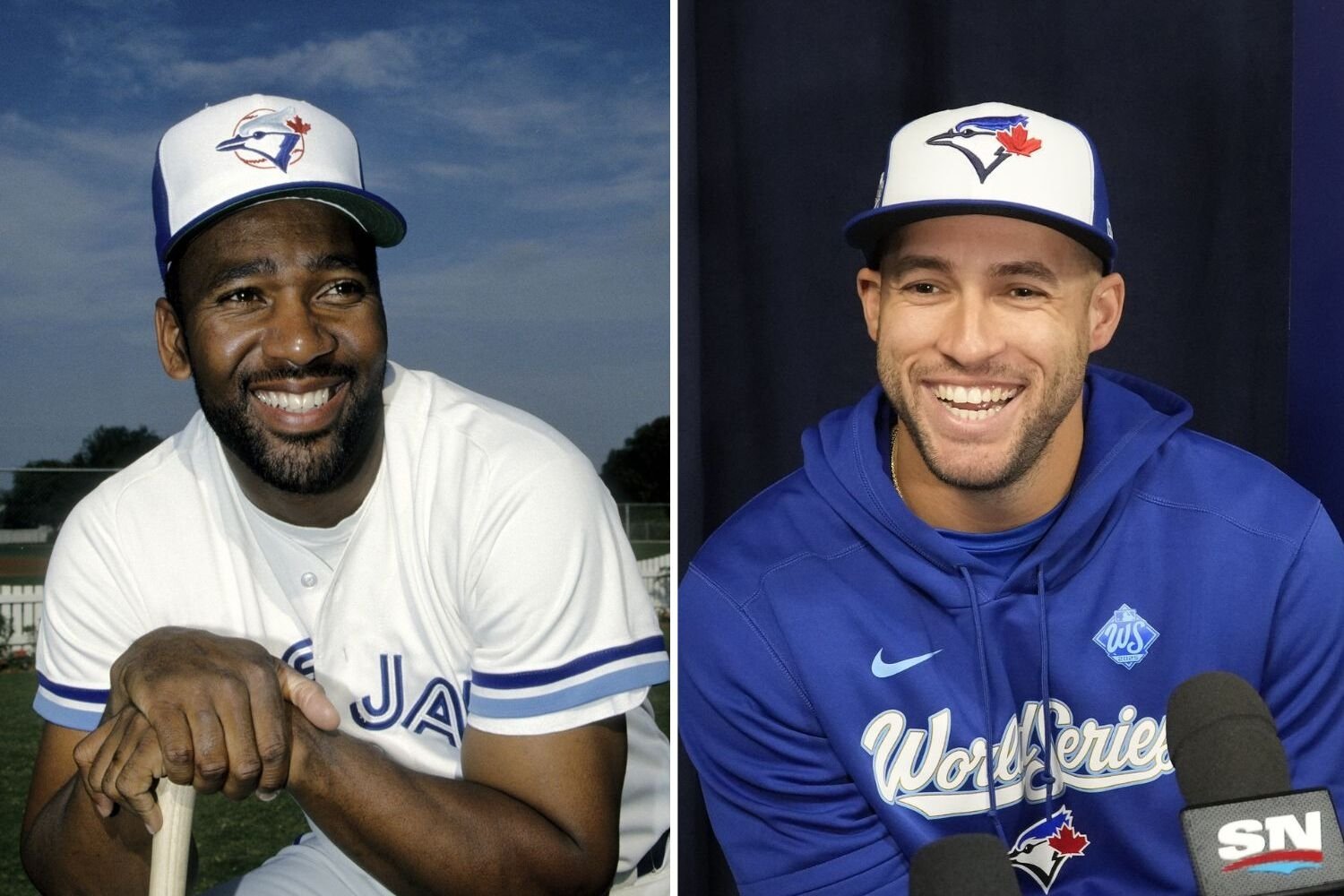 It's been a long time since the Blue Jays played in the World Series. A significant portion of the team's current fanbase wasn't alive when Toronto won back-to-back championships in 1992 and '93. Heck, most of the players on this year's team hadn't been born yet, and of the few who were, only Max Scherzer is old enough to have any memory of the Blue Jays beating the Braves and Phillies to claim their first two World Series titles. For those who were lucky enough to watch Toronto's 1992 and '93 seasons, 30-plus years is still a damn long time ago. I can't imagine any of you remember every detail of those magical seasons. So, I thought it would be fun to present the rosters from the first two Blue Jays World Series teams side by side with the 2025 group. Let me be clear upfront: There's no analysis in this article, although you're more than welcome to provide your own in the comments below. All you're about to see is a series of fun tables full of remembersome Blue Jays of yore – and the present-day Blue Jays we'll be reminiscing about 30 years from now. Without further delay, here are the starting position players from each of the three Blue Jays teams to make the World Series. For simplicity's sake, I'm optimistically presuming Bo Bichette will make his triumphant return at shortstop: Position 1992 1993 2025 C Pat Borders Pat Borders Alejandro Kirk 1B John Olerud John Olerud Vladimir Guerrero Jr. 2B Roberto Alomar Roberto Alomar Andrés Giménez 3B Kelly Gruber Ed Sprague Ernie Clement SS Manuel Lee Tony Fernández Bo Bichette LF Candy Maldonado Rickey Henderson Nathan Lukes CF Devon White Devon White Daulton Varsho RF Joe Carter Joe Carter Addison Barger DH Dave Winfield Paul Molitor George Springer And here's how the players on each of those teams hit during the regular season: 1992 Team G HR SB OPS wRC+ fWAR Roberto Alomar 152 8 49 .832 135 6.1 Devon White 153 17 37 .693 93 5.9 Dave Winfield 156 26 2 .867 140 3.8 John Olerud 138 16 1 .825 127 3.1 Joe Carter 158 34 12 .808 120 2.9 Manuel Lee 128 3 6 .659 89 2.9 Candy Maldonado 137 20 2 .819 128 2.3 Pat Borders 138 13 1 .676 85 1.1 Kelly Gruber 120 11 7 .627 71 -0.1 1993 Team G HR SB OPS wRC+ fWAR Roberto Alomar 152 8 49 .832 135 6.1 Devon White 153 17 37 .693 93 5.9 Rickey Henderson 117 15 48 .883 158 5.6 Paul Molitor 158 12 31 .851 137 4.3 John Olerud 138 16 1 .825 127 3.1 Joe Carter 158 34 12 .808 120 2.9 Tony Fernández 155 4 20 .696 98 1.5 Pat Borders 138 13 1 .676 85 1.1 Ed Sprague 22 1 0 .620 72 -0.2 2025 Team G HR SB OPS wRC+ fWAR George Springer 140 32 18 .959 166 5.2 Alejandro Kirk 130 15 1 .769 116 4.7 Vladimir Guerrero Jr. 156 23 6 .848 137 3.9 Bo Bichette 139 18 4 .840 134 3.8 Ernie Clement 157 9 6 .711 98 3.2 Daulton Varsho 71 20 2 .833 123 2.2 Addison Barger 135 21 4 .756 107 2.2 Nathan Lukes 135 12 2 .730 103 1.8 Andrés Giménez 101 7 12 .598 70 1.0 As for the pitching, here are the arms Toronto used in 1992 and '93, as well as the most likely candidates to make the 2025 World Series roster: 1992 1993 2025 Jack Morris Juan Guzman Trey Yesavage David Cone Dave Stewart Kevin Gausman Juan Guzman Pat Hentgen Shane Bieber Jimmy Key Todd Stottlemyre Max Scherzer Tom Henke Duane Ward Chris Bassitt Mike Timlin Al Leiter Jeff Hoffman David Wells Danny Cox Louis Varland Duane Ward Tony Castillo Seranthony Domínguez Todd Stottlemyre Mike Timlin Brendon Little Mark Eichhorn Mark Eichhorn Mason Fluharty -- -- Braydon Fisher -- -- Eric Lauer -- -- Yariel Rodríguez And here's how all of those pitchers performed during the regular season: 1992 Team G IP W L SV ERA ERA- fWAR Juan Guzman 28 180.2 16 5 0 2.64 66 5.5 David Cone 35 249.2 17 10 0 2.81 79 5.2 Jack Morris 34 240.2 21 6 0 4.04 101 3.7 Jimmy Key 33 216.2 13 13 0 3.53 88 2.7 Duane Ward 79 101.1 7 4 12 1.95 49 2.4 Mark Eichhorn 65 87.2 4 4 2 3.08 77 1.6 Todd Stottlemyre 28 174 12 11 0 4.50 112 1.4 Mike Timlin 26 43.2 0 2 1 4.12 103 0.7 Tom Henke 57 55.2 3 2 34 2.26 56 0.6 David Wells 41 120 7 9 2 5.40 134 0.4 1993 Team G IP W L SV ERA ERA- fWAR Juan Guzman 33 221 14 3 0 3.99 91 4.3 Todd Stottlemyre 30 176.2 11 12 0 4.84 110 3.0 Duane Ward 71 71.2 2 3 45 2.13 49 2.6 Pat Hentgen 34 216.1 19 9 0 3.87 88 2.2 Danny Cox 44 83.2 7 6 2 3.12 71 1.4 Mark Eichhorn 54 72.2 3 1 0 2.72 62 1.0 Al Leiter 34 105 9 6 2 4.11 94 0.9 Dave Stewart 26 162 12 8 0 4.44 101 0.9 Tony Castillo 51 50.2 3 2 0 3.38 77 0.3 Mike Timlin 54 55.2 4 2 1 4.69 107 0.0 2025 Team G IP W L SV ERA ERA- fWAR Kevin Gausman 32 193 10 11 0 3.59 88 4.1 Chris Bassitt 32 170.1 11 9 0 3.96 97 2.4 Eric Lauer 28 104.2 9 2 0 3.18 78 1.4 Brendon Little 79 68.1 4 2 1 3.03 74 1.3 Louis Varland 74 72.2 4 3 0 2.97 73 1.2 Seranthony Domínguez 67 62.2 4 4 2 3.16 78 0.9 Braydon Fisher 52 50 7 0 0 2.70 66 0.8 Trey Yesavage 3 14 1 0 0 3.21 79 0.4 Max Scherzer 17 85 5 5 0 5.19 127 0.4 Shane Bieber 7 40.1 4 2 0 3.57 88 0.3 Mason Fluharty 55 52.2 5 2 1 4.44 109 0.2 Yariel Rodríguez 66 73 3 2 2 3.08 76 0.1 Jeff Hoffman 71 68 9 7 33 4.37 107 -0.4 It's still hard to believe it's really happening, but this morning, the Blue Jays will officially announce their World Series roster, and tonight, they will open their history book and start on a new World Series chapter. Let's hope the 2025 club enjoys just as much success as the two Blue Jays teams that played in the Fall Classic first.
 -
It's been a long time since the Blue Jays played in the World Series. A significant portion of the team's current fanbase wasn't alive when Toronto won back-to-back championships in 1992 and '93. Heck, most of the players on this year's team hadn't been born yet, and of the few who were, only Max Scherzer is old enough to have any memory of the Blue Jays beating the Braves and Phillies to claim their first two World Series titles. For those who were lucky enough to watch Toronto's 1992 and '93 seasons, 30-plus years is still a damn long time ago. I can't imagine any of you remember every detail of those magical seasons. So, I thought it would be fun to present the rosters from the first two Blue Jays World Series teams side by side with the 2025 group. Let me be clear upfront: There's no analysis in this article, although you're more than welcome to provide your own in the comments below. All you're about to see is a series of fun tables full of remembersome Blue Jays of yore – and the present-day Blue Jays we'll be reminiscing about 30 years from now. Without further delay, here are the starting position players from each of the three Blue Jays teams to make the World Series. For simplicity's sake, I'm optimistically presuming Bo Bichette will make his triumphant return at shortstop: Position 1992 1993 2025 C Pat Borders Pat Borders Alejandro Kirk 1B John Olerud John Olerud Vladimir Guerrero Jr. 2B Roberto Alomar Roberto Alomar Andrés Giménez 3B Kelly Gruber Ed Sprague Ernie Clement SS Manuel Lee Tony Fernández Bo Bichette LF Candy Maldonado Rickey Henderson Nathan Lukes CF Devon White Devon White Daulton Varsho RF Joe Carter Joe Carter Addison Barger DH Dave Winfield Paul Molitor George Springer And here's how the players on each of those teams hit during the regular season: 1992 Team G HR SB OPS wRC+ fWAR Roberto Alomar 152 8 49 .832 135 6.1 Devon White 153 17 37 .693 93 5.9 Dave Winfield 156 26 2 .867 140 3.8 John Olerud 138 16 1 .825 127 3.1 Joe Carter 158 34 12 .808 120 2.9 Manuel Lee 128 3 6 .659 89 2.9 Candy Maldonado 137 20 2 .819 128 2.3 Pat Borders 138 13 1 .676 85 1.1 Kelly Gruber 120 11 7 .627 71 -0.1 1993 Team G HR SB OPS wRC+ fWAR Roberto Alomar 152 8 49 .832 135 6.1 Devon White 153 17 37 .693 93 5.9 Rickey Henderson 117 15 48 .883 158 5.6 Paul Molitor 158 12 31 .851 137 4.3 John Olerud 138 16 1 .825 127 3.1 Joe Carter 158 34 12 .808 120 2.9 Tony Fernández 155 4 20 .696 98 1.5 Pat Borders 138 13 1 .676 85 1.1 Ed Sprague 22 1 0 .620 72 -0.2 2025 Team G HR SB OPS wRC+ fWAR George Springer 140 32 18 .959 166 5.2 Alejandro Kirk 130 15 1 .769 116 4.7 Vladimir Guerrero Jr. 156 23 6 .848 137 3.9 Bo Bichette 139 18 4 .840 134 3.8 Ernie Clement 157 9 6 .711 98 3.2 Daulton Varsho 71 20 2 .833 123 2.2 Addison Barger 135 21 4 .756 107 2.2 Nathan Lukes 135 12 2 .730 103 1.8 Andrés Giménez 101 7 12 .598 70 1.0 As for the pitching, here are the arms Toronto used in 1992 and '93, as well as the most likely candidates to make the 2025 World Series roster: 1992 1993 2025 Jack Morris Juan Guzman Trey Yesavage David Cone Dave Stewart Kevin Gausman Juan Guzman Pat Hentgen Shane Bieber Jimmy Key Todd Stottlemyre Max Scherzer Tom Henke Duane Ward Chris Bassitt Mike Timlin Al Leiter Jeff Hoffman David Wells Danny Cox Louis Varland Duane Ward Tony Castillo Seranthony Domínguez Todd Stottlemyre Mike Timlin Brendon Little Mark Eichhorn Mark Eichhorn Mason Fluharty -- -- Braydon Fisher -- -- Eric Lauer -- -- Yariel Rodríguez And here's how all of those pitchers performed during the regular season: 1992 Team G IP W L SV ERA ERA- fWAR Juan Guzman 28 180.2 16 5 0 2.64 66 5.5 David Cone 35 249.2 17 10 0 2.81 79 5.2 Jack Morris 34 240.2 21 6 0 4.04 101 3.7 Jimmy Key 33 216.2 13 13 0 3.53 88 2.7 Duane Ward 79 101.1 7 4 12 1.95 49 2.4 Mark Eichhorn 65 87.2 4 4 2 3.08 77 1.6 Todd Stottlemyre 28 174 12 11 0 4.50 112 1.4 Mike Timlin 26 43.2 0 2 1 4.12 103 0.7 Tom Henke 57 55.2 3 2 34 2.26 56 0.6 David Wells 41 120 7 9 2 5.40 134 0.4 1993 Team G IP W L SV ERA ERA- fWAR Juan Guzman 33 221 14 3 0 3.99 91 4.3 Todd Stottlemyre 30 176.2 11 12 0 4.84 110 3.0 Duane Ward 71 71.2 2 3 45 2.13 49 2.6 Pat Hentgen 34 216.1 19 9 0 3.87 88 2.2 Danny Cox 44 83.2 7 6 2 3.12 71 1.4 Mark Eichhorn 54 72.2 3 1 0 2.72 62 1.0 Al Leiter 34 105 9 6 2 4.11 94 0.9 Dave Stewart 26 162 12 8 0 4.44 101 0.9 Tony Castillo 51 50.2 3 2 0 3.38 77 0.3 Mike Timlin 54 55.2 4 2 1 4.69 107 0.0 2025 Team G IP W L SV ERA ERA- fWAR Kevin Gausman 32 193 10 11 0 3.59 88 4.1 Chris Bassitt 32 170.1 11 9 0 3.96 97 2.4 Eric Lauer 28 104.2 9 2 0 3.18 78 1.4 Brendon Little 79 68.1 4 2 1 3.03 74 1.3 Louis Varland 74 72.2 4 3 0 2.97 73 1.2 Seranthony Domínguez 67 62.2 4 4 2 3.16 78 0.9 Braydon Fisher 52 50 7 0 0 2.70 66 0.8 Trey Yesavage 3 14 1 0 0 3.21 79 0.4 Max Scherzer 17 85 5 5 0 5.19 127 0.4 Shane Bieber 7 40.1 4 2 0 3.57 88 0.3 Mason Fluharty 55 52.2 5 2 1 4.44 109 0.2 Yariel Rodríguez 66 73 3 2 2 3.08 76 0.1 Jeff Hoffman 71 68 9 7 33 4.37 107 -0.4 It's still hard to believe it's really happening, but this morning, the Blue Jays will officially announce their World Series roster, and tonight, they will open their history book and start on a new World Series chapter. Let's hope the 2025 club enjoys just as much success as the two Blue Jays teams that played in the Fall Classic first. View full article
.jpg.4cb7d1cb68b69356ae0c3bcf7cf63b31.jpg)
.jpg.74bc84de23783d9bf7932f78aad76e27.jpg)
.jpg.c673ccd20ca11045d670070c9f99867b.jpg)
.jpg.b0b77b9cde0a5f5711fa9d98c5b49231.jpg)
.jpg.fc9eff5e5537649b8e04098599b0d3d5.jpg)
.jpg.4feb84cdf6bddc217f116be35a76c32e.jpg)
.jpg.933be19ba765e0affa62066162c2e942.jpg)
.jpg.8eb87424e584aa3894a4d67833b00d71.jpg)
.jpg.99ae63a9c2eda2cc6691cc223e42c4da.jpg)