


Leo Morgenstern
-
Posts
628 -
Joined
-
Last visited
Content Type
Profiles
Toronto Blue Jays Videos
2026 Toronto Blue Jays Top Prospects Ranking
Toronto Blue Jays Free Agent & Trade Rumors, Notes, & Tidbits
Guides & Resources
2025 Toronto Blue Jays Draft Pick Tracker
News
2026 Toronto Blue Jays Draft Tracker: Picks & Bonuses
Forums
Blogs
Events
Store
Downloads
Gallery
Everything posted by Leo Morgenstern
-

.jpg.5b12771c261ecc5486b78871de00a901.jpg) As first reported by Mike Rodriguez (and later confirmed by ESPN's Alden González), the Toronto Blue Jays have agreed to a minor league contract with Eloy Jiménez that includes an invitation to big league spring training. The outfielder/DH spent the final month of the 2025 season in the Blue Jays organization. Jiménez, 29, did not play in the majors last season. He spent most of the year with the Durham Bulls, the Triple-A affiliate of the Tampa Bay Rays, before he was released in July and subsequently signed a minor league pact with the Blue Jays. He didn't hit very well in Durham, slashing .278/.335/.397 for a 93 wRC+, but he really struggled with the Buffalo Bisons, going just 3-for-18 with a 48 wRC+. Despite his recent issues, Jiménez still comes with upside. At his best, he was a fearsome right-handed slugger, and he owns a career .780 OPS and 112 wRC+ in the big leagues. Not yet 30, it's more than possible he could rediscover the power that made him such a talented hitter earlier in his career. This is a no-risk signing for the Blue Jays, and the rewards could be plentiful if they help Jiménez get back on track. Featured image courtesy of Jonathan Dyer, Imagn Images.
As first reported by Mike Rodriguez (and later confirmed by ESPN's Alden González), the Toronto Blue Jays have agreed to a minor league contract with Eloy Jiménez that includes an invitation to big league spring training. The outfielder/DH spent the final month of the 2025 season in the Blue Jays organization. Jiménez, 29, did not play in the majors last season. He spent most of the year with the Durham Bulls, the Triple-A affiliate of the Tampa Bay Rays, before he was released in July and subsequently signed a minor league pact with the Blue Jays. He didn't hit very well in Durham, slashing .278/.335/.397 for a 93 wRC+, but he really struggled with the Buffalo Bisons, going just 3-for-18 with a 48 wRC+. Despite his recent issues, Jiménez still comes with upside. At his best, he was a fearsome right-handed slugger, and he owns a career .780 OPS and 112 wRC+ in the big leagues. Not yet 30, it's more than possible he could rediscover the power that made him such a talented hitter earlier in his career. This is a no-risk signing for the Blue Jays, and the rewards could be plentiful if they help Jiménez get back on track. Featured image courtesy of Jonathan Dyer, Imagn Images. -
As first reported by Mike Rodriguez (and later confirmed by ESPN's Alden González), the Toronto Blue Jays have agreed to a minor league contract with Eloy Jiménez that includes an invitation to big league spring training. The outfielder/DH spent the final month of the 2025 season in the Blue Jays organization. Jiménez, 29, did not play in the majors last season. He spent most of the year with the Durham Bulls, the Triple-A affiliate of the Tampa Bay Rays, before he was released in July and subsequently signed a minor league pact with the Blue Jays. He didn't hit very well in Durham, slashing .278/.335/.397 for a 93 wRC+, but he really struggled with the Buffalo Bisons, going just 3-for-18 with a 48 wRC+. Despite his recent issues, Jiménez still comes with upside. At his best, he was a fearsome right-handed slugger, and he owns a career .780 OPS and 112 wRC+ in the big leagues. Not yet 30, it's more than possible he could rediscover the power that made him such a talented hitter earlier in his career. This is a no-risk signing for the Blue Jays, and the rewards could be plentiful if they help Jiménez get back on track. Featured image courtesy of Jonathan Dyer, Imagn Images. View full rumor
-
On Friday, the Washington Nationals claimed right-handed pitcher Paxton Schultz off waivers from the Toronto Blue Jays. The 28-year-old will compete for their role in Washington's Opening Day bullpen. The Blue Jays designated Schultz for assignment last weekend to open a spot for Kazuma Okamoto on their 40-man roster. After four seasons in Toronto's minor league system, the righty made his MLB debut for the Jays in 2025. He threw 24.2 innings with a 4.38 ERA. If Schultz had passed through waivers unclaimed, the Blue Jays could have sent him outright to the minors, thereby keeping him in the organization as depth for 2026. Instead, he will now get a better chance to establish himself in the majors with a much less competitive club. Featured image courtesy of Dan Hamilton, Imagn Images. View full rumor
-
.jpg.ee45c8d94f1c371886f2f461ff454d9e.jpg) On Friday, the Washington Nationals claimed right-handed pitcher Paxton Schultz off waivers from the Toronto Blue Jays. The 28-year-old will compete for their role in Washington's Opening Day bullpen. The Blue Jays designated Schultz for assignment last weekend to open a spot for Kazuma Okamoto on their 40-man roster. After four seasons in Toronto's minor league system, the righty made his MLB debut for the Jays in 2025. He threw 24.2 innings with a 4.38 ERA. If Schultz had passed through waivers unclaimed, the Blue Jays could have sent him outright to the minors, thereby keeping him in the organization as depth for 2026. Instead, he will now get a better chance to establish himself in the majors with a much less competitive club. Featured image courtesy of Dan Hamilton, Imagn Images.
On Friday, the Washington Nationals claimed right-handed pitcher Paxton Schultz off waivers from the Toronto Blue Jays. The 28-year-old will compete for their role in Washington's Opening Day bullpen. The Blue Jays designated Schultz for assignment last weekend to open a spot for Kazuma Okamoto on their 40-man roster. After four seasons in Toronto's minor league system, the righty made his MLB debut for the Jays in 2025. He threw 24.2 innings with a 4.38 ERA. If Schultz had passed through waivers unclaimed, the Blue Jays could have sent him outright to the minors, thereby keeping him in the organization as depth for 2026. Instead, he will now get a better chance to establish himself in the majors with a much less competitive club. Featured image courtesy of Dan Hamilton, Imagn Images. -
The Toronto Blue Jays came into the offseason with seven players eligible for arbitration. Four of them were locks to be tendered a contract: Daulton Varsho, Ernie Clement, Eric Lauer, and Tyler Heineman. The others were Nick Sandlin, Ryan Burr, and Dillon Tate. The team DFA’d and outrighted those three pitchers in November, and each elected free agency. This past Thursday at 1:00 pm ET was the deadline for teams to come to terms with their arbitration-eligible players before they must schedule an arbitration hearing. The deadline for each side to submit salary figures was later in the evening, at 8:00 pm ET. Teams and players can still avoid arbitration after exchanging figures, although some organizations prefer to take what’s known as a “file-and-trial” approach. In other words, once they have filed for arbitration, they will refrain from negotiating. The Blue Jays are often considered a file-and-trial club. When teams and players are unable to agree on a contract and avoid arbitration, they go to a hearing (usually sometime in February) and make their cases for the salary figures they filed to a panel of arbitrators. The panel will pick one of the two salary figures for the player. For example, when Vladimir Guerrero Jr. was entering his third arbitration-eligible season (out of four), he and the Blue Jays were unable to come to terms on a deal prior to the deadline. He and his agents filed for a $19.9 million salary, while the team countered with $18.05 million. Guerrero won at the hearing and received $19.9 million for the 2024 season. That remains the highest salary ever awarded in an arbitration hearing. The following year, the Jays were able to avoid arbitration with their superstar, agreeing to a $28.5 million contract exactly one year ago today. This year, the Blue Jays agreed to terms with three of their four arbitration-eligible players on deadline day: Varsho, Clement, and Heineman. Here are the pertinent details. Daulton Varsho MLB Trade Rumors projected a $9.7 million salary for Varsho in his final season of arbitration. The Gold Glove center fielder ended up signing a one-year, $10.75 million contract to avoid arbitration, just over $1 million more than his projection (per the New York Post’s Joel Sherman). Ernie Clement Clement was projected to earn $4.3 million in his first year of arbitration eligibility. He and the Blue Jays avoided arbitration by agreeing to a one-year, $4.6 million deal (per The Athletic’s Mitch Bannon). Tyler Heineman Heineman was projected to earn $1 million in his long-awaited first season of arbitration. He and the Blue Jays agreed to a one-year deal worth $1,237,500 (per Nicholson-Smith). Eric Lauer Lauer was projected to earn $4.4 million in his last year as an arbitration-eligible player. The Blue Jays filed at exactly that number, while Lauer and his agents filed at $5.75 million. According to Sportsnet’s Ben Nicholson-Smith, the two sides are likely to go to an arbitration hearing. To learn more about how the arbitration process works and why it exists, check out this article by DiamondCentric’s Maddie Landis. View full article
-
An Update on the Blue Jays’ Arbitration-Eligible Players
Leo Morgenstern posted an article in Blue Jays
.jpg.8bdf2a1ec8497f6d73372fef34c4c32e.jpg) The Toronto Blue Jays came into the offseason with seven players eligible for arbitration. Four of them were locks to be tendered a contract: Daulton Varsho, Ernie Clement, Eric Lauer, and Tyler Heineman. The others were Nick Sandlin, Ryan Burr, and Dillon Tate. The team DFA’d and outrighted those three pitchers in November, and each elected free agency. This past Thursday at 1:00 pm ET was the deadline for teams to come to terms with their arbitration-eligible players before they must schedule an arbitration hearing. The deadline for each side to submit salary figures was later in the evening, at 8:00 pm ET. Teams and players can still avoid arbitration after exchanging figures, although some organizations prefer to take what’s known as a “file-and-trial” approach. In other words, once they have filed for arbitration, they will refrain from negotiating. The Blue Jays are often considered a file-and-trial club. When teams and players are unable to agree on a contract and avoid arbitration, they go to a hearing (usually sometime in February) and make their cases for the salary figures they filed to a panel of arbitrators. The panel will pick one of the two salary figures for the player. For example, when Vladimir Guerrero Jr. was entering his third arbitration-eligible season (out of four), he and the Blue Jays were unable to come to terms on a deal prior to the deadline. He and his agents filed for a $19.9 million salary, while the team countered with $18.05 million. Guerrero won at the hearing and received $19.9 million for the 2024 season. That remains the highest salary ever awarded in an arbitration hearing. The following year, the Jays were able to avoid arbitration with their superstar, agreeing to a $28.5 million contract exactly one year ago today. This year, the Blue Jays agreed to terms with three of their four arbitration-eligible players on deadline day: Varsho, Clement, and Heineman. Here are the pertinent details. Daulton Varsho MLB Trade Rumors projected a $9.7 million salary for Varsho in his final season of arbitration. The Gold Glove center fielder ended up signing a one-year, $10.75 million contract to avoid arbitration, just over $1 million more than his projection (per the New York Post’s Joel Sherman). Ernie Clement Clement was projected to earn $4.3 million in his first year of arbitration eligibility. He and the Blue Jays avoided arbitration by agreeing to a one-year, $4.6 million deal (per The Athletic’s Mitch Bannon). Tyler Heineman Heineman was projected to earn $1 million in his long-awaited first season of arbitration. He and the Blue Jays agreed to a one-year deal worth $1,237,500 (per Nicholson-Smith). Eric Lauer Lauer was projected to earn $4.4 million in his last year as an arbitration-eligible player. The Blue Jays filed at exactly that number, while Lauer and his agents filed at $5.75 million. According to Sportsnet’s Ben Nicholson-Smith, the two sides are likely to go to an arbitration hearing. To learn more about how the arbitration process works and why it exists, check out this article by DiamondCentric’s Maddie Landis.
The Toronto Blue Jays came into the offseason with seven players eligible for arbitration. Four of them were locks to be tendered a contract: Daulton Varsho, Ernie Clement, Eric Lauer, and Tyler Heineman. The others were Nick Sandlin, Ryan Burr, and Dillon Tate. The team DFA’d and outrighted those three pitchers in November, and each elected free agency. This past Thursday at 1:00 pm ET was the deadline for teams to come to terms with their arbitration-eligible players before they must schedule an arbitration hearing. The deadline for each side to submit salary figures was later in the evening, at 8:00 pm ET. Teams and players can still avoid arbitration after exchanging figures, although some organizations prefer to take what’s known as a “file-and-trial” approach. In other words, once they have filed for arbitration, they will refrain from negotiating. The Blue Jays are often considered a file-and-trial club. When teams and players are unable to agree on a contract and avoid arbitration, they go to a hearing (usually sometime in February) and make their cases for the salary figures they filed to a panel of arbitrators. The panel will pick one of the two salary figures for the player. For example, when Vladimir Guerrero Jr. was entering his third arbitration-eligible season (out of four), he and the Blue Jays were unable to come to terms on a deal prior to the deadline. He and his agents filed for a $19.9 million salary, while the team countered with $18.05 million. Guerrero won at the hearing and received $19.9 million for the 2024 season. That remains the highest salary ever awarded in an arbitration hearing. The following year, the Jays were able to avoid arbitration with their superstar, agreeing to a $28.5 million contract exactly one year ago today. This year, the Blue Jays agreed to terms with three of their four arbitration-eligible players on deadline day: Varsho, Clement, and Heineman. Here are the pertinent details. Daulton Varsho MLB Trade Rumors projected a $9.7 million salary for Varsho in his final season of arbitration. The Gold Glove center fielder ended up signing a one-year, $10.75 million contract to avoid arbitration, just over $1 million more than his projection (per the New York Post’s Joel Sherman). Ernie Clement Clement was projected to earn $4.3 million in his first year of arbitration eligibility. He and the Blue Jays avoided arbitration by agreeing to a one-year, $4.6 million deal (per The Athletic’s Mitch Bannon). Tyler Heineman Heineman was projected to earn $1 million in his long-awaited first season of arbitration. He and the Blue Jays agreed to a one-year deal worth $1,237,500 (per Nicholson-Smith). Eric Lauer Lauer was projected to earn $4.4 million in his last year as an arbitration-eligible player. The Blue Jays filed at exactly that number, while Lauer and his agents filed at $5.75 million. According to Sportsnet’s Ben Nicholson-Smith, the two sides are likely to go to an arbitration hearing. To learn more about how the arbitration process works and why it exists, check out this article by DiamondCentric’s Maddie Landis.-
- 1
-

-
- dc analysis
- daulton varsho
- (and 3 more)
-
According to D.M. Fox of the Future Blue Jays Newsletter, the Toronto Blue Jays have been in touch with "most of their players and prospects in Venezuela." Thankfully, all the players they've been in contact with (and their families) are safe, though Fox adds that the organization is "still working on reaching a few players." On Tuesday, DiamondCentric's Seth Stohs wrote about how the strikes in Venezuela could affect the landscape of the 2026 MLB season and beyond. You can read what he wrote here. Featured image courtesy of Sam Navarro, Imagn Images. View full rumor
-
.jpg.8a0290d168741a4591792d049001a540.jpg) According to D.M. Fox of the Future Blue Jays Newsletter, the Toronto Blue Jays have been in touch with "most of their players and prospects in Venezuela." Thankfully, all the players they've been in contact with (and their families) are safe, though Fox adds that the organization is "still working on reaching a few players." On Tuesday, DiamondCentric's Seth Stohs wrote about how the strikes in Venezuela could affect the landscape of the 2026 MLB season and beyond. You can read what he wrote here. Featured image courtesy of Sam Navarro, Imagn Images.
According to D.M. Fox of the Future Blue Jays Newsletter, the Toronto Blue Jays have been in touch with "most of their players and prospects in Venezuela." Thankfully, all the players they've been in contact with (and their families) are safe, though Fox adds that the organization is "still working on reaching a few players." On Tuesday, DiamondCentric's Seth Stohs wrote about how the strikes in Venezuela could affect the landscape of the 2026 MLB season and beyond. You can read what he wrote here. Featured image courtesy of Sam Navarro, Imagn Images. -
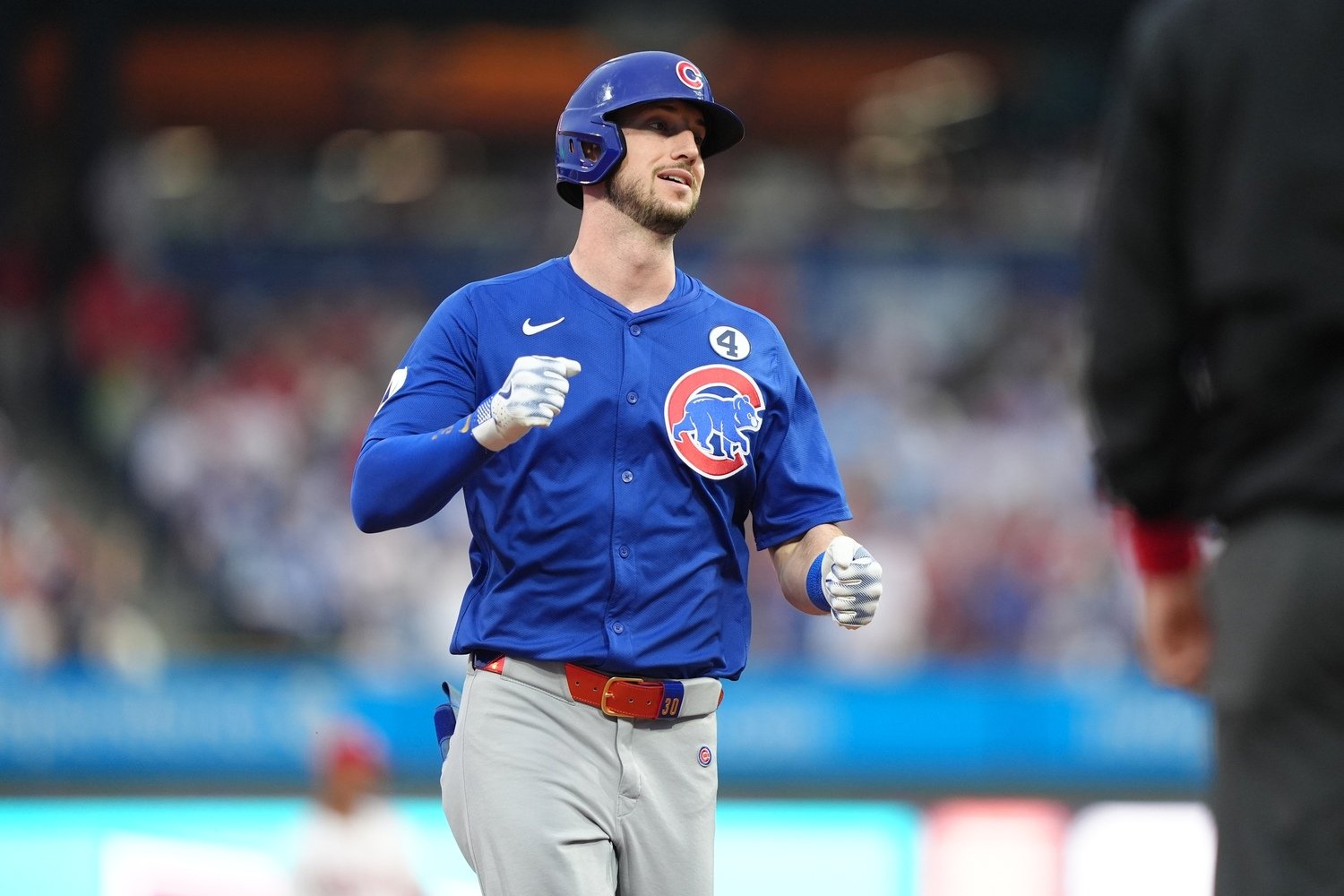 According to The Athletic’s Mitch Bannon, the Blue Jays have “increased their efforts to recruit [Kyle] Tucker.” He adds that “Toronto’s interest in the 28-year-old is clear,” noting that the Jays have become “more aggressive” in their pursuit. To that point, Ben Nicholson-Smith of Sportsnet reports that the team has had “recent dialogue” with Tucker regarding the “parameters” of a contract. While recent reports seem to suggest that the Blue Jays would prefer Tucker to Bo Bichette, Nicholson-Smith writes that dialogue also “remains open” between the Jays and their long-time shortstop. Asked about the possibility of re-signing Bichette today during Kazuma Okamoto's introductory press conference, general manager Ross Atkins had this to say: "If there’s an opportunity to think about improving the organization, we’re going to always lean into creative ways to do so" (per Nicholson-Smith). Featured image courtesy of Kyle Ross, Imagn Images.
 -
According to The Athletic’s Mitch Bannon, the Blue Jays have “increased their efforts to recruit [Kyle] Tucker.” He adds that “Toronto’s interest in the 28-year-old is clear,” noting that the Jays have become “more aggressive” in their pursuit. To that point, Ben Nicholson-Smith of Sportsnet reports that the team has had “recent dialogue” with Tucker regarding the “parameters” of a contract. While recent reports seem to suggest that the Blue Jays would prefer Tucker to Bo Bichette, Nicholson-Smith writes that dialogue also “remains open” between the Jays and their long-time shortstop. Asked about the possibility of re-signing Bichette today during Kazuma Okamoto's introductory press conference, general manager Ross Atkins had this to say: "If there’s an opportunity to think about improving the organization, we’re going to always lean into creative ways to do so" (per Nicholson-Smith). Featured image courtesy of Kyle Ross, Imagn Images. View full rumor
-
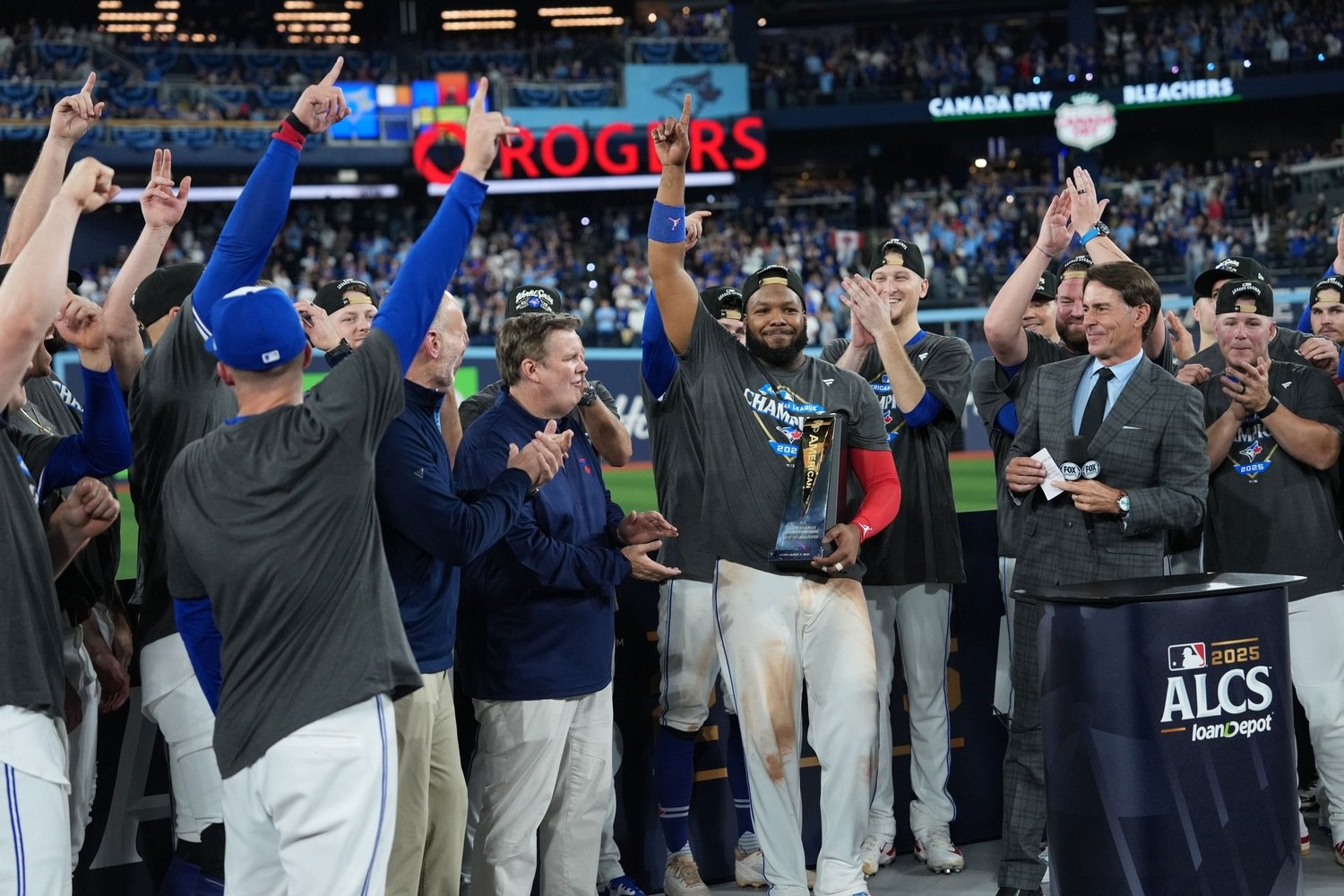 Earlier this winter, Jays Centre contributor Bob Ritchie estimated that the Blue Jays made $36.9 million in revenue from their share of the gate receipts from the 2025 postseason. Of course, as Bob acknowledged, there were several more sources of revenue related to the postseason that he did not have enough information consider, including the TV and radio broadcasts. On Monday, a new report from the Financial Post offered more clarity as to just how much money the Jays brought in from their run to the World Series. An estimate from a National Bank of Canada analyst suggests “the MLB playoff run was worth over $100 million” in revenue for Blue Jays ownership. I wouldn’t be surprised if that’s still a conservative number. After all, there are so many ways a playoff run can indirectly increase a team's revenue. For example, I wonder if that $100 million estimate includes the ad revenue Rogers brought in from all the extra traffic the Sportsnet website and YouTube channel were surely getting last October. Not to mention, the monetary benefits of a deep postseason run don’t go away when the postseason ends. In addition to all the extra tickets and TV/streaming packages the Blue Jays/Rogers will be able to sell, consider how much more the Jays can charge their advertisers in 2026. That $100 million is really just a jumping-off point. With that in mind, it’s hardly surprising that Toronto has already committed more than $300 million to free agents this winter. And with a projected payroll that’s still only $21 million higher than it was last season (per RosterResource), it really is believable that this team is still in the market for top free agents Kyle Tucker and Bo Bichette. Can the Blue Jays become the Dodgers of the north? I say, why the heck not? Featured image courtesy of Nick Turchiaro, Imagn Images.
 -
Earlier this winter, Jays Centre contributor Bob Ritchie estimated that the Blue Jays made $36.9 million in revenue from their share of the gate receipts from the 2025 postseason. Of course, as Bob acknowledged, there were several more sources of revenue related to the postseason that he did not have enough information consider, including the TV and radio broadcasts. On Monday, a new report from the Financial Post offered more clarity as to just how much money the Jays brought in from their run to the World Series. An estimate from a National Bank of Canada analyst suggests “the MLB playoff run was worth over $100 million” in revenue for Blue Jays ownership. I wouldn’t be surprised if that’s still a conservative number. After all, there are so many ways a playoff run can indirectly increase a team's revenue. For example, I wonder if that $100 million estimate includes the ad revenue Rogers brought in from all the extra traffic the Sportsnet website and YouTube channel were surely getting last October. Not to mention, the monetary benefits of a deep postseason run don’t go away when the postseason ends. In addition to all the extra tickets and TV/streaming packages the Blue Jays/Rogers will be able to sell, consider how much more the Jays can charge their advertisers in 2026. That $100 million is really just a jumping-off point. With that in mind, it’s hardly surprising that Toronto has already committed more than $300 million to free agents this winter. And with a projected payroll that’s still only $21 million higher than it was last season (per RosterResource), it really is believable that this team is still in the market for top free agents Kyle Tucker and Bo Bichette. Can the Blue Jays become the Dodgers of the north? I say, why the heck not? Featured image courtesy of Nick Turchiaro, Imagn Images. View full rumor
-
The Blue Jays will introduce Kazuma Okamoto at a press conference today at 1:00 pm ET. Joining Toronto's new free agent signing will be his agent, Scott Boras, and Blue Jays general manager Ross Atkins. One topic that's likely to come up at the presser is Okamoto's position. He was primarily a third baseman in NPB but also has experience at first base and in the outfield. Opinions about his skills at the hot corner range, with some evaluators believing he'll be just fine at the position in MLB and others suggesting he really belongs at the cold corner instead. As for his outfield defense, one source told The Athletic's Will Sammon that Okamoto "could be helpful in the outfield, given the right situation with limited ground to cover." On Monday, Bob Nightengale of USA Today wrote about Okamoto and the Blue Jays. He mentioned that the Jays "still want to add another power hitter" and that they "remain fully engaged in talks" with top free agents Kyle Tucker, Bo Bichette, and Alex Bregman. That lines up with additional reporting that suggests the Blue Jays aren't necessarily done making moves. Nightengale also threw in an interesting new nugget. "Their preference," he writes. "Is to make Okamoto a superutility player." It makes sense that the Blue Jays wouldn't want to lock Okamoto into one position. After all, they have two other capable third basemen, Addison Barger and Ernie Clement; a full-time first baseman, Vladimir Guerrero Jr.; and several options for the corner outfield, including Barger, Anthony Santander, Nathan Lukes, and George Springer. Being ready to play numerous positions will help Okamoto get as many at-bats as possible, and more lineup flexibility is never a bad thing from a team perspective, either. The question, however, is whether or not Okamoto is a strong enough defender to be able to handle such a role. Evidently, the Blue Jays think so. Either that, or they liked his bat (and his price) too much to pass up on him, and they're going to find a way to make things work defensively. Featured image courtesy of Darren Yamashita, Imagn Images. View full rumor
-
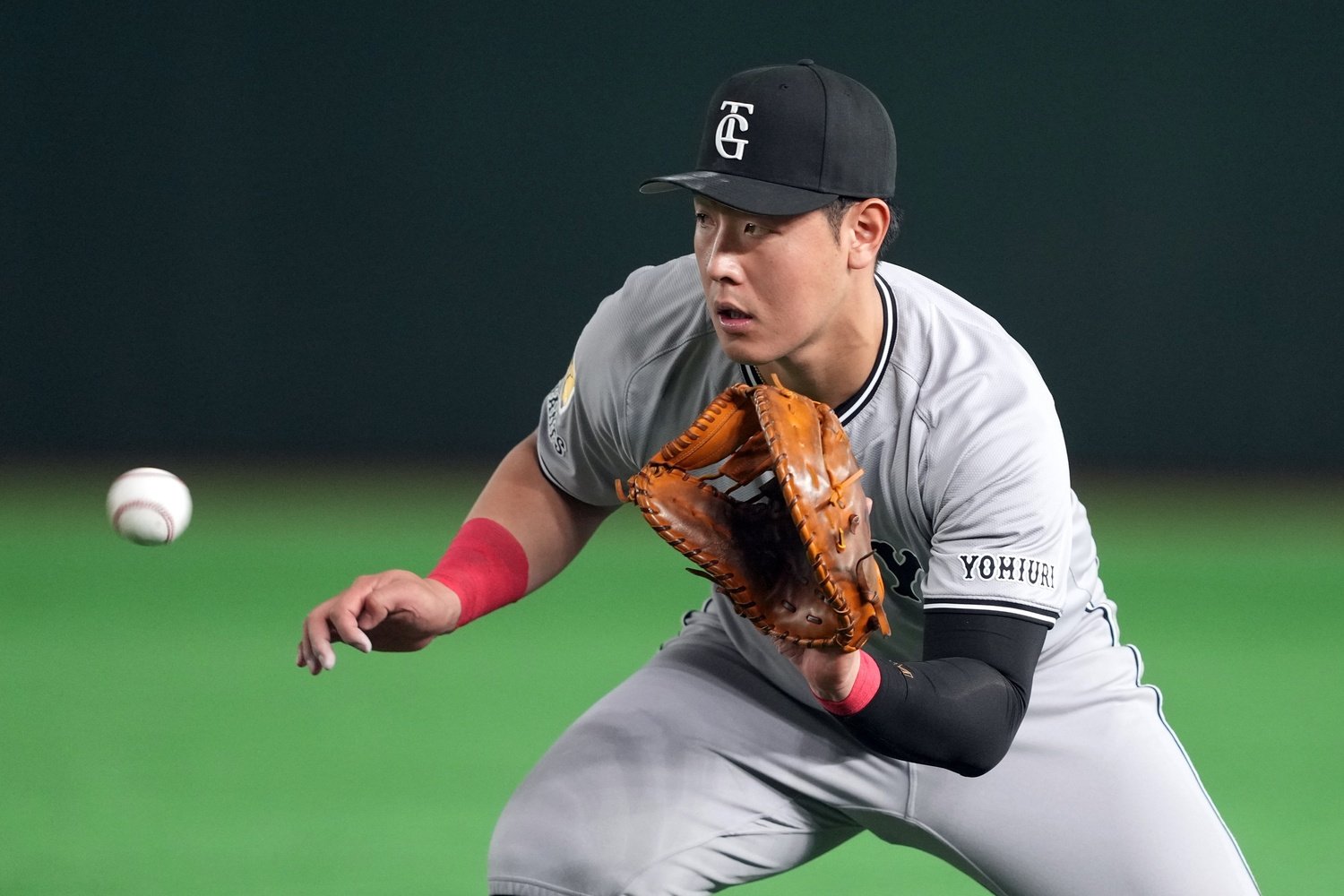 The Blue Jays will introduce Kazuma Okamoto at a press conference today at 1:00 pm ET. Joining Toronto's new free agent signing will be his agent, Scott Boras, and Blue Jays general manager Ross Atkins. One topic that's likely to come up at the presser is Okamoto's position. He was primarily a third baseman in NPB but also has experience at first base and in the outfield. Opinions about his skills at the hot corner range, with some evaluators believing he'll be just fine at the position in MLB and others suggesting he really belongs at the cold corner instead. As for his outfield defense, one source told The Athletic's Will Sammon that Okamoto "could be helpful in the outfield, given the right situation with limited ground to cover." On Monday, Bob Nightengale of USA Today wrote about Okamoto and the Blue Jays. He mentioned that the Jays "still want to add another power hitter" and that they "remain fully engaged in talks" with top free agents Kyle Tucker, Bo Bichette, and Alex Bregman. That lines up with additional reporting that suggests the Blue Jays aren't necessarily done making moves. Nightengale also threw in an interesting new nugget. "Their preference," he writes. "Is to make Okamoto a superutility player." It makes sense that the Blue Jays wouldn't want to lock Okamoto into one position. After all, they have two other capable third basemen, Addison Barger and Ernie Clement; a full-time first baseman, Vladimir Guerrero Jr.; and several options for the corner outfield, including Barger, Anthony Santander, Nathan Lukes, and George Springer. Being ready to play numerous positions will help Okamoto get as many at-bats as possible, and more lineup flexibility is never a bad thing from a team perspective, either. The question, however, is whether or not Okamoto is a strong enough defender to be able to handle such a role. Evidently, the Blue Jays think so. Either that, or they liked his bat (and his price) too much to pass up on him, and they're going to find a way to make things work defensively. Featured image courtesy of Darren Yamashita, Imagn Images.
 -
.jpg.9885ffaf8c299b3f26d486a9d5502464.jpg) According to MLB.com's Mark Feinsand, the Toronto Blue Jays are still seen as the frontrunners to sign top free agent Kyle Tucker, even after signing Kazuma Okamoto. "Toronto remains the favorite to land Tucker," explains Feinsand, relaying information from sources. However, he adds that "the Mets can't be counted out." As for the Yankees, Feinsand believes Bellinger is their preferred target, presuming they're "prepared to spend big" at all. Adding fuel to this fire, FanSided's MLB insider Robert Murray also believes the Blue Jays remain a suitor for Tucker: "He is one of the options that they're considering, and they're one of the teams that he's considering as well." On the flip side, Sportnet's Ben Nicholson-Smith suggests that, while the Jays aren't likely to rule anything out, they no longer look like the very best candidate to give Tucker the long-term deal he's looking for. "Now I would say that's the Mets," he adds. Having said that, Nicholson-Smith does speculate that Tucker and the Blue Jays could be more likely to strike a deal if he's willing to sign a shorter contract with a high average annual value. What do Blue Jays fans think about the team going all-in to sign Kyle Tucker? Would you only do it on a shorter-term deal? Or would you rather the Jays forget Tucker and prioritize Bo Bichette? Chime in with your thoughts below. Featured image courtesy of David Banks, Imagn Images.
According to MLB.com's Mark Feinsand, the Toronto Blue Jays are still seen as the frontrunners to sign top free agent Kyle Tucker, even after signing Kazuma Okamoto. "Toronto remains the favorite to land Tucker," explains Feinsand, relaying information from sources. However, he adds that "the Mets can't be counted out." As for the Yankees, Feinsand believes Bellinger is their preferred target, presuming they're "prepared to spend big" at all. Adding fuel to this fire, FanSided's MLB insider Robert Murray also believes the Blue Jays remain a suitor for Tucker: "He is one of the options that they're considering, and they're one of the teams that he's considering as well." On the flip side, Sportnet's Ben Nicholson-Smith suggests that, while the Jays aren't likely to rule anything out, they no longer look like the very best candidate to give Tucker the long-term deal he's looking for. "Now I would say that's the Mets," he adds. Having said that, Nicholson-Smith does speculate that Tucker and the Blue Jays could be more likely to strike a deal if he's willing to sign a shorter contract with a high average annual value. What do Blue Jays fans think about the team going all-in to sign Kyle Tucker? Would you only do it on a shorter-term deal? Or would you rather the Jays forget Tucker and prioritize Bo Bichette? Chime in with your thoughts below. Featured image courtesy of David Banks, Imagn Images. -
According to MLB.com's Mark Feinsand, the Toronto Blue Jays are still seen as the frontrunners to sign top free agent Kyle Tucker, even after signing Kazuma Okamoto. "Toronto remains the favorite to land Tucker," explains Feinsand, relaying information from sources. However, he adds that "the Mets can't be counted out." As for the Yankees, Feinsand believes Bellinger is their preferred target, presuming they're "prepared to spend big" at all. Adding fuel to this fire, FanSided's MLB insider Robert Murray also believes the Blue Jays remain a suitor for Tucker: "He is one of the options that they're considering, and they're one of the teams that he's considering as well." On the flip side, Sportnet's Ben Nicholson-Smith suggests that, while the Jays aren't likely to rule anything out, they no longer look like the very best candidate to give Tucker the long-term deal he's looking for. "Now I would say that's the Mets," he adds. Having said that, Nicholson-Smith does speculate that Tucker and the Blue Jays could be more likely to strike a deal if he's willing to sign a shorter contract with a high average annual value. What do Blue Jays fans think about the team going all-in to sign Kyle Tucker? Would you only do it on a shorter-term deal? Or would you rather the Jays forget Tucker and prioritize Bo Bichette? Chime in with your thoughts below. Featured image courtesy of David Banks, Imagn Images. View full rumor
-
.jpg.0bd94294696fee2c57c73ef52330e667.jpg) The Toronto Blue Jays made their four-year, $60 million contract with NPB star Kazuma Okamoto official on Sunday, just before his posting window closed. A six-time NPB All-Star, Okamoto was one of the top hitters on the free agent market. data:image/gif;base64,R0lGODlhAQABAPABAP///wAAACH5BAEKAAAALAAAAAABAAEAAAICRAEAOw== To make room for Okamoto on their 40-man roster, the Jays designated right-handed pitcher Paxton Schultz for assignment. The 28-year-old has been in the organization since May 2021, when he arrived from the Brewers as the player to be named later to complete the Derek Fisher trade. The Jays had acquired Fisher two years earlier in a deal that sent Aaron Sanchez, Joe Biagini, and Cal Stevenson to the Astros. (You can read more about active Blue Jays trade strings at this link.) Schultz made his MLB debut with Toronto in 2025, pitching to a 4.38 ERA and 3.83 xERA over 24.2 innings. He struck out 28 batters (25.5%) and walked only eight (7.3%). In his very first outing, Schultz threw 4.1 innings of scoreless relief against the Mariners, striking out eight of the 16 hitters he faced. Unfortunately, he never looked that sharp again. Following a mid-summer IL stint with middle finger inflammation, the righty only made one more appearance for the major league club, a scoreless inning on August 24. He was recalled once more in September but did not pitch in a game, nor did he pitch for Toronto in the playoffs. With all that in mind, it's not a shock to see Schultz DFA'd. He gave the Blue Jays some good innings in 2025, but roster spots are a valuable commodity. The Jays have significantly improved their pitching staff this offseason, not only with the likes of Dylan Cease, Cody Ponce, and Tyler Rogers, but also more promising depth arms like Chase Lee and Spencer Miles. Eventually, Schultz became the odd man out. If Schultz clears waivers, the Blue Jays will be able to outright him to the minors and keep him in their organization. However, considering the promise he flashed in 2025, it wouldn't be surprising to see another team put in a claim. Featured image courtesy of Dan Hamilton, Imagn Images.
The Toronto Blue Jays made their four-year, $60 million contract with NPB star Kazuma Okamoto official on Sunday, just before his posting window closed. A six-time NPB All-Star, Okamoto was one of the top hitters on the free agent market. data:image/gif;base64,R0lGODlhAQABAPABAP///wAAACH5BAEKAAAALAAAAAABAAEAAAICRAEAOw== To make room for Okamoto on their 40-man roster, the Jays designated right-handed pitcher Paxton Schultz for assignment. The 28-year-old has been in the organization since May 2021, when he arrived from the Brewers as the player to be named later to complete the Derek Fisher trade. The Jays had acquired Fisher two years earlier in a deal that sent Aaron Sanchez, Joe Biagini, and Cal Stevenson to the Astros. (You can read more about active Blue Jays trade strings at this link.) Schultz made his MLB debut with Toronto in 2025, pitching to a 4.38 ERA and 3.83 xERA over 24.2 innings. He struck out 28 batters (25.5%) and walked only eight (7.3%). In his very first outing, Schultz threw 4.1 innings of scoreless relief against the Mariners, striking out eight of the 16 hitters he faced. Unfortunately, he never looked that sharp again. Following a mid-summer IL stint with middle finger inflammation, the righty only made one more appearance for the major league club, a scoreless inning on August 24. He was recalled once more in September but did not pitch in a game, nor did he pitch for Toronto in the playoffs. With all that in mind, it's not a shock to see Schultz DFA'd. He gave the Blue Jays some good innings in 2025, but roster spots are a valuable commodity. The Jays have significantly improved their pitching staff this offseason, not only with the likes of Dylan Cease, Cody Ponce, and Tyler Rogers, but also more promising depth arms like Chase Lee and Spencer Miles. Eventually, Schultz became the odd man out. If Schultz clears waivers, the Blue Jays will be able to outright him to the minors and keep him in their organization. However, considering the promise he flashed in 2025, it wouldn't be surprising to see another team put in a claim. Featured image courtesy of Dan Hamilton, Imagn Images. -
The Toronto Blue Jays made their four-year, $60 million contract with NPB star Kazuma Okamoto official on Sunday, just before his posting window closed. A six-time NPB All-Star, Okamoto was one of the top hitters on the free agent market. data:image/gif;base64,R0lGODlhAQABAPABAP///wAAACH5BAEKAAAALAAAAAABAAEAAAICRAEAOw== To make room for Okamoto on their 40-man roster, the Jays designated right-handed pitcher Paxton Schultz for assignment. The 28-year-old has been in the organization since May 2021, when he arrived from the Brewers as the player to be named later to complete the Derek Fisher trade. The Jays had acquired Fisher two years earlier in a deal that sent Aaron Sanchez, Joe Biagini, and Cal Stevenson to the Astros. (You can read more about active Blue Jays trade strings at this link.) Schultz made his MLB debut with Toronto in 2025, pitching to a 4.38 ERA and 3.83 xERA over 24.2 innings. He struck out 28 batters (25.5%) and walked only eight (7.3%). In his very first outing, Schultz threw 4.1 innings of scoreless relief against the Mariners, striking out eight of the 16 hitters he faced. Unfortunately, he never looked that sharp again. Following a mid-summer IL stint with middle finger inflammation, the righty only made one more appearance for the major league club, a scoreless inning on August 24. He was recalled once more in September but did not pitch in a game, nor did he pitch for Toronto in the playoffs. With all that in mind, it's not a shock to see Schultz DFA'd. He gave the Blue Jays some good innings in 2025, but roster spots are a valuable commodity. The Jays have significantly improved their pitching staff this offseason, not only with the likes of Dylan Cease, Cody Ponce, and Tyler Rogers, but also more promising depth arms like Chase Lee and Spencer Miles. Eventually, Schultz became the odd man out. If Schultz clears waivers, the Blue Jays will be able to outright him to the minors and keep him in their organization. However, considering the promise he flashed in 2025, it wouldn't be surprising to see another team put in a claim. Featured image courtesy of Dan Hamilton, Imagn Images. View full rumor
-
In a Bluesky post about free agent Kazuma Okamoto, Sportsnet reporter Ben Nicholson-Smith noted that the Blue Jays have a big presence in the Pacific Rim and make it a point to learn about all free agents coming from NPB and the KBO. However, their level of interest in Okamoto in particular is not currently clear. One way or another, we'll soon find out if the Jays are going to sign the six-time NPB All-Star; his posting window closes on Sunday at 5:00 pm. If the Blue Jays don't sign Okamoto, it might take a little longer to find out if they'll sign another free agent bat. To that point, Nicholson-Smith mentioned that it's "not a lock" they sign a bat at all. Toronto has been linked to many of the top hitters on the free agent market, including Bo Bichette, Kyle Tucker, and Alex Bregman. Nicholson-Smith confirms that the Jays are still "in contact" with representatives for all three of those players as well as "others," although he does not specify who those others might be. All that to say, Nicholson-Smith isn't suggesting that the Blue Jays wouldn't love to add another impact bat to their lineup. His point is simply that they might not be planning to do so at all costs. What do Jays fans think about this rumor? Will you consider the offseason a disappointment if the team doesn't sign one of the top free agent bats? Voice your thoughts in the comments below. Featured image courtesy of Brad Penner, Imagn Images. View full rumor
-
.jpg.5e126e3c05af009df29a7b12eedf3ad6.jpg) In a Bluesky post about free agent Kazuma Okamoto, Sportsnet reporter Ben Nicholson-Smith noted that the Blue Jays have a big presence in the Pacific Rim and make it a point to learn about all free agents coming from NPB and the KBO. However, their level of interest in Okamoto in particular is not currently clear. One way or another, we'll soon find out if the Jays are going to sign the six-time NPB All-Star; his posting window closes on Sunday at 5:00 pm. If the Blue Jays don't sign Okamoto, it might take a little longer to find out if they'll sign another free agent bat. To that point, Nicholson-Smith mentioned that it's "not a lock" they sign a bat at all. Toronto has been linked to many of the top hitters on the free agent market, including Bo Bichette, Kyle Tucker, and Alex Bregman. Nicholson-Smith confirms that the Jays are still "in contact" with representatives for all three of those players as well as "others," although he does not specify who those others might be. All that to say, Nicholson-Smith isn't suggesting that the Blue Jays wouldn't love to add another impact bat to their lineup. His point is simply that they might not be planning to do so at all costs. What do Jays fans think about this rumor? Will you consider the offseason a disappointment if the team doesn't sign one of the top free agent bats? Voice your thoughts in the comments below. Featured image courtesy of Brad Penner, Imagn Images.
In a Bluesky post about free agent Kazuma Okamoto, Sportsnet reporter Ben Nicholson-Smith noted that the Blue Jays have a big presence in the Pacific Rim and make it a point to learn about all free agents coming from NPB and the KBO. However, their level of interest in Okamoto in particular is not currently clear. One way or another, we'll soon find out if the Jays are going to sign the six-time NPB All-Star; his posting window closes on Sunday at 5:00 pm. If the Blue Jays don't sign Okamoto, it might take a little longer to find out if they'll sign another free agent bat. To that point, Nicholson-Smith mentioned that it's "not a lock" they sign a bat at all. Toronto has been linked to many of the top hitters on the free agent market, including Bo Bichette, Kyle Tucker, and Alex Bregman. Nicholson-Smith confirms that the Jays are still "in contact" with representatives for all three of those players as well as "others," although he does not specify who those others might be. All that to say, Nicholson-Smith isn't suggesting that the Blue Jays wouldn't love to add another impact bat to their lineup. His point is simply that they might not be planning to do so at all costs. What do Jays fans think about this rumor? Will you consider the offseason a disappointment if the team doesn't sign one of the top free agent bats? Voice your thoughts in the comments below. Featured image courtesy of Brad Penner, Imagn Images. -
For the first time in quite a while, it feels hard to say goodbye to the old year to welcome in the new, at least from a Blue Jays perspective. The 2025 Blue Jays gave us so many reasons to love them, and who knows if 2026 will be the same? That being said, every new year brings new possibilities. Who knows? Maybe the next 365 days will be even better than the last for our boys in Blue Jays blue. Many of DiamondCentric's top free agents remain unsigned, and plenty of exciting trade candidates are still available, too. Hopefully, the Blue Jays aren't done surprising us this offseason as they look to build another World Series contender for 2026. With that in mind, here are three things I'd like to see the Toronto Blue Jays strive for in the new year. Sign a Big Bat The Blue Jays have already had a productive offseason, but all their additions so far have been for the pitching staff: Dylan Cease, Cody Ponce, and Tyler Rogers. Now, it's time to turn to the offense. As my colleague Jim Scott suggested yesterday, it's possible that Toronto's position player group could perform better in 2026 than in 2025, even without any additions. Yet, I don't just want the Jays to be good this year. I don't just want them to be better than they were last year. I want them to be the best team they can possibly be. The Blue Jays built up a ton of momentum with last year's playoff run, and they need to keep building on it. As I've written before, GM Ross Atkins has never been in a better position to convince ownership to spend, and he's never been in a better position to convince star free agents to pick Toronto. In my heart of hearts, of course I want Bo Bichette back, but I'll be happy with another star addition – especially if it's Kyle Tucker. What I won't be happy with is the Blue Jays going into 2026 without addressing the Bichette-shaped hole in their lineup. Make a Difficult Trade (or Two) I don't want to say goodbye to anyone from last year's team, which is why I'm glad I'm not Ross Atkins. He hasn't given himself much of a choice. The Blue Jays have too many starting pitchers. I value depth as much as the next guy, but I also value roster flexibility and having numerous back-end bullpen options. Simply put, I just don't see how this team can go into 2026 with all seven of Cease, Ponce, Kevin Gausman, Shane Bieber, Trey Yesavage, José Berríos, and Eric Lauer on the roster. Needless to say, Cease and Ponce aren't going anywhere. Neither should Yesavage. Gausman and Bieber could be dealt, but really, it's Berríos or Lauer who makes the most sense. Unlike Berríos, Lauer has already demonstrated he can thrive in a swingman role. What's more, Berríos holds more value as a starter, presuming the Blue Jays eat some of the money remaining on his contract. So, that's why Berríos's name has come up most often in trade rumors over the last several weeks. Presuming the Blue Jays follow through with resolution number one, they're also going to have a logjam on the position player side. If they sign Bichette, Tucker, Alex Bregman, etc., they're almost certainly going to have to trade one of Nathan Lukes, Davis Schneider, Myles Straw, or Addison Barger. Again, it won't be easy to part with any of those guys, but a team only has so much playing time to go around. Win the World Series Yes, I know this is a lot to ask. Of course it is. But the 2025 Blue Jays already came as close as a team can come to winning a World Series without actually winning a World Series. So, if I'm setting goals, I don't really have a choice but to set my sights on the ultimate prize. It's not as if it's unrealistic. Sure, the Dodgers still look like the favorites for another year in a row. Yet, as things stand, I don't see why the Blue Jays can't be the favorites to repeat as AL champions. And if they make it back to the Fall Classic, I don't see any reason why they can't win it all. View full article
-
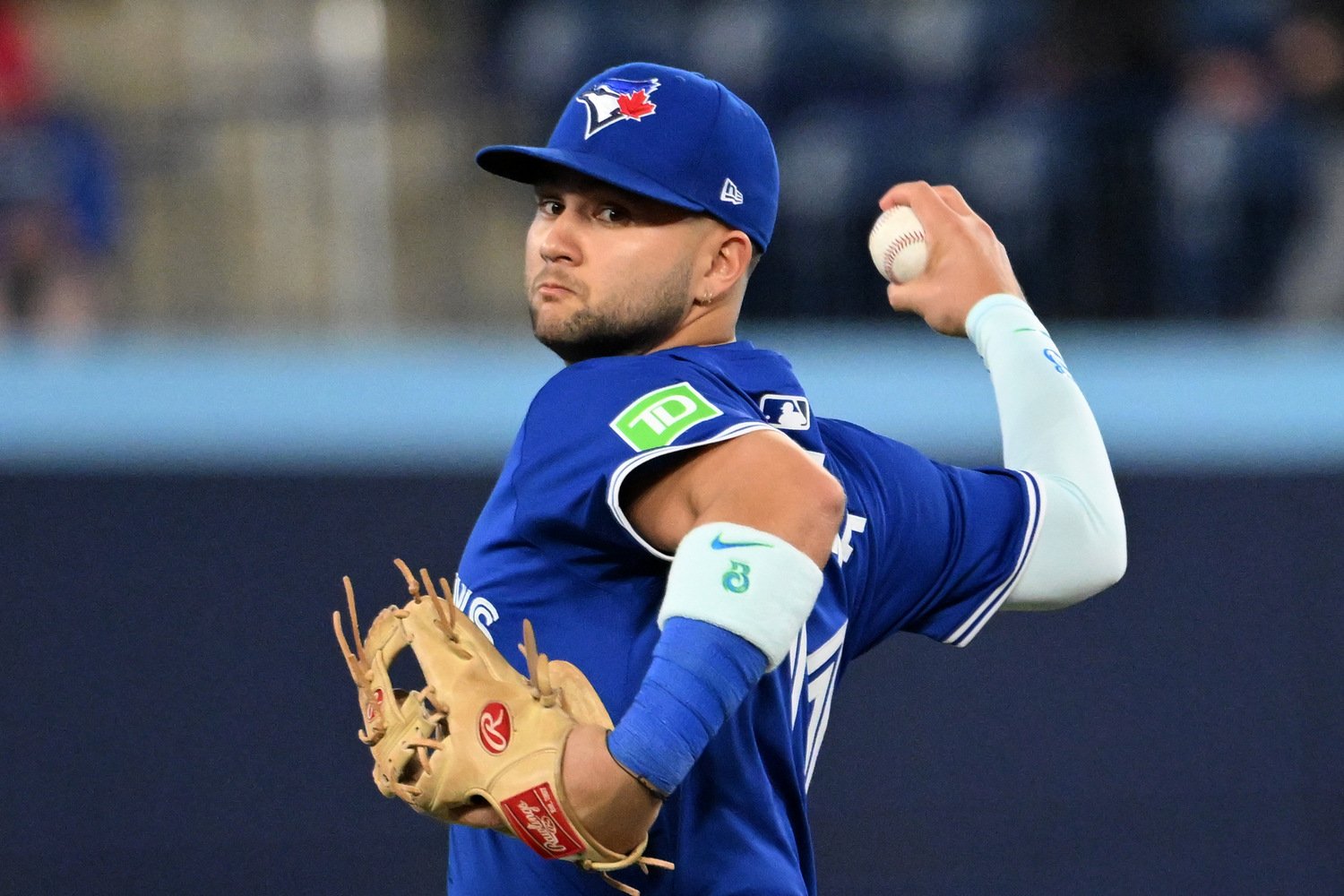 For the first time in quite a while, it feels hard to say goodbye to the old year to welcome in the new, at least from a Blue Jays perspective. The 2025 Blue Jays gave us so many reasons to love them, and who knows if 2026 will be the same? That being said, every new year brings new possibilities. Who knows? Maybe the next 365 days will be even better than the last for our boys in Blue Jays blue. Many of DiamondCentric's top free agents remain unsigned, and plenty of exciting trade candidates are still available, too. Hopefully, the Blue Jays aren't done surprising us this offseason as they look to build another World Series contender for 2026. With that in mind, here are three things I'd like to see the Toronto Blue Jays strive for in the new year. Sign a Big Bat The Blue Jays have already had a productive offseason, but all their additions so far have been for the pitching staff: Dylan Cease, Cody Ponce, and Tyler Rogers. Now, it's time to turn to the offense. As my colleague Jim Scott suggested yesterday, it's possible that Toronto's position player group could perform better in 2026 than in 2025, even without any additions. Yet, I don't just want the Jays to be good this year. I don't just want them to be better than they were last year. I want them to be the best team they can possibly be. The Blue Jays built up a ton of momentum with last year's playoff run, and they need to keep building on it. As I've written before, GM Ross Atkins has never been in a better position to convince ownership to spend, and he's never been in a better position to convince star free agents to pick Toronto. In my heart of hearts, of course I want Bo Bichette back, but I'll be happy with another star addition – especially if it's Kyle Tucker. What I won't be happy with is the Blue Jays going into 2026 without addressing the Bichette-shaped hole in their lineup. Make a Difficult Trade (or Two) I don't want to say goodbye to anyone from last year's team, which is why I'm glad I'm not Ross Atkins. He hasn't given himself much of a choice. The Blue Jays have too many starting pitchers. I value depth as much as the next guy, but I also value roster flexibility and having numerous back-end bullpen options. Simply put, I just don't see how this team can go into 2026 with all seven of Cease, Ponce, Kevin Gausman, Shane Bieber, Trey Yesavage, José Berríos, and Eric Lauer on the roster. Needless to say, Cease and Ponce aren't going anywhere. Neither should Yesavage. Gausman and Bieber could be dealt, but really, it's Berríos or Lauer who makes the most sense. Unlike Berríos, Lauer has already demonstrated he can thrive in a swingman role. What's more, Berríos holds more value as a starter, presuming the Blue Jays eat some of the money remaining on his contract. So, that's why Berríos's name has come up most often in trade rumors over the last several weeks. Presuming the Blue Jays follow through with resolution number one, they're also going to have a logjam on the position player side. If they sign Bichette, Tucker, Alex Bregman, etc., they're almost certainly going to have to trade one of Nathan Lukes, Davis Schneider, Myles Straw, or Addison Barger. Again, it won't be easy to part with any of those guys, but a team only has so much playing time to go around. Win the World Series Yes, I know this is a lot to ask. Of course it is. But the 2025 Blue Jays already came as close as a team can come to winning a World Series without actually winning a World Series. So, if I'm setting goals, I don't really have a choice but to set my sights on the ultimate prize. It's not as if it's unrealistic. Sure, the Dodgers still look like the favorites for another year in a row. Yet, as things stand, I don't see why the Blue Jays can't be the favorites to repeat as AL champions. And if they make it back to the Fall Classic, I don't see any reason why they can't win it all.
 -
According to a report from Steve Adams of MLB Trade Rumors, the Blue Jays have agreed to a two-year minor league contract with right-hander Josh Winckowski. He was cut by the Red Sox earlier this offseason. Winckowski, 27, will now return to the organization that selected him in the 2016 draft. He played the first four seasons of his professional career in the Blue Jays' system before he was traded to the Mets and Red Sox in quick succession during the 2020-21 offseason. The righty would go on to make his MLB debut for Boston in 2022. Since then, he has thrown 242.1 big league innings, all for the Red Sox, pitching to a 4.20 ERA and 4.36 xERA. After spending much of the 2025 season on the injured list with elbow inflammation, Winckowski underwent an internal brace procedure in December (per Adams). That will keep him out for most of 2026, which explains the two-year minor league contract, but Adams notes that Winckowski hopes to return before the end of the season. Adams also mentions that the Blue Jays are planning to stretch Winckowski back out as a starter. He started 14 games as a rookie in 2022 but has primarily worked as a reliever since. However, he did start three games at Triple-A in 2025 and a handful of games at both the Triple-A and MLB levels the year before. Winckowski was the second pitcher the Blue Jays inked to a two-year minor league contract on New Year's Eve. Earlier in the day, they came to terms on a similar deal with fellow right-hander Nic Enright. Featured image courtesy of Nathan Ray Seebeck, Imagn Images. View full rumor
-
.jpg.d910976ee35c47d9750e45ba77bc353b.jpg) According to a report from Steve Adams of MLB Trade Rumors, the Blue Jays have agreed to a two-year minor league contract with right-hander Josh Winckowski. He was cut by the Red Sox earlier this offseason. Winckowski, 27, will now return to the organization that selected him in the 2016 draft. He played the first four seasons of his professional career in the Blue Jays' system before he was traded to the Mets and Red Sox in quick succession during the 2020-21 offseason. The righty would go on to make his MLB debut for Boston in 2022. Since then, he has thrown 242.1 big league innings, all for the Red Sox, pitching to a 4.20 ERA and 4.36 xERA. After spending much of the 2025 season on the injured list with elbow inflammation, Winckowski underwent an internal brace procedure in December (per Adams). That will keep him out for most of 2026, which explains the two-year minor league contract, but Adams notes that Winckowski hopes to return before the end of the season. Adams also mentions that the Blue Jays are planning to stretch Winckowski back out as a starter. He started 14 games as a rookie in 2022 but has primarily worked as a reliever since. However, he did start three games at Triple-A in 2025 and a handful of games at both the Triple-A and MLB levels the year before. Winckowski was the second pitcher the Blue Jays inked to a two-year minor league contract on New Year's Eve. Earlier in the day, they came to terms on a similar deal with fellow right-hander Nic Enright. Featured image courtesy of Nathan Ray Seebeck, Imagn Images.
According to a report from Steve Adams of MLB Trade Rumors, the Blue Jays have agreed to a two-year minor league contract with right-hander Josh Winckowski. He was cut by the Red Sox earlier this offseason. Winckowski, 27, will now return to the organization that selected him in the 2016 draft. He played the first four seasons of his professional career in the Blue Jays' system before he was traded to the Mets and Red Sox in quick succession during the 2020-21 offseason. The righty would go on to make his MLB debut for Boston in 2022. Since then, he has thrown 242.1 big league innings, all for the Red Sox, pitching to a 4.20 ERA and 4.36 xERA. After spending much of the 2025 season on the injured list with elbow inflammation, Winckowski underwent an internal brace procedure in December (per Adams). That will keep him out for most of 2026, which explains the two-year minor league contract, but Adams notes that Winckowski hopes to return before the end of the season. Adams also mentions that the Blue Jays are planning to stretch Winckowski back out as a starter. He started 14 games as a rookie in 2022 but has primarily worked as a reliever since. However, he did start three games at Triple-A in 2025 and a handful of games at both the Triple-A and MLB levels the year before. Winckowski was the second pitcher the Blue Jays inked to a two-year minor league contract on New Year's Eve. Earlier in the day, they came to terms on a similar deal with fellow right-hander Nic Enright. Featured image courtesy of Nathan Ray Seebeck, Imagn Images. -
.jpg.272cefccfc881ae42c68913c02562cd3.jpg) According to ESPN's Alden González, the Blue Jays have agreed to a two-year minor league contract with reliever Nic Enright. Enright, 28, finally made it to the majors in 2025, after cancer treatment derailed his career from 2022-24. The right-hander threw 31 innings for the Guardians in his rookie campaign, pitching to a 2.03 ERA and 3.75 xERA. He collected his first MLB win, hold, and save, while striking out 30 and limiting opponents to a .618 OPS. Unfortunately, Enright hit the injured list in September and underwent Tommy John surgery in October, ending his 2026 season before it could begin. Hence, the two-year minor league contract: He'll spend next season rehabbing in the Blue Jays organization, and, hopefully, he'll be ready to compete for a role with the team in 2027. Featured image courtesy of Jerome Miron-Imagn Images.
According to ESPN's Alden González, the Blue Jays have agreed to a two-year minor league contract with reliever Nic Enright. Enright, 28, finally made it to the majors in 2025, after cancer treatment derailed his career from 2022-24. The right-hander threw 31 innings for the Guardians in his rookie campaign, pitching to a 2.03 ERA and 3.75 xERA. He collected his first MLB win, hold, and save, while striking out 30 and limiting opponents to a .618 OPS. Unfortunately, Enright hit the injured list in September and underwent Tommy John surgery in October, ending his 2026 season before it could begin. Hence, the two-year minor league contract: He'll spend next season rehabbing in the Blue Jays organization, and, hopefully, he'll be ready to compete for a role with the team in 2027. Featured image courtesy of Jerome Miron-Imagn Images.
.jpg.5b12771c261ecc5486b78871de00a901.jpg)
.jpg.ee45c8d94f1c371886f2f461ff454d9e.jpg)
.jpg.8bdf2a1ec8497f6d73372fef34c4c32e.jpg)
.jpg.8a0290d168741a4591792d049001a540.jpg)
.jpg.9885ffaf8c299b3f26d486a9d5502464.jpg)
.jpg.0bd94294696fee2c57c73ef52330e667.jpg)
.jpg.5e126e3c05af009df29a7b12eedf3ad6.jpg)
.jpg.d910976ee35c47d9750e45ba77bc353b.jpg)
.jpg.272cefccfc881ae42c68913c02562cd3.jpg)