


Bryan Jaeger
-
Posts
209 -
Joined
-
Last visited
Content Type
Profiles
Toronto Blue Jays Videos
2026 Toronto Blue Jays Top Prospects Ranking
Toronto Blue Jays Free Agent & Trade Rumors, Notes, & Tidbits
Guides & Resources
2025 Toronto Blue Jays Draft Pick Tracker
News
2026 Toronto Blue Jays Draft Tracker: Picks & Bonuses
Forums
Blogs
Events
Store
Downloads
Gallery
Everything posted by Bryan Jaeger
-
In September, major league rosters expand from 26 to 28. This is when teams call up prospects to see what they can do at the top level. Due to injuries and poor performances, the Blue Jays have already had 13 prospects make their MLB debuts. They only trail the Chicago White Sox in the number of debuts this season. Brett Bateman, Kazuma Okamoto, Brandon Valenzuela, Charles McAdoo, Chad Dallas, and Spencer Miles are currently on the Blue Jays roster. Who could be the prospects to join these players in September? Hitting Prospects Sean Keys Sean Keys made his MLB debut on July 27. It was an unimpressive first impression, slashing .167/.189/.278 with a home run, five runs, and five RBIs in 37 plate appearances. He struggled with chasing pitches at a 32.5 percent rate, which was unexpected after a 19.5 percent strikeout rate in Triple-A this season. Keys has also shown power in the minors, hitting 27 home runs over 412 plate appearances. With the lack of power on the Blue Jays, they hoped Keys would help. He posted an outstanding 60.9 hard-hit rate, but only a 4.3 barrel percentage. He didn’t show he was ready yet, so he was sent back down after less than a month with the big-league club. He also wasn’t getting normal playing time since Vladimir Guerrero Jr. and Okamoto blocked him at the corner infield positions. However, being sent down has been good for the rookie. In 21 August games, he is hitting .370/.475/.679 with six home runs, 19 runs, and 22 RBIs. He’s proven that he deserves another shot at the big leagues this season. He’s still blocked at the corner infield positions, but he’s going to start playing left field with Buffalo. The Blue Jays like their versatile players, and Keys can be another weapon at several positions if he can succeed in the outfield. Jay Harry Jay Harry looked like a promising prospect in 2023, his first minor league season, with a .902 OPS. However, he struggled mightily over the next two seasons, posting .679 and .572 OPS, respectively. He’s had a revelation this season and is flying up the minor-league ladder. He had a .934 OPS in Double-A New Hampshire, earning a promotion to Triple-A Buffalo on June 12, where he kept the hitting going, posting an .880 OPS over 161 plate appearances The left-handed hitter doesn’t offer much power, hitting 13 home runs over 348 plate appearances between Single-, Double-, and Triple-A this season. However, he’s getting on base with a .369 batting average on balls in play. The prospect has also reduced his 23.5 percent strikeout rate in Double-A to 16.1 percent in Triple-A. Harry is also more appealing for the Blue Jays, having played every position except first base and catcher over his three minor-league seasons. We all know how much Toronto loves utility players. Harry deserves a shot in September in the big leagues and has the advantage of playing multiple positions. As a switch-hitter, Brandon Valenzuela is the only left-handed bat off the bench, which makes both Keys and Harry smart additions to give John Schneider another left-handed bat that’s not his backup catcher. Pitching Prospects The revolving door the Blue Jays have had in their pitching staff this season leaves open the possibility that we may see quite a few different pitchers called up through September. There are 10 pitchers on the injury list; seven of them are starters. The number of starters unavailable has forced the Blue Jays to use a bullpen game for a rotation spot through a majority of the season. Those additional innings are why there have been so many call-ups, even if it's just for one game. Ricky Tiedemann It’s been a rough road for Ricky Tiedemann. He underwent Tommy John surgery in July 2024, forcing him to miss the following season. This season, he was briefly shut down in February with elbow discomfort and in early July due to neck discomfort. He finally made his long-awaited MLB debut on August 15, though it was brief. Tiedemann threw 1 2/3 innings, allowing one earned run on two hits and two strikeouts. He was sent down the next day, which may have just been a cautionary move to keep the injury-prone lefty’s workload down. Since returning to Buffalo, Tiedemann has thrown 3 1/3 scoreless innings, allowing two hits and striking out four, but walked two batters and hit one. His sweeper is his best out pitch. In a small sample size, of the 27 pitches the lefty threw, he threw the sweeper 59.3 percent of the time, and it had a 33.3 percent put-away rate. Tiedemann may eventually be a starter, but that will come after stretching out during the offseason. He’s likely a lock to be called up at some point in September, even if it’s another cup of coffee. Tanner Andrews Tanner Andrews spent eight seasons in the minors (the 2020 minor league season was canceled). After a long waiting period, he finally received the special call on May 25. He pitched back-to-back days, totaling three innings, allowing one hit, but he walked two while only striking out one. Although he had a decent outing, he was designated for assignment on June 4. He cleared waivers and returned to Triple-A Buffalo, where he has a 2.05 ERA and a 1.47 WHIP over 44 innings. However, he’s been better at striking batters out over his minor-league career than the 9.1 percent rate he displayed during his cup of coffee with the Blue Jays. The righty had a 20 percent strikeout rate or higher in each of his minor-league seasons, except his first season, which barely missed (19.7 percent). Walking batters is a major issue for Andrews. He has a 15.3 percent rate at Triple-A level this season, but it's been an issue over his minor-league career. This is possibly the reason we haven't seen him back with the Blue Jays yet. The righty has been better in August, throwing 7 1/3 innings, allowing three earned runs off of six hits, walking four, and striking out seven. He's been used in high-leverage situations, as well, earning two saves. Andrews is a 30-year-old prospect, so his time to contribute is running out. To give him another shot, he’d need to be added back to the 40-man roster. Daniel Guerra Daniel Guerra is a long-shot prospect to make his MLB debut this season. It’s his fifth minor-league season, but he’s flown up the ladder this season, making a stop at all four affiliate levels. He is one of the hottest pitching prospects in the Blue Jays’ farm system. He made 14 starts and three relief appearances between Single, High, and Double A before getting the promotion to Triple-A Buffalo on August 26. Even though it’s a small sample size, Guerra was dominant in four Double-A innings, striking out nine of the 16 batters he faced. The righty’s first Triple-A appearance wasn’t smooth, but it was a solid outing. He threw one inning, allowing a solo home run, while walking one and striking out one. The homer was the only hit Guerra allowed. The phenomenal pitching and strikeout potential he possesses would be enough to deserve a call-up, but he’s had limited innings at the higher minor-league levels. However, his move to the bullpen after moving to Double-A was meant to help him reach the big leagues quicker. The Blue Jays will be watching his next outing or two very closely. It’s not out of the question for Guerra to receive his phone call. View full article
-
How the Blue Jays Can Make the Postseason While Avoiding Tiebreakers
Bryan Jaeger posted an article in Blue Jays
.jpg.077f236b59dbe2181d7e990b3b8ea450.jpg) With a month left in the season, the American League Wild Card is a jumbled race to secure the third and final spot. The New York Yankees and Boston Red Sox sit comfortably in the top two spots, with at least a 6.5-game lead over the third spot. However, a losing skid could change their comfort level. The Cleveland Guardians sit in third, with six teams nipping at their heels within five games. The Toronto Blue Jays are three games back, but they have the advantage of playing most of these teams over the next month. With so many teams vying for one spot, there’s a good chance a tiebreaker will come into effect. Here are the tiebreaker scenarios, which can also be found on MLB.com. Tiebreaker Scenarios If Two Teams Are Tied Head-to-head record determines who advances. Intradivision record determines who advances. If both teams are tied in the head-to-head matchup, their records against their divisional opponents decide who moves on. This gives some teams an advantage over the Blue Jays, who are 23-23 in the AL East, as the Central and West are weaker than the East. With a 64-69 record, the Jays would still have a chance at a division title if they weren’t in the East. Record against AL teams determines who advances. Record against AL teams after the All-Star break determines who advances. Outcome of last game versus an AL team before the All-Star break determines who advances. If both teams won or lost the last game against an AL opponent, then the tiebreaker moves to the previous game. Repeat until a winner is determined. If Three Teams Are Tied If all three teams have identical records against one another, tiebreakers are determined in this order. Highest winning percentage among three tied clubs in intradivision games. Highest winning percentage among three tied clubs in intraleague games. Highest winning percentage in the second half of intraleague games. Highest winning percentage in the second half against AL teams plus the last intraleague game of the first half of the season. The “plus one” games can’t be against teams in the tiebreaker. This step backtracks until a winner is determined. If the three teams don’t have identical records against one another, these steps determine the tiebreaker. If one team has a better record against each of the other two, it advances. If no team has a better record against each of the other two: a. The teams will be ranked by their overall winning percentage against the other two teams combined. The team with the highest overall winning percentage in that group qualifies. b. If two of the teams have identical winning percentages against the other two, then they would follow the two-team tiebreak rules to break their tie to determine the qualifier. c. If all three teams have identical winning percentages against the other two, then the tiebreak rules above for three clubs having identical records against one another should be followed. If Four Teams Are Tied If one team has a better record against each of the other three, it advances. Highest winning percentage in games among the tied teams.* Highest winning percentage in intradivision games.* Highest winning percentage in intraleague games.* Highest winning percentage in the second half of AL games.* Highest winning percentage in the second half plus the last first-half AL game. The “plus one” games can’t be against teams in the tiebreaker. This step backtracks until a winner is determined. * If two teams have identical winning percentages, then the two-team tiebreak rules shall apply to determine which team qualifies. If three teams have identical winning percentages, then the three-team tiebreak rules shall apply to determine which team(s) qualify. How the Blue Jays Can Avoid Tiebreakers Here’s how many games in each upcoming series against teams fighting for the third Wild Card spot the Blue Jays need to win to avoid a tiebreaker. Seattle Mariners - August 28-30 The Blue Jays will need to sweep the Mariners if they want to win the season series. The Mariners won two of three games when Toronto struggled offensively in the middle of the season. The Blue Jays were outscored 14-2 and shut out in two games. Seattle also holds the advantage against intradivisional teams with a 20-13 record in the AL West. This means if the Blue Jays don’t get a sweep, they would be eliminated if they end the season tied with Seattle. Looking at the projected pitching matchups, Toronto has the edge. The matchups are: Game 1: Dylan Cease vs. Emerson Hancock Game 2: José Soriano vs. Kade Anderson Game 3: Max Scherzer vs. Bryce Miller Game three is the coin flip, but the Blue Jays will be favored in the first two matchups. If they win the first two, I prefer Mad Max in a very important game for both teams, but the questionable part is which version of him we see. Cleveland Guardians - September 1-3 The Blue Jays have won two of three games against the Guardians. However, Cleveland has a slight lead in intradivisional record (19-17). To win the head-to-head, the Blue Jays need to win two of the three games. Since this series follows the Mariners series, the projected pitching matchups aren’t as ideal for Toronto right now. Game 1: Bullpen game/Jameson Taillon vs. Gavin Williams Game 2: Spencer Arrighetti vs. Joey Cantillo Game 3: Cease vs. Tanner Bibee With Cease pitching game three, the pressure on fans eases slightly, but facing Gavin Williams in game one will be a tough task. He’s second in strikeouts among AL pitchers (204), five behind Cease. Although, the Blue Jays are a tough team to strike out. Baltimore Orioles - September 11-13 and 21-23 As AL East rivals, the Blue Jays will face the Orioles more than any of their other Wild Card opponents. Toronto holds a 4-3 record against Baltimore this season, so they need to win three games over the two series. They also have the better record in the AL East, as the Orioles are 15-20. Baltimore still has a three-game series against both the Red Sox and Yankees. That divisional record is unlikely to improve by much with strong opponents waiting. Detroit Tigers - September 14-16 The Blue Jays have won two of three games against the Tigers this season. The Blue Jays also hold the intradivisional edge, as the Tigers are 13-25 in the AL Central. Detroit is skidding with only two wins in its last 10 games. The pitching staff is not as impressive after Tarik Skubal and Casey Mize were traded away. This gives Toronto an advantage, as the Jays need to win two of three games to clinch the season series. Texas Rangers - September 18-20 The Blue Jays enter this series having already lost the head-to-head matchup. They were swept in a four-game series at the end of June. However, the Rangers' remaining schedule is much tougher than Toronto’s, with series against four teams with winning records: the Milwaukee Brewers, Tampa Bay Rays, Boston Red Sox, and Arizona Diamondbacks. The Blue Jays currently trail the Rangers by two games, so they’d need to gain some ground, but the remaining strength of schedules is in their favor. Houston Astros and Minnesota Twins The Blue Jays won’t play the Astros or Twins anymore this season. Toronto tied the Astros in their head-to-head matchup and leads the intradivisional matchup by one game. However, the Astros have a two-game series against the Mariners and a highly favorable four-game series against the Athletics coming up. These will be their last two series of the season, giving the Blue Jays an idea of how many games the Astros will need to lose if both teams are close in the standings. The Twins have won the season series 4-3 and have a 19-18 record against AL Central teams. They have two series against both the White Sox and Tigers remaining, so there’s an opportunity for their intradivisional record to worsen and for the Blue Jays to advance if the season record is tied.
With a month left in the season, the American League Wild Card is a jumbled race to secure the third and final spot. The New York Yankees and Boston Red Sox sit comfortably in the top two spots, with at least a 6.5-game lead over the third spot. However, a losing skid could change their comfort level. The Cleveland Guardians sit in third, with six teams nipping at their heels within five games. The Toronto Blue Jays are three games back, but they have the advantage of playing most of these teams over the next month. With so many teams vying for one spot, there’s a good chance a tiebreaker will come into effect. Here are the tiebreaker scenarios, which can also be found on MLB.com. Tiebreaker Scenarios If Two Teams Are Tied Head-to-head record determines who advances. Intradivision record determines who advances. If both teams are tied in the head-to-head matchup, their records against their divisional opponents decide who moves on. This gives some teams an advantage over the Blue Jays, who are 23-23 in the AL East, as the Central and West are weaker than the East. With a 64-69 record, the Jays would still have a chance at a division title if they weren’t in the East. Record against AL teams determines who advances. Record against AL teams after the All-Star break determines who advances. Outcome of last game versus an AL team before the All-Star break determines who advances. If both teams won or lost the last game against an AL opponent, then the tiebreaker moves to the previous game. Repeat until a winner is determined. If Three Teams Are Tied If all three teams have identical records against one another, tiebreakers are determined in this order. Highest winning percentage among three tied clubs in intradivision games. Highest winning percentage among three tied clubs in intraleague games. Highest winning percentage in the second half of intraleague games. Highest winning percentage in the second half against AL teams plus the last intraleague game of the first half of the season. The “plus one” games can’t be against teams in the tiebreaker. This step backtracks until a winner is determined. If the three teams don’t have identical records against one another, these steps determine the tiebreaker. If one team has a better record against each of the other two, it advances. If no team has a better record against each of the other two: a. The teams will be ranked by their overall winning percentage against the other two teams combined. The team with the highest overall winning percentage in that group qualifies. b. If two of the teams have identical winning percentages against the other two, then they would follow the two-team tiebreak rules to break their tie to determine the qualifier. c. If all three teams have identical winning percentages against the other two, then the tiebreak rules above for three clubs having identical records against one another should be followed. If Four Teams Are Tied If one team has a better record against each of the other three, it advances. Highest winning percentage in games among the tied teams.* Highest winning percentage in intradivision games.* Highest winning percentage in intraleague games.* Highest winning percentage in the second half of AL games.* Highest winning percentage in the second half plus the last first-half AL game. The “plus one” games can’t be against teams in the tiebreaker. This step backtracks until a winner is determined. * If two teams have identical winning percentages, then the two-team tiebreak rules shall apply to determine which team qualifies. If three teams have identical winning percentages, then the three-team tiebreak rules shall apply to determine which team(s) qualify. How the Blue Jays Can Avoid Tiebreakers Here’s how many games in each upcoming series against teams fighting for the third Wild Card spot the Blue Jays need to win to avoid a tiebreaker. Seattle Mariners - August 28-30 The Blue Jays will need to sweep the Mariners if they want to win the season series. The Mariners won two of three games when Toronto struggled offensively in the middle of the season. The Blue Jays were outscored 14-2 and shut out in two games. Seattle also holds the advantage against intradivisional teams with a 20-13 record in the AL West. This means if the Blue Jays don’t get a sweep, they would be eliminated if they end the season tied with Seattle. Looking at the projected pitching matchups, Toronto has the edge. The matchups are: Game 1: Dylan Cease vs. Emerson Hancock Game 2: José Soriano vs. Kade Anderson Game 3: Max Scherzer vs. Bryce Miller Game three is the coin flip, but the Blue Jays will be favored in the first two matchups. If they win the first two, I prefer Mad Max in a very important game for both teams, but the questionable part is which version of him we see. Cleveland Guardians - September 1-3 The Blue Jays have won two of three games against the Guardians. However, Cleveland has a slight lead in intradivisional record (19-17). To win the head-to-head, the Blue Jays need to win two of the three games. Since this series follows the Mariners series, the projected pitching matchups aren’t as ideal for Toronto right now. Game 1: Bullpen game/Jameson Taillon vs. Gavin Williams Game 2: Spencer Arrighetti vs. Joey Cantillo Game 3: Cease vs. Tanner Bibee With Cease pitching game three, the pressure on fans eases slightly, but facing Gavin Williams in game one will be a tough task. He’s second in strikeouts among AL pitchers (204), five behind Cease. Although, the Blue Jays are a tough team to strike out. Baltimore Orioles - September 11-13 and 21-23 As AL East rivals, the Blue Jays will face the Orioles more than any of their other Wild Card opponents. Toronto holds a 4-3 record against Baltimore this season, so they need to win three games over the two series. They also have the better record in the AL East, as the Orioles are 15-20. Baltimore still has a three-game series against both the Red Sox and Yankees. That divisional record is unlikely to improve by much with strong opponents waiting. Detroit Tigers - September 14-16 The Blue Jays have won two of three games against the Tigers this season. The Blue Jays also hold the intradivisional edge, as the Tigers are 13-25 in the AL Central. Detroit is skidding with only two wins in its last 10 games. The pitching staff is not as impressive after Tarik Skubal and Casey Mize were traded away. This gives Toronto an advantage, as the Jays need to win two of three games to clinch the season series. Texas Rangers - September 18-20 The Blue Jays enter this series having already lost the head-to-head matchup. They were swept in a four-game series at the end of June. However, the Rangers' remaining schedule is much tougher than Toronto’s, with series against four teams with winning records: the Milwaukee Brewers, Tampa Bay Rays, Boston Red Sox, and Arizona Diamondbacks. The Blue Jays currently trail the Rangers by two games, so they’d need to gain some ground, but the remaining strength of schedules is in their favor. Houston Astros and Minnesota Twins The Blue Jays won’t play the Astros or Twins anymore this season. Toronto tied the Astros in their head-to-head matchup and leads the intradivisional matchup by one game. However, the Astros have a two-game series against the Mariners and a highly favorable four-game series against the Athletics coming up. These will be their last two series of the season, giving the Blue Jays an idea of how many games the Astros will need to lose if both teams are close in the standings. The Twins have won the season series 4-3 and have a 19-18 record against AL Central teams. They have two series against both the White Sox and Tigers remaining, so there’s an opportunity for their intradivisional record to worsen and for the Blue Jays to advance if the season record is tied. -
With a month left in the season, the American League Wild Card is a jumbled race to secure the third and final spot. The New York Yankees and Boston Red Sox sit comfortably in the top two spots, with at least a 6.5-game lead over the third spot. However, a losing skid could change their comfort level. The Cleveland Guardians sit in third, with six teams nipping at their heels within five games. The Toronto Blue Jays are three games back, but they have the advantage of playing most of these teams over the next month. With so many teams vying for one spot, there’s a good chance a tiebreaker will come into effect. Here are the tiebreaker scenarios, which can also be found on MLB.com. Tiebreaker Scenarios If Two Teams Are Tied Head-to-head record determines who advances. Intradivision record determines who advances. If both teams are tied in the head-to-head matchup, their records against their divisional opponents decide who moves on. This gives some teams an advantage over the Blue Jays, who are 23-23 in the AL East, as the Central and West are weaker than the East. With a 64-69 record, the Jays would still have a chance at a division title if they weren’t in the East. Record against AL teams determines who advances. Record against AL teams after the All-Star break determines who advances. Outcome of last game versus an AL team before the All-Star break determines who advances. If both teams won or lost the last game against an AL opponent, then the tiebreaker moves to the previous game. Repeat until a winner is determined. If Three Teams Are Tied If all three teams have identical records against one another, tiebreakers are determined in this order. Highest winning percentage among three tied clubs in intradivision games. Highest winning percentage among three tied clubs in intraleague games. Highest winning percentage in the second half of intraleague games. Highest winning percentage in the second half against AL teams plus the last intraleague game of the first half of the season. The “plus one” games can’t be against teams in the tiebreaker. This step backtracks until a winner is determined. If the three teams don’t have identical records against one another, these steps determine the tiebreaker. If one team has a better record against each of the other two, it advances. If no team has a better record against each of the other two: a. The teams will be ranked by their overall winning percentage against the other two teams combined. The team with the highest overall winning percentage in that group qualifies. b. If two of the teams have identical winning percentages against the other two, then they would follow the two-team tiebreak rules to break their tie to determine the qualifier. c. If all three teams have identical winning percentages against the other two, then the tiebreak rules above for three clubs having identical records against one another should be followed. If Four Teams Are Tied If one team has a better record against each of the other three, it advances. Highest winning percentage in games among the tied teams.* Highest winning percentage in intradivision games.* Highest winning percentage in intraleague games.* Highest winning percentage in the second half of AL games.* Highest winning percentage in the second half plus the last first-half AL game. The “plus one” games can’t be against teams in the tiebreaker. This step backtracks until a winner is determined. * If two teams have identical winning percentages, then the two-team tiebreak rules shall apply to determine which team qualifies. If three teams have identical winning percentages, then the three-team tiebreak rules shall apply to determine which team(s) qualify. How the Blue Jays Can Avoid Tiebreakers Here’s how many games in each upcoming series against teams fighting for the third Wild Card spot the Blue Jays need to win to avoid a tiebreaker. Seattle Mariners - August 28-30 The Blue Jays will need to sweep the Mariners if they want to win the season series. The Mariners won two of three games when Toronto struggled offensively in the middle of the season. The Blue Jays were outscored 14-2 and shut out in two games. Seattle also holds the advantage against intradivisional teams with a 20-13 record in the AL West. This means if the Blue Jays don’t get a sweep, they would be eliminated if they end the season tied with Seattle. Looking at the projected pitching matchups, Toronto has the edge. The matchups are: Game 1: Dylan Cease vs. Emerson Hancock Game 2: José Soriano vs. Kade Anderson Game 3: Max Scherzer vs. Bryce Miller Game three is the coin flip, but the Blue Jays will be favored in the first two matchups. If they win the first two, I prefer Mad Max in a very important game for both teams, but the questionable part is which version of him we see. Cleveland Guardians - September 1-3 The Blue Jays have won two of three games against the Guardians. However, Cleveland has a slight lead in intradivisional record (19-17). To win the head-to-head, the Blue Jays need to win two of the three games. Since this series follows the Mariners series, the projected pitching matchups aren’t as ideal for Toronto right now. Game 1: Bullpen game/Jameson Taillon vs. Gavin Williams Game 2: Spencer Arrighetti vs. Joey Cantillo Game 3: Cease vs. Tanner Bibee With Cease pitching game three, the pressure on fans eases slightly, but facing Gavin Williams in game one will be a tough task. He’s second in strikeouts among AL pitchers (204), five behind Cease. Although, the Blue Jays are a tough team to strike out. Baltimore Orioles - September 11-13 and 21-23 As AL East rivals, the Blue Jays will face the Orioles more than any of their other Wild Card opponents. Toronto holds a 4-3 record against Baltimore this season, so they need to win three games over the two series. They also have the better record in the AL East, as the Orioles are 15-20. Baltimore still has a three-game series against both the Red Sox and Yankees. That divisional record is unlikely to improve by much with strong opponents waiting. Detroit Tigers - September 14-16 The Blue Jays have won two of three games against the Tigers this season. The Blue Jays also hold the intradivisional edge, as the Tigers are 13-25 in the AL Central. Detroit is skidding with only two wins in its last 10 games. The pitching staff is not as impressive after Tarik Skubal and Casey Mize were traded away. This gives Toronto an advantage, as the Jays need to win two of three games to clinch the season series. Texas Rangers - September 18-20 The Blue Jays enter this series having already lost the head-to-head matchup. They were swept in a four-game series at the end of June. However, the Rangers' remaining schedule is much tougher than Toronto’s, with series against four teams with winning records: the Milwaukee Brewers, Tampa Bay Rays, Boston Red Sox, and Arizona Diamondbacks. The Blue Jays currently trail the Rangers by two games, so they’d need to gain some ground, but the remaining strength of schedules is in their favor. Houston Astros and Minnesota Twins The Blue Jays won’t play the Astros or Twins anymore this season. Toronto tied the Astros in their head-to-head matchup and leads the intradivisional matchup by one game. However, the Astros have a two-game series against the Mariners and a highly favorable four-game series against the Athletics coming up. These will be their last two series of the season, giving the Blue Jays an idea of how many games the Astros will need to lose if both teams are close in the standings. The Twins have won the season series 4-3 and have a 19-18 record against AL Central teams. They have two series against both the White Sox and Tigers remaining, so there’s an opportunity for their intradivisional record to worsen and for the Blue Jays to advance if the season record is tied. View full article
-
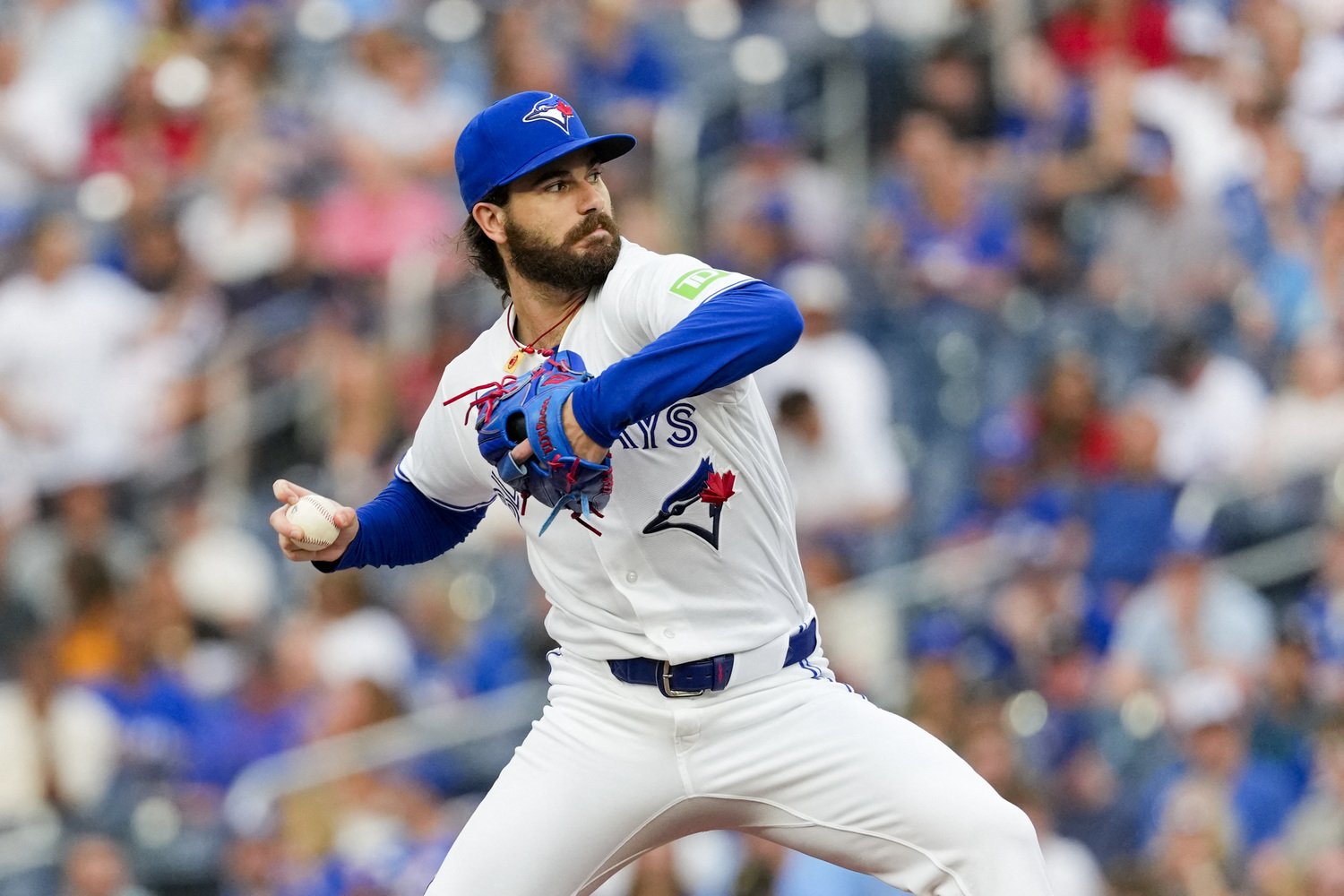 This offseason, Toronto signed Dylan Cease to a seven-year, $210 million contract. The addition gave the team a front-end pitcher to pair with Kevin Gausman (who was later traded to the Chicago Cubs at the deadline). The signing drew scrutiny, as Cease wasn't coming off a strong season. He finished 2025 with a 4.55 ERA and a league-average 1.33 WHIP, but he had 215 strikeouts. He had also been known to struggle with control, with a 10 percent walk rate over a seven-year career. However, Cease has been a grand slam signing. He’s currently in the Cy Young talk with a 2.42 ERA over 137 2/3 innings and leads the AL in strikeouts (201). It’s the sixth season in a row that he has exceeded 200 strikeouts, although his walk rate (10.7 percent) is a smidge higher than his career average. The fireballer continues to show his durability as well, with him on pace to extend his five-season streak of exceeding 165 innings. If you look at Cease's Baseball Savant profile, I hope you like the color red because he ranks in the 86th percentile or higher in 11 statistics, with seven of those in at least the 95th. His immense success proves that Cease has been worth every penny this season. The Blue Jays have further confirmation that they spent big on the right player, at least in year one. Before games on August 19, Spotrac stated that of the 19 players who signed a $40 million contract or higher this past winter, Cease has the highest fWAR (4.8). He's not even close to the second-highest mark, Pete Alonso's 3.5. The Orioles' first baseman's fWAR rating has seen a massive increase amid a hot August, in which he is slashing .365/.437/.683. The two names sandwiching Cease on the list by total contract amount, Kyle Tucker and Alex Bregman, both drew interest from the Blue Jays over the offseason. Bregman has a 3.3 fWAR rating, partially due to his strong defensive season; he ranks second among 45 eligible third basemen with six outs above average. Offensively, the third baseman has struggled, posting some of the worst statistics of his 11-year career. Bregman is slashing .255/.345/.404 this season with a substantial decrease in the power department. He's posted a .749 OPS and .149 ISO, which are both the worst of his career. Even though the Cubs' third baseman is struggling offensively, he's not the biggest surprise between him and Tucker. The Dodgers' right fielder is struggling all over the field. He's having his worst season offensively since his 2018 cup of coffee and his worst defensive season ever, with a -9.9 Def rating on FanGraphs. Tucker's outs above average is a career-low -9, ranking last among 37 eligible right fielders. His current 0.3 fWAR is a drastic difference from Cease's 4.8. Calling Tucker's season a disaster may be too kind, as Dodgers fans are booing him at home. He snapped an 0-for-26 streak at the plate on August 18 and has a 60 wRC+ at home, compared to 126 on the road. After Tucker grounded out against a Colorado Rockies position player, the Dodgers' broadcasters shared their feelings about his struggles. They suggested that he needs a reset, even if that means going to Triple-A Oklahoma City. Obviously, no one can predict how Tucker's season would have played out in Toronto, but surely it couldn't have been worse, right? However, knowing the Blue Jays were reportedly close to acquiring him, it feels great knowing they don't have $240 million tied up in a struggling bat and glove. Things could be different next season, but this season, Toronto has enough offensive issues, even though they've had a spark since the trade deadline. Bo Bichette was a candidate to be re-signed after a resurgence last season. The decision not to pursue him has turned out to be the right move, though. He has a 1.8 fWAR due to a slightly below-average offensive season; he has posted the second-lowest ISO (.121) of his eight-year career. The infielder's defense has been an issue throughout his career, but this season, he ranks 12th among third basemen with two outs above average. However, he has a -2 rating in the games he has played at shortstop for the Mets. It's safe to say the Blue Jays have won the battle of major signings for one season. Let's see how the remainder of these contracts play out and who gets added to the list after the 2026 campaign, though tension over the collective bargaining agreement may lead to an unusual offseason.
 -
This offseason, Toronto signed Dylan Cease to a seven-year, $210 million contract. The addition gave the team a front-end pitcher to pair with Kevin Gausman (who was later traded to the Chicago Cubs at the deadline). The signing drew scrutiny, as Cease wasn't coming off a strong season. He finished 2025 with a 4.55 ERA and a league-average 1.33 WHIP, but he had 215 strikeouts. He had also been known to struggle with control, with a 10 percent walk rate over a seven-year career. However, Cease has been a grand slam signing. He’s currently in the Cy Young talk with a 2.42 ERA over 137 2/3 innings and leads the AL in strikeouts (201). It’s the sixth season in a row that he has exceeded 200 strikeouts, although his walk rate (10.7 percent) is a smidge higher than his career average. The fireballer continues to show his durability as well, with him on pace to extend his five-season streak of exceeding 165 innings. If you look at Cease's Baseball Savant profile, I hope you like the color red because he ranks in the 86th percentile or higher in 11 statistics, with seven of those in at least the 95th. His immense success proves that Cease has been worth every penny this season. The Blue Jays have further confirmation that they spent big on the right player, at least in year one. Before games on August 19, Spotrac stated that of the 19 players who signed a $40 million contract or higher this past winter, Cease has the highest fWAR (4.8). He's not even close to the second-highest mark, Pete Alonso's 3.5. The Orioles' first baseman's fWAR rating has seen a massive increase amid a hot August, in which he is slashing .365/.437/.683. The two names sandwiching Cease on the list by total contract amount, Kyle Tucker and Alex Bregman, both drew interest from the Blue Jays over the offseason. Bregman has a 3.3 fWAR rating, partially due to his strong defensive season; he ranks second among 45 eligible third basemen with six outs above average. Offensively, the third baseman has struggled, posting some of the worst statistics of his 11-year career. Bregman is slashing .255/.345/.404 this season with a substantial decrease in the power department. He's posted a .749 OPS and .149 ISO, which are both the worst of his career. Even though the Cubs' third baseman is struggling offensively, he's not the biggest surprise between him and Tucker. The Dodgers' right fielder is struggling all over the field. He's having his worst season offensively since his 2018 cup of coffee and his worst defensive season ever, with a -9.9 Def rating on FanGraphs. Tucker's outs above average is a career-low -9, ranking last among 37 eligible right fielders. His current 0.3 fWAR is a drastic difference from Cease's 4.8. Calling Tucker's season a disaster may be too kind, as Dodgers fans are booing him at home. He snapped an 0-for-26 streak at the plate on August 18 and has a 60 wRC+ at home, compared to 126 on the road. After Tucker grounded out against a Colorado Rockies position player, the Dodgers' broadcasters shared their feelings about his struggles. They suggested that he needs a reset, even if that means going to Triple-A Oklahoma City. Obviously, no one can predict how Tucker's season would have played out in Toronto, but surely it couldn't have been worse, right? However, knowing the Blue Jays were reportedly close to acquiring him, it feels great knowing they don't have $240 million tied up in a struggling bat and glove. Things could be different next season, but this season, Toronto has enough offensive issues, even though they've had a spark since the trade deadline. Bo Bichette was a candidate to be re-signed after a resurgence last season. The decision not to pursue him has turned out to be the right move, though. He has a 1.8 fWAR due to a slightly below-average offensive season; he has posted the second-lowest ISO (.121) of his eight-year career. The infielder's defense has been an issue throughout his career, but this season, he ranks 12th among third basemen with two outs above average. However, he has a -2 rating in the games he has played at shortstop for the Mets. It's safe to say the Blue Jays have won the battle of major signings for one season. Let's see how the remainder of these contracts play out and who gets added to the list after the 2026 campaign, though tension over the collective bargaining agreement may lead to an unusual offseason. View full article
-
.jpg.fa05a43cc7101923675772d4b5046c4a.jpg) The Toronto Blue Jays acquired Spencer Arrighetti in the trade that sent Daulton Varsho to the Houston Astros. Arrighetti brings three years of MLB experience to add depth to the starting rotation. However, he has only started 52 games in that span due to multiple injuries. Last season, he missed nearly three months due to two different injured list stints: a fractured thumb and elbow inflammation. This season, he went on the IL on July 25 with a foot nerve injury, Morton's neuroma. It's an injury that causes nerve pain, which is concerning since it's in Arrighetti's push-off foot. The righty has made two rehab starts in August, throwing six combined innings and allowing two earned runs on three hits. He also struck out four but walked three batters. In his last start, he rolled through three innings before giving up a two-run home run in the fourth inning. Yet, Arrighetti showed a concerning sign: His fastball averaged just 90.5 mph. This is down from his major league average of 92.4 mph earlier this season. Hopefully, the drop is just him not getting his usual push off his right foot because of the immense pain he was experiencing, and not something more concerning. Shi Davidi of Sportsnet reported that Arrighetti would throw a side session yesterday (August 19), and then a decision would be made about where the righty's next appearance will take place. He also reported that Arrighetti changed the type of cleat he used, which had a new insole that reduced the pain. Depending on how the side session went, it's a possibility that Arrighetti's next start is with the Blue Jays. He'll need to prove he's pain-free and that the velocity decline was just a side effect of the pain he experienced. He last pitched August 16, so he could return as early as this weekend, possibly tomorrow, Friday, August 21, against the New York Yankees. (Sportnet's Arden Zwelling suggested that's likely the plan.) That is the next projected bullpen game, but it would only be on four days' rest for Arrighetti, so they may stick with a bullpen game and pitch him on the 22nd instead. That would push everyone else back a day as well. The Blue Jays have tried to go the route of using a six-man rotation to keep their starters healthy for the final stretch and a possible postseason run. However, the injuries to Trey Yesavage and Jameson Taillon derailed that strategy. So, Arrighetti would add depth to an injury-plagued starting rotation. However, he only threw 50 pitches in his last outing. That means the righty will be on a pitch count in his next start too, as he's still trying to ramp up to a full workload. It'll be nice to have an arm with Arrighetti's MLB experience while the team is fighting for the last Wild Card spot, and their schedule is perfectly aligned. Starting next week, all 10 of their remaining series are against teams under .500, and six of those are against teams the Blue Jays are battling for the final postseason berth.
The Toronto Blue Jays acquired Spencer Arrighetti in the trade that sent Daulton Varsho to the Houston Astros. Arrighetti brings three years of MLB experience to add depth to the starting rotation. However, he has only started 52 games in that span due to multiple injuries. Last season, he missed nearly three months due to two different injured list stints: a fractured thumb and elbow inflammation. This season, he went on the IL on July 25 with a foot nerve injury, Morton's neuroma. It's an injury that causes nerve pain, which is concerning since it's in Arrighetti's push-off foot. The righty has made two rehab starts in August, throwing six combined innings and allowing two earned runs on three hits. He also struck out four but walked three batters. In his last start, he rolled through three innings before giving up a two-run home run in the fourth inning. Yet, Arrighetti showed a concerning sign: His fastball averaged just 90.5 mph. This is down from his major league average of 92.4 mph earlier this season. Hopefully, the drop is just him not getting his usual push off his right foot because of the immense pain he was experiencing, and not something more concerning. Shi Davidi of Sportsnet reported that Arrighetti would throw a side session yesterday (August 19), and then a decision would be made about where the righty's next appearance will take place. He also reported that Arrighetti changed the type of cleat he used, which had a new insole that reduced the pain. Depending on how the side session went, it's a possibility that Arrighetti's next start is with the Blue Jays. He'll need to prove he's pain-free and that the velocity decline was just a side effect of the pain he experienced. He last pitched August 16, so he could return as early as this weekend, possibly tomorrow, Friday, August 21, against the New York Yankees. (Sportnet's Arden Zwelling suggested that's likely the plan.) That is the next projected bullpen game, but it would only be on four days' rest for Arrighetti, so they may stick with a bullpen game and pitch him on the 22nd instead. That would push everyone else back a day as well. The Blue Jays have tried to go the route of using a six-man rotation to keep their starters healthy for the final stretch and a possible postseason run. However, the injuries to Trey Yesavage and Jameson Taillon derailed that strategy. So, Arrighetti would add depth to an injury-plagued starting rotation. However, he only threw 50 pitches in his last outing. That means the righty will be on a pitch count in his next start too, as he's still trying to ramp up to a full workload. It'll be nice to have an arm with Arrighetti's MLB experience while the team is fighting for the last Wild Card spot, and their schedule is perfectly aligned. Starting next week, all 10 of their remaining series are against teams under .500, and six of those are against teams the Blue Jays are battling for the final postseason berth. -
The Toronto Blue Jays acquired Spencer Arrighetti in the trade that sent Daulton Varsho to the Houston Astros. Arrighetti brings three years of MLB experience to add depth to the starting rotation. However, he has only started 52 games in that span due to multiple injuries. Last season, he missed nearly three months due to two different injured list stints: a fractured thumb and elbow inflammation. This season, he went on the IL on July 25 with a foot nerve injury, Morton's neuroma. It's an injury that causes nerve pain, which is concerning since it's in Arrighetti's push-off foot. The righty has made two rehab starts in August, throwing six combined innings and allowing two earned runs on three hits. He also struck out four but walked three batters. In his last start, he rolled through three innings before giving up a two-run home run in the fourth inning. Yet, Arrighetti showed a concerning sign: His fastball averaged just 90.5 mph. This is down from his major league average of 92.4 mph earlier this season. Hopefully, the drop is just him not getting his usual push off his right foot because of the immense pain he was experiencing, and not something more concerning. Shi Davidi of Sportsnet reported that Arrighetti would throw a side session yesterday (August 19), and then a decision would be made about where the righty's next appearance will take place. He also reported that Arrighetti changed the type of cleat he used, which had a new insole that reduced the pain. Depending on how the side session went, it's a possibility that Arrighetti's next start is with the Blue Jays. He'll need to prove he's pain-free and that the velocity decline was just a side effect of the pain he experienced. He last pitched August 16, so he could return as early as this weekend, possibly tomorrow, Friday, August 21, against the New York Yankees. (Sportnet's Arden Zwelling suggested that's likely the plan.) That is the next projected bullpen game, but it would only be on four days' rest for Arrighetti, so they may stick with a bullpen game and pitch him on the 22nd instead. That would push everyone else back a day as well. The Blue Jays have tried to go the route of using a six-man rotation to keep their starters healthy for the final stretch and a possible postseason run. However, the injuries to Trey Yesavage and Jameson Taillon derailed that strategy. So, Arrighetti would add depth to an injury-plagued starting rotation. However, he only threw 50 pitches in his last outing. That means the righty will be on a pitch count in his next start too, as he's still trying to ramp up to a full workload. It'll be nice to have an arm with Arrighetti's MLB experience while the team is fighting for the last Wild Card spot, and their schedule is perfectly aligned. Starting next week, all 10 of their remaining series are against teams under .500, and six of those are against teams the Blue Jays are battling for the final postseason berth. View full article
-
That's an insane Savant profile. 100th percentile in squared-up rate, but only 1st percentile in hard-hit rate. I knew he didn't have power, but wow
-
Ricky Tiedemann’s Role for the Blue Jays Down the Stretch
Bryan Jaeger posted an article in Blue Jays
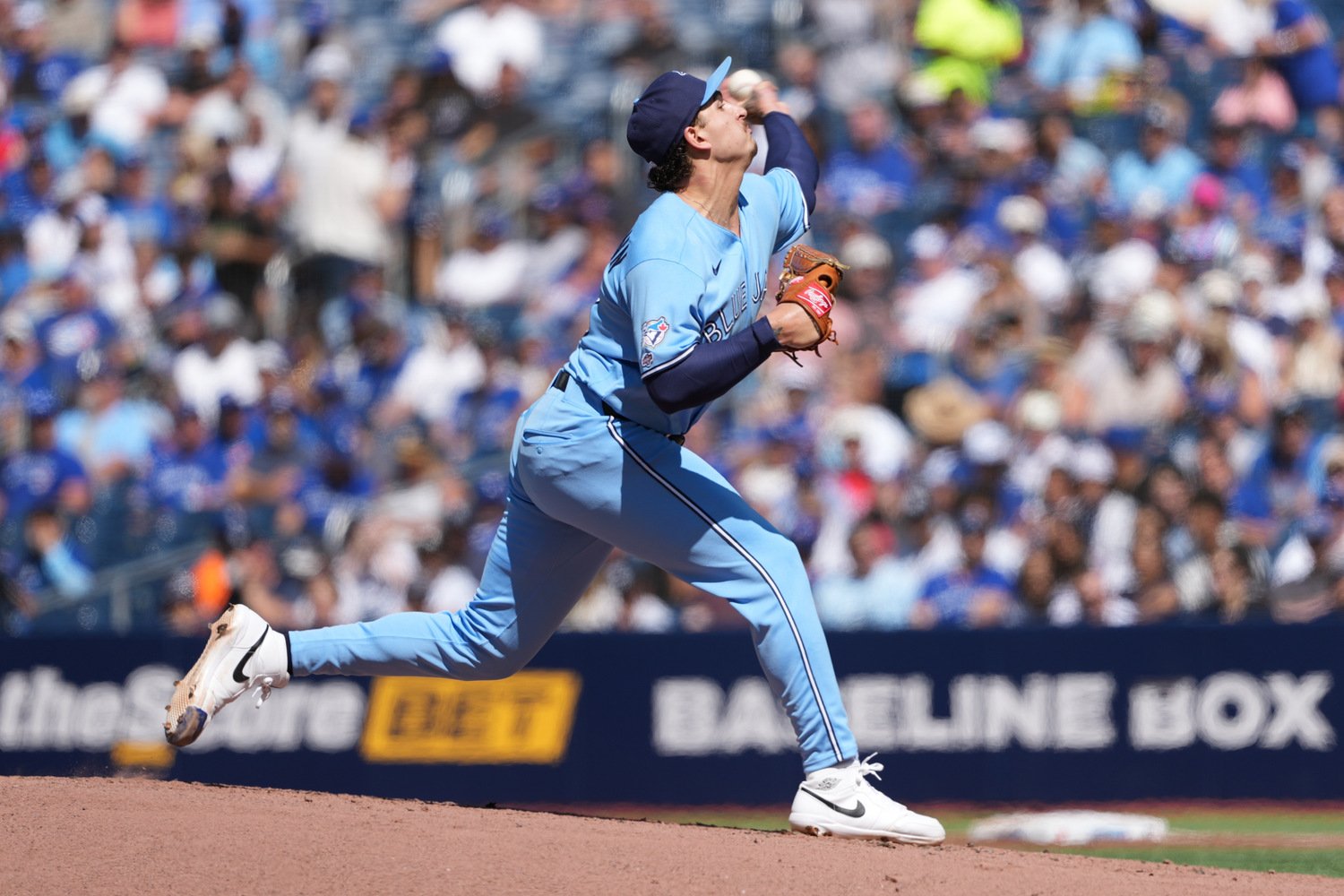 Ricky Tiedemann would likely have made his MLB debut earlier in the season if he hadn't had injury issues. He's a highly talented left-handed pitcher who throws a mid-90s four-seam fastball with a changeup and sweeper. However, he underwent Tommy John surgery in July 2024, forcing him to miss the entire 2025 season, and this season he was briefly shut down in February with elbow discomfort and in early July due to neck discomfort. The lefty prospect finally made his long-awaited MLB debut on August 15 to provide length in a bullpen game. Tiedemann threw 1 2/3 innings, allowing an earned run on two hits and striking out two. He followed opener Braydon Fisher, and after Tiedemann's outing, he passed the ball off to Simeon Woods Richardson in a game that saw the Jays use seven relievers. It was an important game for the Toronto Blue Jays as it led to their second win in the series against the New York Yankees. The rookie's MLB experience was short-lived, as he was sent back down to Triple-A Buffalo the next day. Brendon Little took Tiedemann's spot after being reinstated from the paternity list. The move has nothing to do with how the rookie performed. The demotion likely has to do with keeping the injury-prone southpaw's workload down. Tiedemann only made five minor league appearances after returning on July 25 from his neck injury, with three of those in Triple-A. He also only threw one inning in each outing. So the Blue Jays are protecting a player who has a bright future at the major league level. The team is in a logjam fighting for the last Wild Card berth; six teams are within one game of that final spot. With Toronto in a tight battle, Tiedemann's lack of experience could also be a reason to send him down to the minors. They've elected to use relievers who have MLB experience. The players at the bottom of the bullpen depth chart are Matt Waldron, newly acquired Paul Sewald, and Little. Though they've struggled this season, they have tons of experience at the highest level. However, if their struggles continue, Tiedemann will likely return to the big leagues before the regular season ends. The Blue Jays know Tiedemann is talented, but they have to be careful not to give him a massive workload right now. He showed in a small sample that he could compete, which leaves open a strong possibility we see him again in the final stretch of the season. He has the skills to make a late-season impact similar to Trey Yesavage last season, but Tiedemann won't be stretched out enough to be a starter. His role will be as a long reliever, but with his sweeper that can miss bats, he'd be a solid option in the middle innings.
 -
Ricky Tiedemann would likely have made his MLB debut earlier in the season if he hadn't had injury issues. He's a highly talented left-handed pitcher who throws a mid-90s four-seam fastball with a changeup and sweeper. However, he underwent Tommy John surgery in July 2024, forcing him to miss the entire 2025 season, and this season he was briefly shut down in February with elbow discomfort and in early July due to neck discomfort. The lefty prospect finally made his long-awaited MLB debut on August 15 to provide length in a bullpen game. Tiedemann threw 1 2/3 innings, allowing an earned run on two hits and striking out two. He followed opener Braydon Fisher, and after Tiedemann's outing, he passed the ball off to Simeon Woods Richardson in a game that saw the Jays use seven relievers. It was an important game for the Toronto Blue Jays as it led to their second win in the series against the New York Yankees. The rookie's MLB experience was short-lived, as he was sent back down to Triple-A Buffalo the next day. Brendon Little took Tiedemann's spot after being reinstated from the paternity list. The move has nothing to do with how the rookie performed. The demotion likely has to do with keeping the injury-prone southpaw's workload down. Tiedemann only made five minor league appearances after returning on July 25 from his neck injury, with three of those in Triple-A. He also only threw one inning in each outing. So the Blue Jays are protecting a player who has a bright future at the major league level. The team is in a logjam fighting for the last Wild Card berth; six teams are within one game of that final spot. With Toronto in a tight battle, Tiedemann's lack of experience could also be a reason to send him down to the minors. They've elected to use relievers who have MLB experience. The players at the bottom of the bullpen depth chart are Matt Waldron, newly acquired Paul Sewald, and Little. Though they've struggled this season, they have tons of experience at the highest level. However, if their struggles continue, Tiedemann will likely return to the big leagues before the regular season ends. The Blue Jays know Tiedemann is talented, but they have to be careful not to give him a massive workload right now. He showed in a small sample that he could compete, which leaves open a strong possibility we see him again in the final stretch of the season. He has the skills to make a late-season impact similar to Trey Yesavage last season, but Tiedemann won't be stretched out enough to be a starter. His role will be as a long reliever, but with his sweeper that can miss bats, he'd be a solid option in the middle innings. View full article
-
Brett Bateman Is Paying Early Dividends in His MLB Debut
Bryan Jaeger posted an article in Blue Jays
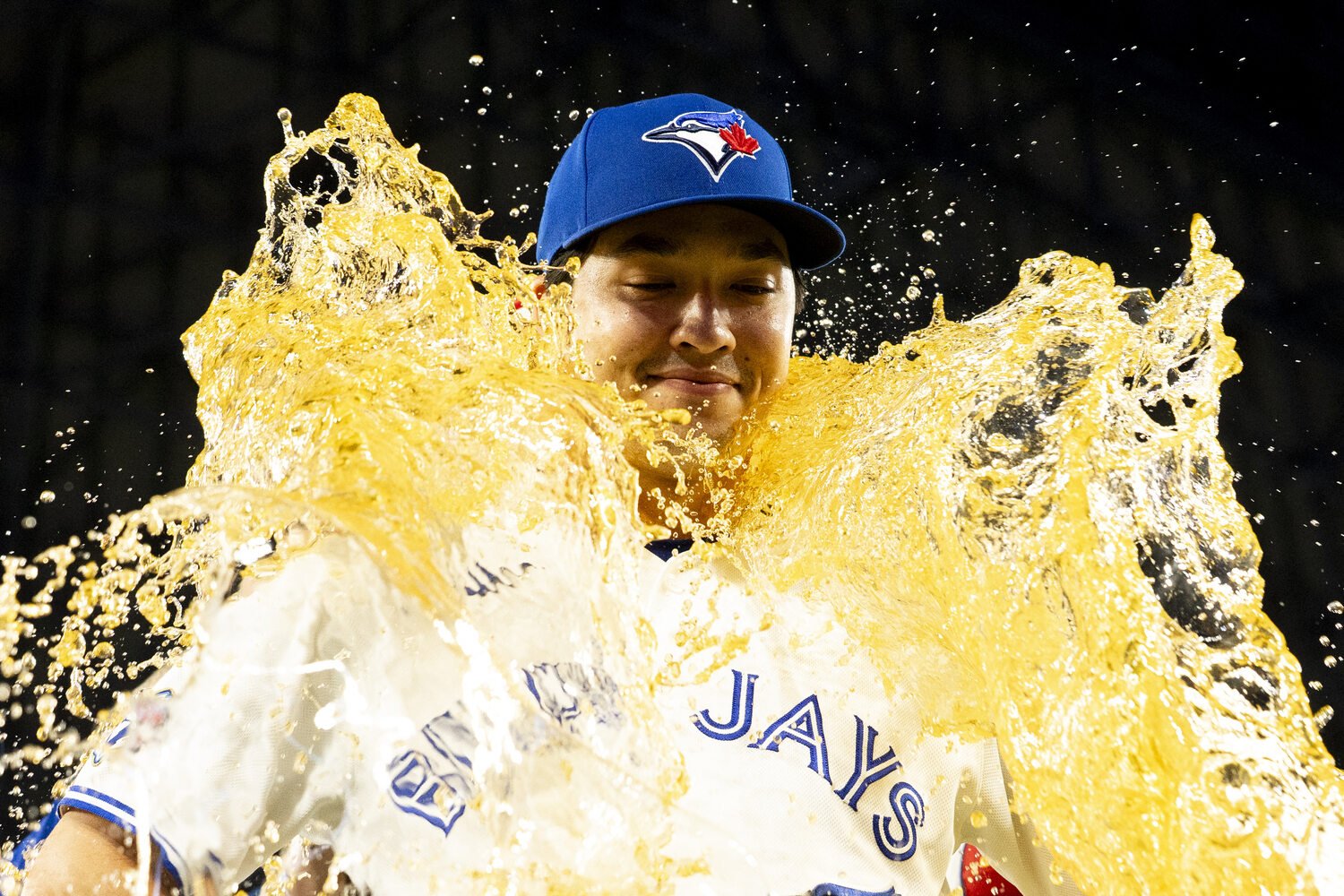 Before coming to the Toronto Blue Jays in the trade that sent Kevin Gausman to the Chicago Cubs, Brett Bateman's chances of an MLB debut this season were slim. He was blocked in the outfield by the Cubs' everyday starters, Pete Crow-Armstrong, Seiya Suzuki, and Ian Happ, and by their deep farm system with higher-rated prospects waiting patiently for their call-up. However, the Blue Jays desperately needed a spark for their offense, and Bateman has unexpectedly been that catalyst. He's played in six games since making his MLB debut last Friday (as of August 13), when his first at-bat resulted in a double off Philadelphia Phillies star Zack Wheeler. The rookie has a hit in five of his games, two runs, and three RBIs. The Blue Jays have also won five of the games that Bateman has played. He received the day off when they lost to the Boston Red Sox on August 13. The Blue Jays have shown a massive amount of faith in Bateman. He has played nearly every day and hit in the top two spots of the lineup. His speed gives the team a threat they have been lacking. He's yet to steal a base, but that'll likely change soon, as he had 83 stolen bases in 101 attempts in the minors. Toronto is known to adjust its lineup based on the matchup, but the rookie has avoided a platoon; as a left-handed bat, he has started half of his games against a lefty. The rookie has also shown the ability to provide a solid glove while handling center field. Filling the position was a major question mark after 2024 Gold Glove Award winner Daulton Varsho was traded to the Houston Astros at this season's deadline. A clear answer wasn't in the minor leagues. However, Bateman has filled in nicely. The sample is small, so the Blue Jays will see how the rest of the season plays out before they know if the rookie is their long-term answer. He doesn't provide power, which the Blue Jays also desperately need, but he offers reliable on-base skills and speed. He also possessed great plate vision in his minor league career, with a 0.86 walk-per-strikeout rate over four seasons. However, that hasn't translated to the majors yet, as he has a 0.33 walk-per-strikeout rate in his five games. He had two walks in his MLB debut but has yet to draw one since, while striking out six times. Bateman has given a positive first impression, allowing him the rest of the season to show the Blue Jays that he can be their center fielder for the foreseeable future. The Blue Jays threw him in the deep end and said, "Learn to swim." So far, Bateman has shown signs of being ready for the challenge.
 -
Before coming to the Toronto Blue Jays in the trade that sent Kevin Gausman to the Chicago Cubs, Brett Bateman's chances of an MLB debut this season were slim. He was blocked in the outfield by the Cubs' everyday starters, Pete Crow-Armstrong, Seiya Suzuki, and Ian Happ, and by their deep farm system with higher-rated prospects waiting patiently for their call-up. However, the Blue Jays desperately needed a spark for their offense, and Bateman has unexpectedly been that catalyst. He's played in six games since making his MLB debut last Friday (as of August 13), when his first at-bat resulted in a double off Philadelphia Phillies star Zack Wheeler. The rookie has a hit in five of his games, two runs, and three RBIs. The Blue Jays have also won five of the games that Bateman has played. He received the day off when they lost to the Boston Red Sox on August 13. The Blue Jays have shown a massive amount of faith in Bateman. He has played nearly every day and hit in the top two spots of the lineup. His speed gives the team a threat they have been lacking. He's yet to steal a base, but that'll likely change soon, as he had 83 stolen bases in 101 attempts in the minors. Toronto is known to adjust its lineup based on the matchup, but the rookie has avoided a platoon; as a left-handed bat, he has started half of his games against a lefty. The rookie has also shown the ability to provide a solid glove while handling center field. Filling the position was a major question mark after 2024 Gold Glove Award winner Daulton Varsho was traded to the Houston Astros at this season's deadline. A clear answer wasn't in the minor leagues. However, Bateman has filled in nicely. The sample is small, so the Blue Jays will see how the rest of the season plays out before they know if the rookie is their long-term answer. He doesn't provide power, which the Blue Jays also desperately need, but he offers reliable on-base skills and speed. He also possessed great plate vision in his minor league career, with a 0.86 walk-per-strikeout rate over four seasons. However, that hasn't translated to the majors yet, as he has a 0.33 walk-per-strikeout rate in his five games. He had two walks in his MLB debut but has yet to draw one since, while striking out six times. Bateman has given a positive first impression, allowing him the rest of the season to show the Blue Jays that he can be their center fielder for the foreseeable future. The Blue Jays threw him in the deep end and said, "Learn to swim." So far, Bateman has shown signs of being ready for the challenge. View full article
-
.jpg.af006b47aaca84d23797fbe64f4f66d6.jpg) Brett Bateman, 24, was one of the two prospects that the Toronto Blue Jays acquired in the trade that sent Kevin Gausman to the Chicago Cubs. Bateman is replacing Luis Urías, who was placed on the 10-day injured list with a strained quad. Rudy Martin Jr. was designated for assignment to clear a spot on the 40-man roster. In Triple A this season, Bateman slashed .311/.429/.416 with 61 runs, three home runs, 33 knocked in, and 20 stolen bases. He adds more depth in the outfield and a left-handed bat off the bench. He could platoon in center field with Myles Straw, so he may not have to wait long to make his debut.
Brett Bateman, 24, was one of the two prospects that the Toronto Blue Jays acquired in the trade that sent Kevin Gausman to the Chicago Cubs. Bateman is replacing Luis Urías, who was placed on the 10-day injured list with a strained quad. Rudy Martin Jr. was designated for assignment to clear a spot on the 40-man roster. In Triple A this season, Bateman slashed .311/.429/.416 with 61 runs, three home runs, 33 knocked in, and 20 stolen bases. He adds more depth in the outfield and a left-handed bat off the bench. He could platoon in center field with Myles Straw, so he may not have to wait long to make his debut. -
Brett Bateman, 24, was one of the two prospects that the Toronto Blue Jays acquired in the trade that sent Kevin Gausman to the Chicago Cubs. Bateman is replacing Luis Urías, who was placed on the 10-day injured list with a strained quad. Rudy Martin Jr. was designated for assignment to clear a spot on the 40-man roster. In Triple A this season, Bateman slashed .311/.429/.416 with 61 runs, three home runs, 33 knocked in, and 20 stolen bases. He adds more depth in the outfield and a left-handed bat off the bench. He could platoon in center field with Myles Straw, so he may not have to wait long to make his debut. View full rumor
-
This season's trade deadline felt a little bit different from last year's. The Toronto Blue Jays are in dead last in the AL East, but are only four games back of the third Wild Card spot. However, there are five teams between them and the Cleveland Guardians, who hold the final postseason berth. There was uncertainty about what route Toronto would take: Would they be buyers, sellers, or both? Although it wasn't too busy a deadline day for the Blue Jays, they went the latter route. They traded for José Soriano from the Los Angeles Angels, who has team control through the 2028 season, and dealt Kevin Gausman to the Chicago Cubs, Daulton Varsho to the Houston Astros, and Jeff Hoffman to the Minnesota Twins. The Blue Jays' front office was still able to keep a competitive roster despite the moves they made. With the trade deadline behind us, let's take a look at who the top Blue Jays hitters were in July. Top Blue Jays Hitters In July Honorable Mention: Alejandro Kirk July Stats: 67 PA, .281/.388/.368, 4 R, 1 HR, 5 RBI, .756 OPS, 115 wRC+ Alejandro Kirk has flipped a switch in the second half of the season. He was slashing .202/.273/.315 in the first half, and his numbers are even better to start August (.310/.408/.452 through games on Aug. 3). Some of his turnaround is due to him being more selective at the plate, which is leading to more walks. In June, Kirk had a 4.3 percent walk rate, which rose to 14.9 percent in July and is 16.7 percent through three games in August. Not chasing pitches out of the zone has helped the Blue Jays catcher make better contact and get on base. He had a .587 OPS in the first half of the season, but has increased that to .861 in the second half. Kirk has been a rather consistent contact hitter throughout his career, so the low first-half statistics were alarming. However, getting patient at the plate has shown a massive difference in the catcher's results. Honorable Mention: Ernie Clement July Stats: 103 PA, .278/.311/.371, 9 R, 1 HR, 7 RBI, .682 OPS, 91 wRC+ Ernie Clement's niche throughout his six-year career has been a strong defender who can make contact and put the ball in play, but he was a bottom-of-the-order hitter who wasn't very productive. However, he wasn't a full-time starter until 2024. Since becoming a near-everyday starter, Clement has provided a steady bat all over the lineup. He has 60 at-bats or more at five different spots in the batting order this season. He doesn't provide power, as he hasn't homered in the second half of the season, but he makes up for it with his on-base skill set. Though, he is 1-for-10 to begin August. No. 3: Vladimir Guerrero Jr. July Stats: 96 PA, .256/.333/.395, 10 R, 2 HR, 10 RBI, .729 OPS, 108 wRC+ It's no secret at this point of the season that Vladimir Guerrero Jr. has a power issue. He ranks in the 36th percentile in barrel percentage (6.7 percent), 53rd percentile in squared-up percentage (25.5 percent), and 41st percentile in chase rate (51.3 percent). These are glaring issues if you are considered a power bat. He may not even reach double-digit home runs, and he's already played in 107 games. Even though the power is down, Vladdy has still found ways to be productive offensively. However, his .293 batting average on balls in play marks the first time this stat has been below .300 since 2023. This offseason can't get here fast enough for Guerrero to get to work figuring out why he's had this drastic power drought. No. 2: Kazuma Okamoto July Stats: 96 PA, .213/.271/.427, 14 R, 5 HR, 16 RBI, .698 OPS, 93 wRC+ Another month and another power display for Kazuma Okamoto. So far, he has hit five or seven home runs in each month this season. The Blue Jays will gladly take the power despite weak contact skills. Especially since only one other Blue Jay has double-digit home runs: George Springer, with 12, thanks to a big July output. Okamoto is starting to slow down in the second half of the season, with only two home runs in 66 plate appearances. Another issue the Japanese slugger faces is a high strikeout rate. He is currently striking out at a massive 30.6 percent rate. This is nine percent higher than his next-closest total from NPB, which was in 2019. The higher total can likely be chalked up to a new league and new pitchers, so it will be interesting to see if there's improvement in his second MLB season. He could also be feeling the pressure of being the only power source, so he's pressing to produce, resulting in him swinging at bad pitches. No. 1: George Springer July Stats: 69 PA, .290/.362/.516, 9 R, 4 HR, 13 RBI, .878 OPS, 147 wRC+ George Springer's resurgent season last year, in which he hit .309 and had 32 home runs, is a distant memory. However, like Kirk, Springer has flipped a switch in the second half of the season. He was slashing .218/.303/.374 in the first half and has improved to .328/.388/.557 since. The Blue Jays could have used the sudden surge to entice teams at the trade deadline, but the team elected to hold on to him. Springer has 10-and-5 rights, meaning he had full no-trade rights, so a deal may never have been discussed. Hopefully, he can keep the hot streak going down the final stretch of the season, as Okamoto needs some help in the power department. View full article
-
.jpg.c1693c52b6ff4efbc4cfdfbf111d6417.jpg) This season's trade deadline felt a little bit different from last year's. The Toronto Blue Jays are in dead last in the AL East, but are only four games back of the third Wild Card spot. However, there are five teams between them and the Cleveland Guardians, who hold the final postseason berth. There was uncertainty about what route Toronto would take: Would they be buyers, sellers, or both? Although it wasn't too busy a deadline day for the Blue Jays, they went the latter route. They traded for José Soriano from the Los Angeles Angels, who has team control through the 2028 season, and dealt Kevin Gausman to the Chicago Cubs, Daulton Varsho to the Houston Astros, and Jeff Hoffman to the Minnesota Twins. The Blue Jays' front office was still able to keep a competitive roster despite the moves they made. With the trade deadline behind us, let's take a look at who the top Blue Jays hitters were in July. Top Blue Jays Hitters In July Honorable Mention: Alejandro Kirk July Stats: 67 PA, .281/.388/.368, 4 R, 1 HR, 5 RBI, .756 OPS, 115 wRC+ Alejandro Kirk has flipped a switch in the second half of the season. He was slashing .202/.273/.315 in the first half, and his numbers are even better to start August (.310/.408/.452 through games on Aug. 3). Some of his turnaround is due to him being more selective at the plate, which is leading to more walks. In June, Kirk had a 4.3 percent walk rate, which rose to 14.9 percent in July and is 16.7 percent through three games in August. Not chasing pitches out of the zone has helped the Blue Jays catcher make better contact and get on base. He had a .587 OPS in the first half of the season, but has increased that to .861 in the second half. Kirk has been a rather consistent contact hitter throughout his career, so the low first-half statistics were alarming. However, getting patient at the plate has shown a massive difference in the catcher's results. Honorable Mention: Ernie Clement July Stats: 103 PA, .278/.311/.371, 9 R, 1 HR, 7 RBI, .682 OPS, 91 wRC+ Ernie Clement's niche throughout his six-year career has been a strong defender who can make contact and put the ball in play, but he was a bottom-of-the-order hitter who wasn't very productive. However, he wasn't a full-time starter until 2024. Since becoming a near-everyday starter, Clement has provided a steady bat all over the lineup. He has 60 at-bats or more at five different spots in the batting order this season. He doesn't provide power, as he hasn't homered in the second half of the season, but he makes up for it with his on-base skill set. Though, he is 1-for-10 to begin August. No. 3: Vladimir Guerrero Jr. July Stats: 96 PA, .256/.333/.395, 10 R, 2 HR, 10 RBI, .729 OPS, 108 wRC+ It's no secret at this point of the season that Vladimir Guerrero Jr. has a power issue. He ranks in the 36th percentile in barrel percentage (6.7 percent), 53rd percentile in squared-up percentage (25.5 percent), and 41st percentile in chase rate (51.3 percent). These are glaring issues if you are considered a power bat. He may not even reach double-digit home runs, and he's already played in 107 games. Even though the power is down, Vladdy has still found ways to be productive offensively. However, his .293 batting average on balls in play marks the first time this stat has been below .300 since 2023. This offseason can't get here fast enough for Guerrero to get to work figuring out why he's had this drastic power drought. No. 2: Kazuma Okamoto July Stats: 96 PA, .213/.271/.427, 14 R, 5 HR, 16 RBI, .698 OPS, 93 wRC+ Another month and another power display for Kazuma Okamoto. So far, he has hit five or seven home runs in each month this season. The Blue Jays will gladly take the power despite weak contact skills. Especially since only one other Blue Jay has double-digit home runs: George Springer, with 12, thanks to a big July output. Okamoto is starting to slow down in the second half of the season, with only two home runs in 66 plate appearances. Another issue the Japanese slugger faces is a high strikeout rate. He is currently striking out at a massive 30.6 percent rate. This is nine percent higher than his next-closest total from NPB, which was in 2019. The higher total can likely be chalked up to a new league and new pitchers, so it will be interesting to see if there's improvement in his second MLB season. He could also be feeling the pressure of being the only power source, so he's pressing to produce, resulting in him swinging at bad pitches. No. 1: George Springer July Stats: 69 PA, .290/.362/.516, 9 R, 4 HR, 13 RBI, .878 OPS, 147 wRC+ George Springer's resurgent season last year, in which he hit .309 and had 32 home runs, is a distant memory. However, like Kirk, Springer has flipped a switch in the second half of the season. He was slashing .218/.303/.374 in the first half and has improved to .328/.388/.557 since. The Blue Jays could have used the sudden surge to entice teams at the trade deadline, but the team elected to hold on to him. Springer has 10-and-5 rights, meaning he had full no-trade rights, so a deal may never have been discussed. Hopefully, he can keep the hot streak going down the final stretch of the season, as Okamoto needs some help in the power department.
This season's trade deadline felt a little bit different from last year's. The Toronto Blue Jays are in dead last in the AL East, but are only four games back of the third Wild Card spot. However, there are five teams between them and the Cleveland Guardians, who hold the final postseason berth. There was uncertainty about what route Toronto would take: Would they be buyers, sellers, or both? Although it wasn't too busy a deadline day for the Blue Jays, they went the latter route. They traded for José Soriano from the Los Angeles Angels, who has team control through the 2028 season, and dealt Kevin Gausman to the Chicago Cubs, Daulton Varsho to the Houston Astros, and Jeff Hoffman to the Minnesota Twins. The Blue Jays' front office was still able to keep a competitive roster despite the moves they made. With the trade deadline behind us, let's take a look at who the top Blue Jays hitters were in July. Top Blue Jays Hitters In July Honorable Mention: Alejandro Kirk July Stats: 67 PA, .281/.388/.368, 4 R, 1 HR, 5 RBI, .756 OPS, 115 wRC+ Alejandro Kirk has flipped a switch in the second half of the season. He was slashing .202/.273/.315 in the first half, and his numbers are even better to start August (.310/.408/.452 through games on Aug. 3). Some of his turnaround is due to him being more selective at the plate, which is leading to more walks. In June, Kirk had a 4.3 percent walk rate, which rose to 14.9 percent in July and is 16.7 percent through three games in August. Not chasing pitches out of the zone has helped the Blue Jays catcher make better contact and get on base. He had a .587 OPS in the first half of the season, but has increased that to .861 in the second half. Kirk has been a rather consistent contact hitter throughout his career, so the low first-half statistics were alarming. However, getting patient at the plate has shown a massive difference in the catcher's results. Honorable Mention: Ernie Clement July Stats: 103 PA, .278/.311/.371, 9 R, 1 HR, 7 RBI, .682 OPS, 91 wRC+ Ernie Clement's niche throughout his six-year career has been a strong defender who can make contact and put the ball in play, but he was a bottom-of-the-order hitter who wasn't very productive. However, he wasn't a full-time starter until 2024. Since becoming a near-everyday starter, Clement has provided a steady bat all over the lineup. He has 60 at-bats or more at five different spots in the batting order this season. He doesn't provide power, as he hasn't homered in the second half of the season, but he makes up for it with his on-base skill set. Though, he is 1-for-10 to begin August. No. 3: Vladimir Guerrero Jr. July Stats: 96 PA, .256/.333/.395, 10 R, 2 HR, 10 RBI, .729 OPS, 108 wRC+ It's no secret at this point of the season that Vladimir Guerrero Jr. has a power issue. He ranks in the 36th percentile in barrel percentage (6.7 percent), 53rd percentile in squared-up percentage (25.5 percent), and 41st percentile in chase rate (51.3 percent). These are glaring issues if you are considered a power bat. He may not even reach double-digit home runs, and he's already played in 107 games. Even though the power is down, Vladdy has still found ways to be productive offensively. However, his .293 batting average on balls in play marks the first time this stat has been below .300 since 2023. This offseason can't get here fast enough for Guerrero to get to work figuring out why he's had this drastic power drought. No. 2: Kazuma Okamoto July Stats: 96 PA, .213/.271/.427, 14 R, 5 HR, 16 RBI, .698 OPS, 93 wRC+ Another month and another power display for Kazuma Okamoto. So far, he has hit five or seven home runs in each month this season. The Blue Jays will gladly take the power despite weak contact skills. Especially since only one other Blue Jay has double-digit home runs: George Springer, with 12, thanks to a big July output. Okamoto is starting to slow down in the second half of the season, with only two home runs in 66 plate appearances. Another issue the Japanese slugger faces is a high strikeout rate. He is currently striking out at a massive 30.6 percent rate. This is nine percent higher than his next-closest total from NPB, which was in 2019. The higher total can likely be chalked up to a new league and new pitchers, so it will be interesting to see if there's improvement in his second MLB season. He could also be feeling the pressure of being the only power source, so he's pressing to produce, resulting in him swinging at bad pitches. No. 1: George Springer July Stats: 69 PA, .290/.362/.516, 9 R, 4 HR, 13 RBI, .878 OPS, 147 wRC+ George Springer's resurgent season last year, in which he hit .309 and had 32 home runs, is a distant memory. However, like Kirk, Springer has flipped a switch in the second half of the season. He was slashing .218/.303/.374 in the first half and has improved to .328/.388/.557 since. The Blue Jays could have used the sudden surge to entice teams at the trade deadline, but the team elected to hold on to him. Springer has 10-and-5 rights, meaning he had full no-trade rights, so a deal may never have been discussed. Hopefully, he can keep the hot streak going down the final stretch of the season, as Okamoto needs some help in the power department. -
On Sunday, the Toronto Blue Jays made their first major trade before the MLB trade deadline, sending Kevin Gausman to the Chicago Cubs in exchange for two prospects. The move followed a trade to acquire Jameson Taillon earlier that day, after the Cubs designated him for assignment last week. It felt like the acquisition was a precursor to Gausman being dealt, as his contract expires at the end of the season. It hurts to see Gausman in a different uniform, but at least Blue Jays fans can root him on in the postseason. Plus, the move doesn't set the team back this season, especially after the Jays acquired José Soriano from the Los Angeles Angels. Obviously, to remain competitive, the Blue Jays need to find some offense, but at least the front office isn't waving the white flag. The two prospects that the Blue Jays acquired for Gausman are outfielder Brett Bateman and middle infielder Ty Southisene. Toronto targeted contact hitters with speed. Bateman is 24 and has been in Triple-A Idaho all season, where he slashed .312/.430/.421 with 59 runs, 33 knocked in, three home runs, and 20 stolen bases over 349 plate appearances. The lefty posted a 125 wRC+ and possesses great plate vision with a 17.2 percent walk rate and just a slightly higher strikeout percentage (18.9 percent). Bateman was the Cubs' 21st-ranked prospect by MLB Pipeline, but there was no clear path to the majors, as he was blocked by Pete Crow-Armstrong, Ian Happ, Seiya Suzuki, and higher-ranked prospects. Though he has great on-base skills, his power is severely lacking, with only a 30 power grade, but he owns a 70-grade speed. Though Southisene is three years younger than Bateman (21) and is just in High-A, he was ranked higher in the Cubs' farm system (13th). Southisene is a middle infielder, though his 5-foot-7 frame may lead to him handling more second base than shortstop. He, too, is a speedster who hits for contact. Over his 318 plate appearances at Single- and High-A this season, he posted a stat line of .306/.425/.372 with 58 runs, 35 RBIs, 31 stolen bases, and a 123 wRC+. Southisene also possesses elite plate vision, with a 1.11 walk-per-strikeout rate. He has yet to homer since being drafted in 2024, with a power grade of 20, but he is 72-for-86 in stolen bases in his minor league career. These are not the flashy assets that fans were hoping for, but for a 35-year-old rental in Gausman, Toronto wasn't going to net any top-tier prospect. Both Bateman and Southisene get on base and will be aggressive on the basepaths. Speed is definitely an area the Blue Jays can improve on, as they've ranked 25th or worse in stolen bases in each of the last three years. Bateman may get a shot as early as September to make his MLB debut, depending on injuries or other moves the team makes. View full article
-
.jpg.8b8b27fb8c01d55dbb46f1bc522796d9.jpg) On Sunday, the Toronto Blue Jays made their first major trade before the MLB trade deadline, sending Kevin Gausman to the Chicago Cubs in exchange for two prospects. The move followed a trade to acquire Jameson Taillon earlier that day, after the Cubs designated him for assignment last week. It felt like the acquisition was a precursor to Gausman being dealt, as his contract expires at the end of the season. It hurts to see Gausman in a different uniform, but at least Blue Jays fans can root him on in the postseason. Plus, the move doesn't set the team back this season, especially after the Jays acquired José Soriano from the Los Angeles Angels. Obviously, to remain competitive, the Blue Jays need to find some offense, but at least the front office isn't waving the white flag. The two prospects that the Blue Jays acquired for Gausman are outfielder Brett Bateman and middle infielder Ty Southisene. Toronto targeted contact hitters with speed. Bateman is 24 and has been in Triple-A Idaho all season, where he slashed .312/.430/.421 with 59 runs, 33 knocked in, three home runs, and 20 stolen bases over 349 plate appearances. The lefty posted a 125 wRC+ and possesses great plate vision with a 17.2 percent walk rate and just a slightly higher strikeout percentage (18.9 percent). Bateman was the Cubs' 21st-ranked prospect by MLB Pipeline, but there was no clear path to the majors, as he was blocked by Pete Crow-Armstrong, Ian Happ, Seiya Suzuki, and higher-ranked prospects. Though he has great on-base skills, his power is severely lacking, with only a 30 power grade, but he owns a 70-grade speed. Though Southisene is three years younger than Bateman (21) and is just in High-A, he was ranked higher in the Cubs' farm system (13th). Southisene is a middle infielder, though his 5-foot-7 frame may lead to him handling more second base than shortstop. He, too, is a speedster who hits for contact. Over his 318 plate appearances at Single- and High-A this season, he posted a stat line of .306/.425/.372 with 58 runs, 35 RBIs, 31 stolen bases, and a 123 wRC+. Southisene also possesses elite plate vision, with a 1.11 walk-per-strikeout rate. He has yet to homer since being drafted in 2024, with a power grade of 20, but he is 72-for-86 in stolen bases in his minor league career. These are not the flashy assets that fans were hoping for, but for a 35-year-old rental in Gausman, Toronto wasn't going to net any top-tier prospect. Both Bateman and Southisene get on base and will be aggressive on the basepaths. Speed is definitely an area the Blue Jays can improve on, as they've ranked 25th or worse in stolen bases in each of the last three years. Bateman may get a shot as early as September to make his MLB debut, depending on injuries or other moves the team makes.
On Sunday, the Toronto Blue Jays made their first major trade before the MLB trade deadline, sending Kevin Gausman to the Chicago Cubs in exchange for two prospects. The move followed a trade to acquire Jameson Taillon earlier that day, after the Cubs designated him for assignment last week. It felt like the acquisition was a precursor to Gausman being dealt, as his contract expires at the end of the season. It hurts to see Gausman in a different uniform, but at least Blue Jays fans can root him on in the postseason. Plus, the move doesn't set the team back this season, especially after the Jays acquired José Soriano from the Los Angeles Angels. Obviously, to remain competitive, the Blue Jays need to find some offense, but at least the front office isn't waving the white flag. The two prospects that the Blue Jays acquired for Gausman are outfielder Brett Bateman and middle infielder Ty Southisene. Toronto targeted contact hitters with speed. Bateman is 24 and has been in Triple-A Idaho all season, where he slashed .312/.430/.421 with 59 runs, 33 knocked in, three home runs, and 20 stolen bases over 349 plate appearances. The lefty posted a 125 wRC+ and possesses great plate vision with a 17.2 percent walk rate and just a slightly higher strikeout percentage (18.9 percent). Bateman was the Cubs' 21st-ranked prospect by MLB Pipeline, but there was no clear path to the majors, as he was blocked by Pete Crow-Armstrong, Ian Happ, Seiya Suzuki, and higher-ranked prospects. Though he has great on-base skills, his power is severely lacking, with only a 30 power grade, but he owns a 70-grade speed. Though Southisene is three years younger than Bateman (21) and is just in High-A, he was ranked higher in the Cubs' farm system (13th). Southisene is a middle infielder, though his 5-foot-7 frame may lead to him handling more second base than shortstop. He, too, is a speedster who hits for contact. Over his 318 plate appearances at Single- and High-A this season, he posted a stat line of .306/.425/.372 with 58 runs, 35 RBIs, 31 stolen bases, and a 123 wRC+. Southisene also possesses elite plate vision, with a 1.11 walk-per-strikeout rate. He has yet to homer since being drafted in 2024, with a power grade of 20, but he is 72-for-86 in stolen bases in his minor league career. These are not the flashy assets that fans were hoping for, but for a 35-year-old rental in Gausman, Toronto wasn't going to net any top-tier prospect. Both Bateman and Southisene get on base and will be aggressive on the basepaths. Speed is definitely an area the Blue Jays can improve on, as they've ranked 25th or worse in stolen bases in each of the last three years. Bateman may get a shot as early as September to make his MLB debut, depending on injuries or other moves the team makes. -
 The Toronto Blue Jays have acquired Jameson Taillon from the Chicago Cubs for cash considerations on Sunday, August 2. He was designated for assignment on July 27, but the move adds depth to a pitching staff that has been plagued by injuries all season. However, it may also be a precursor to a move that sees Kevin Gausman or Shane Bieber dealt away, as they're both available. Taillon has struggled this season, posting a 5.92 ERA, 1.36 WHIP, and 68:27 strikeout-to-walk ratio over 76 innings. He pitched for Team Canada in the 2013 and 2026 World Baseball Classic, so it's a full-circle moment seeing him in Toronto. The Blue Jays are short on MLB-ready starting pitchers, especially if Gausman and/or Bieber are dealt, so Taillon brings experience to a starting rotation hoping to still be competitive in the second half of the season.
 -
The Toronto Blue Jays have acquired Jameson Taillon from the Chicago Cubs for cash considerations on Sunday, August 2. He was designated for assignment on July 27, but the move adds depth to a pitching staff that has been plagued by injuries all season. However, it may also be a precursor to a move that sees Kevin Gausman or Shane Bieber dealt away, as they're both available. Taillon has struggled this season, posting a 5.92 ERA, 1.36 WHIP, and 68:27 strikeout-to-walk ratio over 76 innings. He pitched for Team Canada in the 2013 and 2026 World Baseball Classic, so it's a full-circle moment seeing him in Toronto. The Blue Jays are short on MLB-ready starting pitchers, especially if Gausman and/or Bieber are dealt, so Taillon brings experience to a starting rotation hoping to still be competitive in the second half of the season. View full rumor
-
.jpg.d64bdbc73c32ec2520b2698d3f457eeb.jpg) The trade deadline is less than a week away. The Toronto Blue Jays sit 5.5 games back of the third Wild Card spot, held by the Cleveland Guardians, and have five teams ahead of them. The American League is weaker than usual this season, which will make some of the teams ahead of Toronto feel as if they're only a few pieces away from contending, making them buyers. The Jays won't be aggressive buyers because they need too many pieces, especially on offense, where they rank 30th in runs, 25th in home runs, and 29th in OPS. However, they have good talent on their roster, so they don't need a full fire sale or to give up on the season completely. The Blue Jays could take a page out of the Guardians' 2025 playbook by trading expiring contracts and still compete the rest of the season. Cleveland won the AL Central with this approach, although that was a much weaker division than the AL East. The players on expiring contracts are George Springer, Kevin Gausman, Shane Bieber, Max Scherzer, and Daulton Varsho. Scherzer and Springer have full no-trade rights, while Gausman has eight teams he can block a trade to. Looking at the starting rotation, Gausman and/or Bieber would be the best bets to get dealt, especially with starting pitching being a popular target for contending teams. Although, Gausman has stated that he hopes that he doesn't get traded. He's spent the last five seasons with the Blue Jays, so it'll be an awkward conversation if the team decides to move him. If Gausman and Bieber get dealt, how will the Blue Jays fill the holes in their rotation for the remainder of the season? Spencer Miles With the plethora of injuries the Blue Jays' rotation suffered in the first half of the season, Spencer Miles was needed to fill in after Eric Lauer was designated for assignment. However, he's been more successful as a reliever than a starter this season. Role IP ERA Average Against K/9 WHIP FIP Starter 14.0 9.00 0.333 5.79 1.64 4.33 Reliever 55.0 1.80 0.187 9.33 0.96 2.62 He hasn't been as effective striking out batters as a starter, with only a 14.1 percent strikeout rate, compared to 26.6 percent when pitching out of the bullpen. The Rule 5 draft selection this offseason has been an asset all season long in the later innings, so he wouldn't be the ideal rotation fix, as that would weaken the pen. Chad Dallas Chad Dallas missed the entire 2025 season due to undergoing Tommy John surgery in September 2024. He returned at the beginning of the 2026 season and has been solid in Triple-A, posting a 3.16 ERA and a 23.8 percent strikeout rate. Dallas was called up June 4, but he made only one appearance, though it was an impressive MLB debut. He faced 15 Atlanta Braves hitters over 3 2/3 innings in relief, allowing two hits and one earned run. Despite the solid appearance, the Blue Jays sent him back down and recalled Brendon Little. Dallas got another shot on July 10, pitching a scoreless inning against the San Diego Padres, but he was quickly demoted again a few days later. The righty returned to the starting rotation in Triple-A Buffalo, but he hasn't completed more than 4 1/3 innings in his two starts since his second demotion. It's not that he has pitched poorly, as he has allowed only one earned run over his last 7 1/3 innings. It could be more of a sign that the Blue Jays envision him as a reliever in the future, or that they are closely monitoring his workload. However, the Blue Jays are slim on MLB-ready arms, and if Gausman and Bieber are gone, then the team will need inning eaters. Dallas would be a top in-house choice, as he is already stretched out. Simeon Woods Richardson The Blue Jays re-acquired Simeon Woods Richardson from the Minnesota Twins for cash earlier this season. They originally acquired him in the 2019 deal that sent Marcus Stroman to the New York Mets but then sent Woods Richardson to the Twins in 2021 to acquire José Berríos. The righty struggled this season with the Twins, posting a 7.74 ERA, a 26:25 strikeout-to-walk ratio, and a 1.89 WHIP over 47 2/3 innings. However, he was solid in his brief stint as a Blue Jay. The righty threw 10 scoreless innings, though he still struggled with control, walking seven batters and striking out five. To make room for Adam Macko, Woods Richardson would get DFA'd again, but this time he cleared waivers and went to Triple-A Buffalo. He hasn't looked pretty in Buffalo, posting a 6.60 ERA and 1.80 WHIP, while striking out 11 and walking eight over 15 innings. Even though the righty has struggled in the minors, the Blue Jays somehow figured out a way for him to be successful in his first stint with the club, so maybe he can find his groove again. Though, Woods Richardson needs to start showing signs of improvement if he wants a shot before some of Toronto's more qualified prospects. Ricky Tiedemann Ricky Tiedemann is a promising left-handed prospect who might have already made his MLB debut if not for injuries. He missed the entire 2025 season due to undergoing Tommy John surgery on July 30, 2014. He made his 2026 debut for Single-A Dunedin on June 16, but that was short-lived, with him only making one additional start before suffering discomfort in his neck and shoulder. The southpaw received injections, which forced him to sit out another month. Tiedemann returned to the mound for Dunedin on July 25, facing four batters and striking out two. He throws a mid-90s fastball, with his changeup being one of his better offspeed pitches, fooling batters. He also possesses a sweeping slider that has been getting batters to swing and miss. With Tiedemann's injury history, the Blue Jays will ease him back into playing shape, but he could be ready come September to make his debut. Jameson Taillon As I stated above, the Blue Jays are short on MLB-ready arms if Gausman and Bieber are traded, so they'll likely need to acquire a player from outside of the organization. That makes bringing in Jameson Taillon a smart idea. The Chicago Cubs DFA'd him on July 27 due to his struggles this season. Over 76 innings, he has a 5.92 ERA, a 1.36 WHIP, and has allowed batters to hit .256 off of him. Taillon is owed $18 million in his last season of a four-year $68 million contract, but if the Cubs can't find a trade partner within the seven-day window, they'll possibly release him. In a trade, the Cubs would likely be willing to eat a big chunk of what remains of his $18 million salary, making acquiring Taillon a beneficial move for the Blue Jays, who don't have many in-house options. He represented Team Canada in the 2013 and 2026 World Baseball Classics because his parents are Canadian and he's a dual citizen. So, it would be a heartwarming full-circle moment to see Taillon pitching in Toronto.
The trade deadline is less than a week away. The Toronto Blue Jays sit 5.5 games back of the third Wild Card spot, held by the Cleveland Guardians, and have five teams ahead of them. The American League is weaker than usual this season, which will make some of the teams ahead of Toronto feel as if they're only a few pieces away from contending, making them buyers. The Jays won't be aggressive buyers because they need too many pieces, especially on offense, where they rank 30th in runs, 25th in home runs, and 29th in OPS. However, they have good talent on their roster, so they don't need a full fire sale or to give up on the season completely. The Blue Jays could take a page out of the Guardians' 2025 playbook by trading expiring contracts and still compete the rest of the season. Cleveland won the AL Central with this approach, although that was a much weaker division than the AL East. The players on expiring contracts are George Springer, Kevin Gausman, Shane Bieber, Max Scherzer, and Daulton Varsho. Scherzer and Springer have full no-trade rights, while Gausman has eight teams he can block a trade to. Looking at the starting rotation, Gausman and/or Bieber would be the best bets to get dealt, especially with starting pitching being a popular target for contending teams. Although, Gausman has stated that he hopes that he doesn't get traded. He's spent the last five seasons with the Blue Jays, so it'll be an awkward conversation if the team decides to move him. If Gausman and Bieber get dealt, how will the Blue Jays fill the holes in their rotation for the remainder of the season? Spencer Miles With the plethora of injuries the Blue Jays' rotation suffered in the first half of the season, Spencer Miles was needed to fill in after Eric Lauer was designated for assignment. However, he's been more successful as a reliever than a starter this season. Role IP ERA Average Against K/9 WHIP FIP Starter 14.0 9.00 0.333 5.79 1.64 4.33 Reliever 55.0 1.80 0.187 9.33 0.96 2.62 He hasn't been as effective striking out batters as a starter, with only a 14.1 percent strikeout rate, compared to 26.6 percent when pitching out of the bullpen. The Rule 5 draft selection this offseason has been an asset all season long in the later innings, so he wouldn't be the ideal rotation fix, as that would weaken the pen. Chad Dallas Chad Dallas missed the entire 2025 season due to undergoing Tommy John surgery in September 2024. He returned at the beginning of the 2026 season and has been solid in Triple-A, posting a 3.16 ERA and a 23.8 percent strikeout rate. Dallas was called up June 4, but he made only one appearance, though it was an impressive MLB debut. He faced 15 Atlanta Braves hitters over 3 2/3 innings in relief, allowing two hits and one earned run. Despite the solid appearance, the Blue Jays sent him back down and recalled Brendon Little. Dallas got another shot on July 10, pitching a scoreless inning against the San Diego Padres, but he was quickly demoted again a few days later. The righty returned to the starting rotation in Triple-A Buffalo, but he hasn't completed more than 4 1/3 innings in his two starts since his second demotion. It's not that he has pitched poorly, as he has allowed only one earned run over his last 7 1/3 innings. It could be more of a sign that the Blue Jays envision him as a reliever in the future, or that they are closely monitoring his workload. However, the Blue Jays are slim on MLB-ready arms, and if Gausman and Bieber are gone, then the team will need inning eaters. Dallas would be a top in-house choice, as he is already stretched out. Simeon Woods Richardson The Blue Jays re-acquired Simeon Woods Richardson from the Minnesota Twins for cash earlier this season. They originally acquired him in the 2019 deal that sent Marcus Stroman to the New York Mets but then sent Woods Richardson to the Twins in 2021 to acquire José Berríos. The righty struggled this season with the Twins, posting a 7.74 ERA, a 26:25 strikeout-to-walk ratio, and a 1.89 WHIP over 47 2/3 innings. However, he was solid in his brief stint as a Blue Jay. The righty threw 10 scoreless innings, though he still struggled with control, walking seven batters and striking out five. To make room for Adam Macko, Woods Richardson would get DFA'd again, but this time he cleared waivers and went to Triple-A Buffalo. He hasn't looked pretty in Buffalo, posting a 6.60 ERA and 1.80 WHIP, while striking out 11 and walking eight over 15 innings. Even though the righty has struggled in the minors, the Blue Jays somehow figured out a way for him to be successful in his first stint with the club, so maybe he can find his groove again. Though, Woods Richardson needs to start showing signs of improvement if he wants a shot before some of Toronto's more qualified prospects. Ricky Tiedemann Ricky Tiedemann is a promising left-handed prospect who might have already made his MLB debut if not for injuries. He missed the entire 2025 season due to undergoing Tommy John surgery on July 30, 2014. He made his 2026 debut for Single-A Dunedin on June 16, but that was short-lived, with him only making one additional start before suffering discomfort in his neck and shoulder. The southpaw received injections, which forced him to sit out another month. Tiedemann returned to the mound for Dunedin on July 25, facing four batters and striking out two. He throws a mid-90s fastball, with his changeup being one of his better offspeed pitches, fooling batters. He also possesses a sweeping slider that has been getting batters to swing and miss. With Tiedemann's injury history, the Blue Jays will ease him back into playing shape, but he could be ready come September to make his debut. Jameson Taillon As I stated above, the Blue Jays are short on MLB-ready arms if Gausman and Bieber are traded, so they'll likely need to acquire a player from outside of the organization. That makes bringing in Jameson Taillon a smart idea. The Chicago Cubs DFA'd him on July 27 due to his struggles this season. Over 76 innings, he has a 5.92 ERA, a 1.36 WHIP, and has allowed batters to hit .256 off of him. Taillon is owed $18 million in his last season of a four-year $68 million contract, but if the Cubs can't find a trade partner within the seven-day window, they'll possibly release him. In a trade, the Cubs would likely be willing to eat a big chunk of what remains of his $18 million salary, making acquiring Taillon a beneficial move for the Blue Jays, who don't have many in-house options. He represented Team Canada in the 2013 and 2026 World Baseball Classics because his parents are Canadian and he's a dual citizen. So, it would be a heartwarming full-circle moment to see Taillon pitching in Toronto. -
The trade deadline is less than a week away. The Toronto Blue Jays sit 5.5 games back of the third Wild Card spot, held by the Cleveland Guardians, and have five teams ahead of them. The American League is weaker than usual this season, which will make some of the teams ahead of Toronto feel as if they're only a few pieces away from contending, making them buyers. The Jays won't be aggressive buyers because they need too many pieces, especially on offense, where they rank 30th in runs, 25th in home runs, and 29th in OPS. However, they have good talent on their roster, so they don't need a full fire sale or to give up on the season completely. The Blue Jays could take a page out of the Guardians' 2025 playbook by trading expiring contracts and still compete the rest of the season. Cleveland won the AL Central with this approach, although that was a much weaker division than the AL East. The players on expiring contracts are George Springer, Kevin Gausman, Shane Bieber, Max Scherzer, and Daulton Varsho. Scherzer and Springer have full no-trade rights, while Gausman has eight teams he can block a trade to. Looking at the starting rotation, Gausman and/or Bieber would be the best bets to get dealt, especially with starting pitching being a popular target for contending teams. Although, Gausman has stated that he hopes that he doesn't get traded. He's spent the last five seasons with the Blue Jays, so it'll be an awkward conversation if the team decides to move him. If Gausman and Bieber get dealt, how will the Blue Jays fill the holes in their rotation for the remainder of the season? Spencer Miles With the plethora of injuries the Blue Jays' rotation suffered in the first half of the season, Spencer Miles was needed to fill in after Eric Lauer was designated for assignment. However, he's been more successful as a reliever than a starter this season. Role IP ERA Average Against K/9 WHIP FIP Starter 14.0 9.00 0.333 5.79 1.64 4.33 Reliever 55.0 1.80 0.187 9.33 0.96 2.62 He hasn't been as effective striking out batters as a starter, with only a 14.1 percent strikeout rate, compared to 26.6 percent when pitching out of the bullpen. The Rule 5 draft selection this offseason has been an asset all season long in the later innings, so he wouldn't be the ideal rotation fix, as that would weaken the pen. Chad Dallas Chad Dallas missed the entire 2025 season due to undergoing Tommy John surgery in September 2024. He returned at the beginning of the 2026 season and has been solid in Triple-A, posting a 3.16 ERA and a 23.8 percent strikeout rate. Dallas was called up June 4, but he made only one appearance, though it was an impressive MLB debut. He faced 15 Atlanta Braves hitters over 3 2/3 innings in relief, allowing two hits and one earned run. Despite the solid appearance, the Blue Jays sent him back down and recalled Brendon Little. Dallas got another shot on July 10, pitching a scoreless inning against the San Diego Padres, but he was quickly demoted again a few days later. The righty returned to the starting rotation in Triple-A Buffalo, but he hasn't completed more than 4 1/3 innings in his two starts since his second demotion. It's not that he has pitched poorly, as he has allowed only one earned run over his last 7 1/3 innings. It could be more of a sign that the Blue Jays envision him as a reliever in the future, or that they are closely monitoring his workload. However, the Blue Jays are slim on MLB-ready arms, and if Gausman and Bieber are gone, then the team will need inning eaters. Dallas would be a top in-house choice, as he is already stretched out. Simeon Woods Richardson The Blue Jays re-acquired Simeon Woods Richardson from the Minnesota Twins for cash earlier this season. They originally acquired him in the 2019 deal that sent Marcus Stroman to the New York Mets but then sent Woods Richardson to the Twins in 2021 to acquire José Berríos. The righty struggled this season with the Twins, posting a 7.74 ERA, a 26:25 strikeout-to-walk ratio, and a 1.89 WHIP over 47 2/3 innings. However, he was solid in his brief stint as a Blue Jay. The righty threw 10 scoreless innings, though he still struggled with control, walking seven batters and striking out five. To make room for Adam Macko, Woods Richardson would get DFA'd again, but this time he cleared waivers and went to Triple-A Buffalo. He hasn't looked pretty in Buffalo, posting a 6.60 ERA and 1.80 WHIP, while striking out 11 and walking eight over 15 innings. Even though the righty has struggled in the minors, the Blue Jays somehow figured out a way for him to be successful in his first stint with the club, so maybe he can find his groove again. Though, Woods Richardson needs to start showing signs of improvement if he wants a shot before some of Toronto's more qualified prospects. Ricky Tiedemann Ricky Tiedemann is a promising left-handed prospect who might have already made his MLB debut if not for injuries. He missed the entire 2025 season due to undergoing Tommy John surgery on July 30, 2014. He made his 2026 debut for Single-A Dunedin on June 16, but that was short-lived, with him only making one additional start before suffering discomfort in his neck and shoulder. The southpaw received injections, which forced him to sit out another month. Tiedemann returned to the mound for Dunedin on July 25, facing four batters and striking out two. He throws a mid-90s fastball, with his changeup being one of his better offspeed pitches, fooling batters. He also possesses a sweeping slider that has been getting batters to swing and miss. With Tiedemann's injury history, the Blue Jays will ease him back into playing shape, but he could be ready come September to make his debut. Jameson Taillon As I stated above, the Blue Jays are short on MLB-ready arms if Gausman and Bieber are traded, so they'll likely need to acquire a player from outside of the organization. That makes bringing in Jameson Taillon a smart idea. The Chicago Cubs DFA'd him on July 27 due to his struggles this season. Over 76 innings, he has a 5.92 ERA, a 1.36 WHIP, and has allowed batters to hit .256 off of him. Taillon is owed $18 million in his last season of a four-year $68 million contract, but if the Cubs can't find a trade partner within the seven-day window, they'll possibly release him. In a trade, the Cubs would likely be willing to eat a big chunk of what remains of his $18 million salary, making acquiring Taillon a beneficial move for the Blue Jays, who don't have many in-house options. He represented Team Canada in the 2013 and 2026 World Baseball Classics because his parents are Canadian and he's a dual citizen. So, it would be a heartwarming full-circle moment to see Taillon pitching in Toronto. View full article
-
.jpg.34204c67fefbd4cb54547205cca942ed.jpg) Louis Varland has been one of the top relievers in MLB, if not the best, especially in the American League. He’s thrown 46 innings prior to the Blue Jays' game on July 3, posting a 0.98 ERA, a 1.46 FIP, and a 36.2 percent strikeout rate. Since taking over the closer role from a struggling Jeff Hoffman, Varland is a perfect 17-for-17 in save opportunities. These outstanding statistics mean he should be the go-to reliever if the American League has a lead in the ninth inning of the All-Star Game on July 14. It's hard to believe he won't be on the roster when the team is announced later today. If Varland can pull off earning a save, that’d put him in rare company. The only Toronto Blue Jay to have a save in an All-Star Game is J.A. Happ. He earned the feat in the 2018 Midsummer Classic, pitching a scoreless 10th inning to secure an 8-6 AL victory. Ironically, it was his only save in a 15-year career, as he was a starting pitcher. Happ came to the Blue Jays at the 2012 trade deadline from the Houston Astros. He then spent parts of the 2013-2014 and 2016-2018 seasons with the team. He was traded to the Seattle Mariners in the offseason before the 2015 season, and the Blue Jays re-signed the lefty the next winter. They traded him again at the 2018 trade deadline, this time to the New York Yankees. During Happ’s two stints with the Blue Jays, he compiled a 59-32 record, a 3.88 ERA, and 655 strikeouts. In 2016, he finished sixth in the Cy Young Award voting after going 20-4 with a 3.18 ERA and 163 strikeouts. The 2018 All-Star Game was Happ’s only All-Star appearance in his career. Since saves became an official statistic in 1969, 43 pitchers have earned a save in an All-Star game. Five players have done it multiple times: Mariano Rivera (4), Dennis Eckersley (3), Emmanuel Clase (2), Bruce Sutter (2), and Mel Harder (2). This would be Varland’s first All-Star appearance, but the AL Reliever of the Month for March/April is poised to make a huge contribution. You can watch this year’s Midsummer Classic at Citizens Bank Park in Philadelphia on July 14 at 8:00 pm ET.
Louis Varland has been one of the top relievers in MLB, if not the best, especially in the American League. He’s thrown 46 innings prior to the Blue Jays' game on July 3, posting a 0.98 ERA, a 1.46 FIP, and a 36.2 percent strikeout rate. Since taking over the closer role from a struggling Jeff Hoffman, Varland is a perfect 17-for-17 in save opportunities. These outstanding statistics mean he should be the go-to reliever if the American League has a lead in the ninth inning of the All-Star Game on July 14. It's hard to believe he won't be on the roster when the team is announced later today. If Varland can pull off earning a save, that’d put him in rare company. The only Toronto Blue Jay to have a save in an All-Star Game is J.A. Happ. He earned the feat in the 2018 Midsummer Classic, pitching a scoreless 10th inning to secure an 8-6 AL victory. Ironically, it was his only save in a 15-year career, as he was a starting pitcher. Happ came to the Blue Jays at the 2012 trade deadline from the Houston Astros. He then spent parts of the 2013-2014 and 2016-2018 seasons with the team. He was traded to the Seattle Mariners in the offseason before the 2015 season, and the Blue Jays re-signed the lefty the next winter. They traded him again at the 2018 trade deadline, this time to the New York Yankees. During Happ’s two stints with the Blue Jays, he compiled a 59-32 record, a 3.88 ERA, and 655 strikeouts. In 2016, he finished sixth in the Cy Young Award voting after going 20-4 with a 3.18 ERA and 163 strikeouts. The 2018 All-Star Game was Happ’s only All-Star appearance in his career. Since saves became an official statistic in 1969, 43 pitchers have earned a save in an All-Star game. Five players have done it multiple times: Mariano Rivera (4), Dennis Eckersley (3), Emmanuel Clase (2), Bruce Sutter (2), and Mel Harder (2). This would be Varland’s first All-Star appearance, but the AL Reliever of the Month for March/April is poised to make a huge contribution. You can watch this year’s Midsummer Classic at Citizens Bank Park in Philadelphia on July 14 at 8:00 pm ET. -
Louis Varland has been one of the top relievers in MLB, if not the best, especially in the American League. He’s thrown 46 innings prior to the Blue Jays' game on July 3, posting a 0.98 ERA, a 1.46 FIP, and a 36.2 percent strikeout rate. Since taking over the closer role from a struggling Jeff Hoffman, Varland is a perfect 17-for-17 in save opportunities. These outstanding statistics mean he should be the go-to reliever if the American League has a lead in the ninth inning of the All-Star Game on July 14. It's hard to believe he won't be on the roster when the team is announced later today. If Varland can pull off earning a save, that’d put him in rare company. The only Toronto Blue Jay to have a save in an All-Star Game is J.A. Happ. He earned the feat in the 2018 Midsummer Classic, pitching a scoreless 10th inning to secure an 8-6 AL victory. Ironically, it was his only save in a 15-year career, as he was a starting pitcher. Happ came to the Blue Jays at the 2012 trade deadline from the Houston Astros. He then spent parts of the 2013-2014 and 2016-2018 seasons with the team. He was traded to the Seattle Mariners in the offseason before the 2015 season, and the Blue Jays re-signed the lefty the next winter. They traded him again at the 2018 trade deadline, this time to the New York Yankees. During Happ’s two stints with the Blue Jays, he compiled a 59-32 record, a 3.88 ERA, and 655 strikeouts. In 2016, he finished sixth in the Cy Young Award voting after going 20-4 with a 3.18 ERA and 163 strikeouts. The 2018 All-Star Game was Happ’s only All-Star appearance in his career. Since saves became an official statistic in 1969, 43 pitchers have earned a save in an All-Star game. Five players have done it multiple times: Mariano Rivera (4), Dennis Eckersley (3), Emmanuel Clase (2), Bruce Sutter (2), and Mel Harder (2). This would be Varland’s first All-Star appearance, but the AL Reliever of the Month for March/April is poised to make a huge contribution. You can watch this year’s Midsummer Classic at Citizens Bank Park in Philadelphia on July 14 at 8:00 pm ET. View full article
-
.jpg.b6e231fe5bb32123c41d60df3f3438a7.jpg) June was a disappointing month for the Toronto Blue Jays. They went 11-15 with a -28 run differential, finishing by losing seven of their last eight games. They now find themselves 11 games behind the Tampa Bay Rays in the AL East and sit three games back of the third Wild Card spot. After a World Series runner-up finish last season, expectations were high heading into the 2026 campaign. However, they've had too many injuries and poor performances. Before the losing streak, I thought the Blue Jays would be buyers, since they were in the third Wild Card spot, but their standings position now has me thinking they will be sellers instead. They could take a page out of the Cleveland Guardians' 2025 playbook when they traded away players with expiring contracts, including Shane Bieber and Paul Sewald. The team went 34-20 throughout the rest of the season to win the AL Central. Obviously, playing in a weaker division helped Cleveland win games, but the Blue Jays could trade players over 30 in the last year of their contracts, including George Springer, Kevin Gausman, and Shane Bieber. Gausman and Springer each have an eight-team no-trade clause. Daulton Varsho (29) is also on an expiring contract and doesn't have a no-trade clause. All four players will be looking for big contracts in the offseason, so this would be the Blue Jays' way to make room for their promising prospects and save money. Fans will be watching the team closely over the next month. Though June didn't display the best performances from the Blue Jays, there were some bright spots on the pitching staff. I'm going to break down their top three pitchers and a few honorable mentions from the month. Simeon Woods Richardson would have made the list; he pitched 10 scoreless innings with a 1.10 WHIP, despite a 5:7 strikeout-to-walk ratio. However, he was DFA'd on June 27 to make room for Adam Macko, though he cleared waivers and reported to Triple-A Buffalo. Top Blue Jays Pitchers of June Honorable Mentions Dylan Cease - June Stats: 21.1 IP, 14 H, 7 ER, 36 K, 14 BB, 2.95 ERA, 1.31 WHIP Dylan Cease has been the best starting pitcher for the Blue Jays all season. In June, he allowed two or fewer earned runs over three of his four starts, but he allowed four or five walks in three of his outings as well. The walks raise his pitch count, so he was not able to go deep into games consistently, pitching six full innings only once in June. Ranking in the 99th percentile for strikeout percentage this season (36.7 percent) doesn't help the pitch count either. The Blue Jays need Cease to keep pitching at an outstanding level, as he's their clear ace amid Gausman's struggles in June. Spencer Miles - June Stats: 14.2 IP, 8 H, 3 ER, 16 K, 4 BB, 1.84 ERA, 0.82 WHIP Spencer Miles has taken on the Eric Lauer role as a long reliever, occasionally starting a game or following an opener when needed. He's had a very solid rookie season and has shown he's much more comfortable coming out of the 'pen than starting a game. Role IP ERA Strikeouts Walks FIP Starter 6 9.00 4 3 5.44 Reliever 48 2.06 51 14 2.67 Selecting Miles as a Rule 5 draft pick from the San Francisco Giants in the offseason has proven to be a brilliant move by the Blue Jays' front office. He's 25, but prior to the draft, he'd only thrown 14 2/3 innings of professional ball, none above the Single-A level. Despite the lack of experience, he's been a reliable long reliever in 2026, and depending on how the trade deadline plays out, he could be used more as a starter in the second half of the season. No. 3: Jeff Hoffman June Stats: 12 IP, 6 H, 1 ER, 15 K, 4 BB, 0.75 ERA, 0.83 WHIP What a turnaround month June was for Jeff Hoffman. Before the month started, his ERA was an abysmal 6.31, but his 12 stellar outings in June have dropped his ERA to 4.54. He only allowed two runs (one earned) in his June outings. This is a massive accomplishment, given the early parts of the season when fans were nervous whenever they saw Hoffman enter a game. Hopefully, this is the version of Hoffman the Blue Jays get for the rest of the season. No. 2: Tyler Rogers June Stats: 13 IP, 15 H, 1 ER, 4 K, 4 BB, 0.69 ERA, 1.46 WHIP Tyler Rogers has been electric pitching in the late innings to protect leads for Louis Varland. He had seven holds in the month, but did blow a save opportunity on June 24, his third blown save on the season. Despite the blown saves, Rogers has been a reliable late-inning stud this season and over his eight MLB campaigns. This season, Rogers ranks in the 98th percentile or better in average exit velocity (84 mph), barrel percentage (0.8 percent), hard-hit rate (26.3 percent), and groundball rate (64.7 percent). His -61 degree arm angle continues to baffle hitters, and there are no signs of that stopping. No. 1: Louis Varland June Stats: 15 IP, 8 H, 4 ER, 22 K, 4 BB, 2.40 ERA, 0.80 WHIP There's no questioning that Varland has been the best pitcher on the Blue Jays' roster throughout the entire season. Ever since taking over the closer role from Hoffman, Varland has been a perfect 17-for-17 in save opportunities. Though he allowed four earned runs in June, none of them came during save situations. In the three games where he allowed an earned run, he entered in the ninth inning of a tie game, resulting in a 1-2 record. His first earned run of the month came on June 9, which broke an 18-game scoreless streak for the Blue Jays closer. Varland is one of the best relievers in all of MLB, if not the best, especially in the American League. He's a lock to make the All-Star Game with his spectacular first-half performance. It'll be his first All-Star Game appearance, which is well earned, as this is his third month in a row as Jays Centre's top Pitcher of the Month.
June was a disappointing month for the Toronto Blue Jays. They went 11-15 with a -28 run differential, finishing by losing seven of their last eight games. They now find themselves 11 games behind the Tampa Bay Rays in the AL East and sit three games back of the third Wild Card spot. After a World Series runner-up finish last season, expectations were high heading into the 2026 campaign. However, they've had too many injuries and poor performances. Before the losing streak, I thought the Blue Jays would be buyers, since they were in the third Wild Card spot, but their standings position now has me thinking they will be sellers instead. They could take a page out of the Cleveland Guardians' 2025 playbook when they traded away players with expiring contracts, including Shane Bieber and Paul Sewald. The team went 34-20 throughout the rest of the season to win the AL Central. Obviously, playing in a weaker division helped Cleveland win games, but the Blue Jays could trade players over 30 in the last year of their contracts, including George Springer, Kevin Gausman, and Shane Bieber. Gausman and Springer each have an eight-team no-trade clause. Daulton Varsho (29) is also on an expiring contract and doesn't have a no-trade clause. All four players will be looking for big contracts in the offseason, so this would be the Blue Jays' way to make room for their promising prospects and save money. Fans will be watching the team closely over the next month. Though June didn't display the best performances from the Blue Jays, there were some bright spots on the pitching staff. I'm going to break down their top three pitchers and a few honorable mentions from the month. Simeon Woods Richardson would have made the list; he pitched 10 scoreless innings with a 1.10 WHIP, despite a 5:7 strikeout-to-walk ratio. However, he was DFA'd on June 27 to make room for Adam Macko, though he cleared waivers and reported to Triple-A Buffalo. Top Blue Jays Pitchers of June Honorable Mentions Dylan Cease - June Stats: 21.1 IP, 14 H, 7 ER, 36 K, 14 BB, 2.95 ERA, 1.31 WHIP Dylan Cease has been the best starting pitcher for the Blue Jays all season. In June, he allowed two or fewer earned runs over three of his four starts, but he allowed four or five walks in three of his outings as well. The walks raise his pitch count, so he was not able to go deep into games consistently, pitching six full innings only once in June. Ranking in the 99th percentile for strikeout percentage this season (36.7 percent) doesn't help the pitch count either. The Blue Jays need Cease to keep pitching at an outstanding level, as he's their clear ace amid Gausman's struggles in June. Spencer Miles - June Stats: 14.2 IP, 8 H, 3 ER, 16 K, 4 BB, 1.84 ERA, 0.82 WHIP Spencer Miles has taken on the Eric Lauer role as a long reliever, occasionally starting a game or following an opener when needed. He's had a very solid rookie season and has shown he's much more comfortable coming out of the 'pen than starting a game. Role IP ERA Strikeouts Walks FIP Starter 6 9.00 4 3 5.44 Reliever 48 2.06 51 14 2.67 Selecting Miles as a Rule 5 draft pick from the San Francisco Giants in the offseason has proven to be a brilliant move by the Blue Jays' front office. He's 25, but prior to the draft, he'd only thrown 14 2/3 innings of professional ball, none above the Single-A level. Despite the lack of experience, he's been a reliable long reliever in 2026, and depending on how the trade deadline plays out, he could be used more as a starter in the second half of the season. No. 3: Jeff Hoffman June Stats: 12 IP, 6 H, 1 ER, 15 K, 4 BB, 0.75 ERA, 0.83 WHIP What a turnaround month June was for Jeff Hoffman. Before the month started, his ERA was an abysmal 6.31, but his 12 stellar outings in June have dropped his ERA to 4.54. He only allowed two runs (one earned) in his June outings. This is a massive accomplishment, given the early parts of the season when fans were nervous whenever they saw Hoffman enter a game. Hopefully, this is the version of Hoffman the Blue Jays get for the rest of the season. No. 2: Tyler Rogers June Stats: 13 IP, 15 H, 1 ER, 4 K, 4 BB, 0.69 ERA, 1.46 WHIP Tyler Rogers has been electric pitching in the late innings to protect leads for Louis Varland. He had seven holds in the month, but did blow a save opportunity on June 24, his third blown save on the season. Despite the blown saves, Rogers has been a reliable late-inning stud this season and over his eight MLB campaigns. This season, Rogers ranks in the 98th percentile or better in average exit velocity (84 mph), barrel percentage (0.8 percent), hard-hit rate (26.3 percent), and groundball rate (64.7 percent). His -61 degree arm angle continues to baffle hitters, and there are no signs of that stopping. No. 1: Louis Varland June Stats: 15 IP, 8 H, 4 ER, 22 K, 4 BB, 2.40 ERA, 0.80 WHIP There's no questioning that Varland has been the best pitcher on the Blue Jays' roster throughout the entire season. Ever since taking over the closer role from Hoffman, Varland has been a perfect 17-for-17 in save opportunities. Though he allowed four earned runs in June, none of them came during save situations. In the three games where he allowed an earned run, he entered in the ninth inning of a tie game, resulting in a 1-2 record. His first earned run of the month came on June 9, which broke an 18-game scoreless streak for the Blue Jays closer. Varland is one of the best relievers in all of MLB, if not the best, especially in the American League. He's a lock to make the All-Star Game with his spectacular first-half performance. It'll be his first All-Star Game appearance, which is well earned, as this is his third month in a row as Jays Centre's top Pitcher of the Month.
.jpg.077f236b59dbe2181d7e990b3b8ea450.jpg)
.jpg.fa05a43cc7101923675772d4b5046c4a.jpg)

.jpg.af006b47aaca84d23797fbe64f4f66d6.jpg)
.jpg.c1693c52b6ff4efbc4cfdfbf111d6417.jpg)
.jpg.8b8b27fb8c01d55dbb46f1bc522796d9.jpg)
.jpg.d64bdbc73c32ec2520b2698d3f457eeb.jpg)
.jpg.34204c67fefbd4cb54547205cca942ed.jpg)
.jpg.b6e231fe5bb32123c41d60df3f3438a7.jpg)