


Bryan Jaeger
-
Posts
209 -
Joined
-
Last visited
Bryan Jaeger's Achievements





-
Although this season didn’t pan out how everyone expected after a 2025 World Series trip, the Blue Jays have positives to build on as they head into the offseason. Sixteen players made their MLB debuts this season, one of the league's highest numbers. Among them, Kazuma Okamoto, Spencer Miles, Brandon Valenzuela, and Brett Bateman showed promising signs that they could handle the major league level. Some players also showed flashes of success that could help the team next season. Looking at players currently in the Blue Jays organization, here is a way-too-early prediction of what the 26-man roster could look like. Batting Order Here's what the batting order could look like, depending on the handedness of the opposing starting pitcher: vs RHP vs LHP 1 Brett Bateman (CF) Brett Bateman (CF) 2 Nathan Lukes (LF) Charles McAdoo (2B) 3 Vladimir Guerrero Jr. (1B) Vladimir Guerrero Jr. (1B) 4 Alejandro Kirk (C) Alejandro Kirk (C) 5 Kazuma Okamoto (3B) Kazuma Okamoto (DH) 6 Anthony Santander (DH) Anthony Santander (RF) 7 Addison Barger (RF) Jonatan Clase (LF) 8 Andrés Giménez (SS) Andrés Giménez (SS) 9 Ernie Clement (2B) Ernie Clement (3B) For the most part, the batting order stays the same, unless George Springer is re-signed. However, he’s 37, so I doubt he'll return, despite having the second-most home runs for the Blue Jays this past season. That says little for a team that finished last in homers among MLB teams. Anthony Santander and Addison Barger should be healthy going into spring training, but can the team rely on them to perform and stay healthy? Santander has been a massive bust since joining the Blue Jays after a 2024 season in which he hit 41 home runs with the Baltimore Orioles. He played at least 152 games in each of his last three seasons (2022-2024) with the Orioles. However, he only played in 54 games in his first season as a Blue Jay and hit six home runs. Santander then missed the entire 2026 season after undergoing shoulder surgery right before it began. Barger had a solid 2025 season, slashing .254/.301/.454 with 61 runs, 74 RBIs, and 21 home runs. He was expected to be a major contributor this season, but he played only nine games before needing right elbow surgery. The surgery came with a six-month recovery timeline, which ended his season. However, while Barger was in the lineup, he was awful, hitting .045/.214/.095, with two runs and two RBIs in a handful of games. The Blue Jays will hope he returns to his power production, but it’s hard to say how he'll respond after major surgery. With this uncertainty and Santander’s struggles to stay on the field, the team needs to add an outfielder during the offseason, preferably one with power. Seiya Suzuki of the Chicago Cubs and Teruaki Sato of Nippon Professional Baseball are already being linked to Toronto. Both would give the team what it lacked this season: power swings. Suzuki has hit 113 homers over five seasons with the Cubs, and Sato has hit 162 in six seasons with the Hanshin Tigers. Adding a big bat in free agency should be a priority, as the Blue Jays' farm system has few answers to the power drought. Sean Keys showed promise, hitting 28 long balls over 435 plate appearances between Double and Triple A this season, but that didn’t translate to his 66 plate appearances in the majors. He hit only two homers in that span, while slashing .197/.242/.328. Power outfield options may be thin this offseason, with Suzuki, Sato, Randy Arozarena, and Ian Happ as the top targets. So the Blue Jays have to be aggressive. They can’t risk finishing last in home runs and runs again if they want to contend in the competitive AL East. However, the threat of a lockout could keep Toronto and other MLB teams from making a big move until a new collective bargaining agreement can be agreed upon. Bench Brandon Valenzuela Charles McAdoo/Addison Barger (*depending on who starts) Josh Smith Jonatan Clase/Nathan Lukes (*depending on who starts) Everyone except for Clase is an obvious bench selection. Someone like Keys would give the Blue Jays another power hitter, but there simply isn't room for another left-handed bat. If a left-handed pitcher starts, they would already have three lefties on the bench. The issue with that setup is that it makes Valenzuela, a switch-hitter, their only right-handed bench bat. If they use him to pinch-hit, the team would lose its backup catcher in the event that Kirk gets hurt. Myles Straw is another right-handed option, but his availability depends on whether the organization exercises his $8 million club option or opts for a $1.75 million buyout. Other options for a bench spot are Davis Schneider, Yohendrick Piñango (another left-handed bat), or someone not currently on the 40-man roster. Josh Kasevich, Jay Harry, and RJ Schreck are notable prospects not on the 40-man roster who are all eligible for the upcoming Rule 5 draft. If the Blue Jays want to keep any of these players out of the draft, they’d need to add them to the 40-man, which would make them viable candidates to make the Opening Day roster. However, some top pitching prospects are also eligible for the Rule 5 draft, making it tough to decide who to protect. Starting Rotation Dylan Cease José Soriano Trey Yesavage Cody Ponce Ricky Tiedemann The first four players were obvious choices, with Cease returning as the ace of the rotation. José Berríos and Bowden Francis aren’t expected to return from their recovery from the Tommy John surgeries they both underwent earlier this year until mid-2027. Their absences set up Tiedemann or Spencer Arrighetti to take the last spot in the rotation. Tiedemann dealt with injuries over the last two seasons, missing 2025 after Tommy John surgery and being shut down twice this past season with elbow and neck discomfort. The lefty finally made his long-awaited MLB debut on August 15, but he came out of the bullpen in all five of his appearances. The Blue Jays likely eased their young prospect back into things because he didn’t reach two full innings in any of his 11 minor league outings. If the team sees him as a starter, then stretching out his outings will be his focus this offseason. He struck out eight of the 29 MLB hitters he faced, so he could give Toronto a strong strikeout-heavy rotation. Plus, he’d be the only lefty in the starting five. Arrighetti has thrown 291 innings over the last three seasons, but he hasn’t fared well. He’s posted a 4.79 ERA, a 4.82 FIP, and 4.61 walks per nine innings. He was even worse when he joined the Blue Jays in the trade that sent Daulton Varsho to the Houston Astros. Fans likely wouldn’t be thrilled to see Arrighetti on the mound every fifth game. Toronto may add a starter in free agency to build depth, which was a massive issue this season given the team's injuries. The team also has prospects Gage Stanifer and Daniel Guerra, who are eligible for the Rule 5 draft. If either is added to the 40-man roster, a strong spring training could help them earn the fifth spot in the rotation. Bullpen Louis Varland Tyler Rogers Spencer Miles Brendon Little Mason Fluharty Braydon Fisher Brendan Cellucci Josh Winckowski The Blue Jays will return the top six relievers that gave the team one of the strongest bullpens during the second half of the season. In addition to those six, Cellucci was outstanding in 8 2/3 scoreless September innings for Toronto. He struck out 11 of 30 batters he faced while walking only three. The last spot in the ‘pen could also go to Chase Lee, CJ Van Eyk, or Chad Dallas. However, if healthy, Winckowski is my top choice, though he would need to be added to the 40-man roster. He was originally drafted by the Blue Jays in 2016. He was then included in the trade package that brought Steven Matz to Toronto in 2021 from the New York Mets. The 28-year-old was designated for assignment by the Boston Red Sox in late 2025 and then signed a two-year minor league contract with Toronto. Winckowski missed a majority of the 2026 season after undergoing an internal brace procedure during the offseason. He returned in late August, pitching in 13 2/3 innings for Triple-A Buffalo, where he posted a 0.66 ERA and struck out 17 of 55 batters he faced. The righty brings four years of MLB experience to the staff and has also worked as a starter for 21 games. Adding a free agent reliever would probably be the lowest priority. However, with the number of injuries the Blue Jays faced this season, it wouldn’t hurt to add more depth in the form of MLB-ready arms. Toronto looks strong on paper for next season, but everyone had that feeling this past year, and it didn’t play out the way fans and the team expected. View full article
-
Way-Too-Early 2027 Blue Jays Roster and Lineup Prediction
Bryan Jaeger posted an article in Blue Jays
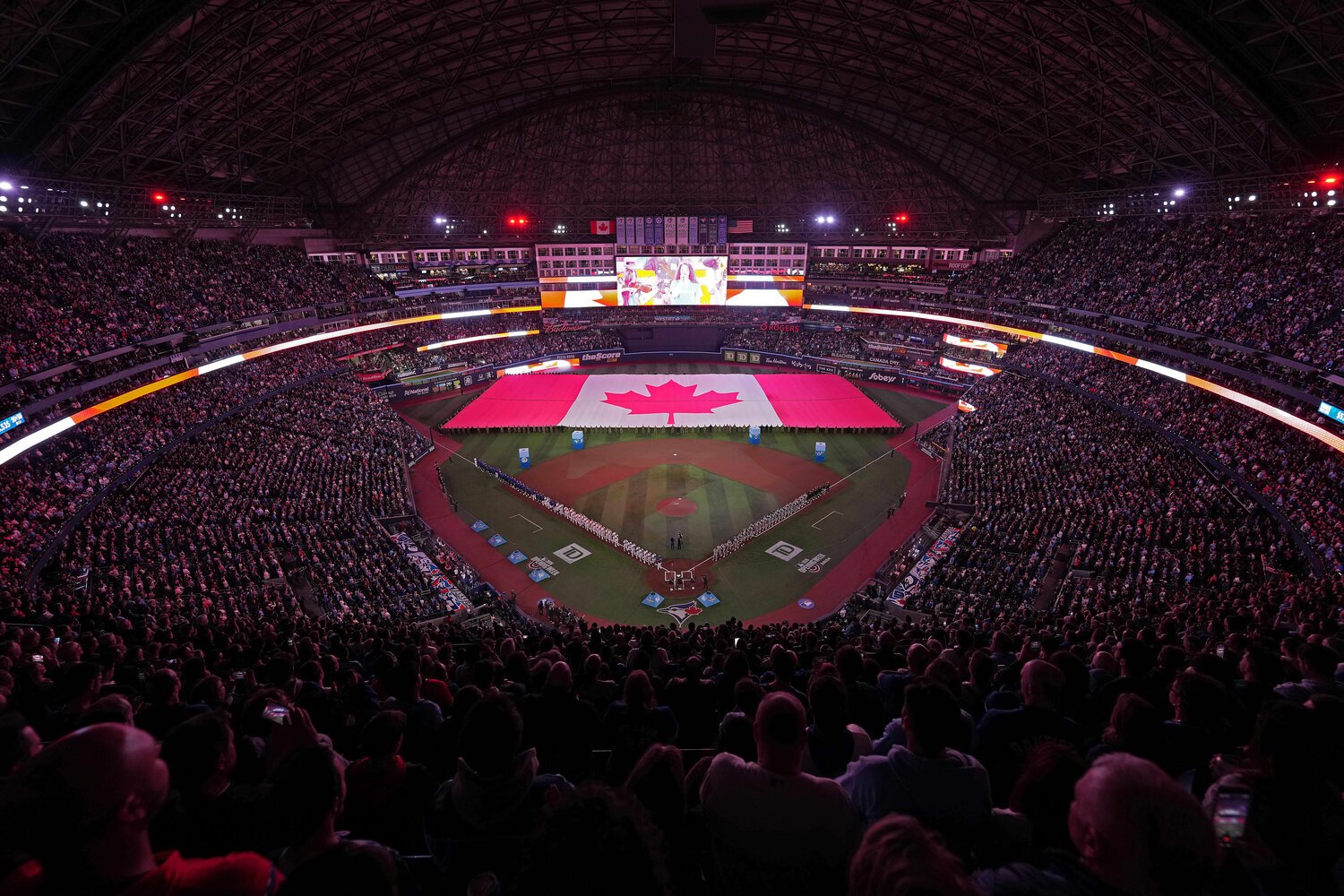 Although this season didn’t pan out how everyone expected after a 2025 World Series trip, the Blue Jays have positives to build on as they head into the offseason. Sixteen players made their MLB debuts this season, one of the league's highest numbers. Among them, Kazuma Okamoto, Spencer Miles, Brandon Valenzuela, and Brett Bateman showed promising signs that they could handle the major league level. Some players also showed flashes of success that could help the team next season. Looking at players currently in the Blue Jays organization, here is a way-too-early prediction of what the 26-man roster could look like. Batting Order Here's what the batting order could look like, depending on the handedness of the opposing starting pitcher: vs RHP vs LHP 1 Brett Bateman (CF) Brett Bateman (CF) 2 Nathan Lukes (LF) Charles McAdoo (2B) 3 Vladimir Guerrero Jr. (1B) Vladimir Guerrero Jr. (1B) 4 Alejandro Kirk (C) Alejandro Kirk (C) 5 Kazuma Okamoto (3B) Kazuma Okamoto (DH) 6 Anthony Santander (DH) Anthony Santander (RF) 7 Addison Barger (RF) Jonatan Clase (LF) 8 Andrés Giménez (SS) Andrés Giménez (SS) 9 Ernie Clement (2B) Ernie Clement (3B) For the most part, the batting order stays the same, unless George Springer is re-signed. However, he’s 37, so I doubt he'll return, despite having the second-most home runs for the Blue Jays this past season. That says little for a team that finished last in homers among MLB teams. Anthony Santander and Addison Barger should be healthy going into spring training, but can the team rely on them to perform and stay healthy? Santander has been a massive bust since joining the Blue Jays after a 2024 season in which he hit 41 home runs with the Baltimore Orioles. He played at least 152 games in each of his last three seasons (2022-2024) with the Orioles. However, he only played in 54 games in his first season as a Blue Jay and hit six home runs. Santander then missed the entire 2026 season after undergoing shoulder surgery right before it began. Barger had a solid 2025 season, slashing .254/.301/.454 with 61 runs, 74 RBIs, and 21 home runs. He was expected to be a major contributor this season, but he played only nine games before needing right elbow surgery. The surgery came with a six-month recovery timeline, which ended his season. However, while Barger was in the lineup, he was awful, hitting .045/.214/.095, with two runs and two RBIs in a handful of games. The Blue Jays will hope he returns to his power production, but it’s hard to say how he'll respond after major surgery. With this uncertainty and Santander’s struggles to stay on the field, the team needs to add an outfielder during the offseason, preferably one with power. Seiya Suzuki of the Chicago Cubs and Teruaki Sato of Nippon Professional Baseball are already being linked to Toronto. Both would give the team what it lacked this season: power swings. Suzuki has hit 113 homers over five seasons with the Cubs, and Sato has hit 162 in six seasons with the Hanshin Tigers. Adding a big bat in free agency should be a priority, as the Blue Jays' farm system has few answers to the power drought. Sean Keys showed promise, hitting 28 long balls over 435 plate appearances between Double and Triple A this season, but that didn’t translate to his 66 plate appearances in the majors. He hit only two homers in that span, while slashing .197/.242/.328. Power outfield options may be thin this offseason, with Suzuki, Sato, Randy Arozarena, and Ian Happ as the top targets. So the Blue Jays have to be aggressive. They can’t risk finishing last in home runs and runs again if they want to contend in the competitive AL East. However, the threat of a lockout could keep Toronto and other MLB teams from making a big move until a new collective bargaining agreement can be agreed upon. Bench Brandon Valenzuela Charles McAdoo/Addison Barger (*depending on who starts) Josh Smith Jonatan Clase/Nathan Lukes (*depending on who starts) Everyone except for Clase is an obvious bench selection. Someone like Keys would give the Blue Jays another power hitter, but there simply isn't room for another left-handed bat. If a left-handed pitcher starts, they would already have three lefties on the bench. The issue with that setup is that it makes Valenzuela, a switch-hitter, their only right-handed bench bat. If they use him to pinch-hit, the team would lose its backup catcher in the event that Kirk gets hurt. Myles Straw is another right-handed option, but his availability depends on whether the organization exercises his $8 million club option or opts for a $1.75 million buyout. Other options for a bench spot are Davis Schneider, Yohendrick Piñango (another left-handed bat), or someone not currently on the 40-man roster. Josh Kasevich, Jay Harry, and RJ Schreck are notable prospects not on the 40-man roster who are all eligible for the upcoming Rule 5 draft. If the Blue Jays want to keep any of these players out of the draft, they’d need to add them to the 40-man, which would make them viable candidates to make the Opening Day roster. However, some top pitching prospects are also eligible for the Rule 5 draft, making it tough to decide who to protect. Starting Rotation Dylan Cease José Soriano Trey Yesavage Cody Ponce Ricky Tiedemann The first four players were obvious choices, with Cease returning as the ace of the rotation. José Berríos and Bowden Francis aren’t expected to return from their recovery from the Tommy John surgeries they both underwent earlier this year until mid-2027. Their absences set up Tiedemann or Spencer Arrighetti to take the last spot in the rotation. Tiedemann dealt with injuries over the last two seasons, missing 2025 after Tommy John surgery and being shut down twice this past season with elbow and neck discomfort. The lefty finally made his long-awaited MLB debut on August 15, but he came out of the bullpen in all five of his appearances. The Blue Jays likely eased their young prospect back into things because he didn’t reach two full innings in any of his 11 minor league outings. If the team sees him as a starter, then stretching out his outings will be his focus this offseason. He struck out eight of the 29 MLB hitters he faced, so he could give Toronto a strong strikeout-heavy rotation. Plus, he’d be the only lefty in the starting five. Arrighetti has thrown 291 innings over the last three seasons, but he hasn’t fared well. He’s posted a 4.79 ERA, a 4.82 FIP, and 4.61 walks per nine innings. He was even worse when he joined the Blue Jays in the trade that sent Daulton Varsho to the Houston Astros. Fans likely wouldn’t be thrilled to see Arrighetti on the mound every fifth game. Toronto may add a starter in free agency to build depth, which was a massive issue this season given the team's injuries. The team also has prospects Gage Stanifer and Daniel Guerra, who are eligible for the Rule 5 draft. If either is added to the 40-man roster, a strong spring training could help them earn the fifth spot in the rotation. Bullpen Louis Varland Tyler Rogers Spencer Miles Brendon Little Mason Fluharty Braydon Fisher Brendan Cellucci Josh Winckowski The Blue Jays will return the top six relievers that gave the team one of the strongest bullpens during the second half of the season. In addition to those six, Cellucci was outstanding in 8 2/3 scoreless September innings for Toronto. He struck out 11 of 30 batters he faced while walking only three. The last spot in the ‘pen could also go to Chase Lee, CJ Van Eyk, or Chad Dallas. However, if healthy, Winckowski is my top choice, though he would need to be added to the 40-man roster. He was originally drafted by the Blue Jays in 2016. He was then included in the trade package that brought Steven Matz to Toronto in 2021 from the New York Mets. The 28-year-old was designated for assignment by the Boston Red Sox in late 2025 and then signed a two-year minor league contract with Toronto. Winckowski missed a majority of the 2026 season after undergoing an internal brace procedure during the offseason. He returned in late August, pitching in 13 2/3 innings for Triple-A Buffalo, where he posted a 0.66 ERA and struck out 17 of 55 batters he faced. The righty brings four years of MLB experience to the staff and has also worked as a starter for 21 games. Adding a free agent reliever would probably be the lowest priority. However, with the number of injuries the Blue Jays faced this season, it wouldn’t hurt to add more depth in the form of MLB-ready arms. Toronto looks strong on paper for next season, but everyone had that feeling this past year, and it didn’t play out the way fans and the team expected.
 -
Which NPB Stars Could the Blue Jays Target in Free Agency?
Bryan Jaeger posted an article in Blue Jays
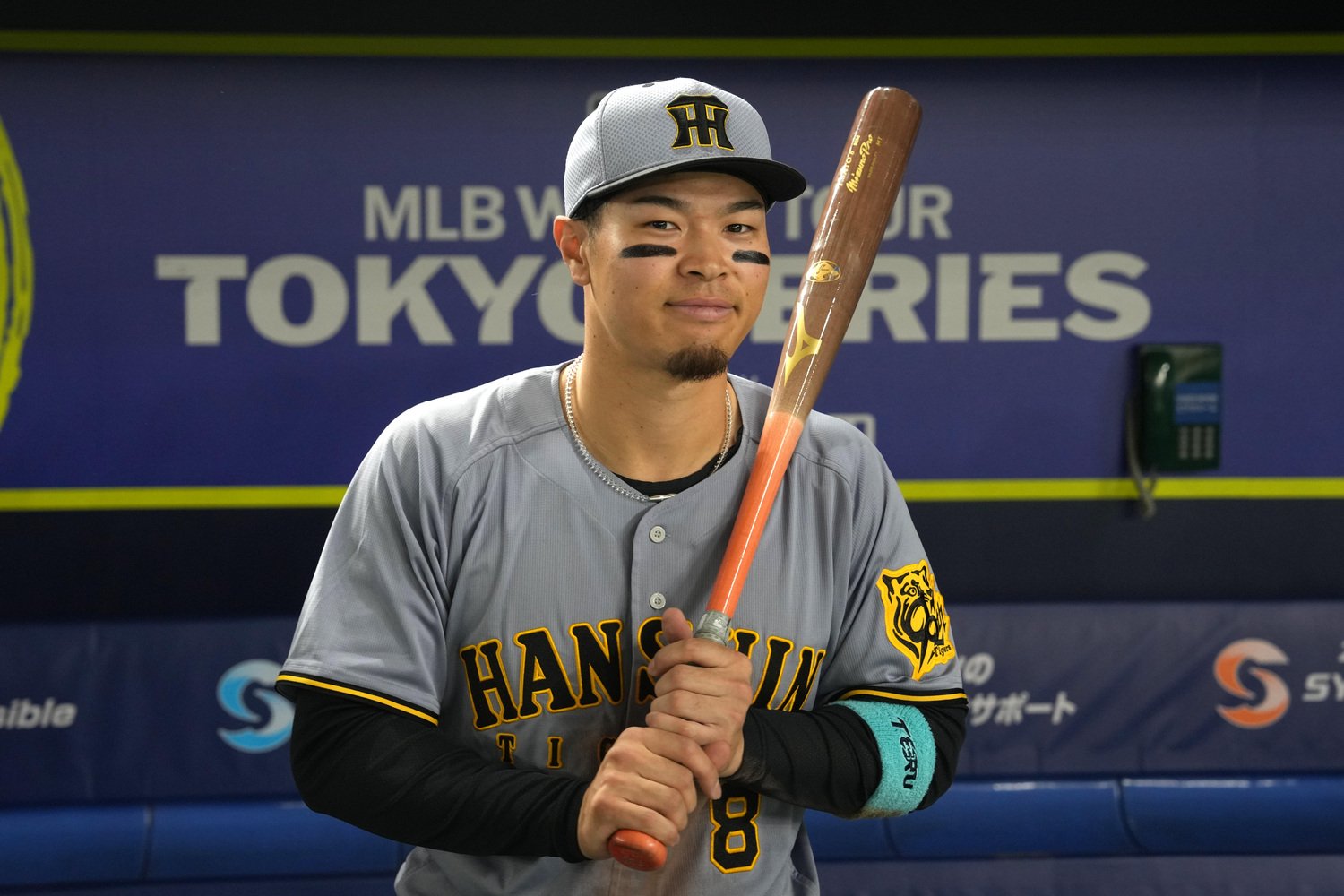 This offseason, the Toronto Blue Jays will take a close look at what went wrong in 2026. The offense lacked power drastically. They finished last in runs (648) and home runs (152) and finished 26th in slugging (.381). The starting rotation was pretty mediocre, ranking in the middle of the pack in major statistics. However, Dylan Cease was a major success, posting a Cy Young-worthy season and keeping the staff from falling further down the rankings. The bullpen started the season rough but became a strength in the second half. So, the Blue Jays could use improvements across the board. One direction the team could look toward for help is Nippon Professional Baseball. Three current NPB stars are likely to be posted this offseason, while a former NPB star is one of the best bats approaching free agency. Here’s how each of those players could impact the Blue Jays next season. Seiya Suzuki Seiya Suzuki has spent five seasons in MLB with the Cubs, posting solid power numbers and staying healthy. Over the last four seasons, he has played in at least 132 games, which would be a welcome asset after the Blue Jays' injuries all season. During Suzuki’s career, he has a slash line of .269/.351/.473 with 113 home runs, 374 runs, 382 RBIs, and an .823 OPS. His 4.6 fWAR this season would have led Toronto’s hitters by a wide margin, with Kazuma Okamoto finishing behind him at 3.0. The outfielder has been average defensively over his career, with a +1 OAA as his career high before improving significantly this past season to a +5 rating. The Blue Jays have outfielders Anthony Santander and Addison Barger returning from injury, but can the team trust them after two seasons of injuries and poor play? Barger can also play in the infield. The Jays had seven prospects make their MLB debuts in 2026 because position player injuries forced their hand. So, if there’s an opportunity to add a player of Suzuki's caliber, Toronto can’t pass that up. The free agent market for position players this offseason will be a weak class. Randy Arozarena, Ian Happ, and Brandon Lowe are some of the only potential free agents who measure up to Suzuki offensively. Teruaki Sato Since the number of offensively productive free agents available could be slim, the Blue Jays may need to look overseas to beef up their lineup. One player already connected to the Blue Jays is Teruaki Sato, who has played the last six seasons for the Hanshin Tigers. Over those seasons in NPB, he slashed .272/.339/.516 with 436 runs, 162 home runs, 514 RBIs, and a .855 OPS. Sato will be heavily sought after, given the success of Okamoto and Munetaka Murakami this season. Sato’s high strikeout rate is a concern, though; he posted a 26.6 percent rate this past season with the Tigers. This may scare teams away, since Murakami had the same concern last offseason and posted a 35 percent strikeout rate in his first season in North America. There are also concerns about where Sato would play. He’s predominantly played third base and outfield, but many MLB teams view him as a first baseman. If the Blue Jays pursued him, it would be to play outfield or DH if George Springer isn't re-signed, with Vladimir Guerrero Jr. and Okamoto handling the corner infield positions. Either way, the team found success with Okamoto carrying the load in the power department in 2026, which could make signing Sato a big win if it comes to fruition. Springer's 15 homers were the next closest to Okamoto’s 33, so more potential power has to be a priority for Toronto. Kaima Taira Kaima Taira is also drawing a lot of MLB attention. He has spent eight seasons with the Seibu Lions, posting an incredible 1.78 ERA over 592 innings. This past season was arguably the best of his career; the right-handed pitcher posted a 1.36 ERA in 146 innings, with a 141:45 strikeout-to-walk ratio and a 0.959 WHIP. Taira also has experience pitching in high-leverage late-inning situations. In 2025, he converted 31 saves over 52 2/3 innings and posted a 1.71 ERA. He has an eight-pitch arsenal that includes a four- and two-seam fastball, cutter, changeup, splitter, sweeper, slider, and curveball. Tairo has been labeled by many as the next-best option to Tarik Skubal for teams wanting a top-tier pitcher. The Blue Jays have a great trio to man the front end of their rotation with Cease, José Soriano, and Trey Yesavage. That means Taira would only need to be an end-of-the-rotation guy. He could also fill an Eric Lauer/Spencer Miles role, pitching in high-leverage innings out of the bullpen or occasionally being an opener. I'd say for Toronto he'd be a better back-of-the-rotation pitcher, considering his durability. Hiromi Itoh Hiromi Itoh has been a power arm for the Nippon-Ham Fighters’ starting rotation for six seasons. Over those seasons, he has thrown 1,000 2/3 innings, posting a 2.92 ERA, a 902:245 strikeout-to-walk ratio, and a 1.169 WHIP. The right-hander has a seven-pitch arsenal that includes a mid-90s four- and two-seam fastball, splitter, slider, sweeper, changeup, cutter, and curveball. A positive to adding Itoh is that he is a workhorse. He’s thrown at least 150 innings in each of the last five seasons. Given all the Blue Jays' injuries this year, a durable pitcher for the back of the rotation would be a welcome addition. At 29, Itoh is a little more than two years older than Taira, but each would be an intriguing option to add to a pitching staff. Both pitchers are on the shorter side, but they will hope to compensate for their smaller frames with deep arsenals. Taira can hit 100 mph with his fastball, while Itoh is better known for his command. ESPN's Jeff Passan expects Sato, Taira, and Itoh’s teams to start their 45-day posting window in early November. However, with the threat of a potential lockout, Passan believes the three NPB players will be signed by December 1, when the CBA expires. MLB teams may be unwilling to make other big moves until a CBA is agreed upon, which makes any posted overseas player an appealing target.
 -
This offseason, the Toronto Blue Jays will take a close look at what went wrong in 2026. The offense lacked power drastically. They finished last in runs (648) and home runs (152) and finished 26th in slugging (.381). The starting rotation was pretty mediocre, ranking in the middle of the pack in major statistics. However, Dylan Cease was a major success, posting a Cy Young-worthy season and keeping the staff from falling further down the rankings. The bullpen started the season rough but became a strength in the second half. So, the Blue Jays could use improvements across the board. One direction the team could look toward for help is Nippon Professional Baseball. Three current NPB stars are likely to be posted this offseason, while a former NPB star is one of the best bats approaching free agency. Here’s how each of those players could impact the Blue Jays next season. Seiya Suzuki Seiya Suzuki has spent five seasons in MLB with the Cubs, posting solid power numbers and staying healthy. Over the last four seasons, he has played in at least 132 games, which would be a welcome asset after the Blue Jays' injuries all season. During Suzuki’s career, he has a slash line of .269/.351/.473 with 113 home runs, 374 runs, 382 RBIs, and an .823 OPS. His 4.6 fWAR this season would have led Toronto’s hitters by a wide margin, with Kazuma Okamoto finishing behind him at 3.0. The outfielder has been average defensively over his career, with a +1 OAA as his career high before improving significantly this past season to a +5 rating. The Blue Jays have outfielders Anthony Santander and Addison Barger returning from injury, but can the team trust them after two seasons of injuries and poor play? Barger can also play in the infield. The Jays had seven prospects make their MLB debuts in 2026 because position player injuries forced their hand. So, if there’s an opportunity to add a player of Suzuki's caliber, Toronto can’t pass that up. The free agent market for position players this offseason will be a weak class. Randy Arozarena, Ian Happ, and Brandon Lowe are some of the only potential free agents who measure up to Suzuki offensively. Teruaki Sato Since the number of offensively productive free agents available could be slim, the Blue Jays may need to look overseas to beef up their lineup. One player already connected to the Blue Jays is Teruaki Sato, who has played the last six seasons for the Hanshin Tigers. Over those seasons in NPB, he slashed .272/.339/.516 with 436 runs, 162 home runs, 514 RBIs, and a .855 OPS. Sato will be heavily sought after, given the success of Okamoto and Munetaka Murakami this season. Sato’s high strikeout rate is a concern, though; he posted a 26.6 percent rate this past season with the Tigers. This may scare teams away, since Murakami had the same concern last offseason and posted a 35 percent strikeout rate in his first season in North America. There are also concerns about where Sato would play. He’s predominantly played third base and outfield, but many MLB teams view him as a first baseman. If the Blue Jays pursued him, it would be to play outfield or DH if George Springer isn't re-signed, with Vladimir Guerrero Jr. and Okamoto handling the corner infield positions. Either way, the team found success with Okamoto carrying the load in the power department in 2026, which could make signing Sato a big win if it comes to fruition. Springer's 15 homers were the next closest to Okamoto’s 33, so more potential power has to be a priority for Toronto. Kaima Taira Kaima Taira is also drawing a lot of MLB attention. He has spent eight seasons with the Seibu Lions, posting an incredible 1.78 ERA over 592 innings. This past season was arguably the best of his career; the right-handed pitcher posted a 1.36 ERA in 146 innings, with a 141:45 strikeout-to-walk ratio and a 0.959 WHIP. Taira also has experience pitching in high-leverage late-inning situations. In 2025, he converted 31 saves over 52 2/3 innings and posted a 1.71 ERA. He has an eight-pitch arsenal that includes a four- and two-seam fastball, cutter, changeup, splitter, sweeper, slider, and curveball. Tairo has been labeled by many as the next-best option to Tarik Skubal for teams wanting a top-tier pitcher. The Blue Jays have a great trio to man the front end of their rotation with Cease, José Soriano, and Trey Yesavage. That means Taira would only need to be an end-of-the-rotation guy. He could also fill an Eric Lauer/Spencer Miles role, pitching in high-leverage innings out of the bullpen or occasionally being an opener. I'd say for Toronto he'd be a better back-of-the-rotation pitcher, considering his durability. Hiromi Itoh Hiromi Itoh has been a power arm for the Nippon-Ham Fighters’ starting rotation for six seasons. Over those seasons, he has thrown 1,000 2/3 innings, posting a 2.92 ERA, a 902:245 strikeout-to-walk ratio, and a 1.169 WHIP. The right-hander has a seven-pitch arsenal that includes a mid-90s four- and two-seam fastball, splitter, slider, sweeper, changeup, cutter, and curveball. A positive to adding Itoh is that he is a workhorse. He’s thrown at least 150 innings in each of the last five seasons. Given all the Blue Jays' injuries this year, a durable pitcher for the back of the rotation would be a welcome addition. At 29, Itoh is a little more than two years older than Taira, but each would be an intriguing option to add to a pitching staff. Both pitchers are on the shorter side, but they will hope to compensate for their smaller frames with deep arsenals. Taira can hit 100 mph with his fastball, while Itoh is better known for his command. ESPN's Jeff Passan expects Sato, Taira, and Itoh’s teams to start their 45-day posting window in early November. However, with the threat of a potential lockout, Passan believes the three NPB players will be signed by December 1, when the CBA expires. MLB teams may be unwilling to make other big moves until a CBA is agreed upon, which makes any posted overseas player an appealing target. View full article
-
 Spanky__99 reacted to a post in a topic:
Toronto Blue Jays 2026 Starter of the Year
Spanky__99 reacted to a post in a topic:
Toronto Blue Jays 2026 Starter of the Year
-
It wasn’t a great season for the Toronto Blue Jays’ starters. The injury bug ran rampant through the staff. José Berríos and Bowden Francis missed all season; Shane Bieber made only 11 starts; and Cody Ponce tore his ACL 2 1/3 innings into his first start. We saw Patrick Corbin and Jameson Taillon be acquired at different points in the season, but Corbin made only 19 appearances (15 starts), and Taillon made three starts. The Blue Jays also acquired Spencer Arrighetti, but they used him mainly as a bulk-inning eater after an opener, with five of his seven appearances coming out of the bullpen. With so many starters spending time on the IL, relievers made 30 starts. This was apparent by the Blue Jays finishing 27th in innings from their starting pitchers. The rotation ranked around the middle of the pack among MLB teams, finishing 14th in ERA (4.22), 13th in FIP (4.02), 17th in strikeouts (742), and 13th in fWAR (11.3). However, they allowed the sixth-lowest batting average (.235) and the third-fewest home runs (93). With so many injuries and poor performances, it wasn’t easy to find standout players. The number one spot was an obvious choice, but after that, it was a toss-up. Braydon Fisher was by far the team's best opener. He threw 11 1/3 innings as a starter, posting a 0.79 ERA, an 11:10 strikeout-to-walk ratio, a 1.15 WHIP, and a 3.81 FIP. He also held batters to a 0.86 batting average. Here are the starting pitchers who led the team this season. Spoiler alert: it’s not pretty. Honorable Mentions Shane Bieber 2026 Stats: 5-2, 55 2/3 IP, 4.37 ERA, 44 SO, 24 BB, 1.42 WHIP, 5.15 FIP Bieber began the season on the injured list due to right elbow inflammation. He returned in late June but made only 11 starts before getting shut down with a right teres major injury. There were hopes he could return late if a postseason trip were within reach after a side session on September 19. However, the Blue Jays were eliminated a few days later. The injuries could have contributed to one of the worst seasons of Bieber’s nine-year career. His 18.2 percent strikeout rate, 9.9 percent walk rate, WHIP, and FIP were the worst of his career. The righty’s ERA was only his second-highest, but he had a 5.97 expected ERA, ranking in the bottom two percent of all MLB pitchers. Max Scherzer 2026 Stats: 4-9, 84 2/3 IP, 5.74 ERA, 68 SO, 35 BB, 1.33 WHIP, 5.11 FIP Max Scherzer was a tale of two halves. He was atrocious in the first half of the season, posting a 10.23 ERA over 22 innings, but his 4.16 second-half ERA over 62 2/3 innings would have put him in the top three if it were a full-season performance. Injuries were a major issue for the 42-year-old this season. Mad Max’s first trip to the 15-day injured list came on April 27 because of right forearm tightness and left ankle inflammation. He returned on June 10 but made only one start before returning to the IL with back spasms. This time, he returned on July 27 and finished the season as a reliable contributor. This included an emotional finale, in which Scherzer threw seven innings of one-run ball while striking out seven. If this were the righty's final season, he would finish ninth on the career strikeout list with 3,557. No. 3 Trey Yesavage 2026 Stats: 5-6, 97 2/3 IP, 3.69 ERA, 97 SO, 47 BB, 1.14 WHIP, 4.22 FIP Trey Yesavage had massive hype after his success in last season’s postseason. However, a right shoulder impingement cost the righty the start of the season. He returned April 28 and had a solid year. His season only lasted a few months, though, as he underwent surgery on August 11 to repair a meniscus tear in his left knee. The rookie returned to make two starts before the season ended, and he's healthy heading into the offseason. Yesavage had a respectable rookie season, posting a 24.2 percentage strikeout rate, but the 11.7 percent walk rate was higher than preferred. His strikeout rate was down from what he showed in his brief debut last season and in the minors, so increasing the whiffs will be a focus this offseason. The righty has a four-seam fastball, nasty splitter, and slider in his pitch arsenal. To take the next step in his development, Yesavage will work this offseason on adding a curveball or a two-seam fastball. Adding another pitch will help keep opposing hitters off balance next season. This should lead to more strikeouts, especially if he can develop a pitch with as much movement as his splitter and slider, both of which averaged 30 inches of drop. No. 2 Kevin Gausman 2026 Stats: 5-10, 127 1/3 IP, 4.38 ERA, 127 SO, 35 BB, 1.29 WHIP, 3.98 FIP Despite being traded to the Chicago Cubs at the deadline, Kevin Gausman pitched the second-most innings in the Blue Jays’ starting rotation. He and Yesavage were a coin flip for the No. 2 and 3 spots, but with 30 more innings, Gausman provided more production for the Blue Jays throughout the season. His 23.5 percent strikeout rate was his second-lowest since 2019. However, he upped that to 27.1 percent with the Cubs. His 2.6 fWAR with Toronto also outperformed Yesavage’s 1.3. It was a decent season for the veteran, which could lead to a reunion next season if he doesn’t retire. If Gausman returns, it’d be a win-win for the Blue Jays. They need a veteran starter, and they got an everyday center fielder in Brett Bateman as part of the trade package they received from Chicago at the deadline. No. 1 Dylan Cease 2026 Stats: 11-6, 169 IP, 2.40 ERA, 238 SO, 78 BB, 1.10 WHIP, 2.56 FIP Dylan Cease proved to be a grand-slam offseason signing for the Blue Jays. His 34.9 percent strikeout rate was the best rate of his eight-year career. However, his 11.4 percent walk rate was the second-highest of his career. The high walk rate was expected, but not this high. More walks pushed Cease’s pitch count up quickly, leading to fewer innings per game, resulting in him going six or more innings in only 15 of his 29 starts. Cease’s most notable game this season was a near no-hitter. On July 8, against the San Francisco Giants, a perfect game was ruined in the fifth inning by a walk to Willy Adames. However, his no-hitter lasted into the ninth inning, until Heliot Ramos led off the frame with a single. Cease was then removed after 118 pitches. The Blue Jays have only had one no-hitter in their history books, by Dave Stieb in 1990. The team has never had a perfect game. The righty also threw a complete-game, one-hitter on July 25 against the Boston Red Sox. He had a perfect game going into the fifth inning before issuing a walk to Caleb Durbin. Cease would lose his no-hitter chance the next inning after a leadoff double to Andruw Monasterio. He threw a career-high 120 pitches in his fourth career complete game. It was also the first complete-game one-hitter in Blue Jays history since 2010, when Shaun Marcum did it against the Oakland Athletics. The hit in that game was a solo home run by Conor Jackson. Cease will lead a strong rotation next season with Yesavage and José Soriano. The question is who will fill the remaining two spots. Berríos, Francis, and Ponce could be healthy enough to contribute, but the Blue Jays could also elect to bring back Bieber or Gausman to build depth. We saw the issues with a lack of depth this season, likely forcing the team to be aggressive in free agency as well. Whichever route Toronto chooses, the pieces in place should provide the foundation for an outstanding rotation. View full article
-
- 1
-
-
- kevin gausman
- trey yesavage
- (and 1 more)
-
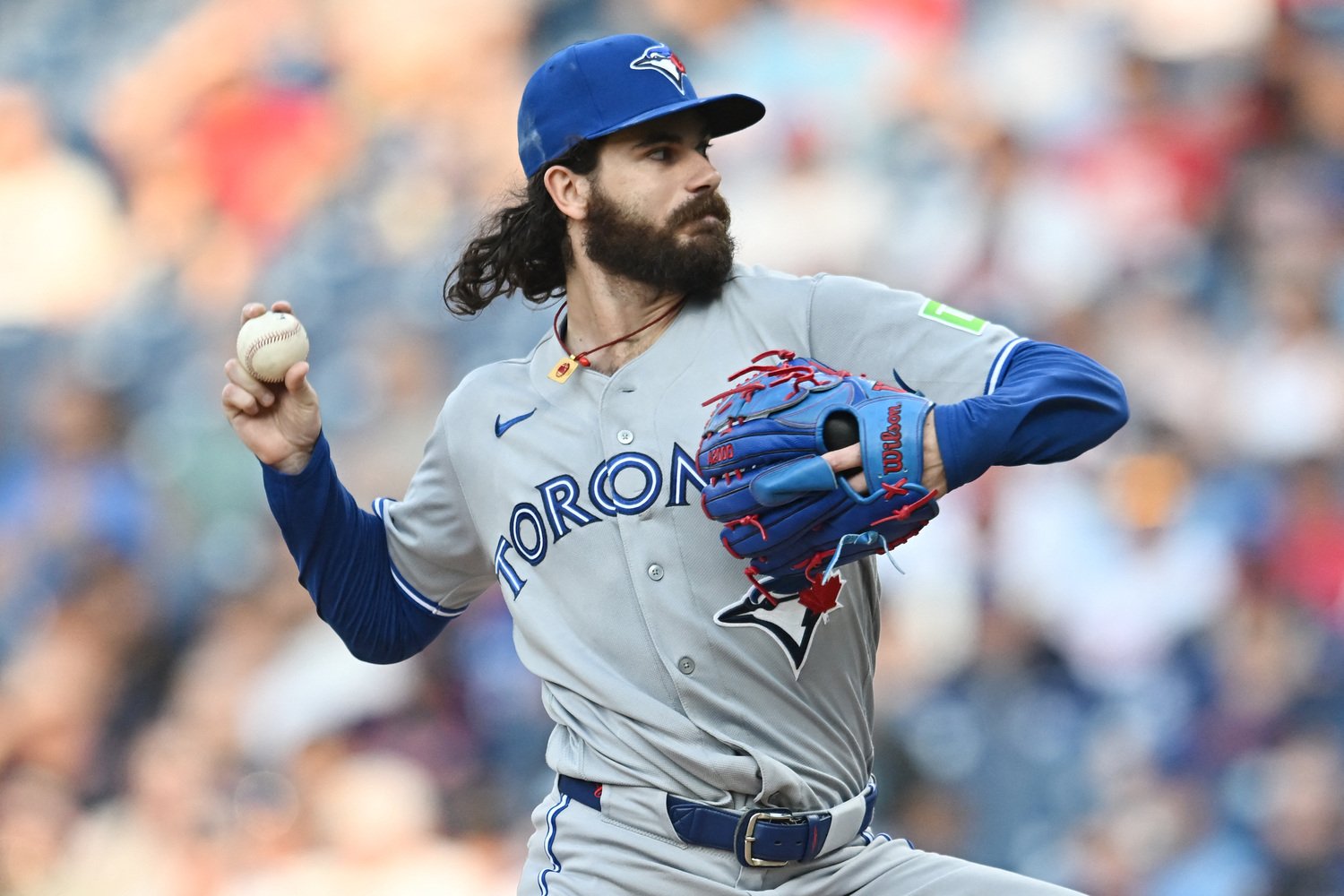 It wasn’t a great season for the Toronto Blue Jays’ starters. The injury bug ran rampant through the staff. José Berríos and Bowden Francis missed all season; Shane Bieber made only 11 starts; and Cody Ponce tore his ACL 2 1/3 innings into his first start. We saw Patrick Corbin and Jameson Taillon be acquired at different points in the season, but Corbin made only 19 appearances (15 starts), and Taillon made three starts. The Blue Jays also acquired Spencer Arrighetti, but they used him mainly as a bulk-inning eater after an opener, with five of his seven appearances coming out of the bullpen. With so many starters spending time on the IL, relievers made 30 starts. This was apparent by the Blue Jays finishing 27th in innings from their starting pitchers. The rotation ranked around the middle of the pack among MLB teams, finishing 14th in ERA (4.22), 13th in FIP (4.02), 17th in strikeouts (742), and 13th in fWAR (11.3). However, they allowed the sixth-lowest batting average (.235) and the third-fewest home runs (93). With so many injuries and poor performances, it wasn’t easy to find standout players. The number one spot was an obvious choice, but after that, it was a toss-up. Braydon Fisher was by far the team's best opener. He threw 11 1/3 innings as a starter, posting a 0.79 ERA, an 11:10 strikeout-to-walk ratio, a 1.15 WHIP, and a 3.81 FIP. He also held batters to a 0.86 batting average. Here are the starting pitchers who led the team this season. Spoiler alert: it’s not pretty. Honorable Mentions Shane Bieber 2026 Stats: 5-2, 55 2/3 IP, 4.37 ERA, 44 SO, 24 BB, 1.42 WHIP, 5.15 FIP Bieber began the season on the injured list due to right elbow inflammation. He returned in late June but made only 11 starts before getting shut down with a right teres major injury. There were hopes he could return late if a postseason trip were within reach after a side session on September 19. However, the Blue Jays were eliminated a few days later. The injuries could have contributed to one of the worst seasons of Bieber’s nine-year career. His 18.2 percent strikeout rate, 9.9 percent walk rate, WHIP, and FIP were the worst of his career. The righty’s ERA was only his second-highest, but he had a 5.97 expected ERA, ranking in the bottom two percent of all MLB pitchers. Max Scherzer 2026 Stats: 4-9, 84 2/3 IP, 5.74 ERA, 68 SO, 35 BB, 1.33 WHIP, 5.11 FIP Max Scherzer was a tale of two halves. He was atrocious in the first half of the season, posting a 10.23 ERA over 22 innings, but his 4.16 second-half ERA over 62 2/3 innings would have put him in the top three if it were a full-season performance. Injuries were a major issue for the 42-year-old this season. Mad Max’s first trip to the 15-day injured list came on April 27 because of right forearm tightness and left ankle inflammation. He returned on June 10 but made only one start before returning to the IL with back spasms. This time, he returned on July 27 and finished the season as a reliable contributor. This included an emotional finale, in which Scherzer threw seven innings of one-run ball while striking out seven. If this were the righty's final season, he would finish ninth on the career strikeout list with 3,557. No. 3 Trey Yesavage 2026 Stats: 5-6, 97 2/3 IP, 3.69 ERA, 97 SO, 47 BB, 1.14 WHIP, 4.22 FIP Trey Yesavage had massive hype after his success in last season’s postseason. However, a right shoulder impingement cost the righty the start of the season. He returned April 28 and had a solid year. His season only lasted a few months, though, as he underwent surgery on August 11 to repair a meniscus tear in his left knee. The rookie returned to make two starts before the season ended, and he's healthy heading into the offseason. Yesavage had a respectable rookie season, posting a 24.2 percentage strikeout rate, but the 11.7 percent walk rate was higher than preferred. His strikeout rate was down from what he showed in his brief debut last season and in the minors, so increasing the whiffs will be a focus this offseason. The righty has a four-seam fastball, nasty splitter, and slider in his pitch arsenal. To take the next step in his development, Yesavage will work this offseason on adding a curveball or a two-seam fastball. Adding another pitch will help keep opposing hitters off balance next season. This should lead to more strikeouts, especially if he can develop a pitch with as much movement as his splitter and slider, both of which averaged 30 inches of drop. No. 2 Kevin Gausman 2026 Stats: 5-10, 127 1/3 IP, 4.38 ERA, 127 SO, 35 BB, 1.29 WHIP, 3.98 FIP Despite being traded to the Chicago Cubs at the deadline, Kevin Gausman pitched the second-most innings in the Blue Jays’ starting rotation. He and Yesavage were a coin flip for the No. 2 and 3 spots, but with 30 more innings, Gausman provided more production for the Blue Jays throughout the season. His 23.5 percent strikeout rate was his second-lowest since 2019. However, he upped that to 27.1 percent with the Cubs. His 2.6 fWAR with Toronto also outperformed Yesavage’s 1.3. It was a decent season for the veteran, which could lead to a reunion next season if he doesn’t retire. If Gausman returns, it’d be a win-win for the Blue Jays. They need a veteran starter, and they got an everyday center fielder in Brett Bateman as part of the trade package they received from Chicago at the deadline. No. 1 Dylan Cease 2026 Stats: 11-6, 169 IP, 2.40 ERA, 238 SO, 78 BB, 1.10 WHIP, 2.56 FIP Dylan Cease proved to be a grand-slam offseason signing for the Blue Jays. His 34.9 percent strikeout rate was the best rate of his eight-year career. However, his 11.4 percent walk rate was the second-highest of his career. The high walk rate was expected, but not this high. More walks pushed Cease’s pitch count up quickly, leading to fewer innings per game, resulting in him going six or more innings in only 15 of his 29 starts. Cease’s most notable game this season was a near no-hitter. On July 8, against the San Francisco Giants, a perfect game was ruined in the fifth inning by a walk to Willy Adames. However, his no-hitter lasted into the ninth inning, until Heliot Ramos led off the frame with a single. Cease was then removed after 118 pitches. The Blue Jays have only had one no-hitter in their history books, by Dave Stieb in 1990. The team has never had a perfect game. The righty also threw a complete-game, one-hitter on July 25 against the Boston Red Sox. He had a perfect game going into the fifth inning before issuing a walk to Caleb Durbin. Cease would lose his no-hitter chance the next inning after a leadoff double to Andruw Monasterio. He threw a career-high 120 pitches in his fourth career complete game. It was also the first complete-game one-hitter in Blue Jays history since 2010, when Shaun Marcum did it against the Oakland Athletics. The hit in that game was a solo home run by Conor Jackson. Cease will lead a strong rotation next season with Yesavage and José Soriano. The question is who will fill the remaining two spots. Berríos, Francis, and Ponce could be healthy enough to contribute, but the Blue Jays could also elect to bring back Bieber or Gausman to build depth. We saw the issues with a lack of depth this season, likely forcing the team to be aggressive in free agency as well. Whichever route Toronto chooses, the pieces in place should provide the foundation for an outstanding rotation.
 -
Mike LeSage reacted to an article:
5 Things That Went Wrong for the Blue Jays in 2026
-
It’s been a disappointing season for the Toronto Blue Jays, who had high hopes after a World Series trip last season. They were two outs away from winning their first championship since 1993, but Miguel Rojas ruined those dreams. That success makes this season's struggles look even worse, as the Jays are on pace for one of their worst regressions in franchise history. Their 15-game dip in wins from last season is one of the franchise’s worst declines. Things turned around this season in August when the Blue Jays went 17-11, giving them hope for another postseason trip. However, they returned to their lackluster ways in September, going 11-13 to end the season. Fans have plenty of options to point fingers at for what derailed the season, but here are five things that went wrong. 1. Injuries The injury bug hit the Blue Jays hard. The starting rotation started the season off horribly, with José Berríos and Bowden Francis undergoing surgeries that kept them out all season. Shane Bieber began the season on the injury list with right elbow inflammation. He returned in late June but made only 11 starts before getting shut down with a right teres major injury. He threw a side session on September 19 with hopes to make a late return, but with the Blue Jays missing the postseason, there was no need to rush Bieber back. Cody Ponce drew hype around his return to MLB after four seasons pitching overseas. However, he pitched only 2 1/3 innings before tearing his ACL. The team added Patrick Corbin because of a lack of depth in April. He made only 19 appearances (15 starts) before suffering a left teres major strain and missing the remainder of the season. Jameson Taillon was acquired at the trade deadline, but he made only three starts for the remainder of the season due to different stints on the injured list. With so many injuries in the rotation, we saw 24 starts from relievers in bullpen games, six more if including Eric Lauer. The Blue Jays also made several call-ups, including nine pitchers who made their MLB debuts, for spot starts or to keep the bullpen’s arms fresh. Speaking of the 'pen, expectations were huge for Yimi García, but in September 2025, he underwent surgery to remove scar tissue in his right elbow. He started a rehab assignment in July, but it was short-lived, as he suffered neck and arm nerve symptoms. García would eventually be shut down due to thoracic outlet syndrome. The offense didn’t fare much better on the injury front. Anthony Santander had high hopes for a bounce-back season after a disappointing 2025. However, he underwent left labral surgery a few days before this season kicked off. He started a rehab assignment in September, with eyes on a late return if the postseason was a possibility, but the Jays ended up with no need to rush him back. Addison Barger was another player who was expected to be a major contributor this season. He was brutal to start the season, slugging .045/.214/.091. However, he only took 28 plate appearances before requiring surgery on his elbow and missing the rest of the season. Barger was given a six-month recovery timetable, so he should be healthy for next season. Several other offensive IL stints throughout the season forced the Blue Jays to make moves, which included calling up seven prospects for their MLB debuts. 2. Where’d the Face of the Franchise Disappear To? Vladimir Guerrero Jr. has been catching a lot of heat from fans recently after he made comments about the 14-year, $500-million contract he signed during last season. In an interview, he stated, “The money they gave me wasn’t for what I’m going to do. It was for what I already did.” These comments didn't sit well with fans, given the awful season Guerrero produced. The superstar’s production this season ranked among the worst in his career in every offensive category. Vladdy’s .688 OPS was far from his career .839 mark, and his nine home runs matched the total he hit during the shortened 2020 season (when he had 366 fewer plate appearances). He didn’t even homer at the Rogers Centre until September 13. Guerrero isn’t completely wrong about being paid for past performances, but the Blue Jays also project future production when making contract deals. This type of season wasn’t what the Blue Jays had in mind, though. The truth is, Vladdy had way too high of expectations going into the season. He’s not a huge power hitter, despite his anomaly 48-home run season in 2021. The first baseman is a line-drive hitter who is strong and occasionally gets enough lift to put a ball over the fence. His average launch angle has only exceeded 9.5 degrees in a season once. However, that wasn’t the 2021 season. He had a 10-degree average launch angle in 2023, but only hit 26 home runs. In comparison, another player who has been in the league as long as Guerrero is Pete Alonso. The Orioles’ first baseman is a true power hitter and has never dipped below a 14.4-degree launch angle in a season over his career. Vladdy dealt with a back injury all season, which could explain the home run disappearance, given that his 90.3 mph average exit velocity is his lowest since his rookie season in 2019. However, his comments in the interview have fans questioning his focus and desire. This offseason will be instrumental in fixing the legacy Guerrero leaves in the Blue Jays' lore. A fast start next season will help ease fans’ feelings after their slugger’s recent comments. 3. Defensive Woes The Blue Jays ranked 12th among MLB teams in outs above average (OAA). However, that was heavily swayed by Andrés Giménez, who was phenomenal defensively. He’s been known as a defensive specialist over his seven-year career. His 18 outs above average ranked him third among qualified MLB shortstops, which helped Toronto's infield rank 10th. Guerrero finished with 4 OAA, but he struggled mightily fielding balls towards second base; he produced a 68 percent success rate moving into the hole. Ernie Clement has usually been a strong defender over his six-year career, but this season was an exception. He finished with -5 OAA, mostly at second base. He also struggled to cover the hole between first and second. Kazuma Okamoto has been decent at third base in his rookie season. He has a one OAA, but he’s had 54 attempts at shortstop, where he’s struggled mightily fielding balls to his right. He has a -4 rating on balls hit in the hole with a 60 percent success rate. However, covering that much ground isn’t a typical skill set he needs when playing the hot corner. So, we can likely chalk the struggles up to unfamiliarity. The outfield was worse, ranking 15th with -2 OAA. However, that was heavily skewed by the Blue Jays’ left fielders ranking 26th with a -10 rating. Jesús Sánchez was a disaster in the outfield, allowing routine fly balls to drop. He had a -2 rating in left field, but was far worse in right field (-6 OAA). Sánchez was by far the worst right fielder, with Nathan Lukes (2 OAA) and Myles Straw (3 OAA) performing significantly better. Sadly, Sánchez wasn’t the worst left fielder. Davis Schneider and Yohendrick Piñango both posted -4 ratings, primarily playing left field. Brett Bateman looked strong defensively since his debut on August 7, posting 4 OAA. It may not look like Bateman is an upgrade over Daulton Varsho (Varsho finished with 7 OAA between Toronto and Houston) at the position, but Bateman posted nearly 2.0 fWAR, compared to Varsho’s negative rating following the trade deadline. The new Blue Jays' center fielder actually led all hitters acquired at the deadline in fWAR. Overall, many of the team's defensive struggles seemed to stem from a lack of athleticism to cover ground this year, other than Sánchez, who just looked lost. These skills should definitely be a priority in the offseason, with a focus on a quick first step to get to balls in the hole. Defensive stats from prior to games on September 27. 4. Lack of Offense The offense was atrocious this season. They ranked last in runs and home runs and in the bottom five in most other offensive categories, except batting average. Their 648 runs this season are fewer than the 671 they scored in 2024 and their fewest in a 162-game season since they scored 624 in 1980. Not having power from Santander and Barger hurt, and in their place were contact hitters. Okamoto easily leads the team with 33 home runs, but the next closest was George Springer’s 15. Nathan Lukes and Alejandro Kirk were the only other hitters with double-digit homers. A top priority this offseason will be beefing up their lineup with more potential home runs. Toronto will gain some lineup flexibility if Springer doesn’t return. Santander could then DH, which could help keep him healthy. Seiya Suzuki, Randy Arozarena, and Ian Happ stand out as top outfield names who will be free agents and could add more pop to the lineup. Adding someone will depend on whether the Blue Jays have confidence in Barger as a starter after his ugly, although brief, season. 5. Early Bullpen Struggles With all the rotation injuries and poor performance, the bullpen was heavily relied on all season long, especially early. Jeff Hoffman didn’t provide much confidence to fans returning as the closer after an up-and-down 2025 season. Those struggles continued as he posted a 6.31 ERA through May while blowing three of eight save opportunities. These struggles did benefit the Blue Jays’ future, as they led to the team finding a new closer, Louis Varland, for the foreseeable future. The bullpen also saw struggles from Brendon Little, who had a 24.55 ERA over 3 2/3 innings through April before being demoted to Triple-A Buffalo. On the bright side, Little would correct his issues, returning to the majors in late July and posting a 2.38 ERA over 22 2/3 innings in the second half. Eric Lauer returned to his 2025 role bouncing between the bullpen and rotation. He made six starts and two relief appearances through May 11, posting a 6.69 ERA over 31 1/3 innings. Lauer was then designated for assignment, and six days later he was traded to the Los Angeles Dodgers for cash considerations. Tommy Nance was a revelation in 2025, posting his best statistics over his five-year career (1.99 ERA over 31 2/3 innings) at the age of 34. However, he returned to his lackluster ways early in 2026, posting a 5.14 ERA over 14 innings through April. Nance turned things around after that, only to be traded to the Minnesota Twins in exchange for a prospect and international bonus pool space. Yariel Rodríguez started the season with Triple-A Buffalo. He made his season debut in May, but it lasted only 9 1/3 innings, and he posted a 7.71 ERA. He was designated for assignment on June 8, then returned to Buffalo after clearing waivers. Mason Fluharty started the season no better. He had a 7.36 ERA over 11 innings through April. However, he flipped a switch and became one of the better bullpen arms in the second half of the season. Over 25 innings post-All-Star break, he posted a 1.44 ERA. Collectively, Toronto's relievers pitched to a 4.23 ERA (19th in MLB) with seven blown saves and nine losses in March and April. The good news is that the Blue Jays bullpen as a whole was a major strength for the final stretch of the season. This gives the team one area that doesn’t need much attention over the offseason. They have plenty of other areas that need attention, though, if they don’t want to repeat their historically awful season. View full article
-
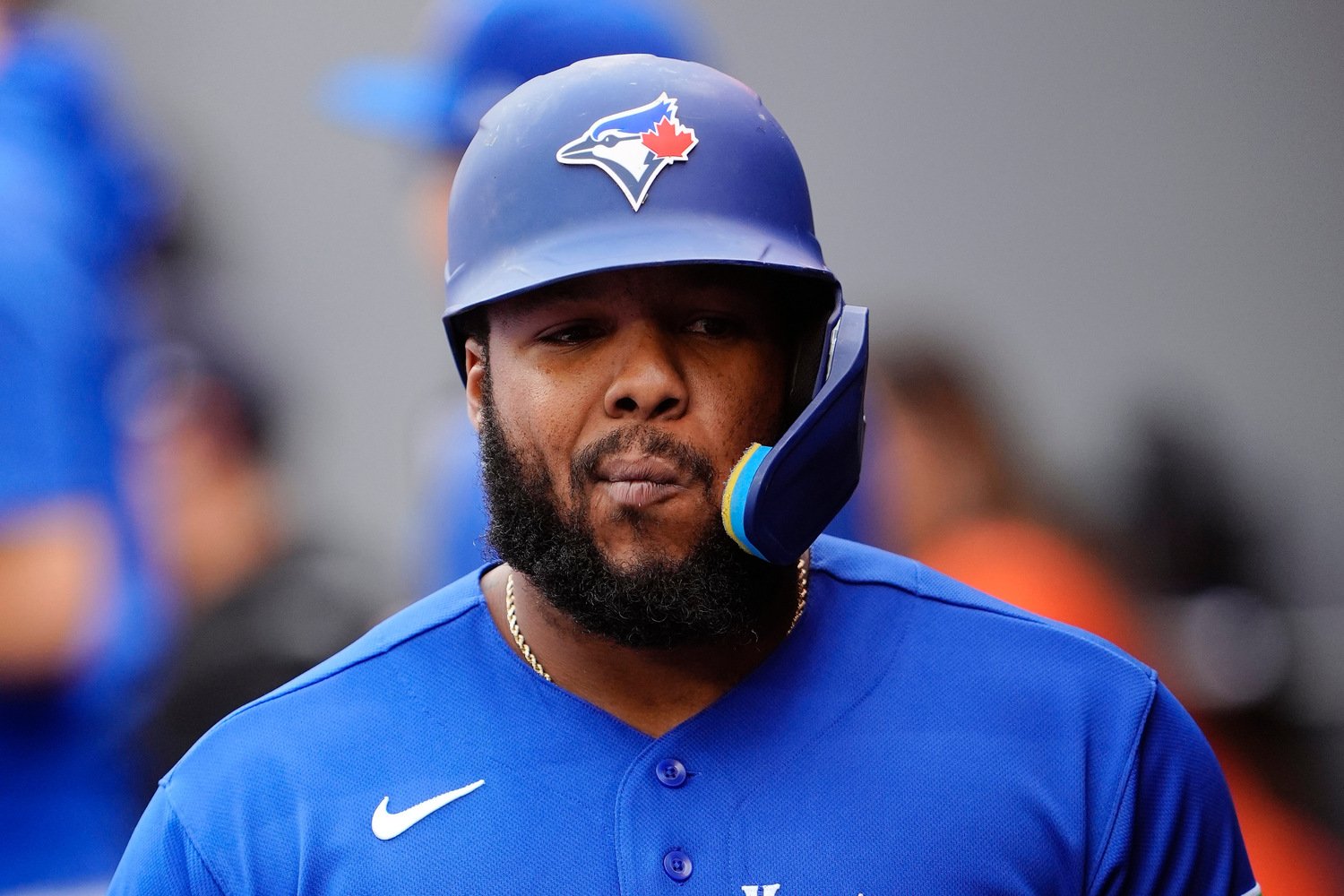 It’s been a disappointing season for the Toronto Blue Jays, who had high hopes after a World Series trip last season. They were two outs away from winning their first championship since 1993, but Miguel Rojas ruined those dreams. That success makes this season's struggles look even worse, as the Jays are on pace for one of their worst regressions in franchise history. Their 15-game dip in wins from last season is one of the franchise’s worst declines. Things turned around this season in August when the Blue Jays went 17-11, giving them hope for another postseason trip. However, they returned to their lackluster ways in September, going 11-13 to end the season. Fans have plenty of options to point fingers at for what derailed the season, but here are five things that went wrong. 1. Injuries The injury bug hit the Blue Jays hard. The starting rotation started the season off horribly, with José Berríos and Bowden Francis undergoing surgeries that kept them out all season. Shane Bieber began the season on the injury list with right elbow inflammation. He returned in late June but made only 11 starts before getting shut down with a right teres major injury. He threw a side session on September 19 with hopes to make a late return, but with the Blue Jays missing the postseason, there was no need to rush Bieber back. Cody Ponce drew hype around his return to MLB after four seasons pitching overseas. However, he pitched only 2 1/3 innings before tearing his ACL. The team added Patrick Corbin because of a lack of depth in April. He made only 19 appearances (15 starts) before suffering a left teres major strain and missing the remainder of the season. Jameson Taillon was acquired at the trade deadline, but he made only three starts for the remainder of the season due to different stints on the injured list. With so many injuries in the rotation, we saw 24 starts from relievers in bullpen games, six more if including Eric Lauer. The Blue Jays also made several call-ups, including nine pitchers who made their MLB debuts, for spot starts or to keep the bullpen’s arms fresh. Speaking of the 'pen, expectations were huge for Yimi García, but in September 2025, he underwent surgery to remove scar tissue in his right elbow. He started a rehab assignment in July, but it was short-lived, as he suffered neck and arm nerve symptoms. García would eventually be shut down due to thoracic outlet syndrome. The offense didn’t fare much better on the injury front. Anthony Santander had high hopes for a bounce-back season after a disappointing 2025. However, he underwent left labral surgery a few days before this season kicked off. He started a rehab assignment in September, with eyes on a late return if the postseason was a possibility, but the Jays ended up with no need to rush him back. Addison Barger was another player who was expected to be a major contributor this season. He was brutal to start the season, slugging .045/.214/.091. However, he only took 28 plate appearances before requiring surgery on his elbow and missing the rest of the season. Barger was given a six-month recovery timetable, so he should be healthy for next season. Several other offensive IL stints throughout the season forced the Blue Jays to make moves, which included calling up seven prospects for their MLB debuts. 2. Where’d the Face of the Franchise Disappear To? Vladimir Guerrero Jr. has been catching a lot of heat from fans recently after he made comments about the 14-year, $500-million contract he signed during last season. In an interview, he stated, “The money they gave me wasn’t for what I’m going to do. It was for what I already did.” These comments didn't sit well with fans, given the awful season Guerrero produced. The superstar’s production this season ranked among the worst in his career in every offensive category. Vladdy’s .688 OPS was far from his career .839 mark, and his nine home runs matched the total he hit during the shortened 2020 season (when he had 366 fewer plate appearances). He didn’t even homer at the Rogers Centre until September 13. Guerrero isn’t completely wrong about being paid for past performances, but the Blue Jays also project future production when making contract deals. This type of season wasn’t what the Blue Jays had in mind, though. The truth is, Vladdy had way too high of expectations going into the season. He’s not a huge power hitter, despite his anomaly 48-home run season in 2021. The first baseman is a line-drive hitter who is strong and occasionally gets enough lift to put a ball over the fence. His average launch angle has only exceeded 9.5 degrees in a season once. However, that wasn’t the 2021 season. He had a 10-degree average launch angle in 2023, but only hit 26 home runs. In comparison, another player who has been in the league as long as Guerrero is Pete Alonso. The Orioles’ first baseman is a true power hitter and has never dipped below a 14.4-degree launch angle in a season over his career. Vladdy dealt with a back injury all season, which could explain the home run disappearance, given that his 90.3 mph average exit velocity is his lowest since his rookie season in 2019. However, his comments in the interview have fans questioning his focus and desire. This offseason will be instrumental in fixing the legacy Guerrero leaves in the Blue Jays' lore. A fast start next season will help ease fans’ feelings after their slugger’s recent comments. 3. Defensive Woes The Blue Jays ranked 12th among MLB teams in outs above average (OAA). However, that was heavily swayed by Andrés Giménez, who was phenomenal defensively. He’s been known as a defensive specialist over his seven-year career. His 18 outs above average ranked him third among qualified MLB shortstops, which helped Toronto's infield rank 10th. Guerrero finished with 4 OAA, but he struggled mightily fielding balls towards second base; he produced a 68 percent success rate moving into the hole. Ernie Clement has usually been a strong defender over his six-year career, but this season was an exception. He finished with -5 OAA, mostly at second base. He also struggled to cover the hole between first and second. Kazuma Okamoto has been decent at third base in his rookie season. He has a one OAA, but he’s had 54 attempts at shortstop, where he’s struggled mightily fielding balls to his right. He has a -4 rating on balls hit in the hole with a 60 percent success rate. However, covering that much ground isn’t a typical skill set he needs when playing the hot corner. So, we can likely chalk the struggles up to unfamiliarity. The outfield was worse, ranking 15th with -2 OAA. However, that was heavily skewed by the Blue Jays’ left fielders ranking 26th with a -10 rating. Jesús Sánchez was a disaster in the outfield, allowing routine fly balls to drop. He had a -2 rating in left field, but was far worse in right field (-6 OAA). Sánchez was by far the worst right fielder, with Nathan Lukes (2 OAA) and Myles Straw (3 OAA) performing significantly better. Sadly, Sánchez wasn’t the worst left fielder. Davis Schneider and Yohendrick Piñango both posted -4 ratings, primarily playing left field. Brett Bateman looked strong defensively since his debut on August 7, posting 4 OAA. It may not look like Bateman is an upgrade over Daulton Varsho (Varsho finished with 7 OAA between Toronto and Houston) at the position, but Bateman posted nearly 2.0 fWAR, compared to Varsho’s negative rating following the trade deadline. The new Blue Jays' center fielder actually led all hitters acquired at the deadline in fWAR. Overall, many of the team's defensive struggles seemed to stem from a lack of athleticism to cover ground this year, other than Sánchez, who just looked lost. These skills should definitely be a priority in the offseason, with a focus on a quick first step to get to balls in the hole. Defensive stats from prior to games on September 27. 4. Lack of Offense The offense was atrocious this season. They ranked last in runs and home runs and in the bottom five in most other offensive categories, except batting average. Their 648 runs this season are fewer than the 671 they scored in 2024 and their fewest in a 162-game season since they scored 624 in 1980. Not having power from Santander and Barger hurt, and in their place were contact hitters. Okamoto easily leads the team with 33 home runs, but the next closest was George Springer’s 15. Nathan Lukes and Alejandro Kirk were the only other hitters with double-digit homers. A top priority this offseason will be beefing up their lineup with more potential home runs. Toronto will gain some lineup flexibility if Springer doesn’t return. Santander could then DH, which could help keep him healthy. Seiya Suzuki, Randy Arozarena, and Ian Happ stand out as top outfield names who will be free agents and could add more pop to the lineup. Adding someone will depend on whether the Blue Jays have confidence in Barger as a starter after his ugly, although brief, season. 5. Early Bullpen Struggles With all the rotation injuries and poor performance, the bullpen was heavily relied on all season long, especially early. Jeff Hoffman didn’t provide much confidence to fans returning as the closer after an up-and-down 2025 season. Those struggles continued as he posted a 6.31 ERA through May while blowing three of eight save opportunities. These struggles did benefit the Blue Jays’ future, as they led to the team finding a new closer, Louis Varland, for the foreseeable future. The bullpen also saw struggles from Brendon Little, who had a 24.55 ERA over 3 2/3 innings through April before being demoted to Triple-A Buffalo. On the bright side, Little would correct his issues, returning to the majors in late July and posting a 2.38 ERA over 22 2/3 innings in the second half. Eric Lauer returned to his 2025 role bouncing between the bullpen and rotation. He made six starts and two relief appearances through May 11, posting a 6.69 ERA over 31 1/3 innings. Lauer was then designated for assignment, and six days later he was traded to the Los Angeles Dodgers for cash considerations. Tommy Nance was a revelation in 2025, posting his best statistics over his five-year career (1.99 ERA over 31 2/3 innings) at the age of 34. However, he returned to his lackluster ways early in 2026, posting a 5.14 ERA over 14 innings through April. Nance turned things around after that, only to be traded to the Minnesota Twins in exchange for a prospect and international bonus pool space. Yariel Rodríguez started the season with Triple-A Buffalo. He made his season debut in May, but it lasted only 9 1/3 innings, and he posted a 7.71 ERA. He was designated for assignment on June 8, then returned to Buffalo after clearing waivers. Mason Fluharty started the season no better. He had a 7.36 ERA over 11 innings through April. However, he flipped a switch and became one of the better bullpen arms in the second half of the season. Over 25 innings post-All-Star break, he posted a 1.44 ERA. Collectively, Toronto's relievers pitched to a 4.23 ERA (19th in MLB) with seven blown saves and nine losses in March and April. The good news is that the Blue Jays bullpen as a whole was a major strength for the final stretch of the season. This gives the team one area that doesn’t need much attention over the offseason. They have plenty of other areas that need attention, though, if they don’t want to repeat their historically awful season.
 -
Editor's Note: This piece was written before Bateman exited last night's game due to injury. If this marks the end of his season, there's no question his debut campaign was a success. Some questioned the Toronto Blue Jays' decision to acquire Brett Bateman in the trade that sent Kevin Gausman to the Chicago Cubs. The Blue Jays desperately needed power and MLB-ready arms, but they acquired a contact-hitting, speed-based player who matched the profile of players already on the 26-man roster. Bateman was the 20th-ranked prospect in the Cubs’ organization and was thought to hopefully make an impact in 2027. However, injuries and poor play in the majors kept the prospect to just two games with Triple-A Buffalo. Since the rookie made his MLB debut on August 7, Toronto is 19-18. He’s been an everyday leadoff hitter, providing a consistent on-base threat from the left side of the plate – the kind of player the Blue Jays lacked in the role. Heading into Monday's game, he had slashed .322/.393/.416 with 26 runs, two home runs, 11 knocked in, and three stolen bases. Bateman has also been an upgrade over Daulton Varsho in center field. Compared to the other 24 batters in the majors currently who were traded at the deadline, Bateman has the highest fWAR rating. Liam Hicks of the Tampa Bay Rays is the only player remotely close to the Blue Jays rookie. Bateman also ranks tied for fourth among center fielders since August 7; Varsho ranks last among 20 qualified players. Hitters Traded at the Deadline Player Team fWAR Brett Bateman TOR 1.6 Adley Rutschman BOS 0.3 Luis Arraez PHI 0.4 Luis García Jr. NYY 0.6 Tyrone Taylor CHC 0.9 Liam Hicks TBR 1.3 Heliot Ramos NYY -0.3 Lars Nootbaar ARI 0.3 Taylor Ward SEA -0.8 Daulton Varsho HOU -0.3 Jo Adell CLE 0.3 Moisés Ballesteros LAA -0.6 Nathaniel Lowe CLE 0.1 Brenton Doyle CWS -0.1 Josh Smith TOR 0.7 Eli White BOS 0.1 Rece Hinds BAL -0.1 Hunter Feduccia LAD 0.2 Lane Thomas ATL -0.1 Bo Naylor MIL 0.1 Jake Rogers CHW -0.1 Logan O'Hoppe TEX 0.0 Jahmai Jones BOS 0.8 Ben Rortvedt LAD -0.2 The Blue Jays got a jolt after Bateman joined the lineup, getting back into the postseason picture. However, those hopes are nearly erased with six games remaining. They’re three games behind the Chicago White Sox for the third Wild Card spot, which is essentially a four-game deficit with the White Sox owning the tiebreaker. The best bet is that the Cleveland Guardians, who have a one-game lead in the AL Central, falter, since the Blue Jays own the tiebreaker over them. The Guardians finish the season with two road series against the Boston Red Sox and Kansas City Royals. The White Sox have an easier route to the postseason: a road series against the Royals and a home series against the Rockies. It's highly unlikely either falters enough for the Blue Jays to overtake them, but matchups with the Baltimore Orioles and Cincinnati Reds give Toronto an opportunity. However, looking at next season, if Bateman continues his success, the team has a piece they can rely on for a nearly everyday leadoff hitter. View full article
-
Brett Bateman Has Been a Home Run of a Trade Acquisition
Bryan Jaeger posted an article in Blue Jays
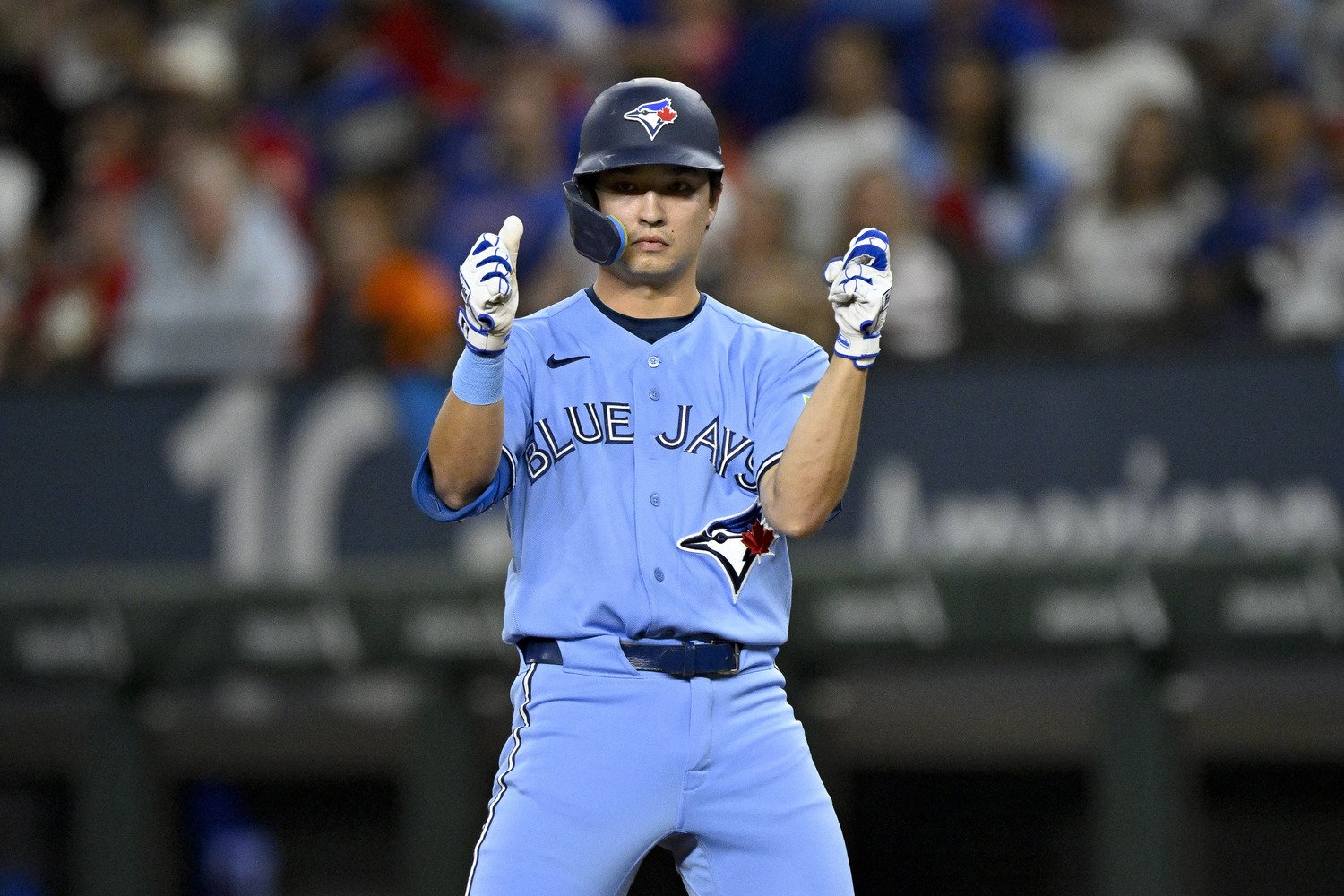 Editor's Note: This piece was written before Bateman exited last night's game due to injury. If this marks the end of his season, there's no question his debut campaign was a success. Some questioned the Toronto Blue Jays' decision to acquire Brett Bateman in the trade that sent Kevin Gausman to the Chicago Cubs. The Blue Jays desperately needed power and MLB-ready arms, but they acquired a contact-hitting, speed-based player who matched the profile of players already on the 26-man roster. Bateman was the 20th-ranked prospect in the Cubs’ organization and was thought to hopefully make an impact in 2027. However, injuries and poor play in the majors kept the prospect to just two games with Triple-A Buffalo. Since the rookie made his MLB debut on August 7, Toronto is 19-18. He’s been an everyday leadoff hitter, providing a consistent on-base threat from the left side of the plate – the kind of player the Blue Jays lacked in the role. Heading into Monday's game, he had slashed .322/.393/.416 with 26 runs, two home runs, 11 knocked in, and three stolen bases. Bateman has also been an upgrade over Daulton Varsho in center field. Compared to the other 24 batters in the majors currently who were traded at the deadline, Bateman has the highest fWAR rating. Liam Hicks of the Tampa Bay Rays is the only player remotely close to the Blue Jays rookie. Bateman also ranks tied for fourth among center fielders since August 7; Varsho ranks last among 20 qualified players. Hitters Traded at the Deadline Player Team fWAR Brett Bateman TOR 1.6 Adley Rutschman BOS 0.3 Luis Arraez PHI 0.4 Luis García Jr. NYY 0.6 Tyrone Taylor CHC 0.9 Liam Hicks TBR 1.3 Heliot Ramos NYY -0.3 Lars Nootbaar ARI 0.3 Taylor Ward SEA -0.8 Daulton Varsho HOU -0.3 Jo Adell CLE 0.3 Moisés Ballesteros LAA -0.6 Nathaniel Lowe CLE 0.1 Brenton Doyle CWS -0.1 Josh Smith TOR 0.7 Eli White BOS 0.1 Rece Hinds BAL -0.1 Hunter Feduccia LAD 0.2 Lane Thomas ATL -0.1 Bo Naylor MIL 0.1 Jake Rogers CHW -0.1 Logan O'Hoppe TEX 0.0 Jahmai Jones BOS 0.8 Ben Rortvedt LAD -0.2 The Blue Jays got a jolt after Bateman joined the lineup, getting back into the postseason picture. However, those hopes are nearly erased with six games remaining. They’re three games behind the Chicago White Sox for the third Wild Card spot, which is essentially a four-game deficit with the White Sox owning the tiebreaker. The best bet is that the Cleveland Guardians, who have a one-game lead in the AL Central, falter, since the Blue Jays own the tiebreaker over them. The Guardians finish the season with two road series against the Boston Red Sox and Kansas City Royals. The White Sox have an easier route to the postseason: a road series against the Royals and a home series against the Rockies. It's highly unlikely either falters enough for the Blue Jays to overtake them, but matchups with the Baltimore Orioles and Cincinnati Reds give Toronto an opportunity. However, looking at next season, if Bateman continues his success, the team has a piece they can rely on for a nearly everyday leadoff hitter.
 -
Louis Varland didn’t have the best showing after he joined the Blue Jays ahead of last season’s trade deadline. He had a 4.94 ERA, 28 strikeouts, and a 1.39 WHIP over 23 2/3 innings. Hitters were teeing off on him with a .273 batting average. The righty looked far different from the version of him that put up a 2.02 ERA over 49 innings for the Minnesota Twins, which is what enticed the Blue Jays to acquire the righty. However, Varland is currently having the best season of his five-year career. He has a 1.30 ERA over 76 innings with a 95:22 strikeout-to-walk ratio, and a 1.00 WHIP. He has converted 34 of 36 save opportunities. He’s also been nearly unhittable, holding batters to a .197 batting average against him. Varland started the season strong, allowing an earned run in only two of his first 33 appearances, resulting in an unimaginable 0.49 ERA. The closer’s Baseball Savant profile is full of red, with nine statistics in the 90th percentile or higher. Varland’s knuckle curve and changeup have been making hitters look silly, with a 35.8 and 37.8 percent whiff rate, respectively. The knuckle curve’s percentage is down three percent from last season, but it’s seven percentage points higher than 2024's whiff rate. The changeup is missing bats at the highest percentage of his career and is impressively nine points higher than it was in his second-highest season (2025).` This success should make Varland the clear favorite to win the inaugural Baseball Writers’ Association of America’s award for AL Reliever of the Year. The BBWAA has given awards for each league’s MVP, Cy Young (best pitcher), top rookie, and best manager since 1983. Writers began giving awards in 1911 with just the MVP Award; Ty Cobb and Frank Schulte were the first recipients. The association added the Rookie of the Year Award in 1947 (bestowed upon Jackie Robinson) and the Cy Young Award in 1956 (Don Newcomb). Although Varland seems the favorite this year, the BBWAA hasn’t always voted based on statistics. Many times, bias and questionable play have influenced the votes. For instance, Barry Bonds and Roger Clemens dropped off the Hall of Fame ballot after their 10 years of eligibility; many writers refused to consider them due to their connection to performance-enhancing drugs. However, David Ortiz had similar connections but was a first-ballot selection. There are also many cases of voters showing hometown bias or leaving leading deserving candidates off their ballots. The BBWAA has also drawn criticism for having full-time media members in other sports or for being completely out of the loop when it comes to baseball performances. There’s no transparency, so it's essentially a "do whatever you want” mentality with no set guidelines. With this uncertainty in mind, Bryan Baker of the Tampa Bay Rays could be a threat to steal votes from Varland and win the award. Baker leads the AL in saves (40) and has an impressive 1.52 ERA, though that ERA is higher than Varland's. The saves leader could change before the season ends, with the Cleveland Guardians’ Cade Smith only three saves behind Baker. Smith has a respectable 2.09 ERA. Whoever finishes the season with the saves lead could look like the top reliever for writers who aren’t aware of the other statistics. Pitcher IP Saves ERA SO FIP WHIP fWAR Varland 76 34 1.30 95 1.81 1.00 3.0 Baker 59 1/3 30 1.52 62 3.05 0.89 1.3 Smith 69 37 2.09 98 2.33 1.00 2.2 All stats from prior to games on September 18. Jeff Hoffman starting the season as the closer hurt Varland’s opportunity to earn additional saves. Varland took over the role in late April, after Hoffman’s struggles could no longer be overlooked. Although, Baker faced a similar situation, taking over the closer role early in the season due to injuries and poor performances on his team. Also, the Rays have been far more successful at reaching the ninth with a close lead. Varland has a few more chances to make a case for the award. Three series remain, and none is against a team with a winning record. However, the Texas Rangers and Baltimore Orioles are also vying for the last Wild Card spot. View full article
-
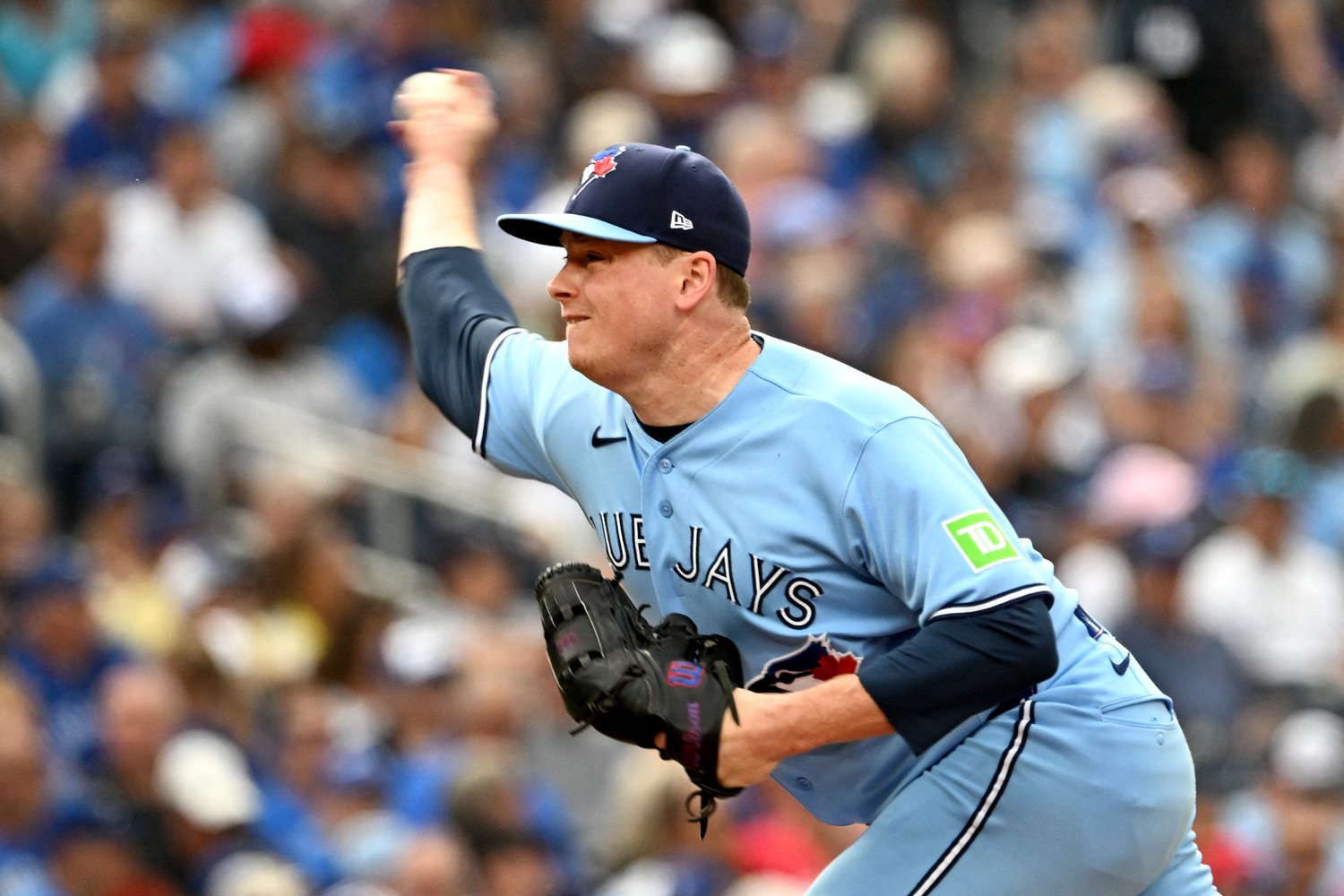 Louis Varland didn’t have the best showing after he joined the Blue Jays ahead of last season’s trade deadline. He had a 4.94 ERA, 28 strikeouts, and a 1.39 WHIP over 23 2/3 innings. Hitters were teeing off on him with a .273 batting average. The righty looked far different from the version of him that put up a 2.02 ERA over 49 innings for the Minnesota Twins, which is what enticed the Blue Jays to acquire the righty. However, Varland is currently having the best season of his five-year career. He has a 1.30 ERA over 76 innings with a 95:22 strikeout-to-walk ratio, and a 1.00 WHIP. He has converted 34 of 36 save opportunities. He’s also been nearly unhittable, holding batters to a .197 batting average against him. Varland started the season strong, allowing an earned run in only two of his first 33 appearances, resulting in an unimaginable 0.49 ERA. The closer’s Baseball Savant profile is full of red, with nine statistics in the 90th percentile or higher. Varland’s knuckle curve and changeup have been making hitters look silly, with a 35.8 and 37.8 percent whiff rate, respectively. The knuckle curve’s percentage is down three percent from last season, but it’s seven percentage points higher than 2024's whiff rate. The changeup is missing bats at the highest percentage of his career and is impressively nine points higher than it was in his second-highest season (2025).` This success should make Varland the clear favorite to win the inaugural Baseball Writers’ Association of America’s award for AL Reliever of the Year. The BBWAA has given awards for each league’s MVP, Cy Young (best pitcher), top rookie, and best manager since 1983. Writers began giving awards in 1911 with just the MVP Award; Ty Cobb and Frank Schulte were the first recipients. The association added the Rookie of the Year Award in 1947 (bestowed upon Jackie Robinson) and the Cy Young Award in 1956 (Don Newcomb). Although Varland seems the favorite this year, the BBWAA hasn’t always voted based on statistics. Many times, bias and questionable play have influenced the votes. For instance, Barry Bonds and Roger Clemens dropped off the Hall of Fame ballot after their 10 years of eligibility; many writers refused to consider them due to their connection to performance-enhancing drugs. However, David Ortiz had similar connections but was a first-ballot selection. There are also many cases of voters showing hometown bias or leaving leading deserving candidates off their ballots. The BBWAA has also drawn criticism for having full-time media members in other sports or for being completely out of the loop when it comes to baseball performances. There’s no transparency, so it's essentially a "do whatever you want” mentality with no set guidelines. With this uncertainty in mind, Bryan Baker of the Tampa Bay Rays could be a threat to steal votes from Varland and win the award. Baker leads the AL in saves (40) and has an impressive 1.52 ERA, though that ERA is higher than Varland's. The saves leader could change before the season ends, with the Cleveland Guardians’ Cade Smith only three saves behind Baker. Smith has a respectable 2.09 ERA. Whoever finishes the season with the saves lead could look like the top reliever for writers who aren’t aware of the other statistics. Pitcher IP Saves ERA SO FIP WHIP fWAR Varland 76 34 1.30 95 1.81 1.00 3.0 Baker 59 1/3 30 1.52 62 3.05 0.89 1.3 Smith 69 37 2.09 98 2.33 1.00 2.2 All stats from prior to games on September 18. Jeff Hoffman starting the season as the closer hurt Varland’s opportunity to earn additional saves. Varland took over the role in late April, after Hoffman’s struggles could no longer be overlooked. Although, Baker faced a similar situation, taking over the closer role early in the season due to injuries and poor performances on his team. Also, the Rays have been far more successful at reaching the ninth with a close lead. Varland has a few more chances to make a case for the award. Three series remain, and none is against a team with a winning record. However, the Texas Rangers and Baltimore Orioles are also vying for the last Wild Card spot.
 -
Spanky__99 reacted to a post in a topic:
The Blue Jays' History Taking Pitchers in the Rule 5 Draft
-
Spencer Miles has turned into an exceptional Rule 5 draft pick for the Toronto Blue Jays. He never threw above Single A before this season because of back and elbow surgeries. However, the team saw potential in the righty, and he’s been “Mr. Do-It-All” for the pitching staff. He has started seven games, has been the bulk-inning eater after an opener, has held late leads ahead of the closer entering, and is 2-for-2 in save opportunities. Over 89 2/3 innings, Miles has a 6-2 record, a 2.72 ERA, 86 strikeouts, 23 walks, and a 1.06 WHIP. Seeing how successful a Rule 5 pick Miles has turned out to be made me wonder how other Blue Jays Rule 5 pitching selections fared. 2024: Angel Bastardo - RHP, Boston Red Sox Bastardo was a long-term investment pick. He made 10 starts in Double-A in 2024 before needing Tommy John surgery. So the Blue Jays used the 2025 season to rehab Bastardo, as he was only 22 when he got injured. During spring training in 2026, he threw 7 2/3 innings, posting a 4.70 ERA, a 5:7 strikeout-to-walk ratio, and a 1.57 WHIP. The righty stayed with the Blue Jays up until the final cuts, but Miles was the Rule 5 player who they kept. Since Bastardo didn’t make the team, he was designated for assignment and returned to the Red Sox organization. 2018: Elvis Luciano - RHP, Kansas City Royals Luciano was a surprise selection for the Blue Jays. He had never pitched above Rookie ball, but at 18, Toronto saw potential. He pitched in low-leverage situations during the 2019 season, posting a 5.35 ERA and a 1.78 WHIP over 33 2/3 innings. The righty also tallied 27 strikeouts, but walked 24 batters. It was a respectable showing for a player of his age at the top level. Holding onto the teenager all season was a risk, but it gave the Blue Jays a promising prospect at a young age. However, that was the only time Luciano made it to the big leagues. 2016: Glenn Sparkman - RHP, Kansas City Royals Sparkman’s Toronto tenure was short-lived, as he pitched in two games while posting a 63.00 ERA, a walk, a strikeout, and a 10.00 WHIP over an inning of work. He was then returned to the Royals, for whom he pitched 179 1/3 innings over the following three seasons. He had a career 5.99 ERA and a 111:58 strikeout-to-walk ratio. 2015: Joe Biagini - RHP, San Francisco Giants Biagini was one of the better Rule 5 picks for the Blue Jays during his rookie season. He had a 3.06 ERA over 67 2/3 innings, with 62 strikeouts and 19 walks. However, his production went downhill after 2016. He pitched two more seasons with Toronto, posting 5.34 and 6.00 ERAs. Splitting time between starting games and bullpen work may have contributed to those inflated numbers. The righty was pitching better in 2019 in a full bullpen role before getting traded in a package that included Aaron Sanchez to the Houston Astros for Derek Fisher. 2013: Brian Moran - LHP, Seattle Mariners After the Blue Jays selected Moran, they quickly traded him to the Los Angeles Angels for cash. He returned to Toronto in 2020 but pitched only one scoreless inning over two games, with one strikeout. 2009: Zech Zinicola - RHP, Washington Nationals Zinicola never made it to the majors, despite posting a 3.74 ERA, a 3.39:160 strikeout-to-walk ratio, and a 1.36 WHIP over 385 innings in eight professional seasons. 2007 - Randy Wells - RHP, Chicago Cubs Wells pitched a scoreless inning for the Blue Jays, but that wasn’t enough for them to keep him. The righty was returned to the Cubs after the lone outing. He’d pitch the next four seasons for the North Siders, posting a 4.08 ERA over 529 career innings, with a 345:183 strikeout-to-walk ratio and a 1.39 WHIP. 2003: Talley Haines - RHP, Tampa Bay Rays Haines was selected after posting a 2.53 ERA with 64 strikeouts and a 1.00 WHIP over 67 2/3 innings in Triple-A. However, he spent only the next season pitching for what was then the Blue Jays’ Triple-A affiliate, the Syracuse SkyChiefs. The righty posted a 3.87 ERA, a 53:15 strikeout-to-walk ratio, and a 1.20 WHIP over 79 innings. During the 2005 season, Haines spent time with the Cubs and Red Sox minor-league teams. He also earned a spot on Team USA for the 2005 Baseball World Cup. 2002: Aquilino Lopez - RHP, Seattle Mariners Lopez was another successful Rule 5 draft selection. In his rookie season with the Blue Jays, he posted a 3.42 ERA, a 64:34 strikeout-to-walk ratio, and a 1.25 WHIP over 73 2/3 innings. However, the next season was a struggle. He posted a 6.00 ERA over 21 innings, and the Blue Jays did not bring him back in 2005. 2002: Gary Majewski - RHP, Chicago White Sox Majewski couldn’t crack the Blue Jays’ lineup and was returned to the White Sox. He’d go on to pitch six seasons in the majors for five different teams. 2001: Corey Thurman - RHP, Kansas City Royals Thurman pitched two seasons for Toronto, but they were a struggle. Those were his only seasons in the big leagues, and he posted a career 4.75 ERA, a 67:54 strikeout-to-walk ratio, and a 1.68 WHIP. 1995: Carey Paige - RHP, Atlanta Braves Paige pitched only one season with the Blue Jays organization, at then-High-A Dunedin. He posted a 3.02 ERA, 39 strikeouts, and a 1.29 WHIP over 44 2/3 innings. However, it was his last affiliated season, as he played in the independent Atlantic League the next season. 1992: Billy Taylor - RHP, Atlanta Braves Taylor didn’t make the Blue Jays roster and was returned to the Braves. He’d go on to play seven MLB seasons for four teams, collecting 100 career saves. 1990: Ricky Rhodes - RHP, New York Yankees Rhodes never made the Blue Jays roster and was returned to the Yankees. He spent five seasons in the minors, but never made it past High A. 1986: José Núñez - RHP, Kansas City Royals Núñez made 12 starts and 44 relief appearances for the Blue Jays over three seasons. In that span, he posted a 4.40 ERA and 131 strikeouts. 1985: José de Jesus - RHP, Kansas City Royals De Jesus didn’t make the Blue Jays roster and was returned to the Royals. He spent five seasons in the majors playing for the Royals and Phillies. 1982: Jim Acker - RHP, Atlanta Braves Acker spent more than half of his 10 big league seasons with the Blue Jays. They traded him to the Braves in 1986, but he returned to Toronto in '89 at the trade deadline and pitched two more seasons for them. He posted a 4.07 ERA during his two stints with the Blue Jays. 1982: Mercedes Esquer - LHP, Pittsburgh Pirates Esquer spent three seasons with the Blue Jays’ then-Double-A affiliate in Knoxville, but never advanced higher in the organization. Afterward, he spent seven seasons in the Mexican League. 1981: Jim Gott - RHP, St. Louis Cardinals Gott spent 14 seasons in the majors, with the first three being with the Blue Jays. Over that span, he started 65 games and pitched in relief in 34, posting a 4.45 ERA. View full article
-
The Blue Jays' History Taking Pitchers in the Rule 5 Draft
Bryan Jaeger posted an article in History
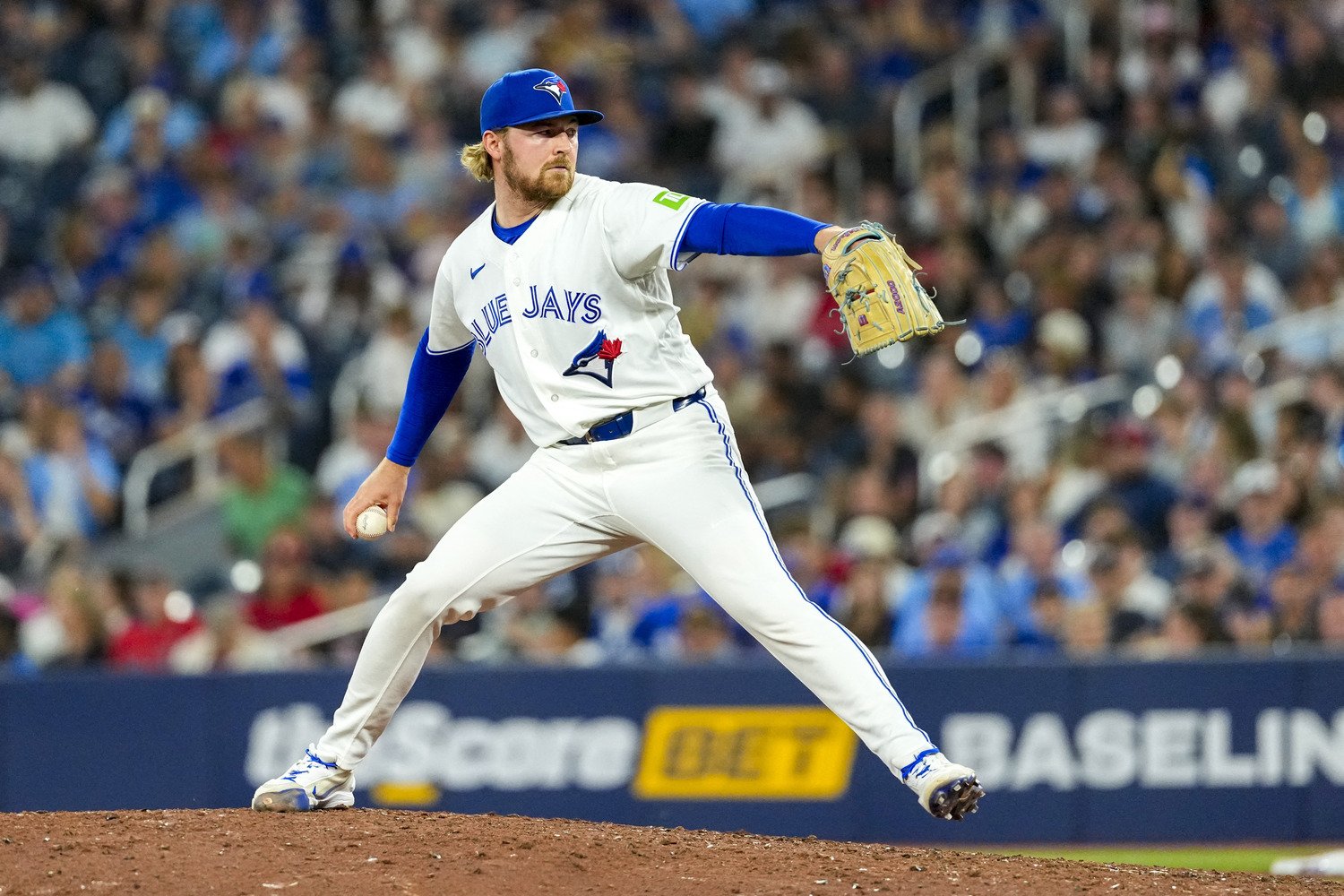 Spencer Miles has turned into an exceptional Rule 5 draft pick for the Toronto Blue Jays. He never threw above Single A before this season because of back and elbow surgeries. However, the team saw potential in the righty, and he’s been “Mr. Do-It-All” for the pitching staff. He has started seven games, has been the bulk-inning eater after an opener, has held late leads ahead of the closer entering, and is 2-for-2 in save opportunities. Over 89 2/3 innings, Miles has a 6-2 record, a 2.72 ERA, 86 strikeouts, 23 walks, and a 1.06 WHIP. Seeing how successful a Rule 5 pick Miles has turned out to be made me wonder how other Blue Jays Rule 5 pitching selections fared. 2024: Angel Bastardo - RHP, Boston Red Sox Bastardo was a long-term investment pick. He made 10 starts in Double-A in 2024 before needing Tommy John surgery. So the Blue Jays used the 2025 season to rehab Bastardo, as he was only 22 when he got injured. During spring training in 2026, he threw 7 2/3 innings, posting a 4.70 ERA, a 5:7 strikeout-to-walk ratio, and a 1.57 WHIP. The righty stayed with the Blue Jays up until the final cuts, but Miles was the Rule 5 player who they kept. Since Bastardo didn’t make the team, he was designated for assignment and returned to the Red Sox organization. 2018: Elvis Luciano - RHP, Kansas City Royals Luciano was a surprise selection for the Blue Jays. He had never pitched above Rookie ball, but at 18, Toronto saw potential. He pitched in low-leverage situations during the 2019 season, posting a 5.35 ERA and a 1.78 WHIP over 33 2/3 innings. The righty also tallied 27 strikeouts, but walked 24 batters. It was a respectable showing for a player of his age at the top level. Holding onto the teenager all season was a risk, but it gave the Blue Jays a promising prospect at a young age. However, that was the only time Luciano made it to the big leagues. 2016: Glenn Sparkman - RHP, Kansas City Royals Sparkman’s Toronto tenure was short-lived, as he pitched in two games while posting a 63.00 ERA, a walk, a strikeout, and a 10.00 WHIP over an inning of work. He was then returned to the Royals, for whom he pitched 179 1/3 innings over the following three seasons. He had a career 5.99 ERA and a 111:58 strikeout-to-walk ratio. 2015: Joe Biagini - RHP, San Francisco Giants Biagini was one of the better Rule 5 picks for the Blue Jays during his rookie season. He had a 3.06 ERA over 67 2/3 innings, with 62 strikeouts and 19 walks. However, his production went downhill after 2016. He pitched two more seasons with Toronto, posting 5.34 and 6.00 ERAs. Splitting time between starting games and bullpen work may have contributed to those inflated numbers. The righty was pitching better in 2019 in a full bullpen role before getting traded in a package that included Aaron Sanchez to the Houston Astros for Derek Fisher. 2013: Brian Moran - LHP, Seattle Mariners After the Blue Jays selected Moran, they quickly traded him to the Los Angeles Angels for cash. He returned to Toronto in 2020 but pitched only one scoreless inning over two games, with one strikeout. 2009: Zech Zinicola - RHP, Washington Nationals Zinicola never made it to the majors, despite posting a 3.74 ERA, a 3.39:160 strikeout-to-walk ratio, and a 1.36 WHIP over 385 innings in eight professional seasons. 2007 - Randy Wells - RHP, Chicago Cubs Wells pitched a scoreless inning for the Blue Jays, but that wasn’t enough for them to keep him. The righty was returned to the Cubs after the lone outing. He’d pitch the next four seasons for the North Siders, posting a 4.08 ERA over 529 career innings, with a 345:183 strikeout-to-walk ratio and a 1.39 WHIP. 2003: Talley Haines - RHP, Tampa Bay Rays Haines was selected after posting a 2.53 ERA with 64 strikeouts and a 1.00 WHIP over 67 2/3 innings in Triple-A. However, he spent only the next season pitching for what was then the Blue Jays’ Triple-A affiliate, the Syracuse SkyChiefs. The righty posted a 3.87 ERA, a 53:15 strikeout-to-walk ratio, and a 1.20 WHIP over 79 innings. During the 2005 season, Haines spent time with the Cubs and Red Sox minor-league teams. He also earned a spot on Team USA for the 2005 Baseball World Cup. 2002: Aquilino Lopez - RHP, Seattle Mariners Lopez was another successful Rule 5 draft selection. In his rookie season with the Blue Jays, he posted a 3.42 ERA, a 64:34 strikeout-to-walk ratio, and a 1.25 WHIP over 73 2/3 innings. However, the next season was a struggle. He posted a 6.00 ERA over 21 innings, and the Blue Jays did not bring him back in 2005. 2002: Gary Majewski - RHP, Chicago White Sox Majewski couldn’t crack the Blue Jays’ lineup and was returned to the White Sox. He’d go on to pitch six seasons in the majors for five different teams. 2001: Corey Thurman - RHP, Kansas City Royals Thurman pitched two seasons for Toronto, but they were a struggle. Those were his only seasons in the big leagues, and he posted a career 4.75 ERA, a 67:54 strikeout-to-walk ratio, and a 1.68 WHIP. 1995: Carey Paige - RHP, Atlanta Braves Paige pitched only one season with the Blue Jays organization, at then-High-A Dunedin. He posted a 3.02 ERA, 39 strikeouts, and a 1.29 WHIP over 44 2/3 innings. However, it was his last affiliated season, as he played in the independent Atlantic League the next season. 1992: Billy Taylor - RHP, Atlanta Braves Taylor didn’t make the Blue Jays roster and was returned to the Braves. He’d go on to play seven MLB seasons for four teams, collecting 100 career saves. 1990: Ricky Rhodes - RHP, New York Yankees Rhodes never made the Blue Jays roster and was returned to the Yankees. He spent five seasons in the minors, but never made it past High A. 1986: José Núñez - RHP, Kansas City Royals Núñez made 12 starts and 44 relief appearances for the Blue Jays over three seasons. In that span, he posted a 4.40 ERA and 131 strikeouts. 1985: José de Jesus - RHP, Kansas City Royals De Jesus didn’t make the Blue Jays roster and was returned to the Royals. He spent five seasons in the majors playing for the Royals and Phillies. 1982: Jim Acker - RHP, Atlanta Braves Acker spent more than half of his 10 big league seasons with the Blue Jays. They traded him to the Braves in 1986, but he returned to Toronto in '89 at the trade deadline and pitched two more seasons for them. He posted a 4.07 ERA during his two stints with the Blue Jays. 1982: Mercedes Esquer - LHP, Pittsburgh Pirates Esquer spent three seasons with the Blue Jays’ then-Double-A affiliate in Knoxville, but never advanced higher in the organization. Afterward, he spent seven seasons in the Mexican League. 1981: Jim Gott - RHP, St. Louis Cardinals Gott spent 14 seasons in the majors, with the first three being with the Blue Jays. Over that span, he started 65 games and pitched in relief in 34, posting a 4.45 ERA.
 -
BatFlip reacted to a post in a topic:
Blue Jays DFA Jesús Sánchez, Call Up Rudy Martin Jr.
-
Spanky__99 reacted to a post in a topic:
Blue Jays DFA Jesús Sánchez, Call Up Rudy Martin Jr.
-
The Jesús Sánchez experiment has ended. He’s been a liability on defense, with routine fly balls being dropped. At the plate, he’s been a decent addition, hitting .260/.318/.416 with eight home runs, 24 runs, and 35 RBIs. However, with the Blue Jays fighting for a Wild Card spot, the poor defense couldn’t be ignored any longer, and he couldn’t be moved to DH, with George Springer implanted in the role. The Blue Jays have plenty of outfield depth, which made DFA'ing Sánchez an easier decision. In a corresponding move, Toronto has called up Rudy Martin Jr. for his MLB debut. He's a 30-year-old who has played 12 seasons in the minor leagues. He was traded from the Kansas City Royals to the Baltimore Orioles on July 18. Two days later, he was DFA’d, and on July 23, the Blue Jays claimed him. Since joining Triple-A Buffalo on July 25, he’s posted a .730 OPS with three home runs, 16 runs, and 11 RBIs. He also has 12 stolen bases in 27 games. Martin brings more speed to a team that has improved its running game. In August, they stole successfully on 20 of 22 attempts, which was the first time they attempted more than 20 steals in a month since April 2025. The most important part of this move is that the defense drastically improves. Martin, a left-handed bat, will likely share a platoon role with Myles Straw. View full rumor
