Owen Hill
-
Posts
176 -
Joined
-
Last visited
-
Days Won
1
Content Type
Profiles
Toronto Blue Jays Videos
2026 Toronto Blue Jays Top Prospects Ranking
Toronto Blue Jays Free Agent & Trade Rumors, Notes, & Tidbits
Guides & Resources
2025 Toronto Blue Jays Draft Pick Tracker
News
2026 Toronto Blue Jays Draft Tracker: Picks & Bonuses
Forums
Blogs
Events
Store
Downloads
Gallery
Everything posted by Owen Hill
-
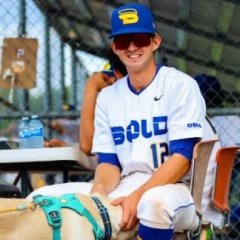 I’m sure you’ve heard by now that Louis Varland has been the best reliever in the American League this season. At least according to ERA, xERA, FIP, fWAR, bWAR, and WPA. He’d likely be up there in saves as well if he didn’t have to wait until his 13th appearance of the season to get his first save opportunity, but right now he’ll settle for third place in the American League with his 28 – eight behind the Rays’ Bryan Baker’s 34, which lead baseball. Aside from his single slip-up against the Chicago Cubs when Alex Bregman hit a homer to snatch another save from Varland’s grasp, the ninth inning has been almost relaxing for Jays fans since Varland took over the closer job full-time towards the end of April. He’s been dominant to a point where it’s hard to quantify how comfortable it feels when Varland is pitching. That's true regardless of how slim the margin is between holding onto a lead for the win or giving up a couple of runs for a loss. That word “dominant” gets thrown around a lot. Sometimes more deservedly than others. If we look back through 50 years of Blue Jays baseball, to this point, Varland’s 2026 is one of a handful of reliever seasons that we can comfortably say has been dominant. All of the following comes with the caveat that Varland is just a little over three-quarters of the way through this season. The reality is, reliever statistics are volatile because of how small the samples they work within are. A few blow-ups or even just a slightly more average finish to 2026 could turn his dominant year into just a good one. With that being said, there’s no other way to start this conversation than by stating the fact that Varland’s current 1.26 ERA and 355 ERA+ are both the best by a Blue Jay in a season in which he saved at least 20 games. ERA is no longer the one-size-fits-all pitching statistic we once considered it to be, especially not for relievers, but it’s impossible to tell the story of an elite pitching season without displaying that a guy made sure that opponents simply couldn’t earn runs against him. If Varland stays on pace, his 2026 will slide ahead of B.J. Ryan’s fabled 2006 for the best ERA among Blue Jays to convert 20 saves. Ryan’s 2006 has been thrown around in conversations as the best Jays closer season of all-time, and looking back at it 20 years later, It’s pretty easy to see why. Best Season ERA By a Blue Jays Pitcher With at Least 20 Saves Player Season Saves Appearances / IP ERA Louis Varland* 2026 28 58 / 64.1 1.26 B.J. Ryan 2006 38 65 / 72.1 1.37 Ken Giles 2019 23 53 / 53 1.87 Tom Henke 1989 20 64 / 89 1.92 Jordan Romano 2022 36 63 / 64 2.11 Duane Ward 1993 45 71 / 71.2 2.13 *Season in progress Ryan racked up 38 saves in 72.1 IP to go along with a 1.37 ERA (335 ERA+), and the deeper you dig, the more impressive it gets. He struck out nearly 32% of the hitters he faced, held opponents to a .169 average and .444 OPS – both the best in a season by a Jays closer – and only gave up five extra-base hits all season. Perhaps the most eye-popping number from Ryan’s ‘06 is the 0.857 WHIP. Part of what makes a fanbase trust a closer is not just if he gets the job done and converts the saves, but how he does it. If there’s a ton of traffic en route to a zero, or he gives up a couple runs and turns a three-run lead into a one-run win, it’s not exactly the same as coming in and retiring three straight to secure a win. No Blue Jays closer has ever had a season where they limited traffic as effectively as B.J. Ryan did in 2006, but Louis Varland is on pace for the franchise’s ninth closer season with a WHIP under 1.000. If Varland can maintain through the rest of the season, he’ll join Ryan’s ‘06, Roberto Osuna’s ‘15, ‘16 and ‘17, Casey Janssen’s ‘12 and ‘13, and Tom Henke’s ‘87 and ‘91. Blue Jays Closers With a WHIP Under 1.000 Closer Season WHIP B.J. Ryan 2006 0.857 Roberto Osuna 2017 0.859 Casey Janssen 2012 0.864 Tom Henke 1991 0.874 Roberto Osuna 2015 0.919 Tom Henke 1987 0.926 Roberto Osuna 2016 0.932 Louis Varland* 2026 0.964 Casey Janssen 2013 0.987 *Season in progress But all eight previous seasons have something in common: They each included at least two blown saves. Putting wins to bed is a closer’s job, and for as dominant as they were, there were slip-ups. A few games where the Jays were just three outs from winning with a lead of three runs or fewer, with the ball in the hands of their most trusted pitcher, but the job didn’t get finished. No Blue Jays closer has ever converted 20 saves in a season without blowing at least one, but two guys have limited it to just one blown save: Jordan Romano in 2021 and Ken Giles in 2019. Varland’s aforementioned blown save to Bregman and the Cubs makes it so he can’t be the first Jays closer to go perfect in save opportunities, but it’s still possible he can become the third to miss just one. Blue Jays Pitchers With at Least 20 Saves and Fewer Than Four Blown Saves Player Season Appearances / IP Saves / Blown Saves Ken Giles 2019 53 / 53 23 / 1 Jordan Romano 2021 62 / 63 23 / 1 Louis Varland* 2026 58 / 64.1 28 / 1 Casey Janssen 2013 56 / 52.2 34 / 2 Tom Henke 1992 57 / 55.2 34 / 3 Roberto Osuna 2015 68 / 69.2 20 / 3 Casey Janssen 2012 62 / 62.2 22 / 3 Tom Henke 1991 49 / 50.1 32 / 3 *Season in progress The crazy part about that, though, is that as of mid-August, Varland has already surpassed Romano’s and Giles’ innings totals from ‘21 and ‘19, respectively. Varland has already thrown 64.1 innings in 58 appearances through 126 Blue Jays games this year, putting him on pace for 82.2 innings for the season. If he surpasses that 80-inning mark, he’ll be the first closer of the 2020s, and fifth since 2010 to get to that mark. A Blue Jay hasn’t gotten to 20 saves and 80 innings since Duane Ward in 1991, when Ward threw 107.1 in 81 appearances. Even if Varland doesn’t quite reach that kind of threshold, doing what he’s doing in this era, on this kind of volume, is almost unheard of. I wanted to lay out as much of a comparison to other elite Blue Jays closer seasons as possible before I broke out WAR, but it’s impossible to have this conversation in 2026 without it. I’m using bWAR rather than fWAR because it’s less predictive and relies more on the actual results, and it is much easier to compare across multiple players and multiple seasons. Louis Varland, with 3.0 bWAR through 126 team games, is already having a top-six Blue Jays closer season of all-time. Henke’s ‘90 and Ward’s ‘93 seasons both saw them finish with 3.0 bWAR. Henke racked up 3.3 in ‘87 and 3.4 in ‘89, and of course B.J. Ryan’s ‘06 is the best in Jays history at 3.6 bWAR. Best Season bWAR By a Blue Jays Pitcher With at Least 20 Saves Player Season Saves Appearances / IP bWAR B.J. Ryan 2006 38 65 / 72.1 3.6 Tom Henke 1989 20 64 / 89 3.4 Tom Henke 1987 34 72 / 94 3.3 Duane Ward 1993 45 71 / 71.2 3 Tom Henke 1990 32 61 / 74.2 3 Louis Varland* 2026 28 58 / 64.1 3.0 *Season in progress Varland’s pace would put him at almost 3.9 bWAR after 162. Louis Varland On-Pace Stats G IP SV K bWAR 75 82 36 102 3.9 Pacing out WAR is basically never that simple, and with closers – whose usage depends pretty heavily on their team being up one, two, or three runs after eight innings – it’s even less simple. There’s still a long way to go, and a lot of things are going to have to continue going right, but if they do, we’re not just talking about one of the best Blue Jays closer seasons of all-time. We’re talking about one of the best closer seasons of this century. At least according to bWAR. Jonathan Papelbon’s 5.0-win 2006 is well out of reach, and Emmanuel Clase’s ‘24 (4.4), Blake Treinen’s ‘18 (4.4), and Mariano Rivera’s ‘04 (4.2) and ‘08 (4.3) likely are too. But if Varland can find a way to 4.0 bWAR, he’ll be just the 10th pitcher to do that and save at least 25 games in a season since 2000. Of course, he’d have to be as good or better in the final quarter of this season as he’s been over the first three. Maybe it's not likely, but Varland has put himself in a spot where it’s possible, and with the Blue Jays finding their second wind in the American League Wild Card race, having Louis Varland to close out some of the tight games they're sure to find themselves in down the stretch is like having an ace in the hole. View full article
 -
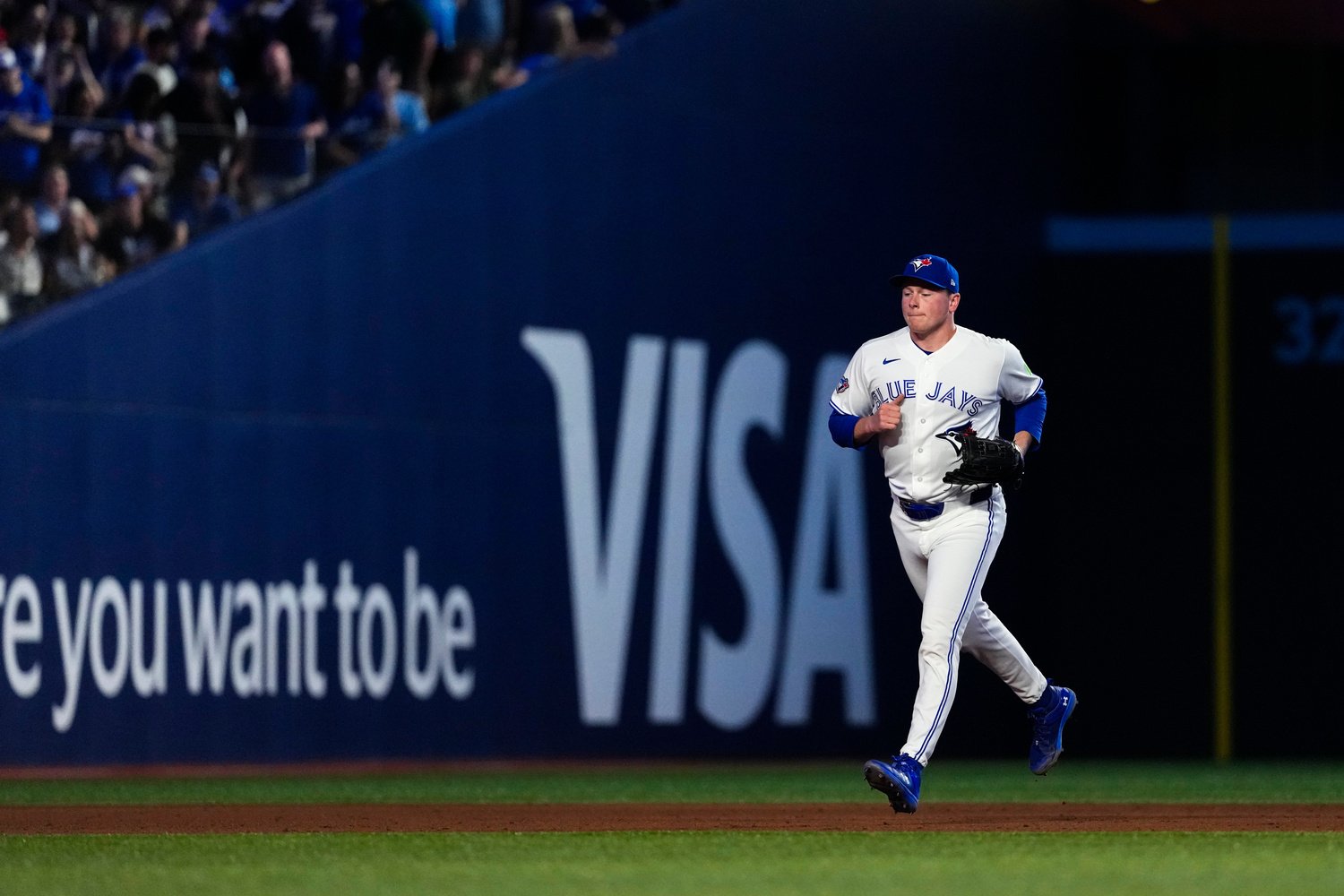 I’m sure you’ve heard by now that Louis Varland has been the best reliever in the American League this season. At least according to ERA, xERA, FIP, fWAR, bWAR, and WPA. He’d likely be up there in saves as well if he didn’t have to wait until his 13th appearance of the season to get his first save opportunity, but right now he’ll settle for third place in the American League with his 28 – eight behind the Rays’ Bryan Baker’s 34, which lead baseball. Aside from his single slip-up against the Chicago Cubs when Alex Bregman hit a homer to snatch another save from Varland’s grasp, the ninth inning has been almost relaxing for Jays fans since Varland took over the closer job full-time towards the end of April. He’s been dominant to a point where it’s hard to quantify how comfortable it feels when Varland is pitching. That's true regardless of how slim the margin is between holding onto a lead for the win or giving up a couple of runs for a loss. That word “dominant” gets thrown around a lot. Sometimes more deservedly than others. If we look back through 50 years of Blue Jays baseball, to this point, Varland’s 2026 is one of a handful of reliever seasons that we can comfortably say has been dominant. All of the following comes with the caveat that Varland is just a little over three-quarters of the way through this season. The reality is, reliever statistics are volatile because of how small the samples they work within are. A few blow-ups or even just a slightly more average finish to 2026 could turn his dominant year into just a good one. With that being said, there’s no other way to start this conversation than by stating the fact that Varland’s current 1.26 ERA and 355 ERA+ are both the best by a Blue Jay in a season in which he saved at least 20 games. ERA is no longer the one-size-fits-all pitching statistic we once considered it to be, especially not for relievers, but it’s impossible to tell the story of an elite pitching season without displaying that a guy made sure that opponents simply couldn’t earn runs against him. If Varland stays on pace, his 2026 will slide ahead of B.J. Ryan’s fabled 2006 for the best ERA among Blue Jays to convert 20 saves. Ryan’s 2006 has been thrown around in conversations as the best Jays closer season of all-time, and looking back at it 20 years later, It’s pretty easy to see why. Best Season ERA By a Blue Jays Pitcher With at Least 20 Saves Player Season Saves Appearances / IP ERA Louis Varland* 2026 28 58 / 64.1 1.26 B.J. Ryan 2006 38 65 / 72.1 1.37 Ken Giles 2019 23 53 / 53 1.87 Tom Henke 1989 20 64 / 89 1.92 Jordan Romano 2022 36 63 / 64 2.11 Duane Ward 1993 45 71 / 71.2 2.13 *Season in progress Ryan racked up 38 saves in 72.1 IP to go along with a 1.37 ERA (335 ERA+), and the deeper you dig, the more impressive it gets. He struck out nearly 32% of the hitters he faced, held opponents to a .169 average and .444 OPS – both the best in a season by a Jays closer – and only gave up five extra-base hits all season. Perhaps the most eye-popping number from Ryan’s ‘06 is the 0.857 WHIP. Part of what makes a fanbase trust a closer is not just if he gets the job done and converts the saves, but how he does it. If there’s a ton of traffic en route to a zero, or he gives up a couple runs and turns a three-run lead into a one-run win, it’s not exactly the same as coming in and retiring three straight to secure a win. No Blue Jays closer has ever had a season where they limited traffic as effectively as B.J. Ryan did in 2006, but Louis Varland is on pace for the franchise’s ninth closer season with a WHIP under 1.000. If Varland can maintain through the rest of the season, he’ll join Ryan’s ‘06, Roberto Osuna’s ‘15, ‘16 and ‘17, Casey Janssen’s ‘12 and ‘13, and Tom Henke’s ‘87 and ‘91. Blue Jays Closers With a WHIP Under 1.000 Closer Season WHIP B.J. Ryan 2006 0.857 Roberto Osuna 2017 0.859 Casey Janssen 2012 0.864 Tom Henke 1991 0.874 Roberto Osuna 2015 0.919 Tom Henke 1987 0.926 Roberto Osuna 2016 0.932 Louis Varland* 2026 0.964 Casey Janssen 2013 0.987 *Season in progress But all eight previous seasons have something in common: They each included at least two blown saves. Putting wins to bed is a closer’s job, and for as dominant as they were, there were slip-ups. A few games where the Jays were just three outs from winning with a lead of three runs or fewer, with the ball in the hands of their most trusted pitcher, but the job didn’t get finished. No Blue Jays closer has ever converted 20 saves in a season without blowing at least one, but two guys have limited it to just one blown save: Jordan Romano in 2021 and Ken Giles in 2019. Varland’s aforementioned blown save to Bregman and the Cubs makes it so he can’t be the first Jays closer to go perfect in save opportunities, but it’s still possible he can become the third to miss just one. Blue Jays Pitchers With at Least 20 Saves and Fewer Than Four Blown Saves Player Season Appearances / IP Saves / Blown Saves Ken Giles 2019 53 / 53 23 / 1 Jordan Romano 2021 62 / 63 23 / 1 Louis Varland* 2026 58 / 64.1 28 / 1 Casey Janssen 2013 56 / 52.2 34 / 2 Tom Henke 1992 57 / 55.2 34 / 3 Roberto Osuna 2015 68 / 69.2 20 / 3 Casey Janssen 2012 62 / 62.2 22 / 3 Tom Henke 1991 49 / 50.1 32 / 3 *Season in progress The crazy part about that, though, is that as of mid-August, Varland has already surpassed Romano’s and Giles’ innings totals from ‘21 and ‘19, respectively. Varland has already thrown 64.1 innings in 58 appearances through 126 Blue Jays games this year, putting him on pace for 82.2 innings for the season. If he surpasses that 80-inning mark, he’ll be the first closer of the 2020s, and fifth since 2010 to get to that mark. A Blue Jay hasn’t gotten to 20 saves and 80 innings since Duane Ward in 1991, when Ward threw 107.1 in 81 appearances. Even if Varland doesn’t quite reach that kind of threshold, doing what he’s doing in this era, on this kind of volume, is almost unheard of. I wanted to lay out as much of a comparison to other elite Blue Jays closer seasons as possible before I broke out WAR, but it’s impossible to have this conversation in 2026 without it. I’m using bWAR rather than fWAR because it’s less predictive and relies more on the actual results, and it is much easier to compare across multiple players and multiple seasons. Louis Varland, with 3.0 bWAR through 126 team games, is already having a top-six Blue Jays closer season of all-time. Henke’s ‘90 and Ward’s ‘93 seasons both saw them finish with 3.0 bWAR. Henke racked up 3.3 in ‘87 and 3.4 in ‘89, and of course B.J. Ryan’s ‘06 is the best in Jays history at 3.6 bWAR. Best Season bWAR By a Blue Jays Pitcher With at Least 20 Saves Player Season Saves Appearances / IP bWAR B.J. Ryan 2006 38 65 / 72.1 3.6 Tom Henke 1989 20 64 / 89 3.4 Tom Henke 1987 34 72 / 94 3.3 Duane Ward 1993 45 71 / 71.2 3 Tom Henke 1990 32 61 / 74.2 3 Louis Varland* 2026 28 58 / 64.1 3.0 *Season in progress Varland’s pace would put him at almost 3.9 bWAR after 162. Louis Varland On-Pace Stats G IP SV K bWAR 75 82 36 102 3.9 Pacing out WAR is basically never that simple, and with closers – whose usage depends pretty heavily on their team being up one, two, or three runs after eight innings – it’s even less simple. There’s still a long way to go, and a lot of things are going to have to continue going right, but if they do, we’re not just talking about one of the best Blue Jays closer seasons of all-time. We’re talking about one of the best closer seasons of this century. At least according to bWAR. Jonathan Papelbon’s 5.0-win 2006 is well out of reach, and Emmanuel Clase’s ‘24 (4.4), Blake Treinen’s ‘18 (4.4), and Mariano Rivera’s ‘04 (4.2) and ‘08 (4.3) likely are too. But if Varland can find a way to 4.0 bWAR, he’ll be just the 10th pitcher to do that and save at least 25 games in a season since 2000. Of course, he’d have to be as good or better in the final quarter of this season as he’s been over the first three. Maybe it's not likely, but Varland has put himself in a spot where it’s possible, and with the Blue Jays finding their second wind in the American League Wild Card race, having Louis Varland to close out some of the tight games they're sure to find themselves in down the stretch is like having an ace in the hole.
 -
Alejandro Kirk Has Turned His Season Around
Owen Hill replied to Cory Sparks's topic in Jays Centre Front Page News
Just talked about this on the podcast- Kirky's got a 155 wRC+ since July 8th, but only has six extra base hits. He's just simply hitting a single or walking *every time* A homer and a double in game one against the Yanks was a good start, but I don't remember anyone else being this productive and refusing to hit for any slug. -
For better or for worse, the human brain is wired to make instantaneous evaluations of strangers. Within seconds, we’ve determined whether we should view them positively or negatively. It was a built-in safety feature for primal humans that has survived all of the rigorous years of evolution. Once we’ve formed that first impression, we filter all of our future impressions of this person through that lens, and we subconsciously seek confirmation to prove that our first perception was correct. Whether we like to admit it or not, we do the exact same thing with baseball players that suit up for our favourite teams. Jays fans will immediately think of J.P. Arencibia hitting a homer on the first pitch he saw in the big leagues and finishing his debut 4-for-5 with two homers and a double. Arencibia rode that debut through the next three years as the Jays’ primary catcher despite never really living up to his hot start for any extended stretches. A busy trade deadline and some roster churn have given Jays fans plenty more first impressions, and it’s hard not to be excited about a few of them. As smart baseball fans rather than hunter-gatherer cavemen, we do our best to turn off that primal instinct, watch the process and wait for a larger sample, rather than making determinations based on the immediate results from a guy’s first couple of times putting on the uniform. But that doesn’t mean we can’t overreact slightly to what we’ve seen from the newest Blue Jays in their first couple of opportunities with their new team. For example, I can’t blame you if you’re on the Brett Bateman bandwagon. The centre fielder was acquired from the Cubs in exchange for Kevin Gausman and made just two appearances in Buffalo for the Jays before Luis Urías went on the IL, opening up a spot on the major league roster. Bateman didn't have to wait for his welcome-to-the-big-leagues moment because his first start came against Zack Wheeler, a veteran of 12 major league seasons and one of the best pitchers of the last decade. Wheeler’s first pitch to the nine-hitter was a heater up in the zone, which Bateman mashed off of the left field fence for a double. The first hit of his career on the first pitch he saw. Bateman worked walks in both of his next two plate appearances against Wheeler and finished his debut 1-for-2 with a run scored. You can understand fans buying into the hype of a successful debut, but it really opened my eyes to just how impressed the manager was when the next day’s lineup came out and Bateman was batting in the two-hole against Aaron Nola. John Schneider obviously likes his fit at the top of the lineup, because when he’s been in there, the only time he’s found himself not in the two-hole since his first start against Wheeler was when he hit leadoff against Jesús Luzardo. The best part is that Bateman’s delivered. He’s got hits in five of his first six games, and at least one run scored or batted in in four of those games as well. Obviously it’s been tough to watch this Jays team that’s scored the second fewest runs in baseball, and Bateman putting up quality at-bats in key spots amidst a stretch of winning baseball has made him a quick fan favourite. But seriously. It can’t be understated how perfectly timed his hits have been. The defense has been quiet in a good way. He also adds a good pair of legs to a Jays team with the third lowest average sprint speed in baseball, and so far the hits have come at the right times. Long-term, there are still questions as to whether or not there will be enough power to justify an everyday role, and in the tiny sample, none of his batted ball numbers look very exciting. But first impressions matter, and it’s hard to make a better one than Brett Bateman has so far. A bit of a smaller-profile first impression has come in the form of Josh Smith. Picked up from the Texas Rangers in exchange for Adam Macko in a slightly head-scratching deal at the deadline, Smith had a 65 wRC+ across 154 PAs for the Rangers. The Jays liked the contact-heavy profile as well as the defensive versatility and saw Smith as a buy-low candidate. The early returns are relatively positive. The overall numbers are carried by a 3-for-4 with a homer day against the Phillies, but he’s also stolen a base and gotten a sacrifice bunt down. It’s not sexy. He’s nobody’s new favourite player, but he’s represented a fundamental soundness that the Jays have severely lacked at times this season. Would we look on him this fondly and talk ourselves into Josh Smith if the Jays had lost seven and won four since the deadline instead of the other way around? No way! But the Jays are winning, and Smith is contributing, so his first impression is a good one. The guy Jays fans were most excited to get our eyes on following the trade deadline has now completed two appearances, and the results on his first impression are in: José Soriano is going to be a very productive Blue Jay. I’m almost as confident as when he was first acquired. He’s done a great job of showing us what could be on the table going forward without actually doing it. Racking up 18 whiffs in his Blue Jays debut last week against the Phillies was certainly intriguing, but it only translated to three strikeouts across 4.2 innings. His second Jays start came against the Red Sox, and while he was able to work a quality start, only allowing one run over six innings, he lacked a certain dominance. He worked around four hits and a pair of walks. It’s really interesting that in his most recent start, Soriano threw 45.6% sinkers and 14.4% knuckle curves – his highest and lowest marks of the year, respectively – but again, the goal here isn’t to make any sweeping declarations about Soriano based on his first couple starts with his new team. There is obviously a plan with him that extends well beyond the final six weeks of 2026. If you gave Jays fans a truth serum and asked what they thought about Soriano’s first couple starts, I bet a lot of them would be forced to admit they’re a bit disappointed. Not because he’s been bad. But because when you acquire a pitcher with the stuff that Soriano has, and acquire him for a prospect with as much helium as Arjun Nimmala, you start to dream of dominance. The good thing for Soriano: We’re not cavemen, and he’s got plenty of runway to shape the narrative of his Blue Jays tenure. View full article
-
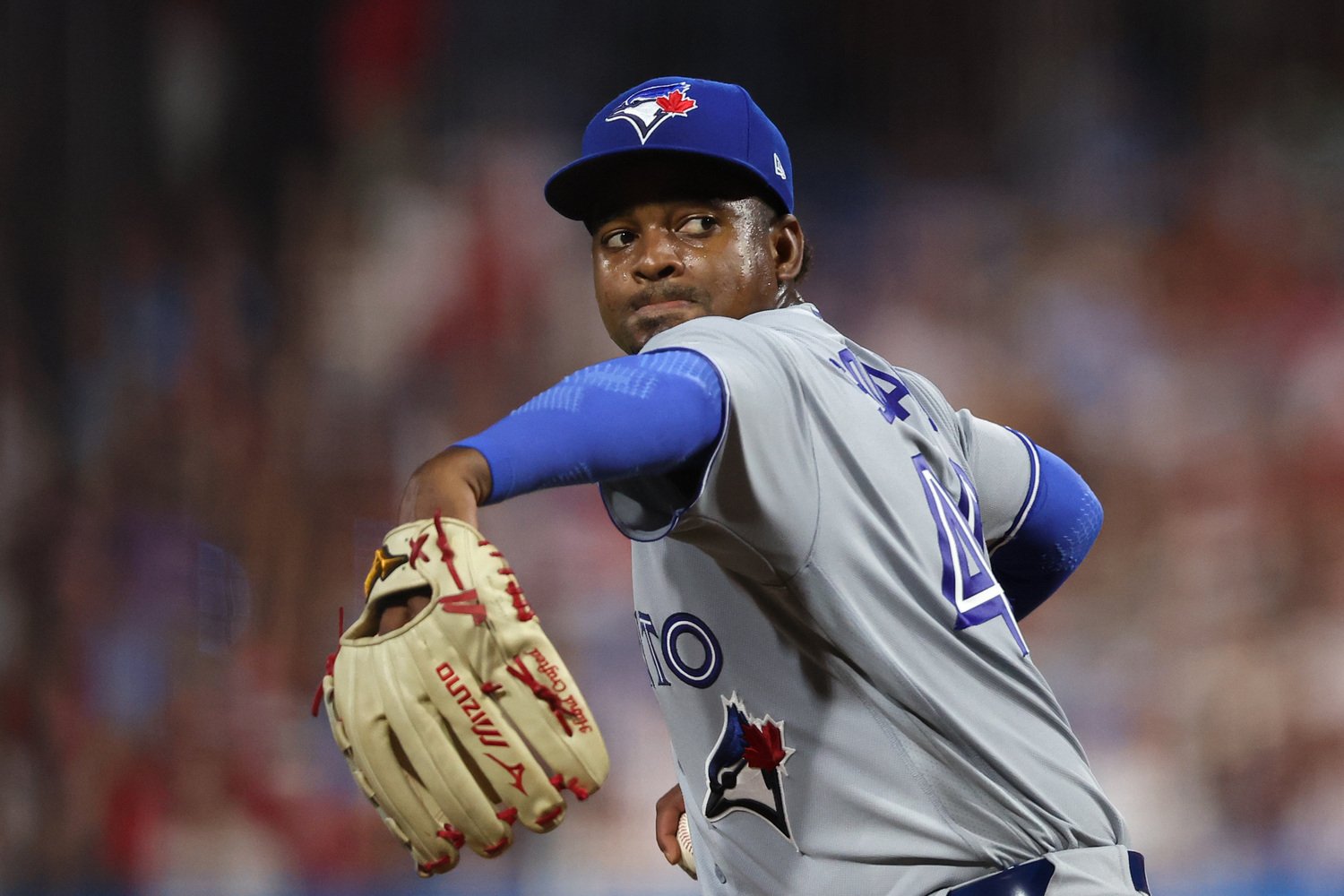 For better or for worse, the human brain is wired to make instantaneous evaluations of strangers. Within seconds, we’ve determined whether we should view them positively or negatively. It was a built-in safety feature for primal humans that has survived all of the rigorous years of evolution. Once we’ve formed that first impression, we filter all of our future impressions of this person through that lens, and we subconsciously seek confirmation to prove that our first perception was correct. Whether we like to admit it or not, we do the exact same thing with baseball players that suit up for our favourite teams. Jays fans will immediately think of J.P. Arencibia hitting a homer on the first pitch he saw in the big leagues and finishing his debut 4-for-5 with two homers and a double. Arencibia rode that debut through the next three years as the Jays’ primary catcher despite never really living up to his hot start for any extended stretches. A busy trade deadline and some roster churn have given Jays fans plenty more first impressions, and it’s hard not to be excited about a few of them. As smart baseball fans rather than hunter-gatherer cavemen, we do our best to turn off that primal instinct, watch the process and wait for a larger sample, rather than making determinations based on the immediate results from a guy’s first couple of times putting on the uniform. But that doesn’t mean we can’t overreact slightly to what we’ve seen from the newest Blue Jays in their first couple of opportunities with their new team. For example, I can’t blame you if you’re on the Brett Bateman bandwagon. The centre fielder was acquired from the Cubs in exchange for Kevin Gausman and made just two appearances in Buffalo for the Jays before Luis Urías went on the IL, opening up a spot on the major league roster. Bateman didn't have to wait for his welcome-to-the-big-leagues moment because his first start came against Zack Wheeler, a veteran of 12 major league seasons and one of the best pitchers of the last decade. Wheeler’s first pitch to the nine-hitter was a heater up in the zone, which Bateman mashed off of the left field fence for a double. The first hit of his career on the first pitch he saw. Bateman worked walks in both of his next two plate appearances against Wheeler and finished his debut 1-for-2 with a run scored. You can understand fans buying into the hype of a successful debut, but it really opened my eyes to just how impressed the manager was when the next day’s lineup came out and Bateman was batting in the two-hole against Aaron Nola. John Schneider obviously likes his fit at the top of the lineup, because when he’s been in there, the only time he’s found himself not in the two-hole since his first start against Wheeler was when he hit leadoff against Jesús Luzardo. The best part is that Bateman’s delivered. He’s got hits in five of his first six games, and at least one run scored or batted in in four of those games as well. Obviously it’s been tough to watch this Jays team that’s scored the second fewest runs in baseball, and Bateman putting up quality at-bats in key spots amidst a stretch of winning baseball has made him a quick fan favourite. But seriously. It can’t be understated how perfectly timed his hits have been. The defense has been quiet in a good way. He also adds a good pair of legs to a Jays team with the third lowest average sprint speed in baseball, and so far the hits have come at the right times. Long-term, there are still questions as to whether or not there will be enough power to justify an everyday role, and in the tiny sample, none of his batted ball numbers look very exciting. But first impressions matter, and it’s hard to make a better one than Brett Bateman has so far. A bit of a smaller-profile first impression has come in the form of Josh Smith. Picked up from the Texas Rangers in exchange for Adam Macko in a slightly head-scratching deal at the deadline, Smith had a 65 wRC+ across 154 PAs for the Rangers. The Jays liked the contact-heavy profile as well as the defensive versatility and saw Smith as a buy-low candidate. The early returns are relatively positive. The overall numbers are carried by a 3-for-4 with a homer day against the Phillies, but he’s also stolen a base and gotten a sacrifice bunt down. It’s not sexy. He’s nobody’s new favourite player, but he’s represented a fundamental soundness that the Jays have severely lacked at times this season. Would we look on him this fondly and talk ourselves into Josh Smith if the Jays had lost seven and won four since the deadline instead of the other way around? No way! But the Jays are winning, and Smith is contributing, so his first impression is a good one. The guy Jays fans were most excited to get our eyes on following the trade deadline has now completed two appearances, and the results on his first impression are in: José Soriano is going to be a very productive Blue Jay. I’m almost as confident as when he was first acquired. He’s done a great job of showing us what could be on the table going forward without actually doing it. Racking up 18 whiffs in his Blue Jays debut last week against the Phillies was certainly intriguing, but it only translated to three strikeouts across 4.2 innings. His second Jays start came against the Red Sox, and while he was able to work a quality start, only allowing one run over six innings, he lacked a certain dominance. He worked around four hits and a pair of walks. It’s really interesting that in his most recent start, Soriano threw 45.6% sinkers and 14.4% knuckle curves – his highest and lowest marks of the year, respectively – but again, the goal here isn’t to make any sweeping declarations about Soriano based on his first couple starts with his new team. There is obviously a plan with him that extends well beyond the final six weeks of 2026. If you gave Jays fans a truth serum and asked what they thought about Soriano’s first couple starts, I bet a lot of them would be forced to admit they’re a bit disappointed. Not because he’s been bad. But because when you acquire a pitcher with the stuff that Soriano has, and acquire him for a prospect with as much helium as Arjun Nimmala, you start to dream of dominance. The good thing for Soriano: We’re not cavemen, and he’s got plenty of runway to shape the narrative of his Blue Jays tenure.
-
- 1
-

-
- jose soriano
- brett bateman
- (and 2 more)
-
JoJo ParkerJohnny KingArjun NimmalaJuan SanchezRicky TiedemannGage StaniferCole CarlonSean KeysNolan PerryBlaine BullardJake BlossJake CookWill BrickCarson MessinaVictor AriasAustin CatesDaniel GuerraJosh KasevichRJ SchreckTim Piasentin
-
It’s not often that a team gets to add a former Cy Young winner to its rotation in the middle of June, but that’s exactly what the Blue Jays did on Tuesday afternoon when Shane Bieber made his season debut. Bieber’s return puts the Jays’ starting rotation as close to full strength as it's been since Cody Ponce blew out his ACL in the third inning of his own Blue Jays debut all the way back in March, but the best version of this rotation includes a much better version of Bieber than we saw in this start. Across 3.2 innings against the Astros, Bieber threw 75 pitches, allowing four runs on nine hits, including three consecutive solo homers in the fourth, and a total of 10 hard-hit balls. The important thing is that Bieber was actually able to get on a Major League mound and make a start. The Blue Jays will be more concerned with how he recovers from this than with the results, but the expectations for his performance going forward have to be much higher than what he showed here. The Jays will also be concerned with the underlying numbers, because they matched the poor results. Bieber’s fastball averaged 91.7 MPH, down almost a full mile compared to the 92.6 he got out of it in 2025. Bieber also forced only six whiffs, none of which were on his fastball. A ratio of 10 hard hit balls to six swings and misses is not a very sustainable practice. There’s no positives to find in his velo being down, but in all fairness, Bieber’s never been a stuff guy – he hasn’t averaged 93 MPH on his fastball since 2020. Instead, his ability to mix and locate five different pitches has helped him put up many impressive statistical seasons with Cleveland over the years. From 2019 through two starts in 2024 before undergoing UCL surgery, Bieber threw 728.1 innings and allowed just a 3.02 ERA for the Guardians. It’s what the Jays hoped they were acquiring when they traded for him at the 2025 trade deadline, and for the most part, it’s what they got down the stretch and deep into the playoffs. Bieber followed up a 3.57 ERA across 40.1 regular-season innings after the trade deadline with 18.2 innings and a 3.86 ERA through game seven of the World Series. After Bieber opted into his player option for just $12M at the beginning of the offseason, concerns were raised about some persisting health issues from that 2024 elbow surgery. Those concerns were vindicated when Bieber’s spring training build-up was delayed with forearm fatigue and elbow inflammation cited as he started the season on the injured list. His rehab process was extensive as well. Bieber made five starts between three minor league levels on his way back to the big leagues, and while the results don’t mean much of anything, he did get hit hard in those as well. Across 17 innings, he had a 6.88 ERA and struck out just 14. His velocity was also reported to be down in many of those. It’s not unusual to see established major leaguers struggle in minor league rehab outings and then turn it on once they get back to the big leagues, but that’s not what we saw in Bieber’s start against the Astros. Is it time to press the panic button on Bieber? Absolutely not. Regardless of the team’s need for dependable starting pitching, Bieber has shown he can be effective without elite-elite stuff as recently as October, and with some more effective pitch mixing and location, we’re sure to see him get back to being a reliable option every fifth day. The current shape of the rotation also gives Bieber essentially unlimited runway. Bieber came in to fill a slot that had been a bullpen day since Max Scherzer went back on the IL in early June, and if we’re honest, it was often a bullpen day even when Scherzer was making the starts. Even then, if you consider Dylan Cease, Kevin Gausman, and Trey Yesavage ahead of him on the depth chart, the Jays have been running out Scherzer and Patrick Corbin to various degrees of ineffectiveness for the better part of this season. Obviously, if Bieber can get back to anything close to his Cy Young form, he raises the Blue Jays’ ceiling drastically, but even if he ends up in some sort of five-and-dive routine, he’ll have raised the floor of the pitching staff. The Jays have thrown the fourth most innings out of the bullpen in 2026, and Bieber’s ability to provide some length should help the Jays find more days off for Louis Varland, Jeff Hoffman, Tyler Rogers, and Mason Fluharty, who are all top 12 in reliever appearances. Unfortunately, we didn’t see the ceiling or floor-raising version of Shane Bieber in that first outing on Tuesday afternoon, but if he can continue to shake off some rust going forward, he absolutely transforms the starting rotation. View full article
-
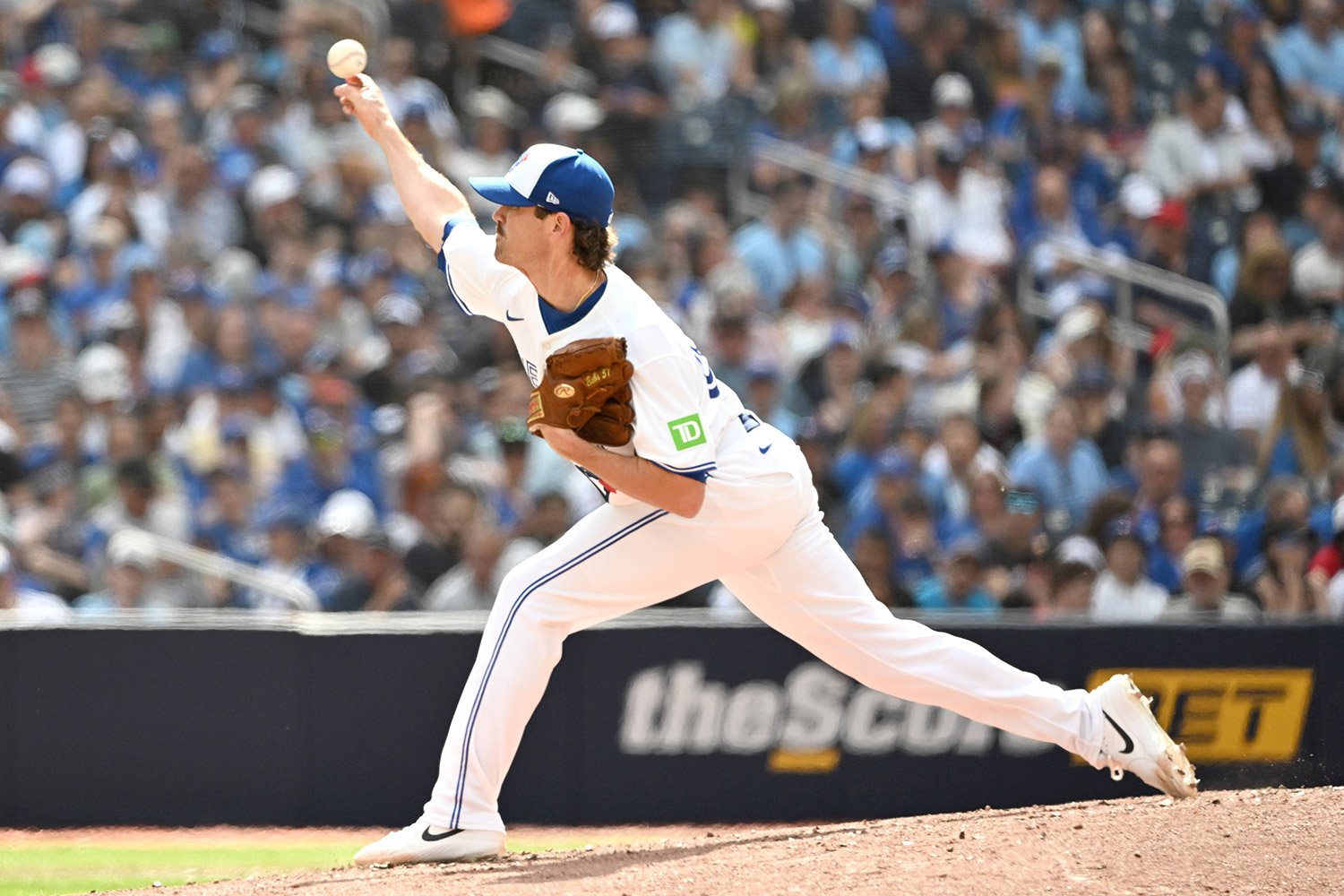 It’s not often that a team gets to add a former Cy Young winner to its rotation in the middle of June, but that’s exactly what the Blue Jays did on Tuesday afternoon when Shane Bieber made his season debut. Bieber’s return puts the Jays’ starting rotation as close to full strength as it's been since Cody Ponce blew out his ACL in the third inning of his own Blue Jays debut all the way back in March, but the best version of this rotation includes a much better version of Bieber than we saw in this start. Across 3.2 innings against the Astros, Bieber threw 75 pitches, allowing four runs on nine hits, including three consecutive solo homers in the fourth, and a total of 10 hard-hit balls. The important thing is that Bieber was actually able to get on a Major League mound and make a start. The Blue Jays will be more concerned with how he recovers from this than with the results, but the expectations for his performance going forward have to be much higher than what he showed here. The Jays will also be concerned with the underlying numbers, because they matched the poor results. Bieber’s fastball averaged 91.7 MPH, down almost a full mile compared to the 92.6 he got out of it in 2025. Bieber also forced only six whiffs, none of which were on his fastball. A ratio of 10 hard hit balls to six swings and misses is not a very sustainable practice. There’s no positives to find in his velo being down, but in all fairness, Bieber’s never been a stuff guy – he hasn’t averaged 93 MPH on his fastball since 2020. Instead, his ability to mix and locate five different pitches has helped him put up many impressive statistical seasons with Cleveland over the years. From 2019 through two starts in 2024 before undergoing UCL surgery, Bieber threw 728.1 innings and allowed just a 3.02 ERA for the Guardians. It’s what the Jays hoped they were acquiring when they traded for him at the 2025 trade deadline, and for the most part, it’s what they got down the stretch and deep into the playoffs. Bieber followed up a 3.57 ERA across 40.1 regular-season innings after the trade deadline with 18.2 innings and a 3.86 ERA through game seven of the World Series. After Bieber opted into his player option for just $12M at the beginning of the offseason, concerns were raised about some persisting health issues from that 2024 elbow surgery. Those concerns were vindicated when Bieber’s spring training build-up was delayed with forearm fatigue and elbow inflammation cited as he started the season on the injured list. His rehab process was extensive as well. Bieber made five starts between three minor league levels on his way back to the big leagues, and while the results don’t mean much of anything, he did get hit hard in those as well. Across 17 innings, he had a 6.88 ERA and struck out just 14. His velocity was also reported to be down in many of those. It’s not unusual to see established major leaguers struggle in minor league rehab outings and then turn it on once they get back to the big leagues, but that’s not what we saw in Bieber’s start against the Astros. Is it time to press the panic button on Bieber? Absolutely not. Regardless of the team’s need for dependable starting pitching, Bieber has shown he can be effective without elite-elite stuff as recently as October, and with some more effective pitch mixing and location, we’re sure to see him get back to being a reliable option every fifth day. The current shape of the rotation also gives Bieber essentially unlimited runway. Bieber came in to fill a slot that had been a bullpen day since Max Scherzer went back on the IL in early June, and if we’re honest, it was often a bullpen day even when Scherzer was making the starts. Even then, if you consider Dylan Cease, Kevin Gausman, and Trey Yesavage ahead of him on the depth chart, the Jays have been running out Scherzer and Patrick Corbin to various degrees of ineffectiveness for the better part of this season. Obviously, if Bieber can get back to anything close to his Cy Young form, he raises the Blue Jays’ ceiling drastically, but even if he ends up in some sort of five-and-dive routine, he’ll have raised the floor of the pitching staff. The Jays have thrown the fourth most innings out of the bullpen in 2026, and Bieber’s ability to provide some length should help the Jays find more days off for Louis Varland, Jeff Hoffman, Tyler Rogers, and Mason Fluharty, who are all top 12 in reliever appearances. Unfortunately, we didn’t see the ceiling or floor-raising version of Shane Bieber in that first outing on Tuesday afternoon, but if he can continue to shake off some rust going forward, he absolutely transforms the starting rotation.
 -
Simon- we're over-due to have you back on the pod to discuss!
- 1 reply
-
- 1
-

-
- daniel guerra
- carson messina
- (and 3 more)
-
Jays are bottom 10 in homers again, so obviously helpful to add a switch hitter with pop. but they've also been sneakily below average in defense if you take away their catchers. Not really gonna be many DH opportunities for Tony until '27 when George walks, but not sure I can handle watching him in right field... definitely too expensive to be used as a bench bat? Such a confusing roster fit
-
Owen Hill and Jesse Burril record the Jays Centre Podcast following each series and will be fielding questions and comments from this form. Interested in contributing to the pod and having your voice heard? Leave a comment!
-
JoJo ParkerArjun NimmalaJohnny KingJuan SanchezGage StaniferRicky TiedemannJosh KasevichAustin CatesBlaine BullardSean KeysVictor AriasJake BlossJake CookTim PiasentinNolan PerryCharles McAdooBrandon BarrieraSilvano HechavarriaRJ Schreck
-
.jpg.a16850d0c427d30a364b73f483c809c6.jpg) Have you ever wondered which pitchers actually get the biggest whiffs? What it actually means when we say a hitter’s timing is off? If a batter is getting tied up or flailing? Statcast and Baseball Savant have given baseball nerds like us the ability to quantify all that, and so much more, with the recent release of swing timing and miss distance numbers. Mike Petriello provided an in-depth breakdown of the new metrics and did a great job contextualizing what they actually mean in his article for MLB.com. I’d encourage you to check out Petriello’s article and play around with the new leaderboards for yourself, but first, stick with me here as I put a Toronto Blue Jays lens on the brand new swing and miss distance and timing metrics. There’s a lot of fun to be had in looking at outlier individual events like the largest swing-and-miss distance induced. Since the middle of 2023, as far back as we have access to this stuff, Clayton Kershaw holds the all-time record with one of his patented big breaking curveballs thrown to Ronny Mauricio in June of 2025, which Mauricio missed by an astounding 57.5 inches – almost five feet! José Berríos holds the top spot among Blue Jays pitchers when it comes to the all-time biggest whiff with this June 2025 slurve that made Iván Herrera miss by 37.7 inches. It makes a lot of sense that Berríos, who at his best is throwing frisbee-like breaking balls, has the ability to create such a big whiff when you consider that the average miss distance on breakers is the largest among the three pitch groups (fastballs, offspeed, and breaking). The average whiff on a breaking ball misses by 4.7 inches compared to 3.7 inches on offspeed and just 1.3 inches on fastballs. However, if I gave you a million guesses, I doubt you’d ever guess the Blue Jay pitcher who’s induced both the second and third biggest whiffs. Unless, of course, the first name that came to your mind was journeyman reliever Trevor Richards, who spent parts of four seasons with the Jays from 2021-2024 and has finished with an ERA below four in just one of his nine big league seasons. In 2023, Richards got Giancarlo Stanton waving at a filthy 82 mph changeup in the dirt for a whiff of 35.1 inches. It still stands as the second-largest whiff from any Jays pitcher. And in 2024, he got Trey Cabbage to miss by 32.9 inches on a similar, 80 mph changeup, which holds the third spot. The Blue Jay pitcher with the biggest swing-and-miss distance induced in 2026 is likely a little easier to guess, because it came on a Trey Yesavage splitter, which Riley Greene missed by 27.3 inches. The Jays hitter with the biggest whiff actually has the fourth largest whiff of “all-time” (again, since mid-2023). At the beginning of June 2026, Kazuma Okamoto was befuddled by a classic Chris Sale slider, which he missed by 47.8 inches. Aside from bringing focus to a one-pitch low-light, the new numbers can actually help explain a lot about Okamoto and why his approach is leading to some of the streakiness we’ve seen from him early in his big league career. One of the new terms that came along with this update is the “flawed swing”. Flawed swing percentage is the rate at which a batter swings and is neither “lined up,” “centred,” or “on time”. Essentially, any of the swings you saw above are extreme examples of flawed swings. It’s the opposite of what a hitter is trying to do. Petriello explains in his article that flawed swings lead literally to a 0% contact rate and a .000 average. Seven percent of swings across MLB are flawed. 12% of Okamoto’s swings have been flawed so far in 2026. It’s the highest mark among Blue Jays hitters, which passes the eye test when evaluating his free-swinging approach. It’s certainly not a good thing that 12% of Okamoto’s swings can be written off, and seeing him bring that down would almost guarantee a drop in his sixth percentile whiff rate (34.3%) and third percentile strikeout rate (32.7%). Digging in a bit further, Okamoto is actually exactly league average when it comes to being both on time and getting the ball centred on his bat. It’s just when it comes to verticality (swinging over or under the ball) that we see him start to slip. This tells me that he’s probably swinging over a lot of breaking balls and under a lot of fastballs. I also don’t want to give the impression that stacking a lineup full of hitters with low flawed swing rates is the new market inefficiency. Munetaka Murakami, Kyle Schwarber and Nick Kurtz all have top 10 wRC+’s so far this season, yet each has a worse flawed swing rate than Okamoto, with Murakami leading baseball at 17%. Of course, a flawed swing isn’t a good result, but if it happens with less than two strikes, it’s actually a better result than putting the ball in play weakly and making an out. For example, Ke’Bryan Hayes currently has an 11 wRC+ on the season, even though he has the lowest flawed swing rate among qualified hitters. Flawed swings are fun to look at, but as far as I can tell early on, there are really good and really bad hitters on both sides on the margins. They still count for just one strike, the exact same as if you hit a fly ball that would have been a homer had it stayed fair. On the pitching side of things, as you might guess, Dylan Cease leads the Jays in flawed swing rate at 14%, about double the league average, and the ninth highest mark among qualified pitchers. Following Cease’s recent 11-strikeout start against the Phillies, Codify put out this stat: One of the other main functions of the newly released metrics is getting to see a pitcher's average miss distance. Petriello explains in his article that while a miss by five feet and a miss by half an inch are no different on paper, pitchers that rack up the biggest miss distance on average outperform pitchers that miss bats by smaller margins. So you’ll be surprised to hear that Patrick Corbin’s whiffs have come at an average of 4.6 inches, which is the highest among Jays pitchers. It starts to add up a little more clearly when you consider that breaking balls have the largest average miss distance, and Corbin’s fastball is running an absurdly low 9.4% whiff rate. Average miss distance needs a “miss” to be calculated. If we sort by individual pitches, Trey Yesavage's splitter is the pitch with the largest average whiff on the team, at 6.7 inches, which completely passes the eye test. There’s a ton of other fun tidbits to dig up, and some new stats I didn’t even mention, like perfect contact – the opposite of a flawed swing – and competitive swing rate, but I’ll leave you with perhaps the funniest thing I learned when digging through all of this new information: Tyler Rogers throws the slowest sinker in baseball. It averages 83.1 mph. Yet, hitters are late on it more than any other pitch in baseball. 58% of the time that Rogers gets a swing on his sinker, the opposing hitter is late on it. That’s 10% more than Jhoan Duran’s 100.2 mph four-seamer, and 16% more than Louis Varland’s 98.4 mph heater. There’s so much more to learn about how we can use these new numbers to help inform our analysis of players going forward, but I hope this article was a good introduction and helped you better understand some of your Toronto Blue Jays.
Have you ever wondered which pitchers actually get the biggest whiffs? What it actually means when we say a hitter’s timing is off? If a batter is getting tied up or flailing? Statcast and Baseball Savant have given baseball nerds like us the ability to quantify all that, and so much more, with the recent release of swing timing and miss distance numbers. Mike Petriello provided an in-depth breakdown of the new metrics and did a great job contextualizing what they actually mean in his article for MLB.com. I’d encourage you to check out Petriello’s article and play around with the new leaderboards for yourself, but first, stick with me here as I put a Toronto Blue Jays lens on the brand new swing and miss distance and timing metrics. There’s a lot of fun to be had in looking at outlier individual events like the largest swing-and-miss distance induced. Since the middle of 2023, as far back as we have access to this stuff, Clayton Kershaw holds the all-time record with one of his patented big breaking curveballs thrown to Ronny Mauricio in June of 2025, which Mauricio missed by an astounding 57.5 inches – almost five feet! José Berríos holds the top spot among Blue Jays pitchers when it comes to the all-time biggest whiff with this June 2025 slurve that made Iván Herrera miss by 37.7 inches. It makes a lot of sense that Berríos, who at his best is throwing frisbee-like breaking balls, has the ability to create such a big whiff when you consider that the average miss distance on breakers is the largest among the three pitch groups (fastballs, offspeed, and breaking). The average whiff on a breaking ball misses by 4.7 inches compared to 3.7 inches on offspeed and just 1.3 inches on fastballs. However, if I gave you a million guesses, I doubt you’d ever guess the Blue Jay pitcher who’s induced both the second and third biggest whiffs. Unless, of course, the first name that came to your mind was journeyman reliever Trevor Richards, who spent parts of four seasons with the Jays from 2021-2024 and has finished with an ERA below four in just one of his nine big league seasons. In 2023, Richards got Giancarlo Stanton waving at a filthy 82 mph changeup in the dirt for a whiff of 35.1 inches. It still stands as the second-largest whiff from any Jays pitcher. And in 2024, he got Trey Cabbage to miss by 32.9 inches on a similar, 80 mph changeup, which holds the third spot. The Blue Jay pitcher with the biggest swing-and-miss distance induced in 2026 is likely a little easier to guess, because it came on a Trey Yesavage splitter, which Riley Greene missed by 27.3 inches. The Jays hitter with the biggest whiff actually has the fourth largest whiff of “all-time” (again, since mid-2023). At the beginning of June 2026, Kazuma Okamoto was befuddled by a classic Chris Sale slider, which he missed by 47.8 inches. Aside from bringing focus to a one-pitch low-light, the new numbers can actually help explain a lot about Okamoto and why his approach is leading to some of the streakiness we’ve seen from him early in his big league career. One of the new terms that came along with this update is the “flawed swing”. Flawed swing percentage is the rate at which a batter swings and is neither “lined up,” “centred,” or “on time”. Essentially, any of the swings you saw above are extreme examples of flawed swings. It’s the opposite of what a hitter is trying to do. Petriello explains in his article that flawed swings lead literally to a 0% contact rate and a .000 average. Seven percent of swings across MLB are flawed. 12% of Okamoto’s swings have been flawed so far in 2026. It’s the highest mark among Blue Jays hitters, which passes the eye test when evaluating his free-swinging approach. It’s certainly not a good thing that 12% of Okamoto’s swings can be written off, and seeing him bring that down would almost guarantee a drop in his sixth percentile whiff rate (34.3%) and third percentile strikeout rate (32.7%). Digging in a bit further, Okamoto is actually exactly league average when it comes to being both on time and getting the ball centred on his bat. It’s just when it comes to verticality (swinging over or under the ball) that we see him start to slip. This tells me that he’s probably swinging over a lot of breaking balls and under a lot of fastballs. I also don’t want to give the impression that stacking a lineup full of hitters with low flawed swing rates is the new market inefficiency. Munetaka Murakami, Kyle Schwarber and Nick Kurtz all have top 10 wRC+’s so far this season, yet each has a worse flawed swing rate than Okamoto, with Murakami leading baseball at 17%. Of course, a flawed swing isn’t a good result, but if it happens with less than two strikes, it’s actually a better result than putting the ball in play weakly and making an out. For example, Ke’Bryan Hayes currently has an 11 wRC+ on the season, even though he has the lowest flawed swing rate among qualified hitters. Flawed swings are fun to look at, but as far as I can tell early on, there are really good and really bad hitters on both sides on the margins. They still count for just one strike, the exact same as if you hit a fly ball that would have been a homer had it stayed fair. On the pitching side of things, as you might guess, Dylan Cease leads the Jays in flawed swing rate at 14%, about double the league average, and the ninth highest mark among qualified pitchers. Following Cease’s recent 11-strikeout start against the Phillies, Codify put out this stat: One of the other main functions of the newly released metrics is getting to see a pitcher's average miss distance. Petriello explains in his article that while a miss by five feet and a miss by half an inch are no different on paper, pitchers that rack up the biggest miss distance on average outperform pitchers that miss bats by smaller margins. So you’ll be surprised to hear that Patrick Corbin’s whiffs have come at an average of 4.6 inches, which is the highest among Jays pitchers. It starts to add up a little more clearly when you consider that breaking balls have the largest average miss distance, and Corbin’s fastball is running an absurdly low 9.4% whiff rate. Average miss distance needs a “miss” to be calculated. If we sort by individual pitches, Trey Yesavage's splitter is the pitch with the largest average whiff on the team, at 6.7 inches, which completely passes the eye test. There’s a ton of other fun tidbits to dig up, and some new stats I didn’t even mention, like perfect contact – the opposite of a flawed swing – and competitive swing rate, but I’ll leave you with perhaps the funniest thing I learned when digging through all of this new information: Tyler Rogers throws the slowest sinker in baseball. It averages 83.1 mph. Yet, hitters are late on it more than any other pitch in baseball. 58% of the time that Rogers gets a swing on his sinker, the opposing hitter is late on it. That’s 10% more than Jhoan Duran’s 100.2 mph four-seamer, and 16% more than Louis Varland’s 98.4 mph heater. There’s so much more to learn about how we can use these new numbers to help inform our analysis of players going forward, but I hope this article was a good introduction and helped you better understand some of your Toronto Blue Jays. -
Have you ever wondered which pitchers actually get the biggest whiffs? What it actually means when we say a hitter’s timing is off? If a batter is getting tied up or flailing? Statcast and Baseball Savant have given baseball nerds like us the ability to quantify all that, and so much more, with the recent release of swing timing and miss distance. Mike Petriello provided an in-depth breakdown of the new metrics and did a great job contextualizing what they actually mean in his article for MLB.com. I’d encourage you to check out Petriello’s article and play around with the new leaderboards for yourself, but first, stick with me here as I put a Toronto Blue Jays lens on the brand new swing and miss distance and timing metrics. There’s a lot of fun to be had in looking at outlier individual events like the largest swing and miss distance induced. Since the middle of 2023, as far back as we have access to this stuff, Clayton Kershaw holds the all-time record with one of his patented big breaking curveballs thrown to Ronny Mauricio in June of 2025, which Mauricio missed by an astounding 57.5 inches – almost five feet! José Berríos holds the top spot among Blue Jays pitchers when it comes to the all-time biggest whiff with this June 2025 slurve that made Iván Herrera miss by 37.7 inches. It makes a lot of sense that Berríos, who at his best is throwing frisbee-like breaking balls, has the ability to create such a big whiff when you consider that the average swing and miss on breakers is the largest among the three pitch groups (fastballs, offspeed, and breaking). The average whiff on a breaking ball misses by 4.7 inches compared to 3.7 inches on offspeed and just 1.3 inches on fastballs. However, if I gave you a million guesses, I doubt you’d ever guess the Blue Jay pitcher who’s induced both the second and third biggest whiffs. Unless, of course, the first name that came to your mind was journeyman reliever Trevor Richards, who spent parts of four seasons with the Jays from 2021-2024 and has finished with an ERA below four in just one of his nine big league seasons. In 2023, Richards got Giancarlo Stanton waving at a filthy 82 mph changeup in the dirt for a whiff of 35.1 inches. It still stands as the second-largest whiff from any Jays pitcher. And in 2024, he got Trey Cabbage to miss by 32.9 inches on a similar, 80 mph changeup, which holds the third spot. The Blue Jay pitcher with the biggest swing and miss distance induced in 2026 is likely a little easier to guess, because it came on a Trey Yesavage splitter, which Riley Greene missed by 27.3 inches. The Jays hitter with the biggest whiff is actually the fourth largest whiff of “all-time” (again, since mid-2023). At the beginning of June 2026, Kazuma Okamoto was befuddled by a classic Chris Sale slider, which he missed by 47.8 inches. Aside from bringing focus to a one-pitch low-light, the new numbers can actually help explain a lot about Okamoto and why his approach is leading to some of the streakiness we’ve seen from him early in his big league career. One of the new terms that came along with this update is the “flawed swing”. Flawed Swing percentage is the rate at which a batter swings and is neither “lined up”, “centred”, or “on time”. Essentially, any of the swings you saw above are extreme examples of flawed swings. It’s the opposite of what a hitter is trying to do. Petriello explains in his article that flawed swings lead literally to a 0% contact rate and a .000 average. Seven percent of swings across MLB are flawed. 12% of Okamoto’s swings have been flawed so far in 2026. It’s the highest mark among Blue Jays hitters, which passes the eye test when evaluating his free-swinging approach. It’s certainly not a good thing that 12% of Okamoto’s swings can be written off, and seeing him bring that down would almost guarantee a drop in his sixth percentile whiff rate (34.3%) and third percentile strikeout rate (32.7%). Digging in a bit further, Okamoto is actually exactly league average when it comes to being both on time and getting the ball centred on his bat. It’s just when it comes to verticality (swinging over or under the ball) that we see him start to slip. This tells me that he’s probably swinging over a lot of breaking balls and under a lot of fastballs. I also don’t want to give the impression that stacking a lineup full of hitters with low flawed swing rates is the new market inefficiency. Munetaka Murakami, Kyle Schwarber and Nick Kurtz all have top 10 wRC+’s so far this season, yet each has a worse flawed swing rate than Okamoto, with Murakami leading baseball at 17%. Of course, a flawed swing isn’t a good result, but if it happens with less than two strikes, it’s actually a better result than putting the ball in play weakly and making an out. For example, Ke’Bryan Hayes currently has an 11 wRC+ on the season, but has the lowest flawed swing rate among qualified hitters. Flawed swings are fun to look at, but as far as I can tell early on, there are really good and really bad hitters on both sides on the margins. They still count for just one strike, the exact same as if you hit a fly ball that would have been a homer had it stayed fair. On the pitching side of things, as you might guess, Dylan Cease leads the Jays in flawed swing rate at 14%, about double the league average, and the ninth highest mark among qualified pitchers. Following Cease’s recent 11-strikeout start against the Phillies, Codify put out this stat: One of the other main functions of the newly released metrics is the average miss distance. Petriello explains in his article that while in a vacuum a miss by five feet and a miss by 0.5 inches are no different on paper, pitchers that rack up the biggest whiff distance on average outperform pitchers that miss bats by smaller margins. So you’ll be surprised to hear that Patrick Corbin’s whiffs are by an average of 4.6 inches, which is the highest among Jays pitchers. It starts to add up a little more clearly when you consider that breaking balls already get the largest whiff distance, and Corbin’s fastball is running an absurdly low 9.4% whiff rate, and average miss distance needs a “miss” to be calculated. If we sort by individual pitches, Trey Yesavage's splitter is the Blue Jays pitch that gets the largest whiff on average at 6.7 inches, which completely passes the eye test. There’s a ton of other fun tidbits to dig up, and some new stats I didn’t even mention, like perfect contact – the opposite of a flawed swing – and competitive swing rate, but I’ll leave you with perhaps the funniest thing I learned when digging through all of this new information: Tyler Rogers throws the slowest sinker in baseball. It averages 83.1 mph. Yet, hitters are late on it more than any other pitch in baseball. 58% of the time that Rogers gets a swing on his sinker, the opposing hitter is late on it. That’s 10% more than Jhoan Duran’s 100.2 mph four-seamer, and 16% more than Louis Varland’s 98.4 mph heater. There’s so much more to learn about how we can use these new numbers to help inform our analysis of players going forward, but I hope this article was a good introduction and helped you better understand some of your Toronto Blue Jays. View full article
-
The Blue Jays have placed an emphasis on defense when it comes to roster building for years now. They’ve gone out of their way to trade for notoriously good defenders like Matt Chapman, Daulton Varsho, Myles Straw, and Andrés Giménez. They’ve found value in defensive-minded free agents like Kevin Kiermaier and even turned fringe roster pickups like Ernie Clement, Tyler Heineman, and Nathan Lukes into important pieces on winning teams, each of them with high defensive floors as essential skills. The Jays have long understood that preventing the other team from scoring a run is just as good as scoring one of your own. This philosophy has paid off, because the Jays have been one of baseball’s best defensive organizations in recent seasons. Baseball Savant explains Fielding Run Value (FRV) as, “Statcast’s metric for capturing a player’s measurable defensive performance by converting all of Statcast’s individual defensive metrics from different scales onto the same run-based scale, which can then be read as a player being worth X runs above or Y runs below average.” That’s baseball nerd for “Fielding Run Value is a statistic that takes into account a bunch of different defensive stats and combines them into one number.” Similar to WAR, players accumulate FRV throughout a season, they can gain both positive and negative fielding runs, and the larger the sample we’re working with, the more we can read into it. Blue Jays players accumulated more FRV than any other team in both 2024 and ‘25. And if you’re more of a traditionalist, and analytics aren’t for you, just take the fact that the Jays also won back-to-back American League Team Gold Glove awards in 2023 and ‘24 and enjoy the rest of the article. Defense is obviously something the organization has taken a lot of pride in, which is why the errors piling up early in 2026 feels so uncharacteristic. Errors are back-breaking plays. Best case scenario, they allow a runner to advance a base, and at their worst, they allow a runner that should have been out to reach base, or score a run. As I mentioned at the beginning of this article, the Jays have been one of the worst defending teams in baseball this season when it comes to errors, yet they remain near the top of the leaderboard when it comes to total FRV. There could be a couple of reasons for this. Firstly, errors are as subjective as they’ve ever been. An official scorer watches the game and determines how to “score” each play. If you’re a long-time fan, you may have heard or noticed that fewer and fewer plays are being scored as errors, and you’d be right. In the 2000 season, players accumulated 3447 errors, compared to 2451 in 2025. That’s almost 1000 more errors over the same number of games, or a 29% decrease in the number of errors just 25 years later. Without having gone through all of the plays, there’s a chance that official scorers have been particularly tough on the Jays' fielders compared to those on other teams when it comes to determining what’s an error and what isn’t. Errors, as we understand them, also don’t tell the full story. For example, it’s more than possible that a good defender with great range gets to a ball and then makes an error that a slower defender wouldn’t have even had the chance to make a play on. The other, much more concrete explanation is that the Blue Jays have remained close to the top of the FRV leaderboard because their catchers are elite. It’s well known that Alejandro Kirk is one of the best defensive catchers in the sport. Since 2022, he’s accumulated the second most fielding run value of any player in baseball, behind only Patrick Bailey of the Giants. But he’s been hurt since early April! This year, the Jays’ backstops – Tyler Heineman, Brandon Valenzuela, and Kirk (before his injury) – have combined to lead catching groups in fielding run value. Catchers are unique when it comes to FRV because they have way more opportunities to collect it. Blocking, framing, and throwing are weighed heavily in the formula, which is why we often see catchers separated from the other positions when it comes to tracking their defensive value. If we sort FRV by infielders and outfielders, excluding catchers, we can see that the Jays are still good, with a top 10 ranking, but not nearly as elite on the whole. So, what can we take away from this when it comes to the Jays and their defense? Well, if you’re a Jays fan, feel comforted that during the years they were considered one of the best defensive teams in baseball, total errors and fielding percentage saw them more as an average team anyway. There’s a lot more to baseball defense than these traditional stats take into account. You can also feel comforted that defensive statistics are among those that take the longest to normalize. Small samples can throw them out of whack very quickly. Fielders have far fewer opportunities than hitters or pitchers, so one or two weird or unlucky plays can make a great defender look average when it comes to advanced defensive metrics, especially this early in the season. At the same time, what has happened on the field has had consequences for the Blue Jays’ actual record. Ernie Clement, who was elite as a defender in 2025, with +10 fielding runs as a utility infielder, has been worth -2 as a defender so far in 2026. Daulton Varsho and Andrés Giménez are regarded as two of the game’s best up-the-middle defenders, but they’ve also fallen behind the pace, having been worth just +1 and +2 defensive runs, respectively, after being worth +6 apiece in injury-shortened 2025 seasons. The Jays are off to a disappointing start to a season that they entered with very high expectations, so keep an eye on their defensive statistics going forward. Once they start to improve, expect their record to improve along with it. View full article
-
.jpg.713d3fef5fc329d9e6a814773c6d5f37.jpg) The Blue Jays have placed an emphasis on defense when it comes to roster building for years now. They’ve gone out of their way to trade for notoriously good defenders like Matt Chapman, Daulton Varsho, Myles Straw, and Andrés Giménez. They’ve found value in defensive-minded free agents like Kevin Kiermaier and even turned fringe roster pickups like Ernie Clement, Tyler Heineman, and Nathan Lukes into important pieces on winning teams, each of them with high defensive floors as essential skills. The Jays have long understood that preventing the other team from scoring a run is just as good as scoring one of your own. This philosophy has paid off, because the Jays have been one of baseball’s best defensive organizations in recent seasons. Baseball Savant explains Fielding Run Value (FRV) as, “Statcast’s metric for capturing a player’s measurable defensive performance by converting all of Statcast’s individual defensive metrics from different scales onto the same run-based scale, which can then be read as a player being worth X runs above or Y runs below average.” That’s baseball nerd for “Fielding Run Value is a statistic that takes into account a bunch of different defensive stats and combines them into one number.” Similar to WAR, players accumulate FRV throughout a season, they can gain both positive and negative fielding runs, and the larger the sample we’re working with, the more we can read into it. Blue Jays players accumulated more FRV than any other team in both 2024 and ‘25. And if you’re more of a traditionalist, and analytics aren’t for you, just take the fact that the Jays also won back-to-back American League Team Gold Glove awards in 2023 and ‘24 and enjoy the rest of the article. Defense is obviously something the organization has taken a lot of pride in, which is why the errors piling up early in 2026 feels so uncharacteristic. Errors are back-breaking plays. Best case scenario, they allow a runner to advance a base, and at their worst, they allow a runner that should have been out to reach base, or score a run. As I mentioned at the beginning of this article, the Jays have been one of the worst defending teams in baseball this season when it comes to errors, yet they remain near the top of the leaderboard when it comes to total FRV. There could be a couple of reasons for this. Firstly, errors are as subjective as they’ve ever been. An official scorer watches the game and determines how to “score” each play. If you’re a long-time fan, you may have heard or noticed that fewer and fewer plays are being scored as errors, and you’d be right. In the 2000 season, players accumulated 3447 errors, compared to 2451 in 2025. That’s almost 1000 more errors over the same number of games, or a 29% decrease in the number of errors just 25 years later. Without having gone through all of the plays, there’s a chance that official scorers have been particularly tough on the Jays' fielders compared to those on other teams when it comes to determining what’s an error and what isn’t. Errors, as we understand them, also don’t tell the full story. For example, it’s more than possible that a good defender with great range gets to a ball and then makes an error that a slower defender wouldn’t have even had the chance to make a play on. The other, much more concrete explanation is that the Blue Jays have remained close to the top of the FRV leaderboard because their catchers are elite. It’s well known that Alejandro Kirk is one of the best defensive catchers in the sport. Since 2022, he’s accumulated the second most fielding run value of any player in baseball, behind only Patrick Bailey of the Giants. But he’s been hurt since early April! This year, the Jays’ backstops – Tyler Heineman, Brandon Valenzuela, and Kirk (before his injury) – have combined to lead catching groups in fielding run value. Catchers are unique when it comes to FRV because they have way more opportunities to collect it. Blocking, framing, and throwing are weighed heavily in the formula, which is why we often see catchers separated from the other positions when it comes to tracking their defensive value. If we sort FRV by infielders and outfielders, excluding catchers, we can see that the Jays are still good, with a top 10 ranking, but not nearly as elite on the whole. So, what can we take away from this when it comes to the Jays and their defense? Well, if you’re a Jays fan, feel comforted that during the years they were considered one of the best defensive teams in baseball, total errors and fielding percentage saw them more as an average team anyway. There’s a lot more to baseball defense than these traditional stats take into account. You can also feel comforted that defensive statistics are among those that take the longest to normalize. Small samples can throw them out of whack very quickly. Fielders have far fewer opportunities than hitters or pitchers, so one or two weird or unlucky plays can make a great defender look average when it comes to advanced defensive metrics, especially this early in the season. At the same time, what has happened on the field has had consequences for the Blue Jays’ actual record. Ernie Clement, who was elite as a defender in 2025, with +10 fielding runs as a utility infielder, has been worth -2 as a defender so far in 2026. Daulton Varsho and Andrés Giménez are regarded as two of the game’s best up-the-middle defenders, but they’ve also fallen behind the pace, having been worth just +1 and +2 defensive runs, respectively, after being worth +6 apiece in injury-shortened 2025 seasons. The Jays are off to a disappointing start to a season that they entered with very high expectations, so keep an eye on their defensive statistics going forward. Once they start to improve, expect their record to improve along with it.
The Blue Jays have placed an emphasis on defense when it comes to roster building for years now. They’ve gone out of their way to trade for notoriously good defenders like Matt Chapman, Daulton Varsho, Myles Straw, and Andrés Giménez. They’ve found value in defensive-minded free agents like Kevin Kiermaier and even turned fringe roster pickups like Ernie Clement, Tyler Heineman, and Nathan Lukes into important pieces on winning teams, each of them with high defensive floors as essential skills. The Jays have long understood that preventing the other team from scoring a run is just as good as scoring one of your own. This philosophy has paid off, because the Jays have been one of baseball’s best defensive organizations in recent seasons. Baseball Savant explains Fielding Run Value (FRV) as, “Statcast’s metric for capturing a player’s measurable defensive performance by converting all of Statcast’s individual defensive metrics from different scales onto the same run-based scale, which can then be read as a player being worth X runs above or Y runs below average.” That’s baseball nerd for “Fielding Run Value is a statistic that takes into account a bunch of different defensive stats and combines them into one number.” Similar to WAR, players accumulate FRV throughout a season, they can gain both positive and negative fielding runs, and the larger the sample we’re working with, the more we can read into it. Blue Jays players accumulated more FRV than any other team in both 2024 and ‘25. And if you’re more of a traditionalist, and analytics aren’t for you, just take the fact that the Jays also won back-to-back American League Team Gold Glove awards in 2023 and ‘24 and enjoy the rest of the article. Defense is obviously something the organization has taken a lot of pride in, which is why the errors piling up early in 2026 feels so uncharacteristic. Errors are back-breaking plays. Best case scenario, they allow a runner to advance a base, and at their worst, they allow a runner that should have been out to reach base, or score a run. As I mentioned at the beginning of this article, the Jays have been one of the worst defending teams in baseball this season when it comes to errors, yet they remain near the top of the leaderboard when it comes to total FRV. There could be a couple of reasons for this. Firstly, errors are as subjective as they’ve ever been. An official scorer watches the game and determines how to “score” each play. If you’re a long-time fan, you may have heard or noticed that fewer and fewer plays are being scored as errors, and you’d be right. In the 2000 season, players accumulated 3447 errors, compared to 2451 in 2025. That’s almost 1000 more errors over the same number of games, or a 29% decrease in the number of errors just 25 years later. Without having gone through all of the plays, there’s a chance that official scorers have been particularly tough on the Jays' fielders compared to those on other teams when it comes to determining what’s an error and what isn’t. Errors, as we understand them, also don’t tell the full story. For example, it’s more than possible that a good defender with great range gets to a ball and then makes an error that a slower defender wouldn’t have even had the chance to make a play on. The other, much more concrete explanation is that the Blue Jays have remained close to the top of the FRV leaderboard because their catchers are elite. It’s well known that Alejandro Kirk is one of the best defensive catchers in the sport. Since 2022, he’s accumulated the second most fielding run value of any player in baseball, behind only Patrick Bailey of the Giants. But he’s been hurt since early April! This year, the Jays’ backstops – Tyler Heineman, Brandon Valenzuela, and Kirk (before his injury) – have combined to lead catching groups in fielding run value. Catchers are unique when it comes to FRV because they have way more opportunities to collect it. Blocking, framing, and throwing are weighed heavily in the formula, which is why we often see catchers separated from the other positions when it comes to tracking their defensive value. If we sort FRV by infielders and outfielders, excluding catchers, we can see that the Jays are still good, with a top 10 ranking, but not nearly as elite on the whole. So, what can we take away from this when it comes to the Jays and their defense? Well, if you’re a Jays fan, feel comforted that during the years they were considered one of the best defensive teams in baseball, total errors and fielding percentage saw them more as an average team anyway. There’s a lot more to baseball defense than these traditional stats take into account. You can also feel comforted that defensive statistics are among those that take the longest to normalize. Small samples can throw them out of whack very quickly. Fielders have far fewer opportunities than hitters or pitchers, so one or two weird or unlucky plays can make a great defender look average when it comes to advanced defensive metrics, especially this early in the season. At the same time, what has happened on the field has had consequences for the Blue Jays’ actual record. Ernie Clement, who was elite as a defender in 2025, with +10 fielding runs as a utility infielder, has been worth -2 as a defender so far in 2026. Daulton Varsho and Andrés Giménez are regarded as two of the game’s best up-the-middle defenders, but they’ve also fallen behind the pace, having been worth just +1 and +2 defensive runs, respectively, after being worth +6 apiece in injury-shortened 2025 seasons. The Jays are off to a disappointing start to a season that they entered with very high expectations, so keep an eye on their defensive statistics going forward. Once they start to improve, expect their record to improve along with it. -
Trey YesavageJoJo ParkerArjun NimmalaGage StaniferRicky TiedemannJuan SanchezJohnny KingYohendrick PinangoVictor AriasJosh KasevichJake BlossSilvano HechavarriaTim PiasentinJake CookBlaine BullardSean KeysRJ SchreckBrandon BarrieraLanden MaroudisAustin Cates
-
After a shaky start, Kazuma Okamoto has broken out in a big way for the Toronto Blue Jays. What exactly changed, and how is he becoming a fan favourite so quickly? View full video
-
After a shaky start, Kazuma Okamoto has broken out in a big way for the Toronto Blue Jays. What exactly changed, and how is he becoming a fan favourite so quickly?
-
The start of 2026 has produced some legendary “remembering guys” conversations for Blue Jays fans about 10 years from now. Eloy Jiménez, Lenyn Sosa, and Brandon Valenzuela each received upwards of 30 plate appearances for the Jays this month thanks to an almost unprecedented string of injuries. It’s an easy excuse, but Toronto’s 14-17 record in the month is not where we or the team expected it to be. With the caveat that the Jays missed George Springer, Addison Barger and Alejandro Kirk for the majority of the month, I present to you the Toronto Blue Jays, who finished the first month of the season with the 25th-ranked offense according to wRC+, 29th-ranked offense according to xwOBA, and 26th-ranked offense in actual runs scored. It didn’t help that when the Jays did get runners in scoring position, they tied for the worst wRC+ in baseball. It’s worth noting that this time last year, we were having a very similar discussion about the state of the 2025 Blue Jays offense after April, and as the team continues to get healthy, the race for the top spot on this list should get tighter throughout the season. With all that being said, there were a few guys who had a very positive month and deserve some flowers for helping to keep this team’s head above water through all of the injuries. Toronto Blue Jays Hitters of the Month 3. Kazuma Okamoto - .218/.301/.373, 5 HR, 13 BB, 38 K, 90 wRC+, 0.3 fWAR Okamoto’s appearance on this list is carried heavily by a hot start and a strong finish. The overall numbers are cratered by a seven-game stretch where he went 2-for-27. That stretch also happened to coincide with his team struggling to win baseball games, which caused Okamoto to draw some pretty heavy criticism from Jays fans. But an adjustment to stand further back in the box late in the month helped Kaz get back on track and hit .268 with three homers in his final 47 plate appearances. There’s still a lot of work to do to get his whiff rate and strikeout percentage – which were upwards of 30% in March/April – to somewhere reasonable, but when he’s made contact, he’s done damage. He’s running an elite hard-hit rate, barrel percentage and average exit velocity, which helped him lead the team with five homers in the first month. The power he’s shown has been a blessing for the Jays, who hit just 26 homers in the month, the sixth lowest mark in baseball. The defensive statistics don’t love him, but anyone who’s watched the games knows that the third base defense has been better than advertised, and not only has he made Jays fans feel comfortable, he’s made some impressive plays coming in on baseballs. Kazuma Okamoto earns the third spot on the first Blue Jays Hitters of the Month list of the season, and now that he’s gotten his feet wet, I think he’s only getting better from here. 2. Ernie Clement - .302/.323/.429, 1 HR, 4 BB, 9 K, 108 wRC+, 0.5 fWAR Ernie picked up right where he left off in his legendary playoff run and got off to a hot start to 2026. He’s been exactly the guy you remember from 2025 so far this season. His 6.9% strikeout percentage was the second lowest in baseball behind only the Giants’ Luis Arraez. All of those balls in play helped him to hit above .300 in the first month of the season, and his 13 doubles tied for the most in MLB. The Jays have asked a lot of Clement, moving him to be the full-time second baseman, and in George Springer’s extended absence, Clement was often asked to fill in at the top of the order, either in the leadoff spot or two-hole. He was very effective, hitting .316 and .342, respectively. Of course, as we all expected, the up-the-middle defense between Clement and Andrés Giménez has been extremely fun to watch. 0.5 fWAR in the first month of the season has Clement on pace for about another three-win season. Not bad for a guy that was cut by the Athletics a few years ago. 1. Vladimir Guerrero Jr. - .354/.438/.469, 2 HR, 15 BB, 15 K, 155 wRC+, 1.2 fWAR Normally, a two-homer month from Vladimir Guerrero Jr. would have Jays fans throwing fits, but he did just about everything else in the batter’s box at an elite rate. His .354 batting average was the second best mark of the month, second by just two points to Yordan Alvarez. He walked exactly as much as he struck out, and he didn’t miss a game in a month where the Jays were ravaged by injuries. There was really no other choice for the top spot on this list. Vlad’s 1.2 fWAR not only led the Jays, but it was double the next closest mark – Giménez and Daulton Varsho both had 0.6. Vlad was also the only Blue Jay to finish the first month with an OPS over .800, and he smashed that with a .907. As the Jays’ lineup continues to get healthy, and he gets some of his protection back in the form of Alejandro Kirk and Addison Barger, I expect to see Vlad’s power numbers tick back up. When that happens, we could be in for an extremely special season. Hopefully, when the next iteration of this article comes out at the end of May, the choice for the top spot is a lot tougher, but for now, the franchise player is exactly where he belongs: the top Jays hitter of the month. View full article
- 1 reply
-
- 1
-
-
- vladimir guerrero jr
- ernie clement
- (and 1 more)
-
.jpg.24b5e8bf9ff104c02c75df2e555648eb.jpg) The start of 2026 has produced some legendary “remembering guys” conversations for Blue Jays fans about 10 years from now. Eloy Jiménez, Lenyn Sosa, and Brandon Valenzuela each received upwards of 30 plate appearances for the Jays this month thanks to an almost unprecedented string of injuries. It’s an easy excuse, but Toronto’s 14-17 record in the month is not where we or the team expected it to be. With the caveat that the Jays missed George Springer, Addison Barger and Alejandro Kirk for the majority of the month, I present to you the Toronto Blue Jays, who finished the first month of the season with the 25th-ranked offense according to wRC+, 29th-ranked offense according to xwOBA, and 26th-ranked offense in actual runs scored. It didn’t help that when the Jays did get runners in scoring position, they tied for the worst wRC+ in baseball. It’s worth noting that this time last year, we were having a very similar discussion about the state of the 2025 Blue Jays offense after April, and as the team continues to get healthy, the race for the top spot on this list should get tighter throughout the season. With all that being said, there were a few guys who had a very positive month and deserve some flowers for helping to keep this team’s head above water through all of the injuries. Toronto Blue Jays Hitters of the Month 3. Kazuma Okamoto - .218/.301/.373, 5 HR, 13 BB, 38 K, 90 wRC+, 0.3 fWAR Okamoto’s appearance on this list is carried heavily by a hot start and a strong finish. The overall numbers are cratered by a seven-game stretch where he went 2-for-27. That stretch also happened to coincide with his team struggling to win baseball games, which caused Okamoto to draw some pretty heavy criticism from Jays fans. But an adjustment to stand further back in the box late in the month helped Kaz get back on track and hit .268 with three homers in his final 47 plate appearances. There’s still a lot of work to do to get his whiff rate and strikeout percentage – which were upwards of 30% in March/April – to somewhere reasonable, but when he’s made contact, he’s done damage. He’s running an elite hard-hit rate, barrel percentage and average exit velocity, which helped him lead the team with five homers in the first month. The power he’s shown has been a blessing for the Jays, who hit just 26 homers in the month, the sixth lowest mark in baseball. The defensive statistics don’t love him, but anyone who’s watched the games knows that the third base defense has been better than advertised, and not only has he made Jays fans feel comfortable, he’s made some impressive plays coming in on baseballs. Kazuma Okamoto earns the third spot on the first Blue Jays Hitters of the Month list of the season, and now that he’s gotten his feet wet, I think he’s only getting better from here. 2. Ernie Clement - .302/.323/.429, 1 HR, 4 BB, 9 K, 108 wRC+, 0.5 fWAR Ernie picked up right where he left off in his legendary playoff run and got off to a hot start to 2026. He’s been exactly the guy you remember from 2025 so far this season. His 6.9% strikeout percentage was the second lowest in baseball behind only the Giants’ Luis Arraez. All of those balls in play helped him to hit above .300 in the first month of the season, and his 13 doubles tied for the most in MLB. The Jays have asked a lot of Clement, moving him to be the full-time second baseman, and in George Springer’s extended absence, Clement was often asked to fill in at the top of the order, either in the leadoff spot or two-hole. He was very effective, hitting .316 and .342, respectively. Of course, as we all expected, the up-the-middle defense between Clement and Andrés Giménez has been extremely fun to watch. 0.5 fWAR in the first month of the season has Clement on pace for about another three-win season. Not bad for a guy that was cut by the Athletics a few years ago. 1. Vladimir Guerrero Jr. - .354/.438/.469, 2 HR, 15 BB, 15 K, 155 wRC+, 1.2 fWAR Normally, a two-homer month from Vladimir Guerrero Jr. would have Jays fans throwing fits, but he did just about everything else in the batter’s box at an elite rate. His .354 batting average was the second best mark of the month, second by just two points to Yordan Alvarez. He walked exactly as much as he struck out, and he didn’t miss a game in a month where the Jays were ravaged by injuries. There was really no other choice for the top spot on this list. Vlad’s 1.2 fWAR not only led the Jays, but it was double the next closest mark – Giménez and Daulton Varsho both had 0.6. Vlad was also the only Blue Jay to finish the first month with an OPS over .800, and he smashed that with a .907. As the Jays’ lineup continues to get healthy, and he gets some of his protection back in the form of Alejandro Kirk and Addison Barger, I expect to see Vlad’s power numbers tick back up. When that happens, we could be in for an extremely special season. Hopefully, when the next iteration of this article comes out at the end of May, the choice for the top spot is a lot tougher, but for now, the franchise player is exactly where he belongs: the top Jays hitter of the month.
The start of 2026 has produced some legendary “remembering guys” conversations for Blue Jays fans about 10 years from now. Eloy Jiménez, Lenyn Sosa, and Brandon Valenzuela each received upwards of 30 plate appearances for the Jays this month thanks to an almost unprecedented string of injuries. It’s an easy excuse, but Toronto’s 14-17 record in the month is not where we or the team expected it to be. With the caveat that the Jays missed George Springer, Addison Barger and Alejandro Kirk for the majority of the month, I present to you the Toronto Blue Jays, who finished the first month of the season with the 25th-ranked offense according to wRC+, 29th-ranked offense according to xwOBA, and 26th-ranked offense in actual runs scored. It didn’t help that when the Jays did get runners in scoring position, they tied for the worst wRC+ in baseball. It’s worth noting that this time last year, we were having a very similar discussion about the state of the 2025 Blue Jays offense after April, and as the team continues to get healthy, the race for the top spot on this list should get tighter throughout the season. With all that being said, there were a few guys who had a very positive month and deserve some flowers for helping to keep this team’s head above water through all of the injuries. Toronto Blue Jays Hitters of the Month 3. Kazuma Okamoto - .218/.301/.373, 5 HR, 13 BB, 38 K, 90 wRC+, 0.3 fWAR Okamoto’s appearance on this list is carried heavily by a hot start and a strong finish. The overall numbers are cratered by a seven-game stretch where he went 2-for-27. That stretch also happened to coincide with his team struggling to win baseball games, which caused Okamoto to draw some pretty heavy criticism from Jays fans. But an adjustment to stand further back in the box late in the month helped Kaz get back on track and hit .268 with three homers in his final 47 plate appearances. There’s still a lot of work to do to get his whiff rate and strikeout percentage – which were upwards of 30% in March/April – to somewhere reasonable, but when he’s made contact, he’s done damage. He’s running an elite hard-hit rate, barrel percentage and average exit velocity, which helped him lead the team with five homers in the first month. The power he’s shown has been a blessing for the Jays, who hit just 26 homers in the month, the sixth lowest mark in baseball. The defensive statistics don’t love him, but anyone who’s watched the games knows that the third base defense has been better than advertised, and not only has he made Jays fans feel comfortable, he’s made some impressive plays coming in on baseballs. Kazuma Okamoto earns the third spot on the first Blue Jays Hitters of the Month list of the season, and now that he’s gotten his feet wet, I think he’s only getting better from here. 2. Ernie Clement - .302/.323/.429, 1 HR, 4 BB, 9 K, 108 wRC+, 0.5 fWAR Ernie picked up right where he left off in his legendary playoff run and got off to a hot start to 2026. He’s been exactly the guy you remember from 2025 so far this season. His 6.9% strikeout percentage was the second lowest in baseball behind only the Giants’ Luis Arraez. All of those balls in play helped him to hit above .300 in the first month of the season, and his 13 doubles tied for the most in MLB. The Jays have asked a lot of Clement, moving him to be the full-time second baseman, and in George Springer’s extended absence, Clement was often asked to fill in at the top of the order, either in the leadoff spot or two-hole. He was very effective, hitting .316 and .342, respectively. Of course, as we all expected, the up-the-middle defense between Clement and Andrés Giménez has been extremely fun to watch. 0.5 fWAR in the first month of the season has Clement on pace for about another three-win season. Not bad for a guy that was cut by the Athletics a few years ago. 1. Vladimir Guerrero Jr. - .354/.438/.469, 2 HR, 15 BB, 15 K, 155 wRC+, 1.2 fWAR Normally, a two-homer month from Vladimir Guerrero Jr. would have Jays fans throwing fits, but he did just about everything else in the batter’s box at an elite rate. His .354 batting average was the second best mark of the month, second by just two points to Yordan Alvarez. He walked exactly as much as he struck out, and he didn’t miss a game in a month where the Jays were ravaged by injuries. There was really no other choice for the top spot on this list. Vlad’s 1.2 fWAR not only led the Jays, but it was double the next closest mark – Giménez and Daulton Varsho both had 0.6. Vlad was also the only Blue Jay to finish the first month with an OPS over .800, and he smashed that with a .907. As the Jays’ lineup continues to get healthy, and he gets some of his protection back in the form of Alejandro Kirk and Addison Barger, I expect to see Vlad’s power numbers tick back up. When that happens, we could be in for an extremely special season. Hopefully, when the next iteration of this article comes out at the end of May, the choice for the top spot is a lot tougher, but for now, the franchise player is exactly where he belongs: the top Jays hitter of the month.- 1 comment
-
- 2
-
-
- vladimir guerrero jr
- ernie clement
- (and 1 more)
-
It’s official. On Friday afternoon, before the Blue Jays’ weekend tilt against the Cleveland Guardians, Ross Atkins spoke to the media, confirming what many fans were speculating or outright hoping for: Jeff Hoffman is out as the Toronto Blue Jays' closer. The leash seemed to be short for Hoffman from the start of this year. He’s coming off of a 2025 that looked dominant at times but came with its fair share of frustrating blow-ups. Last year, he picked up 33 saves but gave up 15 homers and carried a 4.37 ERA across 68 innings. Hoffman followed that up-and-down 2025 regular season with 12.1 IP throughout the Jays’ World Series run, in which he gave up just two runs. Whether it’s fair or not, a lot of the conversation surrounding Hoffman and the closer role will forever be tied to the second of those runs. Based purely on the eye test, it’s hard to question the move. Hoffman has blown three of his six save opportunities this season, without including his most recent blow-up in Los Angeles when he had to be pulled in the bottom of the ninth after recording just one out, giving up a pair of hits and plunking two more. Fortunately for the Jays, Louis Varland came in and bailed Hoffman out, getting a double play ball on a first pitch changeup, securing the win and his own first big league save. The 2026 numbers aren’t kind to Hoffman either. In 10.2 IP, his ERA sits at 7.59, his walk rate is in the double digits (10.5%) and his WHIP is above two (2.06). The Blue Jays’ 10-15 start hasn’t changed that their ultimate goal is to get back to the World Series and win it, and simply put, based on all of those factors, the Blue Jays no longer believe that Hoffman pitching in the ninth inning with minuscule leads is the best way for them to win enough baseball games to do that. Going forward, the Blue Jays will be going “closer by committee.” Atkins didn’t exactly outline what this means, but it sounds like the Jays will look at their opponent's lineup and who’s due to bat in the ninth inning, and aim to pick the reliever that they believe matches up best against them on the mound for that moment. For example, if three of four batters due up are lefties, there’s a chance Mason Fluharty is asked to get the final three outs. Or maybe there’s a specific pocket picked out for Tyler Rogers, or even Braydon Fisher. Of course, “closer by committee” could also be code for “Louis Varland is the new closer.” For what it’s worth, I did hear from a source within the Jays organization that a closer entrance video and light show were being put together for Varland. This doesn’t necessarily mean that the video and light show will be used, and definitely doesn’t confirm that Varland is the new full-time closer. I still believe that if Toronto's opponent has its 2-3-4 hitters due up in the eighth, Varland is the best option to pitch that inning, and he will be the one to throw it. Varland is off to a ridiculous start to this season, having yet to allow an earned run through his first 12 appearances and 13 innings. He’s struck out over 40% of the hitters he’s faced, and 58.3% of the balls put in play against him have been on the ground. He’s been next to untouchable, and is in second place, only behind the Padres’ Mason Miller, in reliever fWAR with 0.8. The Blue Jays are in good hands with any combination of Varland, Rogers, Fisher, and Fluharty protecting leads late in games, and the ousting of Hoffman gives more flexibility to John Schneider to pick his spots with each of them. The final piece to this puzzle is what Hoffman’s role is going to be moving forward. While the results have been undeniably terrible, and there are clear problems with his ability to locate, Hoffman has been one of the unluckiest relievers in baseball. His .609 batting average on balls in play is the highest among pitchers with at least 10 innings pitched. The difference between his opponents’ batting average (.327) and xBA (.220) is .107, the eighth highest mark among qualified arms on the Statcast leaderboard. Hoffman hasn’t battled many issues with his stuff either. His average fastball velocity is actually slightly harder than it was in 2025, and he’s struck out 42.1% of the hitters he’s faced, second only to – you guessed it – Mason Miller. There are more granular tidbits like his slider having fallen from a 116 and 114 Stuff+ in 2023 and ‘24, respectively, to just 103 in ‘26, and the control issues tell me there may be some mindset and approach adjustments to be made. Still, there’s nothing that I’m seeing that makes me ready to “give up” on Hoffman. The poor results had snowballed past the point of letting Hoffman work through things in the role he was in, but there are lots of positive things to point to if you want to believe that he can, and will, continue to be a big piece of the Jays’ bullpen. His next couple of appearances will likely come in some lower-leverage spots, maybe trying to keep the Jays in a game in which they're trailing instead of holding a lead, but don’t be surprised if Hoffman puts up a few straight zeros and is right back in the mix to be one of the closers on the committee. View full article
-
.jpg.6ac1e9ee499de37e32eccee0739ca268.jpg) It’s official. On Friday afternoon, before the Blue Jays’ weekend tilt against the Cleveland Guardians, Ross Atkins spoke to the media, confirming what many fans were speculating or outright hoping for: Jeff Hoffman is out as the Toronto Blue Jays' closer. The leash seemed to be short for Hoffman from the start of this year. He’s coming off of a 2025 that looked dominant at times but came with its fair share of frustrating blow-ups. Last year, he picked up 33 saves but gave up 15 homers and carried a 4.37 ERA across 68 innings. Hoffman followed that up-and-down 2025 regular season with 12.1 IP throughout the Jays’ World Series run, in which he gave up just two runs. Whether it’s fair or not, a lot of the conversation surrounding Hoffman and the closer role will forever be tied to the second of those runs. Based purely on the eye test, it’s hard to question the move. Hoffman has blown three of his six save opportunities this season, without including his most recent blow-up in Los Angeles when he had to be pulled in the bottom of the ninth after recording just one out, giving up a pair of hits and plunking two more. Fortunately for the Jays, Louis Varland came in and bailed Hoffman out, getting a double play ball on a first pitch changeup, securing the win and his own first big league save. The 2026 numbers aren’t kind to Hoffman either. In 10.2 IP, his ERA sits at 7.59, his walk rate is in the double digits (10.5%) and his WHIP is above two (2.06). The Blue Jays’ 10-15 start hasn’t changed that their ultimate goal is to get back to the World Series and win it, and simply put, based on all of those factors, the Blue Jays no longer believe that Hoffman pitching in the ninth inning with minuscule leads is the best way for them to win enough baseball games to do that. Going forward, the Blue Jays will be going “closer by committee.” Atkins didn’t exactly outline what this means, but it sounds like the Jays will look at their opponent's lineup and who’s due to bat in the ninth inning, and aim to pick the reliever that they believe matches up best against them on the mound for that moment. For example, if three of four batters due up are lefties, there’s a chance Mason Fluharty is asked to get the final three outs. Or maybe there’s a specific pocket picked out for Tyler Rogers, or even Braydon Fisher. Of course, “closer by committee” could also be code for “Louis Varland is the new closer.” For what it’s worth, I did hear from a source within the Jays organization that a closer entrance video and light show were being put together for Varland. This doesn’t necessarily mean that the video and light show will be used, and definitely doesn’t confirm that Varland is the new full-time closer. I still believe that if Toronto's opponent has its 2-3-4 hitters due up in the eighth, Varland is the best option to pitch that inning, and he will be the one to throw it. Varland is off to a ridiculous start to this season, having yet to allow an earned run through his first 12 appearances and 13 innings. He’s struck out over 40% of the hitters he’s faced, and 58.3% of the balls put in play against him have been on the ground. He’s been next to untouchable, and is in second place, only behind the Padres’ Mason Miller, in reliever fWAR with 0.8. The Blue Jays are in good hands with any combination of Varland, Rogers, Fisher, and Fluharty protecting leads late in games, and the ousting of Hoffman gives more flexibility to John Schneider to pick his spots with each of them. The final piece to this puzzle is what Hoffman’s role is going to be moving forward. While the results have been undeniably terrible, and there are clear problems with his ability to locate, Hoffman has been one of the unluckiest relievers in baseball. His .609 batting average on balls in play is the highest among pitchers with at least 10 innings pitched. The difference between his opponents’ batting average (.327) and xBA (.220) is .107, the eighth highest mark among qualified arms on the Statcast leaderboard. Hoffman hasn’t battled many issues with his stuff either. His average fastball velocity is actually slightly harder than it was in 2025, and he’s struck out 42.1% of the hitters he’s faced, second only to – you guessed it – Mason Miller. There are more granular tidbits like his slider having fallen from a 116 and 114 Stuff+ in 2023 and ‘24, respectively, to just 103 in ‘26, and the control issues tell me there may be some mindset and approach adjustments to be made. Still, there’s nothing that I’m seeing that makes me ready to “give up” on Hoffman. The poor results had snowballed past the point of letting Hoffman work through things in the role he was in, but there are lots of positive things to point to if you want to believe that he can, and will, continue to be a big piece of the Jays’ bullpen. His next couple of appearances will likely come in some lower-leverage spots, maybe trying to keep the Jays in a game in which they're trailing instead of holding a lead, but don’t be surprised if Hoffman puts up a few straight zeros and is right back in the mix to be one of the closers on the committee.
It’s official. On Friday afternoon, before the Blue Jays’ weekend tilt against the Cleveland Guardians, Ross Atkins spoke to the media, confirming what many fans were speculating or outright hoping for: Jeff Hoffman is out as the Toronto Blue Jays' closer. The leash seemed to be short for Hoffman from the start of this year. He’s coming off of a 2025 that looked dominant at times but came with its fair share of frustrating blow-ups. Last year, he picked up 33 saves but gave up 15 homers and carried a 4.37 ERA across 68 innings. Hoffman followed that up-and-down 2025 regular season with 12.1 IP throughout the Jays’ World Series run, in which he gave up just two runs. Whether it’s fair or not, a lot of the conversation surrounding Hoffman and the closer role will forever be tied to the second of those runs. Based purely on the eye test, it’s hard to question the move. Hoffman has blown three of his six save opportunities this season, without including his most recent blow-up in Los Angeles when he had to be pulled in the bottom of the ninth after recording just one out, giving up a pair of hits and plunking two more. Fortunately for the Jays, Louis Varland came in and bailed Hoffman out, getting a double play ball on a first pitch changeup, securing the win and his own first big league save. The 2026 numbers aren’t kind to Hoffman either. In 10.2 IP, his ERA sits at 7.59, his walk rate is in the double digits (10.5%) and his WHIP is above two (2.06). The Blue Jays’ 10-15 start hasn’t changed that their ultimate goal is to get back to the World Series and win it, and simply put, based on all of those factors, the Blue Jays no longer believe that Hoffman pitching in the ninth inning with minuscule leads is the best way for them to win enough baseball games to do that. Going forward, the Blue Jays will be going “closer by committee.” Atkins didn’t exactly outline what this means, but it sounds like the Jays will look at their opponent's lineup and who’s due to bat in the ninth inning, and aim to pick the reliever that they believe matches up best against them on the mound for that moment. For example, if three of four batters due up are lefties, there’s a chance Mason Fluharty is asked to get the final three outs. Or maybe there’s a specific pocket picked out for Tyler Rogers, or even Braydon Fisher. Of course, “closer by committee” could also be code for “Louis Varland is the new closer.” For what it’s worth, I did hear from a source within the Jays organization that a closer entrance video and light show were being put together for Varland. This doesn’t necessarily mean that the video and light show will be used, and definitely doesn’t confirm that Varland is the new full-time closer. I still believe that if Toronto's opponent has its 2-3-4 hitters due up in the eighth, Varland is the best option to pitch that inning, and he will be the one to throw it. Varland is off to a ridiculous start to this season, having yet to allow an earned run through his first 12 appearances and 13 innings. He’s struck out over 40% of the hitters he’s faced, and 58.3% of the balls put in play against him have been on the ground. He’s been next to untouchable, and is in second place, only behind the Padres’ Mason Miller, in reliever fWAR with 0.8. The Blue Jays are in good hands with any combination of Varland, Rogers, Fisher, and Fluharty protecting leads late in games, and the ousting of Hoffman gives more flexibility to John Schneider to pick his spots with each of them. The final piece to this puzzle is what Hoffman’s role is going to be moving forward. While the results have been undeniably terrible, and there are clear problems with his ability to locate, Hoffman has been one of the unluckiest relievers in baseball. His .609 batting average on balls in play is the highest among pitchers with at least 10 innings pitched. The difference between his opponents’ batting average (.327) and xBA (.220) is .107, the eighth highest mark among qualified arms on the Statcast leaderboard. Hoffman hasn’t battled many issues with his stuff either. His average fastball velocity is actually slightly harder than it was in 2025, and he’s struck out 42.1% of the hitters he’s faced, second only to – you guessed it – Mason Miller. There are more granular tidbits like his slider having fallen from a 116 and 114 Stuff+ in 2023 and ‘24, respectively, to just 103 in ‘26, and the control issues tell me there may be some mindset and approach adjustments to be made. Still, there’s nothing that I’m seeing that makes me ready to “give up” on Hoffman. The poor results had snowballed past the point of letting Hoffman work through things in the role he was in, but there are lots of positive things to point to if you want to believe that he can, and will, continue to be a big piece of the Jays’ bullpen. His next couple of appearances will likely come in some lower-leverage spots, maybe trying to keep the Jays in a game in which they're trailing instead of holding a lead, but don’t be surprised if Hoffman puts up a few straight zeros and is right back in the mix to be one of the closers on the committee.-
- 2
-
-
- jeff hoffman
- dc analysis
- (and 1 more)
-
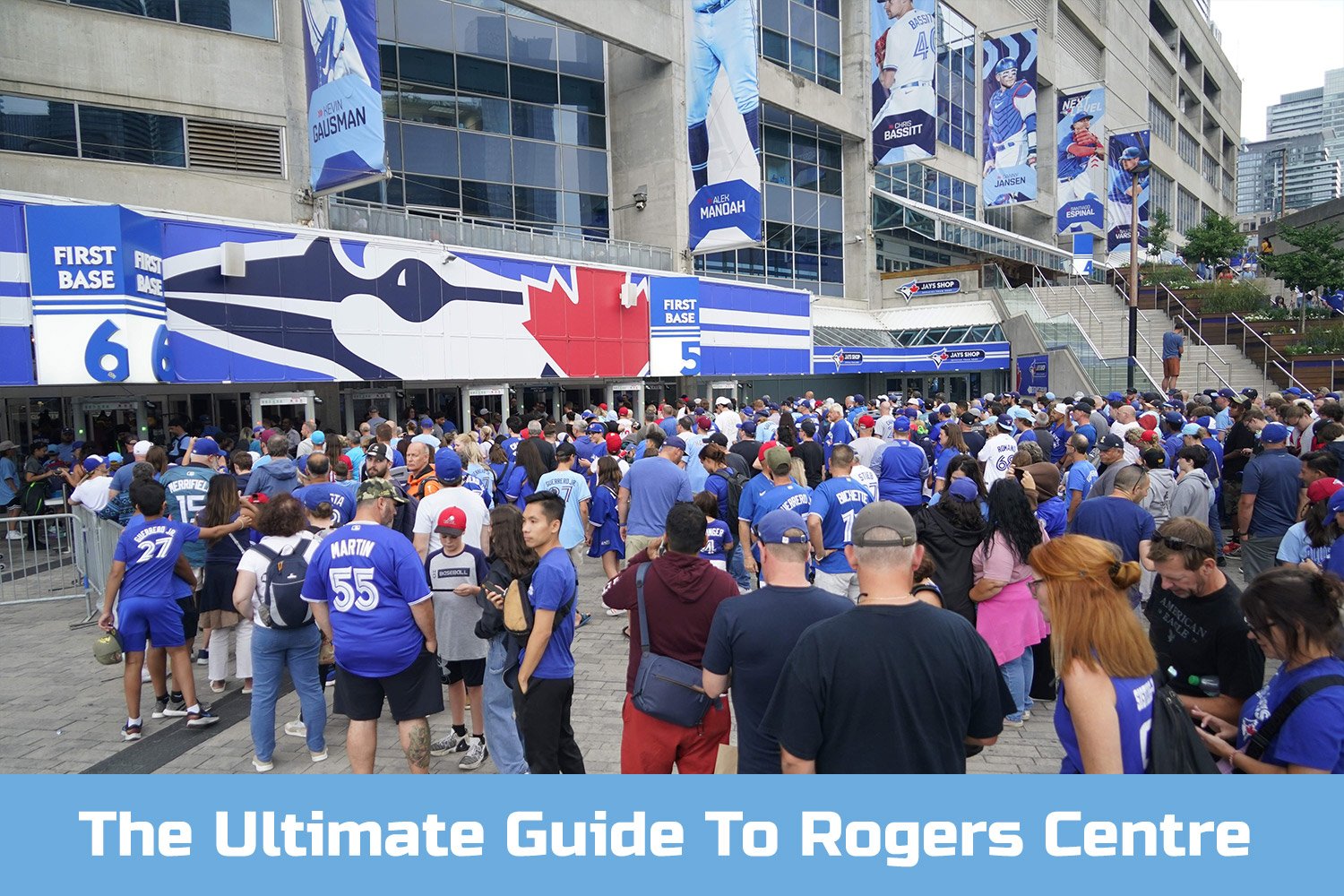 Every hidden nook, cranny, and secret value at the Toronto Blue Jays ballpark. By the fans, for the fans. (Updated for 2026!) Looking to catch a game at Rogers Centre? From the crack of the bat to the roar of the crowd, there’s nothing like baseball in the heart of Toronto. Whether you're snagging a seat with a CN Tower view, indulging in iconic stadium eats, or exploring the stadium’s hidden gems, Rogers Centre offers a one-of-a-kind experience for every fan. Welcome to Rogers Centre, the proud home of the Toronto Blue Jays and one of Major League Baseball’s most iconic stadiums! Once known as the SkyDome, its legendary retractable roof and prime downtown location, it’s a must-visit for every baseball fan. Whether it’s your first time or your hundredth, this guide covers everything you need to know for an unforgettable game day experience. Grab your glove, lace up your sneakers, and let’s dive into the ultimate Blue Jays adventure! Table of Contents (click to jump to section) Rogers Centre Facts and Specs Getting to Rogers Centre Best Seats at Rogers Centre Best Food & Drinks at Rogers Centre Rogers Centre Hidden Gems Self-Guided Rogers Centre Walking Tour Rogers Centre Fan FAQs Pro Tips For Gameday Rogers Centre Facts and Specs Address: 1 Blue Jays Way, Toronto, ON M5V 1J1, Canada Opened: June 3, 1989 Capacity: 41,500 Field Dimensions: Left Field: 328 feet Left-Center: 368 feet Center Field: 400 feet Right-Center: 359 feet Right Field: 328 feet Getting To Rogers Centre Getting to Rogers Centre is a breeze! Public Transit TTC (Toronto Transit Commission): Hop on the subway and head to Union Station, just a short walk from the stadium. GO Transit & UP Express: Both conveniently stop at Union Station, making it an easy choice for out-of-town fans. Driving & Parking Rogers Centre Underground Parking: Available on a first-come, first-served basis. Accessible Parking: Limited accessible spaces are available and can be reserved by calling Rogers Centre a day before your event. Public Parking: Numerous lots are located nearby with varying prices. SpotHero: Plan ahead and reserve your spot using SpotHero for stress-free parking. Rideshare & Cycling Rideshare: Uber and Lyft offer dedicated drop-off areas near the stadium. Biking: Pedal your way to the game! Bike racks are conveniently located at Gates 2, 3, 6, 6A, 10, 13, 14, and 15. No matter how you choose to arrive, an unforgettable experience awaits at Rogers Centre! Best Seating Options At Rogers Centre Whether you're ballin’ on a budget or aiming for premium views, Rogers Centre has a seat for everyone. Check out your options: Budget-Friendly 500 Section: Enjoy the most affordable seats with unbeatable views of the CN Tower, especially from left field. Outfield District Ticket ($20): Explore the stadium with general admission access, taking in views from unique seating areas and standing zones. Perfect for fans who love to roam! Must-See Outfield District Spots These are all the locations you can enjoy your experience from with an Outfield District Ticket. Arrive early and claim a spot as your own or bounce between views. Corona Rooftop Patio: Located in right field on the 500 Level, this lively patio features specialty food, drinks, and plenty of photo-worthy moments. TD Park Social: Think of it as a park within the park! Relax, play games like cornhole and Connect 4, and treat yourself to unique snacks like Crush floats and PB&J churros. The Catch Bar: Hovering above the visitors’ bullpen on the 100 Level, this standing-room-only spot is prime home run territory. First come, first served, front-row views await! Canada Dry Bleachers: Located on the 100 Level outfield, these energetic bleachers sit directly behind the visitors’ bullpen. It’s the perfect spot to snag a ball and join a lively crowd. BeautiTone Balcony: Want a spot right behind the Blue Jays bullpen? This 100 Level balcony offers group seating for up to 40 people. The front row is reserved exclusively for group bookings. WestJet Flight Deck: Located in center field on the 200 Level, this modern hangout has a bar, shuffleboard, and a two-tier deck. While the first two rows are reserved for groups, the space is great for grabbing drinks and catching up with friends. Rogers Landing: Sitting next to the visitors’ bullpen on the 100 Level in right field, this is one of the best spots to catch a ball or even connect with your favorite players. The front row is available for group bookings only. Schneider’s Porch: The hotdog capital of Rogers Centre! Located in right field on the 200 Level, this spot is a nod to Schneider’s, the official hotdog of the Blue Jays. Try the legendary hotdog seesaw while enjoying field views. The front row is reserved for groups. The Stop: Need a break? Located behind the batter’s eye, this casual hangout serves drinks, poke bowls, and stuffed Jamaican beef patties. While it doesn’t offer field views or seating, it’s a fantastic place to grab a bite and relax before or during the game. For the Best Atmosphere with a Seat 100 Level Outfield: Want to be where the action is? This is home run territory! Sections 103A, 103B, and 104: Right next to the visitors’ bullpen, perfect for getting up close to the competition. Sections 142, 143, 144A, and 144B: Positioned next to the Blue Jays bullpen for an unbeatable fan experience. Premium Experiences Heinz Club 328: Located in right field down the first baseline, enjoy a field-side patio and bar with an exclusive menu available for members. TD Executive Suites: Planning a group event? These suites can accommodate 12 to 200+ people and can be paired with a food and drink package. Ideal for corporate outings, celebrations, or simply enjoying a summer day in style. TD Lounge: Experience ballpark luxury with the best seats behind home plate. Enjoy an all-inclusive menu featuring hors d’oeuvres, elevated snacks, and non-alcoholic drinks. A premium bar is available, along with: In-seat service A private entrance Access to all three clubs (PMG Blueprint Club, Rogers Banner Club, and TD Lounge) KPMG Blueprint Club: Rogers Centre’s newest offering features: All-inclusive dining Seats above the visitors’ bullpen Views into the visitors’ batting cage In-seat service until the 9th inning Plus, you can unwind with a drink up to an hour after the final out, skipping the post-game rush. Ticket Master Lounge: An ideal setting for entertaining or unwinding, combining relaxed dining and conversation with Blue Jays baseball as the backdrop. Membership includes a three-course prix fixe menu, access to an exclusive dining room, a private full-service bar, and in-seat service. Rogers Terrace: The newest part of the extensive renovations to the stadium, a premium lounge for season ticket holders that offers a premium dining experience that includes woodfire pizza and a sushi bar, as well as an outdoor patio. Rogers Banner Club: Die-hard Blue Jays fan? This spot offers a sports bar atmosphere with memorabilia, a live DJ, and views right into the Blue Jays batting cage. Enjoy: In-seat service above the home dugout Ballpark snacks included with your ticket Best Overall Seats For a budget-friendly option with a breathtaking view of the CN Tower, we recommend the 200 Level Infield along the third baseline. You’ll get the perfect blend of atmosphere and skyline views without breaking the bank. No matter your vibe, there’s a seat (or a standing spot) waiting for you at Rogers Centre! Food & Drinks at Rogers Centre Along with the extensive renovations, the Rogers Centre’s menu has undergone some massive improvements over the last half-decade. Classic Ballpark Bites, like hot dogs, popcorn, chicken strips, fries, and pretzels are available throughout the stadium, but a number of specialty options are available if you know where to find them. Here are links to the locations for all of the Blue Jays’ food and drink options throughout the ballpark. New Specialty Food Options for 2026 Uncrustable French Toast Cubano Slider Grub Tub Bulgogi Fries Meatball Panini ACE Dog Al Pastor Dog Big Slugger Burger Garlic Knots Crispy Calamari Shawarma Wraps and Bowls Line Drive Lemonade Best Beverages Touch Em’ All Joe: A classic Aperol Spritz tribute to Blue Jays legend Joe Carter. Black and Blue Margarita: A bold twist on a margarita from The Keg with tequila, blue curaçao, and a black lava salt rim. Ok Blue Jays Rum Punch: Bright and refreshing, this blue lemonade punch is a nod to the Jays’ signature color. Hidden Gems & Must-See Attractions Your trip to Rogers Centre isn’t complete without checking out these unique experiences and fan favorites: Toronto Marriott City Centre Hotel Ever dreamed of waking up to a live baseball game? The Toronto Marriott City Centre Hotel offers field-view rooms with unparalleled sights of the action. While rooms can run upwards of $1000 per night, it’s the ultimate experience for die-hard fans. Sportsnet Bar and Grill Located inside the Marriott, you can reserve window seat tables for game days well in advance or dine with a view of the field during non-baseball hours. One of the best atmospheres a hotel bar can offer. Open Roof Experience If Mother Nature cooperates, seeing the retractable roof open is a breathtaking sight. Nothing beats the thrill of baseball under the Toronto sky! The CN Tower View Sitting along the third base line? You’re in for a treat! With the CN Tower standing tall next to the stadium, enjoy some of the most Instagram-worthy views in baseball. Consider visiting the tower for a sky-high adventure before or after the game. Loonie Dogs Night Every Tuesday home game is Loonie Dog Night — the perfect time to indulge in $1 Schneider’s hotdogs (yes, that’s $1 Canadian!). It’s a budget-friendly, can’t-miss tradition for every Jays fan. If you’re lucky, you’ll have the chance to snag a photo with the Hotdog Guys! Work From Dome Why work from home when you can Work from Dome? Every Wednesday afternoon game, bring your laptop, connect to Rogers Centre’s Wi-Fi, and enjoy a day of baseball and productivity. Call it the best remote office view in the city! Rogers Centre Walking Tour Whether you're taking an official tour or exploring solo, Rogers Centre has plenty to see and do. Official Ballpark Tours The Blue Jays offer guided ballpark tours for a deeper dive into the stadium. Classic Tour: $40 per person Pregame Tour: $80 per person Ultimate Pregame Tour: $300 per person DIY Walking Tour If you prefer a self-guided experience, don’t miss these highlights: Hall of Excellence New in 2026, the level of excellence is becoming an up-close and interactive experience in right field of the 100 level. It won’t officially be unveiled until August, but it will feature exhibits with memorabilia from the 11 previous members of the Level of Excellence and the newest member: Buck Martinez. Also check out the pillars on the 100 level to see countless pieces of the franchise’s history on display, including both World Series trophies, the 2025 American League Championship trophy, and Vladimir Guerrero Jr.’s ALCS MVP trophy. Jays Shop Located at Gate 1 on the outside or the 100 level on the inside, pick up exclusive Blue Jays merch to commemorate your visit. Social Spaces (Outfield District) Enjoy unique food and drink offerings, chill hangout spots, and even live music. Don’t forget the Corona Rooftop for fantastic field views. Ride the Hotdog Seesaw Snap a fun photo on the Schneiders’ Porch seesaw or swing! Game Time Fun Challenge your friends at the WestJet Flight Deck and TD Park Social with games like: Shuffleboard MLB The Show Cornhole Connect Four Rogers Centre Fan FAQs What is the bag policy? Clear bags up to 12” x 6” x 12” are allowed. Small, non-clear bags no larger than 4.5” x 6.5” are permitted. Hard-sided coolers and large containers are not allowed. Can I bring in food and drinks? Yes! You can bring in your own food or non-alcoholic beverages. Just ensure they’re: In a container or securely wrapped/bagged. Alcohol and glass bottles are prohibited. Can I catch batting practice? Weekdays: Gates open 90 minutes before first pitch. Weekends: Gates open 2 hours before first pitch. You won’t catch the Blue Jays during BP, but you can see the visiting team. Pro Tips for Game Day Arrive Early: Explore the stadium, grab a bite, and enjoy the atmosphere before first pitch. Cashless Payments: Rogers Centre is 100% cashless, so bring your card or mobile payment. Check the Roof Status: Check social media for roof updates. Weekday Perks: Tuesdays → Loonie Dog Nights ($1 hotdogs) Weekday getaway days → Work from Dome (laptop-friendly day games) A Must-Visit for Baseball Fans As Canada’s only MLB stadium, Rogers Centre is a Toronto icon. Whether it’s your first game or your hundredth, you’ll find new experiences around every corner. Ok, Blue Jays. Let’s play ball!
 -
How Will Bo Bichette Be Remembered in Toronto?
Owen Hill replied to Owen Hill's topic in Jays Centre Front Page News
Underrated part of star players leaving lol
.jpg.a16850d0c427d30a364b73f483c809c6.jpg)
.jpg.713d3fef5fc329d9e6a814773c6d5f37.jpg)
.jpg.24b5e8bf9ff104c02c75df2e555648eb.jpg)
.jpg.6ac1e9ee499de37e32eccee0739ca268.jpg)