


Jim Scott
-
Posts
62 -
Joined
-
Last visited
-
Days Won
1
Content Type
Profiles
Toronto Blue Jays Videos
2026 Toronto Blue Jays Top Prospects Ranking
Toronto Blue Jays Free Agent & Trade Rumors, Notes, & Tidbits
Guides & Resources
2025 Toronto Blue Jays Draft Pick Tracker
News
2026 Toronto Blue Jays Draft Tracker: Picks & Bonuses
Forums
Blogs
Events
Store
Downloads
Gallery
Everything posted by Jim Scott
-
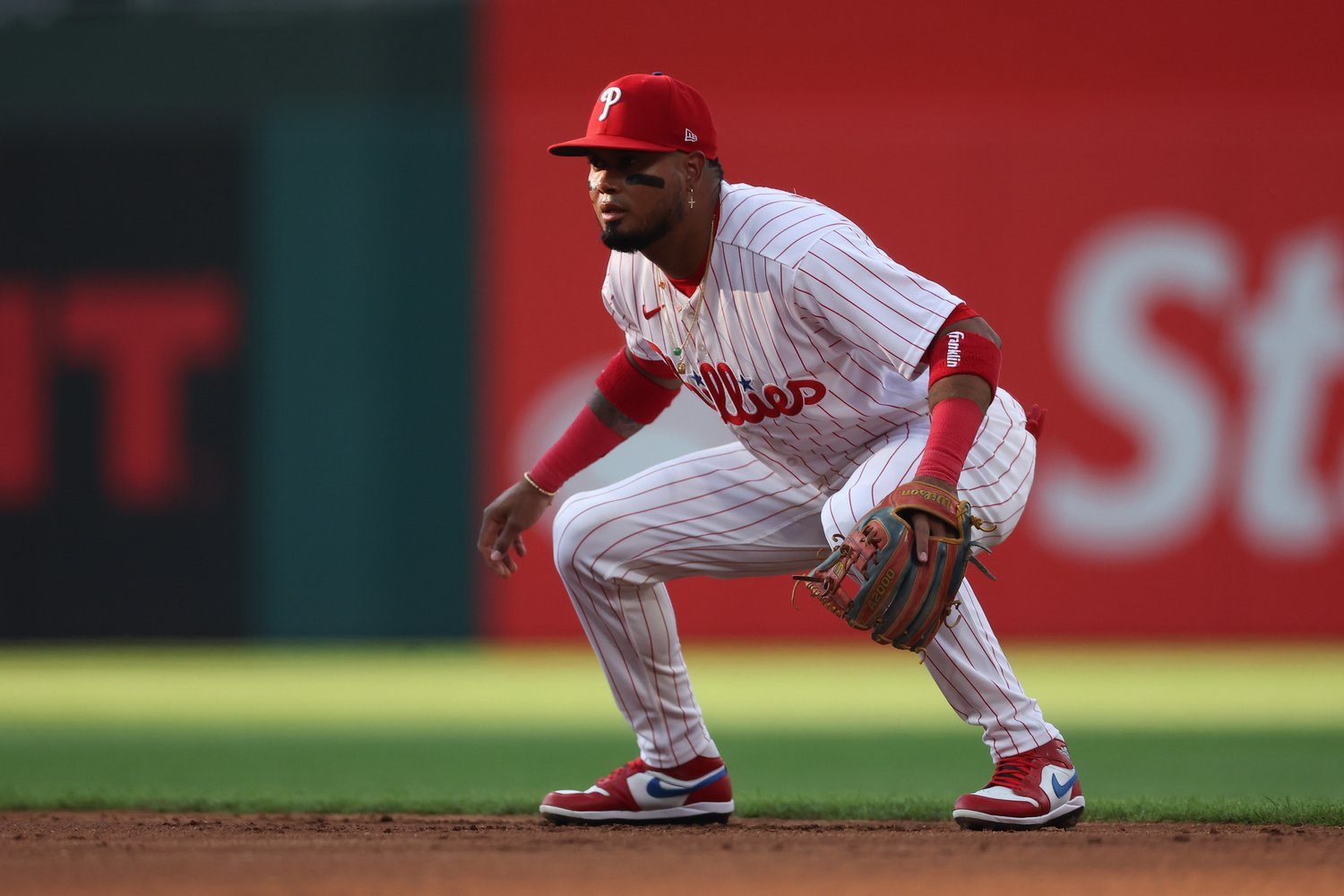 The Jays’ 2026 season has been disappointing on many levels, including starting pitching injuries and underperformance, closer instability, and breakthroughs by Daulton Varsho and Ernie Clement in 2025 that did not carry through to 2026. But possibly the most visible surprise has been in the hitting. In 2025, the Jays’ 112 wRC+ and 798 runs scored were both fourth in MLB. So far in 2026 (before games on September 15), their 96 wRC+ is 23rd and their 613 runs scored rank 29th. There are grounds for optimism in 2027. Newcomers Josh Smith and Brett Bateman have (in small samples) wRC+ figures over 130. Addison Barger and Anthony Santander are expected back. Vladimir Guerrero Jr.’s xStat line is substantially higher than his regular season stats. But Toronto should still be thinking about ways to make the team better at the plate. Unfortunately for the Jays, this year’s position player free agent class is limited. Jazz Chisholm Jr. has a solid .232/.312/.403 stat line, but his xStats of .218/.296/.370 are less attractive. Seiya Suzuki has a strong .268/.367/.474 line with 24 home runs, but his xStat line is .246/.345/.426, and he will turn 33 in 2027. His average exit velo / barrel % / hard hit % / LA sweet spot % percentiles have gone from 79th/95th/82nd/94th in 2025 to 40th/70th/41st/81th so far in 2026. There may, however, be another option. For years, Luis Arraez has been the epitome of lumber over leather. He won the batting title three times in a row from 2022 to 2024 (with three different teams!). But his -17 Outs Above Average over those three years ranked 32nd out of 34 qualifying second basemen – enough to bring his average fWAR over those three years to a cromulent 2.4. His power is also extremely limited; his career average ISO is .098 (major league average varies around .160), and he has never hit over 10 home runs in a season in his eight-year MLB career. His defensive shortcomings have limited him to playing at first base or designated hitter at times, both of which usually command a different offensive profile. So why would the Jays be interested in such a one-trick pony? Because of his 2026. From 2022 to 2025, Arraez had -19 Outs Above Average, ranking 37th among 39 qualifying second basemen. It was his Achilles' heel – the thing that kept him from stardom. But 2026 has been an epiphany. After working with renowned infield coach Ron Washington with the Giants, Arraez has improved enough to be called the most improved defensive player in 2026. This has translated into a 4.0 fWAR so far this year. Is he a perfect fit? Probably not. There are questions about the sustainability of his surge, particularly without Washington’s magic, and he will be turning 30 in 2027. Some might argue that, with players like Bateman (2026 ISO .100), Alejandro Kirk (career ISO .132) and Andrés Giménez (career .127), what the Jays need is more power, not more base hits. But converting a solo home run into a two-run shot has the same impact as hitting a second solo homer, and (as Arraez’s own career earnings have demonstrated) often singles hitters are appreciated less than long-ball mashers. The Bottom Line Arraez would be a gamble. If his defensive epiphany is only a blip, he could go from MLB's most improved defensive player to MLB's most expensive bench bat. But that uncertainty might make him easier to acquire than a conventional power hitter (he is only earning $12 million this year), and a potential top-of-the-order of Bateman + Arraez has holy-cow-Batman potential. Of course, the possible lockout is the ultimate wild card in any free agent speculation. Particularly when the player is on the wrong side of 30. But, again, what some teams call “risk” in that scenario, others might see as opportunity.
 -
The Jays’ 2026 season has been disappointing on many levels, including starting pitching injuries and underperformance, closer instability, and breakthroughs by Daulton Varsho and Ernie Clement in 2025 that did not carry through to 2026. But possibly the most visible surprise has been in the hitting. In 2025, the Jays’ 112 wRC+ and 798 runs scored were both fourth in MLB. So far in 2026 (before games on September 15), their 96 wRC+ is 23rd and their 613 runs scored rank 29th. There are grounds for optimism in 2027. Newcomers Josh Smith and Brett Bateman have (in small samples) wRC+ figures over 130. Addison Barger and Anthony Santander are expected back. Vladimir Guerrero Jr.’s xStat line is substantially higher than his regular season stats. But Toronto should still be thinking about ways to make the team better at the plate. Unfortunately for the Jays, this year’s position player free agent class is limited. Jazz Chisholm Jr. has a solid .232/.312/.403 stat line, but his xStats of .218/.296/.370 are less attractive. Seiya Suzuki has a strong .268/.367/.474 line with 24 home runs, but his xStat line is .246/.345/.426, and he will turn 33 in 2027. His average exit velo / barrel % / hard hit % / LA sweet spot % percentiles have gone from 79th/95th/82nd/94th in 2025 to 40th/70th/41st/81th so far in 2026. There may, however, be another option. For years, Luis Arraez has been the epitome of lumber over leather. He won the batting title three times in a row from 2022 to 2024 (with three different teams!). But his -17 Outs Above Average over those three years ranked 32nd out of 34 qualifying second basemen – enough to bring his average fWAR over those three years to a cromulent 2.4. His power is also extremely limited; his career average ISO is .098 (major league average varies around .160), and he has never hit over 10 home runs in a season in his eight-year MLB career. His defensive shortcomings have limited him to playing at first base or designated hitter at times, both of which usually command a different offensive profile. So why would the Jays be interested in such a one-trick pony? Because of his 2026. From 2022 to 2025, Arraez had -19 Outs Above Average, ranking 37th among 39 qualifying second basemen. It was his Achilles' heel – the thing that kept him from stardom. But 2026 has been an epiphany. After working with renowned infield coach Ron Washington with the Giants, Arraez has improved enough to be called the most improved defensive player in 2026. This has translated into a 4.0 fWAR so far this year. Is he a perfect fit? Probably not. There are questions about the sustainability of his surge, particularly without Washington’s magic, and he will be turning 30 in 2027. Some might argue that, with players like Bateman (2026 ISO .100), Alejandro Kirk (career ISO .132) and Andrés Giménez (career .127), what the Jays need is more power, not more base hits. But converting a solo home run into a two-run shot has the same impact as hitting a second solo homer, and (as Arraez’s own career earnings have demonstrated) often singles hitters are appreciated less than long-ball mashers. The Bottom Line Arraez would be a gamble. If his defensive epiphany is only a blip, he could go from MLB's most improved defensive player to MLB's most expensive bench bat. But that uncertainty might make him easier to acquire than a conventional power hitter (he is only earning $12 million this year), and a potential top-of-the-order of Bateman + Arraez has holy-cow-Batman potential. Of course, the possible lockout is the ultimate wild card in any free agent speculation. Particularly when the player is on the wrong side of 30. But, again, what some teams call “risk” in that scenario, others might see as opportunity. View full article
-
Stop me if you’ve heard this one. As the trade deadline approached, the Jays were struggling. They were multiple games under .500, largely due to multiple injuries to key players, and so far behind the AL East leaders that a serious run for the division title was beyond a long shot. But the Jays had a very good starting pitcher on an expiring contract, and the team favoured to win the World Series needed one. And that team had a strong young slugging outfielder in their minor league system, MLB-ready but blocked, not only by the three excellent outfielders already on their major league team, but also by an uber prospect ahead of him in the minors. The Jays needed more offence. So, they traded a half-year of their pitching stud for the young outfielder. Am I talking about the Francisco Liriano trade for Teoscar Hernández in 2017? Or a Kevin Gausman trade to the Dodgers in 2026? Hear me out. It is entirely possible that the Jays find another gear in the remainder of July and play themselves into a Wild Card position. But if they don’t – if they are still 10+ games out of first place in the AL East and multiple games out of the last Wild Card with several teams to overcome – then selling becomes an option they would have to consider. And possibly their greatest trade chip would be Kevin Gausman, with his excellent career record and solid 3.83 ERA over 56 postseason innings pitched. There would be multiple teams interested, but one of the most intriguing would be the Dodgers. The Dodger Outfielders The Dodgers have three good outfielders in Teoscar Hernández, All-Star Andy Pages and sixty-million-dollar man Kyle Tucker, all of whom are performing well and signed through 2027. Their “fourth outfielder,” Tommy Edman, is hitting for a 165 wRC+ so far in 2026. So, the need for outfield help at the MLB level is minimal. That means that the many outfielders in their minor league system who rank among Baseball America’s Top 100 Prospects are blocked… and potentially available. The Pipe Dream Josue De Paula (BA #4 Overall, Scouting Grades – Hit: 60, Power: 60, Run: 40, Field: 45, Arm: 50) is currently hitting .321/.419/552 in Double A and is widely considered to be MLB-ready. He might be available in a Skubal trade, but it is unlikely that the Dodgers would part with a player with a Baseball Trade Values value of $54 million for a half-year of Gausman. Still, his combination of power and upside would make him an ideal target if somehow the Jays could pry him free. The Centre Fielder Mike Sirota (BA #12 overall, Scouting: 55/50/60/55/55) not only has plus bat speed and the potential for 60-grade raw power, with a 90th percentile exit velocity of 107 mph, but he is also a consistent centre fielder with plus speed and an above-average arm. Given that the Jays may lose Daulton Varsho to free agency and that Myles Straw still struggles with the bat, a hard-hitting centre fielder might be the best of all options. Sirota has a BTV trade value of $37 million – high, but with Pages under team control, he might be available for a package of Gausman + prospects. Unfortunately for Toronto, Sirota has recently elevated his profile with a 68-game on-base streak, which could elevate Los Angeles’ asking price if he is even still available. Hope That Swings Eternal A more plausible target is Zyhir Hope (BA #55 Overall, Scouting Grades: 40/60/55/50/50). He has plenty of bat speed and raw power, but his inconsistency makes it unclear whether he is MLB-ready, and he has struggled against left-handed pitching (a concept with which Jays fans will be painfully familiar!). Still, so far in 2026 he is batting .289/.363/.505 in Double A for a 124 wRC+ and has been said to have 40-homer potential if his flaws could be fixed – a scouting report very similar to Teoscar’s in 2017. The Dark Horse James Tibbs III (BA Dodgers #12, Scouting: 50/45/40/45/50) was considered a 40-grade prospect going into 2026, ranking #26 on the Dodgers’ top 30 prospects list. He has been called a fringe-average corner outfielder and emergency first baseman, with a fair amount of skills, though he had yet to find a way to put them all together. Then came 2026. In 382 PA, Mister Tibbs (sorry!) is hitting .284/.406/.559 with a .385 xwOBA and a 143 wRC+. His ISO has gone from a cromulent .182 to a holy-cow-Batman .275. Tibbs would be something of a gamble, as his MiLB career wRC+ is a meager 93. But the Jays have not been afraid of helium plays in the past, and Tibbs’ trade cost should be far less than the other candidates. The Bottom Line It has been said that the definition of a good trade is where each party receives something that is of greater value to them than to the trading party. Tibbs is far down the Dodgers’ outfield depth chart (as Teoscar was for the Astros in 2017), but LA could strongly use another proven playoff starter. If (big if) the Jays are out of contention at the deadline, their thoughts should shift from 2026 to 2027. A young, cheap, controllable, power-hitting outfielder would fill an important hole. View full article
-
.jpg.f3180a274087b00a99ca5ef3e303b58d.jpg) Stop me if you’ve heard this one. As the trade deadline approached, the Jays were struggling. They were multiple games under .500, largely due to multiple injuries to key players, and so far behind the AL East leaders that a serious run for the division title was beyond a long shot. But the Jays had a very good starting pitcher on an expiring contract, and the team favoured to win the World Series needed one. And that team had a strong young slugging outfielder in their minor league system, MLB-ready but blocked, not only by the three excellent outfielders already on their major league team, but also by an uber prospect ahead of him in the minors. The Jays needed more offence. So, they traded a half-year of their pitching stud for the young outfielder. Am I talking about the Francisco Liriano trade for Teoscar Hernández in 2017? Or a Kevin Gausman trade to the Dodgers in 2026? Hear me out. It is entirely possible that the Jays find another gear in the remainder of July and play themselves into a Wild Card position. But if they don’t – if they are still 10+ games out of first place in the AL East and multiple games out of the last Wild Card with several teams to overcome – then selling becomes an option they would have to consider. And possibly their greatest trade chip would be Kevin Gausman, with his excellent career record and solid 3.83 ERA over 56 postseason innings pitched. There would be multiple teams interested, but one of the most intriguing would be the Dodgers. The Dodger Outfielders The Dodgers have three good outfielders in Teoscar Hernández, All-Star Andy Pages and sixty-million-dollar man Kyle Tucker, all of whom are performing well and signed through 2027. Their “fourth outfielder,” Tommy Edman, is hitting for a 165 wRC+ so far in 2026. So, the need for outfield help at the MLB level is minimal. That means that the many outfielders in their minor league system who rank among Baseball America’s Top 100 Prospects are blocked… and potentially available. The Pipe Dream Josue De Paula (BA #4 Overall, Scouting Grades – Hit: 60, Power: 60, Run: 40, Field: 45, Arm: 50) is currently hitting .321/.419/552 in Double A and is widely considered to be MLB-ready. He might be available in a Skubal trade, but it is unlikely that the Dodgers would part with a player with a Baseball Trade Values value of $54 million for a half-year of Gausman. Still, his combination of power and upside would make him an ideal target if somehow the Jays could pry him free. The Centre Fielder Mike Sirota (BA #12 overall, Scouting: 55/50/60/55/55) not only has plus bat speed and the potential for 60-grade raw power, with a 90th percentile exit velocity of 107 mph, but he is also a consistent centre fielder with plus speed and an above-average arm. Given that the Jays may lose Daulton Varsho to free agency and that Myles Straw still struggles with the bat, a hard-hitting centre fielder might be the best of all options. Sirota has a BTV trade value of $37 million – high, but with Pages under team control, he might be available for a package of Gausman + prospects. Unfortunately for Toronto, Sirota has recently elevated his profile with a 68-game on-base streak, which could elevate Los Angeles’ asking price if he is even still available. Hope That Swings Eternal A more plausible target is Zyhir Hope (BA #55 Overall, Scouting Grades: 40/60/55/50/50). He has plenty of bat speed and raw power, but his inconsistency makes it unclear whether he is MLB-ready, and he has struggled against left-handed pitching (a concept with which Jays fans will be painfully familiar!). Still, so far in 2026 he is batting .289/.363/.505 in Double A for a 124 wRC+ and has been said to have 40-homer potential if his flaws could be fixed – a scouting report very similar to Teoscar’s in 2017. The Dark Horse James Tibbs III (BA Dodgers #12, Scouting: 50/45/40/45/50) was considered a 40-grade prospect going into 2026, ranking #26 on the Dodgers’ top 30 prospects list. He has been called a fringe-average corner outfielder and emergency first baseman, with a fair amount of skills, though he had yet to find a way to put them all together. Then came 2026. In 382 PA, Mister Tibbs (sorry!) is hitting .284/.406/.559 with a .385 xwOBA and a 143 wRC+. His ISO has gone from a cromulent .182 to a holy-cow-Batman .275. Tibbs would be something of a gamble, as his MiLB career wRC+ is a meager 93. But the Jays have not been afraid of helium plays in the past, and Tibbs’ trade cost should be far less than the other candidates. The Bottom Line It has been said that the definition of a good trade is where each party receives something that is of greater value to them than to the trading party. Tibbs is far down the Dodgers’ outfield depth chart (as Teoscar was for the Astros in 2017), but LA could strongly use another proven playoff starter. If (big if) the Jays are out of contention at the deadline, their thoughts should shift from 2026 to 2027. A young, cheap, controllable, power-hitting outfielder would fill an important hole.
Stop me if you’ve heard this one. As the trade deadline approached, the Jays were struggling. They were multiple games under .500, largely due to multiple injuries to key players, and so far behind the AL East leaders that a serious run for the division title was beyond a long shot. But the Jays had a very good starting pitcher on an expiring contract, and the team favoured to win the World Series needed one. And that team had a strong young slugging outfielder in their minor league system, MLB-ready but blocked, not only by the three excellent outfielders already on their major league team, but also by an uber prospect ahead of him in the minors. The Jays needed more offence. So, they traded a half-year of their pitching stud for the young outfielder. Am I talking about the Francisco Liriano trade for Teoscar Hernández in 2017? Or a Kevin Gausman trade to the Dodgers in 2026? Hear me out. It is entirely possible that the Jays find another gear in the remainder of July and play themselves into a Wild Card position. But if they don’t – if they are still 10+ games out of first place in the AL East and multiple games out of the last Wild Card with several teams to overcome – then selling becomes an option they would have to consider. And possibly their greatest trade chip would be Kevin Gausman, with his excellent career record and solid 3.83 ERA over 56 postseason innings pitched. There would be multiple teams interested, but one of the most intriguing would be the Dodgers. The Dodger Outfielders The Dodgers have three good outfielders in Teoscar Hernández, All-Star Andy Pages and sixty-million-dollar man Kyle Tucker, all of whom are performing well and signed through 2027. Their “fourth outfielder,” Tommy Edman, is hitting for a 165 wRC+ so far in 2026. So, the need for outfield help at the MLB level is minimal. That means that the many outfielders in their minor league system who rank among Baseball America’s Top 100 Prospects are blocked… and potentially available. The Pipe Dream Josue De Paula (BA #4 Overall, Scouting Grades – Hit: 60, Power: 60, Run: 40, Field: 45, Arm: 50) is currently hitting .321/.419/552 in Double A and is widely considered to be MLB-ready. He might be available in a Skubal trade, but it is unlikely that the Dodgers would part with a player with a Baseball Trade Values value of $54 million for a half-year of Gausman. Still, his combination of power and upside would make him an ideal target if somehow the Jays could pry him free. The Centre Fielder Mike Sirota (BA #12 overall, Scouting: 55/50/60/55/55) not only has plus bat speed and the potential for 60-grade raw power, with a 90th percentile exit velocity of 107 mph, but he is also a consistent centre fielder with plus speed and an above-average arm. Given that the Jays may lose Daulton Varsho to free agency and that Myles Straw still struggles with the bat, a hard-hitting centre fielder might be the best of all options. Sirota has a BTV trade value of $37 million – high, but with Pages under team control, he might be available for a package of Gausman + prospects. Unfortunately for Toronto, Sirota has recently elevated his profile with a 68-game on-base streak, which could elevate Los Angeles’ asking price if he is even still available. Hope That Swings Eternal A more plausible target is Zyhir Hope (BA #55 Overall, Scouting Grades: 40/60/55/50/50). He has plenty of bat speed and raw power, but his inconsistency makes it unclear whether he is MLB-ready, and he has struggled against left-handed pitching (a concept with which Jays fans will be painfully familiar!). Still, so far in 2026 he is batting .289/.363/.505 in Double A for a 124 wRC+ and has been said to have 40-homer potential if his flaws could be fixed – a scouting report very similar to Teoscar’s in 2017. The Dark Horse James Tibbs III (BA Dodgers #12, Scouting: 50/45/40/45/50) was considered a 40-grade prospect going into 2026, ranking #26 on the Dodgers’ top 30 prospects list. He has been called a fringe-average corner outfielder and emergency first baseman, with a fair amount of skills, though he had yet to find a way to put them all together. Then came 2026. In 382 PA, Mister Tibbs (sorry!) is hitting .284/.406/.559 with a .385 xwOBA and a 143 wRC+. His ISO has gone from a cromulent .182 to a holy-cow-Batman .275. Tibbs would be something of a gamble, as his MiLB career wRC+ is a meager 93. But the Jays have not been afraid of helium plays in the past, and Tibbs’ trade cost should be far less than the other candidates. The Bottom Line It has been said that the definition of a good trade is where each party receives something that is of greater value to them than to the trading party. Tibbs is far down the Dodgers’ outfield depth chart (as Teoscar was for the Astros in 2017), but LA could strongly use another proven playoff starter. If (big if) the Jays are out of contention at the deadline, their thoughts should shift from 2026 to 2027. A young, cheap, controllable, power-hitting outfielder would fill an important hole. -
The Jays need pitching. Their top three of Dylan Cease, Kevin Gausman and Trey Yesavage have all been excellent, with xERAs ranking in the top 20 in the American League (min. 35 IP). And Patrick Corbin has – so far – outperformed his 5.26 xERA with a strong 3.65 ERA. Yet, with Cease’s injury and Corbin’s bubble at risk of bursting, the Jays could badly use another MLB-ready starter. Someone like Simeon Woods Richardson, recently DFA'd by the Minnesota Twins. SWR has struggled in 2026, with a 7.74 ERA and declines in every conventional pitching statistic. So, why might the Jays be interested? Age and Control SWR comes with considerable risk. That is not necessarily a determining factor. Risk can be acceptable if it comes with a commensurate return. If the Jays were to gamble on “fixing” SWR, they would want to know that he will not retire next season – or leave as a free agent. In that respect, SWR is an attractive gamble. He is only 25 years old, and with less than two years of service time entering 2026, he will not be a free agent until 2031. So if the Jays did succeed in turning him around, the benefits could be long-term Price Woods Richardson is still in his pre-arbitration years, earning only $796,000 in 2026. He would only enter arbitration for the first time this coming offseason. That makes him cheap enough that the financial side of the gamble would be minimal. Pedigree SWR is having a poor 2026, but his performance from 2024-25 gives considerable cause for optimism. Consider this table: Pitcher IP ERA xERA SIERA Kevin Gausman 374 3.71 4.24 4.01 José Berríos 382 3.81 4.74 4.4 Chris Bassitt 341.1 4.07 4.35 4.13 Simeon Woods Richardson 245 4.08 3.83 4.48 On an xERA basis, SWR outperformed all three of the Jays’ top three starters over those two years. If he could return to that level, he would be – at a minimum – a solid No. 3 starter. And if Cease, Gausman, Yesavage, and Shane Bieber were ahead of him in the rotation, he could be one of the very best No. 5s in all of baseball. Fit One likely reason for SWR’s xERA being lower than his ERA is the Twins’ defence. SWR is not a power, strikeout pitcher. His fastball only averages 93 mph, and he strikes out less than a batter per inning. He needs a strong defensive team behind him. In 2025, Minnesota’s -12.4 team Def (as calculated by FanGraphs) was 22nd in the majors. Toronto’s +38.8 was first. The xERA stat is calculated on the basis that every ball is hit into an “average environment,” so it is entirely possible that, with an elite defence behind him, SWR could even outperform his 2024-25 xERA. Fly Balls SWR is a flyball pitcher. His career air rate of 64.1% is substantially higher than the MLB average of 55.8%. So, he needs an elite outfield defence. What about one led by someone like, say, Daulton Varsho – whose +34 OAA in the outfield since 2023 is fifth best in baseball. And that is despite multiple injuries and his having to play in left and right field as well as centre. The Projections The major baseball projection systems all predict a recovery for SWR over the remainder of 2026. Steamer projects a 4.12 ERA, while ZIPS projects 4.66. These are only projections, and many of them envision limited innings and a move to the bullpen, but there is still a consensus that his current 7.74 ERA does not tell the whole story. The Red Flags With all that said, there are still red flags. SWR’s split-finger fastball, a major weapon in 2025 with a 32.7% whiff rate and a .168 xwOBA, is at 20.4% and .427 so far in 2026. But this is despite improved velocity and better vertical and horizontal movement. Could the issue be that the increased usage of his splitter – from 10% in 2025 to almost 27% in 2026 – has reduced the “surprise factor”? Or could the drop in velocity differential between his splitter and four-seamer (7.1 mph in 2025, 6.0 in 2026) have had an impact? The Bottom Line Without question, SWR is struggling. And there is no guarantee that the Jays’ defence (which is itself struggling to repeat its 2025 performance) and a healthy dose of Pete Walker magic will be enough to turn the 2026 frog back into the 2025 handsome prince. But the financial risk is small, the potential upside larger, and the need even larger still. It may be true that SWR’s future “ain’t what it used to be,” but it is equally true that “it is tough to make predictions – especially about the future.” View full article
-
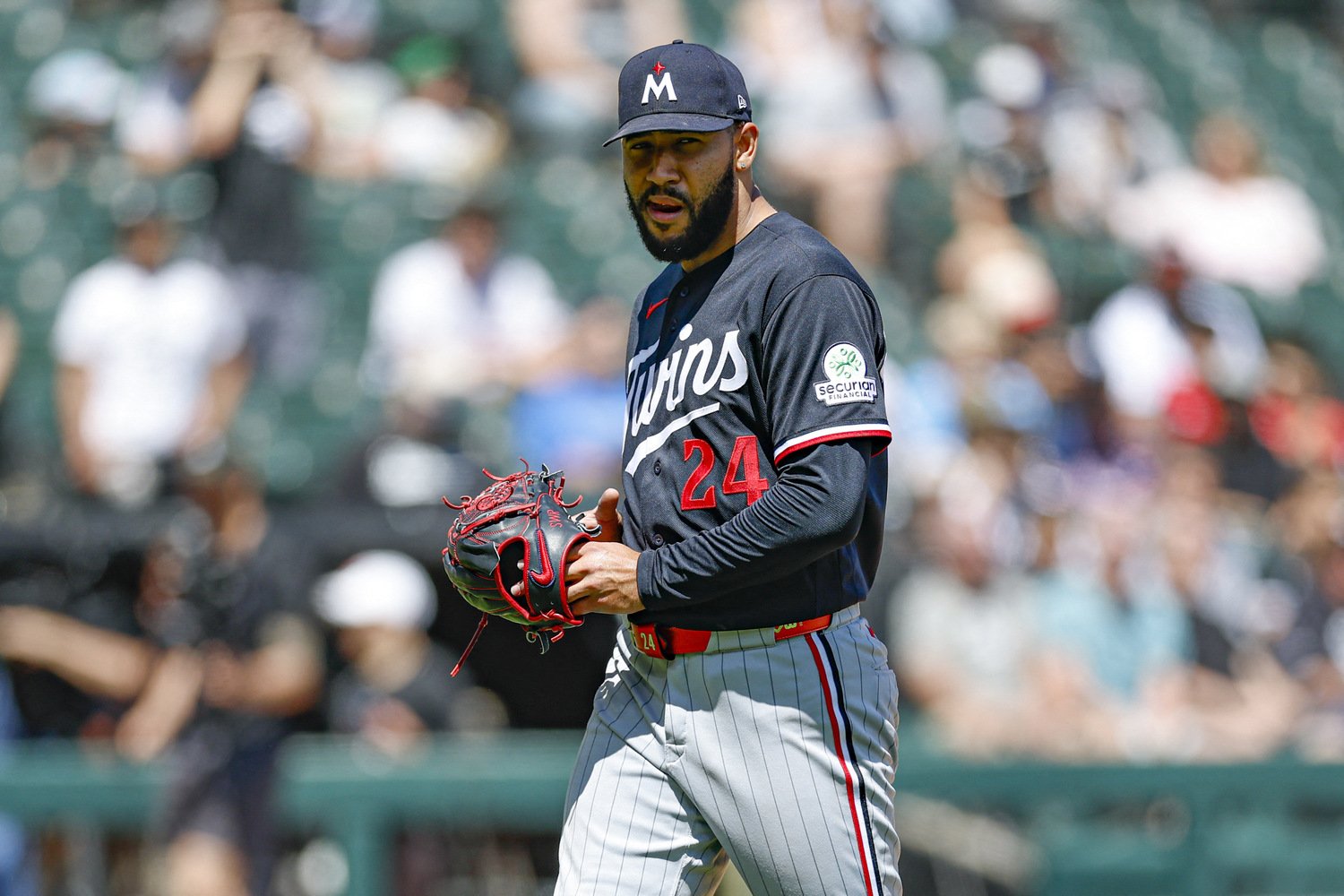 The Jays need pitching. Their top three of Dylan Cease, Kevin Gausman and Trey Yesavage have all been excellent, with xERAs ranking in the top 20 in the American League (min. 35 IP). And Patrick Corbin has – so far – outperformed his 5.26 xERA with a strong 3.65 ERA. Yet, with Cease’s injury and Corbin’s bubble at risk of bursting, the Jays could badly use another MLB-ready starter. Someone like Simeon Woods Richardson, recently DFA'd by the Minnesota Twins. SWR has struggled in 2026, with a 7.74 ERA and declines in every conventional pitching statistic. So, why might the Jays be interested? Age and Control SWR comes with considerable risk. That is not necessarily a determining factor. Risk can be acceptable if it comes with a commensurate return. If the Jays were to gamble on “fixing” SWR, they would want to know that he will not retire next season – or leave as a free agent. In that respect, SWR is an attractive gamble. He is only 25 years old, and with less than two years of service time entering 2026, he will not be a free agent until 2031. So if the Jays did succeed in turning him around, the benefits could be long-term Price Woods Richardson is still in his pre-arbitration years, earning only $796,000 in 2026. He would only enter arbitration for the first time this coming offseason. That makes him cheap enough that the financial side of the gamble would be minimal. Pedigree SWR is having a poor 2026, but his performance from 2024-25 gives considerable cause for optimism. Consider this table: Pitcher IP ERA xERA SIERA Kevin Gausman 374 3.71 4.24 4.01 José Berríos 382 3.81 4.74 4.4 Chris Bassitt 341.1 4.07 4.35 4.13 Simeon Woods Richardson 245 4.08 3.83 4.48 On an xERA basis, SWR outperformed all three of the Jays’ top three starters over those two years. If he could return to that level, he would be – at a minimum – a solid No. 3 starter. And if Cease, Gausman, Yesavage, and Shane Bieber were ahead of him in the rotation, he could be one of the very best No. 5s in all of baseball. Fit One likely reason for SWR’s xERA being lower than his ERA is the Twins’ defence. SWR is not a power, strikeout pitcher. His fastball only averages 93 mph, and he strikes out less than a batter per inning. He needs a strong defensive team behind him. In 2025, Minnesota’s -12.4 team Def (as calculated by FanGraphs) was 22nd in the majors. Toronto’s +38.8 was first. The xERA stat is calculated on the basis that every ball is hit into an “average environment,” so it is entirely possible that, with an elite defence behind him, SWR could even outperform his 2024-25 xERA. Fly Balls SWR is a flyball pitcher. His career air rate of 64.1% is substantially higher than the MLB average of 55.8%. So, he needs an elite outfield defence. What about one led by someone like, say, Daulton Varsho – whose +34 OAA in the outfield since 2023 is fifth best in baseball. And that is despite multiple injuries and his having to play in left and right field as well as centre. The Projections The major baseball projection systems all predict a recovery for SWR over the remainder of 2026. Steamer projects a 4.12 ERA, while ZIPS projects 4.66. These are only projections, and many of them envision limited innings and a move to the bullpen, but there is still a consensus that his current 7.74 ERA does not tell the whole story. The Red Flags With all that said, there are still red flags. SWR’s split-finger fastball, a major weapon in 2025 with a 32.7% whiff rate and a .168 xwOBA, is at 20.4% and .427 so far in 2026. But this is despite improved velocity and better vertical and horizontal movement. Could the issue be that the increased usage of his splitter – from 10% in 2025 to almost 27% in 2026 – has reduced the “surprise factor”? Or could the drop in velocity differential between his splitter and four-seamer (7.1 mph in 2025, 6.0 in 2026) have had an impact? The Bottom Line Without question, SWR is struggling. And there is no guarantee that the Jays’ defence (which is itself struggling to repeat its 2025 performance) and a healthy dose of Pete Walker magic will be enough to turn the 2026 frog back into the 2025 handsome prince. But the financial risk is small, the potential upside larger, and the need even larger still. It may be true that SWR’s future “ain’t what it used to be,” but it is equally true that “it is tough to make predictions – especially about the future.”
 -
A 2026 Blue Jays Projection: Is the Angst WARranted?
Jim Scott replied to Jim Scott's topic in Jays Centre Front Page News
But is it at the high end of reasonableness? 😁 If you had to pick a fWAR for non-pitchers, would you see it as higher or lower than 2025? -
.jpg.c683d1310a2f7beb96e86e9f23653fc0.jpg) With the signings of Dylan Cease, Tyler Rogers, and Cody Ponce (and with Shane Bieber exercising his player option), the Blue Jays have taken major steps to solidify their pitching staff in preparation for another World Series run in 2026. Attention has now shifted to the other side of the plate, and to the Jays’ ongoing discussions with free agent “big bats” such as Kyle Tucker and Bo Bichette. There is no question that a Kyle or Bo would enhance the Jays’ offence. But there is considerable discussion about how critical such an upgrade really is. Suppose the Jays did not make any further offseason upgrades to their hitting – no Kyle or Bo, and no Ketel Marte or Steven Kwan either. The 2026 Steamer projections for the current Jays are now available on FanGraphs. They project the Jays’ position players to earn only 24 fWAR in 2026, after earning 33 fWAR in 2025. Disappointing! But many of their assumptions, particularly about the Jays’ defense, seem pessimistic. What would the Jays’ fWAR look like with different assumptions? The table below includes actual statistics from 2025, Steamer's 2026 projections, and modified 2026 projections. Note the colours in the final projections section: Yellow assumes 2026 will be the same as 2025, green assumes the same as Steamer, and blue assumes extrapolation of 2025 over a higher number of PA. Some key thoughts about the modified projections: The revised projection assumes a regular outfield of Anthony Santander – Daulton Varsho – Nathan Lukes and an infield of Addison Barger – Andrés Giménez – Ernie Clement – Vladimir Guerrero Jr. George Springer is assumed to be the primary DH, and Alejandro Kirk the primary catcher. The bench is Tyler Heineman – Davis Schneider – Myles Straw – other. This revised projection agrees with Steamer that Vladimir Guerrero Jr. should do better in 2026 and assumes the same 153 wRC+ and 4.8 fWAR. This might be conservative; Vladdy earned 5.3 fWAR in 2024 and 6.3 in 2021, and he is still in his prime. Steamer assumes that George Springer will drop off a cliff, with his fWAR declining 50% from the 5.2 he earned in 2025 to only 2.6 in 2026. The modified projection agrees that his 2025 production might not be sustainable, but assumes that staying at DH continues to energize him and that his decline will only be to 4.0 fWAR. Alejandro Kirk is widely held to be one of the best defensive catchers in baseball. But while Steamer projects his wRC+ to increase from 116 to 122, it has his Def (defensive runs above average) declining from the 24.9 (!) he earned in 2025 to 6.4 in 2026. The revised projection assumes he maintains the same defensive stats as 2025 and that his wRC+ does not increase. Anthony Santander is difficult to project. He had a terrible 2025 due to injury, but averaged 2.7 fWAR from 2022-24. Steamer projects him for 1.0 fWAR in 2026, but the revised projection assumes he returns to his average levels with an fWAR of 2.5. Like Kirk, Andrés Giménez has been an elite defender for most of his career. From 2022-24, his 58 DRS led all of baseball. He had a poor 2025 due to injury, but his defense was still excellent when he took the field. Yet, Steamer projects him to struggle defensively in 2026 (although it does project his hitting to improve to a 95 wRC+). The last time Giménez had a 95+ wRC+ was in 2023, when he put up a 3.8 fWAR. And that was while he was playing second base, where the positional adjustment of +2.5 is substantially less than the +7.5 he will likely earn at shortstop in 2026. The revised projection assumes he returns to his 2023 form, without any positional bonus for moving to shortstop. Daulton Varsho is another Blue Jay difficult to project. He modified his swing in 2025, greatly increasing his power, but was limited to 271 plate appearances due to injury. Steamer projects his wRC+ to decline from 123 in 2025 to 100 and projects his Def to be negative (-1.2) – this despite Varsho being a perennial Platinum Glove candidate. The revised projection assumes that Varsho plays a full season at 2025 levels (this could be conservative, as his defensive WAR in 2025 was well below his historical standards). Steamer’s projections of Myles Straw and Ernie Clement are similar to the system's projections for Varsho in that they have assumed a dramatic decline in those players’ plus-level defense. The revised projection assumes that they will continue to produce at 2025 levels on both offense and defense. The revised fWAR projections for Addison Barger and Davis Schneider are essentially the same as Steamer's. So, What Does This Mean? In aggregate, the revised projection assumes that the Jays will earn 38 fWAR from position players currently on the roster, even without any additions. This would be an increase of roughly 5 fWAR from 2025. Of course, it is hard to make predictions – especially about the future. Key Jays players could be attacked by sentient suitcases, or ambushed by sprinkler heads, or they could get frostbite in August or fall victim to an imaginary spider attack. So, the revised projection, in assuming no injuries or dramatic declines in production, is in one sense optimistic. But the projection is conservative in some respects too, assuming a maximum of 550 plate appearances from Springer, Varsho and Barger, no breakout from Barger or Lukes, only a 98 wRC+ from Clement, and that Vladdy does not return to his 2021 form. The Bottom Line Nobody questions that more elite hitting is better than less elite hitting. But there is a difference between upgrading at a position of extreme weakness and upgrading at one of relative strength. Could this be why the Jays have not pulled the trigger on a mega-deal (free agent or trade) for hitting yet? Their current strength gives them the luxury of being opportunistic, and potentially even waiting until the midsummer trade deadline to shop at the lumber yard.
With the signings of Dylan Cease, Tyler Rogers, and Cody Ponce (and with Shane Bieber exercising his player option), the Blue Jays have taken major steps to solidify their pitching staff in preparation for another World Series run in 2026. Attention has now shifted to the other side of the plate, and to the Jays’ ongoing discussions with free agent “big bats” such as Kyle Tucker and Bo Bichette. There is no question that a Kyle or Bo would enhance the Jays’ offence. But there is considerable discussion about how critical such an upgrade really is. Suppose the Jays did not make any further offseason upgrades to their hitting – no Kyle or Bo, and no Ketel Marte or Steven Kwan either. The 2026 Steamer projections for the current Jays are now available on FanGraphs. They project the Jays’ position players to earn only 24 fWAR in 2026, after earning 33 fWAR in 2025. Disappointing! But many of their assumptions, particularly about the Jays’ defense, seem pessimistic. What would the Jays’ fWAR look like with different assumptions? The table below includes actual statistics from 2025, Steamer's 2026 projections, and modified 2026 projections. Note the colours in the final projections section: Yellow assumes 2026 will be the same as 2025, green assumes the same as Steamer, and blue assumes extrapolation of 2025 over a higher number of PA. Some key thoughts about the modified projections: The revised projection assumes a regular outfield of Anthony Santander – Daulton Varsho – Nathan Lukes and an infield of Addison Barger – Andrés Giménez – Ernie Clement – Vladimir Guerrero Jr. George Springer is assumed to be the primary DH, and Alejandro Kirk the primary catcher. The bench is Tyler Heineman – Davis Schneider – Myles Straw – other. This revised projection agrees with Steamer that Vladimir Guerrero Jr. should do better in 2026 and assumes the same 153 wRC+ and 4.8 fWAR. This might be conservative; Vladdy earned 5.3 fWAR in 2024 and 6.3 in 2021, and he is still in his prime. Steamer assumes that George Springer will drop off a cliff, with his fWAR declining 50% from the 5.2 he earned in 2025 to only 2.6 in 2026. The modified projection agrees that his 2025 production might not be sustainable, but assumes that staying at DH continues to energize him and that his decline will only be to 4.0 fWAR. Alejandro Kirk is widely held to be one of the best defensive catchers in baseball. But while Steamer projects his wRC+ to increase from 116 to 122, it has his Def (defensive runs above average) declining from the 24.9 (!) he earned in 2025 to 6.4 in 2026. The revised projection assumes he maintains the same defensive stats as 2025 and that his wRC+ does not increase. Anthony Santander is difficult to project. He had a terrible 2025 due to injury, but averaged 2.7 fWAR from 2022-24. Steamer projects him for 1.0 fWAR in 2026, but the revised projection assumes he returns to his average levels with an fWAR of 2.5. Like Kirk, Andrés Giménez has been an elite defender for most of his career. From 2022-24, his 58 DRS led all of baseball. He had a poor 2025 due to injury, but his defense was still excellent when he took the field. Yet, Steamer projects him to struggle defensively in 2026 (although it does project his hitting to improve to a 95 wRC+). The last time Giménez had a 95+ wRC+ was in 2023, when he put up a 3.8 fWAR. And that was while he was playing second base, where the positional adjustment of +2.5 is substantially less than the +7.5 he will likely earn at shortstop in 2026. The revised projection assumes he returns to his 2023 form, without any positional bonus for moving to shortstop. Daulton Varsho is another Blue Jay difficult to project. He modified his swing in 2025, greatly increasing his power, but was limited to 271 plate appearances due to injury. Steamer projects his wRC+ to decline from 123 in 2025 to 100 and projects his Def to be negative (-1.2) – this despite Varsho being a perennial Platinum Glove candidate. The revised projection assumes that Varsho plays a full season at 2025 levels (this could be conservative, as his defensive WAR in 2025 was well below his historical standards). Steamer’s projections of Myles Straw and Ernie Clement are similar to the system's projections for Varsho in that they have assumed a dramatic decline in those players’ plus-level defense. The revised projection assumes that they will continue to produce at 2025 levels on both offense and defense. The revised fWAR projections for Addison Barger and Davis Schneider are essentially the same as Steamer's. So, What Does This Mean? In aggregate, the revised projection assumes that the Jays will earn 38 fWAR from position players currently on the roster, even without any additions. This would be an increase of roughly 5 fWAR from 2025. Of course, it is hard to make predictions – especially about the future. Key Jays players could be attacked by sentient suitcases, or ambushed by sprinkler heads, or they could get frostbite in August or fall victim to an imaginary spider attack. So, the revised projection, in assuming no injuries or dramatic declines in production, is in one sense optimistic. But the projection is conservative in some respects too, assuming a maximum of 550 plate appearances from Springer, Varsho and Barger, no breakout from Barger or Lukes, only a 98 wRC+ from Clement, and that Vladdy does not return to his 2021 form. The Bottom Line Nobody questions that more elite hitting is better than less elite hitting. But there is a difference between upgrading at a position of extreme weakness and upgrading at one of relative strength. Could this be why the Jays have not pulled the trigger on a mega-deal (free agent or trade) for hitting yet? Their current strength gives them the luxury of being opportunistic, and potentially even waiting until the midsummer trade deadline to shop at the lumber yard. -
With the signings of Dylan Cease, Tyler Rogers, and Cody Ponce (and with Shane Bieber exercising his player option), the Blue Jays have taken major steps to solidify their pitching staff in preparation for another World Series run in 2026. Attention has now shifted to the other side of the plate, and to the Jays’ ongoing discussions with free agent “big bats” such as Kyle Tucker and Bo Bichette. There is no question that a Kyle or Bo would enhance the Jays’ offence. But there is considerable discussion about how critical such an upgrade really is. Suppose the Jays did not make any further offseason upgrades to their hitting – no Kyle or Bo, and no Ketel Marte or Steven Kwan either. The 2026 Steamer projections for the current Jays are now available on FanGraphs. They project the Jays’ position players to earn only 24 fWAR in 2026, after earning 33 fWAR in 2025. Disappointing! But many of their assumptions, particularly about the Jays’ defense, seem pessimistic. What would the Jays’ fWAR look like with different assumptions? The table below includes actual statistics from 2025, Steamer's 2026 projections, and modified 2026 projections. Note the colours in the final projections section: Yellow assumes 2026 will be the same as 2025, green assumes the same as Steamer, and blue assumes extrapolation of 2025 over a higher number of PA. Some key thoughts about the modified projections: The revised projection assumes a regular outfield of Anthony Santander – Daulton Varsho – Nathan Lukes and an infield of Addison Barger – Andrés Giménez – Ernie Clement – Vladimir Guerrero Jr. George Springer is assumed to be the primary DH, and Alejandro Kirk the primary catcher. The bench is Tyler Heineman – Davis Schneider – Myles Straw – other. This revised projection agrees with Steamer that Vladimir Guerrero Jr. should do better in 2026 and assumes the same 153 wRC+ and 4.8 fWAR. This might be conservative; Vladdy earned 5.3 fWAR in 2024 and 6.3 in 2021, and he is still in his prime. Steamer assumes that George Springer will drop off a cliff, with his fWAR declining 50% from the 5.2 he earned in 2025 to only 2.6 in 2026. The modified projection agrees that his 2025 production might not be sustainable, but assumes that staying at DH continues to energize him and that his decline will only be to 4.0 fWAR. Alejandro Kirk is widely held to be one of the best defensive catchers in baseball. But while Steamer projects his wRC+ to increase from 116 to 122, it has his Def (defensive runs above average) declining from the 24.9 (!) he earned in 2025 to 6.4 in 2026. The revised projection assumes he maintains the same defensive stats as 2025 and that his wRC+ does not increase. Anthony Santander is difficult to project. He had a terrible 2025 due to injury, but averaged 2.7 fWAR from 2022-24. Steamer projects him for 1.0 fWAR in 2026, but the revised projection assumes he returns to his average levels with an fWAR of 2.5. Like Kirk, Andrés Giménez has been an elite defender for most of his career. From 2022-24, his 58 DRS led all of baseball. He had a poor 2025 due to injury, but his defense was still excellent when he took the field. Yet, Steamer projects him to struggle defensively in 2026 (although it does project his hitting to improve to a 95 wRC+). The last time Giménez had a 95+ wRC+ was in 2023, when he put up a 3.8 fWAR. And that was while he was playing second base, where the positional adjustment of +2.5 is substantially less than the +7.5 he will likely earn at shortstop in 2026. The revised projection assumes he returns to his 2023 form, without any positional bonus for moving to shortstop. Daulton Varsho is another Blue Jay difficult to project. He modified his swing in 2025, greatly increasing his power, but was limited to 271 plate appearances due to injury. Steamer projects his wRC+ to decline from 123 in 2025 to 100 and projects his Def to be negative (-1.2) – this despite Varsho being a perennial Platinum Glove candidate. The revised projection assumes that Varsho plays a full season at 2025 levels (this could be conservative, as his defensive WAR in 2025 was well below his historical standards). Steamer’s projections of Myles Straw and Ernie Clement are similar to the system's projections for Varsho in that they have assumed a dramatic decline in those players’ plus-level defense. The revised projection assumes that they will continue to produce at 2025 levels on both offense and defense. The revised fWAR projections for Addison Barger and Davis Schneider are essentially the same as Steamer's. So, What Does This Mean? In aggregate, the revised projection assumes that the Jays will earn 38 fWAR from position players currently on the roster, even without any additions. This would be an increase of roughly 5 fWAR from 2025. Of course, it is hard to make predictions – especially about the future. Key Jays players could be attacked by sentient suitcases, or ambushed by sprinkler heads, or they could get frostbite in August or fall victim to an imaginary spider attack. So, the revised projection, in assuming no injuries or dramatic declines in production, is in one sense optimistic. But the projection is conservative in some respects too, assuming a maximum of 550 plate appearances from Springer, Varsho and Barger, no breakout from Barger or Lukes, only a 98 wRC+ from Clement, and that Vladdy does not return to his 2021 form. The Bottom Line Nobody questions that more elite hitting is better than less elite hitting. But there is a difference between upgrading at a position of extreme weakness and upgrading at one of relative strength. Could this be why the Jays have not pulled the trigger on a mega-deal (free agent or trade) for hitting yet? Their current strength gives them the luxury of being opportunistic, and potentially even waiting until the midsummer trade deadline to shop at the lumber yard. View full article
-
I agree with Terry that I would prefer to take the last year of arb discount and see how DV does. If he regresses back to a pure leather-over-lumber CF, $25m AAV is too high. If he continues to excel at the plate, waiting could be a mistake - but sometimes the best moves are the ones you don't make. That said, Bob is right too - a fair contract right now, given the high upside created by DV's 2025 breakout, probably *is* in the $25m AAV range. But do the Jays want to pay that risk premium based on a single half-year plus hitting?
-
What are your thoughts about Varsho's batting breakthrough in 2025? Epiphany or blip? Certainly a .310 ISO *seems* unsustainable, but he has retooled his swing so it does not appear to be completely random ...
-
.jpg.5851115a5406575fb4fe2fe5b057d90b.jpg) At the 2025 trade deadline, the Padres traded shortstop Leo De Vries (a top-10 prospect in all of MLB) and pitchers Henry Baez, Braden Nett and Eduarniel Núñez to the A’s for fireballer closer Mason Miller and solid starter JP Sears. It was widely regarded as a high price for the Padres to pay, but Miller was (and is) considered one of the best closers in baseball. This past season, his 15.18 K/9 and average fastball velocity of 101.2 mph were both the highest in the majors by comfortable margins, and his Stuff+ of 123 was fifth best among pitchers with at least 50 IP (the highest Stuff+ in 2025? New Jay Tyler Rogers with 128!) Among the main selling points for Miller are his team control and cost. He has just under three years of service time and is not expected to become a free agent until after the 2029 season. He will be in his first year of arbitration in 2026, with a projected salary (per MLB Trade Rumors) in the $3.4 million range. That's cheap for a top closer. Miller certainly sounds like a keeper. But Padres president of baseball operations A.J. Preller is unpredictable, so when rumours are being floated that he is in discussion with the Mets about a possible Miller deal, they can not be easily dismissed. But it raises the question: Should the Jays be in the Miller derby? Let’s start with the fit. A Blue Jays bullpen of Miller – Hoffman – Rogers – García – Varland – Lauer – Fluharty – Little (Ponce? Miles? Bastardo? Tiedemann?) would be one of the best (if not THE best) in baseball. And it would have the advantage of depth, with the top four all having closing experience. There is also a chance of Miller being converted back to a starting role, one he briefly held in his first season with the A's, putting up a very respectable 3.38 ERA and 3.49 xERA in four starts before suffering a UCL sprain. The Jays are said to be looking for arms "capable of starting". But stretching him out would be dangerous, given the stress that his extreme velocity places on his arm. His "mild" UCL sprain in 2023 led to a four-month stint on the injured list. The reward of trying to move him to the rotation might not outweigh the risk. So, what would the Padres be looking for in a Miller trade? Most writers agree that the Padres’ most immediate needs are two or three starting pitchers (with Dylan Cease lost and Yu Darvish hurt) and at least one power bat of the 1B/DH type (with Luis Arráez and Ryan O’Hearn both free agents). An uber-prospect to replace De Vries would also be welcome. The Jays do not have a prospect of De Vries’ calibre. As Trey Yesavage is likely off the table, the top prospect going back to the Padres would likely have to be Arjun Nimmala or JoJo Parker. For the first starting pitcher, the Jays might have to start with Eric Lauer. In 15 starts (74 IP) in 2025, he pitched to a 3.77 ERA. Alternatively, the Jays could offer José Berrós with cash to reduce his cost. For the additional pitcher(s), the Padres would likely expect arms with some MLB experience and upside, but with issues that would need to be resolved. Bowden Francis had a poor 2025, but in 13 starts (77 innings) in 2024, he had an outstanding 2.92 ERA and .221 OBP. Jake Bloss had Tommy John surgery in May 2025, but he was considered a top-100 prospect by FanGraphs before he went down, and he had a 3.18 ERA across the minors in 2024. And Ricky Tiedemann was ranked #22 on Baseball America's top 100 prospects list prior to the 2024 season. If the Jays did choose to include a slugger, it might make sense to discuss Anthony Santander (again, with a potential paydown). Santander had a poor 2025, largely due to injury, but from 2022-24, his 105 home runs were sixth in baseball, and his .234 ISO was top 20. If the Jays succeeded in signing Kyle Tucker, their outfield could be crowded (assuming Springer as the primary DH), with Daulton Varsho, Nathan Lukes, Davis Schneider, Joey Loperfido, and Myles Straw all competing for the remaining two outfield spots. And Santander projects better as a DH, which would perfectly fit San Diego’s needs. So, suppose the deal were Nimmala/Parker + Lauer/Berrios+$$$/Tiedemann + Bloss/Francis? Would the Padres accept? Or what if the Jays offered Francis + Berríos + Santander + $$$, possibly with an additional prospect? The Bottom Line It is always dangerous paying top dollar – whether in cash or in player capital – for a top reliever, as their performance can be unpredictable and inconsistent. But in Miller’s case, the talent is unquestionable. Is it high enough, and does a player who only pitches about 60 innings a year merit, the very high price the Jays would have to pay?
At the 2025 trade deadline, the Padres traded shortstop Leo De Vries (a top-10 prospect in all of MLB) and pitchers Henry Baez, Braden Nett and Eduarniel Núñez to the A’s for fireballer closer Mason Miller and solid starter JP Sears. It was widely regarded as a high price for the Padres to pay, but Miller was (and is) considered one of the best closers in baseball. This past season, his 15.18 K/9 and average fastball velocity of 101.2 mph were both the highest in the majors by comfortable margins, and his Stuff+ of 123 was fifth best among pitchers with at least 50 IP (the highest Stuff+ in 2025? New Jay Tyler Rogers with 128!) Among the main selling points for Miller are his team control and cost. He has just under three years of service time and is not expected to become a free agent until after the 2029 season. He will be in his first year of arbitration in 2026, with a projected salary (per MLB Trade Rumors) in the $3.4 million range. That's cheap for a top closer. Miller certainly sounds like a keeper. But Padres president of baseball operations A.J. Preller is unpredictable, so when rumours are being floated that he is in discussion with the Mets about a possible Miller deal, they can not be easily dismissed. But it raises the question: Should the Jays be in the Miller derby? Let’s start with the fit. A Blue Jays bullpen of Miller – Hoffman – Rogers – García – Varland – Lauer – Fluharty – Little (Ponce? Miles? Bastardo? Tiedemann?) would be one of the best (if not THE best) in baseball. And it would have the advantage of depth, with the top four all having closing experience. There is also a chance of Miller being converted back to a starting role, one he briefly held in his first season with the A's, putting up a very respectable 3.38 ERA and 3.49 xERA in four starts before suffering a UCL sprain. The Jays are said to be looking for arms "capable of starting". But stretching him out would be dangerous, given the stress that his extreme velocity places on his arm. His "mild" UCL sprain in 2023 led to a four-month stint on the injured list. The reward of trying to move him to the rotation might not outweigh the risk. So, what would the Padres be looking for in a Miller trade? Most writers agree that the Padres’ most immediate needs are two or three starting pitchers (with Dylan Cease lost and Yu Darvish hurt) and at least one power bat of the 1B/DH type (with Luis Arráez and Ryan O’Hearn both free agents). An uber-prospect to replace De Vries would also be welcome. The Jays do not have a prospect of De Vries’ calibre. As Trey Yesavage is likely off the table, the top prospect going back to the Padres would likely have to be Arjun Nimmala or JoJo Parker. For the first starting pitcher, the Jays might have to start with Eric Lauer. In 15 starts (74 IP) in 2025, he pitched to a 3.77 ERA. Alternatively, the Jays could offer José Berrós with cash to reduce his cost. For the additional pitcher(s), the Padres would likely expect arms with some MLB experience and upside, but with issues that would need to be resolved. Bowden Francis had a poor 2025, but in 13 starts (77 innings) in 2024, he had an outstanding 2.92 ERA and .221 OBP. Jake Bloss had Tommy John surgery in May 2025, but he was considered a top-100 prospect by FanGraphs before he went down, and he had a 3.18 ERA across the minors in 2024. And Ricky Tiedemann was ranked #22 on Baseball America's top 100 prospects list prior to the 2024 season. If the Jays did choose to include a slugger, it might make sense to discuss Anthony Santander (again, with a potential paydown). Santander had a poor 2025, largely due to injury, but from 2022-24, his 105 home runs were sixth in baseball, and his .234 ISO was top 20. If the Jays succeeded in signing Kyle Tucker, their outfield could be crowded (assuming Springer as the primary DH), with Daulton Varsho, Nathan Lukes, Davis Schneider, Joey Loperfido, and Myles Straw all competing for the remaining two outfield spots. And Santander projects better as a DH, which would perfectly fit San Diego’s needs. So, suppose the deal were Nimmala/Parker + Lauer/Berrios+$$$/Tiedemann + Bloss/Francis? Would the Padres accept? Or what if the Jays offered Francis + Berríos + Santander + $$$, possibly with an additional prospect? The Bottom Line It is always dangerous paying top dollar – whether in cash or in player capital – for a top reliever, as their performance can be unpredictable and inconsistent. But in Miller’s case, the talent is unquestionable. Is it high enough, and does a player who only pitches about 60 innings a year merit, the very high price the Jays would have to pay? -
At the 2025 trade deadline, the Padres traded shortstop Leo De Vries (a top-10 prospect in all of MLB) and pitchers Henry Baez, Braden Nett and Eduarniel Núñez to the A’s for fireballer closer Mason Miller and solid starter JP Sears. It was widely regarded as a high price for the Padres to pay, but Miller was (and is) considered one of the best closers in baseball. This past season, his 15.18 K/9 and average fastball velocity of 101.2 mph were both the highest in the majors by comfortable margins, and his Stuff+ of 123 was fifth best among pitchers with at least 50 IP (the highest Stuff+ in 2025? New Jay Tyler Rogers with 128!) Among the main selling points for Miller are his team control and cost. He has just under three years of service time and is not expected to become a free agent until after the 2029 season. He will be in his first year of arbitration in 2026, with a projected salary (per MLB Trade Rumors) in the $3.4 million range. That's cheap for a top closer. Miller certainly sounds like a keeper. But Padres president of baseball operations A.J. Preller is unpredictable, so when rumours are being floated that he is in discussion with the Mets about a possible Miller deal, they can not be easily dismissed. But it raises the question: Should the Jays be in the Miller derby? Let’s start with the fit. A Blue Jays bullpen of Miller – Hoffman – Rogers – García – Varland – Lauer – Fluharty – Little (Ponce? Miles? Bastardo? Tiedemann?) would be one of the best (if not THE best) in baseball. And it would have the advantage of depth, with the top four all having closing experience. There is also a chance of Miller being converted back to a starting role, one he briefly held in his first season with the A's, putting up a very respectable 3.38 ERA and 3.49 xERA in four starts before suffering a UCL sprain. The Jays are said to be looking for arms "capable of starting". But stretching him out would be dangerous, given the stress that his extreme velocity places on his arm. His "mild" UCL sprain in 2023 led to a four-month stint on the injured list. The reward of trying to move him to the rotation might not outweigh the risk. So, what would the Padres be looking for in a Miller trade? Most writers agree that the Padres’ most immediate needs are two or three starting pitchers (with Dylan Cease lost and Yu Darvish hurt) and at least one power bat of the 1B/DH type (with Luis Arráez and Ryan O’Hearn both free agents). An uber-prospect to replace De Vries would also be welcome. The Jays do not have a prospect of De Vries’ calibre. As Trey Yesavage is likely off the table, the top prospect going back to the Padres would likely have to be Arjun Nimmala or JoJo Parker. For the first starting pitcher, the Jays might have to start with Eric Lauer. In 15 starts (74 IP) in 2025, he pitched to a 3.77 ERA. Alternatively, the Jays could offer José Berrós with cash to reduce his cost. For the additional pitcher(s), the Padres would likely expect arms with some MLB experience and upside, but with issues that would need to be resolved. Bowden Francis had a poor 2025, but in 13 starts (77 innings) in 2024, he had an outstanding 2.92 ERA and .221 OBP. Jake Bloss had Tommy John surgery in May 2025, but he was considered a top-100 prospect by FanGraphs before he went down, and he had a 3.18 ERA across the minors in 2024. And Ricky Tiedemann was ranked #22 on Baseball America's top 100 prospects list prior to the 2024 season. If the Jays did choose to include a slugger, it might make sense to discuss Anthony Santander (again, with a potential paydown). Santander had a poor 2025, largely due to injury, but from 2022-24, his 105 home runs were sixth in baseball, and his .234 ISO was top 20. If the Jays succeeded in signing Kyle Tucker, their outfield could be crowded (assuming Springer as the primary DH), with Daulton Varsho, Nathan Lukes, Davis Schneider, Joey Loperfido, and Myles Straw all competing for the remaining two outfield spots. And Santander projects better as a DH, which would perfectly fit San Diego’s needs. So, suppose the deal were Nimmala/Parker + Lauer/Berrios+$$$/Tiedemann + Bloss/Francis? Would the Padres accept? Or what if the Jays offered Francis + Berríos + Santander + $$$, possibly with an additional prospect? The Bottom Line It is always dangerous paying top dollar – whether in cash or in player capital – for a top reliever, as their performance can be unpredictable and inconsistent. But in Miller’s case, the talent is unquestionable. Is it high enough, and does a player who only pitches about 60 innings a year merit, the very high price the Jays would have to pay? View full article
-
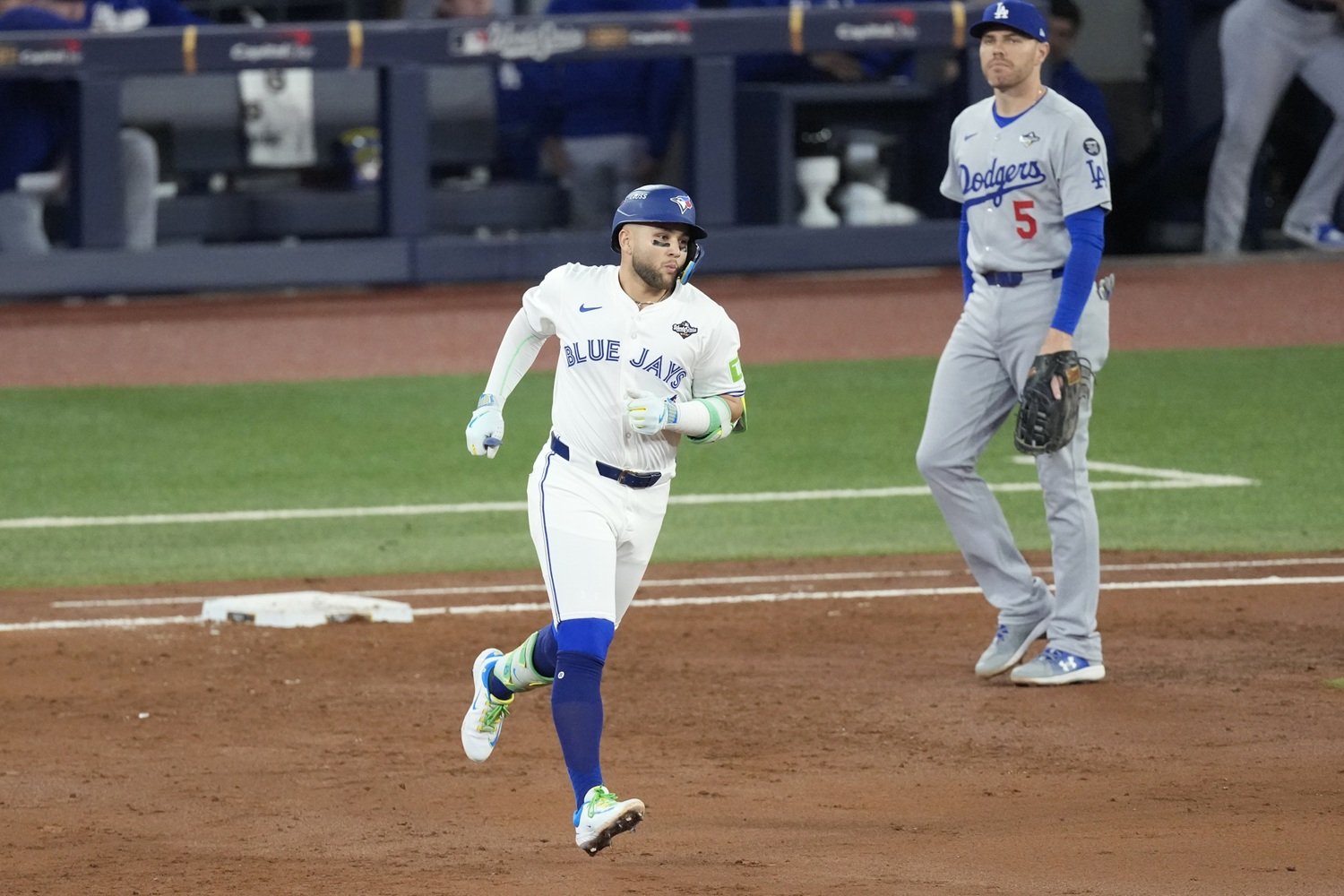 Bo Bichette brings a lot to the table. He led the AL in hits in 2021 and 2022, and would likely have done so again in 2025 had he not been injured (he finished the year with 181 hits to Bobby Witt Jr.’s league-leading 184). But there are negatives. His baserunning has been negative for the last three years, and his fielding at shortstop has been very poor. In 2025, his DRS of -12 and OAA of -13 were both dead last among the 22 qualified shortstops. As a result, despite an excellent 134 wRC+ in 2025, Bo only recorded a 3.8 fWAR. It is possible (probable?) that Bichette could move to second or third base? Doing so would hopefully improve the poor fielding numbers he put up as a shortstop. But it is unlikely that this would dramatically increase his fWAR, as the positional adjustment for second or third is substantially lower than that for shortstop. And many writers speculate that Bo strongly prefers to remain at short and would make that a condition of any new contract. So, what would happen if Bo Bichette were to sign elsewhere? Here are a few scenarios. The Internal Options Suppose, as a worst-case scenario, the Jays are unable to sign or trade for any position players and are accordingly required to backfill for Bichette using only internal options. Assume for this exercise that Andrés Giménez remains at shortstop in 2026. Giménez is projected to have a 95 wRC+ in 2026 (per Steamer) – roughly the same as the 96 he put up in 2023 while playing second base for Cleveland. If we assume that his level of defense at short is equivalent to what it was at second (he *was* a Platinum Glove winner!), then the only difference in his fWAR should be the difference in the positional adjustment, which equates to roughly 1.0 fWAR. So, his 2026 fWAR could be his 2023 fWAR plus one, or 4.8. The highest FanGraphs projection for Bichette in 2026 (playing shortstop) is 4.0. So, taking both offense and defense into consideration, Giménez at short could be roughly a 1.0-fWAR upgrade on Bichette in 2026. But moving Giménez to short creates an opening at second base. Giménez at second could still be expected to produce over 3.0 fWAR. To replace that, Toronto has two options. The first is Davis Schneider. In 2025, “Babe” put up a 1.3 fWAR despite only having 227 plate appearances. Keeping up that pace over 600 PA would have given him 3.4 fWAR. But Schneider was used primarily against left-handed pitching in 2025 – 56% of his PA were against lefties, even though left-handers only comprise roughly 30% of MLB pitchers. Schneider had a 106 wRC+ against lefties in 2025, but a 155 against righties. Playing a full year, with ~70% of his at-bats against right-handed pitching, could raise his fWAR even further, presuming he maintains those reverse platoon splits. And then there is Ernie Clement. Clement only played 423 innings at second base in 2025, but if you extrapolate his +10 DRS to a DRS/1350 (or his +6 OAA to an OAA/400), he was the best fielding second baseman in baseball. (As an aside, DRS/1350 is DRS extrapolated to a full season of 1350 defensive innings, and OAA/400 is similarly OAA extrapolated to a full season of 400 defensive attempts.) True, he only had a 98 wRC+, but even so, he earned a 3.2 fWAR. And if you believe that his outstanding playoff performance was an epiphany rather than a blip, a 2026 fWAR of 4.0+ is not out of the question. And the scary thing about Clement is that, as holy-cow-Batman as his defense is at second base, his defense at third is just as good. In 603 innings at third base in 2025, his +11 DRS (+25 DRS/1350) and +7 OAA (+11 OAA/400) would both have been top-three in the majors over a full season. So, if Schneider is playing second, Clement should be able to put up a similar 3.0-4.0 fWAR at third. But Clement is not the Jays’ only option. Addison Barger had a 125 wRC+ in the first half of 2025 before regressing to an 87 in the second half. He struggled against left-handed pitching with a 69 wRC+ but had a strong 125 against righties. And Barger’s underlying metrics give cause for optimism. His average exit velocity was 91.7 mph (compared to Alex Bregman's 90.1), his hard-hit percentage was 51% (again, for context, Bregman's was 44.4%), and his barrels/PA was 7.8% (Bregman's was 4.8%). And, like Clement, Barger had an excellent postseason with a .367/.441/.583 slash line and a 188 wRC+. Defensively, Barger had a +1 DRS and a zero OAA at third base in 2025 – not exceptional, but more than adequate. So, Barger is a strong breakout candidate for 2026. The Jays could also play Barger in right field. Or, if he is playing third (and cloning technology is not sufficiently advanced), Toronto could go with Nathan Lukes in right. In his 441 innings in right field in 2025, Lukes had a +21 DRS/1350 and a +13 OAA/400, both of which would be elite. He is projected (per Steamer) for a 109 wRC+ in 2026. A 109 wRC+ with elite defense in right field could translate to an fWAR in the 3.0-4.0 range over a full season. So, a (worst-case) purely internal fix could have Schneider/Clement at second, Giménez at short, Clement/Barger at third and Barger/Lukes in right, with the very real potential to have 3.0+ fWAR at every one of those positions. Not bad for a fallback option! The Jays sign Kyle Tucker If the Jays sign Tucker, the uncertainty about who plays right field goes away in a hurry. That likely pushes Barger to third (which is his better fielding position anyway) and Clement to second, potentially making Schneider and Lukes trade candidates for pitching upgrades. The Jays trade for Ketel Marte If the Jays traded for Marte, it would likely push Clement to third and Barger to right. Again, Lukes and Schneider would become either valuable bench contributors or enticing trade pieces (if they were not included in the Marte deal itself). The Jays sign Alex Bregman I am not a big fan of signing aging third basemen, particularly to contracts that take them into their late 30s. And, as noted above, Barger’s underlying hit metrics in 2025 were stronger than Bregman’s, so his upside is arguably higher at this point in Bregman’s career. But if the Jays *did* sign Bregman, it would likely push Barger to right field and leave Clement and Schneider competing for second base. The Bottom Line The Jays are in a very favourable position going into 2026. Not only do they have multiple young players with high upside, but those players have positional flexibility. That flexibility not only creates opportunities for the current roster but also for free agent signings and trades. And as a wise baseball philosopher once said, it can be more valuable to make options than to make plans.
 -
Bo Bichette brings a lot to the table. He led the AL in hits in 2021 and 2022, and would likely have done so again in 2025 had he not been injured (he finished the year with 181 hits to Bobby Witt Jr.’s league-leading 184). But there are negatives. His baserunning has been negative for the last three years, and his fielding at shortstop has been very poor. In 2025, his DRS of -12 and OAA of -13 were both dead last among the 22 qualified shortstops. As a result, despite an excellent 134 wRC+ in 2025, Bo only recorded a 3.8 fWAR. It is possible (probable?) that Bichette could move to second or third base? Doing so would hopefully improve the poor fielding numbers he put up as a shortstop. But it is unlikely that this would dramatically increase his fWAR, as the positional adjustment for second or third is substantially lower than that for shortstop. And many writers speculate that Bo strongly prefers to remain at short and would make that a condition of any new contract. So, what would happen if Bo Bichette were to sign elsewhere? Here are a few scenarios. The Internal Options Suppose, as a worst-case scenario, the Jays are unable to sign or trade for any position players and are accordingly required to backfill for Bichette using only internal options. Assume for this exercise that Andrés Giménez remains at shortstop in 2026. Giménez is projected to have a 95 wRC+ in 2026 (per Steamer) – roughly the same as the 96 he put up in 2023 while playing second base for Cleveland. If we assume that his level of defense at short is equivalent to what it was at second (he *was* a Platinum Glove winner!), then the only difference in his fWAR should be the difference in the positional adjustment, which equates to roughly 1.0 fWAR. So, his 2026 fWAR could be his 2023 fWAR plus one, or 4.8. The highest FanGraphs projection for Bichette in 2026 (playing shortstop) is 4.0. So, taking both offense and defense into consideration, Giménez at short could be roughly a 1.0-fWAR upgrade on Bichette in 2026. But moving Giménez to short creates an opening at second base. Giménez at second could still be expected to produce over 3.0 fWAR. To replace that, Toronto has two options. The first is Davis Schneider. In 2025, “Babe” put up a 1.3 fWAR despite only having 227 plate appearances. Keeping up that pace over 600 PA would have given him 3.4 fWAR. But Schneider was used primarily against left-handed pitching in 2025 – 56% of his PA were against lefties, even though left-handers only comprise roughly 30% of MLB pitchers. Schneider had a 106 wRC+ against lefties in 2025, but a 155 against righties. Playing a full year, with ~70% of his at-bats against right-handed pitching, could raise his fWAR even further, presuming he maintains those reverse platoon splits. And then there is Ernie Clement. Clement only played 423 innings at second base in 2025, but if you extrapolate his +10 DRS to a DRS/1350 (or his +6 OAA to an OAA/400), he was the best fielding second baseman in baseball. (As an aside, DRS/1350 is DRS extrapolated to a full season of 1350 defensive innings, and OAA/400 is similarly OAA extrapolated to a full season of 400 defensive attempts.) True, he only had a 98 wRC+, but even so, he earned a 3.2 fWAR. And if you believe that his outstanding playoff performance was an epiphany rather than a blip, a 2026 fWAR of 4.0+ is not out of the question. And the scary thing about Clement is that, as holy-cow-Batman as his defense is at second base, his defense at third is just as good. In 603 innings at third base in 2025, his +11 DRS (+25 DRS/1350) and +7 OAA (+11 OAA/400) would both have been top-three in the majors over a full season. So, if Schneider is playing second, Clement should be able to put up a similar 3.0-4.0 fWAR at third. But Clement is not the Jays’ only option. Addison Barger had a 125 wRC+ in the first half of 2025 before regressing to an 87 in the second half. He struggled against left-handed pitching with a 69 wRC+ but had a strong 125 against righties. And Barger’s underlying metrics give cause for optimism. His average exit velocity was 91.7 mph (compared to Alex Bregman's 90.1), his hard-hit percentage was 51% (again, for context, Bregman's was 44.4%), and his barrels/PA was 7.8% (Bregman's was 4.8%). And, like Clement, Barger had an excellent postseason with a .367/.441/.583 slash line and a 188 wRC+. Defensively, Barger had a +1 DRS and a zero OAA at third base in 2025 – not exceptional, but more than adequate. So, Barger is a strong breakout candidate for 2026. The Jays could also play Barger in right field. Or, if he is playing third (and cloning technology is not sufficiently advanced), Toronto could go with Nathan Lukes in right. In his 441 innings in right field in 2025, Lukes had a +21 DRS/1350 and a +13 OAA/400, both of which would be elite. He is projected (per Steamer) for a 109 wRC+ in 2026. A 109 wRC+ with elite defense in right field could translate to an fWAR in the 3.0-4.0 range over a full season. So, a (worst-case) purely internal fix could have Schneider/Clement at second, Giménez at short, Clement/Barger at third and Barger/Lukes in right, with the very real potential to have 3.0+ fWAR at every one of those positions. Not bad for a fallback option! The Jays sign Kyle Tucker If the Jays sign Tucker, the uncertainty about who plays right field goes away in a hurry. That likely pushes Barger to third (which is his better fielding position anyway) and Clement to second, potentially making Schneider and Lukes trade candidates for pitching upgrades. The Jays trade for Ketel Marte If the Jays traded for Marte, it would likely push Clement to third and Barger to right. Again, Lukes and Schneider would become either valuable bench contributors or enticing trade pieces (if they were not included in the Marte deal itself). The Jays sign Alex Bregman I am not a big fan of signing aging third basemen, particularly to contracts that take them into their late 30s. And, as noted above, Barger’s underlying hit metrics in 2025 were stronger than Bregman’s, so his upside is arguably higher at this point in Bregman’s career. But if the Jays *did* sign Bregman, it would likely push Barger to right field and leave Clement and Schneider competing for second base. The Bottom Line The Jays are in a very favourable position going into 2026. Not only do they have multiple young players with high upside, but those players have positional flexibility. That flexibility not only creates opportunities for the current roster but also for free agent signings and trades. And as a wise baseball philosopher once said, it can be more valuable to make options than to make plans. View full article
-
In the 2024 Rule 5 draft, the Jays were picking sixth (yes, it was a tough year!). They chose Angel Bastardo from the Red Sox. In some ways, Bastardo was a classic Rule 5 pick: he had a starter’s arsenal with a 50-grade fastball, slider, and curve, and an “out pitch” in his 60-grade changeup, "an 84-88 mph offering that dies as it approaches the plate as if an invisible parachute has popped out of the back of it" (per FanGraphs). And even if he did not make it as a starter, he could profile as a particularly nasty late-inning reliever. The issue with Bastardo was his health – he had Tommy John surgery in June 2024 and was expected to miss most or all of the 2025 season. So if the Jays took him, they would have to carry him for all of 2025 (using up a 40-man roster spot) before they could meet the 90-day test in 2026. But Toronto clearly thought the upside justified the cost. The Jays currently have 38 players on their 40-man roster. This implies that they want to have the flexibility to make Rule 5 pickups in the upcoming December 10 draft. Might they be considering a similar strategy in 2025? Choosing a player with high upside, but who will be injured for most of 2026? In nine games (eight starts) at double-A ball in 2025, Yordanny Monegro had a 2.67 ERA (2.34 FIP) and a 13.10 K/9 as compared to a 2.14 BB/9. In 2024, in class A+ ball, he finished the season with 42 innings without an earned run. He has four pitches graded (by MLB.com) at 50 or better, and his control is also a 50 grade. But Monegro had Tommy John surgery in August 2025 and is expected to miss most or all of 2026. There are other red flags, as MLB.com notes: Monegro fits the classic high-upside, high-risk pitcher profile. At one time, his upper-70s curveball was ranked as the highest in the Boston farm system, and his pitch mix is still improving (he only added his now-55-grade slider in 2023). So the potential is very real for either a mid-rotation starter or a strong middle-relief/swingman. But the issues with his inconsistent delivery are equally real. There was a time when to say that a pitcher carried “reliever risk” was considered a very strong negative. But with the price of good relievers increasing, and with the importance of a good-to-great bullpen becoming increasingly evident, having a Bastardo or Monegro “only” becoming a Yimi Garcia or Eric Lauer is no longer a negative. If anything, having high reliever potential as a backup plan adds to their value. It is true that the Jays will be picking much later (29th) in the upcoming Rule 5 draft. So it is entirely possible that Monegro might be chosen before then. But Rule 5 picks can be traded, so if Toronto really believed in Monegro’s potential, they might be able to swing a deal with one of the teams picking earlier (Rockies / White Sox / Twins?) whereby that team picks Monegro and then trades them to Toronto. The Jays would then be subject to the same rules as if they had chosen Monegro themselves. The Bottom Line It has become increasingly difficult for teams to find good pitching talent. Even mediocre starting pitching has become very expensive on the free agent market (and top-of-rotation starters even more so). Teams are reluctant to trade young pitching, and when they do, their asks can be extortionate. So it behooves teams to be creative in their search for good pitching help. Bastardo was a gamble in 2024, but an intelligent and high-upside one. Monegro could be a similar intelligent gamble in 2025. View full article
-
- 1
-

-
 In the 2024 Rule 5 draft, the Jays were picking sixth (yes, it was a tough year!). They chose Angel Bastardo from the Red Sox. In some ways, Bastardo was a classic Rule 5 pick: he had a starter’s arsenal with a 50-grade fastball, slider, and curve, and an “out pitch” in his 60-grade changeup, "an 84-88 mph offering that dies as it approaches the plate as if an invisible parachute has popped out of the back of it" (per FanGraphs). And even if he did not make it as a starter, he could profile as a particularly nasty late-inning reliever. The issue with Bastardo was his health – he had Tommy John surgery in June 2024 and was expected to miss most or all of the 2025 season. So if the Jays took him, they would have to carry him for all of 2025 (using up a 40-man roster spot) before they could meet the 90-day test in 2026. But Toronto clearly thought the upside justified the cost. The Jays currently have 38 players on their 40-man roster. This implies that they want to have the flexibility to make Rule 5 pickups in the upcoming December 10 draft. Might they be considering a similar strategy in 2025? Choosing a player with high upside, but who will be injured for most of 2026? In nine games (eight starts) at double-A ball in 2025, Yordanny Monegro had a 2.67 ERA (2.34 FIP) and a 13.10 K/9 as compared to a 2.14 BB/9. In 2024, in class A+ ball, he finished the season with 42 innings without an earned run. He has four pitches graded (by MLB.com) at 50 or better, and his control is also a 50 grade. But Monegro had Tommy John surgery in August 2025 and is expected to miss most or all of 2026. There are other red flags, as MLB.com notes: Monegro fits the classic high-upside, high-risk pitcher profile. At one time, his upper-70s curveball was ranked as the highest in the Boston farm system, and his pitch mix is still improving (he only added his now-55-grade slider in 2023). So the potential is very real for either a mid-rotation starter or a strong middle-relief/swingman. But the issues with his inconsistent delivery are equally real. There was a time when to say that a pitcher carried “reliever risk” was considered a very strong negative. But with the price of good relievers increasing, and with the importance of a good-to-great bullpen becoming increasingly evident, having a Bastardo or Monegro “only” becoming a Yimi Garcia or Eric Lauer is no longer a negative. If anything, having high reliever potential as a backup plan adds to their value. It is true that the Jays will be picking much later (29th) in the upcoming Rule 5 draft. So it is entirely possible that Monegro might be chosen before then. But Rule 5 picks can be traded, so if Toronto really believed in Monegro’s potential, they might be able to swing a deal with one of the teams picking earlier (Rockies / White Sox / Twins?) whereby that team picks Monegro and then trades them to Toronto. The Jays would then be subject to the same rules as if they had chosen Monegro themselves. The Bottom Line It has become increasingly difficult for teams to find good pitching talent. Even mediocre starting pitching has become very expensive on the free agent market (and top-of-rotation starters even more so). Teams are reluctant to trade young pitching, and when they do, their asks can be extortionate. So it behooves teams to be creative in their search for good pitching help. Bastardo was a gamble in 2024, but an intelligent and high-upside one. Monegro could be a similar intelligent gamble in 2025.
 -
.jpg.cd129d19724e825276e6a181697c5d00.jpg) In May 2022, Chad Green left a game against the Orioles with right arm discomfort. Three days later, he was undergoing Tommy John surgery, ending his 2022 season and likely limiting his use in 2023. As 2022 was his last arbitration year, he became a free agent at season's end. In January 2023, Green signed an unusual deal with the Blue Jays. It called for $2.25 million in 2023 and a player option for $6.25 million in 2024. But it also granted the Jays two team options (exercisable under certain conditions): one for three years and $27 million, and one for two years and $21 million. The Jays ultimately ended up exercising the two-year, $21 million option. Green only pitched 12 innings in 2023, so the Jays did not receive $2.25 million of value in that year. But that was expected. Green benefitted from this deal in that he received income in what could otherwise have been a year of unemployment, and (more importantly), as a member of the Jays organization, he had access to their training and medical facilities during his rehabilitation. The Jays benefited not in 2023, but from their option to keep him under contract for future years. Toronto might be faced with a similar opportunity this offseason. In 2021, his first year in the majors, Luis Garcia pitched 155 innings for Houston with a 3.48 ERA and a 3.1 fWAR. He finished second in Rookie of the Year voting (to Randy Arozarena of Tampa Bay) and was named to the Topps All-Rookie Team. He had a similarly strong 2022 but injured his arm in May 2023, requiring Tommy John surgery and ending his year. He missed all of 2024, and while he tried to come back in 2025, he experienced further issues. By October 2025, he was forced to have a second Tommy John procedure, meaning that he will likely miss all of the 2026 season. The Astros released Garcia in November, as his one remaining year of arbitration had no value to them with him recovering from surgery. Even at his healthy best, Garcia is not an ace. But in his 2021-22 years, he had a 3.60 ERA, a 3.74 xERA, a 3.78 FIP and a 5.1 fWAR. That fWAR was 32nd among all pitchers. And Garcia would be pitching in 2027 in his age-30 year, so the potential to return to his 2021-22 form is very real. Should the Jays pull a Chad Green on Garcia? In 2025, Garcia earned $1.875 million. Suppose Toronto offered him a similar amount for 2026, knowing it was unlikely that he could even make it back next year for a playoff run. But the 2026 guarantee would come with a team option – possibly something like the three-year, $27 million option Toronto offered to Green? Perhaps there would also be a one-year player option if the Jays declined their multi-year end of the deal. As with Green, this would guarantee Garcia access to a top MLB medical and rehab staff for the duration of his recovery, and an income in what otherwise could be a barren year. The Jays would be gambling, but if Garcia does recover to anything close to his 2021-22 form, their option would be a bargain. The Bottom Line It seems that every offseason, the Jays (and most teams) are scrambling to fill their rotations for the upcoming year. Planning ahead by creating options could reduce that frenzy. Yes, a deal like this one carries some (considerable?) risk, but as a famous baseball philosopher once said, “you miss 100% of the shots you don’t take."
In May 2022, Chad Green left a game against the Orioles with right arm discomfort. Three days later, he was undergoing Tommy John surgery, ending his 2022 season and likely limiting his use in 2023. As 2022 was his last arbitration year, he became a free agent at season's end. In January 2023, Green signed an unusual deal with the Blue Jays. It called for $2.25 million in 2023 and a player option for $6.25 million in 2024. But it also granted the Jays two team options (exercisable under certain conditions): one for three years and $27 million, and one for two years and $21 million. The Jays ultimately ended up exercising the two-year, $21 million option. Green only pitched 12 innings in 2023, so the Jays did not receive $2.25 million of value in that year. But that was expected. Green benefitted from this deal in that he received income in what could otherwise have been a year of unemployment, and (more importantly), as a member of the Jays organization, he had access to their training and medical facilities during his rehabilitation. The Jays benefited not in 2023, but from their option to keep him under contract for future years. Toronto might be faced with a similar opportunity this offseason. In 2021, his first year in the majors, Luis Garcia pitched 155 innings for Houston with a 3.48 ERA and a 3.1 fWAR. He finished second in Rookie of the Year voting (to Randy Arozarena of Tampa Bay) and was named to the Topps All-Rookie Team. He had a similarly strong 2022 but injured his arm in May 2023, requiring Tommy John surgery and ending his year. He missed all of 2024, and while he tried to come back in 2025, he experienced further issues. By October 2025, he was forced to have a second Tommy John procedure, meaning that he will likely miss all of the 2026 season. The Astros released Garcia in November, as his one remaining year of arbitration had no value to them with him recovering from surgery. Even at his healthy best, Garcia is not an ace. But in his 2021-22 years, he had a 3.60 ERA, a 3.74 xERA, a 3.78 FIP and a 5.1 fWAR. That fWAR was 32nd among all pitchers. And Garcia would be pitching in 2027 in his age-30 year, so the potential to return to his 2021-22 form is very real. Should the Jays pull a Chad Green on Garcia? In 2025, Garcia earned $1.875 million. Suppose Toronto offered him a similar amount for 2026, knowing it was unlikely that he could even make it back next year for a playoff run. But the 2026 guarantee would come with a team option – possibly something like the three-year, $27 million option Toronto offered to Green? Perhaps there would also be a one-year player option if the Jays declined their multi-year end of the deal. As with Green, this would guarantee Garcia access to a top MLB medical and rehab staff for the duration of his recovery, and an income in what otherwise could be a barren year. The Jays would be gambling, but if Garcia does recover to anything close to his 2021-22 form, their option would be a bargain. The Bottom Line It seems that every offseason, the Jays (and most teams) are scrambling to fill their rotations for the upcoming year. Planning ahead by creating options could reduce that frenzy. Yes, a deal like this one carries some (considerable?) risk, but as a famous baseball philosopher once said, “you miss 100% of the shots you don’t take." -
In May 2022, Chad Green left a game against the Orioles with right arm discomfort. Three days later, he was undergoing Tommy John surgery, ending his 2022 season and likely limiting his use in 2023. As 2022 was his last arbitration year, he became a free agent at season's end. In January 2023, Green signed an unusual deal with the Blue Jays. It called for $2.25 million in 2023 and a player option for $6.25 million in 2024. But it also granted the Jays two team options (exercisable under certain conditions): one for three years and $27 million, and one for two years and $21 million. The Jays ultimately ended up exercising the two-year, $21 million option. Green only pitched 12 innings in 2023, so the Jays did not receive $2.25 million of value in that year. But that was expected. Green benefitted from this deal in that he received income in what could otherwise have been a year of unemployment, and (more importantly), as a member of the Jays organization, he had access to their training and medical facilities during his rehabilitation. The Jays benefited not in 2023, but from their option to keep him under contract for future years. Toronto might be faced with a similar opportunity this offseason. In 2021, his first year in the majors, Luis Garcia pitched 155 innings for Houston with a 3.48 ERA and a 3.1 fWAR. He finished second in Rookie of the Year voting (to Randy Arozarena of Tampa Bay) and was named to the Topps All-Rookie Team. He had a similarly strong 2022 but injured his arm in May 2023, requiring Tommy John surgery and ending his year. He missed all of 2024, and while he tried to come back in 2025, he experienced further issues. By October 2025, he was forced to have a second Tommy John procedure, meaning that he will likely miss all of the 2026 season. The Astros released Garcia in November, as his one remaining year of arbitration had no value to them with him recovering from surgery. Even at his healthy best, Garcia is not an ace. But in his 2021-22 years, he had a 3.60 ERA, a 3.74 xERA, a 3.78 FIP and a 5.1 fWAR. That fWAR was 32nd among all pitchers. And Garcia would be pitching in 2027 in his age-30 year, so the potential to return to his 2021-22 form is very real. Should the Jays pull a Chad Green on Garcia? In 2025, Garcia earned $1.875 million. Suppose Toronto offered him a similar amount for 2026, knowing it was unlikely that he could even make it back next year for a playoff run. But the 2026 guarantee would come with a team option – possibly something like the three-year, $27 million option Toronto offered to Green? Perhaps there would also be a one-year player option if the Jays declined their multi-year end of the deal. As with Green, this would guarantee Garcia access to a top MLB medical and rehab staff for the duration of his recovery, and an income in what otherwise could be a barren year. The Jays would be gambling, but if Garcia does recover to anything close to his 2021-22 form, their option would be a bargain. The Bottom Line It seems that every offseason, the Jays (and most teams) are scrambling to fill their rotations for the upcoming year. Planning ahead by creating options could reduce that frenzy. Yes, a deal like this one carries some (considerable?) risk, but as a famous baseball philosopher once said, “you miss 100% of the shots you don’t take." View full article
-
As you saw from my article, I think highly of Pete Fairbanks. I would like the Jays to sign him early, ideally at something like the 2/$18m projected by MLBTR. That gives them the luxury of being opportunistic - if someone like Williams can not get the deal he wants due to his poor 2025, and he is considering a Semien-like one year pillow deal to build value, the Jays might consider a 2015-KC-like three-headed bullpen monster.
-
Another Closing Option for the Blue Jays To Consider
Jim Scott replied to Jim Scott's topic in Toronto Blue Jays Talk
I wonder if Tampa were unwilling to trade Pete to a division rival without a major payback ... and whether the Jays were not keen to sign him for a single year @ $11m? -
The Jays enter the 2025-26 offseason in pretty good shape. Their 2025 offense was excellent; the Jays' team wRC+ of 112 was fourth in baseball, and their FangGraphs Off (a measure of overall offense) was fifth. And this was despite losing Anthony Santander for effectively the entire year, and Daulton Varsho (and his holy-cow-Batman .310 ISO) for half the year. They were no slouches on defence, either. Their FangGraphs Def (a measure of overall defence) of 38.7 was the best in baseball, despite Bo Bichette's struggles at shortstop (his -13 Outs Above Average were tied for last in the majors at any position). On top of that, Shane Bieber’s surprising opt-in gives the Jays a current rotation of Bieber, Kevin Gausman, Trey Yesavage, José Berríos, and Eric Lauer. They're possibly only one more solid starter and a swingman away from being ready for 2026. Which brings us to the bullpen. The bullpen's 3.98 ERA was 16th in MLB in 2025, and their 3.2 fWAR was 18th. To be fair, this was partly due to injuries. Yimi García had a 2.70 ERA (2.21 xERA) in 2024 and was Toronto’s primary setup man before he was traded. In 2025, a combination of injuries and August surgery limited him to 21 innings. Similarly, Nick Sandlin (right elbow inflammation) pitched only 16 innings, and Erik Swanson (who had a brilliant 2023) dealt with a median nerve entrapment in training camp and was ultimately cut. These injuries forced the Jays to make some difficult decisions – as my colleague Bob Ritchie noted in August: "One aspect of [Jeff] Hoffman’s usage is that he has, on five occasions, pitched four times in five days. In 2025, [Josh] Hader has not pitched four times in five days. … [Aroldis] Chapman has pitched four times in five days on two occasions. Hence, Hoffman’s concentrated usage over five days is unusual." In 2026, the Jays should benefit from a healthy García and a full season of Louis Varland. Even so, upgrading the back end of the bullpen should be a priority for the front office this offseason. Not surprisingly, this has led to the Jays being linked to almost every top free agent reliever – including Edwin Díaz and Raisel Iglesias. Devin Williams and Robert Suarez are two more names that have come up in plenty of fan speculation. But the competition for those arms might be intense, raising the price and the risk (giving term to a reliever is always dangerous). Might there be a better option? Suppose there were a reliever with extensive closing experience (75 saves in the last three years, seven more than Williams). And suppose he had a save conversion percentage (saves divided by save opportunities) of 86% – higher than Díaz’s 83%. And suppose he would be pitching in 2026 at age 32 – three years younger than Suarez and four years younger than Iglesias. And (are you tired of supposing yet?) imagine that he is projected to cost only $18 million on a two-year contract – less than half the term and AAV expected for Díaz? Let’s talk about Pete Fairbanks. We can start with the red flags. In 2022 and 2023, Fairbanks’ fastball averaged over 99 mph, with a Stuff+ in the 140 range (in 2022, the stuff+ of 152 on his fastball was second in the majors). As a result, his K/9 was a stellar 13.5. But, as the saying goes, that was then. His velocity and Stuff+ have declined steadily, with the result that in 2025, his velocity was 97 mph and his K/9 was “only” 8.80. There are also injury concerns. Fairbanks’ 60 innings pitched in 2025 were a career high – the most he had ever pitched before was 45.1 innings. These concerns are likely why Tampa Bay did not pick up his $11 million option for 2026, and why they were unable to trade him to a team that would. But let’s examine those concerns, starting with the fastball. Three points to consider: Despite the decline in fastball velocity, Fairbanks still put up a 2.83 ERA (3.00 xERA) in 2025. For comparison, Jeff Hoffman had a 4.37 ERA and a 3.91 xERA, while Williams posted a 4.79/3.07 and Suarez a 2.97/3.67. Stop me if you’ve heard this one: A pitcher has lost 2 mph on his fastball and is struggling. He joins Toronto, and with the help of an excellent pitching coach and his team, miraculously regains his mojo and his velo, going on to an uber season. Am I talking about Robbie Ray in 2021 or Pete Fairbanks in 2026? Finally, Fairbanks started experimenting with a cut fastball in September of 2024. He only threw it 42 times, so the usual small sample size caveats apply. But what was his opponents’ batting average against it? Zero. And how did his Stuff+ rating of 141 for that pitch compare to other pitchers in MLB throwing cutters? Best in baseball (Emmanuel Clase was second with a Stuff+ of 122). Bottom line, Fairbanks is doing just fine with the fastball, and he has crazy-high upside. Now let’s talk about the injuries. It is entirely valid to worry that Fairbanks’ injury record makes him too high-risk to be a solo #1 closer. But as a 1A, working with Hoffman (and possibly García, who has 29 career saves), the expectation should not be for him to pitch so many innings. And remember – Fairbanks pitched 60 innings in 2025. None of the tier one free agent closers pitched as many as 70 (Díaz pitched 66.1, Suarez 69.2, Iglesias 67.1, and Williams 62). The Bottom Line Pete Fairbanks offers an ideal combination of strong recent production and extreme upside. He would hugely enhance the Jays’ bullpen, at a moderate cost and term. The Jays could sign him now, and then, if an elite closer became available on a one-year pillow contract later in the offseason, Toronto could still consider forming its own version of the KC “three-headed monster.” View full article
-
.jpg.62c69104977b7c81278eed77548fddd1.jpg) The Jays enter the 2025-26 offseason in pretty good shape. Their 2025 offense was excellent; the Jays' team wRC+ of 112 was fourth in baseball, and their FangGraphs Off (a measure of overall offense) was fifth. And this was despite losing Anthony Santander for effectively the entire year, and Daulton Varsho (and his holy-cow-Batman .310 ISO) for half the year. They were no slouches on defence, either. Their FangGraphs Def (a measure of overall defence) of 38.7 was the best in baseball, despite Bo Bichette's struggles at shortstop (his -13 Outs Above Average were tied for last in the majors at any position). On top of that, Shane Bieber’s surprising opt-in gives the Jays a current rotation of Bieber, Kevin Gausman, Trey Yesavage, José Berríos, and Eric Lauer. They're possibly only one more solid starter and a swingman away from being ready for 2026. Which brings us to the bullpen. The bullpen's 3.98 ERA was 16th in MLB in 2025, and their 3.2 fWAR was 18th. To be fair, this was partly due to injuries. Yimi García had a 2.70 ERA (2.21 xERA) in 2024 and was Toronto’s primary setup man before he was traded. In 2025, a combination of injuries and August surgery limited him to 21 innings. Similarly, Nick Sandlin (right elbow inflammation) pitched only 16 innings, and Erik Swanson (who had a brilliant 2023) dealt with a median nerve entrapment in training camp and was ultimately cut. These injuries forced the Jays to make some difficult decisions – as my colleague Bob Ritchie noted in August: "One aspect of [Jeff] Hoffman’s usage is that he has, on five occasions, pitched four times in five days. In 2025, [Josh] Hader has not pitched four times in five days. … [Aroldis] Chapman has pitched four times in five days on two occasions. Hence, Hoffman’s concentrated usage over five days is unusual." In 2026, the Jays should benefit from a healthy García and a full season of Louis Varland. Even so, upgrading the back end of the bullpen should be a priority for the front office this offseason. Not surprisingly, this has led to the Jays being linked to almost every top free agent reliever – including Edwin Díaz and Raisel Iglesias. Devin Williams and Robert Suarez are two more names that have come up in plenty of fan speculation. But the competition for those arms might be intense, raising the price and the risk (giving term to a reliever is always dangerous). Might there be a better option? Suppose there were a reliever with extensive closing experience (75 saves in the last three years, seven more than Williams). And suppose he had a save conversion percentage (saves divided by save opportunities) of 86% – higher than Díaz’s 83%. And suppose he would be pitching in 2026 at age 32 – three years younger than Suarez and four years younger than Iglesias. And (are you tired of supposing yet?) imagine that he is projected to cost only $18 million on a two-year contract – less than half the term and AAV expected for Díaz? Let’s talk about Pete Fairbanks. We can start with the red flags. In 2022 and 2023, Fairbanks’ fastball averaged over 99 mph, with a Stuff+ in the 140 range (in 2022, the stuff+ of 152 on his fastball was second in the majors). As a result, his K/9 was a stellar 13.5. But, as the saying goes, that was then. His velocity and Stuff+ have declined steadily, with the result that in 2025, his velocity was 97 mph and his K/9 was “only” 8.80. There are also injury concerns. Fairbanks’ 60 innings pitched in 2025 were a career high – the most he had ever pitched before was 45.1 innings. These concerns are likely why Tampa Bay did not pick up his $11 million option for 2026, and why they were unable to trade him to a team that would. But let’s examine those concerns, starting with the fastball. Three points to consider: Despite the decline in fastball velocity, Fairbanks still put up a 2.83 ERA (3.00 xERA) in 2025. For comparison, Jeff Hoffman had a 4.37 ERA and a 3.91 xERA, while Williams posted a 4.79/3.07 and Suarez a 2.97/3.67. Stop me if you’ve heard this one: A pitcher has lost 2 mph on his fastball and is struggling. He joins Toronto, and with the help of an excellent pitching coach and his team, miraculously regains his mojo and his velo, going on to an uber season. Am I talking about Robbie Ray in 2021 or Pete Fairbanks in 2026? Finally, Fairbanks started experimenting with a cut fastball in September of 2024. He only threw it 42 times, so the usual small sample size caveats apply. But what was his opponents’ batting average against it? Zero. And how did his Stuff+ rating of 141 for that pitch compare to other pitchers in MLB throwing cutters? Best in baseball (Emmanuel Clase was second with a Stuff+ of 122). Bottom line, Fairbanks is doing just fine with the fastball, and he has crazy-high upside. Now let’s talk about the injuries. It is entirely valid to worry that Fairbanks’ injury record makes him too high-risk to be a solo #1 closer. But as a 1A, working with Hoffman (and possibly García, who has 29 career saves), the expectation should not be for him to pitch so many innings. And remember – Fairbanks pitched 60 innings in 2025. None of the tier one free agent closers pitched as many as 70 (Díaz pitched 66.1, Suarez 69.2, Iglesias 67.1, and Williams 62). The Bottom Line Pete Fairbanks offers an ideal combination of strong recent production and extreme upside. He would hugely enhance the Jays’ bullpen, at a moderate cost and term. The Jays could sign him now, and then, if an elite closer became available on a one-year pillow contract later in the offseason, Toronto could still consider forming its own version of the KC “three-headed monster.”
The Jays enter the 2025-26 offseason in pretty good shape. Their 2025 offense was excellent; the Jays' team wRC+ of 112 was fourth in baseball, and their FangGraphs Off (a measure of overall offense) was fifth. And this was despite losing Anthony Santander for effectively the entire year, and Daulton Varsho (and his holy-cow-Batman .310 ISO) for half the year. They were no slouches on defence, either. Their FangGraphs Def (a measure of overall defence) of 38.7 was the best in baseball, despite Bo Bichette's struggles at shortstop (his -13 Outs Above Average were tied for last in the majors at any position). On top of that, Shane Bieber’s surprising opt-in gives the Jays a current rotation of Bieber, Kevin Gausman, Trey Yesavage, José Berríos, and Eric Lauer. They're possibly only one more solid starter and a swingman away from being ready for 2026. Which brings us to the bullpen. The bullpen's 3.98 ERA was 16th in MLB in 2025, and their 3.2 fWAR was 18th. To be fair, this was partly due to injuries. Yimi García had a 2.70 ERA (2.21 xERA) in 2024 and was Toronto’s primary setup man before he was traded. In 2025, a combination of injuries and August surgery limited him to 21 innings. Similarly, Nick Sandlin (right elbow inflammation) pitched only 16 innings, and Erik Swanson (who had a brilliant 2023) dealt with a median nerve entrapment in training camp and was ultimately cut. These injuries forced the Jays to make some difficult decisions – as my colleague Bob Ritchie noted in August: "One aspect of [Jeff] Hoffman’s usage is that he has, on five occasions, pitched four times in five days. In 2025, [Josh] Hader has not pitched four times in five days. … [Aroldis] Chapman has pitched four times in five days on two occasions. Hence, Hoffman’s concentrated usage over five days is unusual." In 2026, the Jays should benefit from a healthy García and a full season of Louis Varland. Even so, upgrading the back end of the bullpen should be a priority for the front office this offseason. Not surprisingly, this has led to the Jays being linked to almost every top free agent reliever – including Edwin Díaz and Raisel Iglesias. Devin Williams and Robert Suarez are two more names that have come up in plenty of fan speculation. But the competition for those arms might be intense, raising the price and the risk (giving term to a reliever is always dangerous). Might there be a better option? Suppose there were a reliever with extensive closing experience (75 saves in the last three years, seven more than Williams). And suppose he had a save conversion percentage (saves divided by save opportunities) of 86% – higher than Díaz’s 83%. And suppose he would be pitching in 2026 at age 32 – three years younger than Suarez and four years younger than Iglesias. And (are you tired of supposing yet?) imagine that he is projected to cost only $18 million on a two-year contract – less than half the term and AAV expected for Díaz? Let’s talk about Pete Fairbanks. We can start with the red flags. In 2022 and 2023, Fairbanks’ fastball averaged over 99 mph, with a Stuff+ in the 140 range (in 2022, the stuff+ of 152 on his fastball was second in the majors). As a result, his K/9 was a stellar 13.5. But, as the saying goes, that was then. His velocity and Stuff+ have declined steadily, with the result that in 2025, his velocity was 97 mph and his K/9 was “only” 8.80. There are also injury concerns. Fairbanks’ 60 innings pitched in 2025 were a career high – the most he had ever pitched before was 45.1 innings. These concerns are likely why Tampa Bay did not pick up his $11 million option for 2026, and why they were unable to trade him to a team that would. But let’s examine those concerns, starting with the fastball. Three points to consider: Despite the decline in fastball velocity, Fairbanks still put up a 2.83 ERA (3.00 xERA) in 2025. For comparison, Jeff Hoffman had a 4.37 ERA and a 3.91 xERA, while Williams posted a 4.79/3.07 and Suarez a 2.97/3.67. Stop me if you’ve heard this one: A pitcher has lost 2 mph on his fastball and is struggling. He joins Toronto, and with the help of an excellent pitching coach and his team, miraculously regains his mojo and his velo, going on to an uber season. Am I talking about Robbie Ray in 2021 or Pete Fairbanks in 2026? Finally, Fairbanks started experimenting with a cut fastball in September of 2024. He only threw it 42 times, so the usual small sample size caveats apply. But what was his opponents’ batting average against it? Zero. And how did his Stuff+ rating of 141 for that pitch compare to other pitchers in MLB throwing cutters? Best in baseball (Emmanuel Clase was second with a Stuff+ of 122). Bottom line, Fairbanks is doing just fine with the fastball, and he has crazy-high upside. Now let’s talk about the injuries. It is entirely valid to worry that Fairbanks’ injury record makes him too high-risk to be a solo #1 closer. But as a 1A, working with Hoffman (and possibly García, who has 29 career saves), the expectation should not be for him to pitch so many innings. And remember – Fairbanks pitched 60 innings in 2025. None of the tier one free agent closers pitched as many as 70 (Díaz pitched 66.1, Suarez 69.2, Iglesias 67.1, and Williams 62). The Bottom Line Pete Fairbanks offers an ideal combination of strong recent production and extreme upside. He would hugely enhance the Jays’ bullpen, at a moderate cost and term. The Jays could sign him now, and then, if an elite closer became available on a one-year pillow contract later in the offseason, Toronto could still consider forming its own version of the KC “three-headed monster.” -
I agree. Not only does it make his price harder to defend, but it puts his leadership / dedication to the team in serious question.
-
Would you still sign Bo if he made it a condition that the Jays guarantee him the SS gig for the next 5 years? Because he destroys a lot of his value playing short. IMO, a 2B Bo + SS Gimenez tandem is far better for the team
.jpg.f3180a274087b00a99ca5ef3e303b58d.jpg)
.jpg.c683d1310a2f7beb96e86e9f23653fc0.jpg)
.jpg.5851115a5406575fb4fe2fe5b057d90b.jpg)
.jpg.cd129d19724e825276e6a181697c5d00.jpg)
.jpg.62c69104977b7c81278eed77548fddd1.jpg)