


Mac
-
Posts
104 -
Joined
-
Last visited
Content Type
Profiles
Toronto Blue Jays Videos
2026 Toronto Blue Jays Top Prospects Ranking
Toronto Blue Jays Free Agent & Trade Rumors, Notes, & Tidbits
Guides & Resources
2025 Toronto Blue Jays Draft Pick Tracker
News
2026 Toronto Blue Jays Draft Tracker: Picks & Bonuses
Forums
Blogs
Events
Store
Downloads
Gallery
Everything posted by Mac
-
General Blue Jays Discussion Thread (2025)
Mac replied to Ryu In My House's topic in Toronto Blue Jays Talk
I'm interested to see Lovelady to start the year. I didn't see him pitch in the spring but he has had some decent stretches and pitched some pretty good outings for Tampa at the end of last season. -
The Toronto Blue Jays played a stretch of bad-weather games in 2021, and when the skies opened up, they unleashed Joe Panik. In his second season with Toronto, Joe Panik had just rejoined the team on a road trip following a short stint on the injured list. Upon his return, he made two starts at third base, but that night, manager Charlie Montoyo had Panik start at his defensive home, second base. On a very Cleveland night, Panik had the best game of his final major league season, going 4-for-4 at the plate in an 11-2 Toronto rout, highlighted by mashing this Eli Morgan meatball in his second at-bat: Returning to their temporary home in Buffalo the following week, the Blue Jays trailed Miami 5-3 in the ninth inning on another miserable night. The rain intensified as the game pushed to the finish, one Toronto prolonged by rallying off of future Jay and then-Marlins reliever Yimi Garcia. After back-to-back base hits opened the inning, Bo Bichette tied the game with a triple. Panik again came through four batters later, this time hitting a walk-off sacrifice fly that Sterling Marte never caught. Come for the walkoff hit, stay for Manoah, and still go for the water bottle celebration. Panik’s time with Toronto would be over by the end of the month when he was sent to the Marlins in what turned out to be a very good trade for Adam Cimber and Corey Dickerson. Panik played only 12 more games for Toronto following his walk-off heroics, leaving the veteran a pair of highlights to denote his Blue Jays’ career with, right Ross Stripling? Not that it was Joe Panik's preference to be at third base that evening, drawing wrath from his starting pitcher after another defensive whoops. Second base is where Panik had broken into the league with San Francisco in 2014 and where he would solidify his reputation. The Giants would go on to win the World Series in his rookie season, and Panik started every game during the postseason run. He started more games at second base than any other Giant in the 2010s, picking up an all-star nod in 2015 and a Gold Glove in 2016. Panik struggled with injuries throughout his time with the Giants, and his offensive numbers worsened. San Francisco traded for two second basemen at the 2019 trade deadline and made room by designating the struggling Panik for assignment, crushing Bruce Bochy. Catching on with the Mets, Panik turned his season around in the final months while filling in for an injured Robinson Cano. Toronto brought him in the following spring with an opportunity to make the Blue Jays' Opening Day roster. Panik played some shortstop in spring training as Toronto tried to stretch his versatility off the bench. He was solid at the plate and was set to make the team until the pandemic halted everything. Panik started slowly when the abbreviated season began, but a Bo Bichette injury opened the door for playing time. His defence struggled off second base but at the plate, Panik heated up. He hit fifth in the lineup in a September 9 game against the Yankees, entering on a 14-for-34 tear, an eleven-game stretch that included five doubles, and Buck Martinez showering him with professional hitting platitudes the way only Buck can. A 0-for-4 night hitting up in the order bled into a 6-for-34 slump over the season’s final two and a half weeks. The Blue Jays made the bloated postseason but were promptly swept by Tampa Bay. Panik played in both playoff games and was at the plate to make the final out of Toronto’s season. Panik survived final cuts again the following season. Still, with Toronto bringing in Marcus Semien to play second and unwilling to play him at short any longer, Panik’s path to playing time tumbled down the defensive spectrum to third base. Panik continued to struggle away from his primary position. He was charged with two errors at third in the season’s first month, including a game in Tampa where only Yandy Diaz’s kin could score this double (while you’re here, the ensuing error, too). Also off to a slow start in 2021 was Ross Stripling. A couple of shaky starts in May left Stripling with a tenuous grip on his rotation spot, but pitching better of late, he took the ball against the Yankees on June 16. Up 1-2 on the leadoff hitter, Stripling got DJ LeMahieu to roll over on a pitch, sending the ball towards Panik at third base. The inning spiraled when the Yankees loaded the bases with nobody out. LeMahieu scored on a Giancarlo Stanton sacrifice fly, but Stripling got the next two outs to escape the inning. A Semien leadoff jack quickly squared the game back up, and Stripling locked in. He struck out the side in order in the second inning and would not allow another baserunner until a two-out walk in the fifth. Stripling started the sixth with a 2-1 lead by getting Aaron Judge to swing through an outer-half change-up for strike three. After the next batter popped up, Stripling toed the rubber to face Stanton for a third time on the night. Working ahead, Stripling threw a looping curve, and the slugger hit the third out weakly towards Panik, who had not fielded a ball since his chance in the first inning. Stripling struck out Gio Urshela to end the inning, but a two-run blast by Gary Sánchez off the Toronto starter in the seventh finalized New York’s 3-2 win. Afterward, everyone wanted to talk about Stripling’s raw reaction to the second error, one that you can be assured Ben Verlander tsk tsk’d him for. Stripling owned it, saying he was embarrassed and apologetic toward Panik, whom he called an “awesome veteran and person.” Panik played in just a few more games for the Blue Jays, but before he was traded, Charlie Montoyo put Panik in the lineup at third base one final time. With Stripling again on the mound starting for Toronto, Panik committed his final miscue as a Blue Jay. He was just not doing great with the routine groundball. Stripling and Panik would cross paths again in 2023, and this time, Panik may have been the one reacting in frustration to the performance on the field. Stripling signed a two-year, $25 million contract with the Giants, and a short time later, the now-retired Panik returned to the Giants to work in the front office. Stripling was 0-5 with a 5.36 ERA with the Giants and was traded after pitching just 22 games in one season. For Panik, he was back in the place where he is remembered as a World Series-winning second baseman. Defensive issues marked his time in Toronto off his position, but for a week, Joe Panik shined in the rain. View full article
- 3 replies
-
- 2
-

-
- remembering blue jays
- joe panik
- (and 1 more)
-
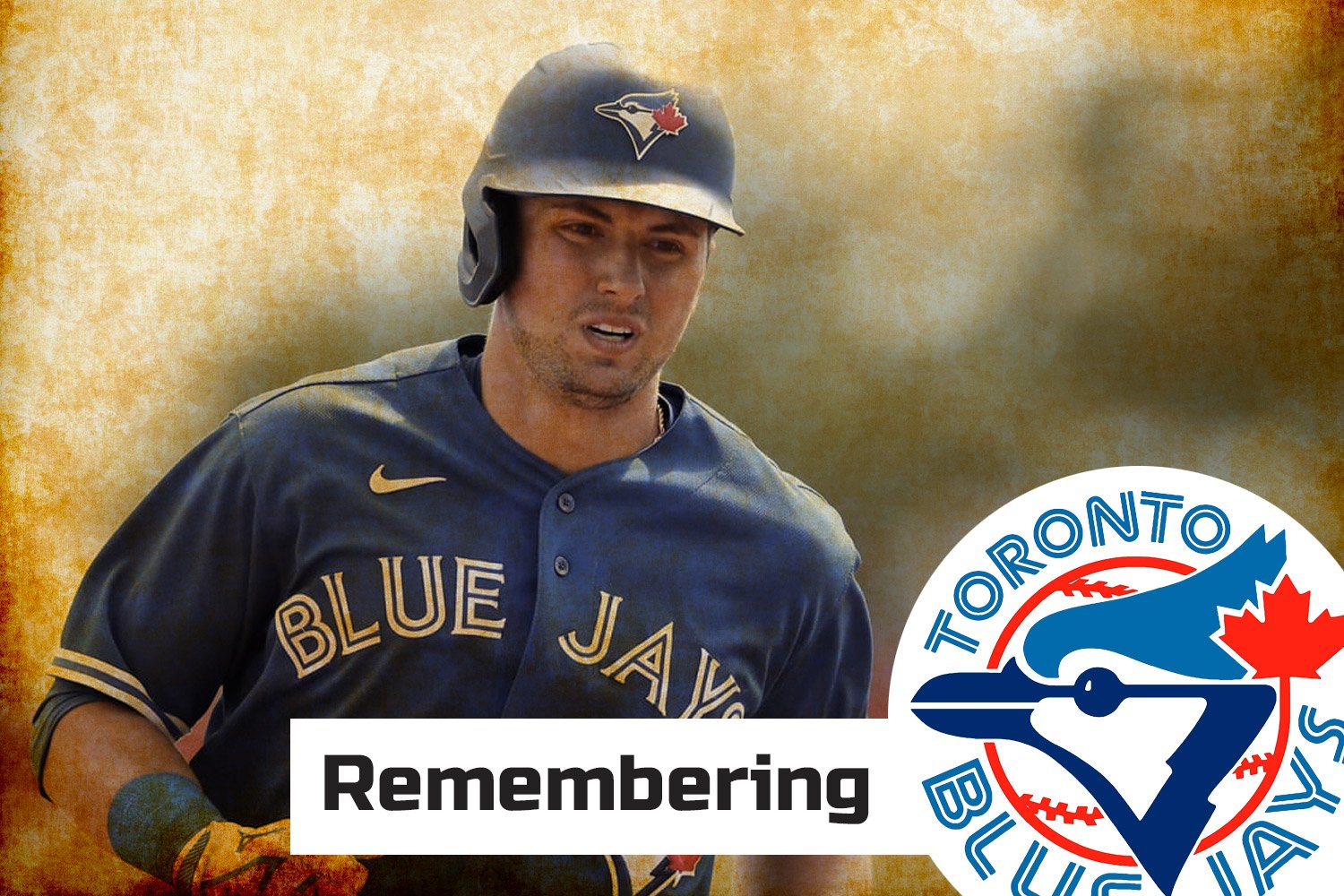 In his second season with Toronto, Joe Panik had just rejoined the team on a road trip following a short stint on the injured list. Upon his return, he made two starts at third base, but that night, manager Charlie Montoyo had Panik start at his defensive home, second base. On a very Cleveland night, Panik had the best game of his final major league season, going 4-for-4 at the plate in an 11-2 Toronto rout, highlighted by mashing this Eli Morgan meatball in his second at-bat: Returning to their temporary home in Buffalo the following week, the Blue Jays trailed Miami 5-3 in the ninth inning on another miserable night. The rain intensified as the game pushed to the finish, one Toronto prolonged by rallying off of future Jay and then-Marlins reliever Yimi Garcia. After back-to-back base hits opened the inning, Bo Bichette tied the game with a triple. Panik again came through four batters later, this time hitting a walk-off sacrifice fly that Sterling Marte never caught. Come for the walkoff hit, stay for Manoah, and still go for the water bottle celebration. Panik’s time with Toronto would be over by the end of the month when he was sent to the Marlins in what turned out to be a very good trade for Adam Cimber and Corey Dickerson. Panik played only 12 more games for Toronto following his walk-off heroics, leaving the veteran a pair of highlights to denote his Blue Jays’ career with, right Ross Stripling? Not that it was Joe Panik's preference to be at third base that evening, drawing wrath from his starting pitcher after another defensive whoops. Second base is where Panik had broken into the league with San Francisco in 2014 and where he would solidify his reputation. The Giants would go on to win the World Series in his rookie season, and Panik started every game during the postseason run. He started more games at second base than any other Giant in the 2010s, picking up an all-star nod in 2015 and a Gold Glove in 2016. Panik struggled with injuries throughout his time with the Giants, and his offensive numbers worsened. San Francisco traded for two second basemen at the 2019 trade deadline and made room by designating the struggling Panik for assignment, crushing Bruce Bochy. Catching on with the Mets, Panik turned his season around in the final months while filling in for an injured Robinson Cano. Toronto brought him in the following spring with an opportunity to make the Blue Jays' Opening Day roster. Panik played some shortstop in spring training as Toronto tried to stretch his versatility off the bench. He was solid at the plate and was set to make the team until the pandemic halted everything. Panik started slowly when the abbreviated season began, but a Bo Bichette injury opened the door for playing time. His defence struggled off second base but at the plate, Panik heated up. He hit fifth in the lineup in a September 9 game against the Yankees, entering on a 14-for-34 tear, an eleven-game stretch that included five doubles, and Buck Martinez showering him with professional hitting platitudes the way only Buck can. A 0-for-4 night hitting up in the order bled into a 6-for-34 slump over the season’s final two and a half weeks. The Blue Jays made the bloated postseason but were promptly swept by Tampa Bay. Panik played in both playoff games and was at the plate to make the final out of Toronto’s season. Panik survived final cuts again the following season. Still, with Toronto bringing in Marcus Semien to play second and unwilling to play him at short any longer, Panik’s path to playing time tumbled down the defensive spectrum to third base. Panik continued to struggle away from his primary position. He was charged with two errors at third in the season’s first month, including a game in Tampa where only Yandy Diaz’s kin could score this double (while you’re here, the ensuing error, too). Also off to a slow start in 2021 was Ross Stripling. A couple of shaky starts in May left Stripling with a tenuous grip on his rotation spot, but pitching better of late, he took the ball against the Yankees on June 16. Up 1-2 on the leadoff hitter, Stripling got DJ LeMahieu to roll over on a pitch, sending the ball towards Panik at third base. The inning spiraled when the Yankees loaded the bases with nobody out. LeMahieu scored on a Giancarlo Stanton sacrifice fly, but Stripling got the next two outs to escape the inning. A Semien leadoff jack quickly squared the game back up, and Stripling locked in. He struck out the side in order in the second inning and would not allow another baserunner until a two-out walk in the fifth. Stripling started the sixth with a 2-1 lead by getting Aaron Judge to swing through an outer-half change-up for strike three. After the next batter popped up, Stripling toed the rubber to face Stanton for a third time on the night. Working ahead, Stripling threw a looping curve, and the slugger hit the third out weakly towards Panik, who had not fielded a ball since his chance in the first inning. Stripling struck out Gio Urshela to end the inning, but a two-run blast by Gary Sánchez off the Toronto starter in the seventh finalized New York’s 3-2 win. Afterward, everyone wanted to talk about Stripling’s raw reaction to the second error, one that you can be assured Ben Verlander tsk tsk’d him for. Stripling owned it, saying he was embarrassed and apologetic toward Panik, whom he called an “awesome veteran and person.” Panik played in just a few more games for the Blue Jays, but before he was traded, Charlie Montoyo put Panik in the lineup at third base one final time. With Stripling again on the mound starting for Toronto, Panik committed his final miscue as a Blue Jay. He was just not doing great with the routine groundball. Stripling and Panik would cross paths again in 2023, and this time, Panik may have been the one reacting in frustration to the performance on the field. Stripling signed a two-year, $25 million contract with the Giants, and a short time later, the now-retired Panik returned to the Giants to work in the front office. Stripling was 0-5 with a 5.36 ERA with the Giants and was traded after pitching just 22 games in one season. For Panik, he was back in the place where he is remembered as a World Series-winning second baseman. Defensive issues marked his time in Toronto off his position, but for a week, Joe Panik shined in the rain.
 -
As Esmil Rogers' second straight subpar season in Colorado came to a close in 2011, Josh Beckett, Jon Lester, and John Lackey were allegedly finishing their seasons in the Boston clubhouse eating fried chicken and playing video games, all while the Red Sox lost game after game in an epic September collapse. The chain of events stemming from the fallout in Boston led to Esmil Rogers being thrust into the Blue Jays' rotation two years later. While Rogers moved from Colorado to Cleveland during the 2012 season, the Red Sox moved on from the KFC-and-Halo scandal to an even lower low under new manager Bobby Valentine. Boston finished at the bottom of the AL East at 69-93, and when it came time to name yet another manager, the Red Sox weren’t going to take no for an answer from the Blue Jays this time. Not that John Farrell hadn’t been flirting with the Red Sox while he was Toronto's manager. He would likely have gotten the job over Valentine in 2012, but Alex Anthopoulos had told Farrell he wasn’t letting him go anywhere after managing the Jays for only one season. Valentine was fired a day after the season ended, and Farrell would again express interest in the once more open Red Sox job. After two years of dealing with a manager who longed to be elsewhere, Anthopoulos allowed Farrell and the Red Sox to consummate. I hope this man was interviewed with the Red Sox for the open managerial position. With Farrell under contract, the Blue Jays and Red Sox would complete the transfer with a rare manager-for-player trade. The Jays acquired light-hitting infielder Mike Aviles from Boston, and early speculation had Aviles in the mix for playing time at second base. However, a few weeks later, Anthopoulos flipped Aviles with catcher Yan Gomes to Cleveland for Esmil Rogers. After his career survived Colorado, Rogers impressed in Cleveland, striking out nearly every fourth batter he faced in 53 innings. A converted infielder, Rogers possessed a mid-to-high 90s fastball and a nasty slider with command issues. But what Esmil Rogers was or who started at second base was all forgotten 16 days later when Anthopoulos executed the Buehrle/Reyes trade with the Marlins. So when a so-so Rogers was shoved into the struggling Blue Jays' rotation two months into the 2014 season, spirits could have been in a better place. Rogers had struggled in the bullpen in the early going but was coming off back-to-back clean three-inning relief appearances. Toronto sat at the bottom of the AL East at 22-30 when Rogers was called on to make a spot start on May 29 in Atlanta. Rogers was solid against the Braves and was again scheduled to start for the shorthanded Jays on June 6 in Chicago. The game would be rained out, but with the opportunity to skip his turn, John Gibbons elected to start Rogers the following day at home against Texas. The move to keep Rogers in the rotation proved to be a good one as Rogers threw four solid innings against the Rangers on a pitch count while striking out six. Six days later, Rogers again stymied the Rangers, this time in Arlington. He went toe-to-toe with Yu Darvish and pitched seven innings, leaving the game with the score tied. Edwin Encarnacion hit a two-run double in the following inning to secure Toronto’s 3-1 win. Then, against his former team in his next outing, Rogers took a no-hitter into the sixth inning, an 8-3 win over Colorado. He received a standing ovation from the crowd at Rogers Centre when Gibby took him out with two outs in the seventh inning. I know the quality of players we've profiled so far has varied, but that's as good of a stretch as anyone yet. Also, keep in mind that my memory of Reed Johnson will sound a lot like a fellow Mac’s letter to Chase Utley. Rogers had surrendered only four runs in 21 innings as a starter, dropping his ERA on the season to 3.14. Save for a lousy start against Detroit; Rogers was starting every fifth day and giving the Blue Jays a chance to win on his turn through July. He exceeded his expectations when he first arrived, but Rogers struggled as the season wore on. He lost three consecutive starts beginning on July 29 and was eventually removed from the rotation for Todd Redmond. When Josh Johnson felt forearm discomfort the next day (the final injury in his embattled career), Rogers was put back in the rotation and took advantage of the second chance. Rogers was impressive in back-to-back road starts against Arizona and Minnesota, his finest performances of the year. He threw 7 2/3 scoreless innings against the Twins, and Rogers allowed only four base hits across the two starts. Following Toronto's disappointing 2013 season, Rogers’ late season showing had put him back in the conversation for the final spot in the Blue Jays' rotation as he arrived for spring training. As March went on, J.A. Happ and Ricky Romero pitched themselves out of the picture, and Marcus Stroman wasn’t quite ready to debut. However, Rogers was inconsistent himself and was relegated to the bullpen. Dustin McGowan won the fifth starter job after spending three years out of the rotation battling back from an injury. Rogers pitched in 16 games for Toronto, all out of the bullpen, with the final appearance coming on May 21 in Boston. Rogers came on in the eighth inning with the Jays leading 6-1. He surrendered a lead-off single and back-to-back doubles to the third and fourth batters he faced, the final one his last as a Blue Jay. The three earned runs charged to Rogers was the fifth time he had given up multiple runs all season. Toronto hung on to win the game but would continue without Rogers, who was designated for assignment afterward. Also, Rogers was DFA’d again by the Jays that season. He was called up for five days in July, watched the games from the bullpen, and was sent back on his way. Rogers' trip to Buffalo was interrupted this time by the New York Yankees, who claimed the pitcher off waivers. He picked up a win in his final major league start with New York and did enough for the Yankees to bring him back the following year. Still, after getting off to a rough start again (6.27 ERA in 18 relief appearances), Rogers' career in the big leagues was over. Rogers signed with Washington a few years later but couldn’t work past Triple-A. He later pitched in the KBO, and Rogers is still dealing. He is starting games for teams in the Mexican and Dominican Winter Leagues, and while major league pitchers are ramping up in spring training, Rogers has already won some big games in 2025. Rogers was named MVP of the Caribbean World Series after he pitched six innings of one-hit ball for the Leones del Escogido of the Dominican Republic. He captured the championship with a 1-0 win over host Charros de Jalisco of Mexico. Rogers wasn't even supposed to start the championship game. Still, scheduled starter Johnny Cueto couldn't go due to illness, forcing Leones manager Albert Pujols to pivot to Rogers, who allowed only one run in his other start. The velocity is down in the mid-to-high 80s but Rogers, who will turn 40 in August, was still dealing in the finals against Charros. When the Jays reunited with Jeff Hoffman in free agency this offseason, some recalled the time when Toronto ownership tried using the yet-to-debut Hoffman as a trade piece for Baltimore to allow Dan Duquette to leave the Orioles to become Blue Jays CEO a decade ago (wait, what?) That debacle was avoided; today, we remember Esmil Rogers, the player that the Jays ended up with the last time they completed a transaction with non-player personnel. View full article
-
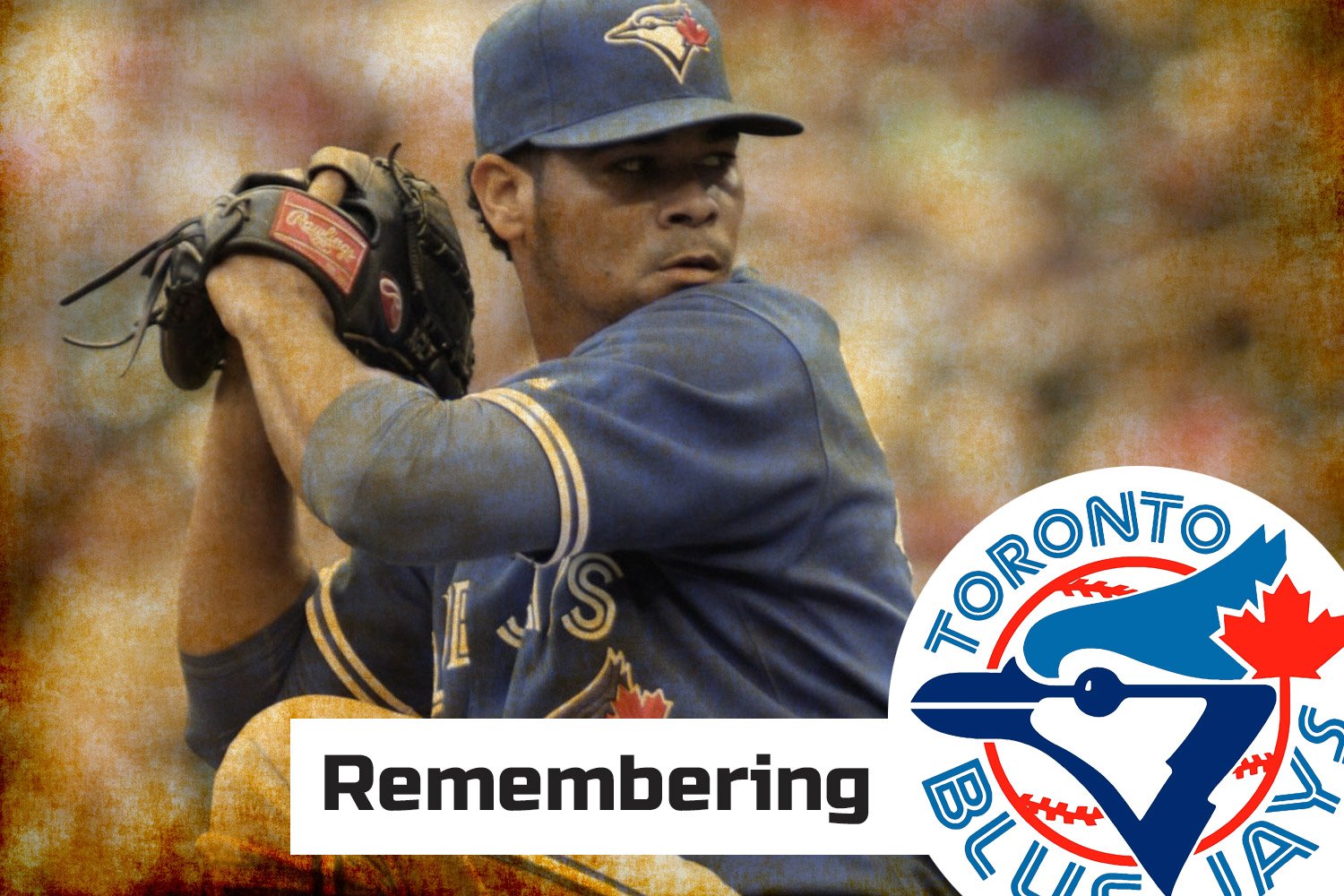 The chain of events stemming from the fallout in Boston led to Esmil Rogers being thrust into the Blue Jays' rotation two years later. While Rogers moved from Colorado to Cleveland during the 2012 season, the Red Sox moved on from the KFC-and-Halo scandal to an even lower low under new manager Bobby Valentine. Boston finished at the bottom of the AL East at 69-93, and when it came time to name yet another manager, the Red Sox weren’t going to take no for an answer from the Blue Jays this time. Not that John Farrell hadn’t been flirting with the Red Sox while he was Toronto's manager. He would likely have gotten the job over Valentine in 2012, but Alex Anthopoulos had told Farrell he wasn’t letting him go anywhere after managing the Jays for only one season. Valentine was fired a day after the season ended, and Farrell would again express interest in the once more open Red Sox job. After two years of dealing with a manager who longed to be elsewhere, Anthopoulos allowed Farrell and the Red Sox to consummate. I hope this man was interviewed with the Red Sox for the open managerial position. With Farrell under contract, the Blue Jays and Red Sox would complete the transfer with a rare manager-for-player trade. The Jays acquired light-hitting infielder Mike Aviles from Boston, and early speculation had Aviles in the mix for playing time at second base. However, a few weeks later, Anthopoulos flipped Aviles with catcher Yan Gomes to Cleveland for Esmil Rogers. After his career survived Colorado, Rogers impressed in Cleveland, striking out nearly every fourth batter he faced in 53 innings. A converted infielder, Rogers possessed a mid-to-high 90s fastball and a nasty slider with command issues. But what Esmil Rogers was or who started at second base was all forgotten 16 days later when Anthopoulos executed the Buehrle/Reyes trade with the Marlins. So when a so-so Rogers was shoved into the struggling Blue Jays' rotation two months into the 2014 season, spirits could have been in a better place. Rogers had struggled in the bullpen in the early going but was coming off back-to-back clean three-inning relief appearances. Toronto sat at the bottom of the AL East at 22-30 when Rogers was called on to make a spot start on May 29 in Atlanta. Rogers was solid against the Braves and was again scheduled to start for the shorthanded Jays on June 6 in Chicago. The game would be rained out, but with the opportunity to skip his turn, John Gibbons elected to start Rogers the following day at home against Texas. The move to keep Rogers in the rotation proved to be a good one as Rogers threw four solid innings against the Rangers on a pitch count while striking out six. Six days later, Rogers again stymied the Rangers, this time in Arlington. He went toe-to-toe with Yu Darvish and pitched seven innings, leaving the game with the score tied. Edwin Encarnacion hit a two-run double in the following inning to secure Toronto’s 3-1 win. Then, against his former team in his next outing, Rogers took a no-hitter into the sixth inning, an 8-3 win over Colorado. He received a standing ovation from the crowd at Rogers Centre when Gibby took him out with two outs in the seventh inning. I know the quality of players we've profiled so far has varied, but that's as good of a stretch as anyone yet. Also, keep in mind that my memory of Reed Johnson will sound a lot like a fellow Mac’s letter to Chase Utley. Rogers had surrendered only four runs in 21 innings as a starter, dropping his ERA on the season to 3.14. Save for a lousy start against Detroit; Rogers was starting every fifth day and giving the Blue Jays a chance to win on his turn through July. He exceeded his expectations when he first arrived, but Rogers struggled as the season wore on. He lost three consecutive starts beginning on July 29 and was eventually removed from the rotation for Todd Redmond. When Josh Johnson felt forearm discomfort the next day (the final injury in his embattled career), Rogers was put back in the rotation and took advantage of the second chance. Rogers was impressive in back-to-back road starts against Arizona and Minnesota, his finest performances of the year. He threw 7 2/3 scoreless innings against the Twins, and Rogers allowed only four base hits across the two starts. Following Toronto's disappointing 2013 season, Rogers’ late season showing had put him back in the conversation for the final spot in the Blue Jays' rotation as he arrived for spring training. As March went on, J.A. Happ and Ricky Romero pitched themselves out of the picture, and Marcus Stroman wasn’t quite ready to debut. However, Rogers was inconsistent himself and was relegated to the bullpen. Dustin McGowan won the fifth starter job after spending three years out of the rotation battling back from an injury. Rogers pitched in 16 games for Toronto, all out of the bullpen, with the final appearance coming on May 21 in Boston. Rogers came on in the eighth inning with the Jays leading 6-1. He surrendered a lead-off single and back-to-back doubles to the third and fourth batters he faced, the final one his last as a Blue Jay. The three earned runs charged to Rogers was the fifth time he had given up multiple runs all season. Toronto hung on to win the game but would continue without Rogers, who was designated for assignment afterward. Also, Rogers was DFA’d again by the Jays that season. He was called up for five days in July, watched the games from the bullpen, and was sent back on his way. Rogers' trip to Buffalo was interrupted this time by the New York Yankees, who claimed the pitcher off waivers. He picked up a win in his final major league start with New York and did enough for the Yankees to bring him back the following year. Still, after getting off to a rough start again (6.27 ERA in 18 relief appearances), Rogers' career in the big leagues was over. Rogers signed with Washington a few years later but couldn’t work past Triple-A. He later pitched in the KBO, and Rogers is still dealing. He is starting games for teams in the Mexican and Dominican Winter Leagues, and while major league pitchers are ramping up in spring training, Rogers has already won some big games in 2025. Rogers was named MVP of the Caribbean World Series after he pitched six innings of one-hit ball for the Leones del Escogido of the Dominican Republic. He captured the championship with a 1-0 win over host Charros de Jalisco of Mexico. Rogers wasn't even supposed to start the championship game. Still, scheduled starter Johnny Cueto couldn't go due to illness, forcing Leones manager Albert Pujols to pivot to Rogers, who allowed only one run in his other start. The velocity is down in the mid-to-high 80s but Rogers, who will turn 40 in August, was still dealing in the finals against Charros. When the Jays reunited with Jeff Hoffman in free agency this offseason, some recalled the time when Toronto ownership tried using the yet-to-debut Hoffman as a trade piece for Baltimore to allow Dan Duquette to leave the Orioles to become Blue Jays CEO a decade ago (wait, what?) That debacle was avoided; today, we remember Esmil Rogers, the player that the Jays ended up with the last time they completed a transaction with non-player personnel.
 -
What are your thoughts on Andrew Stoeten and The Batflip?
Mac replied to Brock Beauchamp's topic in Toronto Blue Jays Talk
I remember reading DJF near-daily and while I haven't kept up with his work as much since (especially post-Athletic), I have always counted myself as a fan of Stoeten and read/follow when I can. FWIW, I had reached out to Stoeten over a decade ago for a project I was working on at the time and he was nothing but friendly and courteous to me with his time. -
Dana Eveland was centre-stage as one Toronto sports icon bore witness to the birth of another. Over the last thirty years, Mats Sundin and Josh Donaldson have become franchise legends with Toronto sports teams. A year after his comeback with the Canucks, the former Maple Leafs captain was back in Toronto, this time to watch the Blue Jays from a private suite. Below, Donaldson readied for his first major league start, batting eighth and catching for the visiting Oakland Athletics. Toronto starter Dana Eveland struck Donaldson out looking on four pitches in the second, but in the fourth, Donaldson got his revenge on the first pitch thrown in the at-bat. He hit his first of many into the left field stands at Rogers Centre for his first career major league hit in an eventual Oakland win. The rest was history. Donaldson took a few years to find his footing and then to find his way to Toronto. For Eveland, his nine-start career as a Jay was almost over. All of this took place in front of an attendance of 13,951, with the roof closed on the first of May. I’d be curious if Sundin were in his seat for the home run. Or when Fred Lewis lost his hit ball in the outfield wall lights trying to stretch a triple. (photo credit: Associated Press) Eveland’s first three major league seasons were spent chewing innings with Milwaukee and Arizona before he was sent to Oakland in the Dan Haren trade. While he did not have the pedigree that fellow Oakland newcomers Carlos Gonzalez or Brett Anderson did, Eveland pitched well in spring training and was named the A’s fifth starter. He was reliable for Oakland in the 2008 season, finishing with a 9-9 record and a 4.34 ERA over 168 innings. While far from dominant, Eveland’s 29 starts were the second most on an Oakland team that used 13 different starters that season. He was expected to continue performing in the back half of the A’s rotation in 2009, but the season got off to a bad start. He was hit around in each of his first five starts, and by May, he had found himself sent to the minors. Oakland called him back up in September, but freshly out of minor league options, Eveland would find himself on the move in the offseason. After signing former Blue Jay Gabe Gross and claiming future Blue Jay/profile subject Steve Tolleson off waivers, Oakland made room on their roster by removing Eveland, trading him to Toronto for future cash considerations (or six Dairy Queen coupons). The Jays hoped that Eveland could bounce back to his 2008 form, which would slot in nicely in the back of their rotation. Outside of wishing that, the outlook was not good: Advanced Pitching Table Season Age Team IP BA OBP SLG OPS BAbip K% BB% GB/FB WPA RE24 2005 21 MIL 31.2 .317 .404 .468 .872 .373 15.8 12.3 1.08 0.2 -4.83 2006 22 MIL 27.2 .331 .429 .500 .929 .422 22.7 11.3 0.83 -1.8 -11.01 2007 23 ARI 5.0 .364 .464 .500 .964 .400 10.7 17.9 1.22 -0.2 -4.67 2008 24 OAK 168.0 .269 .356 .380 .735 .313 16.0 10.4 0.96 0.6 3.46 2009 25 OAK 44.0 .365 .436 .490 .926 .393 10.0 11.8 1.50 -2.0 -18.25 Provided by Baseball-Reference.com: View Original Table Generated 2/28/2025. Much as he was two years prior, Eveland was dominant in spring. He started to emerge halfway through the Grapefruit League schedule with a three inning scoreless appearance, followed by a four inning save against the Orioles. Coming off those outings, Eveland was given his first start of the spring on March 24 against the Rays. He gave up four runs off seven hits in four innings of work but it did not seem to hinder Eveland’s progress towards making the roster. Defensive miscues led to two runs scoring and Eveland was happy with how he threw. As spring wound to an end, Eveland was in competition with Brett Cecil for the final spot in Toronto’s rotation. Both pitchers were tremendous in their final spring appearances. Eveland struck out eight Tigers over six innings of work and then two days later, Cecil allowed only two runs over six innings against the Philadelphia Phillies, fresh off a World Series appearance. Alex Anthopoulos admitted Cecil pitched good enough to make the team but the Opening Day roster tiebreaker of who-has-options-left was in full effect; Cecil would start the year in Triple-A Las Vegas while Eveland was named the fifth starter. The Phillies had all their big guns in the lineup against Cecil, who was surprisingly spotted an early lead when the Blue Jays got four runs off Doc in the first inning. (photo credit: AP/Matt Slocum) Not that Eveland hadn’t made the team on his own merit and he kept everyone's hopes high following his first start of the regular season. Eveland was all over the strike zone, pitching into the eighth inning in Toronto’s 2-0 win at Camden Yards in Baltimore. His battery mate Jose Molina had two RBI but Molina’s biggest influence was behind the plate. Eveland threw a steady, off-script diet of changeups at the calling of Molina, who noticed the pitch was dialed in during warm-up. To his credit, Eveland said he only once shook off Molina, a legend in his own right. Following two more solid starts, Eveland’s short stint with the Blue Jays hit its first deep descent in a wild game on April 26 against Boston. Eveland and the Jays walked off the field in the third to boos from the scant 13,847 at Rogers Centre after the Red Sox grabbed a 5-0 lead with a four run inning. Toronto responded in the bottom half, capped off by a José Bautista three run shot into the second deck in left to put the Jays on top 6-5. For his part, Eveland didn’t last much longer. He let the first two batters reach in the fourth before Cito removed him from the game. Both runs would score, adding to Eveland’s miserable night, an eventual 13-12 Boston win. More importantly, friend of the show Scott Schoeneweis was the winner in what turned out to be his final major league victory. Schoeneweis pitched twice more before Boston released him. Eveland rebounded by pitching into the seventh in the Donaldson-aided loss to Oakland and in his next start, Eveland gave the Jays what would be one last glimpse of what he was capable of contributing. He held the White Sox to two hits over seven innings on 90 pitches and while Toronto shut out Chicago 2-0, it wasn’t an overly spectacular outing for the Jays starter. He walked a season-high four batters and threw only 58% of his pitches for strikes. The command issues continued to plague Eveland. He walked four in both of his next starts against Boston and Minnesota; losses in which he was unable to pitch in past the fifth. His final start as a Blue Jay came on May 22 in Arizona when the Diamondbacks bruised him for eight runs on eight hits. His four out performance was the shortest start of his career and he was designated for assignment right after the game. Despite being interested in remaining in the organization, Eveland was traded, ending his time with the Blue Jays. I was going to rag on Sportsnet for this headline but those Pirates’ teams were bad enough that I don't detect a lie here. Toronto was just a pitstop for Eveland in a career which seen him play for ten different teams across 11 big league seasons. It was a career whose longevity is a credit to roster-making performances in March. While baseball fans may just be starting to stir with spring training games underway, for the players on the field, Eveland’s career is a reminder that these games can matter most of all. View full article
-
 Over the last thirty years, Mats Sundin and Josh Donaldson have become franchise legends with Toronto sports teams. A year after his comeback with the Canucks, the former Maple Leafs captain was back in Toronto, this time to watch the Blue Jays from a private suite. Below, Donaldson readied for his first major league start, batting eighth and catching for the visiting Oakland Athletics. Toronto starter Dana Eveland struck Donaldson out looking on four pitches in the second, but in the fourth, Donaldson got his revenge on the first pitch thrown in the at-bat. He hit his first of many into the left field stands at Rogers Centre for his first career major league hit in an eventual Oakland win. The rest was history. Donaldson took a few years to find his footing and then to find his way to Toronto. For Eveland, his nine-start career as a Jay was almost over. All of this took place in front of an attendance of 13,951, with the roof closed on the first of May. I’d be curious if Sundin were in his seat for the home run. Or when Fred Lewis lost his hit ball in the outfield wall lights trying to stretch a triple. (photo credit: Associated Press) Eveland’s first three major league seasons were spent chewing innings with Milwaukee and Arizona before he was sent to Oakland in the Dan Haren trade. While he did not have the pedigree that fellow Oakland newcomers Carlos Gonzalez or Brett Anderson did, Eveland pitched well in spring training and was named the A’s fifth starter. He was reliable for Oakland in the 2008 season, finishing with a 9-9 record and a 4.34 ERA over 168 innings. While far from dominant, Eveland’s 29 starts were the second most on an Oakland team that used 13 different starters that season. He was expected to continue performing in the back half of the A’s rotation in 2009, but the season got off to a bad start. He was hit around in each of his first five starts, and by May, he had found himself sent to the minors. Oakland called him back up in September, but freshly out of minor league options, Eveland would find himself on the move in the offseason. After signing former Blue Jay Gabe Gross and claiming future Blue Jay/profile subject Steve Tolleson off waivers, Oakland made room on their roster by removing Eveland, trading him to Toronto for future cash considerations (or six Dairy Queen coupons). The Jays hoped that Eveland could bounce back to his 2008 form, which would slot in nicely in the back of their rotation. Outside of wishing that, the outlook was not good: Advanced Pitching Table Season Age Team IP BA OBP SLG OPS BAbip K% BB% GB/FB WPA RE24 2005 21 MIL 31.2 .317 .404 .468 .872 .373 15.8 12.3 1.08 0.2 -4.83 2006 22 MIL 27.2 .331 .429 .500 .929 .422 22.7 11.3 0.83 -1.8 -11.01 2007 23 ARI 5.0 .364 .464 .500 .964 .400 10.7 17.9 1.22 -0.2 -4.67 2008 24 OAK 168.0 .269 .356 .380 .735 .313 16.0 10.4 0.96 0.6 3.46 2009 25 OAK 44.0 .365 .436 .490 .926 .393 10.0 11.8 1.50 -2.0 -18.25 Provided by Baseball-Reference.com: View Original Table Generated 2/28/2025. Much as he was two years prior, Eveland was dominant in spring. He started to emerge halfway through the Grapefruit League schedule with a three inning scoreless appearance, followed by a four inning save against the Orioles. Coming off those outings, Eveland was given his first start of the spring on March 24 against the Rays. He gave up four runs off seven hits in four innings of work but it did not seem to hinder Eveland’s progress towards making the roster. Defensive miscues led to two runs scoring and Eveland was happy with how he threw. As spring wound to an end, Eveland was in competition with Brett Cecil for the final spot in Toronto’s rotation. Both pitchers were tremendous in their final spring appearances. Eveland struck out eight Tigers over six innings of work and then two days later, Cecil allowed only two runs over six innings against the Philadelphia Phillies, fresh off a World Series appearance. Alex Anthopoulos admitted Cecil pitched good enough to make the team but the Opening Day roster tiebreaker of who-has-options-left was in full effect; Cecil would start the year in Triple-A Las Vegas while Eveland was named the fifth starter. The Phillies had all their big guns in the lineup against Cecil, who was surprisingly spotted an early lead when the Blue Jays got four runs off Doc in the first inning. (photo credit: AP/Matt Slocum) Not that Eveland hadn’t made the team on his own merit and he kept everyone's hopes high following his first start of the regular season. Eveland was all over the strike zone, pitching into the eighth inning in Toronto’s 2-0 win at Camden Yards in Baltimore. His battery mate Jose Molina had two RBI but Molina’s biggest influence was behind the plate. Eveland threw a steady, off-script diet of changeups at the calling of Molina, who noticed the pitch was dialed in during warm-up. To his credit, Eveland said he only once shook off Molina, a legend in his own right. Following two more solid starts, Eveland’s short stint with the Blue Jays hit its first deep descent in a wild game on April 26 against Boston. Eveland and the Jays walked off the field in the third to boos from the scant 13,847 at Rogers Centre after the Red Sox grabbed a 5-0 lead with a four run inning. Toronto responded in the bottom half, capped off by a José Bautista three run shot into the second deck in left to put the Jays on top 6-5. For his part, Eveland didn’t last much longer. He let the first two batters reach in the fourth before Cito removed him from the game. Both runs would score, adding to Eveland’s miserable night, an eventual 13-12 Boston win. More importantly, friend of the show Scott Schoeneweis was the winner in what turned out to be his final major league victory. Schoeneweis pitched twice more before Boston released him. Eveland rebounded by pitching into the seventh in the Donaldson-aided loss to Oakland and in his next start, Eveland gave the Jays what would be one last glimpse of what he was capable of contributing. He held the White Sox to two hits over seven innings on 90 pitches and while Toronto shut out Chicago 2-0, it wasn’t an overly spectacular outing for the Jays starter. He walked a season-high four batters and threw only 58% of his pitches for strikes. The command issues continued to plague Eveland. He walked four in both of his next starts against Boston and Minnesota; losses in which he was unable to pitch in past the fifth. His final start as a Blue Jay came on May 22 in Arizona when the Diamondbacks bruised him for eight runs on eight hits. His four out performance was the shortest start of his career and he was designated for assignment right after the game. Despite being interested in remaining in the organization, Eveland was traded, ending his time with the Blue Jays. I was going to rag on Sportsnet for this headline but those Pirates’ teams were bad enough that I don't detect a lie here. Toronto was just a pitstop for Eveland in a career which seen him play for ten different teams across 11 big league seasons. It was a career whose longevity is a credit to roster-making performances in March. While baseball fans may just be starting to stir with spring training games underway, for the players on the field, Eveland’s career is a reminder that these games can matter most of all.
 -
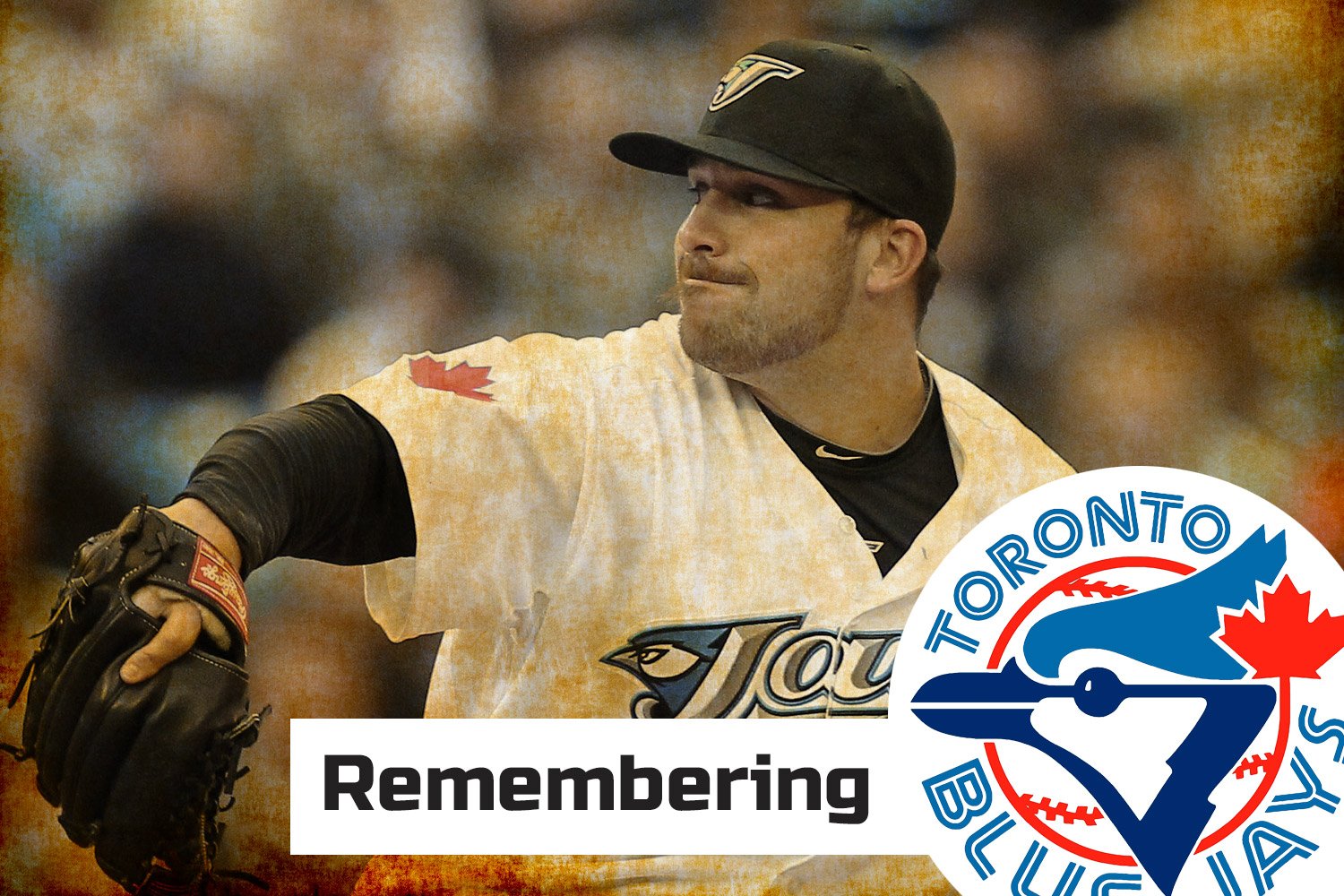
It was the second game of the 2005 season. Blue Jays reliever Scott Schoeneweis was sitting in the Toronto bullpen down the left-field line in Tampa. “Schoeneweis, you’re a bum!” someone in the crowd behind him yelled. Scott Schoeneweis turned around to the unsurprisingly sparse crowd at Tropicana Field and saw a recognizable face in a Devil Rays jersey yelling at him. It was his ex-teammate Billy Koch, who had been cut by the Jays just weeks earlier in a failed comeback attempt. The good-natured ribbing from Koch aside, Scott Schoeneweis was not a bum. He pitched on Opening Day and would also pitch that night. And the following afternoon. In all, Schoeneweis pitched 80 games in that season, a feat reached by only five pitchers in Blue Jays history. Schoeneweis broke into the majors with the Angels in 1999 and spent the next two years in the back end of their rotation. Schoeneweis threw a complete game, three-hitter against the Blue Jays in his second career start. In 2002, he won a World Series ring when the Angels beat the Giants and was dealt to the White Sox the following season. During his final arbitration seasons, he pitched in both the rotation and bullpen and established a reputation as being tough on left-handed hitters (.222 average in the previous three years). The Blue Jays showed immediate interest in the lefty once Schoeneweis became a free agent. Schoeneweis himself said that Toronto “kept pursuing me and showing more and more interest," and what became a two-year, $5.2 million free agent deal “was something I didn't want to turn down.” In the same off-season future, Kyle Farnsworth assault victim Paul Wilson got a two-year, $4 million deal with the Reds. Those numbers came with expectations; in Toronto’s case, it would amount to quite the workload. It’s unfair to a decent workhorse like Paul Wilson that this is what I remember, but how can you not? Things didn’t start well for Schoeneweis in the Toronto bullpen. His 7.71 ERA popped off the page at the end of April but didn’t reflect the situation entirely. As Dave Till of Batter’s Box said at the time, he was being worked like a “rented mule”; John Gibbons had used him to pitch back-to-back games six times in the month. It’s easy to imagine this was an adjustment period for Schoeneweis, who started 19 games for the White Sox the previous season. While a bullpen role had been expected, he was used very differently for the first time in his career. Schoeneweis pitched at least an inning in only three of his 12 appearances in April, and he threw only nine innings in 12 appearances in a slightly improved May. Schoeneweis’ usage patterns were strange early on. He struck out all three White Sox batters he faced on May 7, and Gibbons did not use him for three days. When he finally re-emerged from the bullpen against the Royals, he gave up home runs to Matt Stairs and Emil Brown and was taken out of the game before facing a third hitter. Schoeneweis then pitched in six straight scoreless appearances before another three-day hiatus. His return from the latest layoff yielded a four-run, no-outs-recorded appearance in Seattle, a game that was incredulously saved by Miguel Batista. Second billing to Josh Towers?? Yikes. Courtesy of the Toronto Star (Sep 02, 2005 ·Page 28) Starting in June, Schoeneweis found his groove in the Blue Jays bullpen. Gibbons trusted him enough to have him replace the unreliable Batista in the ninth inning against Boston on July 3, where he recorded his only save of the season by retiring Johnny Damon with the bases loaded to preserve a 5-2 win. Schoeneweis had become a super dependable option out of the Jays bullpen for Gibbons to turn to. He gave up runs in only four of his next 28 appearances in June and July. Here are Schoeneweis’ monthly splits courtesy of the invaluable BaseballReference: Months -- Game-Level Month W L ERA G GS GF IP H ER BB SO WHIP BA OBP SLG OPS Mar/Apr 0 1 9.00 12 0 1 7.0 12 7 7 6 2.714 .353 .463 .441 .905 May 1 0 6.00 12 0 5 9.0 7 6 3 8 1.111 .206 .290 .441 .731 June 1 1 2.45 11 0 1 7.1 3 2 5 6 1.091 .125 .276 .125 .401 July 0 0 2.92 17 0 2 12.1 12 4 4 13 1.297 .250 .308 .292 .599 August 0 1 1.86 12 0 2 9.2 10 2 5 7 1.552 .263 .349 .290 .638 Sept/Oct 1 1 0.77 16 0 4 11.2 10 1 1 3 0.943 .238 .304 .262 .566 Provided by Baseball-Reference.com: View Original Table Generated 2/22/2025. Schoeneweis was also as tough as advertised against left-handed hitters, allowing opponents to hit just .188/.260/.241. He did struggle against righties (.306/.405/.389) but it didn’t seem to matter to Gibbons; Schoeneweis was deployed equally against hitters from both sides of the plate. His 80 appearances was offset by a total of 57 innings thrown all season and it wasn’t like Schoeneweis excelled in back-to-back situations: Days of Rest -- Game-Level Days of Rest W L ERA G GS GF IP H ER BB SO WHIP BA OBP SLG OPS 0 Days 2 1 4.86 26 0 5 16.2 17 9 8 9 1.500 .262 .351 .339 .690 1 Day 1 2 2.18 25 0 5 20.2 19 5 9 16 1.355 .241 .326 .266 .592 2 Days 0 0 0.00 14 0 4 9.2 7 0 2 11 0.931 .200 .263 .200 .463 3 Days 0 1 9.00 12 0 1 8.0 10 8 4 4 1.750 .294 .385 .529 .914 4 Days 0 0 0.00 1 0 0 0.2 1 0 1 2 3.000 .333 .500 .333 .833 5 Days 0 0 0.00 1 0 0 0.2 0 0 1 0 1.500 .000 .333 .000 .333 6+ Days 0 0 0.00 1 0 0 0.2 0 0 0 1 0.000 .000 .000 .000 .000 Provided by Baseball-Reference.com: View Original Table Generated 2/22/2025. Schoeneweis struggled with consistency in 2006. He held 18 leads for Toronto out of the bullpen but also surrendered multiple runs in nine of his 55 appearances that season. Schoeneweis hurt his knee shagging fly balls before a game in July, scoffed at being placed on the injured list, and then struggled while pitching at less than 100%. He gave up three runs without recording an out on August 8 against the Orioles and said after he was “feeling the worst of anyone in this clubhouse.” That finished a stretch where Schoeneweis surrendered 15 earned runs in 18 2/3 innings. He would pitch three more times for Toronto before being shipped to Cincinnati in a post-deadline trade, leading J.P. Riccardi to be quoted as saying one of... well just see: “At this point Schoeneweis was more of a luxury than a need.” Is this somehow the genesis of J.P.'s hilarious feud with Adam Dunn? You have to give Riccardi credit for giving Schoeneweis a good word on the way out. The trade came as a surprise to Schoeneweis, who thought he was simply going to be released for his performance as of late. “I just feel so bad about everything,” he told Geoff Baker of the Toronto Star before departing for the Reds. Not sad to see him go was Damon, who said in the offseason that Schoeneweis was the best left-handed pitcher he faced inside the division. He was certainly good enough in games against Damon’s former team that Red Sox fans remembered Schoeneweis from his time in Toronto years later. With 135 appearances across less than two seasons with the team, today we remember a bullpen warrior in Scott Schoeneweis. View full article
- 3 replies
-
- 1
-
-
- scott schoeneweis
- remembering blue jays
- (and 1 more)
-
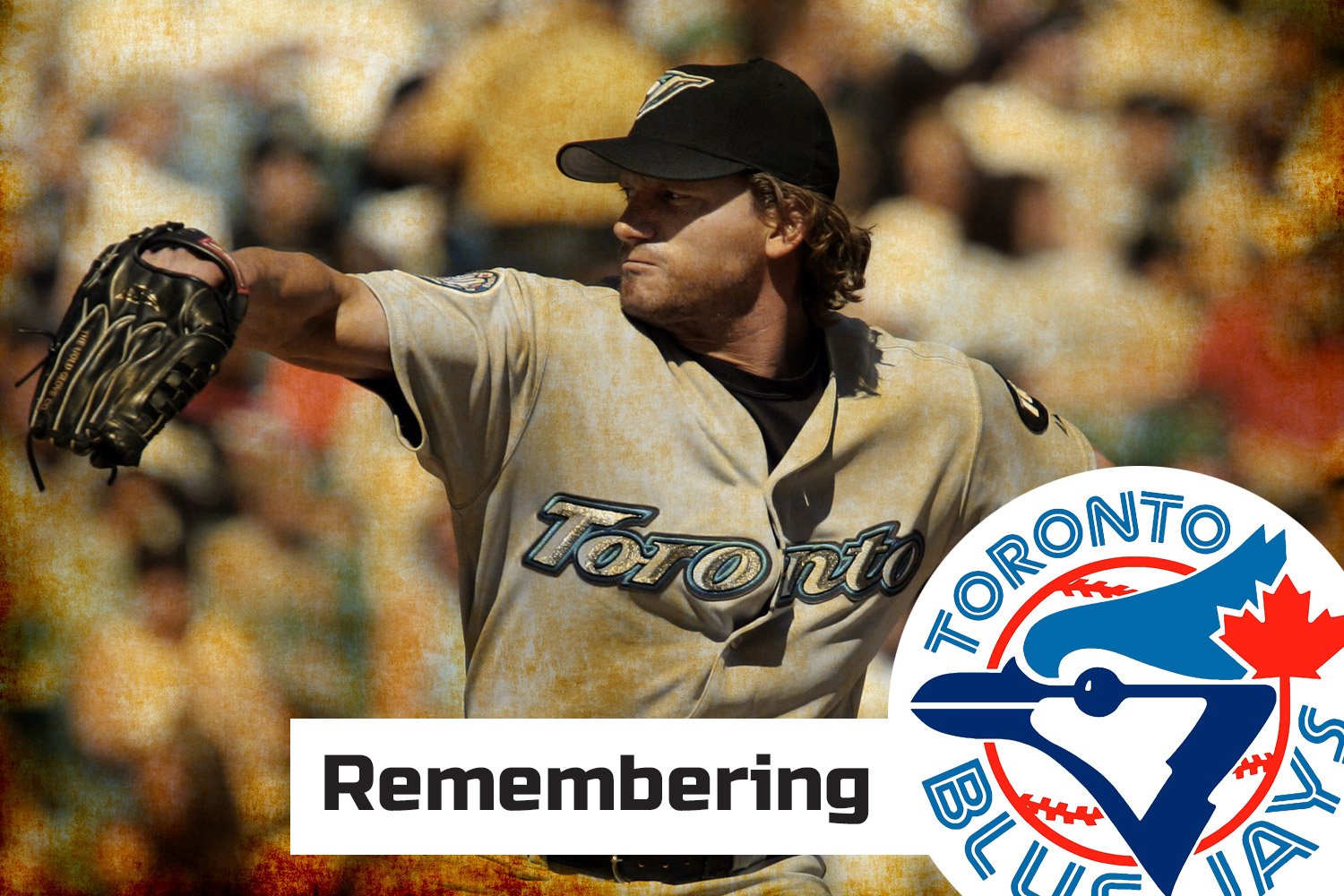 Scott Schoeneweis turned around to the unsurprisingly sparse crowd at Tropicana Field and saw a recognizable face in a Devil Rays jersey yelling at him. It was his ex-teammate Billy Koch, who had been cut by the Jays just weeks earlier in a failed comeback attempt. The good-natured ribbing from Koch aside, Scott Schoeneweis was not a bum. He pitched on Opening Day and would also pitch that night. And the following afternoon. In all, Schoeneweis pitched 80 games in that season, a feat reached by only five pitchers in Blue Jays history. Schoeneweis broke into the majors with the Angels in 1999 and spent the next two years in the back end of their rotation. Schoeneweis threw a complete game, three-hitter against the Blue Jays in his second career start. In 2002, he won a World Series ring when the Angels beat the Giants and was dealt to the White Sox the following season. During his final arbitration seasons, he pitched in both the rotation and bullpen and established a reputation as being tough on left-handed hitters (.222 average in the previous three years). The Blue Jays showed immediate interest in the lefty once Schoeneweis became a free agent. Schoeneweis himself said that Toronto “kept pursuing me and showing more and more interest," and what became a two-year, $5.2 million free agent deal “was something I didn't want to turn down.” In the same off-season future, Kyle Farnsworth assault victim Paul Wilson got a two-year, $4 million deal with the Reds. Those numbers came with expectations; in Toronto’s case, it would amount to quite the workload. It’s unfair to a decent workhorse like Paul Wilson that this is what I remember, but how can you not? Things didn’t start well for Schoeneweis in the Toronto bullpen. His 7.71 ERA popped off the page at the end of April but didn’t reflect the situation entirely. As Dave Till of Batter’s Box said at the time, he was being worked like a “rented mule”; John Gibbons had used him to pitch back-to-back games six times in the month. It’s easy to imagine this was an adjustment period for Schoeneweis, who started 19 games for the White Sox the previous season. While a bullpen role had been expected, he was used very differently for the first time in his career. Schoeneweis pitched at least an inning in only three of his 12 appearances in April, and he threw only nine innings in 12 appearances in a slightly improved May. Schoeneweis’ usage patterns were strange early on. He struck out all three White Sox batters he faced on May 7, and Gibbons did not use him for three days. When he finally re-emerged from the bullpen against the Royals, he gave up home runs to Matt Stairs and Emil Brown and was taken out of the game before facing a third hitter. Schoeneweis then pitched in six straight scoreless appearances before another three-day hiatus. His return from the latest layoff yielded a four-run, no-outs-recorded appearance in Seattle, a game that was incredulously saved by Miguel Batista. Second billing to Josh Towers?? Yikes. Courtesy of the Toronto Star (Sep 02, 2005 ·Page 28) Starting in June, Schoeneweis found his groove in the Blue Jays bullpen. Gibbons trusted him enough to have him replace the unreliable Batista in the ninth inning against Boston on July 3, where he recorded his only save of the season by retiring Johnny Damon with the bases loaded to preserve a 5-2 win. Schoeneweis had become a super dependable option out of the Jays bullpen for Gibbons to turn to. He gave up runs in only four of his next 28 appearances in June and July. Here are Schoeneweis’ monthly splits courtesy of the invaluable BaseballReference: Months -- Game-Level Month W L ERA G GS GF IP H ER BB SO WHIP BA OBP SLG OPS Mar/Apr 0 1 9.00 12 0 1 7.0 12 7 7 6 2.714 .353 .463 .441 .905 May 1 0 6.00 12 0 5 9.0 7 6 3 8 1.111 .206 .290 .441 .731 June 1 1 2.45 11 0 1 7.1 3 2 5 6 1.091 .125 .276 .125 .401 July 0 0 2.92 17 0 2 12.1 12 4 4 13 1.297 .250 .308 .292 .599 August 0 1 1.86 12 0 2 9.2 10 2 5 7 1.552 .263 .349 .290 .638 Sept/Oct 1 1 0.77 16 0 4 11.2 10 1 1 3 0.943 .238 .304 .262 .566 Provided by Baseball-Reference.com: View Original Table Generated 2/22/2025. Schoeneweis was also as tough as advertised against left-handed hitters, allowing opponents to hit just .188/.260/.241. He did struggle against righties (.306/.405/.389) but it didn’t seem to matter to Gibbons; Schoeneweis was deployed equally against hitters from both sides of the plate. His 80 appearances was offset by a total of 57 innings thrown all season and it wasn’t like Schoeneweis excelled in back-to-back situations: Days of Rest -- Game-Level Days of Rest W L ERA G GS GF IP H ER BB SO WHIP BA OBP SLG OPS 0 Days 2 1 4.86 26 0 5 16.2 17 9 8 9 1.500 .262 .351 .339 .690 1 Day 1 2 2.18 25 0 5 20.2 19 5 9 16 1.355 .241 .326 .266 .592 2 Days 0 0 0.00 14 0 4 9.2 7 0 2 11 0.931 .200 .263 .200 .463 3 Days 0 1 9.00 12 0 1 8.0 10 8 4 4 1.750 .294 .385 .529 .914 4 Days 0 0 0.00 1 0 0 0.2 1 0 1 2 3.000 .333 .500 .333 .833 5 Days 0 0 0.00 1 0 0 0.2 0 0 1 0 1.500 .000 .333 .000 .333 6+ Days 0 0 0.00 1 0 0 0.2 0 0 0 1 0.000 .000 .000 .000 .000 Provided by Baseball-Reference.com: View Original Table Generated 2/22/2025. Schoeneweis struggled with consistency in 2006. He held 18 leads for Toronto out of the bullpen but also surrendered multiple runs in nine of his 55 appearances that season. Schoeneweis hurt his knee shagging fly balls before a game in July, scoffed at being placed on the injured list, and then struggled while pitching at less than 100%. He gave up three runs without recording an out on August 8 against the Orioles and said after he was “feeling the worst of anyone in this clubhouse.” That finished a stretch where Schoeneweis surrendered 15 earned runs in 18 2/3 innings. He would pitch three more times for Toronto before being shipped to Cincinnati in a post-deadline trade, leading J.P. Riccardi to be quoted as saying one of... well just see: “At this point Schoeneweis was more of a luxury than a need.” Is this somehow the genesis of J.P.'s hilarious feud with Adam Dunn? You have to give Riccardi credit for giving Schoeneweis a good word on the way out. The trade came as a surprise to Schoeneweis, who thought he was simply going to be released for his performance as of late. “I just feel so bad about everything,” he told Geoff Baker of the Toronto Star before departing for the Reds. Not sad to see him go was Damon, who said in the offseason that Schoeneweis was the best left-handed pitcher he faced inside the division. He was certainly good enough in games against Damon’s former team that Red Sox fans remembered Schoeneweis from his time in Toronto years later. With 135 appearances across less than two seasons with the team, today we remember a bullpen warrior in Scott Schoeneweis.
- 3 comments
-
- 2
-
-
- scott schoeneweis
- remembering blue jays
- (and 1 more)
-
Article: Dave Collins And A Precarious Franchise Record
Mac replied to Mack Longpre's topic in Jays Centre Front Page News
I'll admit I did not know who held the SB record for the Jays and I wasn't coming up with Dave Collins as an answer before now. Great read! -
The worst part for me was how inevitable today's news was. I hoped but really had no confidence in this front office to get anything done. The first thing they did to upset me is when they rushed out to sign Kendrys Morales a month after Edwin walked off the Wild Card game. These two don't know how to value their own players. The cost to this franchise if Vlad walks over to Boston will be incalculable.
-
That is amazing Vladdywagon, I tried finding video of this game but your story makes it way better; thanks for sharing!
-
Thanks for reading and commenting Jonn, sorry for the not-so-pleasant trip down memory lane. Any Berg memory in specific that stands out for you?
-
Dave Berg's best years didn't come in Toronto, but he did have plenty of highlights with the Blue Jays. The best skill of many utility players is their utility. In the early-aughts, light-hitting players who were defensively feasible around the diamond could be found across the majors. With those attributes, a player would normally be hard-pressed to make a team, but the utility player of the day came with much more. Listen to how J.P. Ricciardi waxed on about Dave Berg after signing him to play for the Toronto Blue Jays in the upcoming 2002 season: "He's an intense guy, plays hard, plays the game the right way...can help the young guys understand the game a little better." Forget the nearly -2.0 WAR achieved during his three seasons in Toronto. Bergie was a professional, and that made him, according to Ricciardi, a “true utility guy.” To Berg’s credit, he had enough moments throughout it all to perpetuate the shine of that role. Berg played college baseball at the University of Miami and was the second Hurricane ever selected by the expansion Florida Marlins. Berg progressed through the Florida system as a shortstop, and when the Marlins tore down their 1997 World Series-winning team, he was a part of the ensuing season’s 54-108 mess as a backup infielder. The ‘98 Marlins also unfurled The Manalyist upon the baseball world as an everyday player. Berg proved his worth as a major leaguer in the sea of losses during his rookie year. He played 81 games at three positions in the infield and slashed .313/.393/.407. He parlayed his performance into a bigger role in 1999, which seen him play sparsely in the outfield. Heading a meekly-improved Marlins’ bench, Berg was equally productive with a .286/.348/.382 line and a to-be career-high 11 home runs in 336 plate appearances. Remaining the primary backup infielder, Berg regressed the following two seasons in Miami. With playing time limited behind the starting trifecta of Luis Castillo, Alex Gonzalez, and Mike Lowell, Berg managed a weakened .247/.317/.353 slash across 2000 and 2001. After the departure of Mr. Cycle Jeff Frye, the Blue Jays were in the market for an infielder when the Marlins declined to bring Berg back. More importantly, Ricciardi needed someone to show those doggone young ‘uns how to play the game properly. Berg had only signed a minor-league contract but his inclusion on the Blue Jays was quickly confirmed. He hit five doubles in his first 10 spring training at-bats, causing Ricciardi to barf out more platitudes: “He's a dirtbag, he gets dirty, he grinds out at-bats.” That’s the quote. Berg would hit well all spring and solidified his spot as a Blue Jay for the start of the season. Eric Hinske never came close to replicating his rookie season and would later turn into an offensive void while playing several different positions. Is this what Ricciardi was after? Berg was a streaky hitter throughout the season but saved his best for Father Time. After an 0-for-17 stretch, Berg hit in nine straight before leaving the Jays to be with his wife during the birth of their second child. In his first game as a father of two, Berg extended the streak to 10 games and also shifted into right field for the first time ever when Jose Cruz Jr. was injured. Berg would start the next four games there and led Richard Griffin of the Toronto Star to quip, “Despite all his hustle, Berg played right field like a second baseman.” He got his first career start at first base in August, and the career infielder handled that position much better. Late in the game, Berg snared an errant pickoff throw from Felix Heredia and threw the baserunner out at second, helping Toronto hold on to a 5-4 win over Baltimore. As the Jays limped to the finish line beset by injuries throughout their 78-84 season, Berg’s experience and versatility made him a de facto everyday player. He finished the season with a slash line of .270/.322/.382 in a career-high 414 plate appearances. Ricciardi, who had trimmed millions of dollars in payroll since debuting as Toronto’s GM a year earlier, handed Berg a two-year deal during the offseason. Baseball Prospectus called the multi-year contract a “misstep” for Ricciardi, but if you can’t figure out why he would do this, the general manager would explain: The Blue Jays signed Mike Bordick to help cover the infield, and when the team broke for Opening Day, Toronto carried only three regular outfielders. Berg, who now carried four different game gloves in his locker, was asked to pick up more outfield work. He was in right field to start the season, collecting two hits while batting second in a 10-1 Jays loss on Opening Day at Yankee Stadium. Berg would remain hot to start the year, but a mysterious ailment would soon put the brakes on everything. He hit .357 in April, but the struggles began in June when Berg was scratched from a start after suffering dizzy spells. Nothing to worry about, he said after. A couple of weeks later, the spells reoccurred, causing Berg to miss another game. This time, the Blue Jays put him on the injured list. Berg would end up missing over a month of game action without offering a reason for the fatigue issues. When he returned, Berg was not good at the plate. Further reducing his role was Bordick, who, along with newcomers Reed Johnson and Frank Catalanatto, had been playing well. For the first time in his Jays’ career, Berg found himself on the fringes of the roster. He finished with an OPS of .679 on the season, the worst for any Blue Jay mainstay not named Kevin Cash. That likely would have been it for Berg if not for the contract. With one more year of professionalism to provide, the Jays kept Berg around for what was an awful overall 2004. BP called it "one of the blights on a lost season" for Toronto. Now primarily playing left field, Berg slashed a career-worst .253/.278/.338 in what would be his final major league season. It wasn’t all bad. Berg played the best stretch of his season just prior to the All-Star break. In an 11-game span, Berg was 14-for-43, hitting two of his three home runs and driving in 12 of his 23 RBIs. On June 23, the Blue Jays snapped Tampa Bay’s 12-game winning streak on a broken bat walk-off single from Reed Johnson. Berg scored the winning run after he opened the inning with a hard-fought single to set up Reed’s sawed-off heroics. Two days later against the Expos, Berg leapt and made a run-saving catch up against the left field wall at the SkyDome. In the final game of this stretch, Toronto trailed the Mariners, 8-6, heading into the bottom of the ninth. With one away, Berg battled Seattle closer Eddie Guardado, and on the 13th pitch of the at-bat, he brought the Jays to within one with a deep home run to left. It was made all the more sweet when Carlos Delgado hit a three-run home run off Guardado later in the inning for the Blue Jays walk-off victory. Berg had one more year under team control, but Ricciardi took a pass, instead making a trade with Cleveland for the Prime Minister of Defence, John McDonald. Until we get to Mike McCoy, today we remember Dave Berg. View full article
-
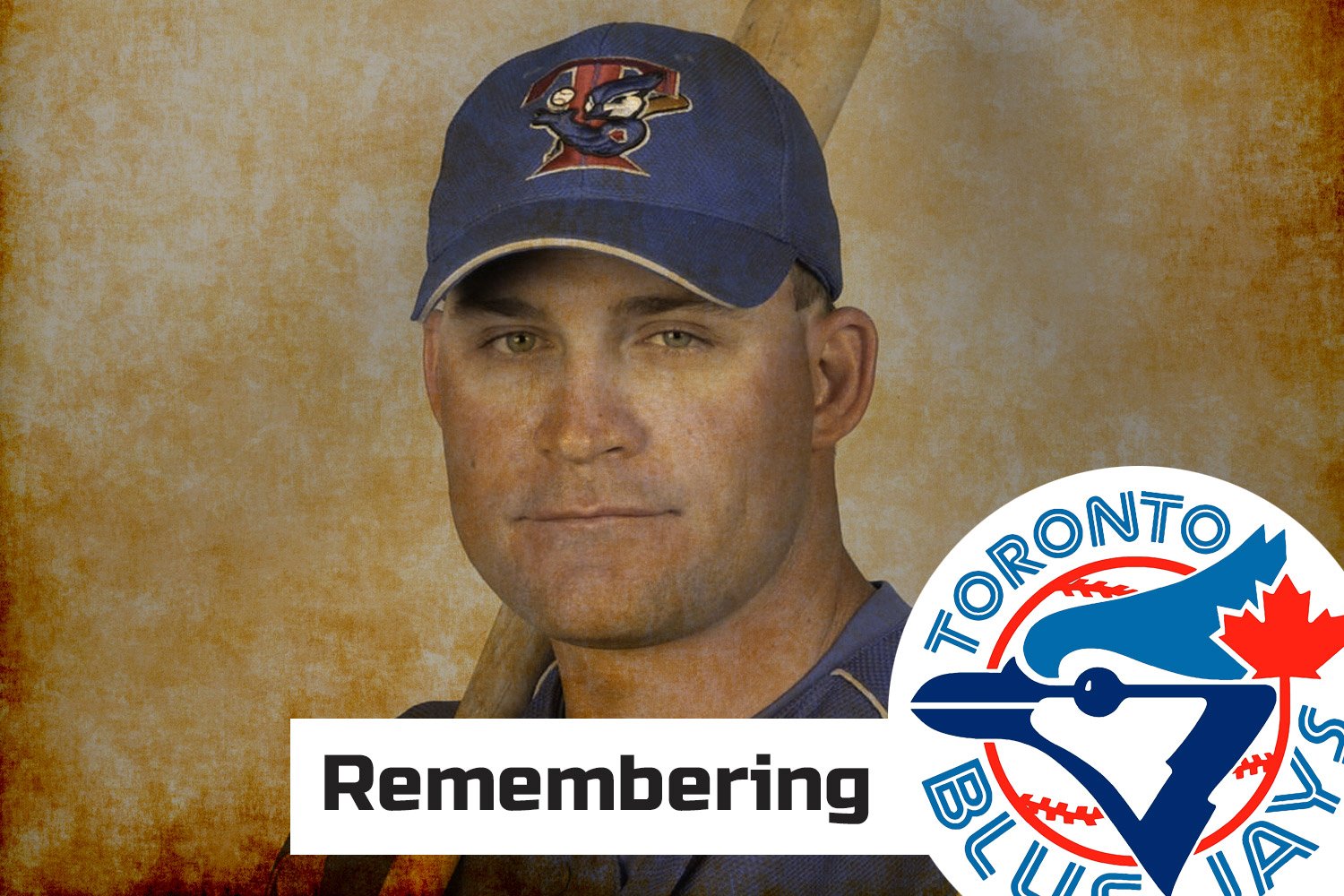 The best skill of many utility players is their utility. In the early-aughts, light-hitting players who were defensively feasible around the diamond could be found across the majors. With those attributes, a player would normally be hard-pressed to make a team, but the utility player of the day came with much more. Listen to how J.P. Ricciardi waxed on about Dave Berg after signing him to play for the Toronto Blue Jays in the upcoming 2002 season: "He's an intense guy, plays hard, plays the game the right way...can help the young guys understand the game a little better." Forget the nearly -2.0 WAR achieved during his three seasons in Toronto. Bergie was a professional, and that made him, according to Ricciardi, a “true utility guy.” To Berg’s credit, he had enough moments throughout it all to perpetuate the shine of that role. Berg played college baseball at the University of Miami and was the second Hurricane ever selected by the expansion Florida Marlins. Berg progressed through the Florida system as a shortstop, and when the Marlins tore down their 1997 World Series-winning team, he was a part of the ensuing season’s 54-108 mess as a backup infielder. The ‘98 Marlins also unfurled The Manalyist upon the baseball world as an everyday player. Berg proved his worth as a major leaguer in the sea of losses during his rookie year. He played 81 games at three positions in the infield and slashed .313/.393/.407. He parlayed his performance into a bigger role in 1999, which seen him play sparsely in the outfield. Heading a meekly-improved Marlins’ bench, Berg was equally productive with a .286/.348/.382 line and a to-be career-high 11 home runs in 336 plate appearances. Remaining the primary backup infielder, Berg regressed the following two seasons in Miami. With playing time limited behind the starting trifecta of Luis Castillo, Alex Gonzalez, and Mike Lowell, Berg managed a weakened .247/.317/.353 slash across 2000 and 2001. After the departure of Mr. Cycle Jeff Frye, the Blue Jays were in the market for an infielder when the Marlins declined to bring Berg back. More importantly, Ricciardi needed someone to show those doggone young ‘uns how to play the game properly. Berg had only signed a minor-league contract but his inclusion on the Blue Jays was quickly confirmed. He hit five doubles in his first 10 spring training at-bats, causing Ricciardi to barf out more platitudes: “He's a dirtbag, he gets dirty, he grinds out at-bats.” That’s the quote. Berg would hit well all spring and solidified his spot as a Blue Jay for the start of the season. Eric Hinske never came close to replicating his rookie season and would later turn into an offensive void while playing several different positions. Is this what Ricciardi was after? Berg was a streaky hitter throughout the season but saved his best for Father Time. After an 0-for-17 stretch, Berg hit in nine straight before leaving the Jays to be with his wife during the birth of their second child. In his first game as a father of two, Berg extended the streak to 10 games and also shifted into right field for the first time ever when Jose Cruz Jr. was injured. Berg would start the next four games there and led Richard Griffin of the Toronto Star to quip, “Despite all his hustle, Berg played right field like a second baseman.” He got his first career start at first base in August, and the career infielder handled that position much better. Late in the game, Berg snared an errant pickoff throw from Felix Heredia and threw the baserunner out at second, helping Toronto hold on to a 5-4 win over Baltimore. As the Jays limped to the finish line beset by injuries throughout their 78-84 season, Berg’s experience and versatility made him a de facto everyday player. He finished the season with a slash line of .270/.322/.382 in a career-high 414 plate appearances. Ricciardi, who had trimmed millions of dollars in payroll since debuting as Toronto’s GM a year earlier, handed Berg a two-year deal during the offseason. Baseball Prospectus called the multi-year contract a “misstep” for Ricciardi, but if you can’t figure out why he would do this, the general manager would explain: The Blue Jays signed Mike Bordick to help cover the infield, and when the team broke for Opening Day, Toronto carried only three regular outfielders. Berg, who now carried four different game gloves in his locker, was asked to pick up more outfield work. He was in right field to start the season, collecting two hits while batting second in a 10-1 Jays loss on Opening Day at Yankee Stadium. Berg would remain hot to start the year, but a mysterious ailment would soon put the brakes on everything. He hit .357 in April, but the struggles began in June when Berg was scratched from a start after suffering dizzy spells. Nothing to worry about, he said after. A couple of weeks later, the spells reoccurred, causing Berg to miss another game. This time, the Blue Jays put him on the injured list. Berg would end up missing over a month of game action without offering a reason for the fatigue issues. When he returned, Berg was not good at the plate. Further reducing his role was Bordick, who, along with newcomers Reed Johnson and Frank Catalanatto, had been playing well. For the first time in his Jays’ career, Berg found himself on the fringes of the roster. He finished with an OPS of .679 on the season, the worst for any Blue Jay mainstay not named Kevin Cash. That likely would have been it for Berg if not for the contract. With one more year of professionalism to provide, the Jays kept Berg around for what was an awful overall 2004. BP called it "one of the blights on a lost season" for Toronto. Now primarily playing left field, Berg slashed a career-worst .253/.278/.338 in what would be his final major league season. It wasn’t all bad. Berg played the best stretch of his season just prior to the All-Star break. In an 11-game span, Berg was 14-for-43, hitting two of his three home runs and driving in 12 of his 23 RBIs. On June 23, the Blue Jays snapped Tampa Bay’s 12-game winning streak on a broken bat walk-off single from Reed Johnson. Berg scored the winning run after he opened the inning with a hard-fought single to set up Reed’s sawed-off heroics. Two days later against the Expos, Berg leapt and made a run-saving catch up against the left field wall at the SkyDome. In the final game of this stretch, Toronto trailed the Mariners, 8-6, heading into the bottom of the ninth. With one away, Berg battled Seattle closer Eddie Guardado, and on the 13th pitch of the at-bat, he brought the Jays to within one with a deep home run to left. It was made all the more sweet when Carlos Delgado hit a three-run home run off Guardado later in the inning for the Blue Jays walk-off victory. Berg had one more year under team control, but Ricciardi took a pass, instead making a trade with Cleveland for the Prime Minister of Defence, John McDonald. Until we get to Mike McCoy, today we remember Dave Berg.
 -
The pitcher's body was a canvas for tattoos, but his inability to paint the corners hampered his Blue Jays' career. Billy Koch was trying to crack the Blue Jays roster in 2005 when he looked at his new, tattoo-covered teammate and asked what was pressing on his mind. How much money would it take to have “I Love Billy Koch” tattooed on your ass? $1,000 later (with an extra $500 for Miller’s wife to sign off, plus $80 for the tat), and Miller added to his collection of ink. Whatever the context, it's somewhat symbolic that Koch was immortalized on Justin Miller’s body. Miller’s tattoos were so numerous that he said it was easier just to call it one giant tattoo, and his climb to the major leagues culminated when he became a Blue Jay in the trade that sent Koch to Oakland. The money would help buy some much-needed Christmas presents in lieu of Santa gifts in the Crashmore-verse. Once a Baseball America Top 100 prospect, Miller was called up by Toronto to fill a spot in the rotation a month into the 2002 season. Making his first big league start at Angel Stadium, Miller exhibited control problems and had the first of what Geoff Baker of the Toronto Star would later call the pitcher’s "hair-pulling, chaos-plagued first innings.” He walked the first three batters he faced, and while he allowed just one run, he needed 36 pitches to get out of the first inning. Miller would only make it into the fourth inning of an eventual Jays loss. He would get another chance at the Angels in his next start. The Jays had lost nine in a row and trailed 1-0 early when a leadoff walk came around to score. Working off his two-seam fastball, Miller settled in to throw one of his finest starts of the year. He allowed only four hits across seven innings and recorded a staggering 14 groundball outs. Behind Miller’s performance, Toronto snapped their skid with a 4-1 win. A costly walk derailed his next start in Oakland, but it wasn’t the result of Miller’s control. Down 2-0 in the third with two runners on, Miller readied on the mound for a full-count pitch to A’s hitter Jeremy Giambi. Before the pitch could be thrown, Giambi was awarded first base as umpire Gary Cederstrom called ball four when Miller brought his hand to his mouth before the pitcher came set. The Jays were upset at the sans-warning ump show, and they would be even more upset after the next batter, Eric Chavez, made it 6-0 A’s with one swing of the bat. Miller would settle into the Jays rotation and continued to show, in moments, that he had the stuff to be a big league starter. Miller struck out six Devil Rays over seven innings in a 3-1 Toronto win on June 4. It was impressive that Miller did it on 97 pitches, 60 of which were strikes. Entering his start on June 14 in Montreal, Miller had allowed only nine hits over his previous three games, but his issues with pitch command were apparent early that night. Miller walked in a run in the first and was taken out in the fifth, having issued six walks on the night in an 8-2 Expos win. Pictured: Justin Miller; not an inmate intake photo from San (Carlos) Quentin. Things got worse for Miller in his next start. Miller could not complete the first inning in front of friends and family at Dodger Stadium. He gave up a three-run blast to ex-Blue Jay Shawn Green and was taken out after opposing pitcher Kazuhisa Ishii hit an RBI single to complete a Dodger bat-around. All five runs in the 5-2 loss were charged to Miller, who was sent back to the bullpen after the start and a week later, to Triple-A Syracuse. Miller pitched well in Triple-A (3-1, 2.32 ERA in six starts) and returned in August. He had a run of strong starts when he was placed back in the rotation. He pitched seven innings in victorious starts over the Yankees and Red Sox, and Miller finished the year with a 9-5 record. Even with the Jays adding Cory Lidle and Tanyon Sturtze to the mix in the offseason, Miller was expected to log innings in the rotation in 2003. In preparation for the upcoming season, Miller added something new to his offseason workouts: weightlifting. The aim for gains turned out to be costly when he suffered a shoulder injury during a lift prior to spring training. The injury kept Miller in Dunedin when the Blue Jays broke north for Opening Day, and the extra rehab did not help Miller get back on the mound. Finally, after contemplating recovery options, the pitcher underwent surgery at the end of May, ending his season. The following spring, Miller was forced to adopt a different look on the mound. MLB umpire czar Jim McKean told Miller prior to the start of the season that another team had complained about his arm tattoos being a distraction and that Miller would need to wear long sleeves on days he pitched. At least Fanatics had not taken over manufacturing the uniforms, or McKean would have had a much worse problem in a few years. Miller was not even the first major league reliever to have a teammate’s name tattooed on his derriere in the 2000s; unsurprisingly, the first was Rob Dibble (with Ichiro). Miller didn’t pitch much in spring and was sent to Triple-A to start the season. In Syracuse, Miller made the most out of his situation, going 1-1 with a 2.16 ERA in three starts. Most impressively, he struck out 21 batters while only walking four. With fifth starter Josh Towers pitching like peak Josh Towers, Miller was called up to take his place in the Blue Jays' rotation on April 25. It would take Miller three starts to earn his first major league win in 18 months. In a 5-2 win over the White Sox, Miller struck out seven over seven innings. However, his season was put on hold in June while he battled through a hamstring injury, and when he was healthy, Miller continued to struggle with his command. High pitch counts and added baserunners were not allowing Miller to work deep into games. Entering a September 8 start against the Angels, Miller had failed to reach the sixth inning in any of his five starts since returning from the injury. With a second chance to make an impression in front of family and friends in SoCal, Miller delivered the start of his career. He threw eight innings of shutout baseball and managed to hold the Angels, batting .288 as a team entering the game, to only two singles. The Blue Jays scored on a Carlos Delgado RBI double in the first and rode Miller's performance to a 1-0 win in front of 36,905 at Angel Stadium. Unfortunately, the high attendance at seeing the pennant-contending Angels meant Miller was limited to only six tickets to give away to watch his dominating start. That was pretty much the end of the line for Miller in Toronto. In his next start against Baltimore, Miller got Brian Roberts out twice - but only one other Oriole out. His five-run outing was his second last start before he was sent to the bullpen for the rest of the year. It was in the bullpen the following spring when Miller and Koch met, dared, and competed for one of the final roster spots, but neither would make the team. Miller went down to Triple-A, and Koch stayed in Florida to heckle the Blue Jays. Miller was called back in July and gave up three home runs in his lone relief appearance of the season against Texas before he was designated for assignment. Miller spent his next two seasons with the Marlins, where he became a reliable bullpen arm in the National League. It was with Florida where teammate Scott Olsen asked him to get a tattoo of Olsen's DUI mugshot on his other cheek: that one was vetoed by Miller’s wife. He would finish out his major league career back home in California. Miller had his best year in 2009 with the Giants (3.18 ERA in 44 appearances) and finished his career with 19 games for the Dodgers the following season. Miller died in 2013 at the age of 35. Mr. Marlin said it would take $100,000 to join the butt tattoo club. That's his quote. No cause of death seems to have ever been determined. That leaves Rob Dibble, the last known surviving member of a group I am not sure I needed to know existed. Colourful by one definition but friendly and reserved by all others, today we remember Justin Miller as a Blue Jay, View full article
-
- 1
-
-
- justin miller
- remembering blue jays
- (and 1 more)
-
 Billy Koch was trying to crack the Blue Jays roster in 2005 when he looked at his new, tattoo-covered teammate and asked what was pressing on his mind. How much money would it take to have “I Love Billy Koch” tattooed on your ass? $1,000 later (with an extra $500 for Miller’s wife to sign off, plus $80 for the tat), and Miller added to his collection of ink. Whatever the context, it's somewhat symbolic that Koch was immortalized on Justin Miller’s body. Miller’s tattoos were so numerous that he said it was easier just to call it one giant tattoo, and his climb to the major leagues culminated when he became a Blue Jay in the trade that sent Koch to Oakland. The money would help buy some much-needed Christmas presents in lieu of Santa gifts in the Crashmore-verse. Once a Baseball America Top 100 prospect, Miller was called up by Toronto to fill a spot in the rotation a month into the 2002 season. Making his first big league start at Angel Stadium, Miller exhibited control problems and had the first of what Geoff Baker of the Toronto Star would later call the pitcher’s "hair-pulling, chaos-plagued first innings.” He walked the first three batters he faced, and while he allowed just one run, he needed 36 pitches to get out of the first inning. Miller would only make it into the fourth inning of an eventual Jays loss. He would get another chance at the Angels in his next start. The Jays had lost nine in a row and trailed 1-0 early when a leadoff walk came around to score. Working off his two-seam fastball, Miller settled in to throw one of his finest starts of the year. He allowed only four hits across seven innings and recorded a staggering 14 groundball outs. Behind Miller’s performance, Toronto snapped their skid with a 4-1 win. A costly walk derailed his next start in Oakland, but it wasn’t the result of Miller’s control. Down 2-0 in the third with two runners on, Miller readied on the mound for a full-count pitch to A’s hitter Jeremy Giambi. Before the pitch could be thrown, Giambi was awarded first base as umpire Gary Cederstrom called ball four when Miller brought his hand to his mouth before the pitcher came set. The Jays were upset at the sans-warning ump show, and they would be even more upset after the next batter, Eric Chavez, made it 6-0 A’s with one swing of the bat. Miller would settle into the Jays rotation and continued to show, in moments, that he had the stuff to be a big league starter. Miller struck out six Devil Rays over seven innings in a 3-1 Toronto win on June 4. It was impressive that Miller did it on 97 pitches, 60 of which were strikes. Entering his start on June 14 in Montreal, Miller had allowed only nine hits over his previous three games, but his issues with pitch command were apparent early that night. Miller walked in a run in the first and was taken out in the fifth, having issued six walks on the night in an 8-2 Expos win. Pictured: Justin Miller; not an inmate intake photo from San (Carlos) Quentin. Things got worse for Miller in his next start. Miller could not complete the first inning in front of friends and family at Dodger Stadium. He gave up a three-run blast to ex-Blue Jay Shawn Green and was taken out after opposing pitcher Kazuhisa Ishii hit an RBI single to complete a Dodger bat-around. All five runs in the 5-2 loss were charged to Miller, who was sent back to the bullpen after the start and a week later, to Triple-A Syracuse. Miller pitched well in Triple-A (3-1, 2.32 ERA in six starts) and returned in August. He had a run of strong starts when he was placed back in the rotation. He pitched seven innings in victorious starts over the Yankees and Red Sox, and Miller finished the year with a 9-5 record. Even with the Jays adding Cory Lidle and Tanyon Sturtze to the mix in the offseason, Miller was expected to log innings in the rotation in 2003. In preparation for the upcoming season, Miller added something new to his offseason workouts: weightlifting. The aim for gains turned out to be costly when he suffered a shoulder injury during a lift prior to spring training. The injury kept Miller in Dunedin when the Blue Jays broke north for Opening Day, and the extra rehab did not help Miller get back on the mound. Finally, after contemplating recovery options, the pitcher underwent surgery at the end of May, ending his season. The following spring, Miller was forced to adopt a different look on the mound. MLB umpire czar Jim McKean told Miller prior to the start of the season that another team had complained about his arm tattoos being a distraction and that Miller would need to wear long sleeves on days he pitched. At least Fanatics had not taken over manufacturing the uniforms, or McKean would have had a much worse problem in a few years. Miller was not even the first major league reliever to have a teammate’s name tattooed on his derriere in the 2000s; unsurprisingly, the first was Rob Dibble (with Ichiro). Miller didn’t pitch much in spring and was sent to Triple-A to start the season. In Syracuse, Miller made the most out of his situation, going 1-1 with a 2.16 ERA in three starts. Most impressively, he struck out 21 batters while only walking four. With fifth starter Josh Towers pitching like peak Josh Towers, Miller was called up to take his place in the Blue Jays' rotation on April 25. It would take Miller three starts to earn his first major league win in 18 months. In a 5-2 win over the White Sox, Miller struck out seven over seven innings. However, his season was put on hold in June while he battled through a hamstring injury, and when he was healthy, Miller continued to struggle with his command. High pitch counts and added baserunners were not allowing Miller to work deep into games. Entering a September 8 start against the Angels, Miller had failed to reach the sixth inning in any of his five starts since returning from the injury. With a second chance to make an impression in front of family and friends in SoCal, Miller delivered the start of his career. He threw eight innings of shutout baseball and managed to hold the Angels, batting .288 as a team entering the game, to only two singles. The Blue Jays scored on a Carlos Delgado RBI double in the first and rode Miller's performance to a 1-0 win in front of 36,905 at Angel Stadium. Unfortunately, the high attendance at seeing the pennant-contending Angels meant Miller was limited to only six tickets to give away to watch his dominating start. That was pretty much the end of the line for Miller in Toronto. In his next start against Baltimore, Miller got Brian Roberts out twice - but only one other Oriole out. His five-run outing was his second last start before he was sent to the bullpen for the rest of the year. It was in the bullpen the following spring when Miller and Koch met, dared, and competed for one of the final roster spots, but neither would make the team. Miller went down to Triple-A, and Koch stayed in Florida to heckle the Blue Jays. Miller was called back in July and gave up three home runs in his lone relief appearance of the season against Texas before he was designated for assignment. Miller spent his next two seasons with the Marlins, where he became a reliable bullpen arm in the National League. It was with Florida where teammate Scott Olsen asked him to get a tattoo of Olsen's DUI mugshot on his other cheek: that one was vetoed by Miller’s wife. He would finish out his major league career back home in California. Miller had his best year in 2009 with the Giants (3.18 ERA in 44 appearances) and finished his career with 19 games for the Dodgers the following season. Miller died in 2013 at the age of 35. Mr. Marlin said it would take $100,000 to join the butt tattoo club. That's his quote. No cause of death seems to have ever been determined. That leaves Rob Dibble, the last known surviving member of a group I am not sure I needed to know existed. Colourful by one definition but friendly and reserved by all others, today we remember Justin Miller as a Blue Jay,
 -
 During the 2002 trade deadline, Oakland GM Billy Beane was making one final effort to acquire minor leaguer Kevin Youkilis for his A’s. Cliff Floyd was about to be sent from Montreal to the Red Sox, and as told in Moneyball, Billy tried to worm his way into the trade by asking Expos GM Omar Minaya to acquire Youkilis and flip him to Oakland. Unfortunately for Beane, Youkilis had already been deemed untouchable in Boston by rising front office executive Theo Epstein. And even if he hadn’t, using Omar Minaya to help you acquire useful players is like planning a bank heist with a group of preschoolers. So the following year, when outfielder Bobby Kielty became available, Beane worked instead with his closest friend in baseball to acquire the player he wanted. Beane and former Blue Jays GM J.P. Riccardi go back. They were minor league teammates in the Mets organization in the early 1980s (with John Gibbons!), and when Beane took over as GM in Oakland in 1997, Riccardi became the team’s director of player personnel. Riccardi was still in Oakland when Toronto ownership, ears flickering at the sound of baseball being done for cheap, hired Riccardi to run the Blue Jays’ baseball operations. Riccardi’s first trade running the Jays was done with Beane: Billy Koch went to Oakland for Eric Hinske and Justin Miller. A scene from the unreleased Moneyball sequel: “It’s called Moneyball T, and we can replace Delgado with Josh Phelps.” Kielty was an undrafted success story that made it to the major leagues. He grew up in California and attended USC as a two-sport walk-on athlete. The baseball team got Kielty to give up playing water polo, but a year later, the Trojans told him he would only pitch for them, and Kielty transferred out. Heading into his draft year, Kielty injured himself in a ski accident, which had unfortunate timing. The injury would carry through his season, and no team would call his name on draft day. Kielty went to the Cape Cod League, where he was a teammate of Reed Johnson and also won league MVP. He would sign with the Twins organization and tore through their minor league system. He made the Twins in 2001 in just his third professional season and would break out the following year. Kielty finished fourth in AL Rookie of the Year voting when he slashed a Youkilian .291/.405./484 across 289 at-bats (2.7 WAR) in 2002. Minnesota had tried to beef up during their 2002 stretch run by acquiring Jays outfielder Shannon Stewart, but Riccardi rebuffed the Twins. Things had changed by 2003 for both teams. Despite being above .500, Toronto was nine games back in the hellish AL East at the All-Star break. Stewart was a pending free agent and was almost assuredly gone the following season. Meanwhile, the Twins were scuffling themselves, losers of 22 of 28, when they finally met Riccardi’s asking price for Stewart. Which was apparently another outfielder in Kielty? Kielty had many years of team control left compared to Stewart – he was not eligible for arbitration until the following season – but Toronto had a crowded outfield even after trading Stewart. Even Riccardi admitted after the trade that he was trying to get pitching back in trading Stewart, but no one would part with an arm. Yet. Kielty joined the Jays after the All-Star break in Boston. He singled in his first two at-bats as a Blue Jay and homered in his third, contributing to a 5-2 Toronto win over the Red Sox on the back of a Roy Halladay complete game. He continued to hit, reaching safely in his first six games as a Jay and 14 of his first 19. Kielty was making a name for himself all over the field, including this catch to rob Trot Nixon of a home run. Halladay got the 19th win of his 2003 Cy Young season on September 6 against Detroit with his only help coming from Kielty. Facing Fernando Rodney, the righty came off the bench to drive home the winning run with a base hit over a drawn in Tigers’ outfield in the 10th for a 1-0 win. Yes, Roy Halladay threw a complete game, ten inning, three-hit shutout. Detroit lost 119 times that season – still, incredible. Kielty played well enough to keep his name on the lineup card as an everyday player through the end of the season, although his production did drop off from his time in Minnesota. He continued to showcase his plate discipline but only hit four home runs with the Jays and especially struggled against right handed pitching. In 287 at-bats against righties, Kielty slashed just .216/.328/.328. Kielty did provide some memorable moments in his short time in Toronto but he seemed destined to be somewhere else. Weeks after the Marlins shocked the Yankees in the World Series, Riccardi and Beane finalized a trade; Kielty was sent to Oakland for pitcher Ted Lilly. Some ex-teammates of yours, huh Gibby? If you keep reading these, we are going to remember this one. A lot. Lilly was an All-Star the following season for Toronto and the deal worked out well for Minnesota as well. Stewart was torrid at the plate through the rest of 2003 and finished fourth in MVP voting, earning himself an extension with the Twins. Stewart would also return to Toronto in 2008, forming some sort of platoon with Brad Wilkerson and Kevin Mench (Shanbravin Stewilkermench is a future post, guaranteed). As for Kielty and the A’s? He enjoyed a fan following in the Bay Area, growing out his red mane and earning the nickname Bobby Mac, in reference to Ronald McDonald. On the field however, he was unable to return to the production levels of his rookie season. By his fourth year in Oakland, Kielty found himself out of regular playing time and he was eventually traded to Boston. Kielty's final major league at bat was a pinch-hit home run for the Red Sox in the clinching game of the 2007 World Series. A great way for a fun baseball player to go out on and today, Bobby Kielty, you are remembered as a Jay.
 -
An early sabermetric darling, Bobby Kielty was an outfielder who never fully put it together in the majors. During the 2002 trade deadline, Oakland GM Billy Beane was making one final effort to acquire minor leaguer Kevin Youkilis for his A’s. Cliff Floyd was about to be sent from Montreal to the Red Sox, and as told in Moneyball, Billy tried to worm his way into the trade by asking Expos GM Omar Minaya to acquire Youkilis and flip him to Oakland. Unfortunately for Beane, Youkilis had already been deemed untouchable in Boston by rising front office executive Theo Epstein. And even if he hadn’t, using Omar Minaya to help you acquire useful players is like planning a bank heist with a group of preschoolers. So the following year, when outfielder Bobby Kielty became available, Beane worked instead with his closest friend in baseball to acquire the player he wanted. Beane and former Blue Jays GM J.P. Riccardi go back. They were minor league teammates in the Mets organization in the early 1980s (with John Gibbons!), and when Beane took over as GM in Oakland in 1997, Riccardi became the team’s director of player personnel. Riccardi was still in Oakland when Toronto ownership, ears flickering at the sound of baseball being done for cheap, hired Riccardi to run the Blue Jays’ baseball operations. Riccardi’s first trade running the Jays was done with Beane: Billy Koch went to Oakland for Eric Hinske and Justin Miller. A scene from the unreleased Moneyball sequel: “It’s called Moneyball T, and we can replace Delgado with Josh Phelps.” Kielty was an undrafted success story that made it to the major leagues. He grew up in California and attended USC as a two-sport walk-on athlete. The baseball team got Kielty to give up playing water polo, but a year later, the Trojans told him he would only pitch for them, and Kielty transferred out. Heading into his draft year, Kielty injured himself in a ski accident, which had unfortunate timing. The injury would carry through his season, and no team would call his name on draft day. Kielty went to the Cape Cod League, where he was a teammate of Reed Johnson and also won league MVP. He would sign with the Twins organization and tore through their minor league system. He made the Twins in 2001 in just his third professional season and would break out the following year. Kielty finished fourth in AL Rookie of the Year voting when he slashed a Youkilian .291/.405./484 across 289 at-bats (2.7 WAR) in 2002. Minnesota had tried to beef up during their 2002 stretch run by acquiring Jays outfielder Shannon Stewart, but Riccardi rebuffed the Twins. Things had changed by 2003 for both teams. Despite being above .500, Toronto was nine games back in the hellish AL East at the All-Star break. Stewart was a pending free agent and was almost assuredly gone the following season. Meanwhile, the Twins were scuffling themselves, losers of 22 of 28, when they finally met Riccardi’s asking price for Stewart. Which was apparently another outfielder in Kielty? Kielty had many years of team control left compared to Stewart – he was not eligible for arbitration until the following season – but Toronto had a crowded outfield even after trading Stewart. Even Riccardi admitted after the trade that he was trying to get pitching back in trading Stewart, but no one would part with an arm. Yet. Kielty joined the Jays after the All-Star break in Boston. He singled in his first two at-bats as a Blue Jay and homered in his third, contributing to a 5-2 Toronto win over the Red Sox on the back of a Roy Halladay complete game. He continued to hit, reaching safely in his first six games as a Jay and 14 of his first 19. Kielty was making a name for himself all over the field, including this catch to rob Trot Nixon of a home run. Halladay got the 19th win of his 2003 Cy Young season on September 6 against Detroit with his only help coming from Kielty. Facing Fernando Rodney, the righty came off the bench to drive home the winning run with a base hit over a drawn in Tigers’ outfield in the 10th for a 1-0 win. Yes, Roy Halladay threw a complete game, ten inning, three-hit shutout. Detroit lost 119 times that season – still, incredible. Kielty played well enough to keep his name on the lineup card as an everyday player through the end of the season, although his production did drop off from his time in Minnesota. He continued to showcase his plate discipline but only hit four home runs with the Jays and especially struggled against right handed pitching. In 287 at-bats against righties, Kielty slashed just .216/.328/.328. Kielty did provide some memorable moments in his short time in Toronto but he seemed destined to be somewhere else. Weeks after the Marlins shocked the Yankees in the World Series, Riccardi and Beane finalized a trade; Kielty was sent to Oakland for pitcher Ted Lilly. Some ex-teammates of yours, huh Gibby? If you keep reading these, we are going to remember this one. A lot. Lilly was an All-Star the following season for Toronto and the deal worked out well for Minnesota as well. Stewart was torrid at the plate through the rest of 2003 and finished fourth in MVP voting, earning himself an extension with the Twins. Stewart would also return to Toronto in 2008, forming some sort of platoon with Brad Wilkerson and Kevin Mench (Shanbravin Stewilkermench is a future post, guaranteed). As for Kielty and the A’s? He enjoyed a fan following in the Bay Area, growing out his red mane and earning the nickname Bobby Mac, in reference to Ronald McDonald. On the field however, he was unable to return to the production levels of his rookie season. By his fourth year in Oakland, Kielty found himself out of regular playing time and he was eventually traded to Boston. Kielty's final major league at bat was a pinch-hit home run for the Red Sox in the clinching game of the 2007 World Series. A great way for a fun baseball player to go out on and today, Bobby Kielty, you are remembered as a Jay. View full article
- 2 replies
-
- 2
-
-
- bobby kielty
- shannon stewart
- (and 1 more)
-
I'm showing my age but I wasn't around myself and reading this Dave Stewart comp from someone who was has me even more hyped now.
-
This is as happy as I've felt about a move in a while. Scherzer has been one of my favourite pitchers for a long time and I can't wait to see him on the mound wearing a Blue Jay uniform. I guess time will tell what the Jays get from him this season but this is a win for the front office. Hopefully it turns out to be as impactful as the signing feels today. Max Scherzer is a Blue Jay. Man, that's awesome.
-
Different Mac! I have not been around here previously and I am looking forward to being a part of this great Jays community. Thanks everyone for the feedback so far. I am hoping to have a former Jay profiled here once a week.
- 7 replies
-
- 3
-
-
- john frascatore
- remembering blue jays
- (and 1 more)
-
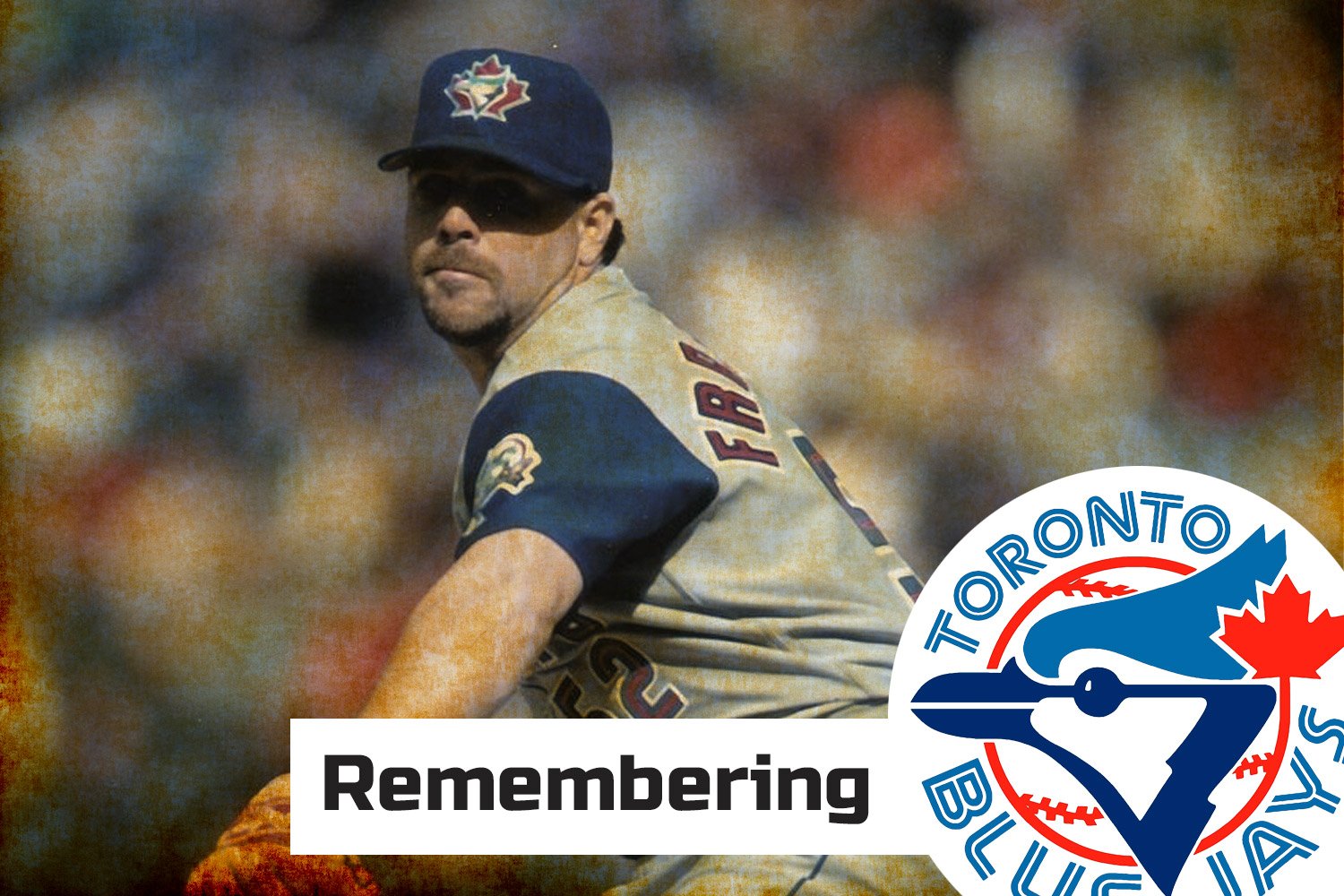 Not a year after a fight with pitching coach Dave Stewart, John Frascatore had another quarrel in the minor leagues. It culminated on July 6, 2001, when the organization suspended the pitcher over an argument with Syracuse pitching coach Rick Langford, according to this legendary voiceover guy on TheScore. Frascatore’s response? To call into the Fan 590 and put the organization on blast! This prompted a response from team president Paul Godfrey, which I only note because he appears to have been caught by the reporter on his way back from lunch. Man, I miss TheScore. When Ash couldn’t find anyone to trade for Frascatore at the trade deadline, the reliever got his wish when the Blue Jays released him. Ambushed before the shrimp cocktail ever had a chance to settle. The ordeal would mark the last of Frascatore’s time with the Jays, a fitting end to a somewhat temperamental three-year stretch. It started well when Frascatore came over to the Jays in a trade with Arizona, along with future All-Star and backyard batting stance legend Tony Batista. All it took for Toronto was 37-year-old Dan Plesac, who was not good with the Jays so far that season, managing an 8.34 ERA in 30 appearances. Before Arizona, Frascatore was in St. Louis, where he was the winning pitcher of record for Mark McGwire’s 70th home run game. He would continue to win in a notable fashion with Toronto. In his sixth appearance with the team, Frascatore held a 5-5 game with Baltimore together in the tenth, allowing Shannon Stewart to win the game with a single in the bottom half. The two teams were again tied the following night, heading into extras. With two runs already in and Orioles on first and third, Frascatore came in and got an inning-ending double play ball, keeping Baltimore’s lead at 9-7. In the bottom half, the hero was Darrin Fletcher, who hit a three-run home run to give Frascatore his second consecutive win and earn Jesse Orosco an earful from his manager, Ray Miller. Here’s the Fletcher home run (14:02) called by the great Rich Eisen, part of an ESPN SportsCenter highlight compilation by YouTube user greendayrock. The following day was Canada Day, and if you watch past the Fletcher home run, you see the Jays wearing a pretty tame July 1 get-up with red hats and 'Canada' on the player's backs. 3/10. That feels like a disappointing Canada Day jersey era. Frascatore entered the game at the top of the eight, with the Jays down 6-3. The Orioles had a runner on second with one out, but Frascatore pitched out of it, striking out Jeff Reboulet on a full-count pitch to end the frame. The Blue Jays exploded off Baltimore's embattled bullpen in the bottom half. They scored five off three relievers, including a go-ahead two-run single by a red-hot Willie Greene. With Billy Koch closing the door in the ninth, Frascatore had earned his third win in as many days, tying a major league record. Ray Miller, are we having fun yet? Frascatore finished his season in Toronto, posting a 3.41 ERA in 33 appearances. However, his 2000 season got off to a terrible start. On April 15, he gave up four earned runs in a 17-6 drubbing by Seattle. That kicked off a 30-day stretch where he pitched in 13 games and had a combined ERA of 13.06 while surrendering an opponent’s batting average of .408 in those appearances. The worst came on April 18 against the Angels when, in his second inning of work, with the Jays already down 11-4, he was shelled for five runs across six hits. The season improved for Frascatore, and remarkably, by July, he was pitching to the tune of a 1.98 ERA. The Jays were in Seattle to close the month, and Frascatore found himself in the middle of some old-school baseball. In the April meeting with Seattle, Pedro Borbón hit Mariner John Olerud with a pitch, and the bad blood spilled over. In the series’ third game, after allowing Seattle to tie the game in the previous inning, Frascatore hit A-Rod in the ribs. Mariners skipper Lou Pinella took to it how you might think. So, in the series finale, Carlos Delgado got hit by Seattle starter Aaron Sele, and the Jays retaliated by plunking David Bell. Frascatore entered the game in the seventh but remained in the game for the eighth, following a top half that saw Tony Batista hit in the shoulder by a pitch. After Bell popped out to start the inning, Frascatore knocked down Rickey Henderson, who eventually walked. Later in the inning, with the bounties still 2-1 Mariners, Frascatore faced A-Rod and again threw inside, prompting an ejection from home plate umpire Rich Rieker. In August, after walking a batter in a brief appearance in Arlington, in an apparent rite of passage within the Jays dugout, Frascatore got into it with pitching coach Dave Stewart. Other Jays had to hold Stewart back from going after Frascatore into the clubhouse. Stewart said it was an argument over pitch selection, possibly when they were throwing at other opponents. Frascatore was designated for assignment after the season but made the team as the final member of the bullpen in 2001. He was demoted after 12 games, and as we’ve seen, he didn’t leave quietly. He signed with the Mets in the offseason but never returned to the major leagues. Links/References: https://www.youtube.com/watch?v=CaCTuOVWT8M https://www.washingtonpost.com/archive/sports/1999/07/01/orioles-bullpen-strikes-out-again/30f8070a-9cc0-495f-a9e8-b0c249babfd2/ https://archive.seattletimes.com/archive/20000731/4034562/bad-blood-continues-two-blue-jays-ejected https://www.bridgemanimages.com/en-US/anthony-p-bolante/blue-jays-frascatore-ejected-while-arguing-with-umpire-2000-07-30-photo/photograph/asset/7929290 https://www.latimes.com/archives/la-xpm-2000-aug-27-sp-11261-story.html
 -
John Frascatore did not leave the Blue Jays organization with a high opinion of the coaching staff. Not a year after a fight with pitching coach Dave Stewart, John Frascatore had another quarrel in the minor leagues. It culminated on July 6, 2001, when the organization suspended the pitcher over an argument with Syracuse pitching coach Rick Langford, according to this legendary voiceover guy on TheScore. Frascatore’s response? To call into the Fan 590 and put the organization on blast! This prompted a response from team president Paul Godfrey, which I only note because he appears to have been caught by the reporter on his way back from lunch. Man, I miss TheScore. When Ash couldn’t find anyone to trade for Frascatore at the trade deadline, the reliever got his wish when the Blue Jays released him. Ambushed before the shrimp cocktail ever had a chance to settle. The ordeal would mark the last of Frascatore’s time with the Jays, a fitting end to a somewhat temperamental three-year stretch. It started well when Frascatore came over to the Jays in a trade with Arizona, along with future All-Star and backyard batting stance legend Tony Batista. All it took for Toronto was 37-year-old Dan Plesac, who was not good with the Jays so far that season, managing an 8.34 ERA in 30 appearances. Before Arizona, Frascatore was in St. Louis, where he was the winning pitcher of record for Mark McGwire’s 70th home run game. He would continue to win in a notable fashion with Toronto. In his sixth appearance with the team, Frascatore held a 5-5 game with Baltimore together in the tenth, allowing Shannon Stewart to win the game with a single in the bottom half. The two teams were again tied the following night, heading into extras. With two runs already in and Orioles on first and third, Frascatore came in and got an inning-ending double play ball, keeping Baltimore’s lead at 9-7. In the bottom half, the hero was Darrin Fletcher, who hit a three-run home run to give Frascatore his second consecutive win and earn Jesse Orosco an earful from his manager, Ray Miller. Here’s the Fletcher home run (14:02) called by the great Rich Eisen, part of an ESPN SportsCenter highlight compilation by YouTube user greendayrock. The following day was Canada Day, and if you watch past the Fletcher home run, you see the Jays wearing a pretty tame July 1 get-up with red hats and 'Canada' on the player's backs. 3/10. That feels like a disappointing Canada Day jersey era. Frascatore entered the game at the top of the eight, with the Jays down 6-3. The Orioles had a runner on second with one out, but Frascatore pitched out of it, striking out Jeff Reboulet on a full-count pitch to end the frame. The Blue Jays exploded off Baltimore's embattled bullpen in the bottom half. They scored five off three relievers, including a go-ahead two-run single by a red-hot Willie Greene. With Billy Koch closing the door in the ninth, Frascatore had earned his third win in as many days, tying a major league record. Ray Miller, are we having fun yet? Frascatore finished his season in Toronto, posting a 3.41 ERA in 33 appearances. However, his 2000 season got off to a terrible start. On April 15, he gave up four earned runs in a 17-6 drubbing by Seattle. That kicked off a 30-day stretch where he pitched in 13 games and had a combined ERA of 13.06 while surrendering an opponent’s batting average of .408 in those appearances. The worst came on April 18 against the Angels when, in his second inning of work, with the Jays already down 11-4, he was shelled for five runs across six hits. The season improved for Frascatore, and remarkably, by July, he was pitching to the tune of a 1.98 ERA. The Jays were in Seattle to close the month, and Frascatore found himself in the middle of some old-school baseball. In the April meeting with Seattle, Pedro Borbón hit Mariner John Olerud with a pitch, and the bad blood spilled over. In the series’ third game, after allowing Seattle to tie the game in the previous inning, Frascatore hit A-Rod in the ribs. Mariners skipper Lou Pinella took to it how you might think. So, in the series finale, Carlos Delgado got hit by Seattle starter Aaron Sele, and the Jays retaliated by plunking David Bell. Frascatore entered the game in the seventh but remained in the game for the eighth, following a top half that saw Tony Batista hit in the shoulder by a pitch. After Bell popped out to start the inning, Frascatore knocked down Rickey Henderson, who eventually walked. Later in the inning, with the bounties still 2-1 Mariners, Frascatore faced A-Rod and again threw inside, prompting an ejection from home plate umpire Rich Rieker. In August, after walking a batter in a brief appearance in Arlington, in an apparent rite of passage within the Jays dugout, Frascatore got into it with pitching coach Dave Stewart. Other Jays had to hold Stewart back from going after Frascatore into the clubhouse. Stewart said it was an argument over pitch selection, possibly when they were throwing at other opponents. Frascatore was designated for assignment after the season but made the team as the final member of the bullpen in 2001. He was demoted after 12 games, and as we’ve seen, he didn’t leave quietly. He signed with the Mets in the offseason but never returned to the major leagues. Links/References: https://www.youtube.com/watch?v=CaCTuOVWT8M https://www.washingtonpost.com/archive/sports/1999/07/01/orioles-bullpen-strikes-out-again/30f8070a-9cc0-495f-a9e8-b0c249babfd2/ https://archive.seattletimes.com/archive/20000731/4034562/bad-blood-continues-two-blue-jays-ejected https://www.bridgemanimages.com/en-US/anthony-p-bolante/blue-jays-frascatore-ejected-while-arguing-with-umpire-2000-07-30-photo/photograph/asset/7929290 https://www.latimes.com/archives/la-xpm-2000-aug-27-sp-11261-story.html View full article
- 7 replies
-
- 1
-
-
- john frascatore
- remembering blue jays
- (and 1 more)
