


Matt Trueblood
-
Posts
4 -
Joined
-
Last visited
Matt Trueblood's Achievements




-
Freddie Freeman said, after the game, that his swings kept getting better as Game 3 of the World Series progressed. That, indeed, is how it felt. Finally, in the 18th inning, he caught hold of one well enough that not even the cooling, damp air of Chavez Ravine could knock it down. Dodger Stadium wasn't going to hold Freeman's drive by itself. Daulton Varsho would have to put on his cape and go flying. That's not a fair thing to ask of Versho—not ever, and certainly not in hour seven of a game that had drawn everything each of its participants had already. Varsho is such a fire hydrant of a man, such a mesomorphic wonder, that all his best heroics on balls hit to the wall stem from his willingness—sometimes, even, his eagerness—to run right through it. He isn't built, either in dimension or in functionality, for scaling fences and high-pointing baseballs. He's a running back out there; this play needed a wide receiver. Much of the time, you're just as happy to have the former as the latter. At the most important moment of the last three decades for the Blue Jays, alas, it mattered a great deal that they had a short king instead of a high flyer. Even so, there's some version of Varsho who might make that play. The ball was up in the air forever, and it fell (on a very steep arc) just beyond the barrier. The camera angles offered by the TV broadcast of the play are unhelpful in seeing how close he could have come to the ball, but the 3D Statcast visualization of the play can fill in that gap. You can see the full trajectory of the ball's flight, in yellow, and the white ball near the end of its tracked arc, just above and beyond the wall. You can also see, planted deep in the wall, the digital avatar of Varsho, who didn't lack speed or gusto as he raced back and leaped. Unfortunately, he's nowhere near the ball—not because he couldn't have been, but because he got to the wall too soon, jumped into it too flat, and was already on his way down by the time the ball got to its would-be rendezvous point with him. If Varsho had only known that he had some extra time, he could have taken a better angle and used the wall to propel him upward, slightly. He could have reached the ball. It just would have required a less feral, fresher Varsho—because it would have taxed his body to the edge of its capacity. Poignantly—almost excruciatingly—the player this play begged for is one Jays fans know just as well as Varsho, or better: the guy who manned center field the last time they were on this stage. Devon Whyte (he uses the original spelling of his surname now) was almost surely watching, despite the lateness of the hour and the depth of the game. He works for the Jays, after all. The roots run deep, and will bond player and team to one another forever. Whyte was the graceful, time-and-leap-and-lean athletic genius that fly ball needed. Alas, he has already rendered his heroics to the city of Toronto and its fans. Besides, tragically, Whyte's attention is surely somewhat divided this week. Just a few hours after the game that wouldn't end finally did, with Varsho slumped and spent against the wall in Los Angeles, Hurricane Melissa made landfall in Jamaica, where Whyte was born in 1962. In MLB history, there are only two truly great natives of Jamaica: Whyte and Chili Davis, but they were excellent ambassadors. Now, one of the most powerful storms ever to hit the island is plowing over its famous beaches and gorgeous mountains. Whyte moved to New York City when he was a kid; Davis moved to Los Angeles. Jamaica itself has little baseball infrastructure to offer athletes who want to pursue that sport. If they want a bat-and-ball game, there, kids end up playing cricket. Like Panamanian Hall of Famer Rod Carew, Whyte and Davis found baseball a good way to assimilate in their new homes, and they're as much American as they are Jamaican. Nonetheless, as Jays fans mourn the wonderful game that ended in heartbreak, it's a good occasion to pause and put things in perspective. Eventually, Game 3 had to end; it felt increasingly like the Dodgers would be the ones to break through over the previous several innings. Varsho made a great running catch to end the 15th, or else the 18th never even would have come. There's no need to lament, for more than these few hours, that Varsho (and not some taller, wall-climbing type of defensive whiz) was there at the wall when the game finally came down to the space just above it. It is, however, a nice chance to reminisce about the very different fielding genius of Whyte, and the heroics he delivered for the back-to-back Series winners in 1992 and 1993. Sadly, it's also a good moment to be thankful for what an immigrant to North America gave to its great pastime, and to think hard about how to pitch in as the place whence he came faces an existential threat. If you would like to donate to the aid effort that will be required in the wake of Hurricane Melissa's assault on Jamaica, consider Direct Relief, an A+-rated charity at Charity Watch with experience in storm relief in the Caribbean. They've already mobilized; find out more here. View full article
-
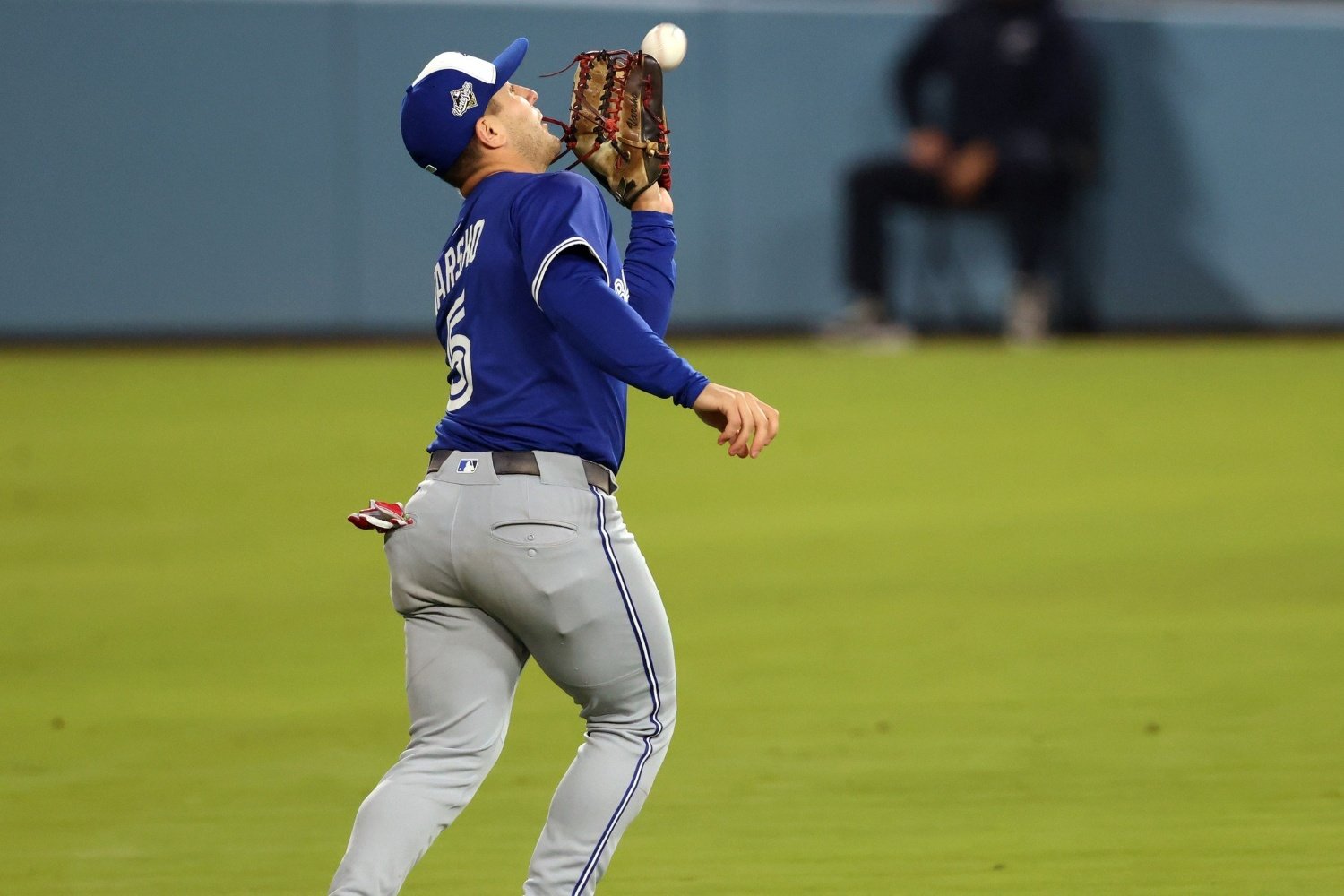 Freddie Freeman said, after the game, that his swings kept getting better as Game 3 of the World Series progressed. That, indeed, is how it felt. Finally, in the 18th inning, he caught hold of one well enough that not even the cooling, damp air of Chavez Ravine could knock it down. Dodger Stadium wasn't going to hold Freeman's drive by itself. Daulton Varsho would have to put on his cape and go flying. That's not a fair thing to ask of Versho—not ever, and certainly not in hour seven of a game that had drawn everything each of its participants had already. Varsho is such a fire hydrant of a man, such a mesomorphic wonder, that all his best heroics on balls hit to the wall stem from his willingness—sometimes, even, his eagerness—to run right through it. He isn't built, either in dimension or in functionality, for scaling fences and high-pointing baseballs. He's a running back out there; this play needed a wide receiver. Much of the time, you're just as happy to have the former as the latter. At the most important moment of the last three decades for the Blue Jays, alas, it mattered a great deal that they had a short king instead of a high flyer. Even so, there's some version of Varsho who might make that play. The ball was up in the air forever, and it fell (on a very steep arc) just beyond the barrier. The camera angles offered by the TV broadcast of the play are unhelpful in seeing how close he could have come to the ball, but the 3D Statcast visualization of the play can fill in that gap. You can see the full trajectory of the ball's flight, in yellow, and the white ball near the end of its tracked arc, just above and beyond the wall. You can also see, planted deep in the wall, the digital avatar of Varsho, who didn't lack speed or gusto as he raced back and leaped. Unfortunately, he's nowhere near the ball—not because he couldn't have been, but because he got to the wall too soon, jumped into it too flat, and was already on his way down by the time the ball got to its would-be rendezvous point with him. If Varsho had only known that he had some extra time, he could have taken a better angle and used the wall to propel him upward, slightly. He could have reached the ball. It just would have required a less feral, fresher Varsho—because it would have taxed his body to the edge of its capacity. Poignantly—almost excruciatingly—the player this play begged for is one Jays fans know just as well as Varsho, or better: the guy who manned center field the last time they were on this stage. Devon Whyte (he uses the original spelling of his surname now) was almost surely watching, despite the lateness of the hour and the depth of the game. He works for the Jays, after all. The roots run deep, and will bond player and team to one another forever. Whyte was the graceful, time-and-leap-and-lean athletic genius that fly ball needed. Alas, he has already rendered his heroics to the city of Toronto and its fans. Besides, tragically, Whyte's attention is surely somewhat divided this week. Just a few hours after the game that wouldn't end finally did, with Varsho slumped and spent against the wall in Los Angeles, Hurricane Melissa made landfall in Jamaica, where Whyte was born in 1962. In MLB history, there are only two truly great natives of Jamaica: Whyte and Chili Davis, but they were excellent ambassadors. Now, one of the most powerful storms ever to hit the island is plowing over its famous beaches and gorgeous mountains. Whyte moved to New York City when he was a kid; Davis moved to Los Angeles. Jamaica itself has little baseball infrastructure to offer athletes who want to pursue that sport. If they want a bat-and-ball game, there, kids end up playing cricket. Like Panamanian Hall of Famer Rod Carew, Whyte and Davis found baseball a good way to assimilate in their new homes, and they're as much American as they are Jamaican. Nonetheless, as Jays fans mourn the wonderful game that ended in heartbreak, it's a good occasion to pause and put things in perspective. Eventually, Game 3 had to end; it felt increasingly like the Dodgers would be the ones to break through over the previous several innings. Varsho made a great running catch to end the 15th, or else the 18th never even would have come. There's no need to lament, for more than these few hours, that Varsho (and not some taller, wall-climbing type of defensive whiz) was there at the wall when the game finally came down to the space just above it. It is, however, a nice chance to reminisce about the very different fielding genius of Whyte, and the heroics he delivered for the back-to-back Series winners in 1992 and 1993. Sadly, it's also a good moment to be thankful for what an immigrant to North America gave to its great pastime, and to think hard about how to pitch in as the place whence he came faces an existential threat. If you would like to donate to the aid effort that will be required in the wake of Hurricane Melissa's assault on Jamaica, consider Direct Relief, an A+-rated charity at Charity Watch with experience in storm relief in the Caribbean. They've already mobilized; find out more here.
-
- 1
-

-
- devon white
- devon whyte
- (and 2 more)
-
There is joy in Mudville, after all, for Ross Atkins and Mark Shapiro have not struck out. In the greatest moment for Canadian baseball since the José Bautista bat flip, the Blue Jays struck a deal with cornerstone first baseman Vladimir Guerrero Jr. overnight. As a new week tried to get its rest and gather itself to arrive, the old one flung its biggest bit of news forward. Just after midnight, Ken Rosenthal of The Athletic broke the news that Guerrero and the Jays have agreed on a 14-year deal worth $500 million. The contract begins in 2026 and takes Guerrero through his age-40 season, in 2039. This is a monumental achievement, and a watershed moment for the Jays. They've avoided the monthslong headache and public lament that could have come with allowing Guerrero to remain unsigned throughout the season. No longer will any of us have to think about whether or not the Jays might trade the face of their franchise, should they slip down the standings this summer. No longer will fans have to wonder whether any true superstar can be convinced to roll the dice on Canada on a long-term deal. This signing heals some of the wounds left by the team's failed attempts to land Shohei Ohtani, Juan Soto and Roki Sasaki, and it could pave the way to a different, brighter future for the Jays as they court free agents. Guerrero being willing to stay (at a perfectly reasonable per-year price just south of $36 million) is, in some ways, more exciting and more valuable than Ohtani or Soto being willing to come would have been. After years with the Jays, Guerrero is showing that he believes in what they're doing and loves the city. Playing with him—and the endorsement that he offered by accepting this deal—should help entice other stars. In the meantime, the deal ensures that the team's lineup will be anchored by the sturdy slugger for much of the next decade. In a marketplace in which Soto just commanded $51 million, it's not at all unfair for Guerrero to receive an annual average value of $35.7 million. That clears the benchmark for elite hitters signing before hitting free agency, set by Mike Trout (12 years, $426.5 million, $35.5 million AAV) over half a decade ago. It's a lower number than Aaron Judge's $40 million AAV, but Judge signed that deal only after going all the way to free agency. Ditto the seven-year, $245-million deal signed by Anthony Rendon after the 2019 season and the two separate, shorter-term deals Carlos Correa has signed with the Minnesota Twins. Guerrero took a hometown discount, coming down toward the Jays' number after the two sides failed to find a deal during spring training. Yet, he got to the $500 million threshold he sought all along, without deferrals pushing the real value of the deal lower than that (as, for instance, Alex Bregman's nominal $40 million-AAV deal with the Red Sox is actually worth less than $33 million per year). Though he's off to a sluggish start this season, Guerrero has one of the fastest swings and generates some of the hardest contact in baseball. He's twice been an elite slugger over a full season, and is looking to make his fifth straight All-Star team this summer. Without this uncertainty hanging over him, he can now focus on trying to carry the Jays to their first division title since 2016, and with this deal complete, the Jays can now fully commit themselves to building around Guerrero—for this year, and for over a decade to come. View full article
-
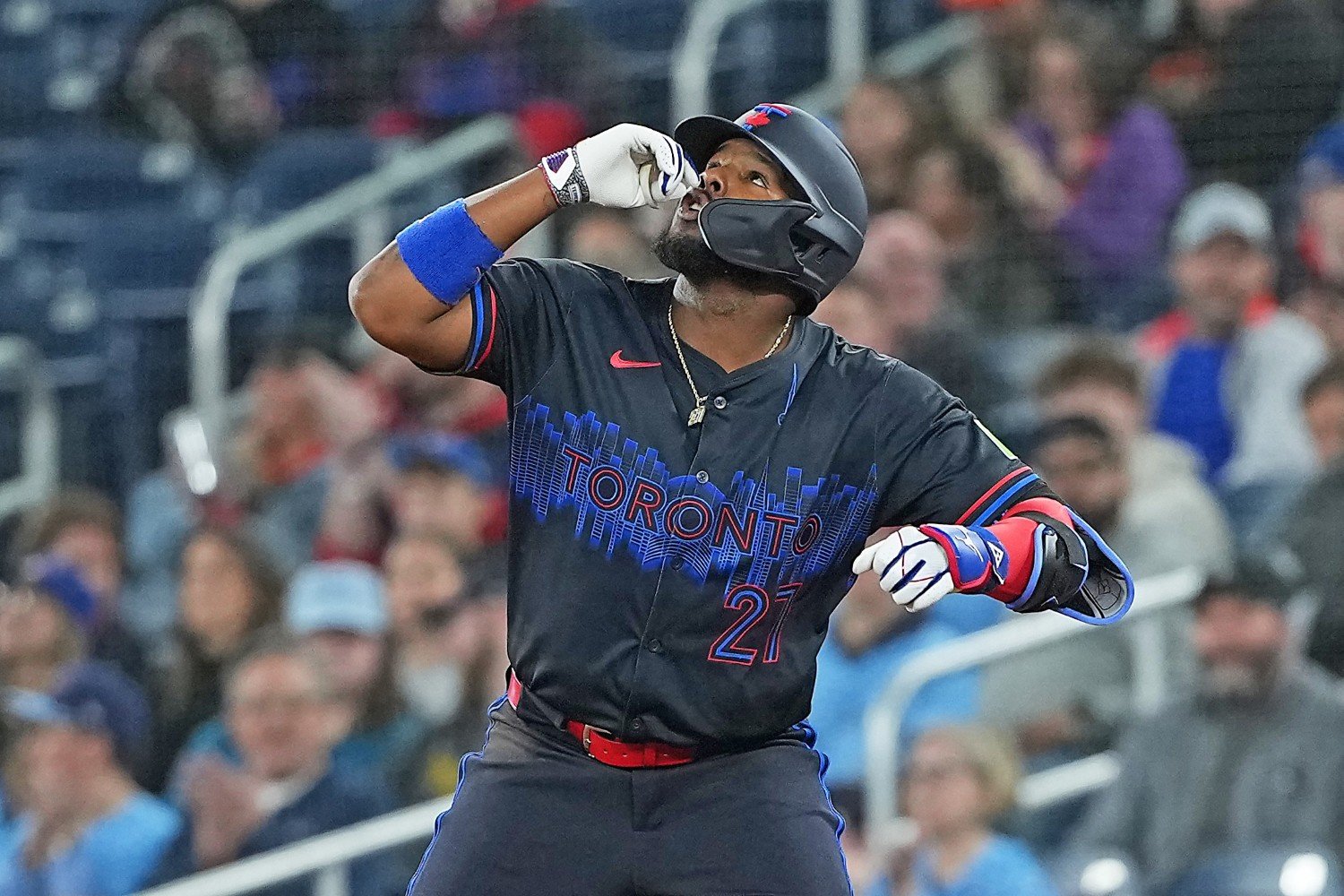 In the greatest moment for Canadian baseball since the José Bautista bat flip, the Blue Jays struck a deal with cornerstone first baseman Vladimir Guerrero Jr. overnight. As a new week tried to get its rest and gather itself to arrive, the old one flung its biggest bit of news forward. Just after midnight, Ken Rosenthal of The Athletic broke the news that Guerrero and the Jays have agreed on a 14-year deal worth $500 million. The contract begins in 2026 and takes Guerrero through his age-40 season, in 2039. This is a monumental achievement, and a watershed moment for the Jays. They've avoided the monthslong headache and public lament that could have come with allowing Guerrero to remain unsigned throughout the season. No longer will any of us have to think about whether or not the Jays might trade the face of their franchise, should they slip down the standings this summer. No longer will fans have to wonder whether any true superstar can be convinced to roll the dice on Canada on a long-term deal. This signing heals some of the wounds left by the team's failed attempts to land Shohei Ohtani, Juan Soto and Roki Sasaki, and it could pave the way to a different, brighter future for the Jays as they court free agents. Guerrero being willing to stay (at a perfectly reasonable per-year price just south of $36 million) is, in some ways, more exciting and more valuable than Ohtani or Soto being willing to come would have been. After years with the Jays, Guerrero is showing that he believes in what they're doing and loves the city. Playing with him—and the endorsement that he offered by accepting this deal—should help entice other stars. In the meantime, the deal ensures that the team's lineup will be anchored by the sturdy slugger for much of the next decade. In a marketplace in which Soto just commanded $51 million, it's not at all unfair for Guerrero to receive an annual average value of $35.7 million. That clears the benchmark for elite hitters signing before hitting free agency, set by Mike Trout (12 years, $426.5 million, $35.5 million AAV) over half a decade ago. It's a lower number than Aaron Judge's $40 million AAV, but Judge signed that deal only after going all the way to free agency. Ditto the seven-year, $245-million deal signed by Anthony Rendon after the 2019 season and the two separate, shorter-term deals Carlos Correa has signed with the Minnesota Twins. Guerrero took a hometown discount, coming down toward the Jays' number after the two sides failed to find a deal during spring training. Yet, he got to the $500 million threshold he sought all along, without deferrals pushing the real value of the deal lower than that (as, for instance, Alex Bregman's nominal $40 million-AAV deal with the Red Sox is actually worth less than $33 million per year). Though he's off to a sluggish start this season, Guerrero has one of the fastest swings and generates some of the hardest contact in baseball. He's twice been an elite slugger over a full season, and is looking to make his fifth straight All-Star team this summer. Without this uncertainty hanging over him, he can now focus on trying to carry the Jays to their first division title since 2016, and with this deal complete, the Jays can now fully commit themselves to building around Guerrero—for this year, and for over a decade to come.
